Tokyo Travel Budget 2026: Daily Costs + How to Save Money
Tokyo’s reputation for being expensive is only half true. Your Tokyo travel budget can stretch surprisingly far when you know where to eat, sleep, and ride. According to Japan National Tourism Organization (JNTO), international visitors to Japan reached 36.8 million in 2024, many of them shocked to find that a filling ramen lunch costs less than a London coffee. This guide breaks down every major cost category with 2026 prices so you can plan a realistic trip. For a broader overview, see our Tokyo travel guide.
Key Takeaways
Budget travelers can manage USD 80-120/day covering hostel, food, transport, and a few sights
The Suica IC card is the single best purchase for transport, covering metro, buses, and convenience stores
Tokyo has more free world-class attractions than almost any city its size
According to JNTO, 2025, most visitors underestimate food costs but overestimate transport costs
Affiliate Disclosure: Some links in this article are affiliate links. If you book or buy through them, we may earn a small commission at no extra cost to you. We only recommend products we’d use ourselves.
Tokyo Travel Budget: Quick Answer
Tokyo costs USD 80-120 per day on a budget, USD 170-270 mid-range, and USD 400+ for a luxury experience, based on 2026 prices at approximately 150 yen to the US dollar (JNTO, 2025). These figures cover accommodation, three meals, local transport, and a mix of free and paid activities. The breakdown below makes it easy to set expectations before you book anything.
Category
Budget (USD/day)
Mid-Range (USD/day)
Luxury (USD/day)
Accommodation
20-53
53-133
200+
Food
15-25
35-60
80-150
Transport
4-8
8-15
20-40
Attractions
0-10
15-35
50-100
Extras (coffee, snacks, shopping)
5-10
15-30
50+
Daily Total
USD 80-120
USD 170-270
USD 400+
Rates based on ~150 JPY/USD exchange rate, 2026. Accommodation converted from JPY nightly rates.
The biggest variable is where you sleep. Get that right and every other category follows.
What Does Accommodation in Tokyo Cost in 2026?
Hostels in Tokyo start at ¥3,000-8,000 per night (USD 20-53), while clean business hotels run ¥8,000-20,000 (USD 53-133). Luxury properties like the Park Hyatt or Aman Tokyo start at ¥30,000+ (USD 200+) per night. Booking.com Tokyo averages for 2026 put the typical mid-range hotel room at USD 120-180 per night before taxes. For detailed neighborhood picks at every price point, see our guide on where to stay in Tokyo.
A practical trick most guides skip: Tokyo’s business hotels (Toyoko Inn, Dormy Inn, APA) often drop prices for Sunday-through-Thursday stays by 20-30%. Weekends see demand spikes from domestic travelers, pushing rates up sharply. Book mid-week if your dates are flexible.
Budget Accommodation Options
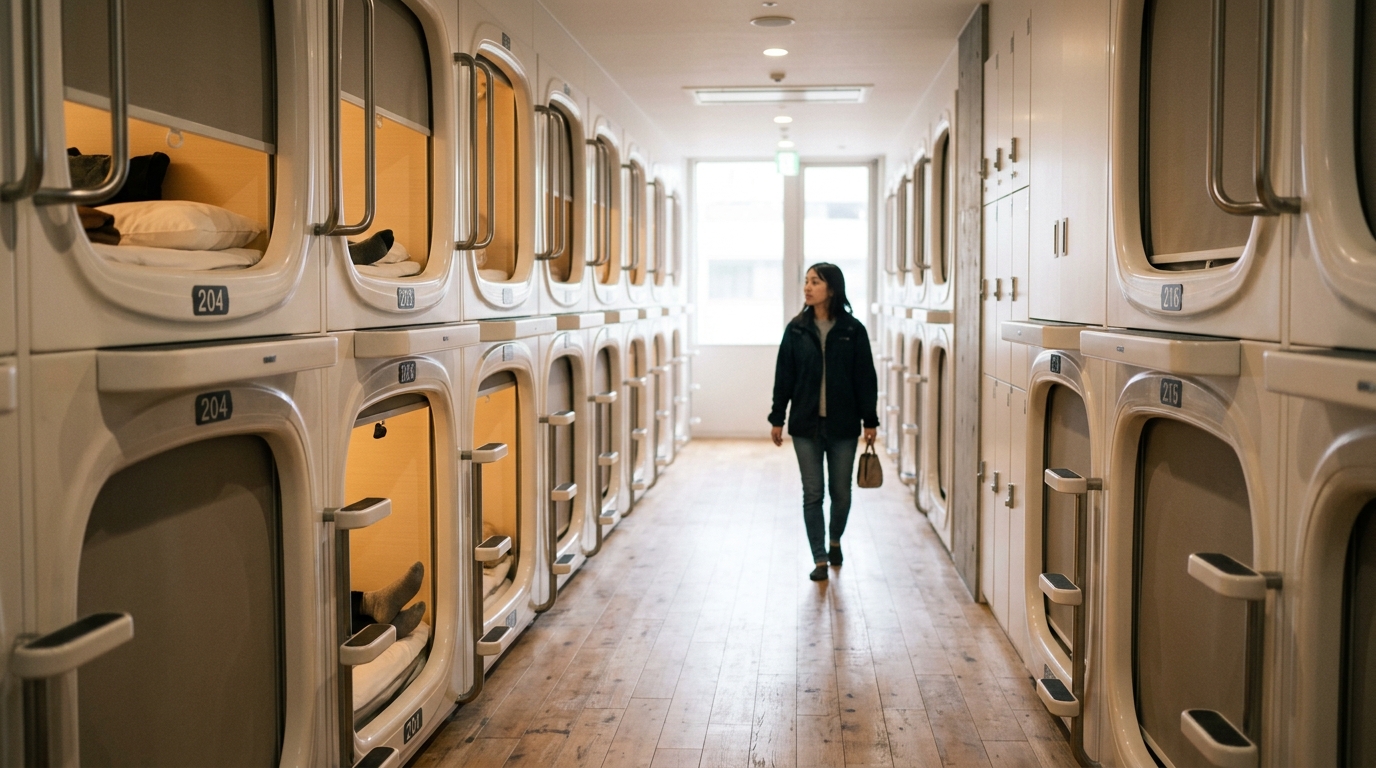
Hostels in Asakusa, Ueno, and Shinjuku offer the best density of cheap beds. Capsule hotels are another solid option, running ¥3,500-7,000 per night with surprisingly good amenities (some include spa access). Female-only floors are standard in most capsule hotels now.
Mid-Range Sweet Spots
Shinjuku and Shibuya have dozens of Toyoko Inn and Dormy Inn properties in the ¥8,000-14,000 range. These include free breakfast at some locations, a coin laundry, and fast Wi-Fi. Location puts you 5-10 minutes from major train hubs.
Airbnb in Tokyo
Whole-apartment Airbnbs in residential areas like Shimokitazawa or Koenji run ¥10,000-20,000/night but become cheaper per person for groups of 3+. Book early. Legal short-term rental inventory in Tokyo is limited since 2018 regulations tightened the supply.
How Much Does Food Cost in Tokyo?
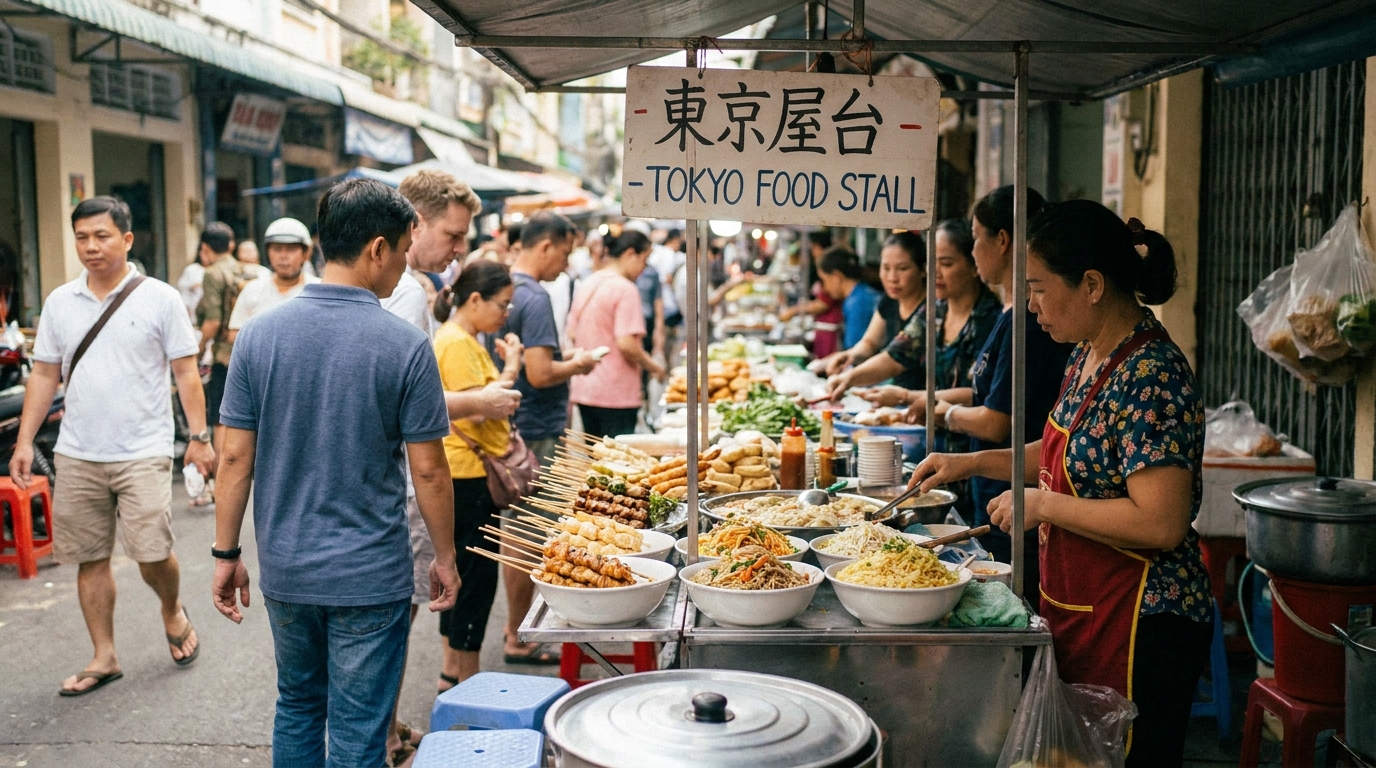
Food is where Tokyo surprises most visitors. A bowl of ramen costs ¥700-1,200 (USD 4.70-8), a convenience store lunch runs ¥500-800 (USD 3.30-5.30), and an izakaya dinner with drinks lands at ¥2,500-5,000 (USD 16-33) per person. Sushi on a conveyor belt (kaiten-zushi) costs ¥1,000-3,000 per person depending on how many plates you grab. These figures come from JNTO restaurant price surveys, 2025. For the best specific restaurants and food experiences, check our guide to best food in Tokyo.
Cheapest Ways to Eat Well
Convenience stores are Japan’s secret weapon for budget travelers. 7-Eleven, FamilyMart, and Lawson sell hot onigiri, sandwiches, salads, and hot foods for ¥500-800 total. Quality is genuinely good, not just “acceptable.” This is how millions of Japanese workers eat lunch every day.
Standing sushi bars (tachigui sushi) charge ¥100-200 per plate. You eat at a counter, plates arrive on a belt, you stack your plates and pay by count. It’s fast, fresh, and roughly 40-60% cheaper than sit-down equivalents.
The depachika trick is one of the best-kept budget secrets in Tokyo. Department store basement food halls (depachika) sell premium bento boxes, sushi platters, and pastries from top producers. After 7:00pm, unsold items get discounted 20-50%. The Isetan Shinjuku basement is a good starting point. Arrive at 7:15pm for the best selection before it sells out.
Lunch vs Dinner Pricing
Most restaurants in Tokyo offer a teishoku (set lunch) that includes the main dish, rice, miso soup, and pickles for ¥800-1,500. The same items ordered at dinner cost 20-30% more. Eating your main meal at lunch and keeping dinner light at a convenience store is the single biggest food budget hack available.
Meal Type
Price Range (JPY)
Price Range (USD)
Convenience store meal
¥500-800
USD 3.30-5.30
Ramen restaurant
¥700-1,200
USD 4.70-8
Lunch teishoku set
¥800-1,500
USD 5.30-10
Conveyor belt sushi
¥1,000-3,000
USD 6.70-20
Izakaya dinner (drinks incl.)
¥2,500-5,000
USD 16-33
High-end restaurant
¥8,000+
USD 53+
Transport Costs: Metro, IC Cards, and the JR Pass
A single metro ride costs ¥170-310 depending on distance, but the smarter move is a 24-hour pass for ¥600, a 48-hour pass for ¥1,200, or a 72-hour pass for ¥1,500 (Tokyo Metro website, 2026). For getting around beyond metro lines, our article on how to get around Tokyo covers buses, taxis, and cycling in detail.
The Suica IC Card: The Only Card You Need
The Suica (or Pasmo) IC card works on every subway, bus, monorail, and JR line in the Tokyo area. Load it with cash, tap in, tap out. It also works at most convenience stores and vending machines. Get a regular Suica from any JR ticket machine at the airport or major stations. It requires a ¥500 refundable deposit.
Note: the Welcome Suica tourist card (sold at Narita and Haneda) is valid only 28 days and is non-refundable for the remaining balance. For stays over 4 weeks, the regular Suica is the better choice.
Is the JR Pass Worth It?
The JR Pass 7-day costs ¥50,000 (approximately USD 333) before October 1, 2026, rising to ¥53,000 after that date (JR East JR Pass pricing, 2026). It only makes financial sense if you’re traveling between Tokyo and at least one other major city: Kyoto, Osaka, Hiroshima, or Sapporo. For a Tokyo-only trip, the pass rarely pays off. A return Shinkansen to Kyoto alone costs around ¥28,000, so adding one more intercity leg justifies the pass quickly.
If you’re staying in Tokyo exclusively, skip the JR Pass and use the Suica card with day passes for heavy sightseeing days.
Pass Type
Price
Best For
Tokyo Metro 24h
¥600 (USD 4)
Single heavy sightseeing day
Tokyo Metro 48h
¥1,200 (USD 8)
2-day sightseeing focus
Tokyo Metro 72h
¥1,500 (USD 10)
3-day sightseeing block
JR Pass 7-day
¥50,000-53,000 (USD 333-353)
Multi-city trips only
Suica IC card (loaded)
Variable
Daily use, most flexible
Tokyo Attractions: Free vs Paid – What Is Worth Paying For?
Tokyo has more free world-class attractions per square kilometer than almost any city on earth. Senso-ji Temple in Asakusa, Meiji Shrine, the Shibuya Crossing, Harajuku’s Takeshita Street, Yoyogi Park, and the Yanaka historic district all cost nothing. The handful of paid attractions are genuinely spectacular. For a curated list of what to prioritize, see best things to do in Tokyo.
Free Attractions Worth Your Full Day
Senso-ji is Tokyo’s oldest temple and draws more visitors than any paid attraction in the city. The Nakamise shopping street leading to it is free to walk even if you buy nothing. Meiji Shrine sits inside a forested park, and the walk through the torii gate avenue alone is memorable. Shibuya Crossing requires no ticket; just stand on the second floor of Starbucks facing the crossing or cross it yourself during peak hours at 5:00-7:00pm.
Shinjuku Gyoen charges ¥500 (USD 3.30), technically paid but barely worth counting. It’s one of Japan’s finest gardens and worth every yen. The Yanaka district in northern Tokyo is the best surviving pre-war neighborhood in the city, completely free, and gives a sense of Tokyo that Shinjuku and Shibuya cannot.
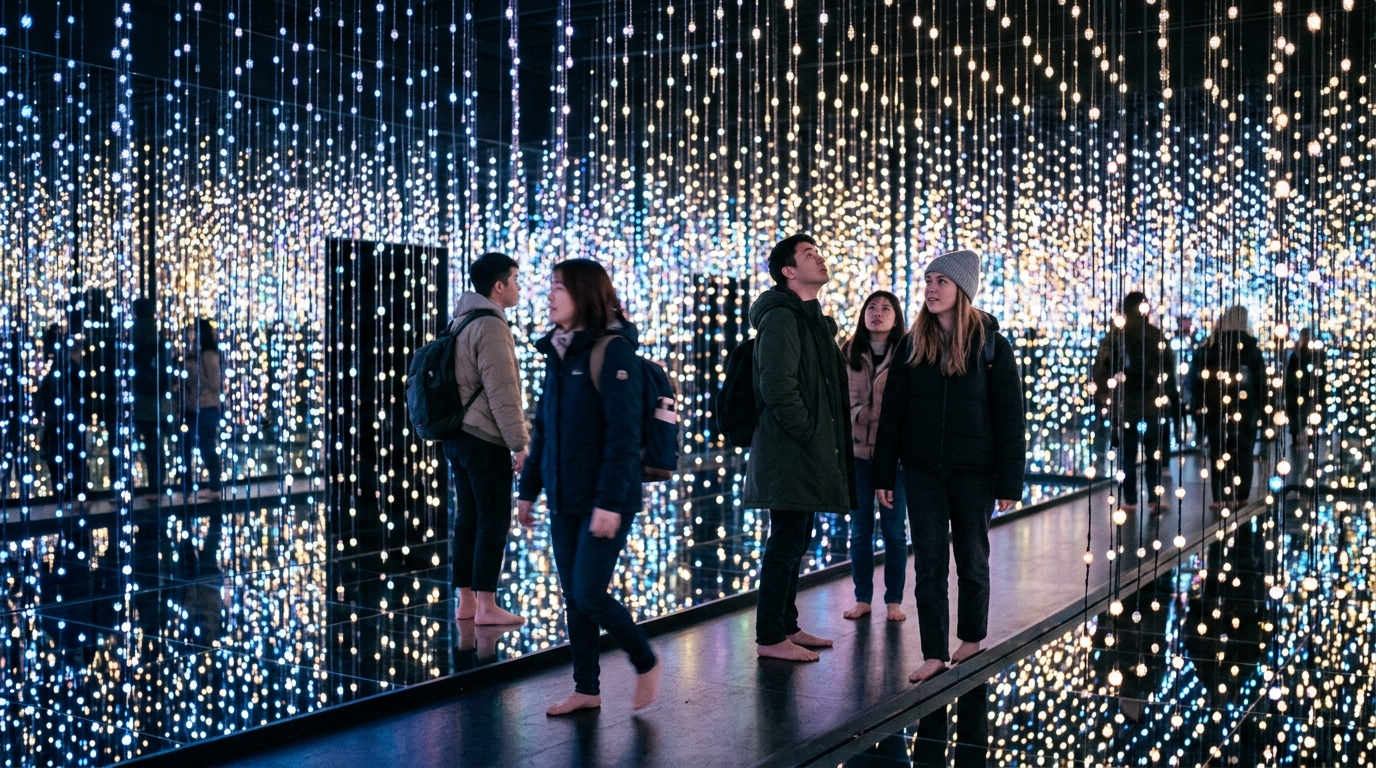
Both teamLab venues sell out weeks in advance on weekends. Book online as soon as your dates are confirmed. There’s no price premium for advance purchase, just guaranteed entry.
Money-Saving Tips That Actually Work in Tokyo
The biggest Tokyo savings come from behavioral changes, not compromises. Budget travelers who eat at convenience stores for breakfast and lunch, visit free shrines in the morning, and save one paid attraction per day typically spend USD 85-100/day with a full and satisfying itinerary, according to first-hand traveler reports compiled by JNTO, 2025.
Here are the tips that genuinely move the needle:
1. Eat convenience store breakfasts. A hot coffee and two onigiri from 7-Eleven costs ¥350-450. Hotel breakfast buffets in the same hotel cost ¥1,500-2,500 for the same calories.
2. Use 100-yen shops for snacks and basics. Daiso and Seria sell packaged snacks, bottled water alternatives, and basic toiletries for ¥110 each. Buying sunscreen or shampoo here saves ¥500-1,500 versus a pharmacy or convenience store.
3. Eat lunch, not dinner, as your main meal. Teishoku set lunches give you the full restaurant experience at 20-30% less than dinner pricing. Most ramen and soba shops participate.
4. Buy the 72-hour metro pass on heavy sightseeing days. If you’re hitting 4+ metro stops per day, the ¥1,500 pass beats paying per ride within the first 5 trips.
5. Visit free temples and shrines in the morning. Senso-ji, Meiji Shrine, and Zojo-ji Temple near Tokyo Tower are all free. A morning temple circuit fills 3-4 hours with no admission costs.
6. Book teamLab and Skytree online. No price difference from the door price, but you skip queues of up to 90 minutes on peak days. Time saved is money not spent on extra meals while waiting.
7. Shop depachika after 7:00pm. Department store basement food halls discount unsold premium items heavily in the last hour before closing. Isetan Shinjuku, Takashimaya Times Square, and Matsuya Ginza are the best for this.
8. Get a regular Suica card, not Welcome Suica. The Welcome Suica’s 28-day limit and non-refundable balance cost budget travelers money. Regular Suica refunds your unused balance and ¥500 deposit when you return it.
Sample Daily Budget Breakdown for Tokyo
Knowing the categories is one thing. Seeing how a real day plays out makes planning concrete. These three sample days are built from actual 2026 price data and represent typical patterns, not best-case scenarios.
Sample Budget Day (USD 93 total)
Item
Cost (JPY)
Cost (USD)
Hostel dorm bed
¥4,500
USD 30
Convenience store breakfast
¥400
USD 2.70
Ramen lunch
¥900
USD 6
72-hour metro pass (day 1 of 3)
¥500 (1/3 of ¥1,500)
USD 3.30
Senso-ji + Nakamise (free)
¥0
USD 0
Meiji Shrine (free)
¥0
USD 0
Shinjuku Gyoen admission
¥500
USD 3.30
Izakaya dinner (1 dish + 1 drink)
¥2,000
USD 13.30
Snacks + coffee
¥600
USD 4
Day expenses subtotal
¥4,900
~USD 33
Plus hostel: USD 30. Day total: ~USD 63 expenses only. Full day including accommodation: ~USD 93.
Sample Mid-Range Day (USD 220 total)
Item
Cost (JPY)
Cost (USD)
Business hotel (Dormy Inn)
¥14,000
USD 93
Hotel breakfast or cafe
¥1,200
USD 8
Teishoku set lunch
¥1,200
USD 8
Suica card transport
¥800
USD 5.30
teamLab Planets ticket
¥3,200
USD 21
Tokyo Tower admission
¥1,200
USD 8
Sit-down ramen dinner
¥1,500
USD 10
Coffee + shopping budget
¥3,000
USD 20
Day expenses subtotal
¥12,100
~USD 80
Plus hotel: USD 93. Day total: ~USD 173 expenses + hotel = ~USD 220 including accommodation.
Sample Luxury Day (USD 430+ total)
Item
Cost (JPY)
Cost (USD)
Boutique hotel
¥45,000
USD 300
Hotel breakfast
¥3,500
USD 23
Sushi omakase lunch
¥8,000
USD 53
Taxi + transport
¥3,000
USD 20
teamLab Borderless + Skytree
¥5,300
USD 35
Department store dinner
¥12,000
USD 80
Cocktail bar
¥4,000
USD 27
Day expenses subtotal
~¥35,800
~USD 238
Plus hotel: USD 300. Full luxury day including accommodation: ~USD 538. Luxury varies widely by hotel tier.
Staying Connected in Tokyo: SIM and Wi-Fi Costs
Pocket Wi-Fi rentals from the airport run ¥600-1,000/day (USD 4-6.70) and cover multiple devices, making them good for groups. Solo travelers usually find an eSIM cheaper and simpler. The Airalo Japan eSIM costs approximately USD 8-15 for 1-5GB and activates instantly before you leave home. No queuing at the airport counter and no physical device to return.
Japan’s major cities have excellent 4G and 5G coverage. Free Wi-Fi exists at most convenience stores, Starbucks locations, and major train stations, but it’s slow and requires registration. An eSIM or pocket Wi-Fi is worth the small daily cost for reliable navigation and translation app access.
Option
Cost
Best For
Airalo Japan eSIM (1GB)
~USD 8
Solo, short trip
Airalo Japan eSIM (5GB)
~USD 15
Solo, 1-2 weeks
Pocket Wi-Fi rental
¥600-1,000/day
Groups, multiple devices
Free convenience store Wi-Fi
Free
Light use only
Is Tokyo Actually Expensive?
Tokyo is not as expensive as its reputation suggests, especially for food and transport. The city is cheaper than London, Paris, Sydney, and New York for daily living costs in most categories. It earns its expensive reputation primarily from accommodation. Hotel rates have climbed with the tourism boom, and Tokyo averages USD 120-180/night for a mid-range private room (Booking.com, 2026).
Where Tokyo genuinely costs more than Southeast Asian destinations: accommodation, entry-level alcohol at bars, and international coffee chains. Where it surprises most visitors with low prices: public transport, convenience store meals, ramen, and the sheer volume of free cultural attractions.
For most travelers, the practical reality is that a well-planned Tokyo trip costs about the same as a European capital, with better food quality at the lower price points and more free sights per day.
Frequently Asked Questions
How much spending money do I need for 7 days in Tokyo?
Budget travelers need approximately USD 560-840 for 7 days (USD 80-120/day) covering a hostel, three convenience store or cheap restaurant meals, metro passes, and a mix of free and low-cost sights. Mid-range travelers should budget USD 1,190-1,890 for 7 days. Add your flights and accommodation separately if calculating a total trip cost.
Is the JR Pass worth buying for a Tokyo-only trip?
No. The 7-day JR Pass costs ¥50,000-53,000 (USD 333-353) and covers mainly JR lines, not the Tokyo Metro network where most sightseeing trips happen (JR East, 2026). For a Tokyo-only trip, a Suica IC card with day metro passes is far cheaper. The JR Pass pays off when you combine Tokyo with Kyoto, Osaka, or other Shinkansen destinations.
What is the cheapest way to eat in Tokyo?
Convenience stores (7-Eleven, FamilyMart, Lawson) offer complete meals for ¥500-800 (USD 3.30-5.30). Standing ramen and soba restaurants serve filling bowls for ¥700-1,000. Eating lunch as your main restaurant meal (teishoku sets) and supplementing with convenience store food for breakfast and dinner keeps daily food costs under USD 20.
Do I need cash in Tokyo?
Yes, more than in most developed cities. Many small restaurants, shrines, and traditional shops are cash-only. Major convenience stores, department stores, and chain restaurants accept IC cards and credit cards, but carry ¥5,000-10,000 in cash at all times. 7-Eleven ATMs reliably accept international cards and charge reasonable fees.
How much does a week in Tokyo cost including flights?
A budget week in Tokyo (7 nights, flights from the US) typically totals USD 1,500-2,200: roughly USD 700-1,000 for return flights, USD 140-210 for a hostel (7 nights), and USD 560-840 for daily expenses. Mid-range travelers should budget USD 3,000-4,500 for the same 7-day trip all-in, based on 2026 pricing data.
Final Verdict: Planning Your Tokyo Travel Budget
Tokyo rewards travelers who do a bit of homework. The free attractions are world-class, the food is exceptional at every price point, and the transport system is cheap and reliable once you understand it. The Suica card, the lunch-over-dinner rule, and one paid attraction per day is the formula that keeps most budget travelers under USD 100/day without feeling like they’re missing anything.
See our full Tokyo travel guide → /tokyo travel guide/
Start with the 72-hour metro pass for your first three sightseeing days, load a Suica card for everything else, and book teamLab as soon as your dates are set. That’s the practical starting point for most Tokyo first-timers.
For everything you need to plan the trip beyond the budget, the complete Tokyo travel guide covers visas, best time to visit, and neighborhood breakdowns in detail.
Prices accurate as of May 2026. Exchange rate approximately ¥150/USD. Always verify current entry requirements and attraction hours before travel.