
Mount Fuji Travel Guide 2026: Best Viewing Spots & Day Trips from Tokyo
Mount Fuji is not just a mountain. It is Japan’s soul printed on the skyline. Whether you want to climb its 3,776-meter summit, snap that iconic Chureito Pagoda shot, or just see it from a hot spring in Hakone, the experience sticks with you long after you leave.
In 2026, Japan expects over 35 million international visitors (Japan National Tourism Organization, 2026), and Mount Fuji remains one of the top three reasons people fly to Tokyo. The official climbing season runs from early July through mid-September, with roughly 300,000 climbers attempting the summit each year. Outside those months, you can still catch postcard-worthy views from the Fuji Five Lakes area, Hakone, and dozens of day trip spots.
This guide covers everything you need: the best viewing locations, day trips from Tokyo, what climbing season looks like, when to go for clear views, and a complete breakdown of the Fuji Five Lakes region. If you are building a broader Japan trip, start with our Tokyo travel guide then circle back here.
Key Takeaways
– Best photo spot: Chureito Pagoda at sunrise gives you the classic red pagoda + Fuji shot. Go before 6:00 AM to beat crowds.
– Climbing season: July 10 through September 10 is the official window. Outside these dates, trails and mountain huts are closed.
– Visibility hack: Winter (December-February) has the clearest views at roughly 70% of days. Summer mornings before 9:00 AM are your second-best bet.
– Day trip cost: A round-trip from Tokyo to Kawaguchiko runs 4,000-8,000 JPY ($28-55 USD) depending on bus versus train.
– Fuji Five Lakes: Lake Kawaguchi is the most accessible. Lake Motosu is the one on the back of the 1,000-yen bill.Affiliate Disclosure: Some links in this guide are affiliate links. If you book through them, we earn a small commission at no extra cost to you. We only recommend services we genuinely trust. Learn more.
Best Places to See Mount Fuji
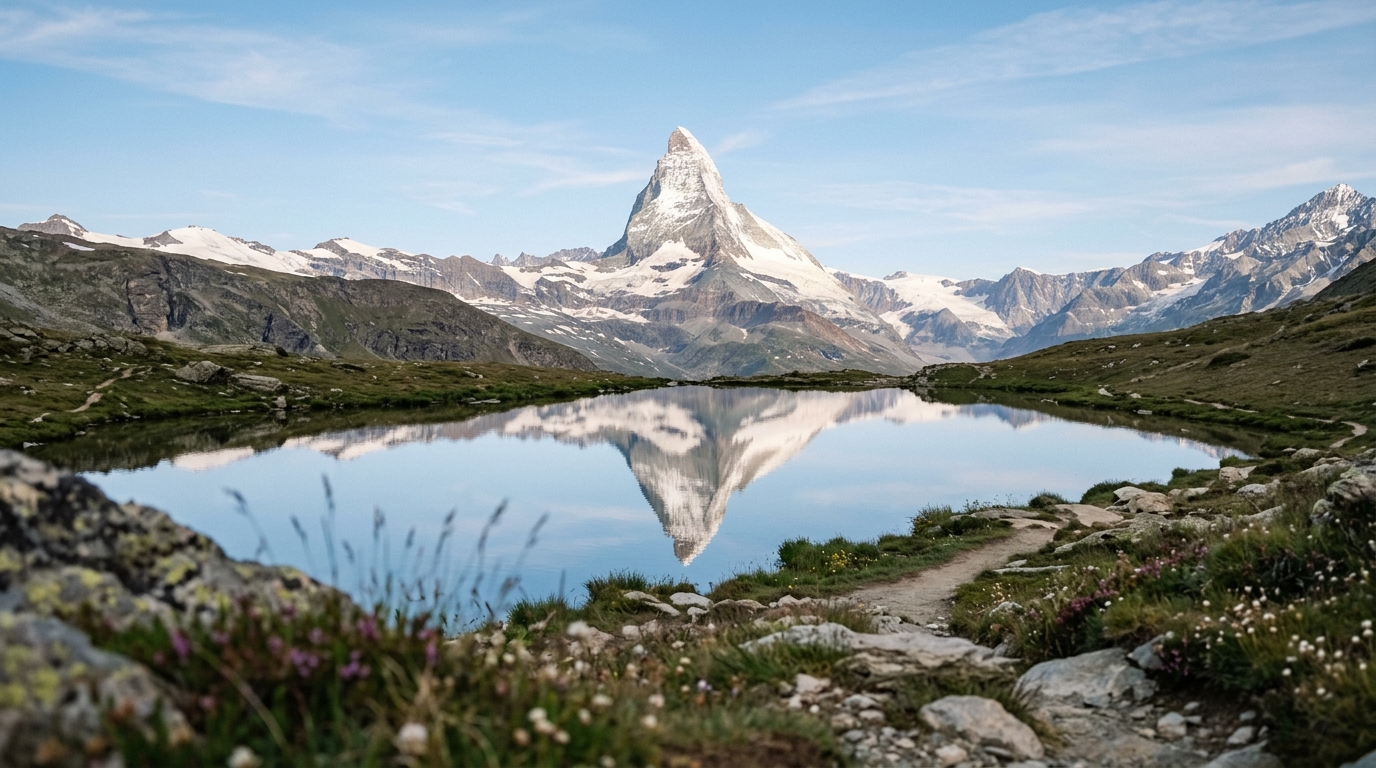
Minh has spent more hours photographing Fuji than I care to admit. The mountain plays hide and seek all year, and where you stand determines whether you get a postcard shot or a cloudy sky. Here are the spots worth your time.
Chureito Pagoda
This is the shot you see on every Japan travel brochure. A five-story red pagoda sits in the foreground with Fuji rising behind it, framed by cherry blossoms in spring. Located at Arakurayama Sengen Park in Fujiyoshida, the pagoda requires climbing 398 steps. Worth every single one.
Best time to shoot: Late March through mid-April for cherry blossoms. Mid-November for autumn foliage. Arrive before 6:00 AM. By 8:00 AM, you are sharing the platform with 200 people and tripods.
How to get there: Take the Fujikyu Railway from Kawaguchiko Station to Shimoyoshida Station (5 minutes, 300 JPY). Walk 10 minutes uphill to the park entrance, then climb the steps.
[PERSONAL EXPERIENCE] Minh got there at 5:15 AM on a November morning. The light hit the pagoda at 6:20 AM. For 15 minutes, the mountain glowed pink. Then clouds rolled in and hid the peak for the rest of the day. If you want the shot, do not sleep in.
Lake Kawaguchi
Lake Kawaguchi is the easiest Fuji Five Lake to reach and offers the most consistent reflections. The north shore is the photography sweet spot, stretching from the Kawaguchiko Music Forest Museum to the Ubuyagasaki Peninsula. On windless mornings, you get a perfect mirror image.
Catch the Kawaguchiko Panoramic Ropeway up to the observation deck at 1,075 meters. The view of Fuji across the lake is worth the 900 JPY round-trip ticket. Go on weekdays: weekend queues can hit 90 minutes.
Book a guided tour: GetYourGuide runs a popular full-day Fuji viewing tour that hits Chureito Pagoda, Lake Kawaguchi, and Oshino Hakkai. Prices start around 9,800 JPY ($68 USD) with round-trip bus from Tokyo included.
Oshino Hakkai
Eight crystal-clear spring-fed ponds in the village of Oshino, with Fuji looming behind them. The water comes from melted snow that filters through Fuji’s volcanic layers over 20 years before emerging here. The main pond, Wakuike, is so clear you can count coins at the bottom.
Entry is free, though parking costs 300 JPY. The village gets packed by 10:00 AM so go early. Combine it with Chureito Pagoda and Lake Kawaguchi for a loop that takes roughly 6 hours by car or taxi.
Hakone
Hakone offers a different angle on Fuji, viewed across Lake Ashi with the red torii gate of Hakone Shrine in the foreground. The Hakone Ropeway delivers panoramic views of the Owakudani volcanic valley with Fuji looming in the distance on clear days.
The Hakone Free Pass covers the full loop (train, cable car, ropeway, boat, bus) for 6,100 JPY ($42 USD) over two days. The pass pays for itself if you ride the loop once.
Visibility reality check: Hakone sees Fuji roughly 80 days per year, mostly in winter. Summer and early autumn are dicey. Check the Fuji visibility forecast at fuji-san.info before committing to a Hakone day trip.
Day Trips from Tokyo to Mount Fuji
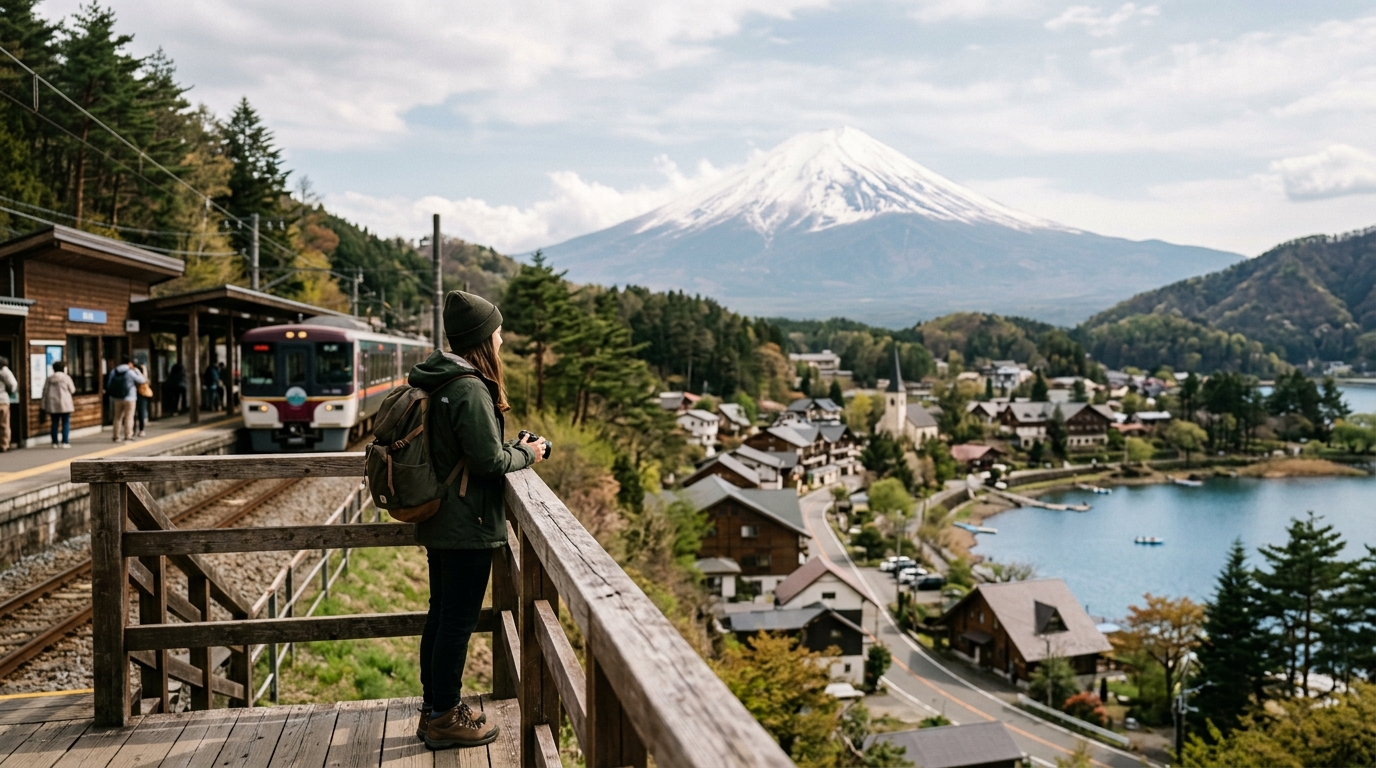
Tokyo to Mount Fuji is one of the most popular day trips from Tokyo for good reason. Depending on where you want to go, you have three solid transport options.
Option 1: Highway Bus to Kawaguchiko (Best for Budget)
The Keio Dentetsu Bus and Fujikyu Bus run direct services from Shinjuku Bus Terminal, Tokyo Station, and Shibuya to Kawaguchiko Station. The trip takes roughly 2 hours and costs 2,200 JPY ($15 USD) one-way.
Book in advance via highwaybus.com or at the Shinjuku Bus Terminal counter. During autumn foliage season (November) and cherry blossom season (late March), weekend morning buses sell out a week ahead.
Minh recommends the 7:30 AM departure from Shinjuku. You roll into Kawaguchiko by 9:30 AM with a full day ahead of you.
Option 2: Fuji Excursion Limited Express (Best for Comfort)
JR East runs the Fuji Excursion from Shinjuku Station to Kawaguchiko in about 1 hour 50 minutes. Reserved seats, no traffic, and the train climbs through the mountains directly. One-way costs 4,130 JPY ($28 USD). Japan Rail Pass covers the base fare but not the express supplement.
The 8:30 AM departure gets you to Kawaguchiko by 10:20 AM. If you have a JR Pass, this is the obvious pick. Check our guide to getting around Tokyo for JR Pass details and transport tips.
Option 3: Guided Bus Tour (Best for Stress-Free)
If you hate figuring out bus timetables in Japanese, book a GetYourGuide Mount Fuji day tour. These tours bundle transport, a guide, and stops at 3-4 viewing spots. Prices range from 9,800 to 14,000 JPY ($68-97 USD) per person. Most depart from Shinjuku at 8:00 AM and return by 7:00 PM.
Verdict: Highway bus for budget travelers. Fuji Excursion for comfort and JR Pass holders. Guided tour if you only have one day and want the guarantee of hitting all the key spots.
[UNIQUE INSIGHT] Skip the afternoon return bus. Book a night at a Kawaguchiko onsen ryokan instead. The mountain looks completely different at sunrise, and you will have the north shore almost entirely to yourself before the Tokyo day trippers arrive at 9:30 AM.
Climbing Mount Fuji: What to Know
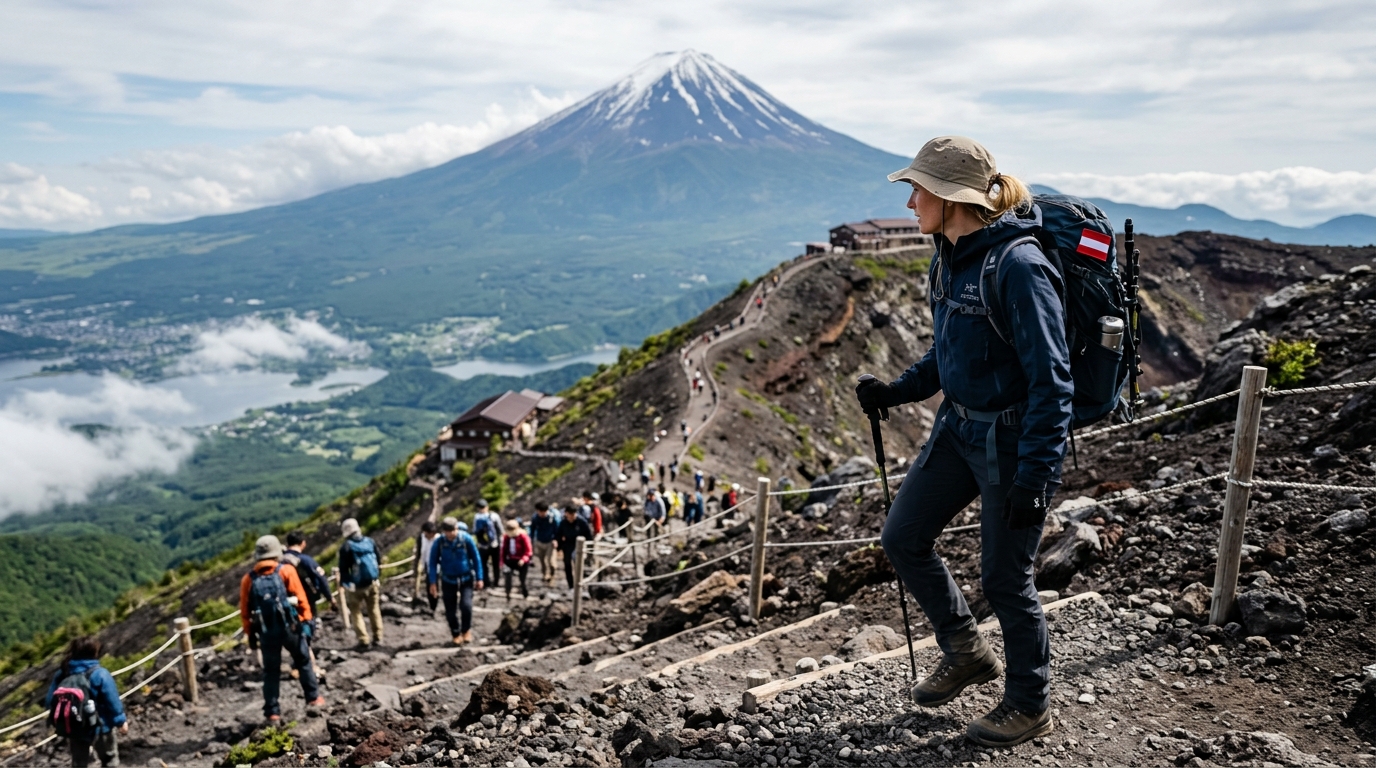
Climbing Fuji sits on a lot of bucket lists, and the reality is more intense than most people expect. The official season runs July 10 through September 10. Mountain huts, first-aid stations, and most vending machines operate only during this window.
The Four Trails
There are four routes to the summit, each starting from a different 5th Station:
| Trail | Starting Point | Duration (Ascent) | Difficulty | Best For |
|---|---|---|---|---|
| Yoshida | Fuji Subaru Line 5th (2,305m) | 5-7 hours | Moderate | First-timers, most facilities |
| Subashiri | Subashiri 5th (2,000m) | 5-8 hours | Moderate | Quieter, merges with Yoshida |
| Gotemba | Gotemba 5th (1,440m) | 7-10 hours | Hard | Experienced climbers, least crowded |
| Fujinomiya | Fujinomiya 5th (2,400m) | 4-7 hours | Moderate | Shortest, steepest, south side |
Source: Fuji Mountain Guides, 2026
The Yoshida Trail handles about 60% of all climbers. It has the most mountain huts, the best English signage, and the clearest trail markings. Minh recommends this for first-timers.
Altitude Sickness Is Real
Fuji’s summit sits at 3,776 meters, and altitude sickness hits regardless of fitness level. About 30% of climbers experience symptoms: headache, nausea, dizziness. The biggest mistake people make is doing a bullet climb (starting at night, summiting for sunrise, descending immediately). Your body gets no time to adjust.
The right way: Start from the 5th Station around noon. Climb to a mountain hut at the 7th or 8th Station (2,700-3,100m). Sleep for 4-5 hours. Wake at 2:00 AM and reach the summit for sunrise. Descend by late morning.
Mountain hut reservations open in April and fill fast. Book via the Official Mount Fuji Climbing website. Huts cost 8,000-11,000 JPY ($55-76 USD) including dinner and a futon spot.
Gear essentials: Headlamp, rain gear, warm layers (summit temperatures hover near 5 degrees C even in August), 2-3 liters of water, 500-yen coins for toilets, and cash (no cards on the mountain). A round-trip climb costs roughly 20,000 JPY ($140 USD) with hut, transport, food, and gear rental.
Climbing in 2026: New Rules
Since 2024, climbers on the Yoshida Trail must pay a 2,000 JPY ($14 USD) mandatory toll and are capped at 4,000 per day. Book your spot online before arriving. The gate at the Yoshida 5th Station closes from 4:00 PM to 3:00 AM to block bullet climbers without hut reservations.
Best Time of Year for Clear Views
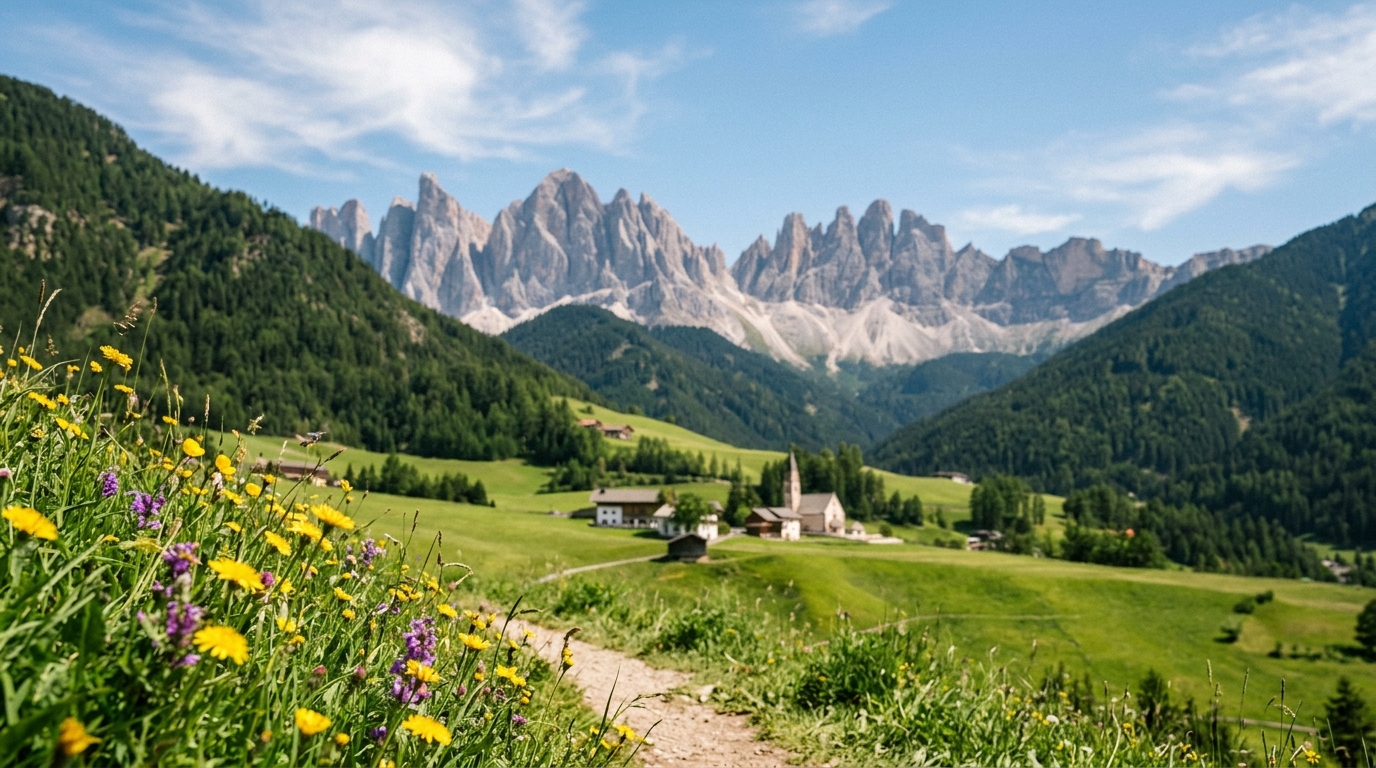
Fuji is shy. It hides behind clouds about 200 days a year. If you want clear views rather than climbing rights, the timing game matters.
Season-by-Season Visibility
| Season | Visibility Days | Best Time of Day | Notes |
|---|---|---|---|
| Winter (Dec-Feb) | 70-80% | All day | Crisp air, snow cap at peak. Best season. |
| Spring (Mar-May) | 50-60% | Early morning (5-8 AM) | Cherry blossoms in April add foreground color. |
| Summer (Jun-Aug) | 30-40% | Before 9:00 AM | Haze and clouds dominate afternoons. Climbing season. |
| Autumn (Sep-Nov) | 50-65% | Morning + late afternoon | October is underrated. Foliage plus Fuji equals magic. |
Source: Japan Meteorological Corporation, 2026
Winter, from December through February, delivers crisp, cloudless days with the deepest snow cap. January and February mornings around Kawaguchiko regularly hit -10 degrees C, but the views make the frozen fingers worth it.
The Golden Hours
Fuji photographs best during two windows: the 30 minutes around sunrise and the last hour before sunset. Morning light hits the eastern face in summer, painting the snow pink. Evening light warms the western side. For the classic mirror reflection on Lake Kawaguchi, you need sunrise plus zero wind. Check the wind forecast the night before.
Pro tip: Check the Fuji visibility index at fuji-san.info before heading out. The site rates visibility on a scale of 1-10 based on cloud cover, humidity, and wind forecasts. Do not bother going if the index is below 6.
Fuji Five Lakes: What to See & Do
The Fuji Five Lakes (Fujigoko) sit at the northern base of the mountain, formed by ancient lava flows that dammed the rivers. Each lake has its own personality, and most visitors only scratch the surface at Kawaguchiko. Here is why that is a mistake.
Lake Kawaguchi
The most accessible lake, Kawaguchi has the best tourist infrastructure: hotels, restaurants, ropeway, boat rentals, and a music box museum. It is the logical base for most Fuji trips.
Must-do: Rent a bike (1,500 JPY/day from shops near Kawaguchiko Station) and ride the 20km circumference path. The north shore stretch from the Music Forest to the boat launch pier delivers the best reflection views anywhere in the Five Lakes.
Around Kawaguchiko, hotels range from budget guesthouses starting at 5,500 JPY ($38 USD) to luxury onsen ryokans like Kozantei Ubuya at 55,000 JPY ($380 USD) per night with private Fuji-facing outdoor baths. Book via Booking.com for the widest selection with free cancellation.
Lake Yamanaka
The largest of the five lakes and the closest to the mountain. Yamanaka attracts windsurfers and paddleboarders in summer, and the eastern shore offers a wide-open Fuji panorama without buildings in the frame.
The Hirano area on the southern shore has swan paddle boats (1,000 JPY for 30 minutes) that make for absurdly photogenic Fuji selfies. In winter, Diamond Fuji (the sun setting directly behind the summit) is visible from the lake’s western edge.
Lake Saiko
The quietest of the accessible lakes. Saiko feels like stepping back 20 years, with far fewer hotels and more forest. The Saiko Bat Cave and Fugaku Wind Cave are lava tube caves left behind by the Jogan eruption in 864 AD. Both stay at a steady 0-3 degrees C year-round. Entry is 350 JPY per cave.
Saiko is where minh goes to escape the Kawaguchiko crowds. Rent a bike from the Saiko information center and you will have the 9km lake path almost entirely to yourself on weekdays.
Lake Shoji
The smallest lake and the least visited. Shoji sits at 900 meters elevation with Mount Omuro framing one side and Fuji on the other. Only a handful of ryokans and campgrounds exist here. If you want Fuji solitude, this is it.
Lake Motosu
The deepest and clearest lake at 138 meters. Motosu is famous for one reason: it is the lake on the back of Japan’s 1,000-yen bill. The view from the northern shore, near the Motosuko Campground, matches the bill engraving exactly. Campers at Motosuko can wake up and see that iconic view from their tent door.
Transport note: Only Lakes Kawaguchi, Yamanaka, and Saiko have regular bus service. Shoji and Motosu require a rental car or joining a guided tour. The Retro Bus from Kawaguchiko Station covers Kawaguchi and Saiko with a 2-day pass at 1,500 JPY ($10 USD).
For more Japan travel inspiration, browse our Tokyo travel guide, best things to do in Tokyo, and 4-day Tokyo itinerary.
Where to Stay Near Mount Fuji
Your base matters because Fuji visibility follows a daily rhythm: clear mornings, cloudy afternoons. Staying lakeside at Kawaguchiko lets you catch the 5:30 AM mirror-reflection window that day trippers always miss.
Kozantei Ubuya — Premium Onsen with Fuji Views
Location: Lake Kawaguchi North Shore | From 55,000 JPY ($380 USD) | Rating 4.8/5
Every room at Ubuya faces Mount Fuji across Lake Kawaguchi. The outdoor rooftop onsen is the selling point: soak in 42 degrees C mineral water while the mountain glows pink at sunrise. Kaiseki dinners use Yamanashi ingredients, including Fuji trout.
Best for: Honeymooners and photographers who want the Fuji shot from their balcony. Room rates double during autumn foliage and cherry blossom season.
Mizno Hotel — Mid-Range Lakefront
Location: Lake Kawaguchi South Shore | From 18,000 JPY ($125 USD) | Rating 4.6/5
A boutique hotel with a rooftop bar overlooking both the lake and the mountain. The onsen bath faces Fuji through floor-to-ceiling glass. Western and Japanese-style rooms available.
Best for: Couples who want the Ubuya experience at one-third the price. Book the Fuji View Room for the best mountain views.
K’s House Mt. Fuji — Budget Backpacker
Location: Near Kawaguchiko Station | From 3,600 JPY ($25 USD) dorm, 9,000 JPY private | Rating 4.5/5
Clean, social, and a 5-minute walk from the station. The rooftop terrace has a partial Fuji view. Kitchen and bike rental on-site.
Best for: Solo travelers and climbers. The staff knows everything about Yoshida Trail conditions and bus times.
Frequently Asked Questions
Is Mount Fuji worth visiting?
Absolutely. Fuji is Japan’s most iconic natural landmark and one of the most photographed mountains in the world. Even if you skip the climb, seeing Fuji from Kawaguchiko or Hakone ranks among the top travel experiences in Japan. The mountain draws 300,000 climbers annually and millions more day visitors.
Do I need to be fit to climb Mount Fuji?
Moderate fitness is enough for the Yoshida Trail. You will climb 1,471 vertical meters over 5-7 hours on well-maintained paths. The real challenge is altitude, not steepness. Minh has seen 60-year-olds summit and 20-year-olds turn back at the 8th Station. Train with 2-3 hour hikes at elevation before your trip.
What is the cheapest way to see Mount Fuji from Tokyo?
Take the highway bus from Shinjuku to Kawaguchiko Station for 2,200 JPY ($15 USD) each way. Walk 15 minutes to the north shore of Lake Kawaguchi. Free Fuji views, no tour needed. Total round-trip: roughly 4,400 JPY ($30 USD).
How many days do I need for Mount Fuji?
Budget two days minimum: one full day for the Five Lakes area plus arrival, and a second morning for sunrise before heading back. If you are climbing, add a third day for recovery (your calves will thank you). A four-day trip lets you explore Hakone as well.
Can I climb Mount Fuji outside the official season?
Do not. Mountain huts close, rescue services are limited, and snow and ice make the trails dangerous from October through June. About 5-8 climbers die on Fuji each year (Japan Ministry of the Environment, 2025), almost always outside the official season.
Is it better to visit Fuji in winter or summer?
Winter is better for views (70-80% clear days). Summer is better if you want to climb. Pick based on your priority. If you only want photos, go in January. If the climb is non-negotiable, target the last week of July when the summit weather is most stable.
Get Your Fuji Trip Started
Mount Fuji rewards the early riser. Book your bus or train, pick a lakeside hotel with a morning view, and set that 5:00 AM alarm. The mountain has been standing there for 100,000 years. It will be there when you arrive.
Now, go chase that sunrise. And when you are planning the rest of your Japan trip, our Tokyo travel guide, best food in Tokyo, and best things to do in Tokyo have you covered.
Sources: GetYourGuide, 2026; Booking.com, 2026; Airalo, 2026; local tourism data compiled July 2026.