Osaka Itinerary: 2, 3 and 5 Days (2026)
Disclosure: Some links in this guide are affiliate links. If you book or buy through them, we may earn a small commission at no extra cost to you — it helps keep our guides free.
A 3-day Osaka itinerary covers Dotonbori, Osaka Castle and Shinsekai at a walkable pace, and a 5-day itinerary adds a 29-minute train ride to Kyoto without cutting anything from the city itself.
Two days suits a short Kansai stop on a longer Japan trip, three days suits first-time visitors who want Osaka as its own destination, and five days suits travelers who want Kyoto, Nara or Kobe folded in as day trips.
| Days | Areas | Day trips | Approx cost/person (USD) |
|---|---|---|---|
| 2 days | Dotonbori, Namba, Osaka Castle | None | USD 280-475 |
| 3 days | + Shinsekai, Umeda, Tennoji | Optional half day | USD 420-710 |
| 5 days | + Kyoto, Nara or Kobe | Kyoto full day, Nara half day | USD 720-1,200 |
Costs are mid-range per person, excluding flights, based on Osaka’s published mid-range daily spend of USD 140-237 for lodging, food and local transport.
Getting from Kansai Airport to Osaka
Kansai International Airport sits on an artificial island in Osaka Bay, and three train options cover the trip into the city at different speeds and prices. The Nankai Rapi:t limited express is the fastest, reaching Namba in about 34 minutes for a combined fare of roughly USD 9.00 (JPY 1,410), reserved seating included.
The regular Nankai Airport Express covers the same route unreserved in about 44 to 45 minutes for roughly USD 6.20 (JPY 970), which is the better value choice for travelers without heavy luggage who do not need a guaranteed seat.
The JR Haruka limited express runs the other direction, toward Tennoji, Osaka Station and Shin-Osaka, useful for travelers basing in Umeda rather than Namba. The combined one-way fare to Osaka or Shin-Osaka station runs about USD 11.50 (JPY 1,800), with the ride taking roughly 50 to 65 minutes depending on the specific service and stop pattern.
Both the Nankai and JR routes run frequently enough that pre-booking is not required outside major holidays, though reserving a Rapi:t or Haruka seat in advance removes any risk of standing for the full ride after a long flight.
Airport limousine buses are the other option, running directly to major hotel districts including Namba and Umeda without a transfer, at a higher fare and a longer ride time than either train option, and worth considering only for travelers with substantial luggage or a hotel far from a train station.
Whichever option is chosen, factor the KIX-to-Osaka leg into Day 1 rather than treating arrival as free time, since even the fastest train still takes over half an hour from a terminal that sits well outside the city itself.
2-day Osaka itinerary
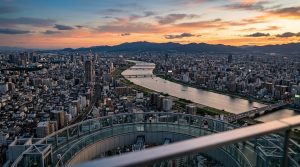
Two days works when Osaka is a stopover rather than the main event, and it only fits if you skip a day trip entirely. Day 1 covers Dotonbori and Namba in the morning, Osaka Castle at midday, and Umeda Sky Building or Shinsekai in the evening.
Day 2 covers whichever neighborhood you skipped, plus a slower lunch and one museum or market, such as Kuromon Ichiba. Most of these stops sit on the Osaka Metro Midosuji Line, so a one-day subway pass covers the full itinerary without a taxi.
Pack light on the final morning, since many hotels near Namba store luggage after checkout, which keeps the last few hours free for Kuromon Ichiba or one more walk through Dotonbori. This length leaves no room for Kyoto, Nara or Kobe, so anyone set on visiting even one of them should read the 3-day itinerary below instead.
3-day Osaka itinerary
Three days is the itinerary most first-time visitors should book, because it covers the full city center without forcing an early wake-up for a day trip. Day 1 handles Dotonbori, Namba and Shinsekai.
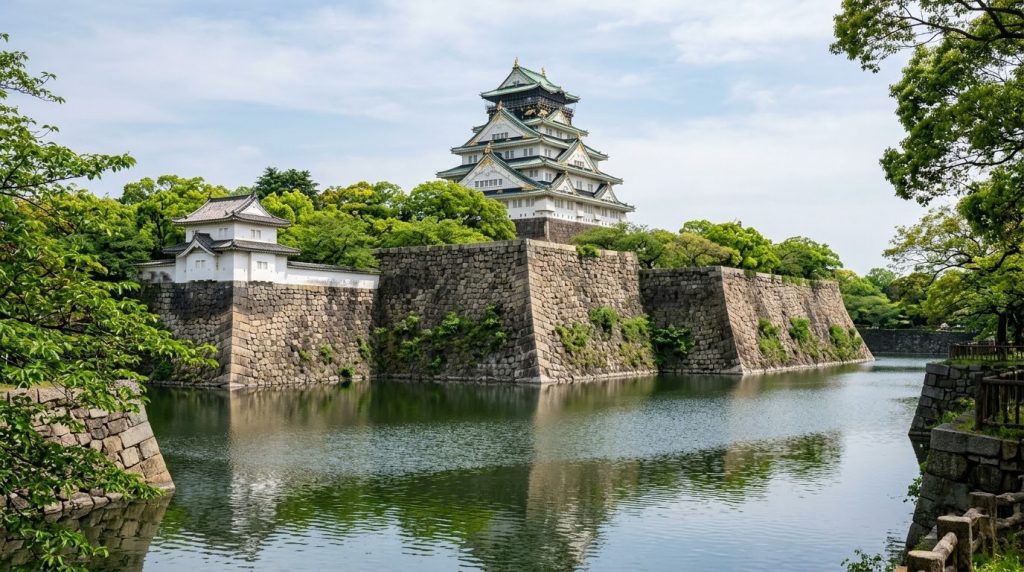
Day 2 covers Osaka Castle, whose entry costs USD 3.85 (JPY 600) at the September 2026 rate of USD 1 = JPY 156, followed by Umeda and Tennoji in the afternoon; the castle grounds and moat are free to walk and fill most of a morning even without the museum ticket.
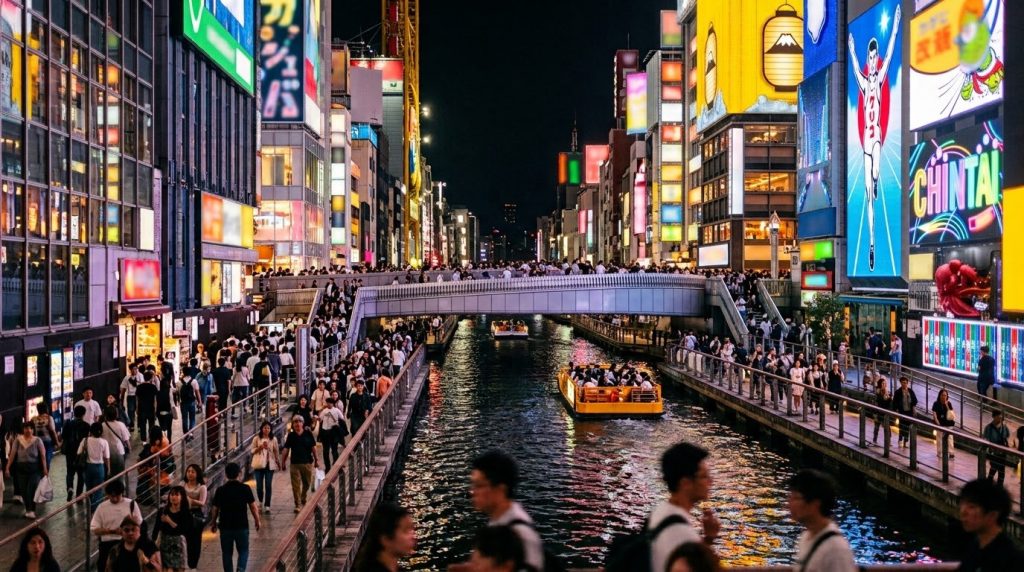
Day 3 is a flex day for Kuromon Ichiba Market, the Osaka Aquarium, or a slower repeat visit to Dotonbori at night, when the neon signs are the main draw. Kuromon Ichiba opens early, so a Day 3 breakfast of fresh seafood or wagyu skewers there beats the lunchtime crowds that build by noon.
A 3-day trip can absorb one half-day excursion, such as Kobe, but a full-day trip to Kyoto or Nara will feel rushed on a 3-day schedule.
5-day Osaka itinerary with day trips
Five days is the itinerary that fits a full day trip without touching the time already budgeted for Osaka itself. Days 1-3 follow the same structure as the 3-day itinerary above: Dotonbori and Namba, then Osaka Castle and Umeda, then a flex day.
Day 4 is a full day in Kyoto, reached by JR Special Rapid from Osaka Station in about 29 minutes for USD 3.70 (JPY 580); the stop-by-stop order for that day is in this site’s 3-day Kyoto itinerary.
Day 5 is a half day in Nara, reached by JR Yamatoji Rapid in about 45 minutes for USD 5.40 (JPY 840), followed by a half day back in Osaka for shopping or a second look at Dotonbori before departure.
Kobe can replace Nara on Day 5 for travelers who prefer Kobe beef and Mount Rokko views over deer and temples, since the JR Special Rapid ride to Sannomiya is shorter at about 21 minutes each way.
Keep luggage at the Osaka hotel for both day trips rather than carrying it to Kyoto or Nara, since same-day return trains run every few minutes on each route and there is no need to check out early.
Should Universal Studios Japan fit the itinerary?
Universal Studios Japan sits outside the walkable city center covered above, reached from Osaka Station or Namba by a short train ride and transfer to Universal City Station, and it needs a full day on its own rather than fitting alongside Dotonbori or Osaka Castle on the same date.
A 1-day adult Studio Pass uses dynamic pricing tied to the calendar date rather than a fixed fee, running roughly JPY 7,900 to JPY 12,400 depending on the day, which converts to about USD 51 to USD 80 at today’s rate; weekdays outside Japanese school holidays sit toward the lower end, and weekends, Japanese holidays and peak seasons push toward the top.
On a 2-day trip, adding Universal Studios means giving up one of the two city-center days entirely, which is a hard trade given how much of Dotonbori, Namba and Osaka Castle already fills a 2-day schedule.
On a 3-day trip, the park can replace the flex day set aside for Kuromon Ichiba or a second Dotonbori visit, which works for travelers who care more about the Harry Potter and Super Nintendo World areas than about a slower repeat visit to the city center.
On the 5-day itinerary, Universal Studios competes directly with the Kyoto or Nara day trip for a single day of calendar space, so travelers set on both should check whether a 6-day version makes more sense than compressing either one.
Families traveling with young children are the clearest case for prioritizing the park over a third day trip, since Super Nintendo World and the children’s areas suit a wider age range than a Kyoto temple circuit does.
Travelers without children, or those who already have a theme park day planned elsewhere in Japan, generally get more new material per day from Kyoto or Nara than from a second large-scale theme park visit.
Which day trips are worth a full day
Kyoto, Nara and Kobe are each under an hour from Osaka by train, but they are not interchangeable, and only one of the three needs a full day. Beyond those three, our six best day trips from Osaka adds Himeji, Mount Koya and Hiroshima, with train times and fares for each.
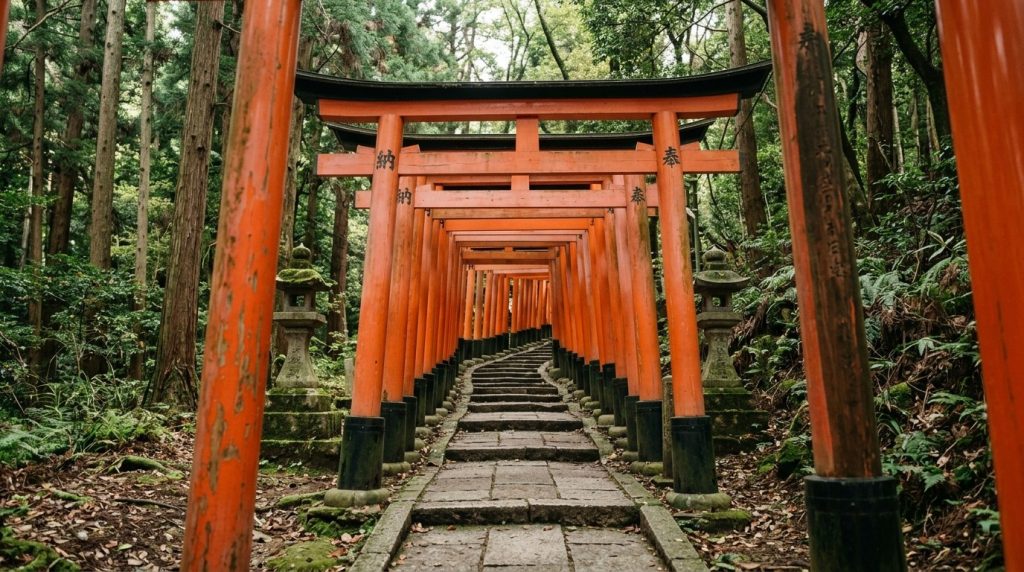
Kyoto needs the full day because its temples, Nishiki Market and the Arashiyama and Fushimi Inari areas are spread across the city rather than clustered around one station; a rundown of which stops fit into a single day is in this site’s guide to day trips from Kyoto.
Inside Kyoto, a single day realistically covers two or three stops, such as Fushimi Inari Shrine in the morning and the Arashiyama bamboo grove in the afternoon, with Nishiki Market saved for a quick dinner stop on the way back to the station.
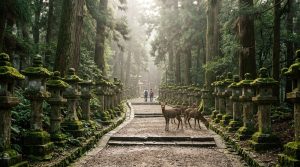
Nara needs only a half day because its main draws, Nara Park and Todaiji Temple, sit within a 10-minute walk of each other near JR Nara Station; the deer roam freely around both, and arriving by late morning still leaves time to catch an afternoon train back without an overnight stay.
Kobe is the shortest and cheapest ride at about 21 minutes and USD 2.70 (JPY 420) on the JR Special Rapid to Sannomiya, and it works best as a half day or an evening trip built around a Kobe beef dinner, since the city center itself is compact.
Best time to visit Osaka
Osaka’s climate runs mild winters and hot, humid summers, with the most comfortable stretches falling in spring and autumn. Winter, December through February, stays cool rather than cold, with average temperatures roughly 3 to 12 degrees Celsius, light enough that a warm jacket covers most days without needing heavy winter gear.
Summer, June through August, swings to roughly 20 to 33 degrees Celsius and brings the year’s wettest stretch, with rain falling on about 10 days a month from May through September as the rainy season moves into full summer humidity.
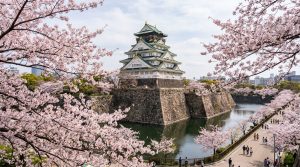
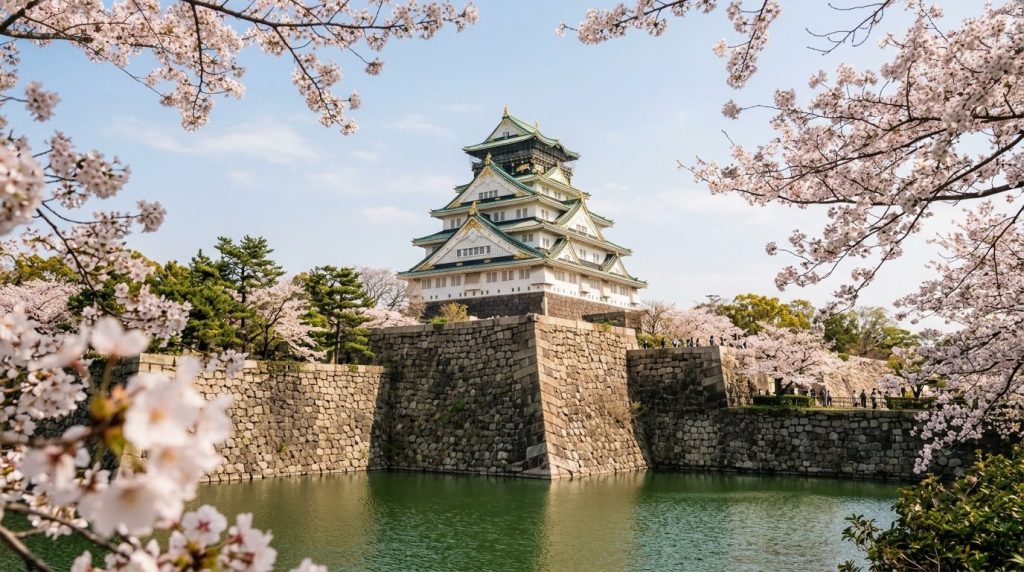
Spring and autumn are the two windows worth building a trip around. Cherry blossoms typically peak in late March to early April, which lines up with the most comfortable walking weather of the year for covering Dotonbori, Osaka Castle Park and Shinsekai on foot.
Autumn foliage runs October through early November, with similarly mild temperatures and lower humidity than summer, making it the other reliable stretch for a 3-day or 5-day itinerary that depends on walking between neighborhoods rather than taking taxis.
Travelers with flexible dates should avoid the peak of summer if the itinerary is walking-heavy, since the combination of heat and the rainy season’s tail end makes long outdoor stretches at Osaka Castle Park or around Shinsekai less comfortable than the same walk in April or November.
When a shorter Osaka trip is the right answer
A shorter Osaka trip is the right call when temples and shrines matter more to your trip than modern city life, in which case basing in Kyoto instead makes the day trips shorter in both directions.
Switching hotels between two cities costs time and money, so a traveler who plans to spend more nights near temples than in modern city blocks is better off checking into Kyoto once and treating Osaka as the day trip instead of the reverse.
Travelers weighing the two cities directly should read this site’s Tokyo versus Kyoto breakdown, which covers the same base-city logic for a different pairing.
A 2-day Osaka stop is also the right length when Osaka is one stop inside a longer Japan itinerary and the remaining days are already allocated to Tokyo or Kyoto; the Tokyo budget guide on this site breaks down how daily costs shift once flights and a multi-city rail pass enter the budget.
Anyone splitting a week between Osaka and Kyoto should default to Kyoto as the base if temples are the priority, and Osaka as the base if food and nightlife are the priority.
How to decide – quick cheat sheet
The right length comes down to how many of Kyoto, Nara and Kobe you want to fold in, and how much walking pace you want inside Osaka itself.
– Have 2 days: stay in Osaka only, pick either Dotonbori/Namba or Osaka Castle/Umeda, not both at a relaxed pace. – Have 3 days: cover the full city center, then add one half-day trip such as Kobe if energy allows. – Have 5 days: add a full day in Kyoto and a half day in Nara without cutting Osaka’s own itinerary. – Prioritize temples and shrines: base in Kyoto instead, and treat Osaka as the day trip. – Prioritize food and nightlife: base in Osaka, since Dotonbori and Kuromon Ichiba sit steps from most hotels. – Traveling with kids: Osaka Castle Park and the Osaka Aquarium suit a 2- or 3-day pace better than a Kyoto temple circuit. – First trip to Japan with limited days: pick the 3-day itinerary over the 2-day version, since it adds Umeda and Tennoji without an early departure. – Returning visitor who already covered central Osaka: skip to the 5-day version and spend the extra two days entirely on Kyoto and Nara.
Is Osaka safe, and what a realistic daily budget looks like
Osaka ranks among the safer major cities worldwide by the measures travelers tend to check before a trip.
Numbeo’s city safety index places Osaka around the 103rd-safest city globally, while Japan as a whole ranks 11th-safest among countries on the same index, and the US State Department rates Japan at its lowest advisory level, the tier reserved for its safest-rated destinations.
Violent crime against tourists is rare; the practical risk in a dense tourist area like Dotonbori or Shinsekai at night is pickpocketing rather than anything more serious, so the same bag-awareness habits that apply in any crowded tourist district apply here too.
On budget, the cost table above already breaks down the per-trip total by itinerary length, and that range holds up against Osaka’s published mid-range daily spend of USD 140 to USD 237 covering lodging, food and local transport per person.
Travelers aiming for the lower end of that range typically rely on the Osaka Metro day pass instead of individual fares, eat at least one meal a day at a market stall or convenience store rather than a sit-down restaurant, and skip a paid attraction like the aquarium in favor of the free Osaka Castle Park grounds.
Travelers aiming for the upper end usually add at least one paid museum or observation deck per day plus a sit-down dinner, which is where the 3-day and 5-day totals above climb fastest.
Where to stay in Osaka
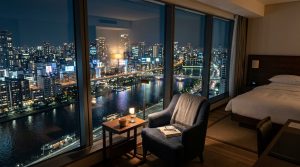
Namba and Dotonbori win on nightlife and food access, while Umeda wins on train connections for day trips.
Find your Osaka hotel on the map
Live prices from Booking, Airbnb and more — move the map or change dates to compare stays around Osaka.
Osaka Station and Shin-Osaka connect directly to Kyoto, Nara and Kobe, which is why Umeda works well as a base once a day trip is on the itinerary. Both areas also sit a short subway ride from Kansai International Airport on the Nankai or JR lines, which matters most on a 2-day trip, when transit time cuts directly into sightseeing time.