Tokyo vs Osaka: Which City Should You Base Yourself In? (2026)
Disclosure: Some links in this guide are affiliate links. If you book or buy through them, we may earn a small commission at no extra cost to you — it helps keep our guides free.
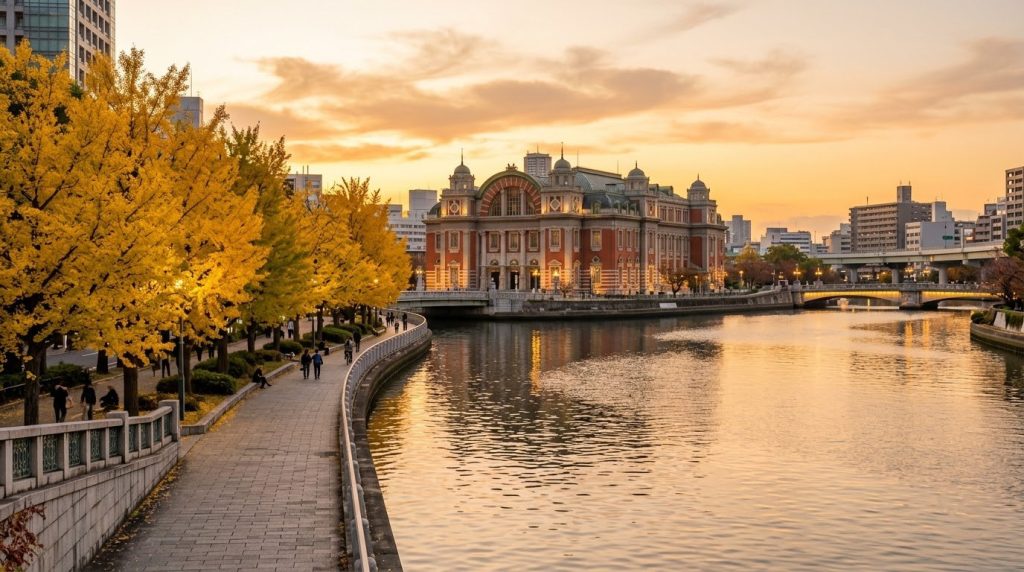
Tokyo wins for first-timers with 5 or more days in Japan, while Osaka wins on food, value and day trips, and the 2 cities sit only about 2.5 hours apart by Nozomi bullet train for USD 93 (JPY 14,720). So the real answer for most Americans is both: fly into Tokyo, ride the Shinkansen west, and fly home from Osaka.
If you only have time for one, pick Tokyo for range and Osaka for a looser, cheaper, more social trip.
| Factor | Tokyo | Osaka |
|---|---|---|
| Best for | First trip, variety, shopping, museums | Street food, nightlife, Kyoto and Nara day trips |
| Vibe | Polished, huge, orderly | Louder, friendlier, more casual |
| Flights from the US | Many daily nonstops (LA about 11.5 hours) | Few nonstops; most routes connect |
| Day trips | Nikko, Kamakura, Hakone | Kyoto (about 30 min), Nara (about 40 min) |
| Theme park | Tokyo Disney Resort | Universal Studios Japan |
| Time to see the highlights | 4 days | 2–3 days |
| Winner | First-timers, families | Foodies, budget, couples |
All conversions in this guide use USD 1 = JPY 158.
The short verdict by traveler type
First-timers: Tokyo. It has more neighborhoods worth a full day than any city in Asia, and it is where most US nonstops land. Our four-day Tokyo itinerary covers the core without rushing. Add Osaka only if your trip runs 7 days or longer.
Couples: Osaka. Nights in Namba are more spontaneous, and Kyoto’s temples are a morning train away.
Families: Tokyo. Tokyo Disney Resort, kid-friendly museums and the sheer number of rainy-day options tip it. The exception: if Super Nintendo World is the reason your kids agreed to the flight, base in Osaka near Universal Studios Japan.
Budget travelers: Osaka. The city is cheaper to eat in, its central areas are compact enough to walk, and the best day trips cost a few dollars in train fare instead of a pricey excursion.
Food lovers: Osaka. The local nickname “Japan’s kitchen” is earned. Takoyaki, okonomiyaki and kushikatsu are cheap, fast and everywhere in Dotonbori and Shinsekai. Tokyo has the deeper fine-dining scene, but Osaka has the better everyday eating.
What Tokyo does better
Scale is Tokyo’s advantage. Shibuya, Shinjuku, Asakusa, Ginza, Harajuku and Shimokitazawa feel like different cities, so you can spend 4 days without repeating yourself. Museums, anime districts, rooftop bars and sushi counters all run deeper here.
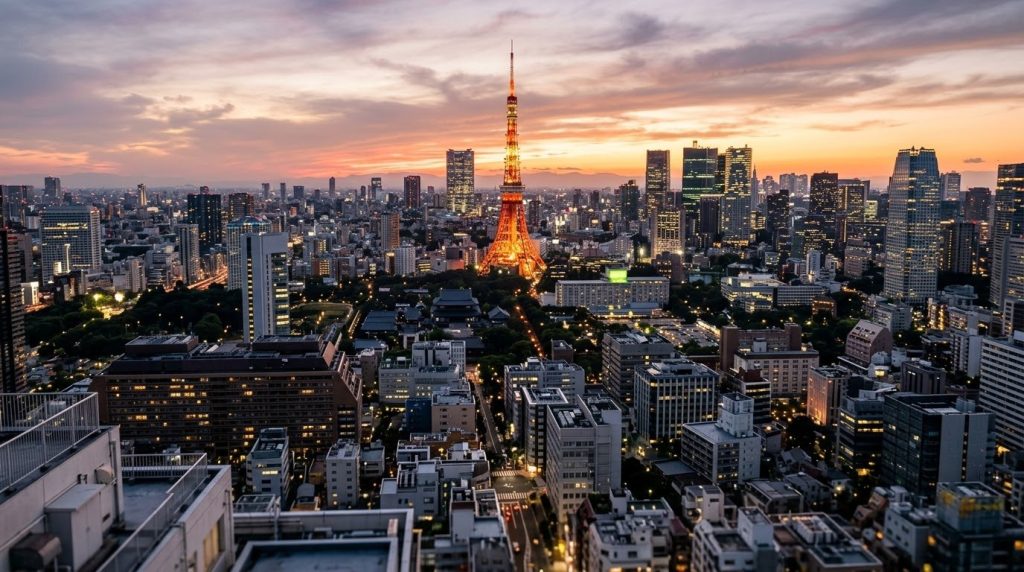
Getting there is also simpler. Nonstops from Los Angeles take roughly 11.5 hours to Tokyo, and you will find daily departures from most big US hubs. Direct flights into Osaka’s Kansai airport from the US are few, so many Americans connect through Tokyo or another Asian hub anyway.
The downsides: the rail map is overwhelming on day one, rush-hour trains are packed, and hotel rooms are small for the price. For side trips, see our list of day trips from Tokyo before you lock your hotel area.
What Osaka does better
Osaka is smaller and easier. Most visitors bounce between two hubs, Umeda in the north and Namba in the south, linked by one subway line. People are chattier, and the food culture is built around standing, eating and moving on.
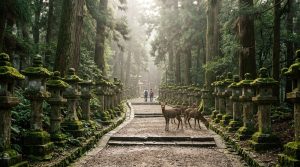
Its biggest edge is location. The JR Special Rapid reaches Kyoto Station in about 30 minutes for USD 4 (JPY 580), and Kintetsu trains reach Nara’s deer park in about 40 minutes for under USD 5. That makes Osaka a better base than Kyoto itself for many travelers, since hotels in Osaka are generally easier to find.
The catch: Osaka’s own sights run out faster. Osaka Castle, Dotonbori, Shinsekai, the aquarium and Universal Studios fill 2 to 3 days. If you are unsure whether it earns a spot at all, read our honest take on whether Osaka is worth visiting.
What a Day in Tokyo vs Osaka Actually Costs
Hotels are the biggest gap between the two cities. Tokyo carries the highest room rates in Japan, and Osaka is consistently the cheaper of the two, often by around 30% for an equivalent room, based on a 2026 Japan trip-cost breakdown from Endless Travel Plans.
A clean mid-range double that runs USD 150-200 (JPY 23,700-31,600) a night in Shinjuku or Ginza often books for USD 100-140 (JPY 15,800-22,120) in Namba or Umeda for a similar standard of room.
Food narrows the gap fast. Both cities let you eat well on a modest budget: a bowl of ramen or a set lunch typically runs USD 6-12 (JPY 950-1,900) in either city, and overall daily food spending for a traveler mixing convenience-store meals with a few sit-down dinners lands around USD 40-120 (JPY 6,320-18,960) per person, per cost guides covering both cities.
Osaka’s stand-and-eat street food culture in Dotonbori and Shinsekai makes it a little easier to eat for less, since a full round of takoyaki or kushikatsu rarely tops USD 10 (JPY 1,580).
Local transport costs about the same either way. A rechargeable IC card, Suica in Tokyo or ICOCA in Osaka, covers subways, buses and most trains in both cities, and typical daily transit spending for a visitor covering a few neighborhoods runs USD 4-7 (JPY 630-1,100).
| Daily cost | Tokyo | Osaka |
|---|---|---|
| Mid-range hotel double | USD 150-200 (JPY 23,700-31,600) | USD 100-140 (JPY 15,800-22,120) |
| Food, mixed budget | USD 40-120 (JPY 6,320-18,960) | USD 40-120 (JPY 6,320-18,960), often at the lower end |
| Local transit on an IC card | USD 4-7 (JPY 630-1,100) | USD 4-7 (JPY 630-1,100) |
Add it up over a week and Osaka usually comes out as the cheaper half of a two-city trip, almost entirely because of the hotel gap. If your budget is tight, give Osaka the extra nights and treat Tokyo as the shorter, pricier leg.
The two signature theme parks price similarly, which helps with comparing a day in each city. Universal Studios Japan in Osaka uses dynamic pricing starting around JPY 8,400 (USD 53) for off-peak dates, rising toward JPY 10,400 (USD 66) on busier days.
Tokyo Disney Resort now also uses dynamic pricing and hit a new high of JPY 11,900 (USD 75) for a single-park, one-day ticket on its busiest dates in 2026, with quieter weekdays usually closer to JPY 8,200-9,400 (USD 52-59). Book both online in advance; same-day sales at the gate are limited or unavailable on peak dates.
Getting between Tokyo and Osaka in 2026
The Tokaido Shinkansen runs from Tokyo Station to Shin-Osaka, with trains every few minutes through the day.
| Option | Time | One-way price |
|---|---|---|
| Nozomi, reserved seat | About 2 hr 25 min | USD 93 (JPY 14,720) |
| Nozomi, non-reserved | About 2 hr 25 min | USD 88 (JPY 13,870) |
| Hikari, reserved seat | About 3 hr | USD 91 (JPY 14,400) |
| Highway or night bus | 8–10 hr | USD 13–63 (JPY 2,000–10,000) |
| Budget flight (Narita to Kansai) | About 1.5 hr in the air | From USD 38 (JPY 6,000) |
Two practical points. First, the 7-day Japan Rail Pass costs USD 316 (JPY 50,000), so a single Tokyo to Osaka run will not justify it on its own. Second, pass holders must buy a Nozomi supplement of USD 31 (JPY 4,960), or ride the Hikari for free. Budget flights look cheap until you add airport transfers at both ends.
How to split a 7 to 10 day trip
For a 7-day trip, do 4 nights in Tokyo and 3 in Osaka, with one of the Osaka days spent in Kyoto. With 10 days, go 4 nights Tokyo, 5 nights Osaka, and use the extra days for Nara, Himeji or a second Kyoto day. Our Osaka itinerary shows how to pace the Osaka half.
Book open-jaw flights (into Tokyo, out of Osaka) using the “multi-city” search so you never backtrack.
Timing matters more in Osaka than Tokyo because Kyoto crowds spill over during cherry blossom season and autumn colors. Check the best time to visit Osaka before choosing dates; spring and fall are the most comfortable, while July and August are hot and humid in both cities.
Weather and the Best Months to Visit Each City
The two cities sit close enough that their climates move together, but Osaka runs a little warmer and a little more humid most of the year, based on seasonal averages for each city.
| Season | Tokyo avg high/low | Osaka avg high/low |
|---|---|---|
| Spring (Mar-May) | 18°C/10°C (64°F/50°F) | 19°C/10°C (66°F/50°F) |
| Summer (Jun-Aug) | 28°C/22°C (82°F/72°F) | 31°C/23°C (88°F/73°F) |
| Autumn (Sep-Nov) | 22°C/15°C (72°F/59°F) | 23°C/15°C (73°F/59°F) |
| Winter (Dec-Feb) | 11°C/3°C (52°F/37°F) | 10°C/3°C (50°F/37°F) |
April and November are the sweet spots in both cities: mild temperatures, cherry blossoms in early April or autumn color in November, and rain holding off more often than not. Avoid planning outdoor days around mid-June to late July if you can, since the tsuyu rainy season sits over both cities and humidity climbs fast once it ends.
August is Osaka’s hottest month and noticeably stickier than Tokyo at the same time of year, so travelers sensitive to heat may want to lean on Tokyo’s museums and covered shopping streets if a summer trip is unavoidable. Winter is mild and dry in both cities, with real cold mostly limited to early mornings.
Cherry blossom timing is the one date worth planning around in both cities, and it does not move in lockstep: Tokyo’s bloom typically peaks in the first half of April, while Osaka tends to run a few days to about a week behind.
Checking a current-year forecast before booking flights matters more than picking a fixed calendar date, since the window usually lasts only a week or so once the peak hits. Summer brings festival season to both, including Osaka’s Tenjin Matsuri in late July, one of Japan’s largest river festivals, so hotel rates spike around festival dates in either city.
Entry rules and money for Americans
US passport holders can visit Japan visa-free for tourism stays of up to 90 days. Cards work widely in both cities, but carry some yen for food stalls and temple fees. A Suica or ICOCA card on your phone works on trains in both. Tipping is not expected anywhere.
Which City Is Safer, and Everyday Precautions
The US State Department rates Japan at Level 1, Exercise Normal Precautions, as of its 15 May 2025 update, the lowest of its four advisory levels. That rating covers both Tokyo and Osaka, and in practice both are among the safer big cities an American can visit: violent crime against tourists is rare, and most visitors never have an issue beyond a lost wallet or an overcrowded train.
The everyday annoyances differ slightly by city. Tokyo’s rush-hour trains, especially the Yamanote and Chuo lines between about 7:30 and 9am, get packed tightly enough that pickpocketing and groping have been enough of a problem that several lines run women-only carriages during peak hours, clearly marked on the platform and train doors.
Osaka’s nightlife strips in Dotonbori and Shinsekai draw a livelier, occasionally rowdier late-night crowd, and touts for bars and clubs can be persistent around Dotonbori canal on weekend nights; a firm no and walking on works fine.
Natural hazards matter more than crime in both cities. Japan sits on active fault lines, and minor earthquakes are common enough that hotel rooms post evacuation instructions; read them once on arrival.
Typhoon season runs roughly June through October and can disrupt the Shinkansen between the two cities for a day at a time, so travelers crossing during that window benefit from building one buffer day into a tight itinerary rather than booking a same-day connection to an international flight.
Scams aimed at tourists are uncommon in either city compared with much of Asia, but Tokyo’s Kabukicho district in Shinjuku has a long-running issue with touts overcharging for drinks at bars they steer visitors toward late at night; walking away from anyone who approaches you on the street with a bar recommendation avoids it entirely.
Keep normal city habits in both places: watch bags on crowded trains, use hotel safes, and keep your passport copy separate from the original.
Where to stay
In Osaka, location decides how good your trip feels. Pick based on what you will do most.
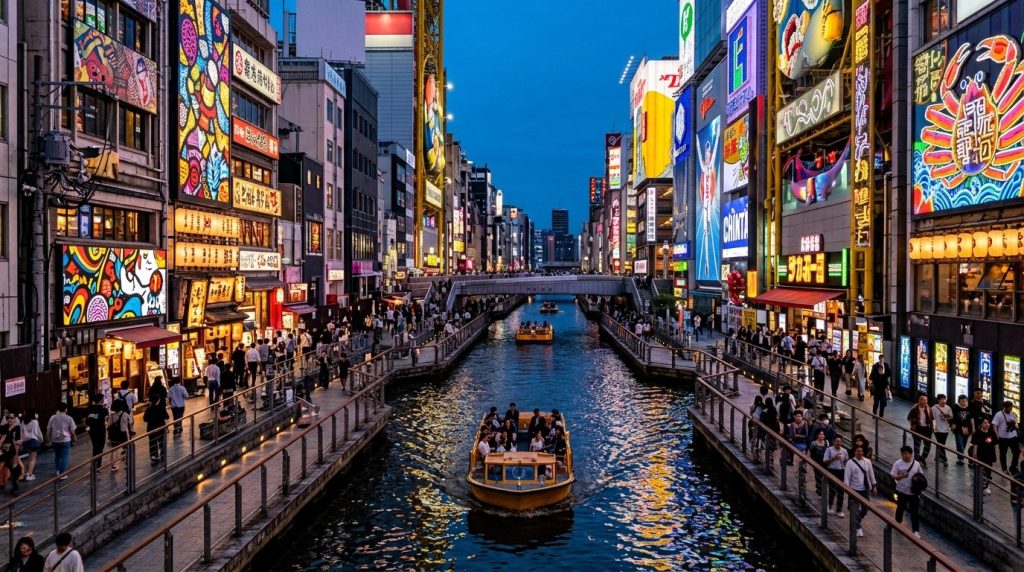
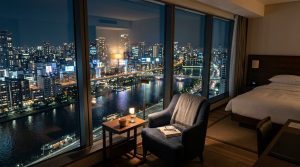
– Namba / Dotonbori: the best area for food and nightlife, and for first-time visitors who want to walk out the door into the action. It can be loud late at night. – Umeda (Osaka / Kita): the smart pick for day trippers, since the JR Special Rapid to Kyoto leaves from Osaka Station.
More business hotels, calmer evenings. – Shin-Osaka: only worth it if you are catching early bullet trains; there is little to do in the evening.
In Tokyo, Shinjuku and Ginza are the easiest first-timer bases. For specific properties, see our picks for the best hotels in Osaka.
Find your Osaka hotel on the map
Live prices from Booking, Airbnb and more — move the map or change dates to compare stays across Osaka.
Frequently Asked Questions
Is Osaka cheaper than Tokyo?
Generally yes, especially for food. Osaka’s street-food staples are cheap, its central areas are walkable, and day trips to Kyoto and Nara cost under USD 5 each way by train. Hotel prices swing with season in both cities, so compare live rates for your dates.
How long is the bullet train from Tokyo to Osaka?
The fastest Nozomi trains take about 2 hours 25 minutes from Tokyo Station to Shin-Osaka, and a reserved seat costs USD 93 (JPY 14,720). Hikari trains take about 3 hours and are fully covered by the Japan Rail Pass. Book ahead at holiday peaks.
Should I do Tokyo or Osaka with only 5 days?
With 5 days, stay in one city. Pick Tokyo if this is your first trip to Japan and you want variety, or Osaka if you care most about food and want Kyoto as a day trip. Splitting 5 days loses most of a day to packing and the train.
Is Osaka a good base for visiting Kyoto?
Yes. The JR Special Rapid connects Osaka Station and Kyoto Station in about 30 minutes for USD 4 (JPY 580), with frequent departures. Staying in Umeda makes the commute easiest. You get Osaka’s cheaper dining at night and skip Kyoto’s peak-season hotel crunch.