Hanoi vs Ho Chi Minh City 2026: Which Is Better?
Disclosure: Some links in this guide are affiliate links. If you book or buy through them, we may earn a small commission at no extra cost to you — it helps keep our guides free.
You want more nightlife and a bigger international dining scene.
See hotels in Ho Chi Minh City →- Vietnam welcomed over 17.5 million international visitors in 2025, with Hanoi and Ho Chi Minh City together handling roughly 60% of all arrivals (Vietnam National Authority of Tourism, 2025)
- Average mid-range hotel rates in 2026 sit at USD 45-70/night in Hanoi’s Old Quarter vs USD 55-90/night in Ho Chi Minh City’s District 1 (Booking.com, 2026)
- Ho Chi Minh City is consistently ranked 10-15% more expensive for food and transport than Hanoi (Numbeo Cost of Living Index, 2026)
- Hanoi’s average temperature ranges from 17°C (63°F) in January to 33°C (91°F) in July; Ho Chi Minh City sits at a near-constant 27-35°C (81-95°F) year-round
- Both cities are well-connected with eSIMs via Airalo — Vietnam data plans start at USD 4.50 for 1 GB (Airalo, 2026)
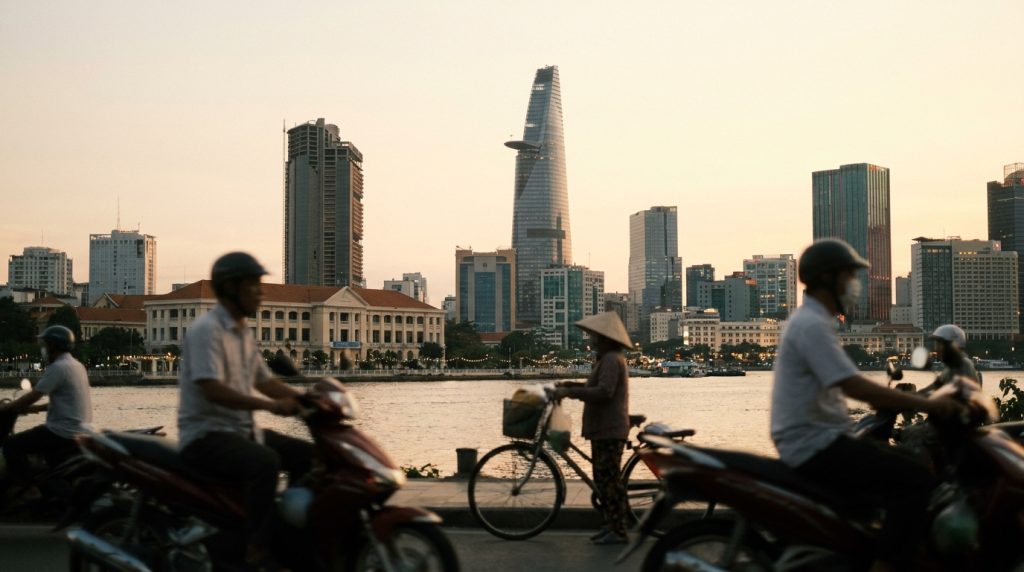
If you’re planning a Vietnam trip and can’t decide between the capital and the southern powerhouse, you’re in good company — this is one of the most searched travel questions about the country. The honest answer is that these two cities suit different types of travelers. Read on and we’ll show you exactly which one fits your itinerary, budget, and travel style.
Quick answer: Comparing Hanoi and Ho Chi Minh City? Open live hotel prices in each to weigh cost against location:
City Vibe and First Impressions
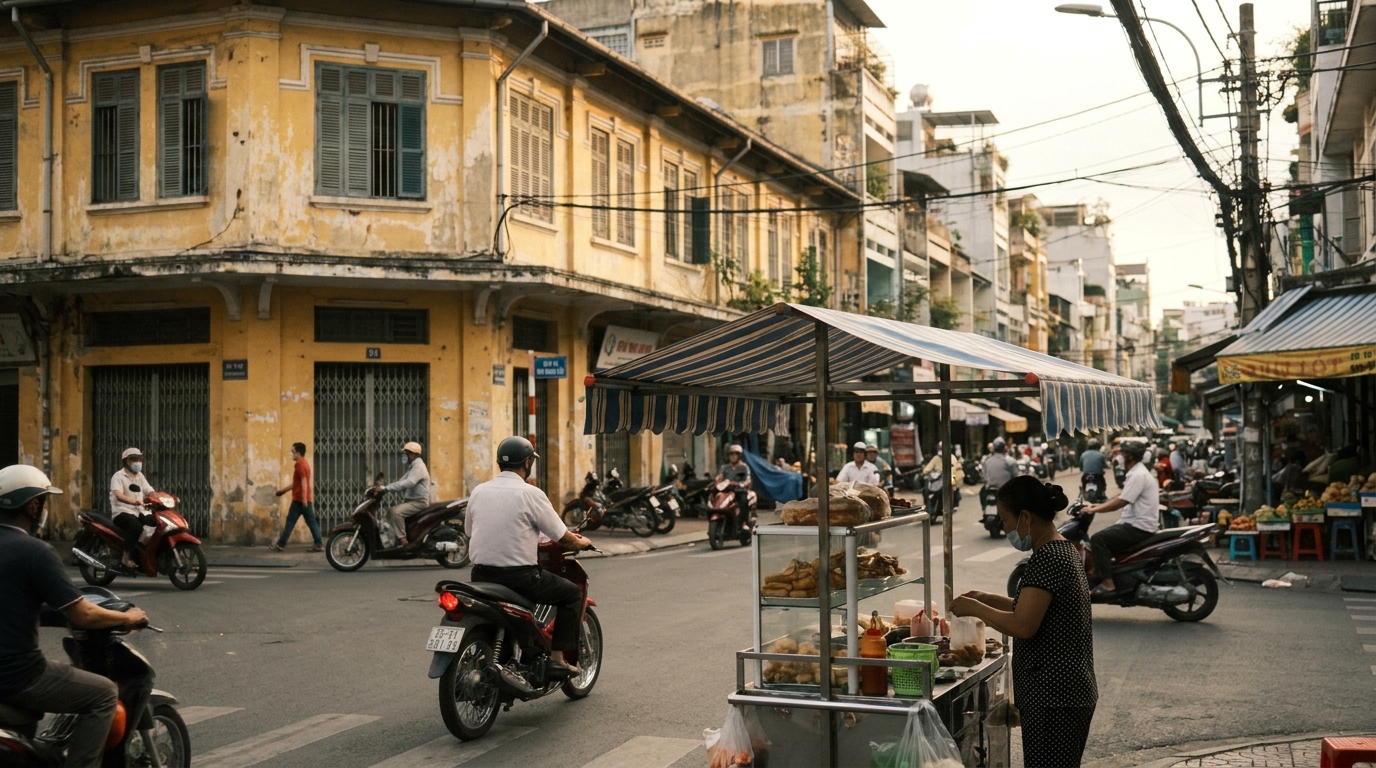
Hanoi feels like Vietnam turned inward — layered, historical, and slightly reserved in the best way. Ho Chi Minh City (still called Saigon by locals) hits you with pure forward momentum the moment you step outside the airport.
Hanoi’s narrow tube houses and French colonial architecture give the Old Quarter a texture that rewards slow walking, while Ho Chi Minh City’s District 1 runs on hustle — glass towers beside century-old pagodas, motorbikes navigating with almost choreographic precision. Neither city is “better” in absolute terms, but knowing this split helps you pick your lane before you book.
Cost of Travel: Hanoi vs Ho Chi Minh City
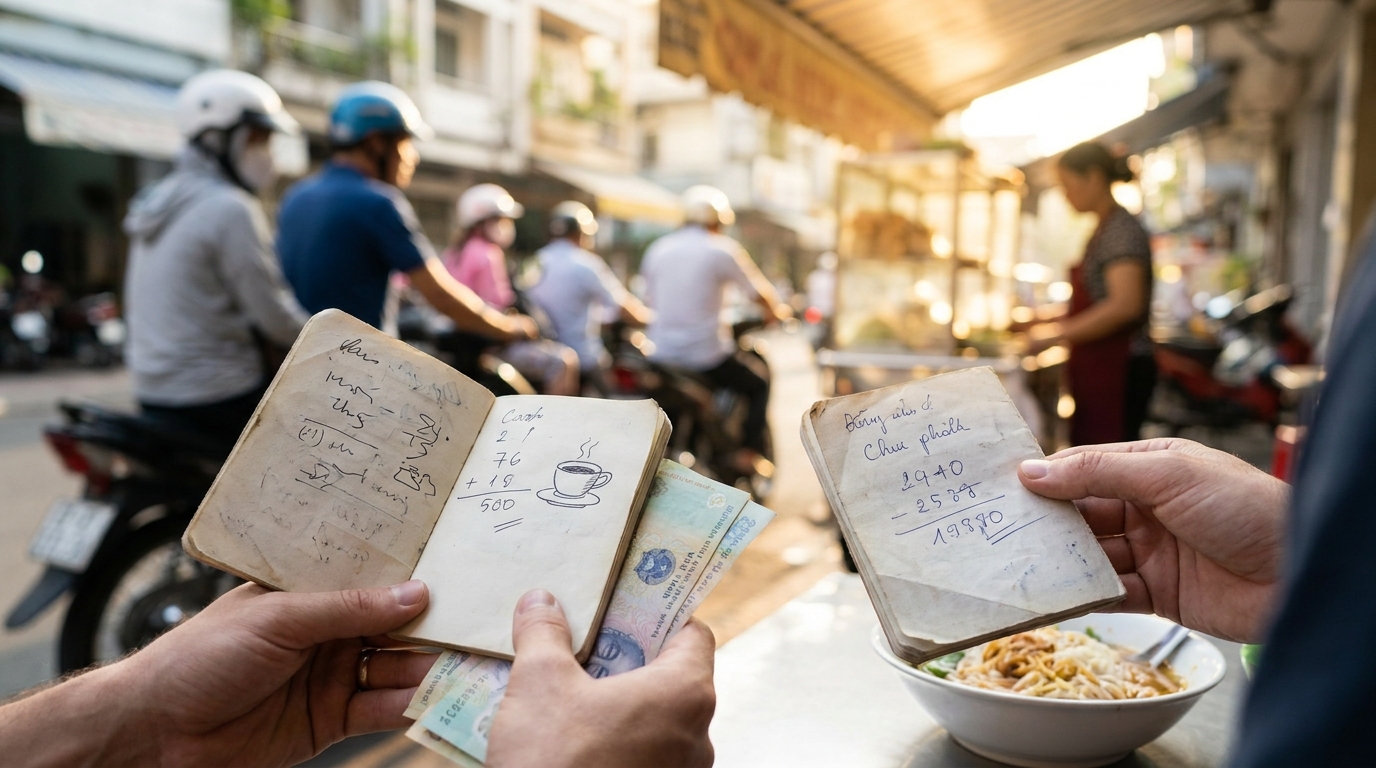
Hanoi is the cheaper city on almost every line item, from street food bowls to boutique hotel rooms in 2026. A bowl of pho on Hanoi’s Bat Dan Street costs VND 35,000-50,000 (USD 1.40-2.00), while a comparable bowl of pho in Ho Chi Minh City’s Binh Thanh district runs VND 50,000-70,000 (USD 2.00-2.80).
The gap widens at the mid-range restaurant level, where Ho Chi Minh City’s expat-heavy dining scene inflates bills noticeably.
| Expense | Hanoi (USD) | Ho Chi Minh City (USD) |
|---|---|---|
| Street pho / banh mi | 1.40 – 2.00 | 2.00 – 2.80 |
| Mid-range restaurant meal (1 person) | 6 – 12 | 9 – 18 |
| Grab motorbike (5 km) | 0.80 – 1.20 | 1.00 – 1.60 |
| Budget guesthouse / night | 12 – 25 | 18 – 35 |
| 3-star hotel / night | 45 – 70 | 55 – 90 |
| Local beer (bia hoi / draft) | 0.25 – 0.50 | 0.60 – 1.00 |
For budget travelers aiming to spend under USD 40/day including accommodation, Hanoi is notably more forgiving. We recommend searching both cities on Check live hotel prices — filter by “breakfast included” and you’ll often find Hanoi properties at 20-30% less than equivalent Ho Chi Minh City options.
Food Scene: Which City Eats Better?
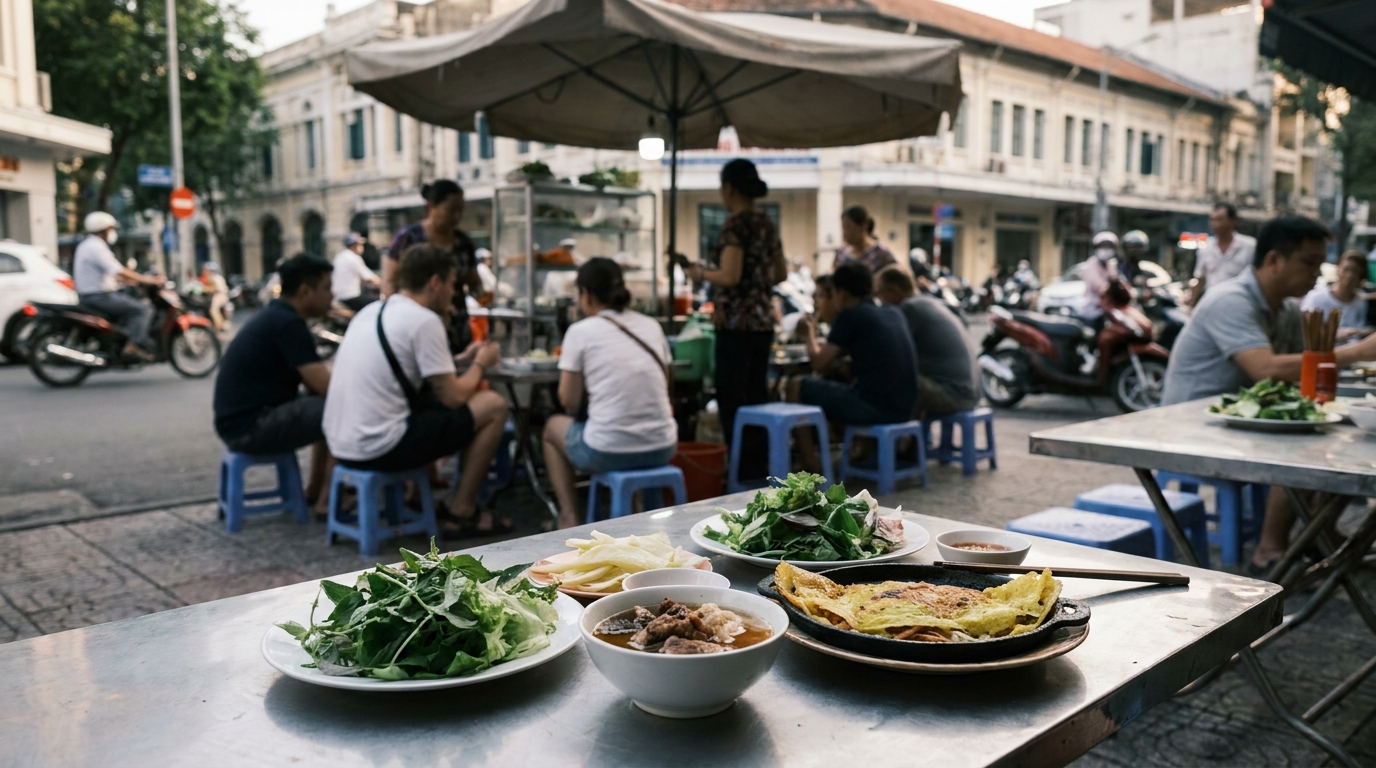
Both cities are world-class eating destinations, but they specialize in different things. Hanoi’s food culture is more restrained and regionally specific — bun cha (grilled pork noodles), cha ca (turmeric fish), banh cuon (steamed rice rolls), and the original bia hoi corner culture where a plastic stool and a 25-cent glass of fresh draft beer count as a full evening.
Ho Chi Minh City’s food scene is wider, more cosmopolitan, and more fusion-forward. Banh mi here reaches an almost competitive art form, and the city’s enormous Chinese-Vietnamese Cho Lon district adds another culinary dimension entirely.
If you’re a noodle purist who wants to eat the same bowl at 6 a.m. every morning without overthinking it, Hanoi wins. If you want to graze across Korean BBQ, high-end Vietnamese tasting menus, and late-night banh mi all in one trip, Ho Chi Minh City is your city.
For guided food walks that go beyond the tourist trail in either city, we like browsing GetYourGuide — Hanoi street food tours start around USD 28, Ho Chi Minh City food tours from USD 25.
History and Culture
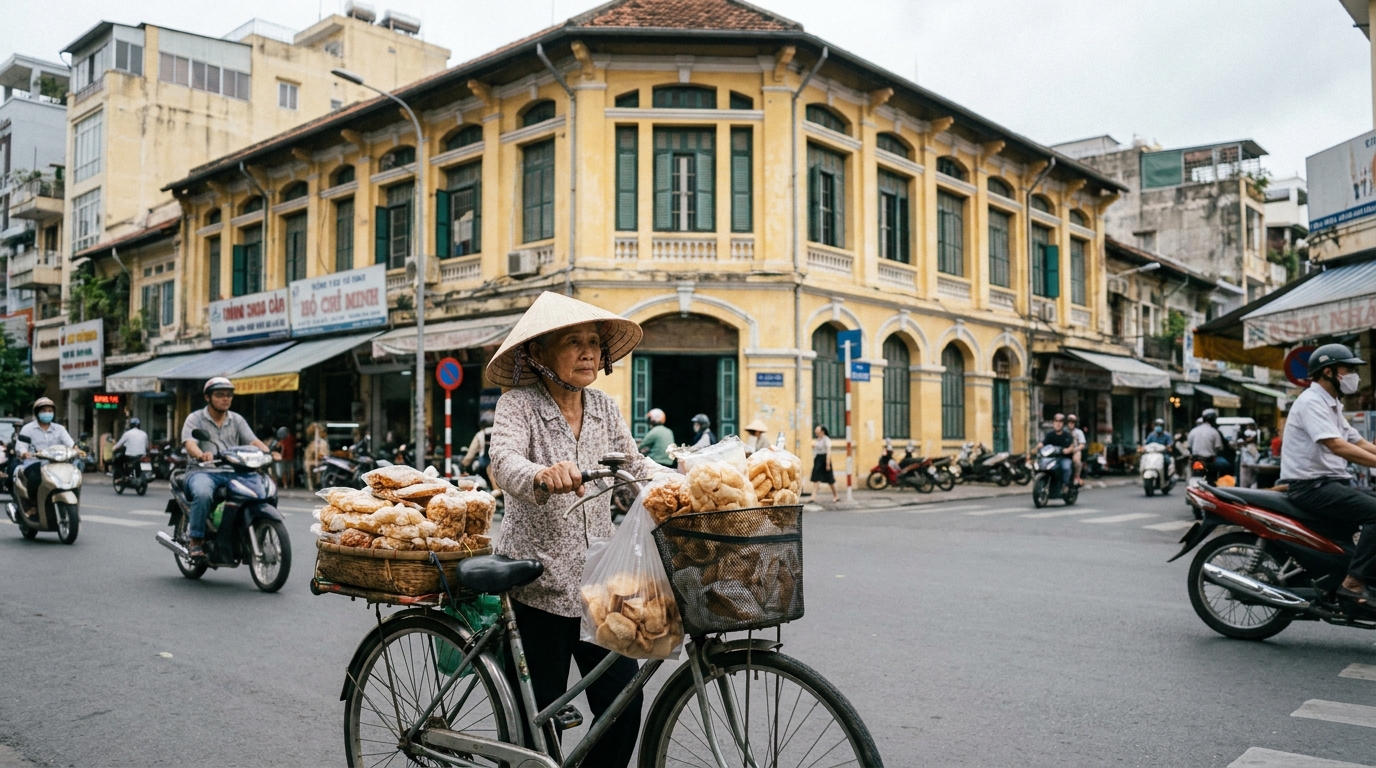
Hanoi carries three millennia of Vietnamese history more visibly than any other city in the country. The Temple of Literature (founded 1070), Hoan Kiem Lake and the Ngoc Son Temple, 36 guild streets of the Old Quarter, and the Ho Chi Minh Mausoleum complex all sit within easy walking or cycling distance.
The Vietnam Museum of Ethnology, consistently rated among Southeast Asia’s best anthropological museums, is a genuine half-day experience. Hanoi’s cultural density is hard to overstate — you can spend a full week on history alone without repeating yourself.
Ho Chi Minh City’s historical weight comes from a more recent and rawer period. The Reunification Palace (frozen in 1975), the War Remnants Museum (graphic but important), and the Cu Chi Tunnels day trip compose a powerful WWII-to-reunification narrative that no visitor should skip. The city’s French colonial quarter around Dong Khoi Street adds architectural contrast.
For day trips from Ho Chi Minh City — the Mekong Delta, Cu Chi, Vung Tau — GetYourGuide has well-reviewed options starting at USD 22-35 per person.
For deeper cultural touring around Hanoi — day trips to Ninh Binh, Perfume Pagoda, and Bat Trang ceramic village — check our guide at hanoi day trips.
Nightlife and Social Scene
Ho Chi Minh City wins this category cleanly. Bui Vien Street (backpacker central, admittedly chaotic), the rooftop bar strip along Nguyen Hue, and the club scene in Phu Nhuan district give the city a nightlife density that Hanoi simply doesn’t match. The expat population is larger, the international bar scene is more developed, and venues stay open later. If nightlife is a trip priority, this matters.
Hanoi’s evening scene is more local-facing and more interesting for it. Ta Hien Street in the Old Quarter is the classic bia hoi junction — packed by 7 p.m. with a mix of Vietnamese office workers and travelers, beers at USD 0.50, no cover charge, no pretense.
The jazz clubs around Hoan Kiem (Binh Minh Jazz Club, Hanoi Rock City) offer genuine live music culture that doesn’t feel manufactured for tourists. For travelers 35+ who find Bui Vien exhausting, Hanoi’s nightlife is quietly superior.
Weather and Best Time to Visit
This is one of the most practical differences between the two cities. Ho Chi Minh City has two seasons: hot-dry (November to April) and hot-wet (May to October). Temperatures barely move — expect 28-35°C (82-95°F) year-round. The main consideration is the May-October monsoon season, which brings heavy afternoon downpours but rarely disrupts a full day of travel.
Hanoi has four distinct seasons. Spring (March-April) and autumn (October-November) are the most comfortable — temperatures in the 20-26°C (68-79°F) range, low humidity, clear skies. Summer (June-August) is hot and humid with occasional typhoon-related rain.
Winter (December-February) can drop to 14-17°C (57-63°F) — cold enough to feel it if you’re from a warm climate, though nothing extreme. If you’re visiting Vietnam in December or January, Ho Chi Minh City’s reliable warmth has a real advantage. If you’re visiting in October or November, Hanoi in autumn is genuinely beautiful.
For a full breakdown of Hanoi’s seasonal patterns, see our guide at best time to visit hanoi.
Find your Hanoi hotel on the map
Live prices from Booking & Airbnb — tap a pin to compare stays around the Old Quarter and beyond.
Getting Around and Connectivity
Both cities run primarily on Grab (the regional Uber equivalent) — metered taxis are available but Grab’s app transparency on pricing makes it the default for most travelers. The key difference is scale: Ho Chi Minh City’s urban sprawl means Grab rides between districts can take 25-40 minutes, while Hanoi’s more compact layout keeps most trips under 15-20 minutes.
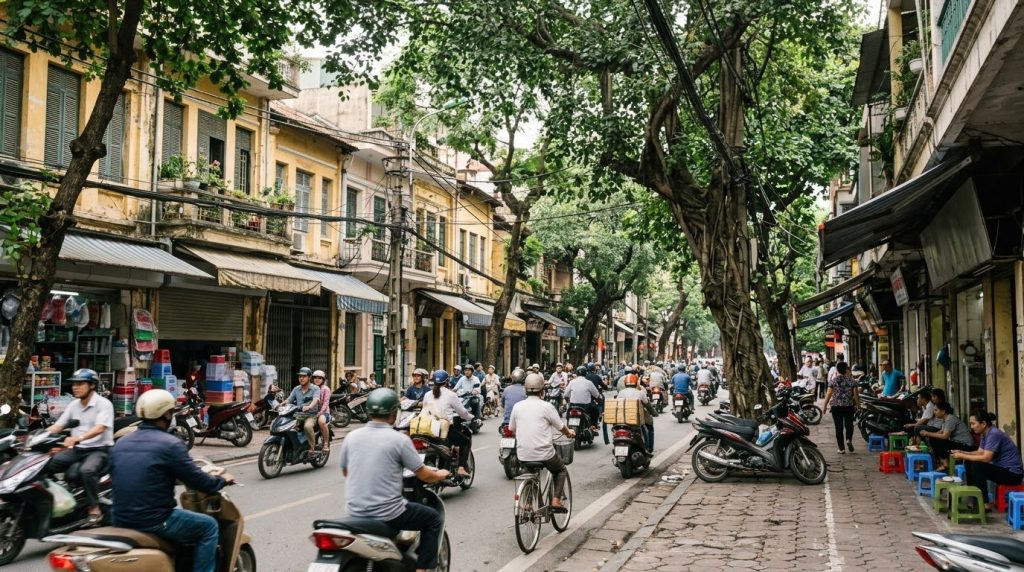
Hanoi opened its first metro line (Cat Linh – Ha Dong) in 2021 and added Line 3 connections in late 2025, making the airport-city link viable by rail. Ho Chi Minh City’s Ben Thanh-Suoi Tien metro line opened in late 2024 and now handles meaningful commuter traffic in District 1, though the network is still limited.
For connectivity, we recommend picking up an eSIM before arrival rather than hunting for a local SIM at the airport. Airalo offers Vietnam eSIM data plans starting at USD 4.50 for 1 GB, with 10 GB plans around USD 17 — coverage works well in both cities and across most tourist routes. You can grab a plan before you board.
Which City Is Right for You?
Choose Hanoi if: you prioritize history and culture, you’re traveling on a tighter budget, you plan to day-trip north (Ha Long Bay, Sapa, Ninh Binh), you’re visiting in October-November, or you want a slower, more locally-textured city experience. First-time Vietnam visitors who want the “most Vietnamese” urban experience often choose Hanoi and don’t regret it.
Choose Ho Chi Minh City if: you want more nightlife and a bigger international dining scene, you plan to explore the south (Mekong Delta, Phu Quoc, Mui Ne), you’re traveling December-February and want reliable warmth, or you have a business or expat connection to the city. Travelers who’ve already done Hanoi often find Ho Chi Minh City a compelling second-visit contrast.
Do both if: you have 10+ days in Vietnam. The overland train between the two cities is a legitimate experience — book via Omio or direct at Vietnam Railways, with sleeper berths on the Reunification Express from USD 30-45. Most travelers fly, with Vietjet and Bamboo Airways offering fares from USD 25-50 each way when booked 3-4 weeks out.
For accommodation in either city, we recommend checking Check live hotel prices early — both cities have limited mid-range inventory around Tet (Vietnamese Lunar New Year, late January/early February 2026), when prices spike 40-60%. For tours and day trips from either city, GetYourGuide has the widest verified selections in English.
Frequently Asked Questions
Is Hanoi or Ho Chi Minh City cheaper?
Hanoi is consistently cheaper than Ho Chi Minh City across accommodation, food, and transport. The gap runs roughly 10-20% on most categories according to Numbeo’s 2026 cost of living data. Budget travelers can realistically get by on USD 30-35/day in Hanoi versus USD 38-45/day in Ho Chi Minh City, including a guesthouse, meals, and local transport.
Which city is better for a first-time visitor to Vietnam?
Both work well for first-timers, but Hanoi often gets the slight edge for travelers who want historical depth and proximity to northern destinations like Ha Long Bay and Sapa. Ho Chi Minh City is better if southern beach trips (Phu Quoc, Mui Ne) or Mekong Delta day trips are on the itinerary. Read about planning your northern Vietnam base at hanoi travel guide.
Is it safe to walk around at night in Hanoi vs Ho Chi Minh City?
Both cities are generally safe for tourists at night in central tourist areas. Petty theft — particularly bag-snatching from motorbikes — is a real risk in Ho Chi Minh City, especially around Bui Vien Street and busy intersections. Hanoi’s Old Quarter has fewer reported incidents. Keep bags across the body and away from the road in both cities.
How many days do I need in each city?
Most travelers find 2-3 days sufficient to cover Hanoi’s core sights, with 1-2 more days if you add a day trip. Ho Chi Minh City warrants 2-3 days for the city itself plus a day trip to Cu Chi or the Mekong Delta. If you’re doing both cities in one trip, budget 4-5 days per city for a comfortable pace.
Can I use an eSIM in both Hanoi and Ho Chi Minh City?
Yes. Vietnam’s major carriers (Viettel, Mobifone, Vinaphone) provide reliable 4G/5G coverage in both cities. An eSIM from Airalo works across all networks and can be activated before you land. Plans start at USD 4.50 for 1 GB and USD 17 for 10 GB — the 10 GB plan is sufficient for a 2-week trip.
What’s the best way to travel between Hanoi and Ho Chi Minh City?
Flying is fastest (2 hours, from USD 25-50 on Vietjet or Bamboo Airways). The overnight train on the Reunification Express takes 30-34 hours but is a genuine travel experience — soft-sleeper berths cost USD 40-60 and the route through central Vietnam is scenic.
Which city has better food?
Neither city is objectively better — they specialize differently. Hanoi excels at northern Vietnamese specialties: pho, bun cha, cha ca, banh cuon, and bia hoi culture. Ho Chi Minh City offers a wider international spread and the best banh mi in the country, alongside standout Mekong Delta seafood.
Serious food travelers will want both. Check our street food guide at best things to do in hanoi for a Hanoi starting point.
Conclusion
The Hanoi vs Ho Chi Minh City debate doesn’t have a definitive winner — it has a right answer for your specific trip. Hanoi offers more history, lower costs, and a slower pace that rewards travelers who like depth over breadth. Ho Chi Minh City delivers energy, nightlife, international dining, and the best gateway to southern Vietnam’s beaches and waterways.
If your itinerary has room for both, take the train — you’ll see a third version of Vietnam in between.
Wherever you land, book accommodation early on Check live hotel prices, lock in your day tours via GetYourGuide, and sort your data plan with Airalo before departure. Vietnam in 2026 is worth every piece of planning you put into it.