
Disclosure: Some links in this guide are affiliate links. If you book or buy through them, we may earn a small commission at no extra cost to you — it helps keep our guides free.
Best Time to Visit Hanoi: Month-by-Month Guide 2026
Hanoi rewards travelers who pick the right window — the Vietnamese capital swings from bone-chilling winter fog to sweltering summer monsoons, so timing matters more here than in most Southeast Asian cities. We’ve broken down every month so you can match your trip to your priorities, whether that’s cool sightseeing weather, budget hotel rates, or festival crowds.
Key Takeaways
– October and November deliver Hanoi’s best overall weather: highs of 24-28°C, low humidity, and less than 80mm of rain per month (Vietnam National Administration of Tourism, 2025).
– Peak tourist season runs November through March; hotel prices rise 20-35% above low-season averages (Booking.com Rate Trends, 2025).
– The summer monsoon (May-September) drops 150-200mm of rain per month but brings the lowest hotel rates of the year.
– Tet (Lunar New Year, late January or February) is the single busiest travel week — book accommodation 3-4 months ahead.
– Hanoi’s Old Quarter has roughly 4.5 million annual visitors, making shoulder-season timing a genuine quality-of-life upgrade (Hanoi Department of Tourism, 2024).
Why Hanoi’s Seasons Are Different From the Rest of Vietnam
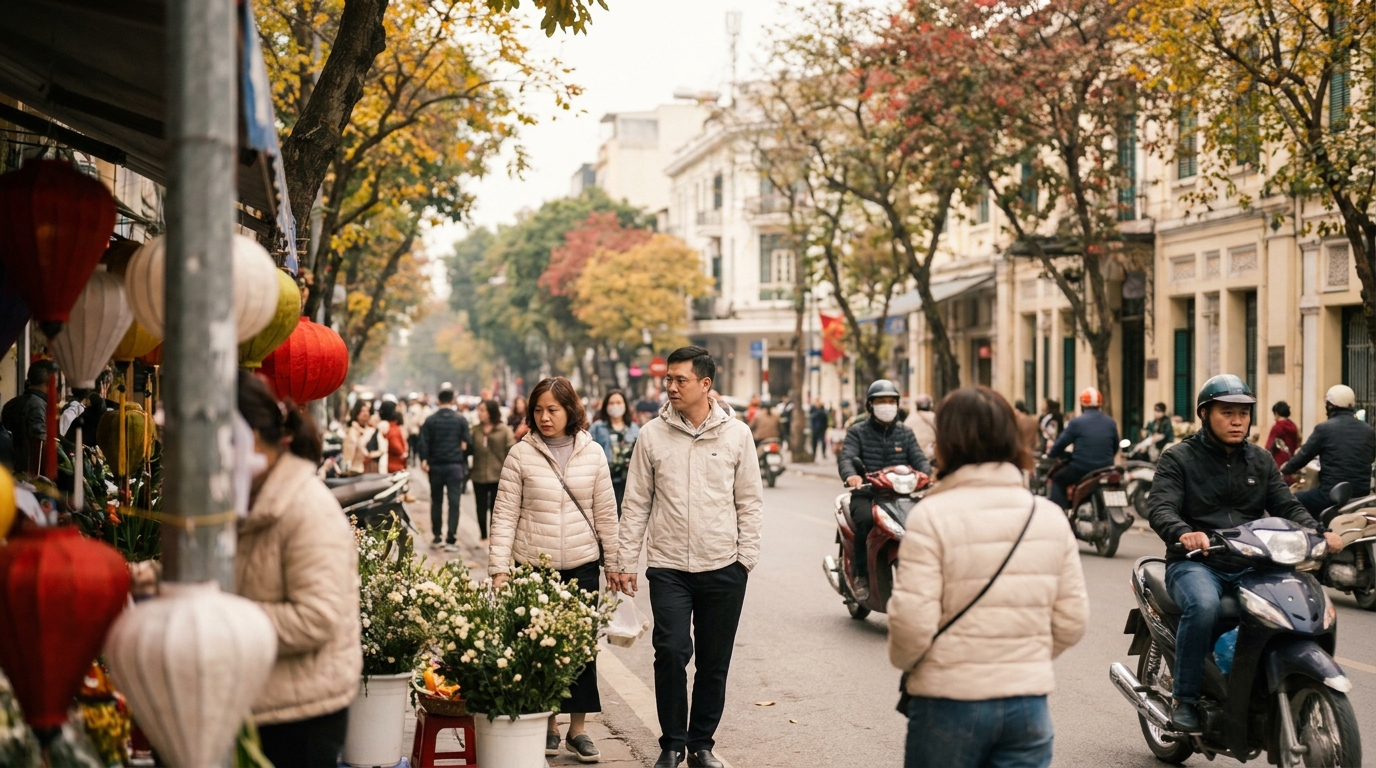
Hanoi sits in northern Vietnam and follows a four-season subtropical climate — not the simple wet/dry split you find in Ho Chi Minh City. The city gets genuine winters, where January temperatures can drop to 15°C or lower with persistent drizzle, and genuine summers with heat above 38°C plus heavy downpours. We think this variety is actually one of Hanoi’s strengths: it means there’s a version of the city that suits almost every type of traveler. The key is knowing which season you’re walking into before you book flights. You can compare flights on Aviasales to find the cheapest dates and routes.
October and November: The Sweet Spot for Most Travelers
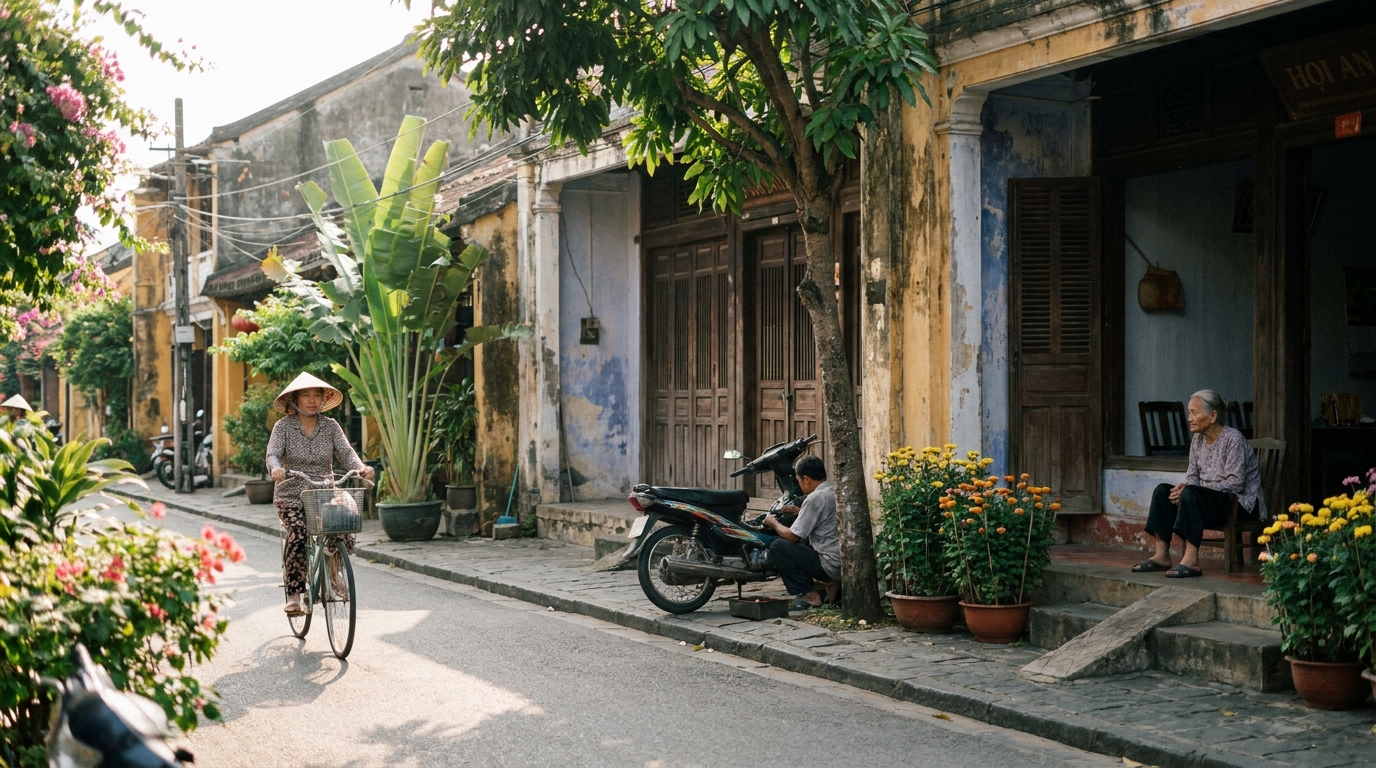
October and November are the months we recommend most consistently, and the weather data backs that up. Daytime highs sit between 24°C and 28°C, humidity drops noticeably from the summer peak, and average monthly rainfall falls below 80mm — meaning you’ll see occasional showers rather than daily downpours. The Old Quarter’s narrow streets are easier to navigate without a raincoat, street food stalls spill further onto the pavements, and Hoan Kiem Lake looks its best under clear-ish autumn skies.
Hotel rates in this window start to climb from late October as international visitors arrive. Expect to pay USD 45-75 per night for a solid 3-star Old Quarter hotel on Booking.com, compared to USD 30-50 during the rainy summer months. We’d suggest booking at least six weeks ahead for October and eight weeks ahead for November if you want good Old Quarter locations.
December to February: Cool, Atmospheric, and Busy Around Tet

Winter in Hanoi is not what most visitors picture for Vietnam. December through February brings temperatures of 14-20°C, frequent grey drizzle, and a light fog that settles over the city’s lakes and French colonial buildings. It’s atmospheric in a way that warmer months aren’t — the old citadel and Temple of Literature feel genuinely ancient when you’re the only person standing in morning mist.
The major caveat is Tet, Vietnam’s Lunar New Year festival, which falls in late January or early February depending on the year. In 2026, Tet begins on January 29. In the week before and after Tet, domestic travel explodes: trains, buses, and planes sell out, and accommodation prices can double or triple. Many family-run restaurants and small guesthouses close entirely for five to seven days. If you want to experience Tet celebrations, plan around it deliberately — it’s genuinely impressive — but if you’re visiting for general sightseeing, the two weeks immediately surrounding Tet are the most logistically challenging of the year.
December and early January (pre-Tet) are actually excellent: moderate crowds, cool walking weather, and the city decked in lights for Christmas and the New Year countdown at Hoan Kiem Lake.
| Month | Avg High (°C) | Avg Low (°C) | Rainfall (mm) | Crowd Level | Relative Hotel Cost |
|---|---|---|---|---|---|
| January | 19 | 14 | 18 | High (Tet) | $$$$ |
| February | 20 | 15 | 28 | High (Tet) | $$$$ |
| March | 23 | 18 | 40 | Moderate-High | $$$ |
| April | 27 | 22 | 80 | Moderate | $$ |
| May | 32 | 25 | 145 | Low | $$ |
| June | 33 | 26 | 170 | Low | $ |
| July | 33 | 26 | 200 | Low | $ |
| August | 32 | 26 | 195 | Low-Moderate | $ |
| September | 31 | 24 | 155 | Moderate | $$ |
| October | 28 | 22 | 78 | Moderate-High | $$$ |
| November | 24 | 18 | 45 | High | $$$ |
| December | 20 | 15 | 22 | High | $$$ |
March and April: Spring Warmth Before the Heat Arrives
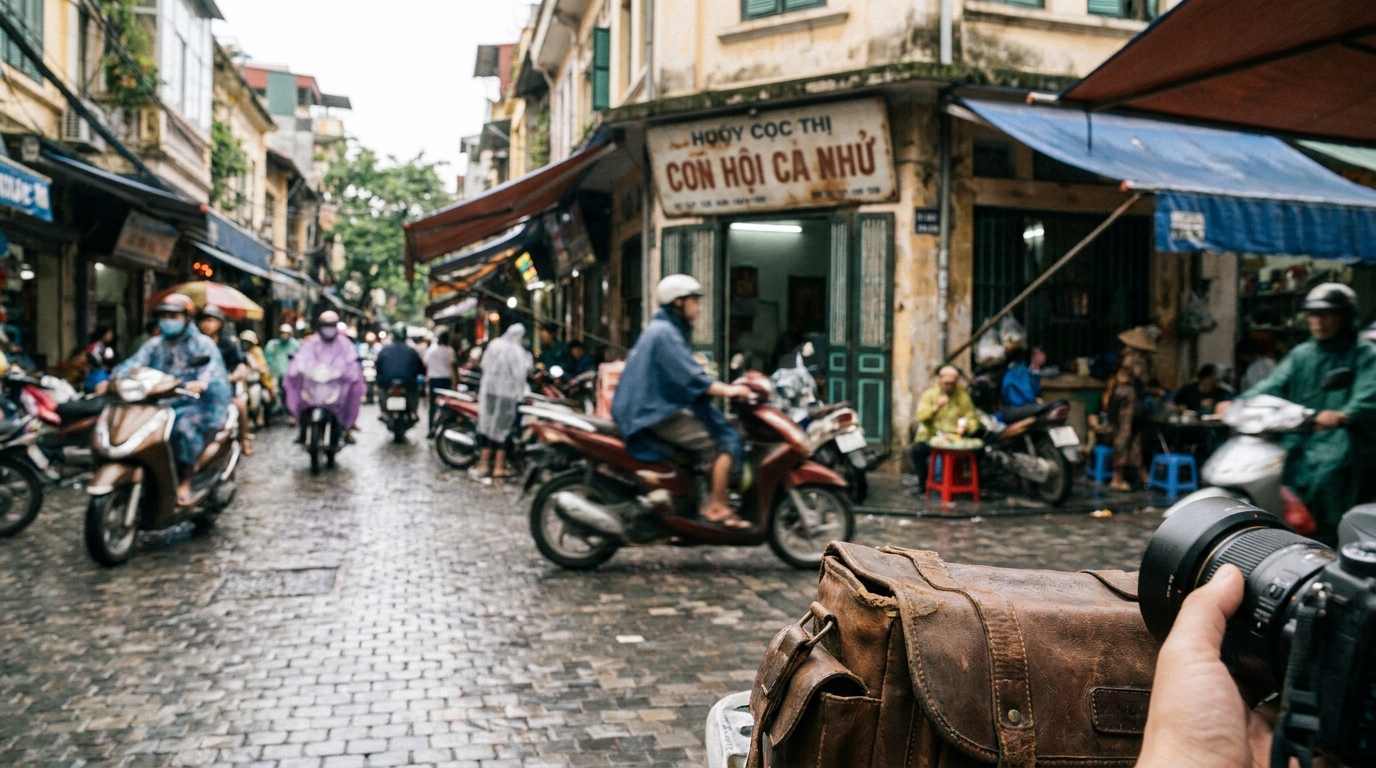
March and April offer a pleasant transition season that doesn’t get enough credit. Temperatures rise from the winter chill to a comfortable 23-27°C, rainfall is still manageable at 40-80mm per month, and the tourist crowds thin out compared to peak winter season. Spring also brings the Hanoi Flower Festival and several local pagoda festivals worth timing your visit around.
April is particularly good for day trips. The drive to Ninh Binh’s rice paddies looks its best when new growth turns the fields a vivid green, and the roads out to the perfume pagoda complex are far more pleasant in mild spring air than in summer heat. We pair Hanoi spring trips with a side journey north — see our guide at [/best-time-to-visit-sapa/] for how to combine the two in one itinerary.
May to September: Monsoon Season and the Budget Window
The rainy season runs May through September, with July and August the wettest months. Rain typically comes in heavy afternoon bursts of one to two hours rather than all-day grey drizzle, which means mornings are usually clear enough for Old Quarter walking tours and museum visits. The trade-off is the heat — June and July push above 33°C with humidity that makes the heat feel closer to 40°C.
The upside is price. Budget travelers can find clean 3-star Old Quarter hotels for USD 28-40 per night on Booking.com, roughly 30-40% below peak rates. Street food costs are unchanged year-round, so a full day of pho, banh mi, and bun cha runs USD 8-12 wherever you visit. If your schedule is flexible and heat doesn’t put you off, late September is actually a solid pick: the monsoon begins winding down, prices haven’t yet jumped, and the crowds stay thinner than November.
We’d suggest packing a lightweight waterproof shell rather than a full rain jacket — the heat makes anything heavier uncomfortable to carry. For local transport during downpours, the Grab app works well throughout the city and costs USD 1.50-3.00 for most Old Quarter journeys.
Festivals and Events Worth Timing Your Visit Around
Hanoi’s festival calendar gives you a genuine reason to pick specific dates rather than just picking good weather. Tet (late January/early February) is the most significant by far — the city transforms with red lanterns, flower markets near Hang Luoc Street, and family gatherings that give you a rare glimpse of domestic Vietnamese life rather than just tourist infrastructure.
The Hanoi Marathon typically runs in December and draws international participants; if you’re a runner, the cool December air makes it one of Southeast Asia’s more comfortable race conditions. Mid-autumn Festival (Tet Trung Thu) falls in September or October and lights up the Old Quarter with paper lanterns and lion dances centered around Hang Ma Street. It’s one of the more photogenic nights of the year and worth an overnight extension if your dates align.
For live music and arts events, the French cultural center and several Old Quarter venues run regular programming through the October-to-March dry season. Check our events roundup at [/hanoi-travel-guide/] for current listings.
How Long to Spend in Hanoi
Three to four days covers Hanoi’s core sights without feeling rushed, and it’s the right base length before adding day trips. We’d allocate day one to the Old Quarter and Hoan Kiem Lake, day two to the Ho Chi Minh complex and Temple of Literature, and day three to a day trip — either Ninh Binh ([/ninh-binh-day-trip-from-hanoi/]), Ha Long Bay ([/ha-long-bay-day-trip/]), or Sapa if you have four nights. A fifth night makes sense if you’re planning one of the longer day trips or want a slower pace through the city’s smaller museums and neighborhood cafes.
Travelers combining northern and southern Vietnam typically use Hanoi as the northern anchor, flying into Hanoi and out of Ho Chi Minh City — or vice versa. Check current one-way fares on VietJet and Vietnam Airlines; domestic routes between the two cities run USD 30-60 booked two to three weeks ahead.
Find your Hanoi hotel on the map
Live prices from Booking & Airbnb — tap a pin to compare stays around the Old Quarter and beyond.
Booking Accommodation in Hanoi: What to Know
The Old Quarter is where we recommend staying for a first visit — it puts you within walking distance of the main sights, has the highest density of good restaurants and cafes, and keeps you close to the bus and taxi hubs for day trips. Prices vary significantly by precise location: streets like Ma May, Hang Bac, and Ta Hien run slightly higher because of their central position and proximity to the night market.
For booking, Booking.com has the widest Hanoi inventory and a strong free-cancellation selection — useful if your travel dates might shift. We’d set a budget of USD 45-70 per night for a comfortable Old Quarter guesthouse in peak season, or USD 30-45 for the same quality in summer. The Ba Dinh and Tay Ho (West Lake) districts offer quieter options at similar prices if you prefer residential neighborhoods to the Old Quarter’s energy.
For longer stays, Tay Ho’s expat neighborhood has excellent coffee shops, Western-friendly restaurants, and weekly markets that feel genuinely local rather than tourist-facing. It’s also where Hanoi’s best street food neighborhood (Pho Co) connects with lake promenade walks. See our accommodation breakdown at [/where-to-stay-in-hanoi/] for street-by-street picks.
Related guide: 5-Day Hanoi Itinerary 2026: The Complete District-by-District Guide
Frequently Asked Questions
What is the best month to visit Hanoi?
October and November are the best months for most travelers. Temperatures range from 18°C to 28°C, humidity is low, and monthly rainfall drops below 80mm. Crowds are moderate rather than overwhelming, and the city’s outdoor spaces are at their most pleasant. November specifically combines good weather with active festival programming in the Old Quarter.
Is Hanoi worth visiting in summer?
Yes, with the right expectations. May to September brings daily rain and temperatures above 33°C, but afternoon storms pass quickly and mornings are clear. Hotel rates drop 30-40% from peak prices, and the city’s indoor attractions — the Vietnam Museum of Ethnology, the Women’s Museum, the Hoa Lo Prison — are air-conditioned and genuinely excellent. Summer suits budget-focused travelers who don’t mind heat.
How hot does Hanoi get?
July is typically Hanoi’s hottest month, with average highs of 33°C and humidity pushing the feels-like temperature above 38-40°C. Unlike southern Vietnam, Hanoi gets a genuine winter — January averages just 19°C in the day and can drop to 14°C at night, cold enough to need a jacket by Southeast Asian standards.
Should I avoid Hanoi during Tet?
It depends on what you want. Tet itself (the first three days of the Lunar New Year) transforms the city with flower markets, fireworks, and traditional ceremonies that are genuinely special to witness. But guesthouses fill months in advance, prices double, and many small restaurants close. If you want to experience Tet, plan specifically around it with bookings confirmed well ahead. If you’re visiting for general sightseeing, the two weeks around Tet are the most logistically difficult of the year.
What should I pack for Hanoi?
Packing depends entirely on season. November to February: bring layers, a light jacket, and a compact rain shell for drizzle. March and April: light cotton clothes plus one warm layer for cool evenings. May to September: breathable fabrics, a packable waterproof for afternoon downpours, and insect repellent. Year-round, comfortable walking shoes matter more than anything else — the Old Quarter’s uneven pavements and motorbike traffic make proper footwear worth prioritizing.
Is Hanoi safe for solo travelers?
Hanoi is generally safe for solo travelers including solo women. Petty theft — bag-snatching from motorbikes — does happen in the Old Quarter, so keeping phones and bags away from the road edge is a sensible precaution. Traffic is the more genuine hazard: crossing Hanoi’s streets requires waiting for a gap and walking steadily rather than hesitating or rushing. The city has a visible tourist police presence in the Old Quarter and around Hoan Kiem Lake.
How far in advance should I book Hanoi hotels?
For peak season (November-March), book six to eight weeks ahead for good Old Quarter options. For Tet specifically, three to four months ahead is realistic for the best-located properties. Summer months (May-September) can often be booked two to three weeks out without losing much choice or paying premium rates — the lower demand gives you more flexibility.
When to Book, When to Go
Hanoi’s best-weather window runs from October through March, with October and November the cleanest months and December through February the coolest and most atmospheric. If your calendar is fixed, there’s genuinely no bad time to visit — the monsoon season has its own advantages for budget travelers, and even the hottest months are manageable with the right expectations.
Our practical advice: if you have complete flexibility, target the first two weeks of November for the combination of good weather, moderate crowds, and pre-peak hotel rates. If you’re working around school holidays or a fixed budget, use Booking.com to compare rates across a range of dates before committing — the price difference between peak and shoulder periods in Hanoi is real enough to influence your total trip cost by USD 100-200 over a week.
For building your full Hanoi itinerary around whichever season you pick, start with our [/hanoi-travel-guide/] and our [/hanoi-day-trips/] roundup for the best excursions from the city.