Best Time to Visit Kuala Lumpur: Month-by-Month Guide 2026
Disclosure: Some links in this guide are affiliate links. If you book or buy through them, we may earn a small commission at no extra cost to you — it helps keep our guides free.
- KL’s driest months are June-August and December-February, averaging fewer than 150mm of rain (Malaysia Meteorological Department, 2025)
- Budget hotel rates during shoulder season (May, November) run 20-30% lower than peak December prices (Booking.com data, 2025)
- Average year-round temperature stays between 23°C and 33°C (73°F-91°F), so heat is always a factor regardless of month
- The southwest monsoon (May-September) and northeast monsoon (November-March) overlap differently in KL than on the coasts, making the city more sheltered than Penang or Langkawi
- Thaipusam (January/February), Hari Raya (date shifts yearly), and the Malaysia Grand Prix (March/April) each spike hotel demand by 40-60% (Tourism Malaysia, 2025)
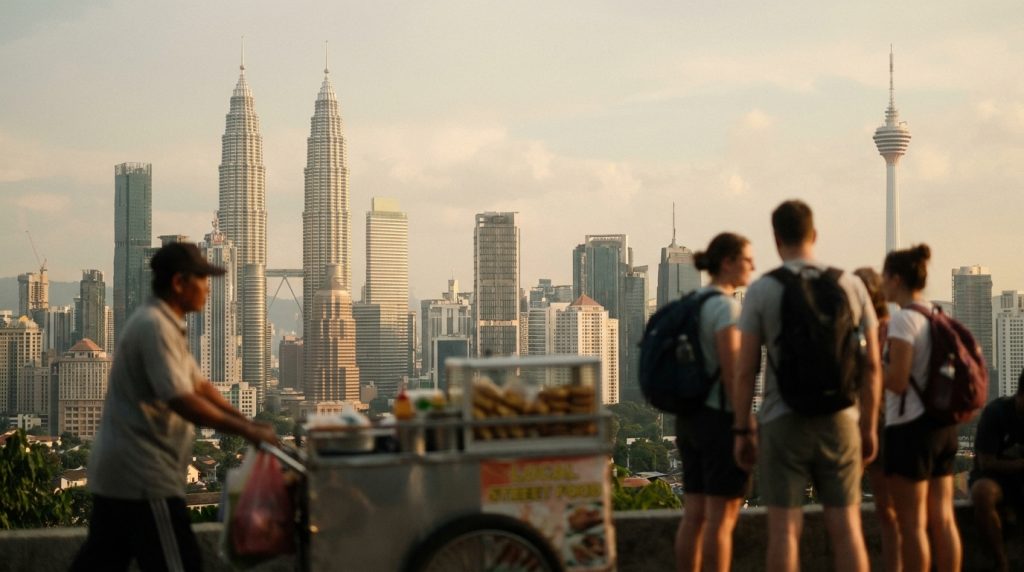
Kuala Lumpur rewards visitors year-round, but the dry months of June through August and December through February give you the best odds of clear skies, comfortable sightseeing, and competitive hotel rates. Plan around the southwest monsoon and you’ll save money and time — here’s exactly what each month looks like on the ground.
When Is the Dry Season in Kuala Lumpur?
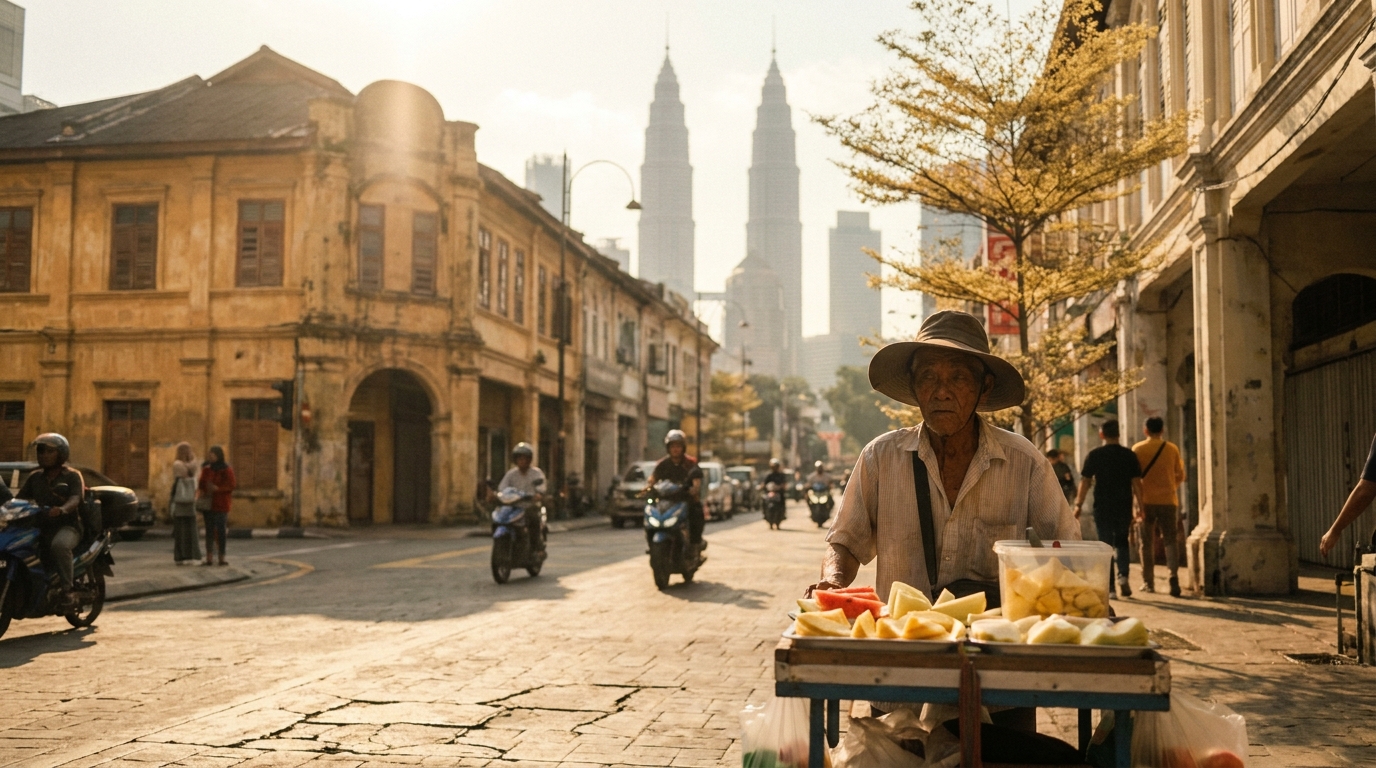
KL’s two dry windows are June through August and December through February. During these months rainfall averages 100-150mm, afternoon downpours are shorter and less frequent, and the Petronas Towers emerge from haze for better photos. Temperatures hover around 27-32°C (81-90°F), and while humidity never disappears entirely, mornings feel genuinely comfortable.
June and July are particularly reliable: humidity drops to around 70%, UV index peaks in the early afternoon, and the monsoonal rhythm shifts to brief evening showers rather than all-day grey skies. For first-time visitors who want predictable weather and easy logistics, this window is hard to beat.
| Month | Avg Temp (°C) | Rainfall (mm) | Humidity (%) | Crowd Level | Mid-range Hotel (USD/night) |
|---|---|---|---|---|---|
| January | 27 | 160 | 82 | High | $70-$95 |
| February | 27 | 145 | 80 | High | $70-$95 |
| March | 28 | 190 | 82 | Medium | $55-$75 |
| April | 28 | 230 | 83 | Medium | $55-$75 |
| May | 28 | 205 | 82 | Low | $45-$65 |
| June | 28 | 130 | 78 | Medium | $60-$80 |
| July | 28 | 120 | 77 | Medium | $60-$80 |
| August | 28 | 145 | 78 | Medium | $60-$80 |
| September | 28 | 175 | 80 | Low | $50-$70 |
| October | 27 | 260 | 83 | Low | $50-$70 |
| November | 27 | 235 | 83 | Low | $50-$68 |
| December | 27 | 200 | 82 | High | $75-$110 |
What Is the Rainy Season in Kuala Lumpur?
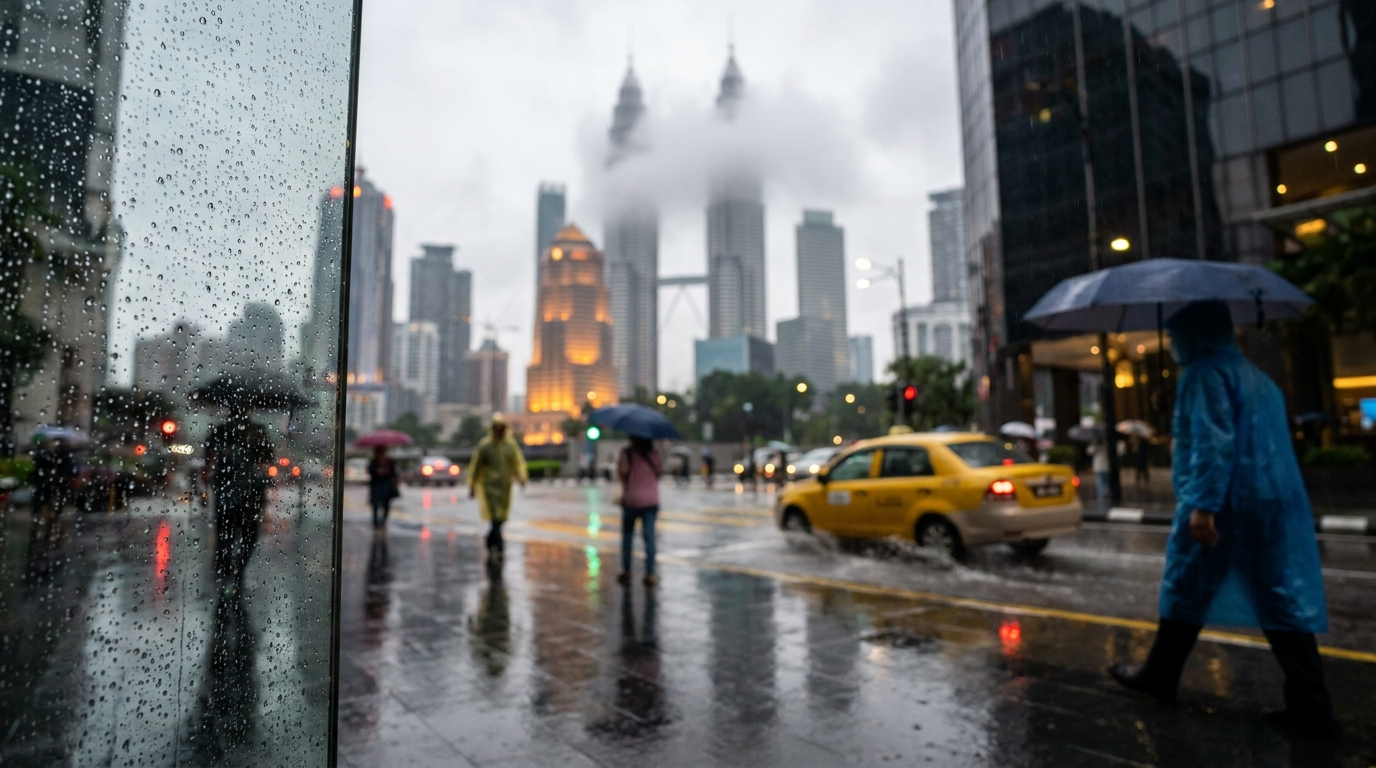
October and November are KL’s wettest months, with October averaging 260mm of rainfall — nearly double what June sees. The northeast monsoon pushes moisture inland from the South China Sea, and afternoon storms can last two to three hours.
That said, KL’s rain pattern is different from true monsoon coasts: mornings are often dry and bright, and the city’s covered walkways, malls, and rapid transit make it genuinely navigable even in heavy rain.
If you visit in October or November, front-load your outdoor activities before noon. Entrance fees to attractions like the Batu Caves (free) and KL Bird Park (MYR 68 / ~$14 for adults in 2026) stay the same year-round, and indoor alternatives like the Islamic Arts Museum and Petrosains at KLCC are world-class.
Hotel rates in this window run 25-35% below December peaks, so budget travellers often deliberately choose the wet shoulder. We’ve found the trade-off worthwhile if you’re flexible with your mornings.
How to Plan Around Kuala Lumpur’s Festivals and Events

KL’s festival calendar shifts hotel prices dramatically, and it’s worth mapping dates before you book. Chinese New Year (late January or February 2026) drives accommodation demand up 40-50% in the Bukit Bintang and Chinatown districts. The city puts on genuine spectacle — lion dances, light displays along Petaling Street, and free public events — but book at least six weeks ahead or prices balloon.
Thaipusam at Batu Caves falls in late January or early February depending on the Tamil calendar. Up to 1.5 million devotees attend, public transit runs overnight on the eve of the festival, and it’s one of the most visually powerful events in Southeast Asia. If you’re there for the culture, it’s extraordinary; if you’re there for quiet sightseeing, avoid that 48-hour window.
The Malaysia Grand Prix at Sepang Circuit (historically March or early April) fills KL hotels in a 40km radius. Prices for mid-range hotels in the city centre spike 30-45% during race weekend. For 2026 dates, check the official Formula 1 calendar — Sepang is a confirmed venue.
Hari Raya Aidilfitri (end of Ramadan, date shifts yearly) sees many Kuala Lumpur residents travel home, which can actually mean lighter crowd traffic in the city itself — but restaurants and some attractions keep reduced hours.
Month-by-Month Breakdown: What to Expect
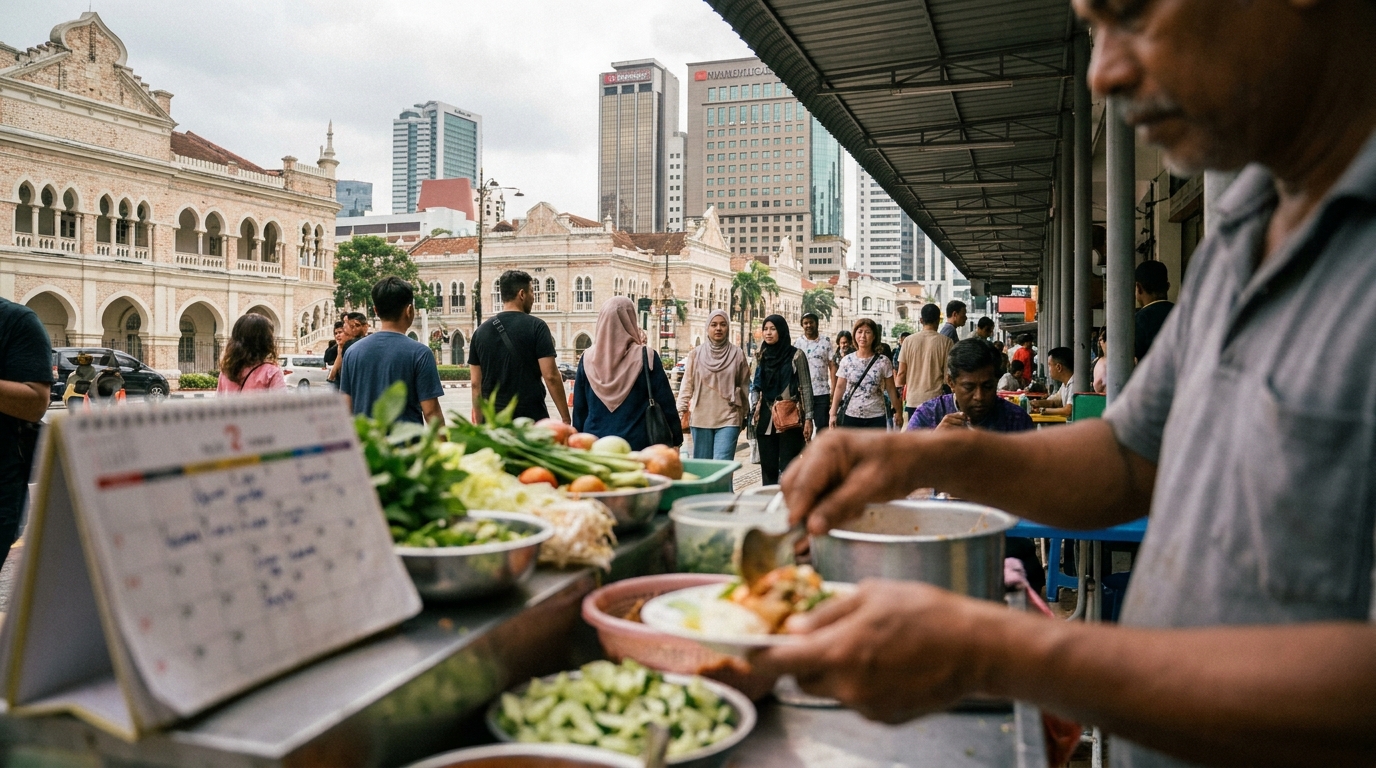
January-February brings the dry northeast monsoon transition. Skies are partly cloudy with manageable rain, temperatures average 27°C. Chinese New Year and Thaipusam land here — book early. Mid-range hotels run $70-$95 per night on Check live hotel prices.
March-April is warm and increasingly humid as the inter-monsoon season begins. Rainfall picks up to 190-230mm. The Grand Prix brings a price spike but also a buzzy atmosphere. It’s a reasonable time to visit if you book accommodation two months ahead.
May is a shoulder month that savvy travellers use to their advantage. Rainfall is moderate at 205mm, crowds are low, and hotel rates drop to $45-$65. The city’s rooftop bars, street food scene in Jalan Alor, and the KL Tower Observation Deck (MYR 99 / ~$21 in 2026) are all less congested.
June-August is our top recommendation for first-time visitors. School holidays in Europe and Australia increase tourist volume, but the weather is the most reliable of the year and it’s still not overwhelming by Bangkok or Bali standards. Day trips to Genting Highlands (cable car from MYR 30 / ~$6.50 return) or the Batu Caves feel rewarding rather than rushed.
September is another hidden window — rainfall begins rising again but stays below 175mm. Tourist numbers drop sharply after European summer, and hotel rates fall to $50-$70. It’s a comfortable month with decent skies and fewer queues at the Petronas Towers Skybridge (tickets MYR 80 / ~$17; book at least a week ahead).
October-November is the wettest period. Budget travellers who don’t mind afternoon showers will find the lowest rates of the year. Build in flexibility and focus on the city’s excellent indoor dining and shopping.
December sees the city transform for Christmas and New Year. Pavilion KL and Suria KLCC deploy elaborate light installations. Demand peaks from mid-December, with hotels hitting $75-$110 per night. Book three months out for anything near the Petronas Towers.
Find your Kuala Lumpur hotel on the map
Live prices from Booking & Airbnb — tap a pin to compare stays around Bukit Bintang and KLCC and beyond.
What to Consider for Budget vs. Peak Travel
The cheapest time to visit KL is May and October-November when rates drop to $45-$70 for mid-range hotels and flights from Sydney, London, and Los Angeles see 15-20% discounts compared to peak December. We’ve used this window for extended stays — the reduced foot traffic at popular spots compensates for carrying an umbrella in the afternoons.
Peak season in December-February delivers the best weather and the most festive atmosphere, but you’ll pay for it. A four-star hotel near KLCC that costs MYR 350 ($75) per night in May can hit MYR 550 ($118) in late December. Return flights from London to KL on Malaysia Airlines or AirAsia average $580-$720 in peak season versus $420-$550 in May.
For the sweet spot of good weather without premium pricing, target late June through July. You get reliable dry weather, school holiday energy without December crowds, and hotel rates that sit firmly in the mid-range.
Practical Tips for Every Season
Pack light layers regardless of month — KL’s aggressive air conditioning in malls and transit can make 25°C feel cold after 33°C outside. A light cardigan or packable shell is more useful than rain gear for most visitors, though a compact umbrella earns its weight during October and November.
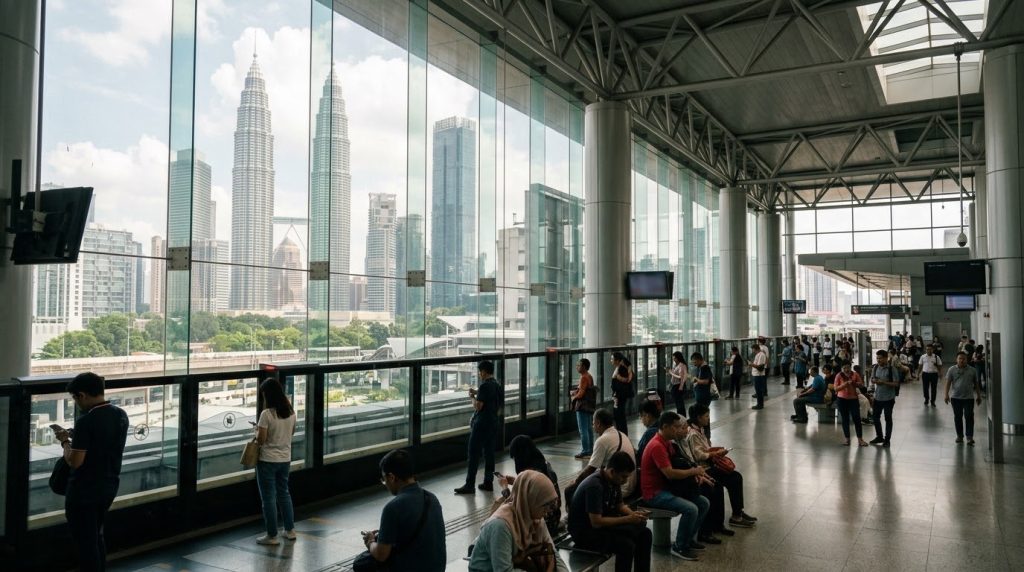
The KL MRT, LRT, and Monorail network connects all major districts, and a Touch ‘n Go card ($5 deposit, reloadable) covers all lines. Uber and Grab (the regional Uber equivalent) are reliable and cheap — a cross-city trip rarely exceeds MYR 20-35 ($4-$7.50).
For accommodation, the KLCC, Bukit Bintang, and Chow Kit areas give you walkable access to most major attractions. We’ve found properties on Check live hotel prices with free cancellation up to 48 hours before check-in, which is valuable if you’re travelling during festival season when dates can shift.
Look for places with a pool — after a humid afternoon at the Batu Caves or the KL Tower, it matters more than the thread count.
Day trips add significant value to a KL base. The Cameron Highlands (4-hour bus, from MYR 35 / ~$7.50) are always cooler by 10-12°C than the city. Malacca’s UNESCO heritage zone is a 2-hour express bus ride (from MYR 25 / ~$5.40 on Konsortium or Transnasional). Both destinations make sense in any season because the natural terrain buffers you from KL’s rain patterns.
For a full neighbourhood breakdown and what to do in each area of the city, see our and for the street food trails worth building your itinerary around. It is worth pairing this page with this Kuala Lumpur travel guide before mapping out transport, neighborhoods, and a rough daily schedule. Travelers budgeting the trip often check this where to stay in Kuala Lumpur before picking a neighborhood that matches the planned pace of the trip.
Related guide: 5-Day Kuala Lumpur Itinerary 2026: The Complete Planning Guide
Frequently Asked Questions
What is the best month to visit Kuala Lumpur?
June and July are the best months overall for first-time visitors. Rainfall averages just 120-130mm, humidity dips relative to the rest of the year, and temperatures hold steady at 28°C. Crowds are manageable and hotel rates are reasonable at $60-$80 per night for mid-range options — a solid balance of weather and value.
Does Kuala Lumpur have a true dry season?
Yes, though it’s milder than destinations further from the equator. The driest windows are June-August (120-150mm/month) and December-February (145-160mm/month). KL never truly stops raining, but during these periods showers are usually short afternoon events rather than sustained downpours. You’ll need sunscreen more than an umbrella.
Is October a bad time to visit Kuala Lumpur?
October is KL’s wettest month at 260mm of rainfall, but it’s not a write-off. Mornings are usually clear, the city’s covered infrastructure handles rain well, and hotel rates are 30-35% below December prices. If you’re a budget traveller comfortable with afternoon downpours and flexible morning scheduling, October offers real value.
How hot is Kuala Lumpur in December?
December averages 27°C (81°F) with high humidity around 82%. It feels hot by European or North American standards, but it’s consistent with the rest of the year — KL doesn’t have a “cool” season per se. The festive decorations and cooler evenings (dropping to 23-24°C after midnight) make December one of the most atmospheric months despite the heat.
When is Kuala Lumpur cheapest to visit?
May, September, and October-November offer the lowest hotel rates, with mid-range accommodation dropping to $45-$70 per night. Flights from Western markets also soften during these shoulder months. The trade-off is higher rainfall probability, but for travellers prioritising budget over guaranteed sunshine, these months deliver the best value.
Is Kuala Lumpur good for a December holiday?
Absolutely, if you book well ahead. Christmas decorations in Pavilion KL and KLCC are impressive, New Year’s Eve fireworks at Dataran Merdeka draw large crowds, and the slightly drier December weather cooperates most years. Book accommodation three months out and expect to pay $75-$110 per night for centrally located hotels.
Do I need travel insurance for Kuala Lumpur during monsoon season?
Travel insurance is always worth having, and particularly so during October-November when flash flooding occasionally disrupts transport links. Standard policies from providers like World Nomads or SafetyWing cover trip delays and cancellations due to weather events. An Airalo Malaysia eSIM (from $4.50 for 1GB) also ensures you stay connected if you need to reroute — no airport SIM counter queues required.
The Bottom Line: When Should You Book?
For the best combination of weather, price, and experience, book KL for late June through July or late January through February (avoiding festival peak dates unless you’re attending them). Budget-first travellers get genuine value from May and October at the cost of more rain. December rewards those who plan ahead with a festive city and reliable mornings — just watch hotel prices and book early.
Ready to lock in dates? Browse current availability and compare neighbourhoods on Check live hotel prices in Kuala Lumpur. For everything you’ll want to do once you’re there, our covers the full picture from rooftop bars to day-trip logistics.