
Ultimate Hallstatt Travel Guide 2026: Costs, Crowds + How to Visit
This Hallstatt travel guide covers every practical detail for visiting one of Europe’s most beautiful — and most crowded — villages.
Hallstatt receives over 1 million visitors per year (Austria Tourism / OAW visitor statistics, 2025), yet only 780 people live here permanently. That ratio defines the entire experience: breathtaking scenery, real logistical challenges, and zero margin for poor planning. Read this before you book.
Key Takeaways
- Hallstatt has a permanent population of 780 but receives 1M+ visitors per year, with 10,000+ per day in July-August
- Best times to visit are May-June and September; avoid peak summer for manageable crowds
- Salt mine tours cost €32 per adult (world’s oldest working mine, 7,000 years old) (Salzwelten, 2026)
- Budget €80-120/day for hostel + groceries; €150-250/day mid-range; book hotels 3-6 months ahead
- No through-traffic in the village center; park at P1 (shuttle €2.50 pp) or P2 Lahn
Affiliate Disclosure: This article contains affiliate links to tours, hotels, and transport services. If you book through these links, we may earn a small commission at no extra cost to you. We only recommend services we have researched thoroughly.
Hallstatt Travel Guide 2026: Why 1 Million Tourists Visit a Village of 780
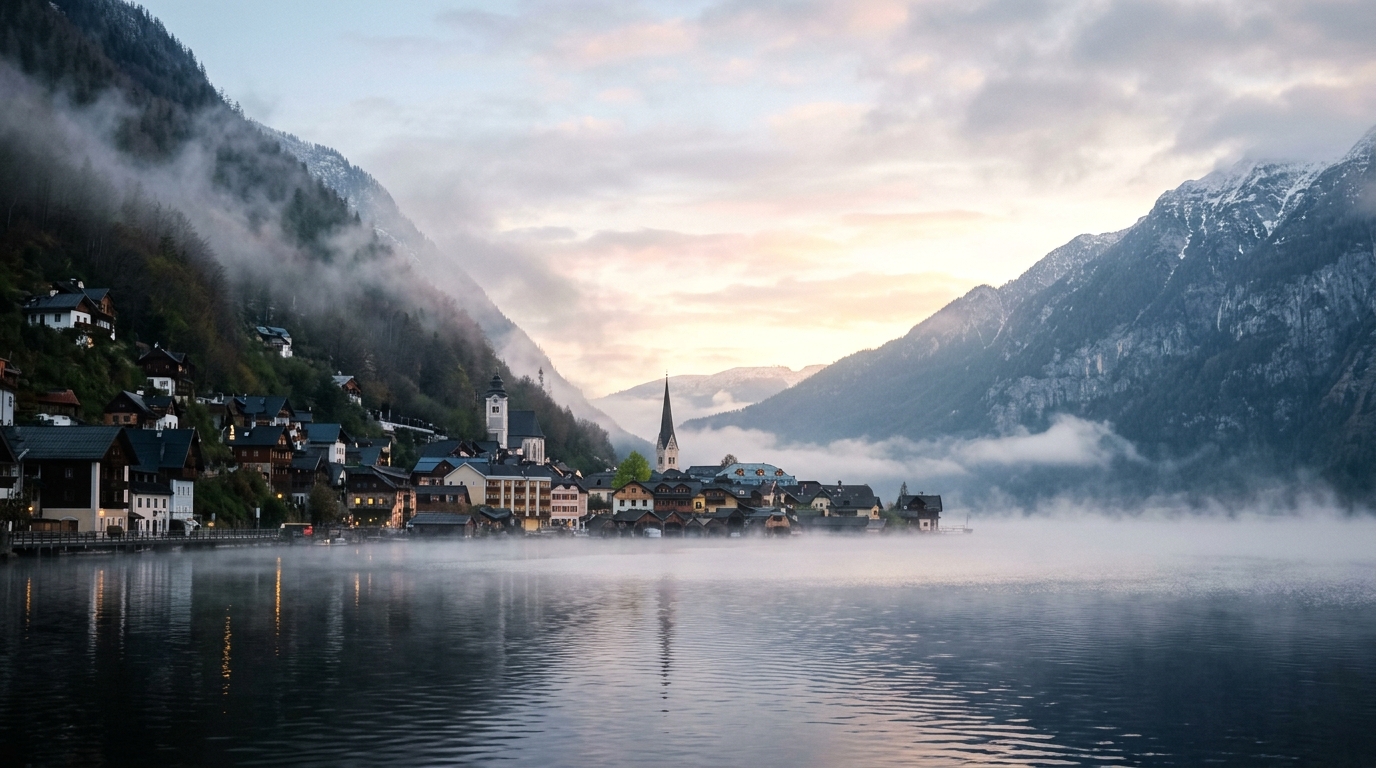
Hallstatt sits on the western shore of Hallstattersee in the Austrian Alps, and roughly 1 million people visit it annually, including over 10,000 per day at peak season (Austria Tourism / OAW visitor statistics, 2025). The village was inscribed as a UNESCO World Heritage Site in 1997 as part of the Hallstatt-Dachstein/Salzkammergut Cultural Landscape (UNESCO World Heritage List, 1997). That listing, combined with viral social media imagery, created the modern tourism wave.
The scale of the pressure is extraordinary. At the 2019 pre-pandemic peak, an estimated 100,000 Asian tourists visited on single peak days, partly driven by a replica Hallstatt village built in China’s Guangdong province in 2012. The Austrian village had become a global icon before many visitors knew where Austria was on a map. That context matters because it explains the strict traffic controls, the difficulty finding accommodation, and the near-universal advice to arrive before 8am or after 5pm.
The UNESCO status covers not just the village itself but the entire Salzkammergut lake district. Dachstein mountain, the salt mines, and the Iron Age salt-trading culture that made Hallstatt wealthy 3,000 years ago are all part of the protected landscape. Visiting thoughtfully — spending money locally and traveling outside peak hours — directly supports the community’s ability to maintain that heritage.
best things to do in hallstatt
How to Get to Hallstatt (Train, Bus, Car, Day Trip)
Getting to Hallstatt requires at least one connection; there is no direct high-speed rail to the village itself. From Salzburg, the journey takes roughly 1.5 to 2 hours by train plus ferry, or by direct Postbus 150/542. From Vienna, plan for 3.5 to 4 hours by rail via Attnang-Puchheim on the Westbahn, then the Salzkammergut regional line to Hallstatt station.
From Salzburg (Recommended Base)
The Postbus 150 and 542 services run from Salzburg Hauptbahnhof to the Hallstatt area, with a connection toward the lake at Bad Ischl. Alternatively, take the train from Salzburg toward Attnang-Puchheim and change to the Salzkammergut line. Both options land you at Hallstatt Bahnhof station, which sits across the lake from the village. A ferry crosses every time a train arrives, costing €4 each way. The crossing takes about 5 minutes.
From Vienna
The Westbahn express from Vienna Hauptbahnhof reaches Attnang-Puchheim in under two hours. Change there to the Salzkammergut regional line for Hallstatt Bahnhof. The full journey is 3.5 to 4 hours. OBB (Austrian Federal Railways) sells through-tickets covering the regional connection. Book ahead on busy summer days.
Driving and Parking
No through-traffic is permitted in the village center. The main parking options are:
| Parking Area | Distance to Village | Cost | Notes |
|---|---|---|---|
| P1 Park-and-Ride (Lahn) | 1.2 km | Shuttle €2.50 pp | Recommended; shuttle runs frequently |
| P2 Lahn | 800m walk | Hourly rate | Closer; fills by 8am in peak season |
| Village center | 0 km | Restricted | Residents and hotel guests only |
Source: Hallstatt municipality, 2026
On peak summer days, up to 20,000 vehicles use the mountain road. Arrive before 8am or after 5pm to avoid gridlock. During busy weekends, the queue to P1 can stretch 30 to 45 minutes.
Day Trip vs. Overnight
A day trip from Salzburg works well for budget travelers. Staying overnight, however, transforms the experience: the village empties after 6pm, the lake turns mirror-flat, and you get the postcard views without the crowd.
Getting Around Hallstatt (Ferry, Walk, Cable Car)
Hallstatt village is compact and almost entirely walkable. The main promenade along the lake stretches about 400 meters end to end. Most visitors cover the core sights on foot in 3 to 5 hours. The key transport options are the ferry from the train station, the Salzberg cable car to the salt mine, and a short boat ride or 10-minute walk to the Malerwinkel viewpoint.
The Malerwinkel Viewpoint
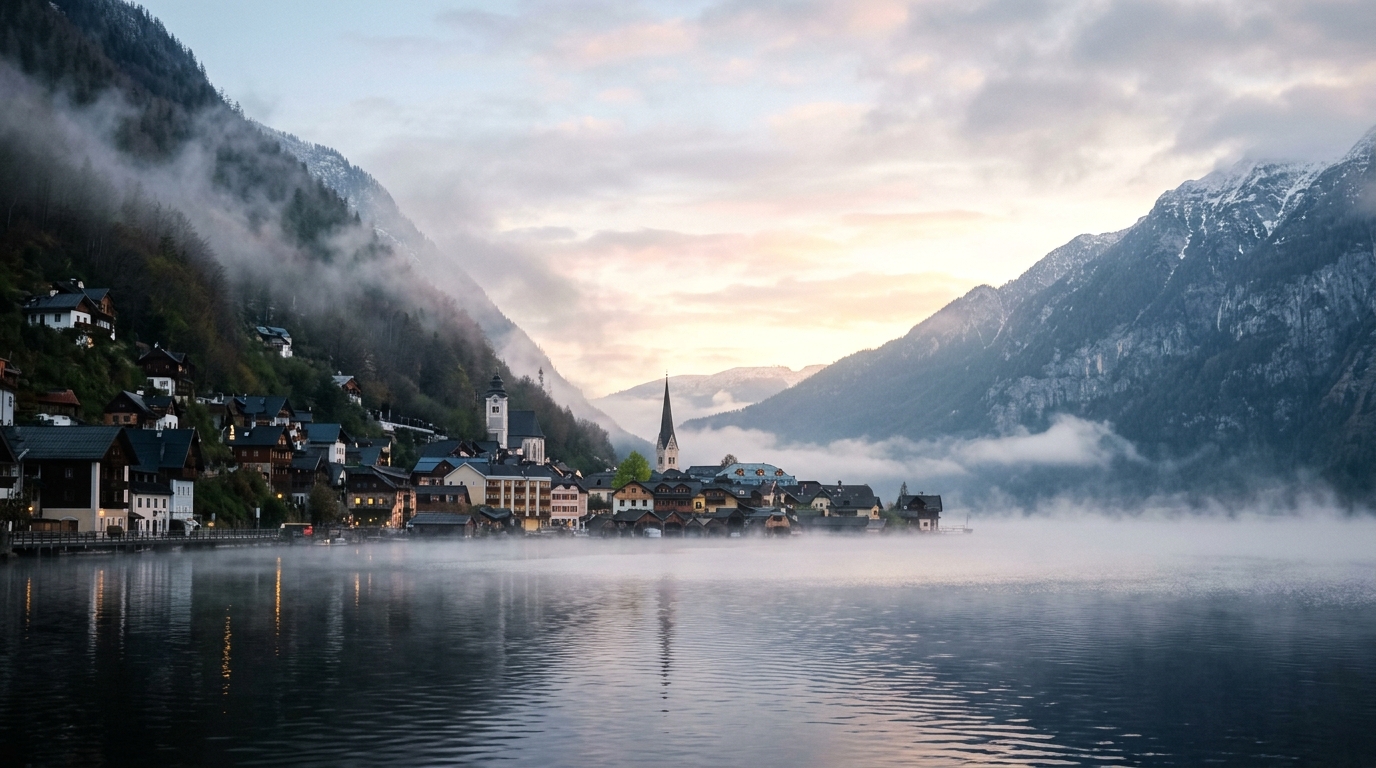
This is the spot that appears on every Hallstatt postcard and Instagram grid. “Malerwinkel” means “painter’s corner” in German. It sits across the lake on the eastern shore, and from here you see the entire village reflected in the water with the Dachstein massif behind. Reach it by renting a rowboat from the village (around €10/hour) or by walking 10 minutes from the P2 Lahn parking area. The light is best between 7am and 9am or in the late afternoon. This viewpoint alone is reason enough to stay overnight.
Cable Car to the Salt Mine Area
The Salzberg cable car departs from the southern end of the village and climbs to the Salzberg plateau, where the salt mine entrance sits. The cable car is included in the salt mine ticket (€32 adult). If you prefer to hike up, the trail takes about 40 minutes and is well-marked. The cable car operates from April through October.
Best Time to Visit Hallstatt 2026
May through June and September through October are the optimal windows, combining manageable crowds with good weather. Alpine wildflowers bloom through June, and autumn foliage peaks in October. July and August bring 10,000+ daily visitors, vehicle queues on the mountain road, and ferry waits (Austria Tourism / OAW visitor statistics, 2025).
| Month | Crowd Level | Avg High (C) | Notes |
|---|---|---|---|
| Jan-Feb | Low | 1-4 | Snow; magical atmosphere; some attractions closed |
| Mar-Apr | Low-Medium | 8-13 | Spring green; salt mine reopens April |
| May-Jun | Medium | 15-21 | Best balance of weather and crowd level |
| Jul-Aug | Very High | 22-26 | Peak; 10,000+ visitors/day; 20,000 vehicles on road |
| Sep-Oct | Medium | 13-19 | Second-best window; autumn foliage October |
| Nov-Dec | Low-Medium | 2-6 | Christmas market (Dec); quieter shoulder months |
Source: Hallstatt tourism board and Austria Tourism, 2026
Winter visits in January-February are genuinely beautiful. Several tours and the Dachstein cable car operate year-round. The salt mine is closed November to March.
Hallstatt Travel Costs: Daily Budget by Tier
Hallstatt is not cheap. Fewer than 20 properties operate in or adjacent to the village, creating a supply constraint that keeps accommodation prices high. Food and activity costs are comparable to Vienna or Salzburg. Budget carefully and book well in advance.
| Budget Tier | Daily Spend | Accommodation | Meals |
|---|---|---|---|
| Budget | €80-120/day | Hostel dorm €35-55 | Supermarket + 1 sit-down meal |
| Mid-Range | €150-250/day | Guesthouse/B&B €90-150 | 2 restaurant meals; main attractions included |
| Comfort | €250-350/day | Lakefront hotel €150-220 | All meals out; all main attractions |
| Luxury | €350+/day | Boutique hotel €220+ | Fine dining; private tours; no compromises |
Source: Booking.com rate averages, May 2026
Key Activity Costs
- Salt mine (Salzwelten) adult tour: €32, cable car included, approximately 2 hours
- Dachstein 5 Fingers cable car and viewpoint: €27 round trip
- Dachstein Ice Cave: €15; Mammoth Cave: €15; combo ticket: €28 (Dachstein Krippenstein official website, 2026)
- Ferry from train station to village: €4 each way
- Rowboat rental (Malerwinkel access): approximately €10/hour
A sit-down lunch at a lakeside restaurant runs €15 to €25 per person. Budget travelers use the Spar supermarket near P2 for picnic supplies. best food in hallstatt
Top Attractions in Hallstatt (Salt Mine, 5 Fingers, Ice Cave)
Hallstatt’s attractions fall into three tiers: the historic village core (free), the salt mine plateau (€32 adult), and the Dachstein high alpine area (€27 cable car plus optional cave tickets). Allow at least two full days to cover all three without rushing. best things to do in hallstatt
Salzwelten Salt Mine
The world’s oldest working salt mine has operated for 7,000 years (Salzwelten official website, 2026). The guided tour lasts approximately 2 hours and includes a miner’s slide (wooden chutes historically used by mine workers), an underground salt lake, and a sound-and-light show. The cable car is included in the €32 adult ticket. Tours run in English and German. Pre-book online in July and August; morning slots sell out by the previous afternoon.
The salt mine justifies its price on historical depth alone. Hallstatt’s Iron Age wealth (roughly 800 to 400 BCE) came entirely from salt trading. Excavations here gave archaeologists the term “Hallstatt culture,” the name now used for an entire period of European prehistory. Standing 300 meters underground in a mine that predates the Roman Empire by 4,000 years is a rare and genuinely educational experience.
Dachstein 5 Fingers Viewpoint
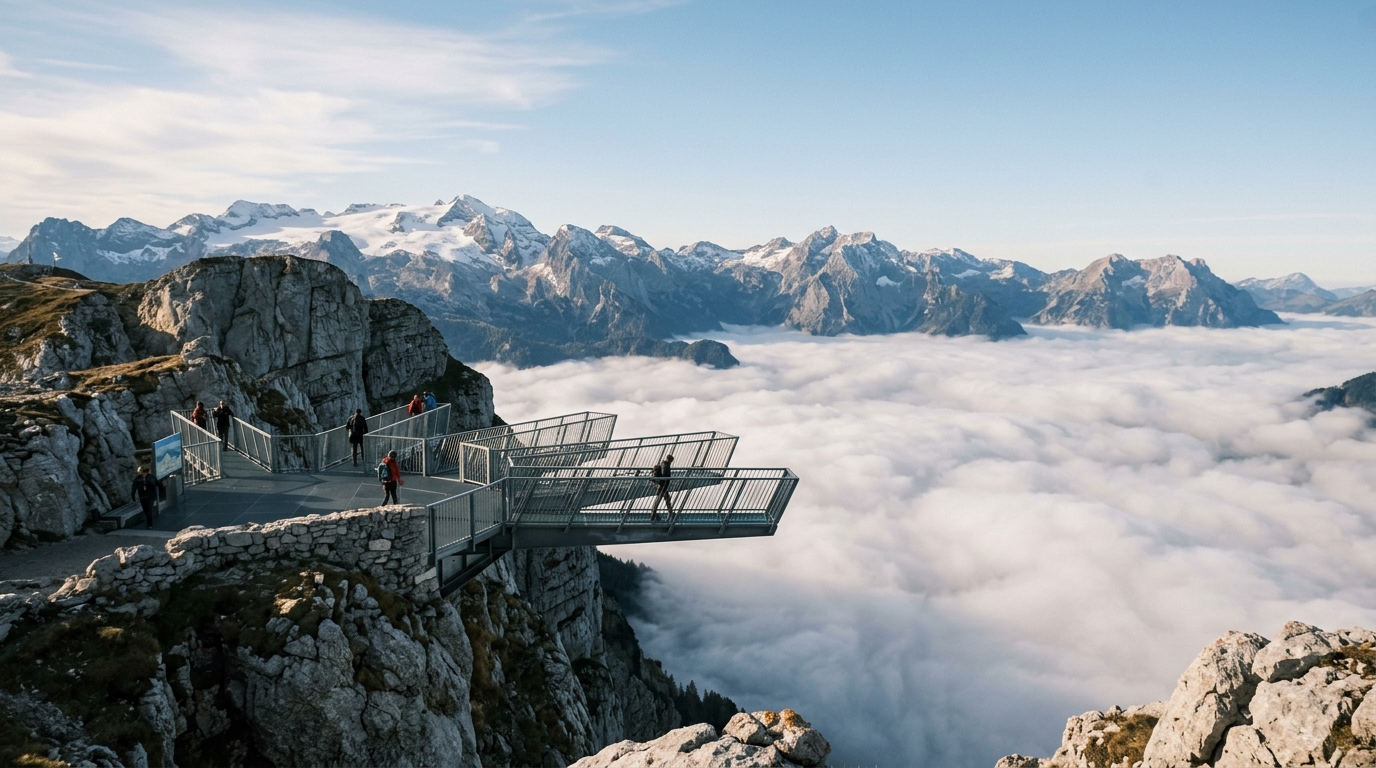
The Dachstein Krippenstein cable car climbs to approximately 2,000 meters altitude. At the summit, the 5 Fingers observation platform extends five steel walkways over a cliff edge, each ending with a different angle on the lake district below. The cable car costs €27 round trip (Dachstein Krippenstein official website, 2026). Allow 3 to 4 hours including travel from Hallstatt. Check the mountain weather forecast the morning of your visit; fog renders the viewpoint useless.
Dachstein Ice Cave and Mammoth Cave
Both caves sit at roughly 1,350 meters elevation, accessible from the midpoint station on the Dachstein cable car. The Ice Cave (€15) contains frozen waterfalls and formations lit by colored light installations. The Mammoth Cave (€15) is a larger, drier system with dramatic stalactite chambers. The combo ticket (€28) covers both and saves €2. Neither requires advance booking except at absolute peak.
Where to Stay in Hallstatt
Fewer than 20 hotels, guesthouses, and B&Bs operate in or immediately adjacent to Hallstatt village. Summer availability dries up 3 to 6 months in advance. Book the moment your travel dates are set. hallstatt hotels
| Property Type | Price Range/Night | Booking Lead Time | Best For |
|---|---|---|---|
| Hostel dorm (Bad Goisern, 12km away) | €35-55 | 1-4 weeks | Budget travelers |
| Guesthouse / Pension in village | €90-150 | 2-4 months | Couples, mid-range stays |
| Lakefront hotel in village | €150-250 | 3-6 months | Anniversary, bucket-list trips |
| Boutique hotel (lake view, breakfast) | €220-350+ | 4-6 months | Luxury travelers |
| Apartment / Airbnb (Bad Ischl, 20km) | €70-130 | 1-2 months | Families, longer stays |
Source: Booking.com rate averages, May 2026
Staying Outside the Village
Bad Ischl (20km, 25 minutes by bus) and Bad Goisern (12km, 15 minutes) are the nearest alternatives with broader accommodation choice. Bad Ischl was Emperor Franz Joseph’s summer residence and has its own Kaffeehauskultur worth experiencing. Staying there and day-tripping to Hallstatt is a practical fallback when village accommodation is fully booked.
Staying overnight in Hallstatt itself changes the experience dramatically. By 6:30pm, most tour buses have departed and the promenade falls quiet. The morning light between 6am and 8am, before the first wave of visitors arrives, is when the postcard shots become achievable and the village feels like it belongs to the 780 people who actually live there. That early-morning quiet alone justifies the higher cost of an in-village bed.
Day Trips from Hallstatt
The Salzkammergut lake district surrounding Hallstatt offers some of Austria’s best day-trip options. Most destinations are reachable within 30 to 60 minutes by bus, car, or regional train.
- Obertraun (4km, 10 minutes): gateway to the Dachstein cable car and caves; starting point for serious alpine hikes
- Bad Ischl (20km, 25 minutes): imperial summer residence; Leharvilla museum; strong cafe culture; good base for multi-day exploration
- St. Wolfgang (45 minutes): pilgrimage church Wallfahrtskirche; Wolfgangsee lake; far less touristy than Hallstatt
- Salzburg (1.5-2 hours): Mozart’s birthplace; Hohensalzburg fortress; UNESCO Old Town; easiest major city connection from Hallstatt
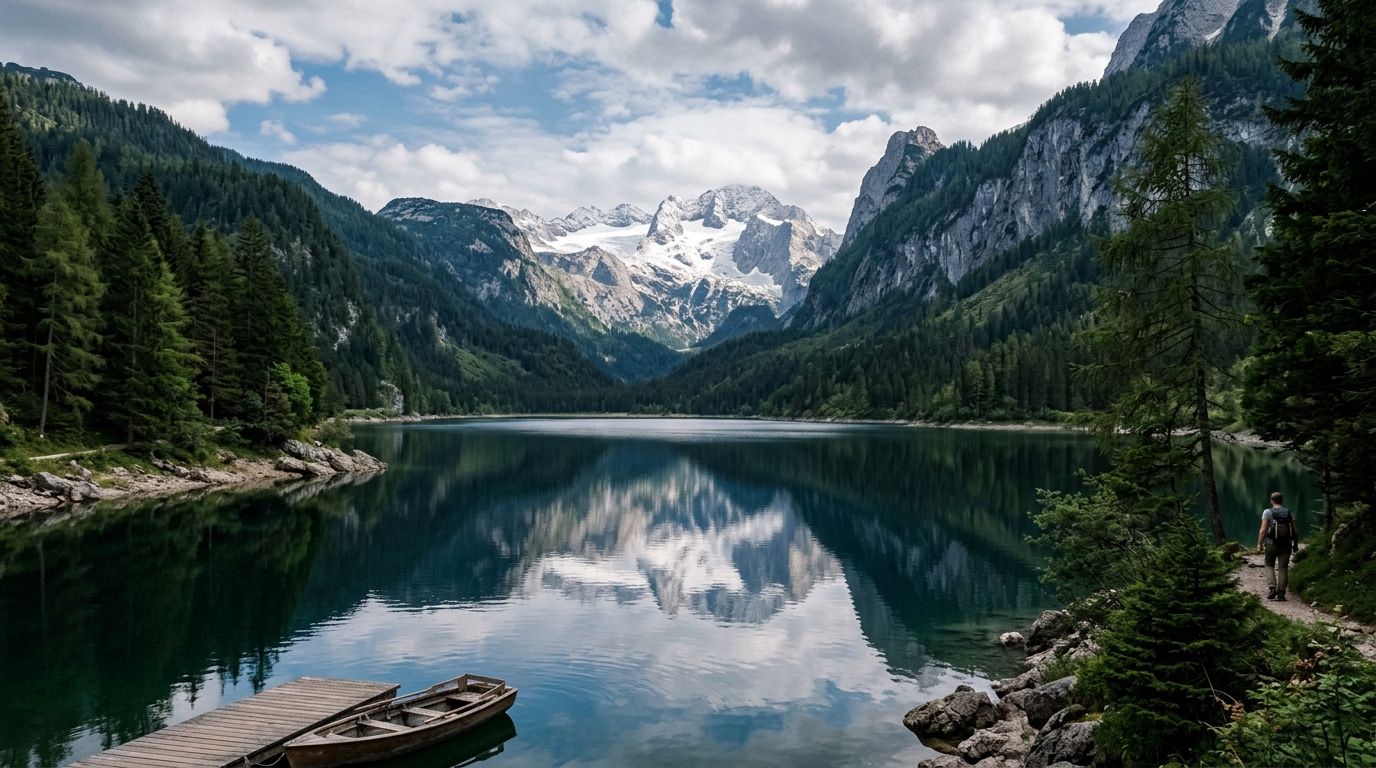
- Gosau (30 minutes by car): Gosausee lake with direct Dachstein glacier views; dramatically quieter than Hallstatt; one of Austria’s finest short hikes
Practical Tips for First-Timers
These points address the most common mistakes first-time visitors make in Hallstatt. hallstatt itinerary
1. Arrive early or late. Before 8am or after 5pm. Most tour buses land between 10am and 4pm. This single decision improves the experience more than anything else.
2. Pre-book the salt mine in summer. Morning slots (9am-11am) sell out the previous afternoon in peak season. Book at salzwelten.at before leaving your accommodation.
3. The ferry runs on the train schedule. The Hallstatt Bahnhof ferry (€4 each way) departs when trains arrive. Check the OBB timetable and plan accordingly; missing the ferry means a 30-minute walk around the lake.
4. Pack layers for Dachstein. Even in July, the 2,000-meter plateau runs 10 to 15 degrees C colder than the village. A windproof layer is mandatory.
5. Carry cash. Several guesthouses and the ferry are cash-preferred. ATMs in the village run short in peak season; withdraw in Bad Ischl or Salzburg first.
6. Book accommodation early. Village hotels fill 3 to 6 months ahead for summer. Set a reminder the moment your dates are confirmed.
7. Use P1 or P2, not the village road. The village center road is restricted to residents and hotel guests. Tourists driving through face fines and awkward reversals on a single-lane mountain road.
8. Check Dachstein weather specifically. The mountain generates its own weather. Check the Dachstein-specific forecast at the cable car website the morning of your planned visit.
9. Respect the residents. The 780 permanent residents live with this tourism pressure every day. Keep noise down in residential streets before 8am, don’t peer into windows for photo opportunities, and buy from local shops over souvenir chains.
Hallstatt Travel Guide: Final Verdict
Hallstatt is genuinely one of the most beautiful places in Europe. It earns its UNESCO status and its social media fame — and it is also one of the most logistically demanding village visits on the continent. Visiting without preparation means parking gridlock, sold-out tours, and a promenade too packed to see the lake. This guide closes that gap.
Go in May, June, or September. Stay overnight if budget allows. Book the salt mine in advance. Arrive before the buses. Done right, Hallstatt delivers one of Europe’s most memorable travel days.
For current accommodation pricing and property reviews, see the Hallstatt hotels guide. For a structured day plan that covers salt mine timing, Dachstein logistics, and the Malerwinkel viewpoint, see the Hallstatt itinerary.
Frequently Asked Questions
How many days do you need in Hallstatt?
One overnight stay gives you two quiet mornings before 8am and enough time for the salt mine and Dachstein properly. Budget travelers doing a day trip from Salzburg can cover the village core in 4 to 5 hours, but miss the calm after 5pm. Two nights is ideal if you want Gosau or St. Wolfgang day trips included.
Is Hallstatt worth visiting despite the crowds?
Yes, with the right timing. May-June and September are manageable, and arriving before 8am or after 5pm on any date eliminates most of the crowd issue. The village, the 7,000-year-old salt mine, and Dachstein scenery are all exceptional (Austria Tourism / OAW visitor statistics, 2025). The crowds are a logistics challenge, not a reason to skip it.
How much does Hallstatt cost per day?
Budget travelers near Bad Goisern using supermarkets can manage €80-120/day. A mid-range day with a village guesthouse, two restaurant meals, and the salt mine tour runs €150-250/day. Add the Dachstein cable car (€27) and cave tickets (€15-28) to push toward €200-250 on activity-heavy days.
What is the best way to get to Hallstatt without a car?
Train from Salzburg or Vienna to Hallstatt Bahnhof, then the €4 ferry across the lake. From Salzburg, Postbus 150/542 runs to the area with a local connection. The train-plus-ferry route is reliable, scenic, and avoids the parking problem entirely.
Can you visit Hallstatt in winter?
Yes. January and February offer snow-covered rooftops, near-empty streets, and a completely different atmosphere. The salt mine closes November-March, and some guesthouses shut for low season. The Dachstein cable car runs year-round for skiing access. The December Christmas market draws moderate visitors. Winter suits travelers who prioritize quiet atmosphere over maximum attractions.
This Hallstatt travel guide was researched and written in May 2026. Prices and schedules are subject to change; verify with official sources before booking.