
8 Best Day Trips from Hallstatt 2026: Lakes, Castles + Salzkammergut
The best day trips from Hallstatt put you in the middle of one of Central Europe’s most diverse travel regions in under two hours. The Salzkammergut lake district spreads across 2,700 square kilometers of Upper Austria and Salzburg province (Austrian Federal Environment Agency, 2024), placing glacial lakes, Habsburg palaces, mountain railways, and a major cultural capital all within easy reach. Most visitors spend their entire stay in Hallstatt’s 750-meter lakefront. That is a significant missed opportunity.
Key Takeaways
– Gosausee is a free 20-minute drive from Hallstatt with arguably better Dachstein reflections than Hallstatt itself
– Salzburg is 1.5 hours by bus for approximately €12 return, covering Mozart, the Fortress, and Sound of Music sites
– Dachstein’s 5 Fingers viewpoint (15 min from Obertraun, €27 cable car) is the best single mountain experience in the region
– Bad Ischl hosts Kaiser Franz Josef’s imperial summer villa and is 30 minutes by bus for €3-4
– All 8 day trips are doable as independent half-day or full-day excursions with no tour requiredAffiliate Disclosure: This article contains affiliate links to tours, transport, and activity providers. If you book through these links, we may earn a small commission at no extra cost to you. We only recommend services we have researched thoroughly.
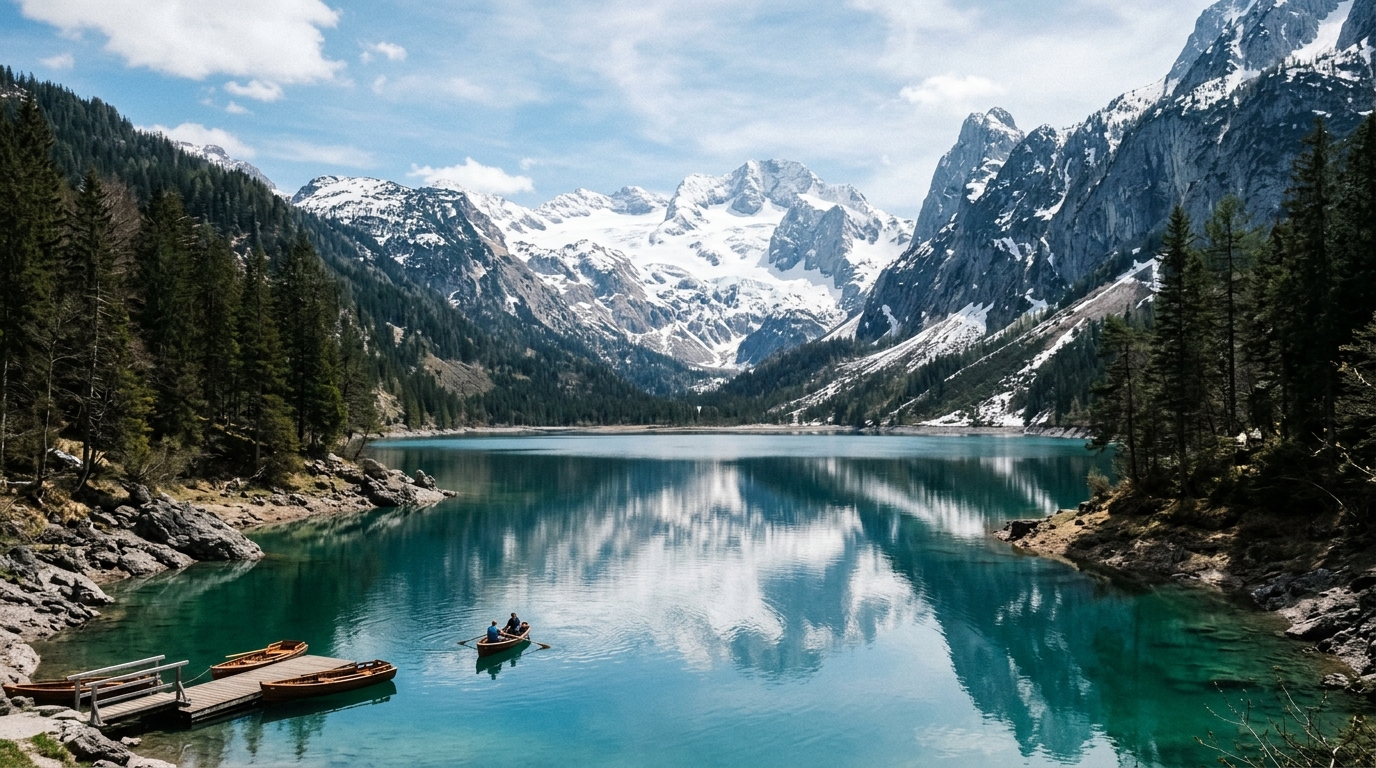
Best Day Trips from Hallstatt: Overview + Map
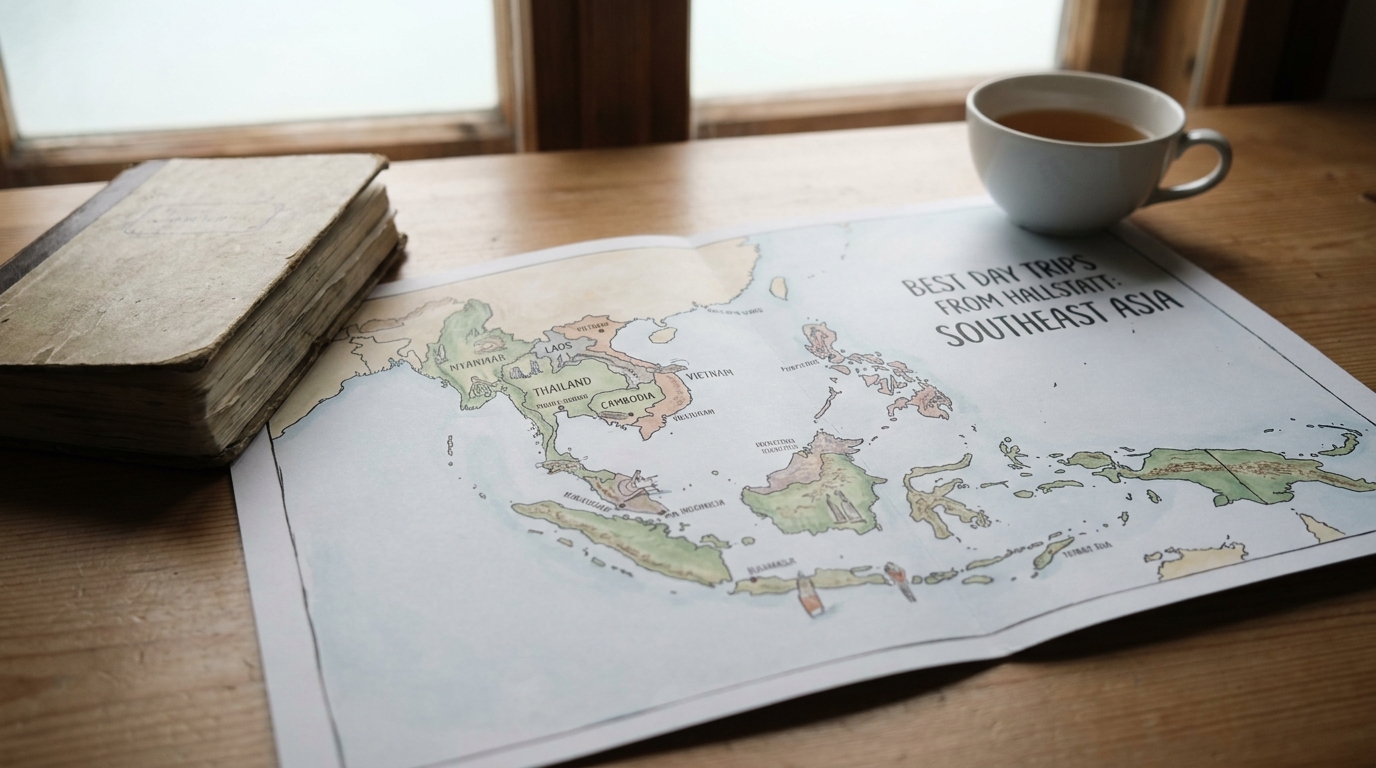
The Salzkammergut is compact enough that eight distinct destinations are all reachable within 90 minutes from Hallstatt, making it one of Austria’s most rewarding bases for regional exploration. A 2023 study by the Austrian National Tourist Office found that 68% of visitors to Hallstatt itself stay fewer than four hours, missing virtually all surrounding attractions (Austria Tourism Research, 2023). Staying overnight and taking day trips is the single best way to change that.
The table below ranks all eight options by travel time and overall value for different traveler types.
| Day Trip | Travel Time | Approx. Cost | Best For |
|---|---|---|---|
| Gosausee Lake | 20 min by car/taxi | Free entry | Nature, views, photography |
| Obertraun + Dachstein | 15 min by ferry/bus | €27 cable car | Mountains, hiking, ice caves |
| Bad Ischl | 30 min by bus | €3-4 bus + €8 museum | Imperial history, pastries |
| St. Wolfgang | 40 min by car; 1.5h by bus+ferry | €5-8 ferry | Village charm, Lake Wolfgang |
| Gmunden | 1 hr by bus | €6-8 bus return | Island castle, ceramics |
| Salzburg | 1.5 hr by bus | €12 bus return | City culture, history |
| Ebensee | 45 min by bus | Free memorial entry | WWII history, Traunsee lake |
| Salzkammergut Loop | Full day by car | €20-40 fuel + entry | Maximum coverage |
Source: OBB timetables + site ticket offices, 2026
1. Gosausee Lake (20 Min – Hidden Gem, Free)
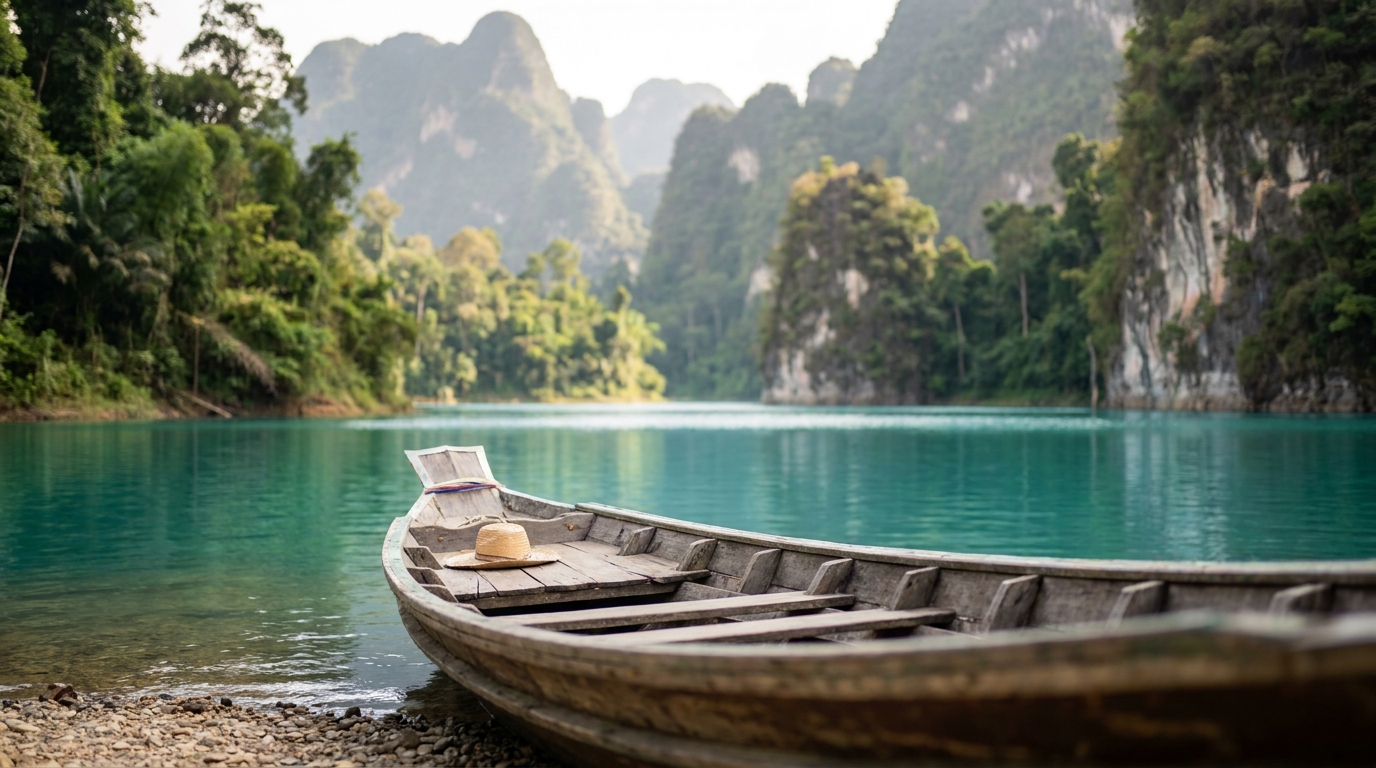
Gosausee is 20 minutes from Hallstatt by car or taxi and costs nothing to enter, yet surveys by the Salzkammergut tourism board show fewer than 10% of Hallstatt visitors make the trip (Salzkammergut Tourism Board, 2024). The lake sits at 933 meters elevation with a clear sightline to the Dachstein glacier – a reflection shot that many photographers argue surpasses anything you can frame from Hallstatt’s famous lakefront.
There are actually two Gosausee lakes connected by a short trail. The upper Vorderer Gosausee is the one visible in most photographs, but the smaller Hinterer Gosausee adds 45 minutes of additional walking through undisturbed alpine forest. Very few guided tours cover this route. Going independently on a weekday morning, you’ll often have stretches of the trail entirely to yourself – a contrast with the gridlocked Hallstatt lakefront just 8 kilometers away.
The walk around Vorderer Gosausee takes 1.5 to 2 hours at a relaxed pace. The path is well-graded, suitable for most fitness levels, and accessible without specialist gear from June through October. A small cafe and boat rental point operates at the lake entrance during summer. Taxis from Hallstatt charge around €20-25 one-way; booking a return trip in advance avoids a long wait.
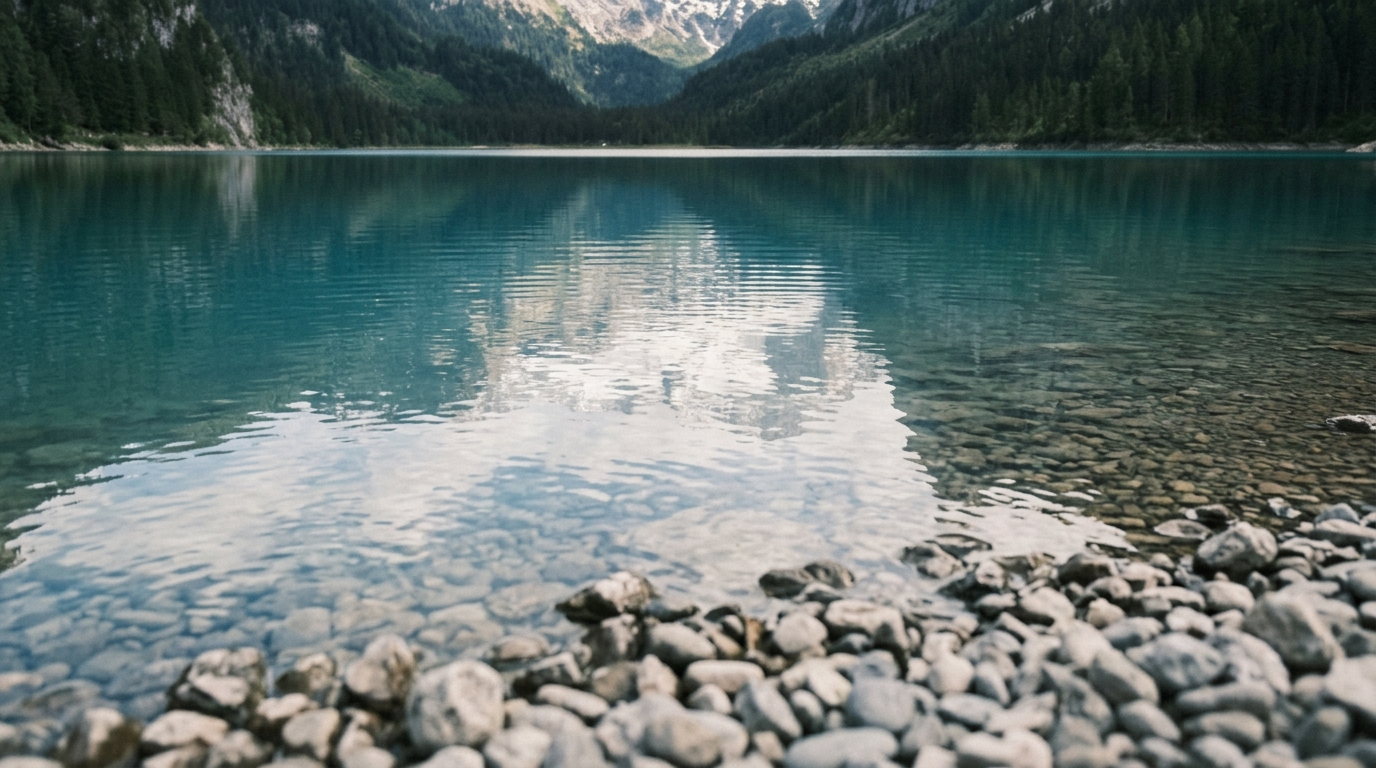
Practical info: No entry fee. Parking available at the trailhead (€5-6/day). Cafe open May-October. No public bus direct from Hallstatt – taxi or car required.
2. Obertraun + Dachstein (15 Min – Best for Mountains)
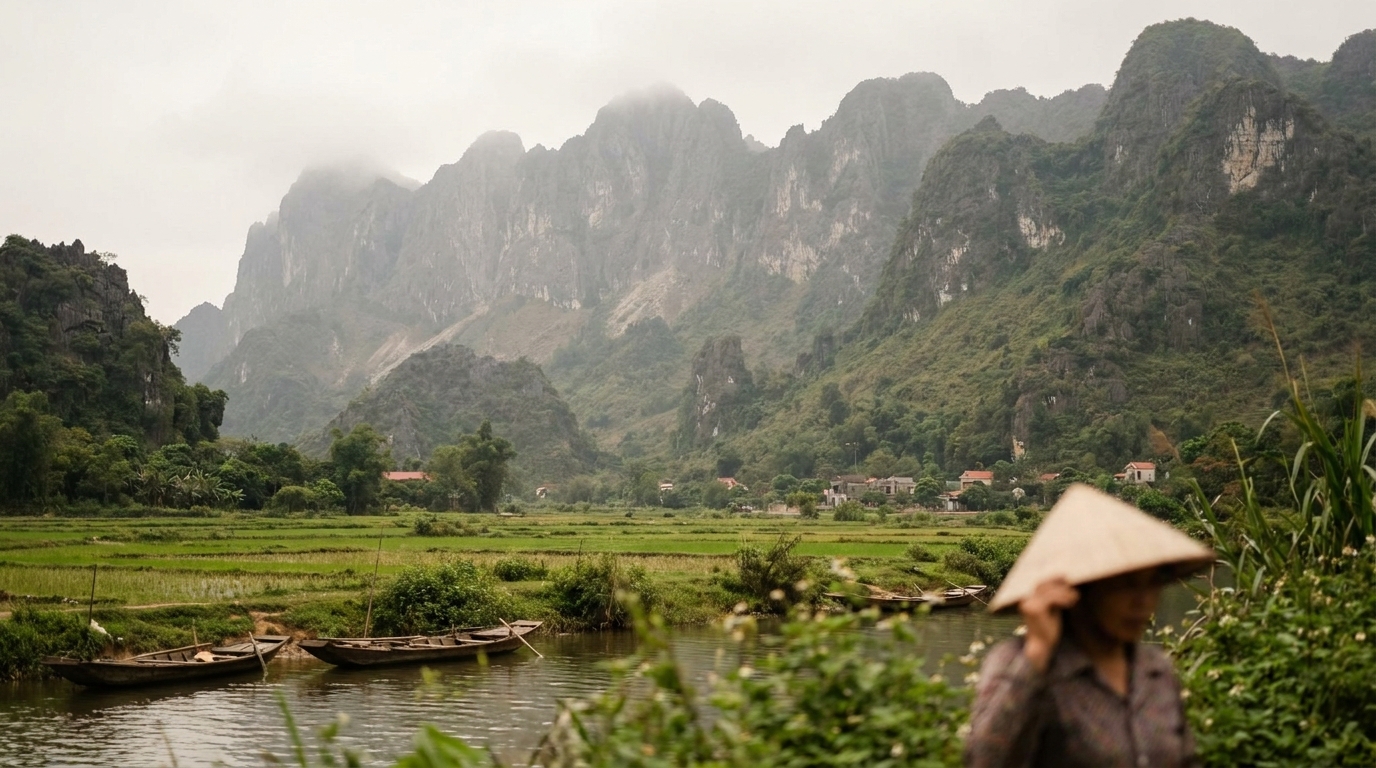
Obertraun is only 15 minutes from Hallstatt by ferry or the 543 bus, making the Dachstein mountain complex one of the easiest half-day additions to any Hallstatt trip. The cable car to the Dachstein plateau departs from Obertraun station and reaches 2,700 meters in under 10 minutes (Dachstein Salzkammergut, 2026). Cable car tickets cost €27 for adults (return). The top station houses three distinct attractions within walking distance of each other.
The 5 Fingers viewpoint is the headline draw – a steel platform with five finger-shaped arms extending over a 400-meter drop above Hallstattersee. It is genuinely dramatic, and on a clear day you see all the way to the Czech Alps. The Dachstein Ice Cave sits at a lower elevation on the cable car route; entry costs €15 separately or bundled with the cable car for €36. A third option, the Mammoth Cave, suits families with children aged seven and up.
Visiting Obertraun before going into Hallstatt itself makes logistical sense that most trip planners overlook. The cable car runs from 8:30am, the crowds at the 5 Fingers peak between 10am and 2pm, and you can be back at the Hallstatt lakefront by early afternoon when the tour buses have already parked. Starting the day in Obertraun and ending it in Hallstatt at sunset produces the best version of both experiences.
Practical info: 5 Fingers cable car €27 return. Ice Cave €15. Combined ticket €36. First cable car 8:30am. Book online to avoid queues (Dachstein Salzkammergut, 2026). Ferry from Hallstatt to Obertraun runs on request from April to October.
best things to do in Hallstatt including Dachstein
3. Bad Ischl (30 Min – Imperial History)
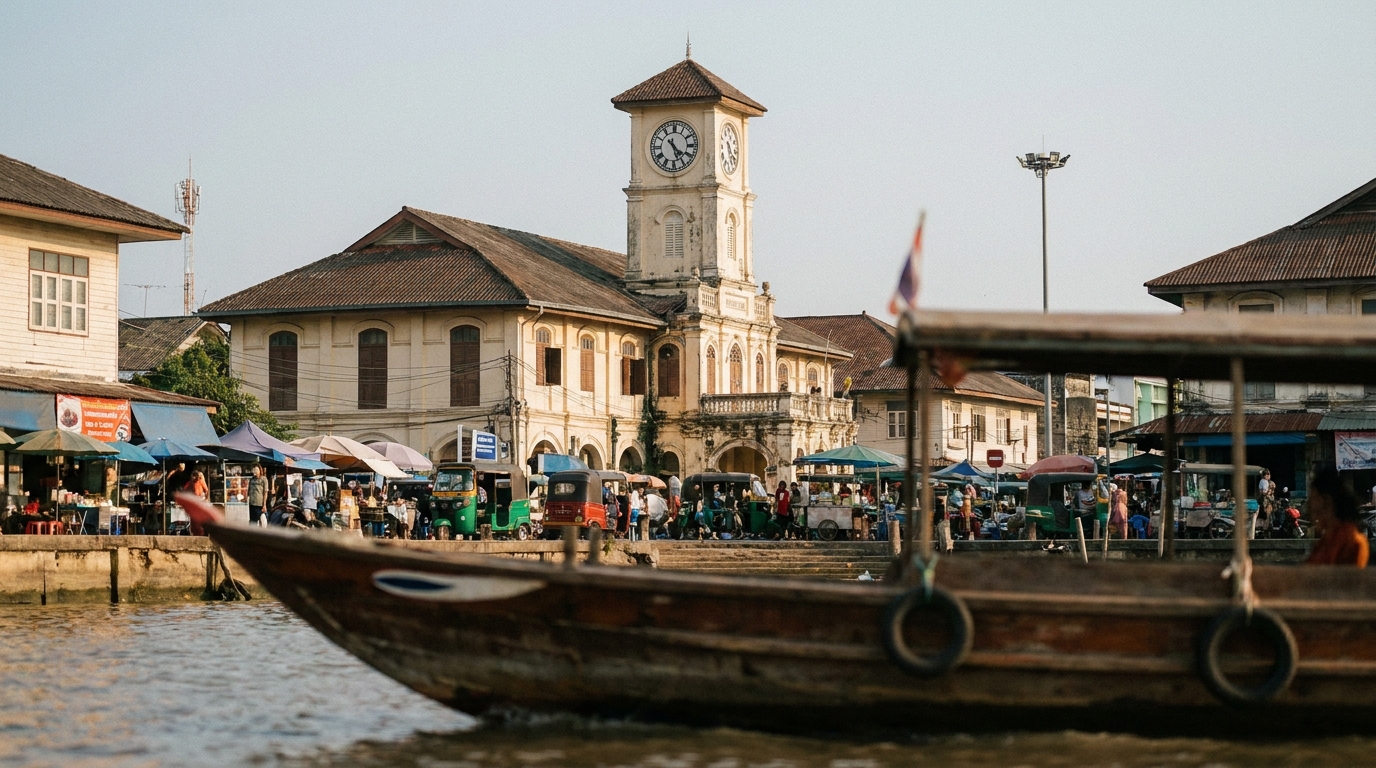
Bad Ischl sits 30 minutes from Hallstatt by Postbus 542 and costs €3-4 each way, making it the most affordable half-day trip on this list. The town served as the summer retreat of Emperor Franz Josef I for 60 consecutive years from 1849 to 1914, and his imperial villa – the Kaiservilla – remains the centerpiece attraction (Bad Ischl Tourism, 2024). Entry to the villa grounds and museum costs €8 for adults.
The Kaiservilla’s interior has changed remarkably little since the emperor’s occupancy. Original hunting trophies, personal furniture, and the study where Franz Josef signed the declaration of war in 1914 are all preserved. The surrounding parkland covers 2.5 hectares of formal gardens that are free to walk through. It is one of the most authentic Habsburg-era sites in Austria outside Vienna, and crowds are a fraction of those at Schonbrunn Palace.
Konditorei Zauner, operating from its Bad Ischl location since 1832, is worth factoring into any visit. The pastry shop is famous in Austria for Zaunerstollen – a chocolate-coated marzipan cake that has been produced to the same recipe for nearly two centuries. A coffee and pastry stop here adds no more than 30 minutes and costs under €10. The main pedestrian zone is flat, compact, and walkable within an hour.
Practical info: Postbus 542 from Hallstatt, €3-4 one-way. Kaiservilla adults €8. Konditorei Zauner open daily. Last bus back runs around 7pm – check OBB timetables before you go.
4. St. Wolfgang (40 Min – Fairy-Tale Village)
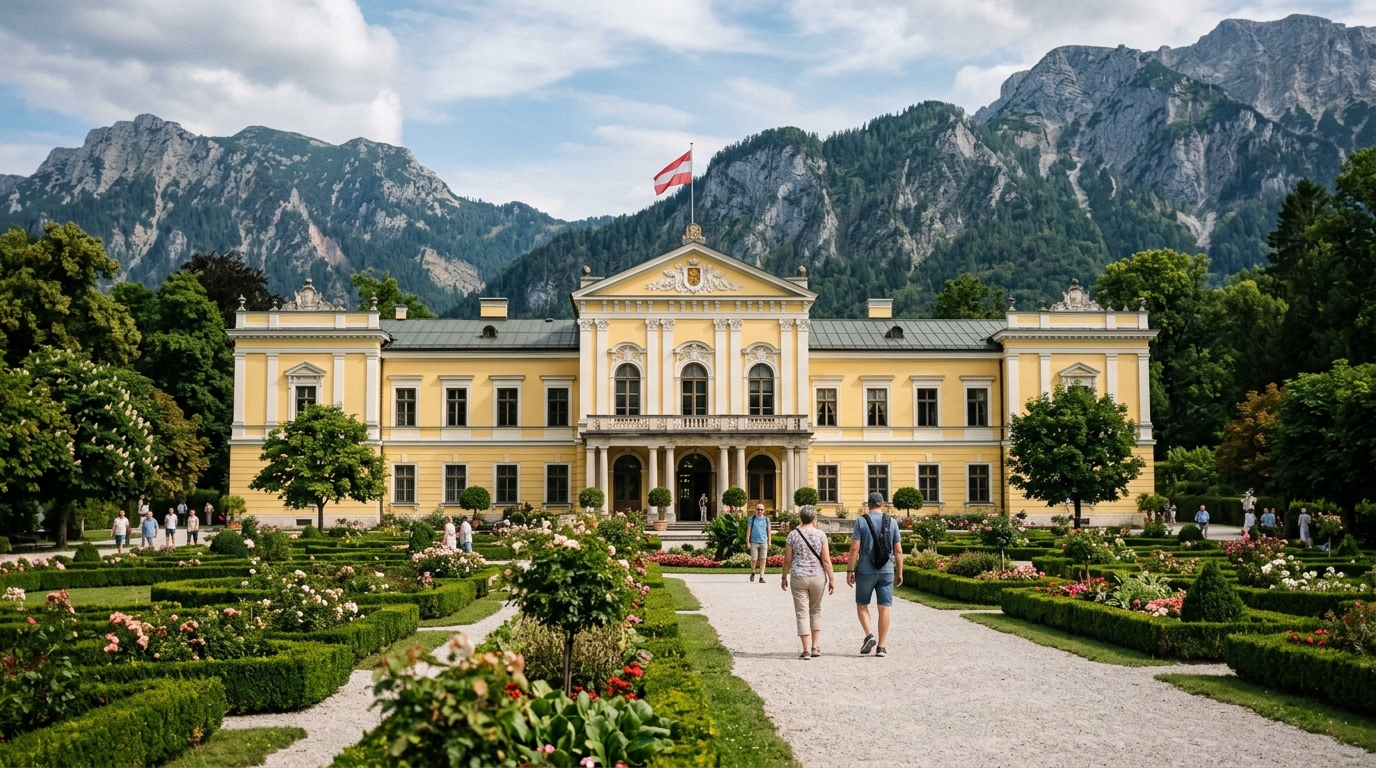
St. Wolfgang sits on the northern shore of Wolfgangsee, 40 minutes by car from Hallstatt or 1.5 hours by a combination of Postbus and lake ferry via St. Gilgen. The village is small – around 2,800 residents – but its Pilgrimage Church of St. Wolfgang contains one of the most important late-Gothic altarpieces in Central Europe, the Michael Pacher Altar (1481), which draws art historians alongside general tourists (Diocese of Linz, 2024). Entry to the church is free.
The Weisses Rossl (White Horse Inn) anchors the village waterfront. Built in the 15th century and immortalized by a 1930 operetta of the same name, it remains one of Austria’s most photographed hotels. You don’t need to stay there to enjoy the view; the lakeside terrace serves food and drinks at reasonable prices for the setting. A seat on the deck facing Wolfgangsee on a clear afternoon is one of the more underrated experiences in the Salzkammergut.
Wolfgangsee itself supports swimming from June through September, with water temperatures reaching 22-24 degrees Celsius at peak summer (Austrian Hydrological Yearbook, 2024). Several beaches with free public access are within walking distance of the village center. The Schafbergbahn, a rack railway that climbs 1,783-meter Schafberg, departs from St. Wolfgang and is featured in The Sound of Music. Return tickets cost €39 for adults.
Practical info: By car 40 min direct. By bus: Postbus to St. Gilgen (50 min), lake ferry to St. Wolfgang (25 min). Schafbergbahn return €39. Church free. Swimming beaches free.
5. Gmunden (1 Hour – Castle on a Lake)
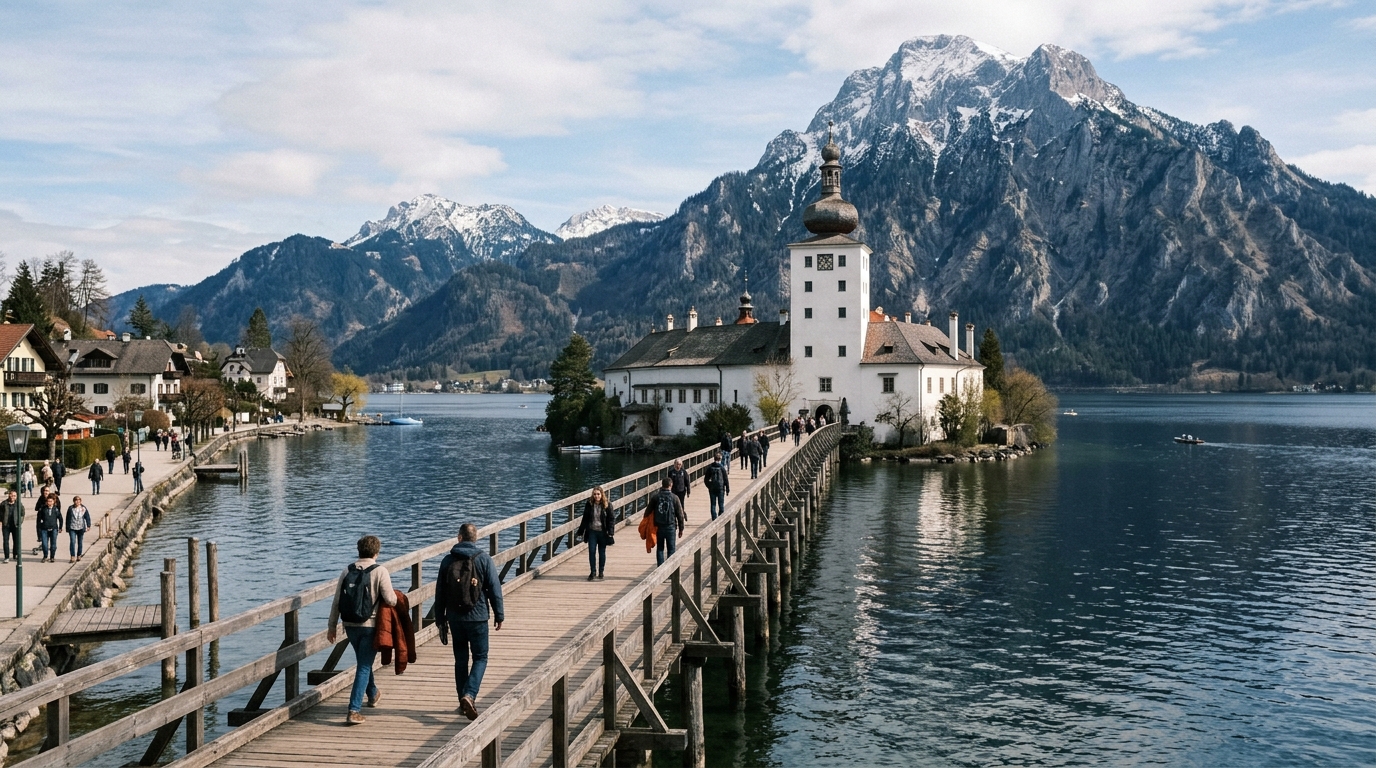
Gmunden is one hour from Hallstatt by Postbus via Bad Ischl and costs around €6-8 return. The town’s signature landmark is Schloss Ort (Ort Castle), a 10th-century fortress built on a small island in Traunsee that connects to the lakeshore by a wooden bridge (Gmunden Tourism, 2025). The castle’s courtyard is free to enter; some interior rooms require a €5 ticket. Austrian television shot much of the long-running drama series “Schlosshotel Orth” here, making it recognizable to German-speaking visitors.
Gmunden’s second claim to distinction is its ceramics tradition. Gmundner Ceramik has produced hand-painted stoneware in the town since 1492, and the factory outlet sells seconds and discontinued pieces at significant discounts. A visit to both the castle and the factory outlet fills a comfortable four-hour trip. The lakeshore promenade connecting them is flat, scenic, and about 1.5 kilometers long.
Traunsee is the deepest lake in Austria at 191 meters (Austrian Federal Environment Agency, 2024) and one of the cleanest, with visibility down to 12 meters in summer. Scheduled boat tours run from the Gmunden jetty from May to October, with a 1-hour circuit costing around €12. Swimmers will find the water cooler than Wolfgangsee but excellent for snorkeling.
Practical info: Postbus via Bad Ischl, ~1 hour, €6-8 return. Schloss Ort free courtyard, €5 interior. Ceramics factory open Mon-Sat. Boat tours from May, €12/person.
6. Salzburg (1.5 Hours – Easy City Day Trip)
Salzburg is the most logistically straightforward city day trip from Hallstatt, taking 1.5 hours by Postbus 150/542 with a change at Bad Ischl, for approximately €12 return (OBB/Postbus, 2026). With 8.5 million overnight stays per year, Salzburg is Austria’s second most visited city after Vienna (Salzburg Tourism Statistics, 2024), and it earns its popularity. The historic center is UNESCO-listed and walkable; most major sights cluster within 30 minutes of the Hauptbahnhof.
The Hohensalzburg Fortress, built in 1077, stands as one of the largest and best-preserved medieval castles in Europe. A funicular ride to the fortress costs €9 return; combined admission with the inner rooms is €16.50. Mozart’s birthplace on Getreidegasse is 10 minutes’ walk from the fortress base and costs €11 to enter. Mirabell Gardens, the palace used in The Sound of Music staircase scene, are free.
A detail most Hallstatt visitors overlook: the Salzburg Card (€30 for 24 hours) covers the Hohensalzburg funicular, Mozart’s birthplace, Mirabell Palace, and all public transport within city limits. If you plan to visit more than two paid attractions – which is easy to do in a full day – the card pays for itself. It’s sold at the main tourist information office on Mozartplatz and at the train station.
The Salzburg bus from Bad Ischl operates hourly on weekdays and less frequently on weekends. Check the OBB timetable the night before your trip. The last bus back to Hallstatt departs Salzburg around 6:30pm in summer; plan your return accordingly.
Practical info: Postbus via Bad Ischl, €12 return. Hohensalzburg €16.50 full admission. Mozart birthplace €11. Salzburg Card (24h) €30 and often the best value. Last return bus ~6:30pm.
guided tours from Hallstatt including Salzburg options
7. Ebensee (45 Min – Sobering History)
Ebensee is 45 minutes from Hallstatt by bus and is the least typical entry on this list. The town’s primary historical site is the Ebensee Concentration Camp Memorial and Museum, which documents the sub-camp of Mauthausen where approximately 8,500 prisoners died between 1943 and 1945 (Mauthausen Memorial, 2024). Entry is free. The museum opened in renovated form in 2001 and presents the full history of the camp’s operation, its victims, and its liberation by US forces in May 1945.
Ebensee camp was one of the Nazi regime’s largest armament sub-camps, used primarily to build underground tunnels for V-2 rocket production. Of the 18,000 prisoners interned there, roughly 47% died from starvation, disease, or violence. The tunnel network itself – called “Stollenanlage” – still exists underground beneath the town and can be accessed through the museum. It is one of very few intact WWII underground armament facilities in Austria.
Spending time at the memorial and museum takes 1.5 to 2 hours, and you will want that time to do it properly. Ebensee town also provides access to the northern end of Traunsee, where a lakeside path and swimming area offer quiet contrast. The combination of historical site and natural landscape makes this a full afternoon trip for visitors who value context alongside scenery.
Practical info: Postbus from Hallstatt via Bad Ischl, ~45 min. Ebensee memorial free, open Tue-Sun 10am-5pm (Oct-Apr closed Mon-Tue). Check seasonal hours before going.
8. Salzkammergut Lake District Loop (Full Day)
The full Salzkammergut loop is best done by rental car and covers the region’s highlights in a single long day, roughly 8 to 10 hours. The route connects Hallstatt, Gosausee, Bad Ischl, St. Wolfgang, and Gmunden in a logical circuit before returning south to Hallstatt. Total driving distance without stops is around 90 kilometers; with stops at each town, plan for 200 to 250 kilometers.
The Salzkammergut covers 76 lakes in total, with Attersee (46 km2) and Traunsee (24 km2) being the largest (Austrian Federal Environment Agency, 2024). A single day circuit can’t cover all of them, but hitting Gosausee (morning), Bad Ischl (late morning), Wolfgangsee-St. Wolfgang (lunch), Gmunden (afternoon), and driving back via the Traunsee shore (late afternoon) gives you four distinct lakes and two significant towns.
Car rental from Salzburg or Bad Ischl is the practical base. Discover Cars aggregates Austrian suppliers and typically finds the best daily rates, with compact cars starting from €30-40/day in shoulder season. Alternatively, a guided Salzkammergut tour booked through GetYourGuide covers a curated version of the loop with a driver, costing €60-90 per person and eliminating the navigation burden.
[GETYOURGUIDE_LINK]
Practical info: Car rental from €30-40/day (compact). Guided Salzkammergut tours from €60-90/person via GetYourGuide. Full loop driving: ~90km, 8-10 hours with stops. Fuel cost: ~€20-30 for the circuit.
How to Plan Day Trips from Hallstatt (Practical Tips)
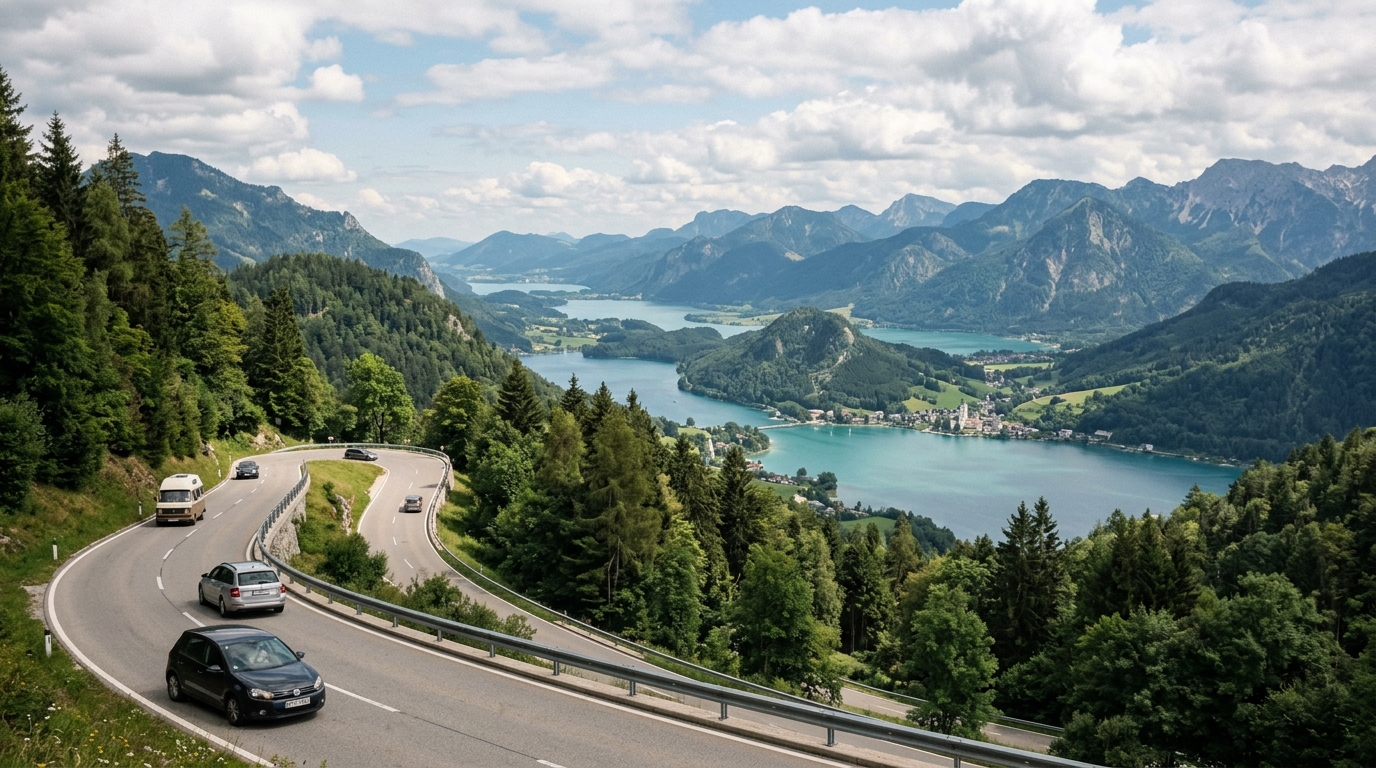
Planning the best day trips from Hallstatt is straightforward once you understand the transport options. The regional bus network (Postbus lines 542, 543, 150) connects most Salzkammergut towns directly from Hallstatt’s main stop at the market square or via a brief ferry crossing to Hallstatt Bahnhof. Timetables are available at OBB.at and the local tourist office.
[TRAINLINE_LINK]
Getting Around Without a Car
Public transport covers Bad Ischl, Gmunden, Salzburg, and Ebensee with no transfers beyond Bad Ischl. St. Wolfgang requires a bus plus a lake ferry, which is scenic but adds 30 minutes. Gosausee and Obertraun are the only two destinations where public bus connections from Hallstatt are limited (Obertraun has ferry and bus; Gosausee needs a taxi or private car).
Best Timing for Each Day Trip
Half-day trips (Gosausee, Obertraun, Bad Ischl, St. Wolfgang) work best in the morning, leaving afternoons free for Hallstatt’s own lakefront. Full-day trips (Salzburg, the Salzkammergut loop) require an early 8:00-8:30am start from Hallstatt. Salzburg is best visited Tuesday through Thursday to avoid weekend crowds at the fortress.
Costs and Budgeting
Most day trips from Hallstatt cost under €20 per person including transport and entry fees. Only Salzburg (if you buy the Salzburg Card) and the Salzkammergut loop (car rental) push beyond that. A detailed breakdown of daily travel costs in the region is available in our budget guide.
Hallstatt budget guide with daily costs
Weather and Season
The Salzkammergut operates in distinct seasons. June through September is ideal for swimming and hiking. May and October offer smaller crowds with full infrastructure. Winter (December to February) transforms Bad Ischl and Gmunden with Christmas markets, while Dachstein switches to ski mode. Gosausee and some Postbus routes reduce frequency outside summer; always verify current schedules.
FAQ: Best Day Trips from Hallstatt
How many day trips can I realistically do from Hallstatt in 2 days?
Two days gives you time for two to three half-day trips or one full-day excursion plus one half-day. A practical two-day plan: Day 1 morning Gosausee, afternoon Dachstein/Obertraun; Day 2 full day Salzburg or the Salzkammergut loop. That covers the four strongest experiences without rushing. According to OBB timetables, the first bus from Hallstatt toward Bad Ischl leaves before 7am, giving early starters maximum flexibility (OBB, 2026).
Is a car necessary for day trips from Hallstatt?
A car helps but is not required for most trips. Bad Ischl, Gmunden, Salzburg, and Ebensee are all reachable by Postbus. Gosausee is the main exception – public transport from Hallstatt to Gosausee does not run directly, so a taxi (€20-25 one-way) or rental car is the practical option. Obertraun is reachable by the free Hallstatt ferry plus a short walk.
What is the best day trip from Hallstatt for families with children?
Dachstein’s ice caves and Mammoth Cave are the top family choice, with cable cars replacing strenuous hiking and the caves providing genuine novelty for ages 6 and up. St. Wolfgang’s Schafbergbahn rack railway is the second-best option. Both keep children engaged without requiring adult-level endurance. The ice cave tour takes about 50 minutes and maintains a constant temperature of around 0 degrees Celsius – bring a layer.
Can I do Salzburg as a day trip from Hallstatt without a car?
Yes. The Postbus 542 from Hallstatt connects through Bad Ischl to Salzburg in 1.5 hours for approximately €12 return. Buses run hourly on weekdays. The last return bus from Salzburg to the Hallstatt area leaves around 6:30pm in summer, so plan your day to finish by 6pm at the fortress or old town. The bus stop in Salzburg is at the Hauptbahnhof, two stops from the UNESCO old town on tram line 1.
What is the cheapest day trip from Hallstatt?
Gosausee is the cheapest, as it costs nothing to enter and the only expense is transport (taxi €20-25 return or car fuel). Obertraun’s ferry from Hallstatt costs €4 return, making the cable car (€27) the main expense but one of the best-value single experiences in the region. Bad Ischl by Postbus for €3-4 each way plus optional €8 villa entry is the cheapest multi-hour day trip on the list.
Hallstatt is one of Austria’s most iconic stops, but the lake district around it is genuinely what makes the region worth multiple days. Whether you go short – a 20-minute taxi ride to Gosausee for a free morning at the lake – or long, with a full circuit through four towns by car, the Salzkammergut rewards the extra effort. Book Salzburg transport and Dachstein cable car tickets a day ahead in peak summer. For everything else, walk-up access is reliable.
start planning your full Hallstatt trip
For guided options that cover multiple Salzkammergut destinations in one trip, browse curated tours on GetYourGuide.
[GETYOURGUIDE_LINK]