
Disclosure: Some links in this guide are affiliate links. If you book or buy through them, we may earn a small commission at no extra cost to you — it helps keep our guides free.
Is Hallstatt Worth Visiting in 2026? Honest Verdict
Is Hallstatt worth visiting? Yes — but only if you go at the right time and set the right expectations. Hallstatt receives over 1 million visitors per year despite housing just 780 permanent residents (Austria Tourism / OAW visitor statistics, 2025). Visit in May, June, or September, arrive before 9am or stay overnight, and Hallstatt genuinely delivers. Show up at noon in July and you’ll spend the day shoulder-to-shoulder with day-trippers in a village that takes ten minutes to walk end-to-end. This honest review covers both sides so you can decide.
Key Takeaways
– Hallstatt is worth visiting with the right timing — May-June and September are best; avoid July-August midday crowds
– The village empties after 17:00 when tour buses depart; overnight guests get it almost entirely to themselves
– Over 1 million annual visitors crowd a village just 300m long — arrive before 9am or after 5pm to avoid peak congestion
– Salt mine (€32) and 5 Fingers viewpoint (€27) are genuinely unique attractions, not just tourist traps
– Budget travelers under €80/day will struggle; a realistic day costs €90-130 all-in
Is Hallstatt Worth Visiting? The Short Answer
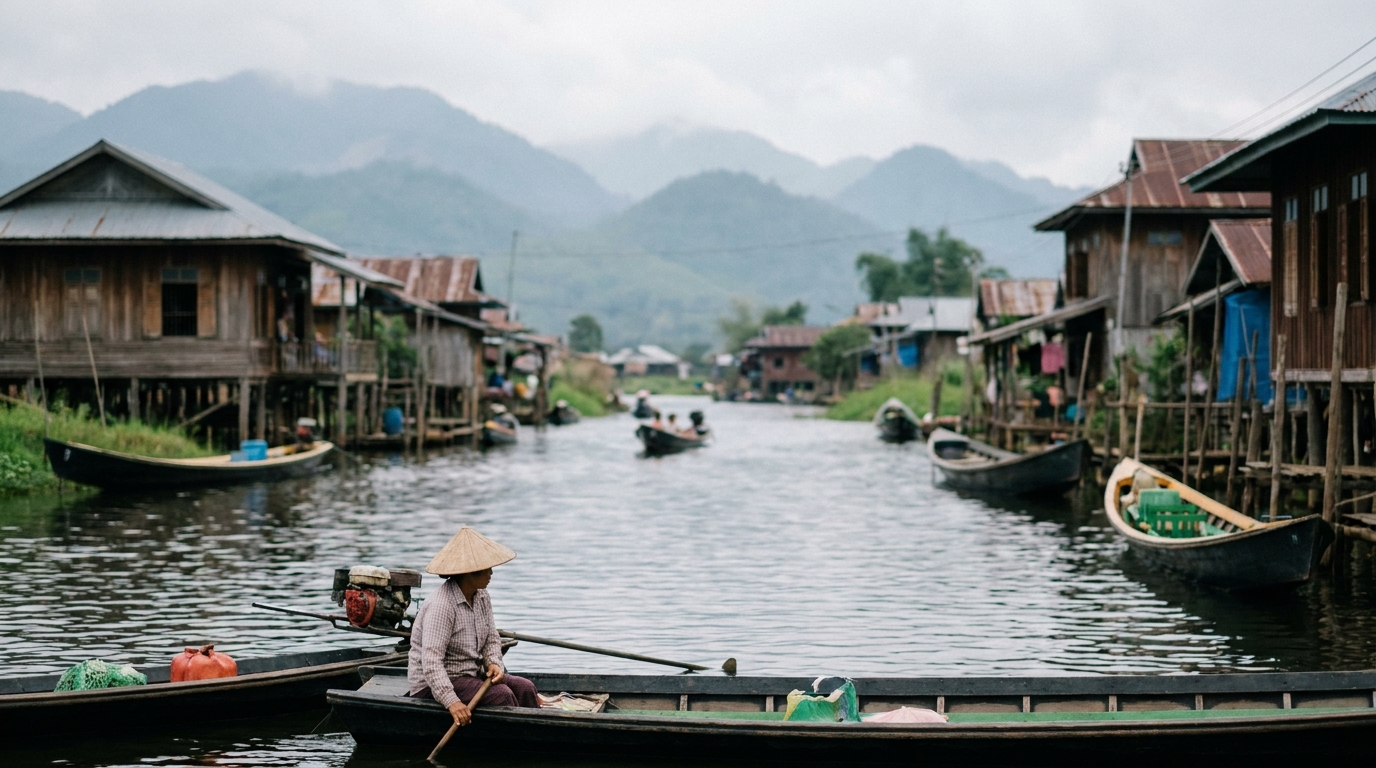
Is Hallstatt worth visiting? The direct answer is yes, conditionally. UNESCO designated the Hallstatt-Dachstein/Salzkammergut Cultural Landscape a World Heritage Site in 1997 (UNESCO World Heritage List, 1997), recognizing 7,000 years of salt mining history. The village is genuinely remarkable. The problem is not the place — it’s the timing and the crowds that can make or break the experience.
Visit during shoulder season, arrive early, or stay the night, and Hallstatt rewards you with one of the most beautiful scenes in Central Europe. Visit as a random July afternoon day trip and you’ll queue for photos, pay inflated cafe prices, and wonder what the fuss was about. The verdict depends almost entirely on how you visit, not whether you visit.
The conditional yes: Worth it if you travel in May, June, or September, or if you stay overnight and experience the village after 5pm when 90% of day-trippers leave. Not worth it as a peak-summer midday drop-in.
What Makes Hallstatt Worth Visiting (The Case For)
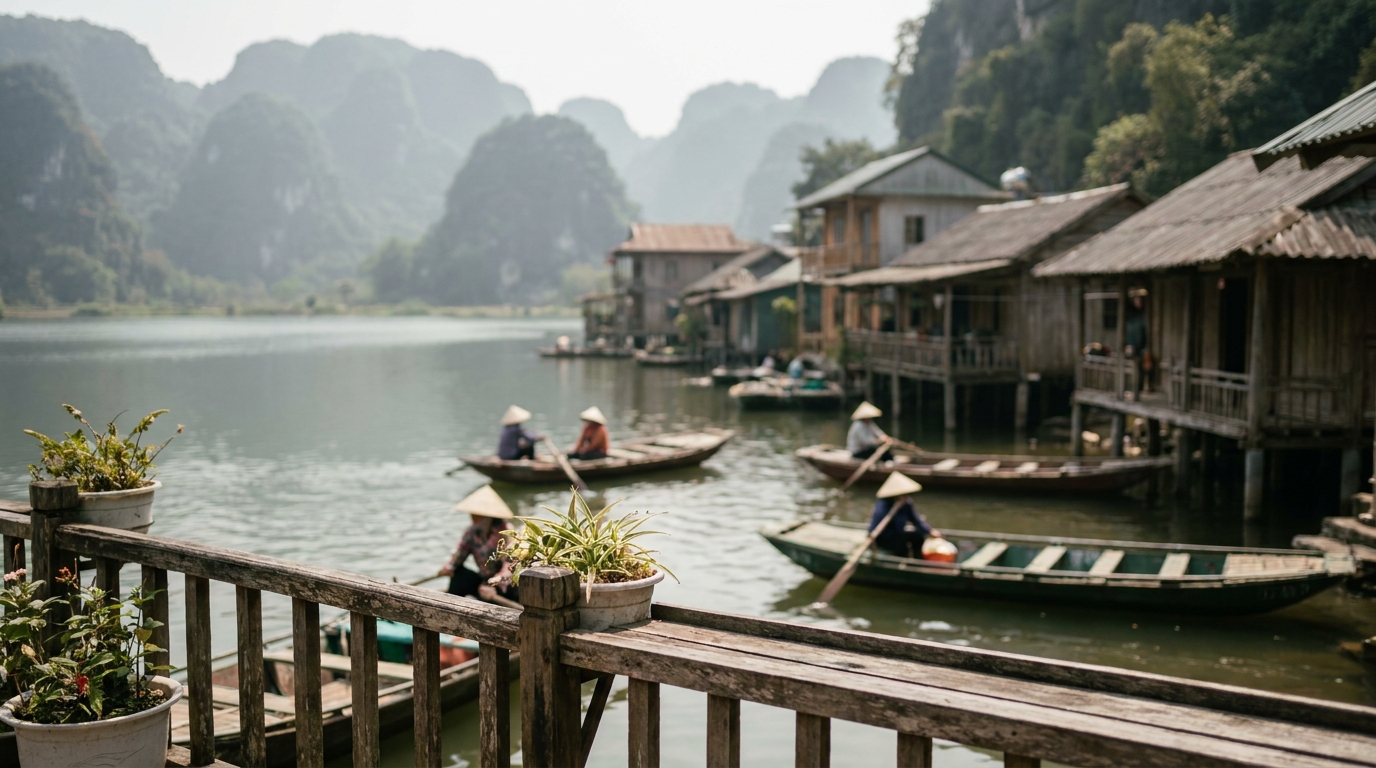
Hallstatt’s core appeal is genuine, not manufactured. The village sits on a narrow shelf between Hallstattersee and a near-vertical cliff face, creating scenery that looks implausible even when you’re standing in it. Tourism here is high-volume but not invented — the history, the setting, and the salt mine are all real.
The UNESCO Heritage Is Legitimate
The Hallstatt-Dachstein/Salzkammergut region has been continuously inhabited for over 7,000 years. Salt mining made the region one of the wealthiest in Iron Age Europe; the archaeological period “Hallstatt Culture” (800-450 BC) is named after this village (Austrian Archaeological Institute, 2024). The salt mine that visitors tour today is the world’s oldest working salt mine — that’s not marketing copy, it’s a documented fact.
The nearby Hallstatt Museum holds more than 2,000 objects from Iron Age excavations. The heritage here runs deeper than the Instagram feed suggests. If you care about European history, that context adds real weight to the visit.
The Scenery Is Genuinely World-Class
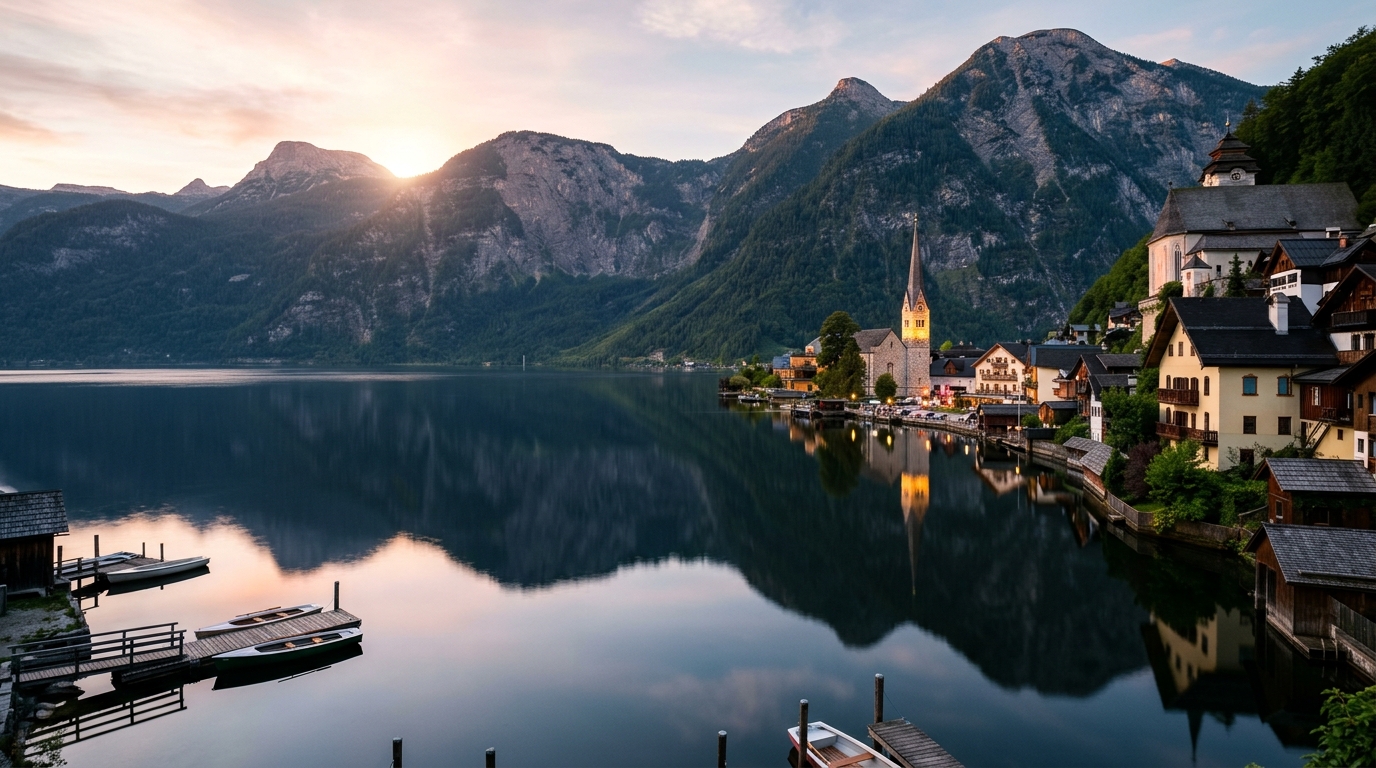
No photo filter fully captures Hallstatt’s setting. Pastel-painted houses stack vertically along the lakeshore. The Gothic spire of the Catholic church frames the reflection in Hallstattersee. Dachstein’s glacier sits above the treeline behind. Austria receives roughly 32 million tourist arrivals per year (Austrian National Tourist Office, 2025), and Hallstatt consistently ranks as the country’s most-photographed location. That reputation is earned.
The 5 Fingers viewing platform on Krippenstein mountain, accessible by gondola, extends over a 400-meter drop with a glass-bottomed panel offering views of the entire Salzkammergut lake district. Combined with the village itself, you get two genuinely spectacular viewpoints within one day trip.
The Village Is Perfectly Compact
Hallstatt measures roughly 300 meters from end to end. You can see essentially everything on foot in under two hours — the market square, the ossuary, the lakefront promenade, the historic cemetery. There are no sprawling suburbs to navigate. For travelers who want a concentrated, walkable experience, the compact scale is an advantage.
The village’s size also means the overnight transformation is dramatic. Tour buses stop running scheduled services into the Hallstatt parking area after roughly 16:30 (Postbus / OBB timetable data, 2026). By 17:30, the market square holds a fraction of its midday crowd. Guests who stay in the village’s handful of hotels and guesthouses experience a genuinely different place — morning light on the lake, birdcall instead of tour group chatter, and uncrowded access to every viewpoint.
best things to do in Hallstatt
What People Get Wrong About Hallstatt (The Case Against)

The honest case against Hallstatt is not that it’s overrated — it’s that most people visit it wrong. The problems are real but almost entirely avoidable with correct planning.
The Crowd Numbers Are Staggering
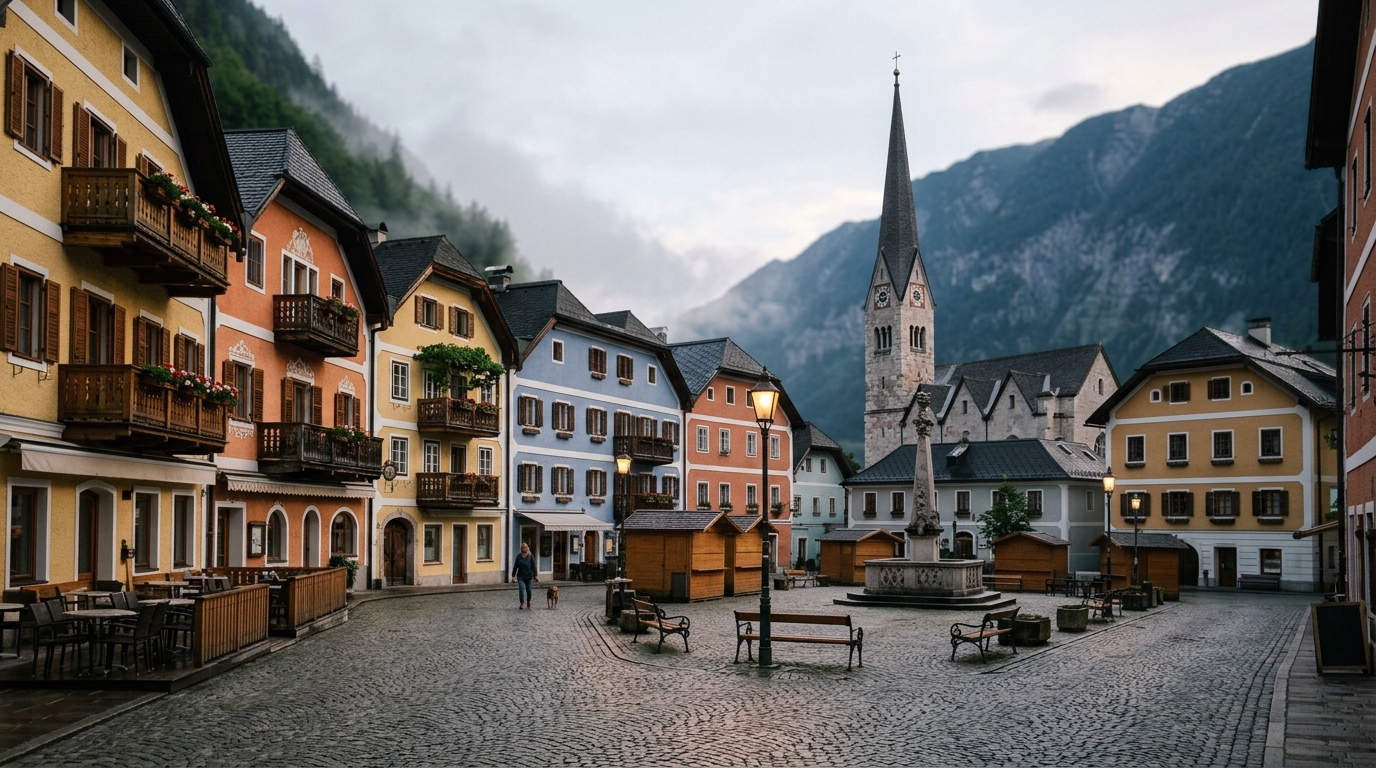
Hallstatt’s visitor-to-resident ratio is among the highest of any inhabited UNESCO site in Europe. On peak July-August days, over 10,000 visitors pass through a village of 780 people (Austria Tourism / OAW visitor statistics, 2025). The primary “Instagram spot” — the lakefront view from the northern boat dock — regularly has queues of 50 to 100 people waiting for a clear photo from 10am to 5pm. That’s not an exaggeration; it’s a documented local frustration.
Part of the root cause traces to an unlikely source. In 2012, a Chinese developer completed a full-scale replica of Hallstatt in Guangdong province, China. The replica generated global media coverage and exposed Hallstatt to an enormous new audience across East and Southeast Asia. Visitor numbers from China and other Asian markets increased substantially from 2013 onward, contributing to the pre-pandemic surge that prompted Austria to introduce traffic restrictions in 2020. Understanding this context explains why the village now has parking caps, shuttle buses, and photography time limits at some viewpoints — the local community has been pushed hard.
The Village Is Tiny and Options Are Limited
300 meters long. Ten minutes to walk. Eight to ten restaurant options, most with tourist-priced menus. A handful of souvenir shops selling largely identical goods. If you arrive expecting a full day of varied activity without paid attractions, you’ll run out of things to do before lunch. The salt mine and the 5 Fingers gondola are essential additions precisely because the village alone is a thin half-day at best.
Hotel options are scarce. Properties regularly book out three to six months ahead for summer dates. Late bookings in June or July often mean commuting from Bad Ischl or Gosau, which undermines the overnight-stay advantage.
The Cost-to-Value Ratio Is Questionable in Peak Season
Salt mine admission runs €32 per adult. The Dachstein gondola to 5 Fingers costs €27 return. Lakeside cafe coffee is €4-5. Hotel rooms average €120-180 per night in summer. A couple doing both major paid attractions and staying one night can easily spend €350-400 in 24 hours. During peak season, you’re paying summer prices for a visitor experience degraded by volume. The shoulder-season version of Hallstatt delivers far better value per euro spent.
Is Hallstatt Worth Visiting as a Day Trip?
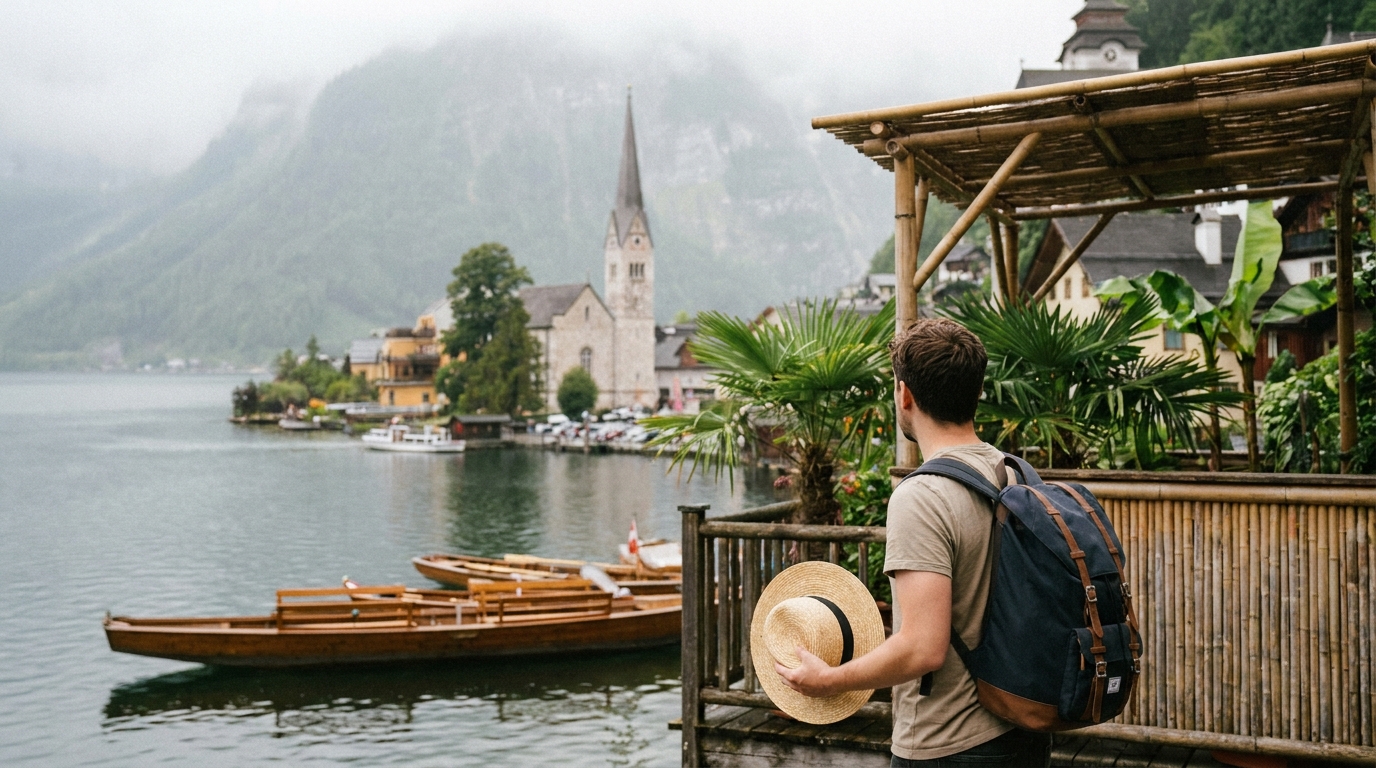
A day trip to Hallstatt is worth it — but the timing conditions are strict. Arrive after 10am in summer and the experience is diminished. Arrive before 9am, or visit in shoulder season, and a day trip is a perfectly viable way to see one of Austria’s most impressive villages.
From Salzburg, the journey takes roughly 1.5 to 2 hours by Postbus 150 or train plus ferry. That makes Hallstatt one of the most accessible major scenic destinations in the Austrian Alps. You don’t need a car, you don’t need multiple days, and you don’t need a complex itinerary.
A well-executed day trip looks like this: depart Salzburg by 7am, arrive Hallstatt before 9am, photograph the lakefront in low crowds, visit the salt mine by 10am (book tickets online in advance to skip on-site queues), lunch in the village, take the gondola to 5 Fingers in the afternoon, and catch the 16:30 bus or ferry before the return crowd peaks. That’s a full, satisfying day.
The day trip works badly when you arrive mid-morning in July, queue for everything, pay peak prices, and leave in the same shuttle bus crush as 2,000 other people. The experience isn’t Hallstatt’s fault — it’s the itinerary.
Find your Hallstatt hotel on the map
Live prices from Booking & Airbnb — tap a pin to compare stays around Hallstatt village and beyond.
Is Hallstatt Worth Visiting for an Overnight Stay?
Staying overnight in Hallstatt is the single best thing you can do to improve the visit. Accommodation options are limited and expensive, but the trade-off is access to the village at its best.
After 17:00, tour buses complete their last departures from the Lahn parking area. By 17:30 to 18:00, Hallstatt’s resident and overnight population reclaims the village. The market square — which holds hundreds of people at midday — might have 20 in the evening. You can photograph the lake reflection without anyone walking into the frame. You can eat dinner at a lakeside table without a reservation queue. Morning is even quieter: the village from 6:30 to 8:30am is a genuinely different experience from the midday version.
The practical challenge is cost. The few guesthouses and hotels directly in the village typically charge €100 to €180 per room in shoulder season and €150 to €220 in July-August. [BOOKING_LINK] Alternatives within 20 minutes — Bad Ischl, Obertraun, Gosau — offer lower rates but lose the on-site advantage.
If budget allows, book at least three to four months ahead for any summer date. The overnight transformation of Hallstatt is not a small improvement — it’s a categorically different experience.
Is Hallstatt Worth Visiting on a Budget?
Hallstatt is genuinely difficult on a tight budget. The combination of paid attractions, limited cheap food options, and premium accommodation pricing creates a high minimum spend.
Realistic daily costs break down roughly as follows. A budget traveler skipping paid attractions and eating from the supermarket or packed lunch might spend €40-60 on transport and food. Add the salt mine (€32) and the 5 Fingers gondola (€27) and the day exceeds €100 before accommodation. A bed in Hallstatt itself doesn’t exist at hostel pricing — the closest hostels are in Bad Ischl, about 20 kilometers away.
The honest budget advice: day-trip from Salzburg or Bad Ischl, pick one paid attraction instead of both, eat before you arrive or bring food, and visit in May or September when transport and regional accommodation are cheaper. You can have a genuine Hallstatt experience for €60-80 per person if you’re selective. You can’t replicate the overnight magic without spending more.
Is Hallstatt Worth Visiting in July and August?
July and August in Hallstatt are manageable only with strict timing. Over 10,000 visitors per day pass through the village at peak summer, with the busiest hours running from 10am to 5pm (Austria Tourism / OAW visitor statistics, 2025). If you must visit in summer, arrive by 8am and plan to leave by 10am or stay past 5pm.
The case for a summer visit: the Dachstein glacier is accessible in summer (closed in winter), days are long with 15-16 hours of daylight, and wildflowers on the surrounding trails are at their best. The scenery is arguably at its most photogenic in clear summer light.
The case against: accommodation is nearly impossible to find without booking months ahead, prices are at their peak, parking fills completely by 9am on weekdays and 8am on weekends, and the village at midday feels more like a theme park queue than a UNESCO heritage site.
If you have flexibility, summer is the worst season to visit Hallstatt specifically because the experience degrades dramatically under that volume. The scenery is beautiful regardless, but the experience around it is not.
Best Time to Visit Hallstatt (When It’s Worth It Most)
The best time to visit Hallstatt is May, June, or September. These months offer the combination of manageable crowds, reasonable accommodation availability, and full access to all attractions (Austrian National Tourist Office, 2025).
May: Snow on Dachstein peaks creates the most dramatic backdrop. Crowds are notably thinner than summer. Temperatures average 12-18°C — cool but walkable. The salt mine and 5 Fingers gondola are fully operational.
June: Long days (sunset after 9pm), warmer temperatures averaging 16-22°C, and crowds that are higher than May but still far below July-August. Early June is particularly good; late June starts approaching summer volumes.
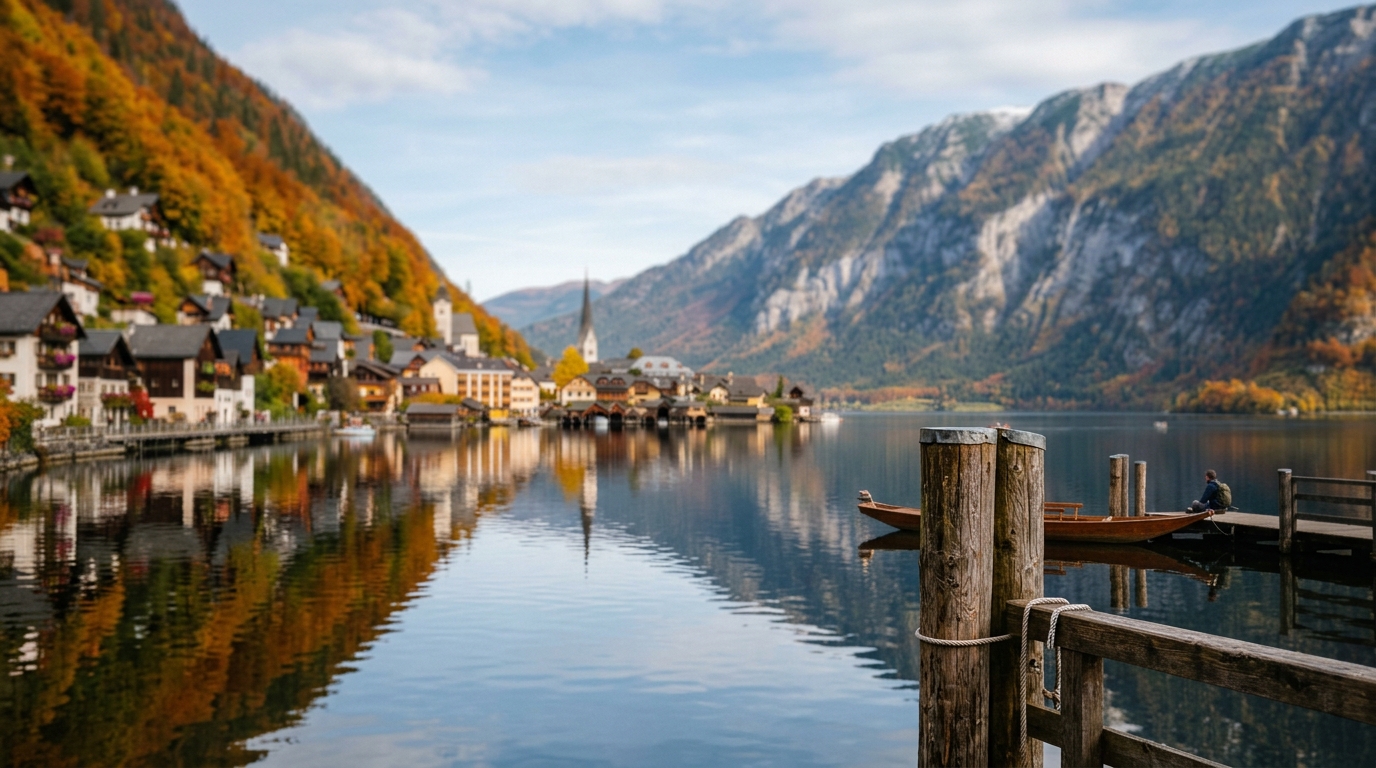
September: Post-summer, schools return across Europe, and crowd numbers drop sharply. Autumn foliage begins by mid-September, adding color to the hillsides. Temperatures are still comfortable at 14-20°C. This is arguably the single best month to visit for combining weather, scenery, and manageable visitor numbers.
October to April: The village is quiet but some attractions reduce hours or close. The salt mine operates year-round (Salzwelten, 2026), but the Dachstein gondola closes for maintenance in parts of November. Winter brings snow and Christmas market charm in December, but limited daylight and cold temperatures make it a specialist choice.
Who Should Skip Hallstatt (Honest Advice)
Not every traveler will enjoy Hallstatt, and there are specific profiles where skipping it makes sense.
If you hate crowds and cannot arrive before 9am: Hallstatt from 10am to 5pm in summer is one of Austria’s most congested tourist experiences. If your schedule doesn’t permit an early arrival, the experience you’ll get doesn’t match the effort or cost.
If you expect village life and local atmosphere: Hallstatt’s permanent residents number 780. The tourism economy dominates almost every commercial interaction. You won’t find a quiet local bar or a neighborhood lunch spot — the village has been tourism-optimized for years. If you want authentic alpine village life, Gosau, Obertraun, or smaller Salzkammergut villages deliver that without the crowds.
If you’re visiting in July-August with no flexibility: A midday July visit to Hallstatt risks being one of the most disappointing experiences in Austria, not because the place lacks beauty but because the visitor volume makes accessing that beauty genuinely difficult.
If your budget is under €60 for the entire day: Both major paid attractions together cost €59 before transport. A day trip from Salzburg by train and ferry adds roughly €20-30 more. The math doesn’t work below that threshold unless you’re comfortable skipping everything ticketed.
Final Verdict: Is Hallstatt Worth It?
Is Hallstatt worth visiting? Yes, with clear conditions attached. The village is not overrated — it’s overscheduled. The scenery, the UNESCO history, the salt mine, and the alpine setting are all genuinely exceptional. The problem is that 1 million people agree, and many of them arrive on the same July Tuesday.
Visit in May, June, or September. Arrive before 9am or stay overnight. Book the salt mine tickets online before you go (Salzwelten, 2026) and consider the 5 Fingers gondola if budget allows. [GETYOURGUIDE_LINK] Accept that the village is small and plan accordingly: half a day for the village itself, a full day if you add both paid attractions.
The travelers who leave disappointed are almost always those who arrive mid-morning in peak summer without a plan, encounter the crowd reality, and measure the experience against Instagram imagery. The travelers who leave impressed arrived early, stayed late, or both.
Hallstatt earns its reputation. Whether it earns your trip depends on when you go and what you’re willing to do to see it properly.
Frequently Asked Questions
Is Hallstatt too touristy?
Hallstatt is one of the most visited villages in Europe relative to its size, with over 10,000 visitors per day in July-August for a population of 780 (Austria Tourism / OAW visitor statistics, 2025). In peak summer midday hours, yes — it is genuinely overcrowded and the tourist-focused commercial atmosphere is impossible to avoid. In shoulder season or early morning, the volume drops to a manageable level and the authentic setting reasserts itself. “Too touristy” is a fair criticism for July afternoons; it’s an overstatement for May mornings.
How many days do you need in Hallstatt?
One day is enough to see the village, the salt mine, and the 5 Fingers viewpoint if you start early. Two days allows you to experience both the day-trip version and the quieter evening-and-morning version that overnight guests enjoy. The village itself takes roughly two hours to explore on foot. Most of your time will be at paid attractions or on the lake and surrounding trails. Hallstatt itinerary Three or more days is only justified if you plan to hike extensively in the surrounding Dachstein and Salzkammergut area.
Is Hallstatt worth it without the salt mine?
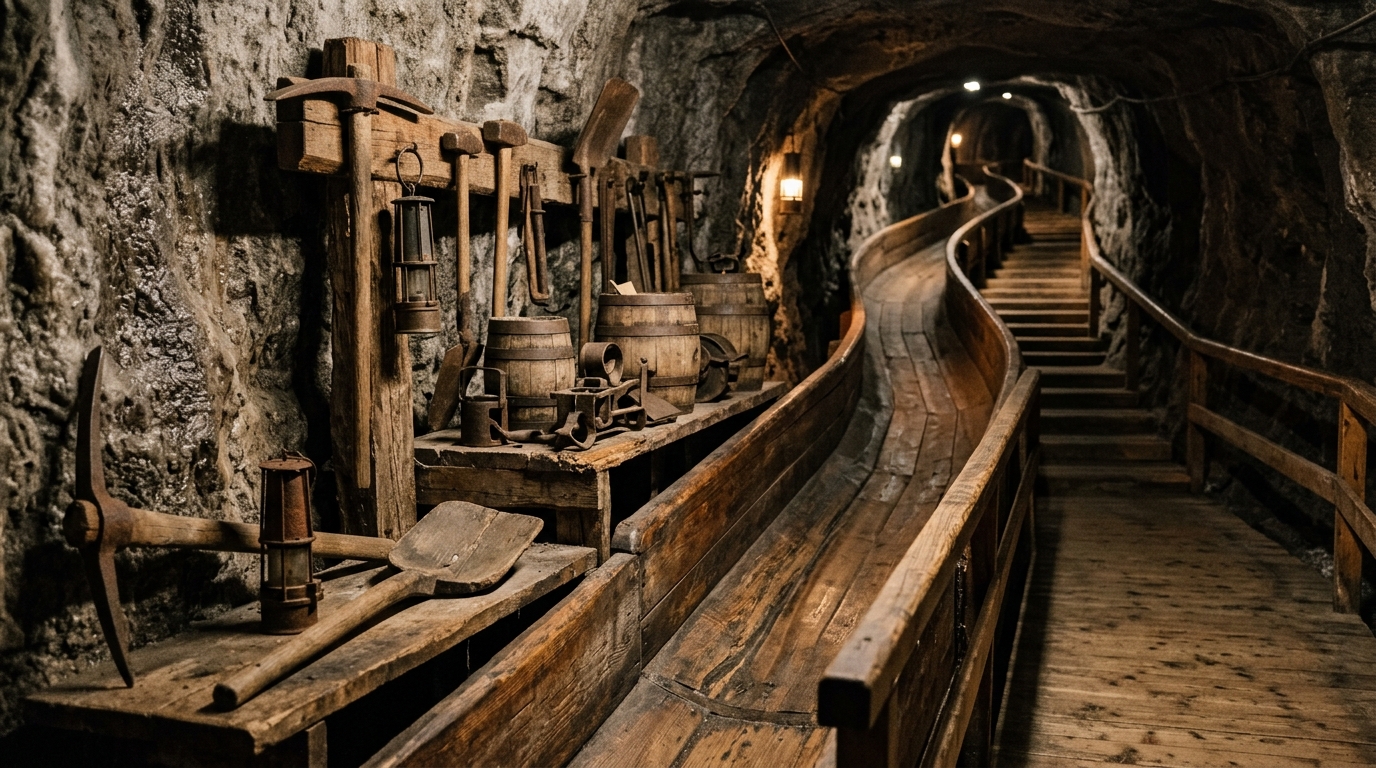
Yes, but the value proposition narrows. The village and lake are beautiful regardless of whether you tour the mine. The 5 Fingers gondola on Krippenstein offers one of Austria’s best mountain panoramas and is independent of the salt mine. However, the salt mine is genuinely one of the most interesting paid experiences in the region — the world’s oldest working mine, with a wooden slide and underground lake — and skipping it primarily to save €32 is a significant trade-off on a trip you’ve already invested in reaching.
Is Hallstatt safe?
Hallstatt is very safe by any standard. Austria consistently ranks among Europe’s safest countries, and Hallstatt specifically has no notable crime concerns for visitors (Austrian Federal Ministry of the Interior, 2025). The main practical safety consideration is the mountain gondola and hiking paths in winter and early spring, where ice and snow require appropriate footwear. The village itself has no car traffic in the main pedestrian zone, making it safe for families with children.
Can you visit Hallstatt without a car?
Yes, fully. The village is designed for car-free access from the train station across the lake. From Salzburg, take the Postbus 150 or 542, or the train to Hallstatt Bahnhof followed by the ferry (€4 each way). From Vienna, the train via Attnang-Puchheim takes 3.5 to 4 hours total. Most hotels in the village itself have no dedicated parking — the community deliberately limits vehicle access. Arriving by public transport also avoids the parking fees and shuttle bus queues that car visitors deal with during peak season.