Best Time to Visit Tokyo (2026)
Disclosure: Some links in this guide are affiliate links. If you book or buy through them, we may earn a small commission at no extra cost to you — it helps keep our guides free.
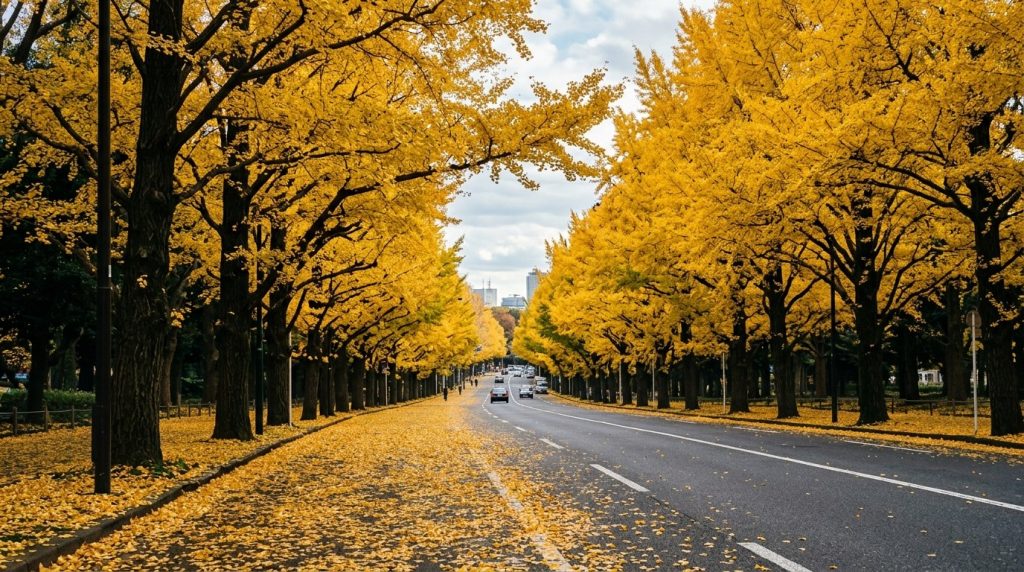
The best time to visit Tokyo is autumn, specifically November, when daytime highs of 10°C to 17°C pair with a three-week foliage window instead of cherry blossom’s single unpredictable week. The exception is late March to early April, when the one-week cherry blossom window justifies the extra cost for travelers willing to bet on a forecast that only firms up six weeks ahead.
| Month | Temp range | Rain | Crowds and prices | Verdict |
|---|---|---|---|---|
| January | 2-10°C | 60mm | Lowest crowds, cheapest rates of the year | Good value, cold |
| February | 3-11°C | 55mm | Still quiet, rates near the January low | Good value, cold |
| March | 5-14°C | 115mm | Demand climbs once the sakura forecast narrows | Gamble on bloom timing |
| April | 10-19°C | 135mm | Peak during bloom week, then Golden Week from April 29 | Expensive, worth it once |
| May | 15-24°C | 140mm | Golden Week spillover, then a quieter stretch | Good after May 6 |
| June | 19-26°C | 170mm | Rainy season (tsuyu) suppresses demand | Cheap, wet |
| July | 23-30°C | 155mm | Humid heat, domestic travel building | Hot, avoid midday |
| August | 24-31°C | 155mm | Hottest month, Obon rush mid-month, typhoon risk rising | Hot, crowded transit |
| September | 21-28°C | 225mm | Wettest month, peak typhoon season | Riskiest for outdoor plans |
| October | 15-22°C | 235mm | Rain tapers late as foliage begins | Transitional, book flexible |
| November | 10-17°C | 95mm | Foliage peak, second-highest crowds and rates | Best value peak |
| December | 5-12°C | 60mm | Cheap until the New Year rush from December 29 | Cheap except final week |
Spring (March to May) – cherry blossom season and what it really costs
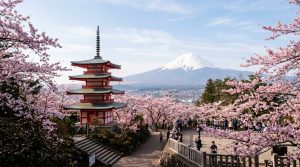
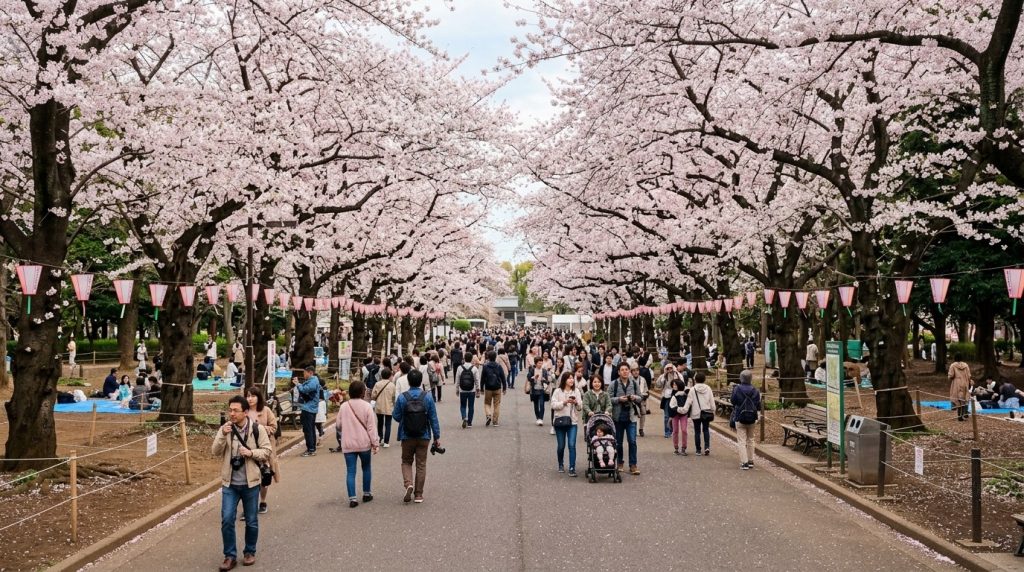
Cherry blossom season gives Tokyo its most photographed week of the year, and that week also carries the city’s highest hotel prices. Tokyo’s full bloom fell on March 14 in 2023, the earliest date on record since 1953, then March 22 in 2024, and March 30 in 2025, a sixteen-day swing across just three years.
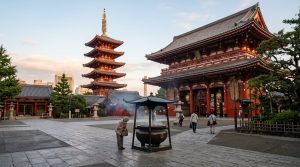
The Japan Meteorological Corporation issues its first sakura forecast in mid-to-late December, three to four months ahead of the bloom, and the date only becomes reliable about six weeks out. A traveler who books six months ahead near Sensoji or Ueno Park is booking against a forecast, not a confirmed date.
Rates track that forecast closely: the Tokyo hotels guide puts cherry blossom and autumn pricing about 38% above Tokyo’s January low, and Tokyo’s citywide average nightly rate of JPY 22,180 in late 2025 converts to USD 143 (JPY 22,180) at today’s rate of roughly 155 yen per dollar, below the USD 148 some older guides still quote using a stale 150 exchange rate.
Anyone chasing the bloom should book refundable rooms and check the Tokyo budget guide before paying peak rates for a date that can still move by a week.
Autumn (October to November) – the better-value peak
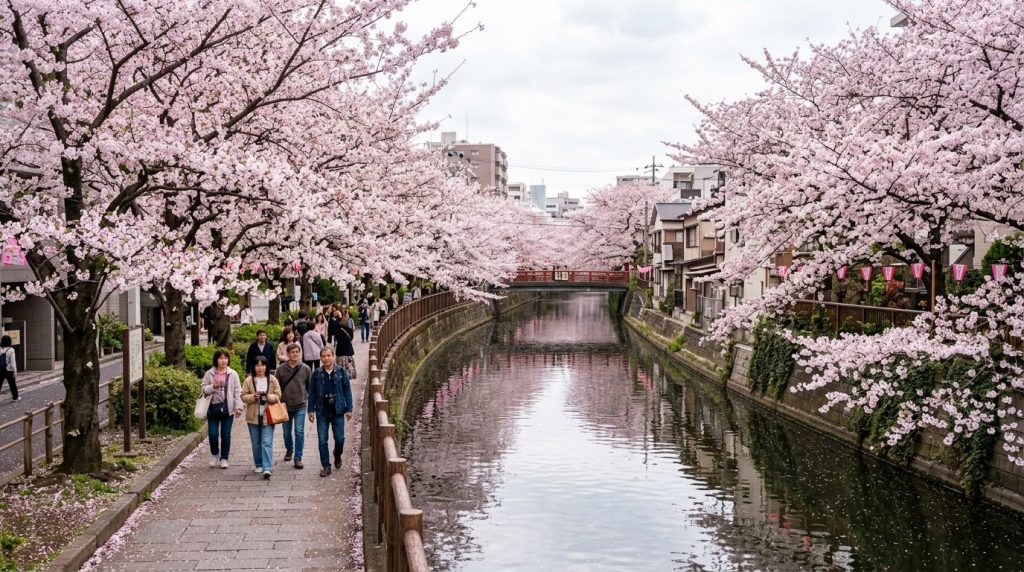
Autumn is Tokyo’s better-value peak season, not because it is cheaper, hotel rates sit in the same 38%-above-January band as cherry blossom, but because it removes the forecast gamble and stretches the good weeks into roughly a three-week window instead of one.
Tokyo’s koyo (autumn leaves) season runs mid-October through early December citywide, with the city’s own peak color landing in late November to early December rather than a single forecasted week.
November brings the year’s second-highest crowds, but daytime highs of 10°C to 17°C and just 95mm of average rainfall make it more comfortable to walk through than the humid summer months or September’s 225mm of rain.
Travelers who want cherry-blossom-level scenery without betting on a moving forecast should target the last two weeks of November, when most of Tokyo’s parks and gardens are near peak color and rates have not yet caught the New Year rush.
Pair this window with the best things to do in Tokyo guide to build a route around the parks that hold color longest.
Summer (June to September) – rainy season, heat and typhoons
Summer is Tokyo’s low season for a reason, combining the year’s worst humidity with its highest typhoon risk. The rainy season, tsuyu, typically runs through June, adding 170mm of rain on top of temperatures already climbing toward 26°C.
July and August push daytime highs to 30-31°C with heavy humidity, and mid-August adds a second complication: the national Obon holiday period, with peak domestic travel running roughly August 7 to August 16, crowds trains and highways as residents head to hometowns.
September is worse for weather risk than for heat, averaging 225mm of rain and sitting inside the Japan Meteorological Agency’s peak typhoon window of August and September, when the mainland typically takes two to three direct hits.
Hotel rates stay lower than spring or autumn through this stretch, but that savings comes with a real cost: building flexibility into any outdoor-heavy itinerary and checking storm tracking in the week before travel rather than months ahead.
Winter (December to February) – the cheapest clear skies
Winter is Tokyo’s cheapest season and also its clearest, with December through February combining low hotel rates with the year’s best visibility for Mount Fuji. Daytime highs run 5-12°C in December and 2-11°C in January and February, while rainfall bottoms out at 55-60mm a month, the lowest of the year.
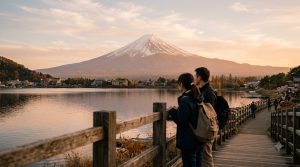
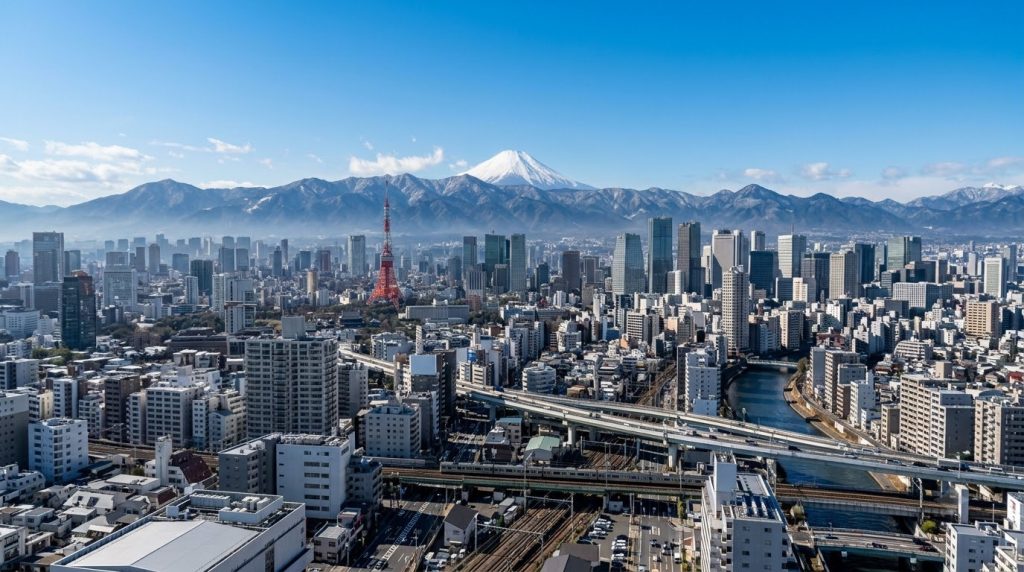
Skies stay clear often enough that Mount Fuji is visible on roughly 60% of days from October through February, a detail most cherry-blossom-focused guides skip entirely.
The one exception inside winter is the final week of December, when the New Year travel rush pushes Shinkansen trains toward capacity as residents head home; peak outbound days run December 29 to 31, 2026, and the return rush hits January 2 to 4, 2027, especially January 3.
Outside that one-week window, December through February delivers Tokyo’s lowest hotel rates and thinnest crowds at major sites, making it the strongest choice for travelers who prioritize budget over blossoms.
The dates that spike prices without warning
Three windows spike Tokyo prices harder than the general cherry blossom season, and two of them are domestic holidays most foreign guides skip.
Golden Week runs April 29 to May 5, 2027, a string of four national holidays that lets Japanese workers take a full week off using a single vacation day, and it pushes both flights and hotels toward their yearly peak just as the sakura crowds thin out.
Obon is Japan’s mid-August homecoming holiday; national peak travel runs roughly August 7 to August 16, 2027, and while Tokyo itself observes a July Obon locally, the countrywide rush still crowds trains and highways in and out of the city in mid-August.
The New Year period adds a third spike, with outbound congestion December 29 to 31, 2026, and return congestion January 2 to 4, 2027.
The sakura forecast itself is a fourth, quieter risk: because the Japan Meteorological Corporation’s bloom date does not firm up until about six weeks out, travelers who lock in non-refundable hotel rates six months ahead are effectively betting on a forecast that has moved by as much as sixteen days across the past three years.
When NOT to visit Tokyo
Avoid the first week of April if budget matters more than photographing cherry blossoms, since this is the single most expensive week on the Tokyo calendar and rooms near Ueno Park or Sensoji can double in price. For the risks that do matter, from bar touts to the small but real chance of a strong earthquake, see whether Tokyo is safe for first-timers.
Avoid Golden Week, April 29 to May 5, unless flights and hotels are booked months ahead, because domestic demand pushes both toward capacity nationwide. Avoid the New Year window from December 29 to January 4 if the plan includes day trips by train, since the Shinkansen homecoming rush fills reserved seats and standing room alike.
Avoid September if the itinerary depends on outdoor days, because it is both Tokyo’s wettest month at 225mm of average rainfall and the peak of Japan’s typhoon season. None of these windows make Tokyo unsafe to visit, they simply mean paying more, waiting longer, or building a backup plan into the schedule.
Packing and practical tips by season
Layering matters more than any single heavy item for spring and autumn, since Tokyo’s daytime highs in the 10-19°C range covered in the table above can swing 8 to 10 degrees between a cold morning and a mild afternoon.
A packable rain layer earns its space in any bag from March through October, since April and May alone average 135-140mm of rain between them, and convenience stores sell clear plastic umbrellas for a few hundred yen on almost every block if one gets left behind.
Summer packing is about managing humidity, not just heat. Tokyo’s average relative humidity in July runs around 74%, enough that light, quick-drying fabrics outperform cotton, and a hand towel or cooling neck wrap is standard kit for locals during the July-August stretch covered earlier.
Air conditioning is strong and constant indoors, on trains and in most shops, so a light layer for the indoor-outdoor temperature swing is worth packing alongside the warm-weather clothing.
Winter calls for a proper coat rather than Tokyo’s reputation for mild weather, since December through February’s 2-12°C daytime highs feel colder with the wind off the bay, even though snow itself is rare in the city.
Comfortable, broken-in walking shoes matter in every season given how much of a Tokyo day happens on foot or standing on trains, but they matter most in winter and the rainy early-summer stretch, when wet pavement and station stairs add a slip risk that dry, warm months do not.
One packing detail that has nothing to do with season: Japan runs on 100-volt power with the same flat two-pin Type A sockets used across North America, so a two-pin US-style plug fits directly into most Tokyo outlets.
A three-pin grounded plug is the exception, since Type A sockets are not grounded, and travelers with a laptop charger or appliance that uses the third pin should pack a small adapter rather than assume it will fit.
FAQ: best time to visit Tokyo
What’s the single cheapest month to visit Tokyo?
January and February, per the month-by-month breakdown above, both sit near the year’s lowest hotel rates and rainfall, with the one exception being the final days of December into the New Year rush covered elsewhere in this guide. Travelers who care more about budget than blossoms or foliage should default to one of these two months over anything else on the calendar.
Can I see Mount Fuji from Tokyo any time of year?
Winter gives the best odds, with Mount Fuji visible on roughly 60% of days from October through February as noted above, but it is never guaranteed on any single date regardless of season, since local haze and cloud cover change day to day.
Booking a hotel room or restaurant specifically for the view, rather than treating a Fuji sighting as a bonus on a clear day, is a reliable way to be disappointed.
Does rain ruin a Tokyo trip?
Less than it would in a city built around outdoor sightseeing. Much of Tokyo’s shopping, dining and museum-going happens indoors or in covered arcades already, and the train network is almost entirely under cover between the platform and the street exit, so a rainy day redirects a visit rather than cancelling it.
The exception is anything built around parks or gardens, which is why the autumn and spring sections above both flag rainfall totals specifically.
Is summer worth visiting despite the heat and rain risk?
Only for specific reasons: lower hotel rates, summer festivals and fireworks displays that do not run in other seasons, or a trip date fixed by school holidays rather than choice. Anyone with flexible dates and no specific summer-only event in mind gets a more comfortable trip in almost any other month covered in this guide.
My travel dates are fixed and they fall during a price-spike week. What can I still do?
Book the hotel room first and lock in a refundable rate if the dates overlap cherry blossom, Golden Week or the New Year rush covered above, since those are the weeks where availability disappears before price does.
Shifting sightseeing to early morning or early evening, rather than the midday peak, also helps more during a crowded week than any other single change, since the crowding at specific sites is tied to the hour as much as the season.
Plan your Tokyo trip
Once the season is set, the next decision is where to sleep and how to sequence the days. Match neighborhood choice to season, since Shinjuku and Asakusa run cheaper than Shibuya or Ginza year-round, and the gap widens further during cherry blossom and Golden Week surcharges.
The 4-day Tokyo itinerary lays out a season-neutral route that works whether the trip lands in busy April or quiet January. Search the map below by date to compare live hotel rates across neighborhoods before booking.
Find your Tokyo hotel on the map
Live prices from Booking, Airbnb and more — move the map or change dates to compare stays across Tokyo.