25 Best Things to Do in San Francisco 2026
Disclosure: Some links in this guide are affiliate links. If you book or buy through them, we may earn a small commission at no extra cost to you — it helps keep our guides free.
At a glance
| Attraction | Entry | Hours | Time needed |
|---|---|---|---|
| Alcatraz Day Tour | $47.95 | 2.5 to 3 hours | |
| Golden Gate Bridge | Free | Pedestrians daily | |
| Golden Gate Bay Cruise | about $38 | One-hour | |
| Japanese Tea Garden | $14 | Free before 10am Mon/Wed/Fri | |
| Golden Gate Park | Free | half a day |
San Francisco packs world-class museums, the Golden Gate Bridge, Alcatraz, and some of the best food in America into 47 square miles. We’ve rounded up the 25 best things to do here in 2026, with real prices, booking tips, and the timing tricks that save you money and lines.
Key Takeaways
– Alcatraz tickets sell out 2-4 weeks ahead; day tours start at $47.95 adult (Alcatraz City Cruises, 2026).
– The Golden Gate Bridge is free to walk or bike across, no ticket required (Golden Gate Bridge District, 2026).
– Cable car single rides cost $8; a 1-day Muni Passport at $13 pays off after two rides (SFMTA, 2026).
What are the top must-do attractions in San Francisco?
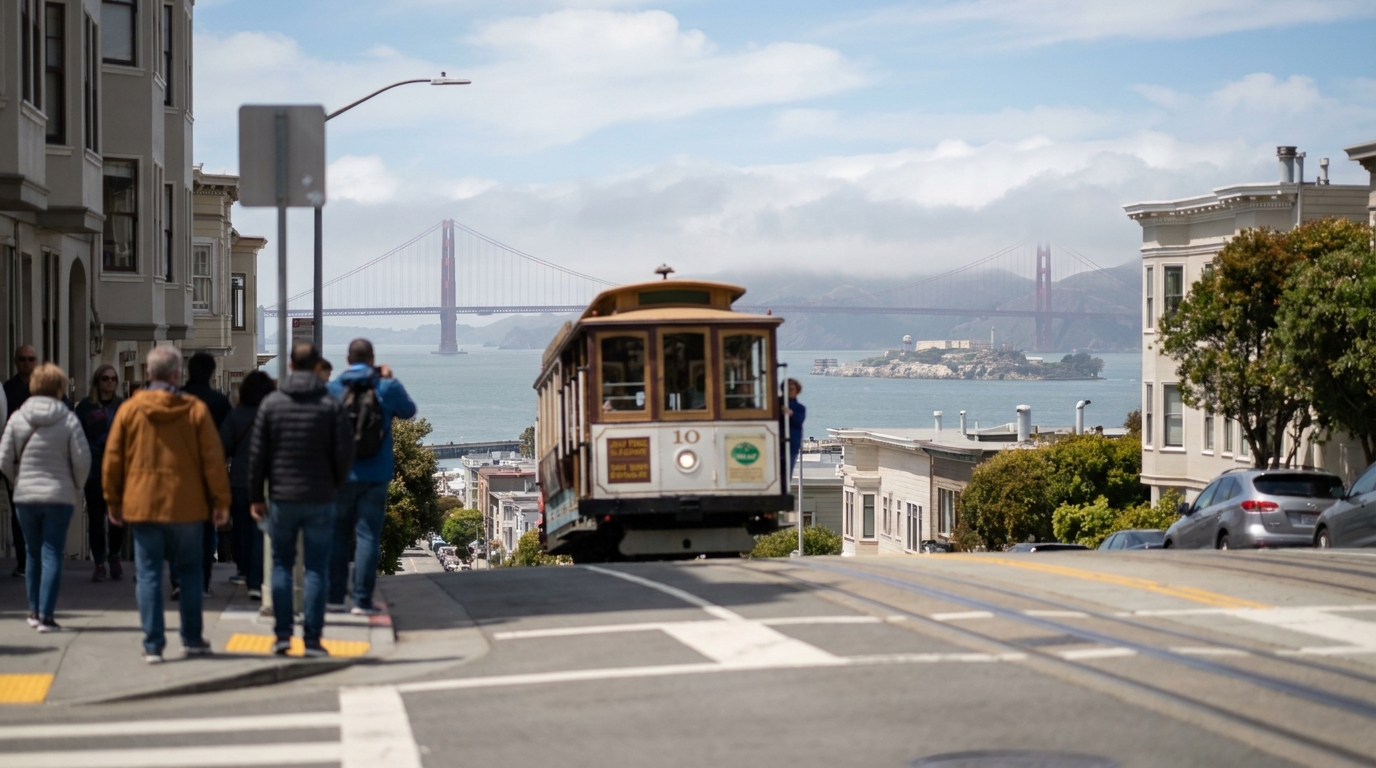
If you’ve got one day, prioritize three icons: the Golden Gate Bridge, Alcatraz Island, and Fisherman’s Wharf. These three anchor the city’s northern waterfront and sit within a few miles of each other. They’re also the attractions that book out fastest, so reserve Alcatraz first and build your day around it. With more time, our guide to how many days San Francisco needs explains why 3 full days is the sweet spot for most first-timers.
The Golden Gate Bridge costs nothing to walk or cycle. Alcatraz needs advance tickets. Fisherman’s Wharf is free to wander, though you’ll spend on food and the boat tours that leave from Pier 39. Together they make a tight, walkable loop along the bay. Check our San Francisco itinerary for a full hour-by-hour plan.
How do I visit Alcatraz Island?
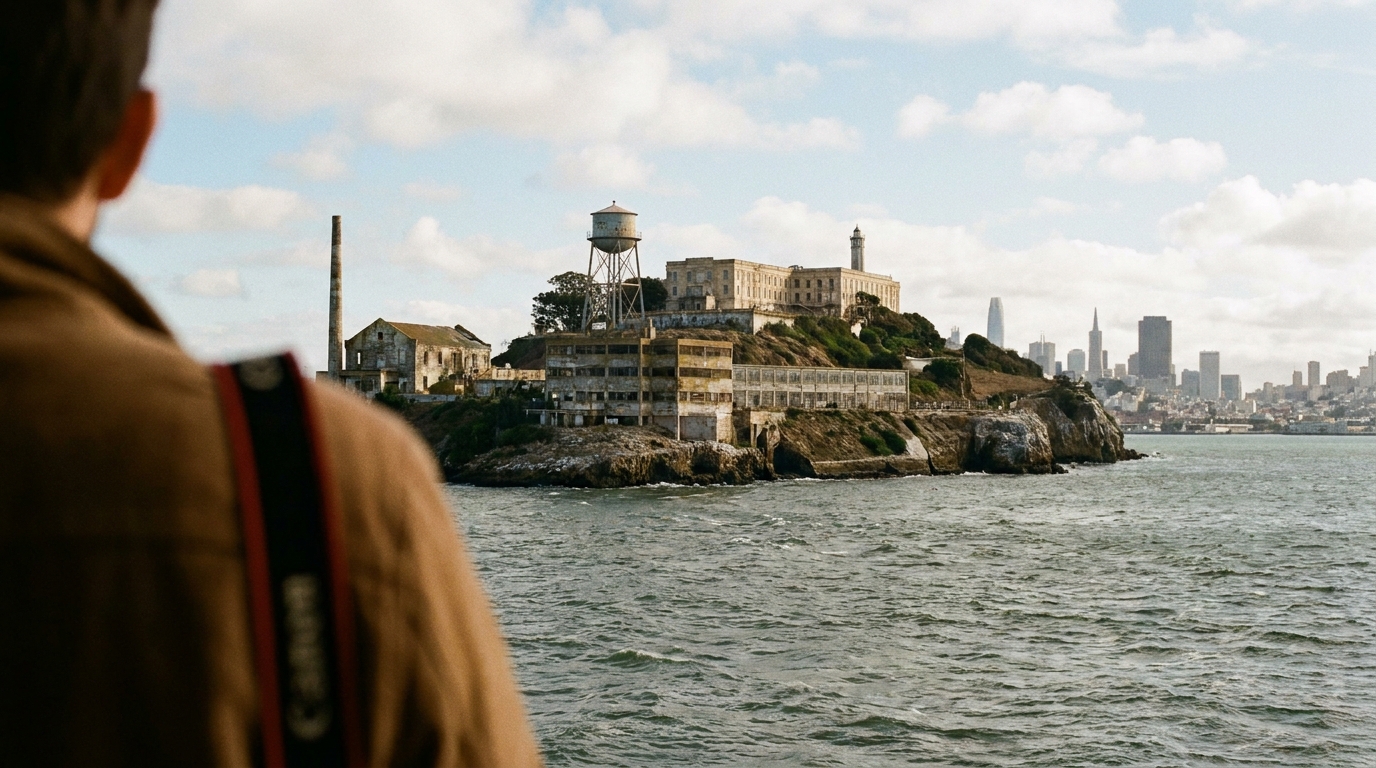
Book Alcatraz through Alcatraz City Cruises, the only official ferry operator, and reserve 2-4 weeks ahead. The Day Tour starts at $47.95 for adults and $45.30 for ages 5-11 (2026), and includes the ferry from Pier 33 plus the excellent audio tour narrated by former inmates and guards.
The Night Tour costs $59.40 adult and sells out even faster, but it’s worth it for the smaller crowds and dramatic lighting. Allow 2.5 to 3 hours round trip. If official tickets are gone for your dates, GetYourGuide lists guided combo packages that bundle ferry access with city tours. Don’t buy from sidewalk resellers near the pier.
Alcatraz day: what to wear, eat, and expect
Booking the ticket is only half of the planning. The National Park Service shares practical details that prevent a rough morning on the island.
Clothing and footwear
Dress in layers and bring a light jacket or sweater, because the weather changes quickly on the bay. Pack rain gear in wet winter months. Wear comfortable walking shoes with grippy soles, and skip sandals, leather-soled shoes, high heels, and open-toe shoes.
Food
No food is sold on the island, apart from dry snacks and candy at the bookstore. Eat before you board at Pier 33 and carry water.
Getting to Pier 33
The park service advises against driving. There is no parking at Alcatraz Landing, and the few accessible spaces there are first-come, first-served with a disabled placard. The Muni F Line stops near the landing, so a streetcar ride along the Embarcadero is the simplest approach from Union Square or Fisherman’s Wharf.
Time and accessibility
Plan at least a few hours for the visit. Ranger tours run daily, though specific programs vary. Alcatraz Landing at Pier 33 is fully accessible. The park service’s planning page was last updated in 2021, so confirm current details when you book.
Is the Golden Gate Bridge worth visiting?
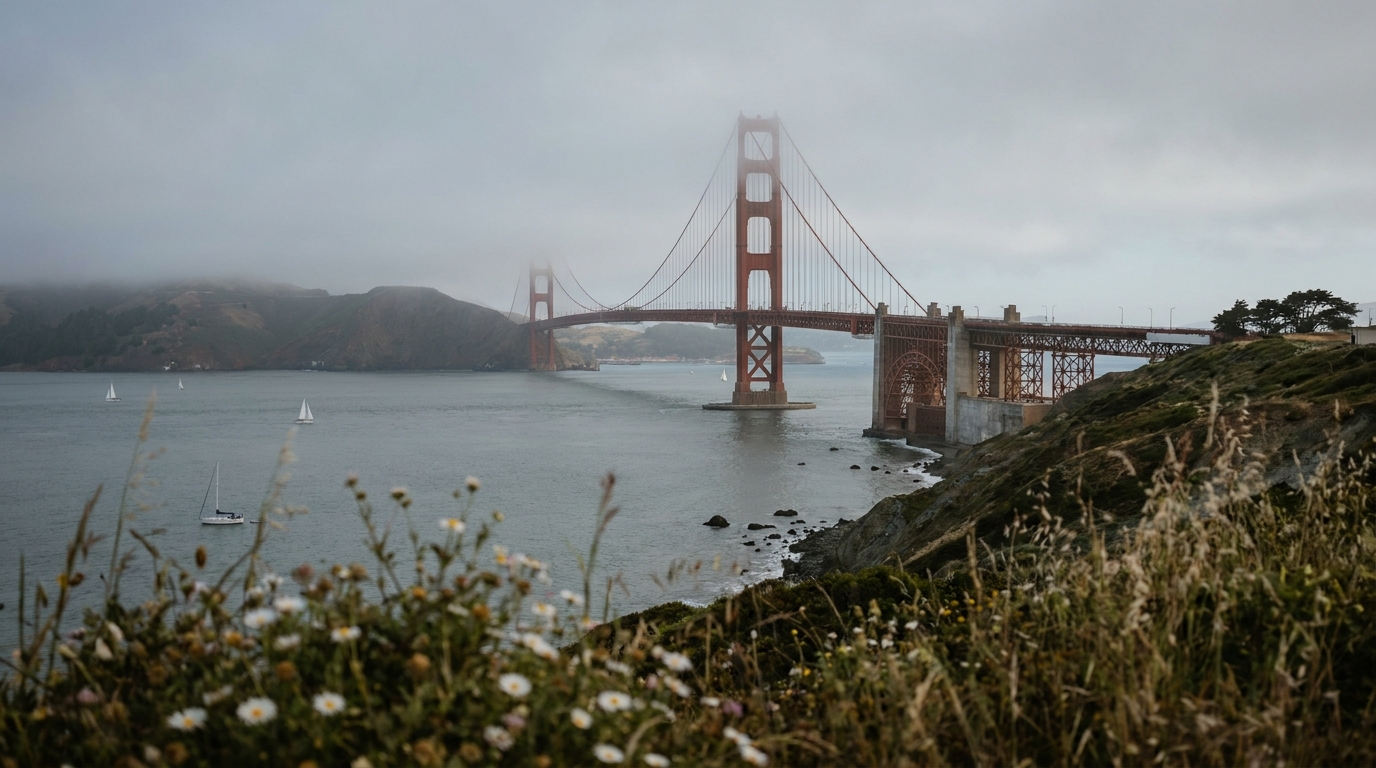
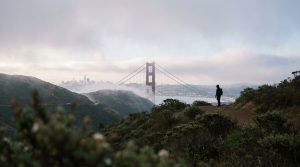
Yes, and it’s free. The Golden Gate Bridge is the city’s signature sight, and you can walk or bike the 1.7-mile span without paying a cent. The east sidewalk opens to pedestrians daily; cyclists use the west side on weekends. Vista points at both ends give you the postcard shots.
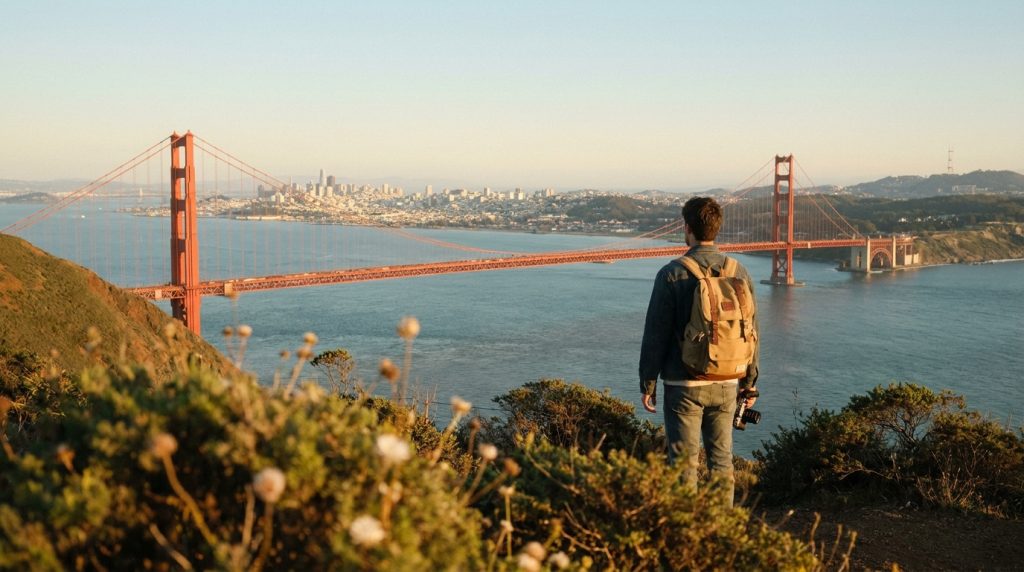
For the best photos, head to Battery Spencer on the Marin side at sunrise, or Crissy Field for the classic full-span view. Fog is heaviest July through August, so mornings often clear up by midday. Rent wheels through a bike-share operator and ride across to Sausalito, then catch the ferry back to the city.
What can I do at Fisherman’s Wharf and Pier 39?
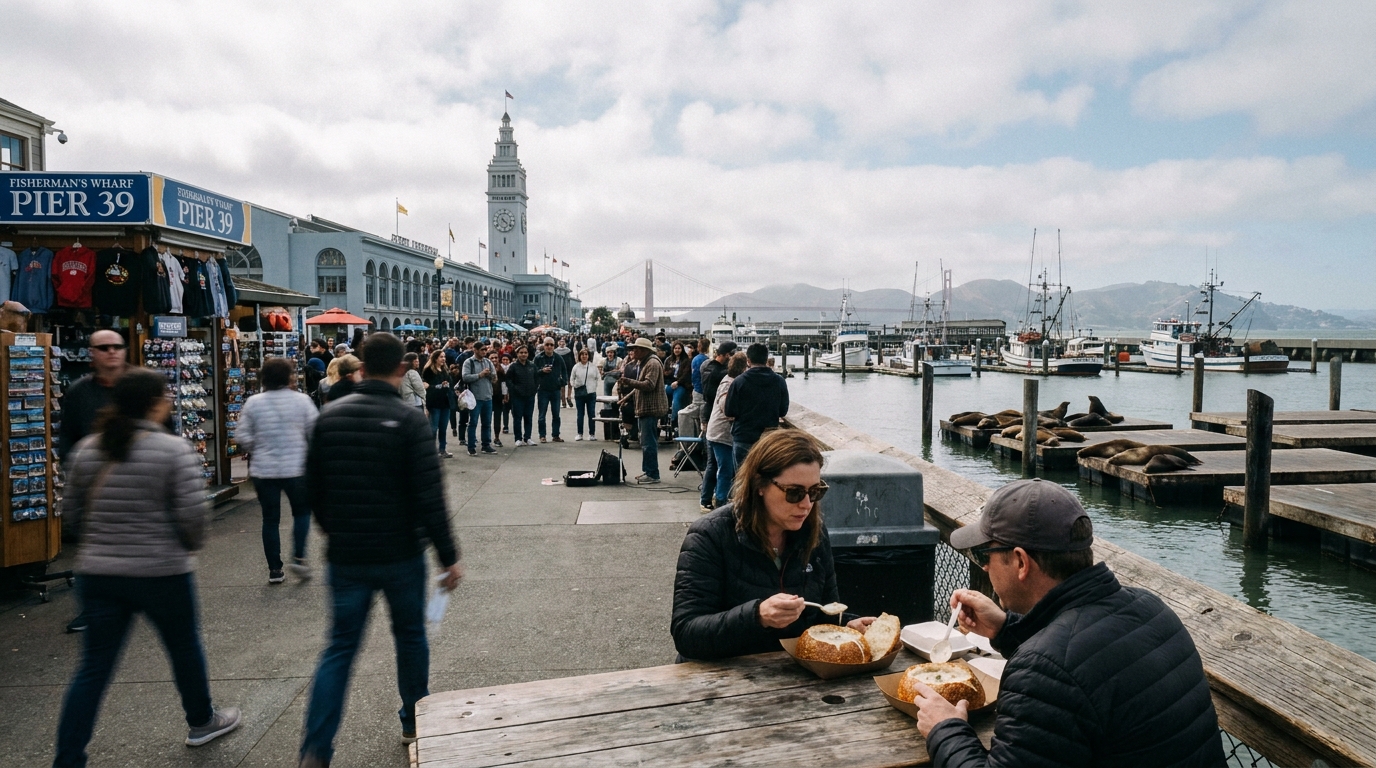
Fisherman’s Wharf and Pier 39 deliver sea lions, sourdough, and boat tours all in one walkable stretch. The sea lions at Pier 39’s K-Dock are free to watch and have lounged there since 1989. Grab a clam chowder bread bowl at Boudin Bakery for around $13.
Pier 39 also hosts the Aquarium of the Bay ($29.95 adult, 2026) and serves as the launch point for bay cruises. A one-hour Golden Gate Bay Cruise runs about $38 adult through major operators. It’s touristy, sure, but the boat angle on the bridge and Alcatraz is genuinely good. Browse bay cruise options before you go.
Find your San Francisco hotel on the map
Live prices from Booking & Airbnb — tap a pin to compare stays around Union Square and Fisherman’s Wharf and beyond.
Where can I ride the famous cable cars?
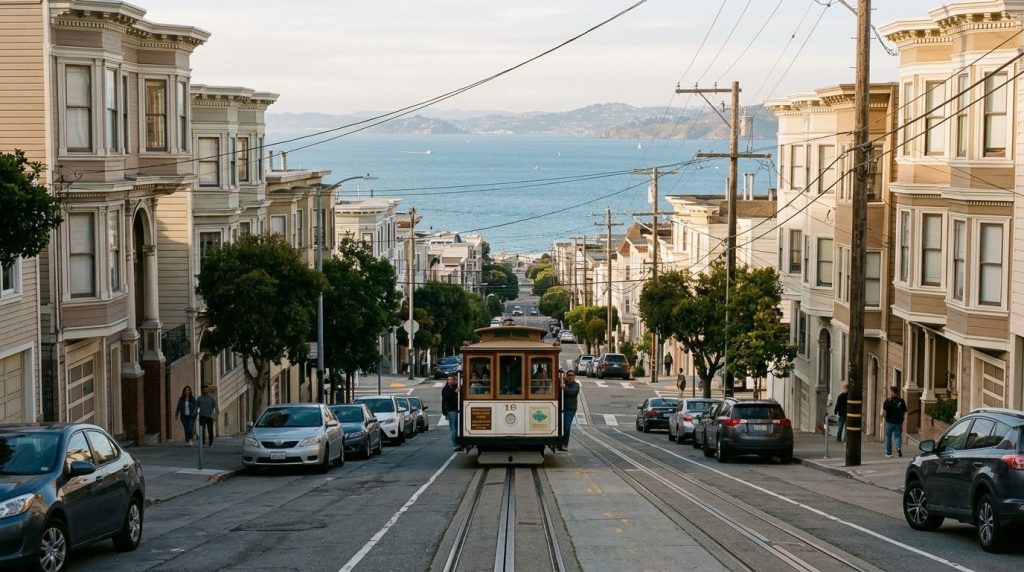
Catch a cable car at the Powell-Hyde or Powell-Mason turnaround near Union Square. A single ride costs $8 (2026), paid by tapping a Clipper card or the MuniMobile app. Lines at Powell Street get long by 10am, so arrive early or board at a quieter mid-route stop.
The Powell-Hyde line is the most scenic, climbing Russian Hill and dropping toward Ghirardelli Square with bay views. If you plan multiple rides plus buses and the historic F-line streetcars, a 1-day Muni Passport at $13 pays for itself fast. The free Cable Car Museum on Mason Street shows the giant wheels that pull the lines.
What are the best museums and cultural sites?
San Francisco’s museums cover fine art, science, and modern design within easy reach of downtown. The de Young Museum and the California Academy of Sciences both sit in Golden Gate Park, and the SFMOMA anchors the SoMa district. Here’s how the major ones compare on 2026 pricing.
| Museum | Adult Price (2026) | Best For |
|---|---|---|
| SFMOMA | $30 | Modern & contemporary art |
| California Academy of Sciences | $44.95 | Families, aquarium, planetarium |
| de Young Museum | $20 | American art, tower views (free) |
| Exploratorium | $39.95 | Hands-on science, Pier 15 |
| Asian Art Museum | $20 | Asian art collection |
The de Young’s observation tower is free even without a ticket and gives a 360-degree city view. A CityPASS bundles several of these and cuts the total by up to 46%.
What should I do in Golden Gate Park?
Golden Gate Park is San Francisco’s 1,017-acre green heart, bigger than New York’s Central Park, with gardens, museums, and trails. The Japanese Tea Garden ($14 adult, free before 10am Mon/Wed/Fri) and the Conservatory of Flowers ($14) are the standout paid spots. Everything else, from Stow Lake to the bison paddock, is free.
Rent a paddle boat on Stow Lake for about $26.50 an hour, or just walk the trails. The park stretches from the Haight to Ocean Beach, so we’d budget half a day minimum. JFK Drive stays car-free, making it ideal for cycling. Pair it with the de Young and the Academy of Sciences, both inside the park.
Where can I find the best food and neighborhoods?
San Francisco’s neighborhoods each have a distinct food scene, from Mission burritos to Chinatown dim sum. The Mission District serves the city’s defining burrito, usually $12 to $15, alongside vibrant murals on Balmy Alley and Clarion Alley. The oldest Chinatown in North America runs north from Union Square with dim sum and tea shops.

North Beach, the Italian quarter, does excellent espresso and pasta near City Lights Bookstore. The Ferry Building Marketplace hosts a farmers market Saturdays with local oysters and cheese. A food tour through Viator runs $90 to $150 and hits multiple neighborhoods with tastings included.
A free half-day at the Presidio and the Golden Gate Bridge
The Presidio sits at the northern tip of the city beside the Golden Gate Bridge, and it pairs well with a bridge walk when you want a low-cost day.
Start at the Welcome Center
The Golden Gate Bridge Welcome Center is open daily from 9:00 a.m. to 6:00 p.m. Free City Guides walking tours of the bridge’s history run on Wednesdays and Saturdays. Both ends of the bridge touch the Golden Gate National Recreation Area, which has trails and vista points.
Presidio highlights
- The Presidio Visitor Center is open every day from 10 a.m. to 5 p.m. and gives out maps and ranger tips.
- Presidio Tunnel Tops offers Golden Gate views, picnic sites, and a large nature playground, which suits families with young children.
- Trails, beaches, and picnic areas fill the rest of the park.
Getting there
The park can be reached by bus, the Presidio GO shuttle, other public transit, bike, or car. Check the Presidio’s shuttle page for current routes and hours before you plan a car-free day.
Coit Tower and the Hills: A Short Climb Worth Making
Coit Tower on Telegraph Hill is known for its Depression-era murals and its view over the bay. Hours and prices vary by source and season, and no clearly official 2026 listing turned up. The most common pattern is 10 am opening, with a 5 pm close from November through spring and 6 pm in summer.
Admission to the ground floor, where most murals are, is reported as free. The elevator ride to the top costs a few dollars, reported between USD 6 and USD 10 depending on residency and the source, so check the current fee at the door.
Getting there
The walk up Telegraph Hill is steep. A bus or short rideshare to the base saves energy, and the stairs down toward the Embarcadero are a scenic way back. Pair it with North Beach for lunch and the Ferry Building for a late afternoon walk.
Why go
- Free murals on the ground floor, a quick stop even if you skip the elevator.
- A tower view of the bridge and the waterfront with fewer lines than Alcatraz.
- Easy to combine with Chinatown and North Beach on foot.
What can I do beyond the tourist core?
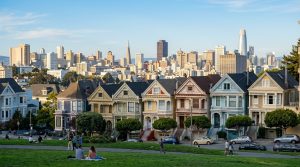
Trade the waterfront crowds for the Painted Ladies, Twin Peaks, and the Castro for a fuller picture of the city. The Painted Ladies, the row of Victorian houses on Alamo Square, are free to photograph and frame the downtown skyline. Twin Peaks delivers the best free panoramic view in the city, reachable by car, bike, or a steep walk.
The Castro, the historic heart of LGBTQ+ San Francisco, has the restored Castro Theatre and the GLBT Historical Society Museum ($5). Lands End on the northwest tip offers a coastal trail with Golden Gate views and the ruins of the Sutro Baths, all free. These spots spread you across the city, so a rental car helps.
What day trips are worth taking from San Francisco?
The best day trips from San Francisco are Muir Woods, Napa Valley wine country, and the coastal drive to Half Moon Bay. Muir Woods National Monument, 17 miles north, protects old-growth redwoods; entry is $15 adult plus a mandatory parking or shuttle reservation. Book the reservation online before you drive.
Napa and Sonoma sit about 90 minutes northeast for wine tasting, with most tastings running $40 to $75. A guided day tour saves the driving and the designated-driver problem. Down the coast, Highway 1 to Half Moon Bay and Santa Cruz makes a scenic loop. For these, Discover Cars compares rental rates across agencies so you don’t overpay.
San Francisco With Kids
The city has a good mix of free and paid options for families, and most can be done in half-day blocks. Hills and fog matter more with small children than distance does.
Hands-on and indoor
The Exploratorium at Pier 15 is the main science museum, and the post lists its price above. A parent review warns it suits older children better than those under five, so choose it for ages six and up. The California Academy of Sciences in Golden Gate Park combines an aquarium and planetarium and handles a long, wet afternoon.
Outdoor and free
- Pier 39 sea lions, free to watch from the dock.
- Presidio Tunnel Tops, with a large nature playground and picnic areas.
- Palace of Fine Arts, described as free, with a lagoon and gardens for easy walking.
- Alamo Square, across from the Painted Ladies, has a picnic lawn and a gated playground.
Practical tips
Pack layers, since fog can turn a warm morning cold. Use cable cars for the experience, not for efficiency. Lines are shorter at mid-route stops, as the cable car section notes. Plan a meal stop every few hours and avoid overloading a single day with Alcatraz and a long walk.
Foggy Days and Rainy Days: Indoor Backups
The fog section covers July and August, and winter brings rain. Both can change a plan built around the bridge and the waterfront. Keep a short indoor list ready.
Museums that fill a day
The table above shows SFMOMA, the Academy of Sciences, the de Young, the Exploratorium, and the Asian Art Museum. Group two that sit close together to avoid wasted transit: the de Young and the Academy of Sciences are both in Golden Gate Park.
Free and low-cost indoor stops
- The Cable Car Museum on Mason Street, free, with the giant wheels that pull the lines.
- The ground floor of Coit Tower, for the murals.
- The Ferry Building Marketplace, for food and covered browsing.
When to move Alcatraz
The ferry runs in most weather, but views and comfort suffer in fog and wind. If your dates are flexible, book an afternoon or a different day when the forecast is clearer. Dress for wind either way, as the Alcatraz section recommends.
Winter has the lowest hotel rates, so a rainy-day plan is a reasonable trade for a cheaper stay.
How much does it cost to visit San Francisco?
Budget roughly $200 to $350 per person per day in San Francisco, covering a mid-range hotel, attractions, and meals. Hotels are the biggest line item: expect $220 to $320 a night for a decent 3-star in 2026, higher near Union Square and the Wharf. We book through Booking.com to compare neighborhoods and free-cancellation rates.
Attractions add up fast at $30 to $48 each, which is why a CityPASS at about $84 makes sense if you’ll hit four or more. Food ranges from $15 fast-casual to $60-plus sit-down dinners. Public transit at $8 a cable car ride or $13 a day pass beats rideshare for getting around the dense core.
Mistakes to Avoid When Visiting San Francisco
Most trouble in San Francisco comes from a few predictable habits. Fixing them costs nothing.
Leaving belongings in a parked car
This is the biggest one. Police and local news reports repeatedly warn that nothing should be left in a car, even for a short stop. Tourist spots such as Lombard Street and the Palace of Fine Arts are frequent targets, and rental cars are common victims. Thieves may also use scanners to access electronics.
Take everything with you, including bags in the trunk, and check what your rental or card insurance covers. Damage to the car may be insured while stolen belongings often are not.
Renting a car for the core
For downtown, the Wharf, and the Mission, transit and walking work well, as the transport section says. Save a car for Muir Woods, wine country, or the coast.
Underdressing
- Bring layers and a windproof jacket even in summer.
- Pack comfortable walking shoes for hills.
Booking late
Alcatraz tickets sell out ahead of time, so book before locking in the rest of the day. Avoid sidewalk resellers near the pier.
When is the best time to visit San Francisco?
The best time to visit San Francisco is September and October, when the fog lifts and temperatures peak. Locals call it the city’s real summer. Days hit the mid-to-high 60s Fahrenheit with clear skies, and the heavy July-August fog has burned off. Crowds also thin slightly after the August peak.
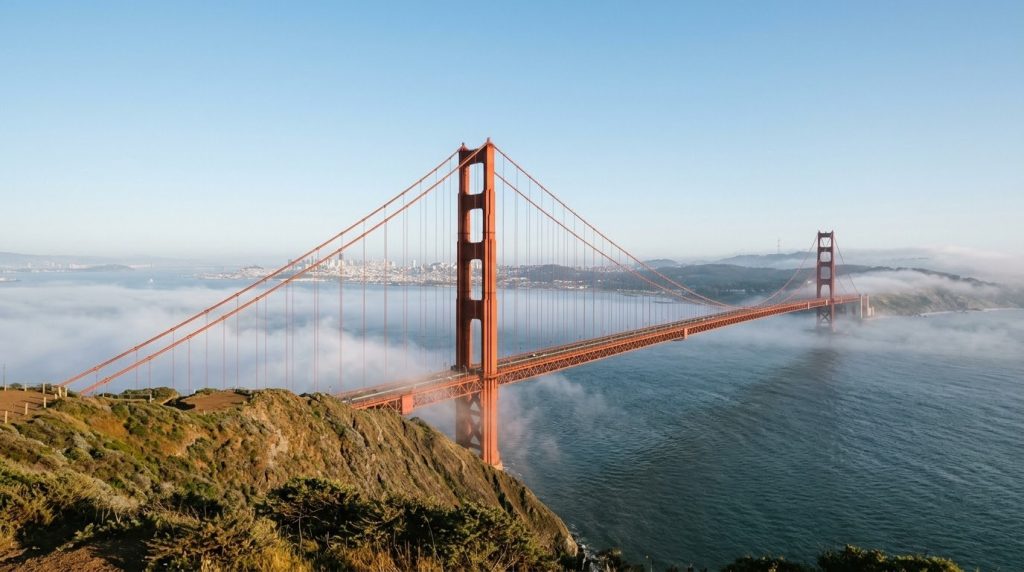
Spring (April-May) is the second-best window, with wildflowers and moderate prices. Winter brings rain but the lowest hotel rates and no lines at Alcatraz. Whenever you come, pack layers; the temperature swings 15-20 degrees between foggy mornings and sunny afternoons. See our San Francisco weather guide for a month-by-month breakdown.
Events That Change a San Francisco Trip
Big events fill hotels and crowd the waterfront. Check dates before booking.
Fleet Week in October
San Francisco Fleet Week was scheduled for October 4 to 12 in 2026, with the air show on October 9 to 11 from about noon to 4 pm. Ships and aircraft draw crowds to the Marina and the waterfront, and Blue Angels practice sessions can be loud.
If you are not there for the show, book accommodation away from the Marina and expect busier ferries and streets on air show days.
Other major dates
One guide lists Outside Lands in Golden Gate Park as August 7 to 9 in 2026, but a second source did not confirm it. Parades such as Lunar New Year and Bay to Breakers occur in winter and May, and exact dates were not confirmed here. Check official event sites, because street closures change bus and cable car routes.
Planning around events
- Reserve hotels and Alcatraz first.
- Choose refundable rates for event weeks.
- Allow extra time for the Embarcadero and Golden Gate Park on event days.
Muni passes for a multi-day stay
The Muni fare page from SFMTA lists these adult prices for 2026. All Visitor Passports cover Muni buses, Muni Metro, historic streetcars, and cable cars.
| Ticket | Adult price |
|---|---|
| Single ride (MuniMobile or Clipper) | USD 2.85, good for 120 minutes |
| Single ride (cash or ticket machine) | USD 3.00 |
| Day Pass | USD 5.70 |
| Visitor Passport, 3-day | USD 35.00 |
| Visitor Passport, 7-day | USD 47.00 |
Which one to buy
The 120-minute window on a single ride covers a transfer, so short hops between the Wharf, Union Square, and the Mission cost one fare. The regular Day Pass is cheaper than a Visitor Passport. Only the Visitor Passports are listed as covering cable cars, so confirm what the Day Pass includes before you rely on it for cable car rides.
For three days or more with several cable car rides, compare the cost of the Visitor Passports with paying fare by fare. Clipper works on all Bay Area transit systems, and you can tap a plastic card or a digital card on your phone.
How do I get around San Francisco?
San Francisco is walkable downtown, with Muni buses, cable cars, and BART filling the gaps. A Clipper card or the MuniMobile app covers buses, streetcars, and cable cars; a 1-day Passport costs $13. BART connects the airport (SFO) to downtown for about $10 and links to the East Bay.
Skip a car for the central neighborhoods, where parking runs $40-plus a day and hills are steep. Rideshares work but surge during events. We’d only rent a car for day trips to Muir Woods, Napa, or the coast. Walking the flatter areas like the Embarcadero and the Mission is often the fastest way around.
Three Sample Days That Cut Back-and-Forth
San Francisco’s sights spread across hills, so grouping them saves hours. These routes use attractions already described above.
Day 1: Waterfront and Alcatraz
Eat first, then take the Alcatraz ferry from Pier 33. Walk to Fisherman’s Wharf and Pier 39, watch the sea lions, and ride a cable car back toward Union Square. Keep the evening open for dinner in North Beach.
Day 2: Bridge, Presidio, and Lands End
Start at the Golden Gate Bridge Welcome Center, which opens at 9 am. Walk the bridge or the Presidio trails, add Crissy Field, then continue to Lands End and the Sutro Baths ruins. A rideshare saves energy between stops.
Day 3: Park and neighborhoods
Spend the morning in Golden Gate Park with the de Young tower view and either the Academy of Sciences or the Japanese Tea Garden. Finish in the Mission for a burrito and murals on Balmy Alley.
Variations
- With two days, merge days 2 and 3 and skip one museum.
- With four days, add Muir Woods or the coast.
- On a budget, swap Alcatraz for the free bridge walk, Coit Tower murals, and Twin Peaks.
Frequently Asked Questions
How many days do you need in San Francisco?
Three days is the sweet spot for San Francisco. Day one covers the Golden Gate Bridge, Alcatraz, and Fisherman’s Wharf. Day two handles Golden Gate Park, the museums, and Haight-Ashbury. Day three suits a day trip to Muir Woods or Napa, or deeper neighborhood exploring in the Mission and Castro.
Is San Francisco expensive to visit?
Yes, San Francisco ranks among the priciest US cities. Plan on $200 to $350 per person daily, driven mostly by hotels at $220-$320 a night. You can cut costs with a CityPASS for attractions, public transit over rideshare, and burritos or food-truck meals instead of sit-down dinners.
Do I need to book Alcatraz tickets in advance?
Absolutely. Alcatraz tickets sell out 2-4 weeks ahead, especially in summer. Book directly through Alcatraz City Cruises, the only official operator, starting at $47.95 adult for the Day Tour. If dates are full, look for guided combo tours on GetYourGuide that include ferry access.
Is the Golden Gate Bridge free to cross?
Yes. Walking or cycling across the Golden Gate Bridge is completely free, with no ticket needed. The east sidewalk is open to pedestrians daily. Only vehicles crossing southbound into the city pay a toll, which is billed electronically, not at a booth.
What is the best area to stay in San Francisco?
Union Square is the most convenient base, central to cable cars, shopping, and transit. Fisherman’s Wharf suits families wanting waterfront access. For a local feel and better food value, stay in the Mission or Hayes Valley. Compare neighborhoods and rates on Booking.com before locking in.
Is San Francisco safe for tourists?
San Francisco is generally safe in tourist areas like the Wharf, Union Square, and Golden Gate Park. Use normal city caution: don’t leave anything visible in parked cars, as break-ins are common, and avoid the Tenderloin at night. Stick to well-lit, busy streets and you’ll be fine. The numbers back this up: our San Francisco safety guide notes the city logged 28 homicides in 2025, its lowest count since 1954.
Can I do San Francisco without a car?
Yes, easily. Most top attractions sit within a walkable, transit-friendly core served by Muni, cable cars, and BART. A car only helps for day trips to Muir Woods, Napa, or the coast. Otherwise, parking costs and steep hills make a car more hassle than help downtown.
Plan Your San Francisco Trip
San Francisco rewards a little planning: book Alcatraz early, grab a CityPASS if you’ll hit four-plus attractions, and time your visit for the clear skies of September and October. Start by locking your hotel through Booking.com and reserving your must-do tours, then let the cable cars and fog do the rest. Ready to go? Compare tours and tickets now and build the trip around what you love most. For a full rundown of neighborhoods, sights, and logistics, see our complete travel guide to San Francisco.