Ultimate San Francisco Travel Guide 2026: Costs, Areas & Tips
Disclosure: Some links in this guide are affiliate links. If you book or buy through them, we may earn a small commission at no extra cost to you — it helps keep our guides free.
- San Francisco welcomed about 24.1 million visitors in 2024, with tourism spending topping $9 billion (San Francisco Travel Association, 2025).
- The city covers just 46.9 square miles, making it one of the most walkable major U.S. destinations (U.S. Census Bureau, 2024).
- A single Muni fare is $2.75; a Clipper-loaded day pass runs $5.50 (SFMTA, 2026).
- Summer is the foggiest, coolest season; September and October bring the warmest, clearest days (National Weather Service, 2025).
- Average mid-range hotel rates sit near $230-$290 per night in peak months (San Francisco Travel Association, 2025).
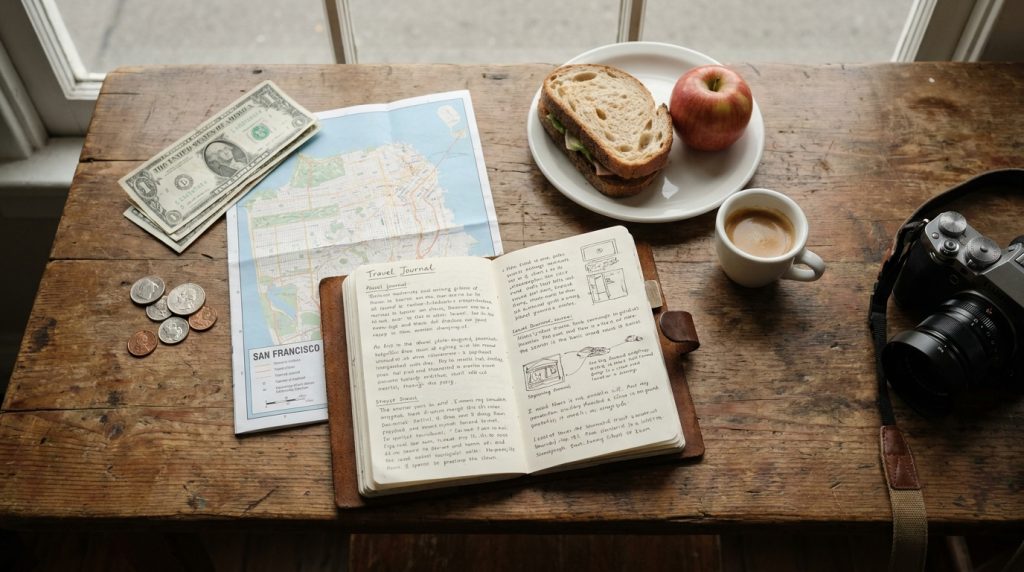
San Francisco rewards travelers who plan around its microclimates, hills, and neighborhood character — budget roughly $250-$400 a day for a mid-range trip in 2026. Know which fog rolls in by 4 p.m. in San Francisco and which cable car line means an hour’s wait. Those comparing neighborhoods and activities tend to open this where to stay in San Francisco before picking a neighborhood that matches the planned pace of the trip.
This guide gives you the costs, areas, and bookings that matter, so you spend time on the city instead of logistics.
Is San Francisco Worth Visiting in 2026?
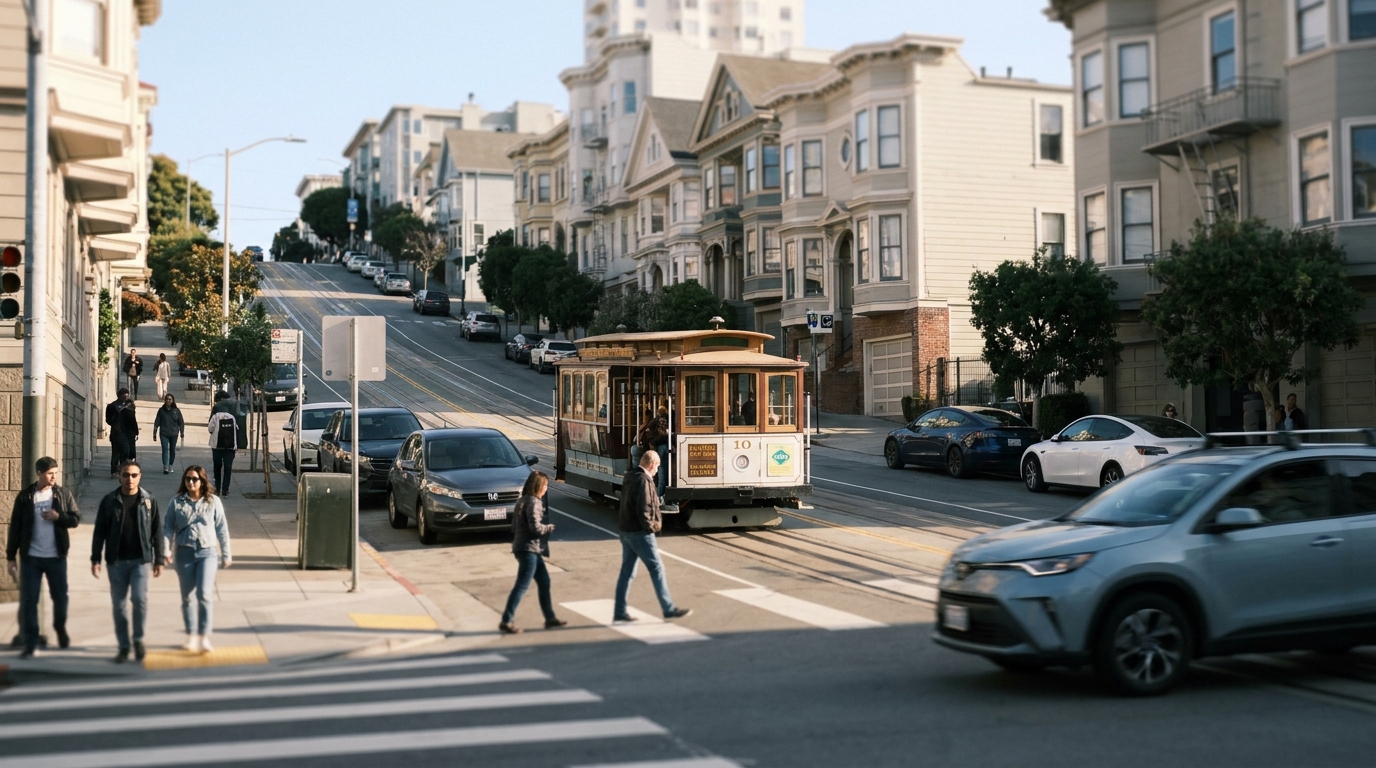
Yes — San Francisco packs world-class food, iconic views, and walkable neighborhoods into a compact footprint, and 2026 brings refreshed waterfront attractions and a cleaned-up downtown core. The city drew 24.1 million visitors in 2024, and recovery has continued into 2026. You’ll find shorter lines than pre-pandemic peaks and better hotel deals. Readers piecing together a schedule frequently reference this things to do in San Francisco before deciding which attractions are worth the time on a short visit.
What sets the city apart is density of experience. In one day you can ride a cable car, eat dim sum in the oldest Chinatown in North America, watch sea lions at Pier 39, and catch sunset over the Golden Gate Bridge. We’ve done that loop on foot and transit without renting a car.
The hills are real, though — pack shoes with grip, because some sidewalks turn into stair climbs. For a wider regional view, see our /california-coast-road-trip/ for pairing the city with Highway 1.
When’s the Best Time to Visit San Francisco?
Visit in September or October for the warmest, clearest weather — locals call it “secret summer” because the fog finally lifts. Daytime highs hit the low 70s F (21-23 C), and rain stays rare until November. Summer disappoints many first-timers: June through August is famously cold and gray, with Karl the Fog rolling in most afternoons.
Here’s how the seasons break down for planning, including rough hotel pricing and crowd levels.
| Season | Weather | Crowds | Avg Hotel/Night (2026) |
|---|---|---|---|
| Spring (Mar-May) | Mild, 60-65 F, some rain | Moderate | $210-$260 |
| Summer (Jun-Aug) | Cool, foggy, 60-68 F | High | $250-$310 |
| Fall (Sep-Oct) | Warm, clear, 68-74 F | High | $240-$300 |
| Winter (Nov-Feb) | Wet, 55-60 F | Low | $180-$230 |
If you’re chasing low prices, January and February deliver the cheapest rooms — just pack a rain shell. We’ve snagged mid-range hotels under $190 in winter that run $290 in October. Check live rates on Check live hotel prices before you commit, since rates swing with conference schedules at Moscone Center.
Find your San Francisco hotel on the map
Live prices from Booking & Airbnb — tap a pin to compare stays around Union Square and Fisherman’s Wharf and beyond.
Where Should You Stay in San Francisco?
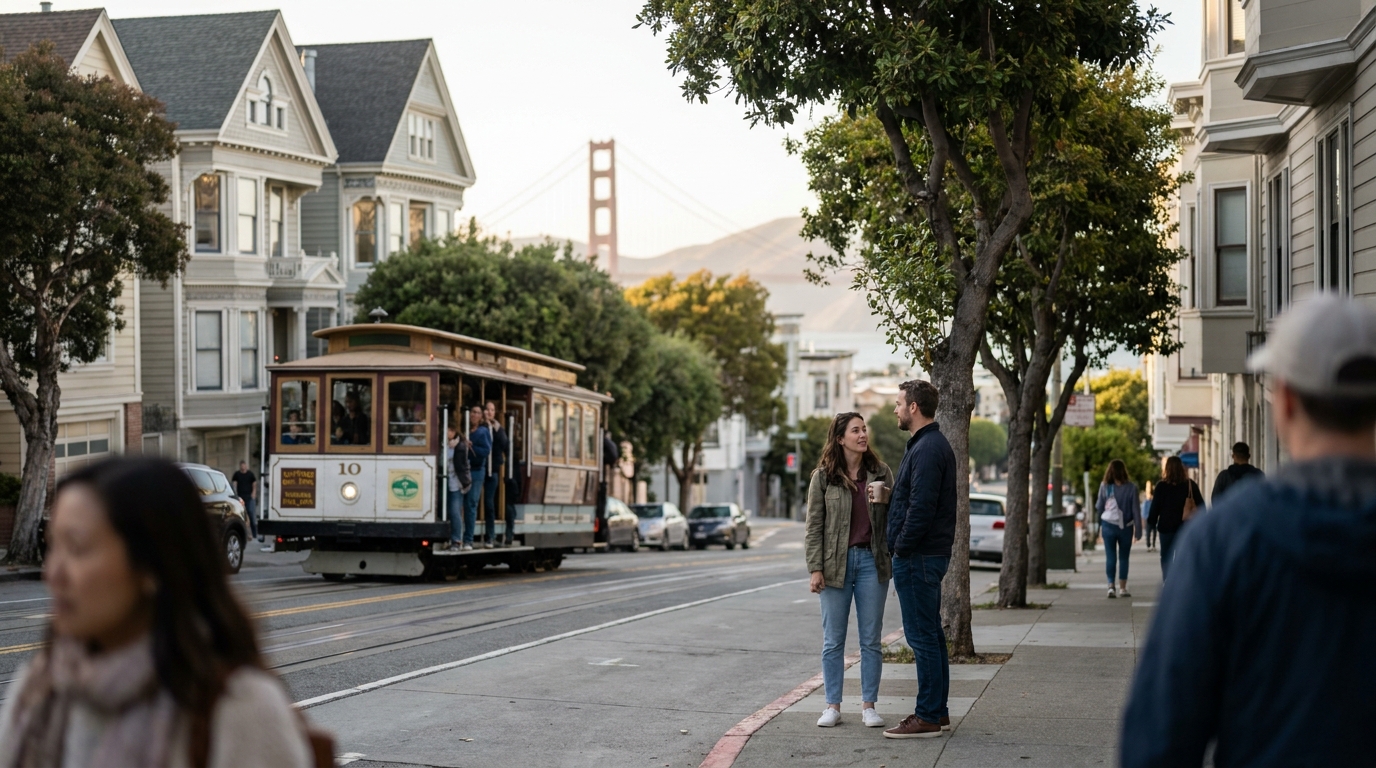
Stay in Union Square, Nob Hill, or the Marina for first-time visitors — these areas put you near transit, sights, and safe walking routes. Union Square sits at the city’s transit heart, with cable car lines and BART within blocks. Nob Hill offers classic hotels and quieter streets. The Marina trades central access for waterfront charm and great running paths.
Each neighborhood carries a distinct vibe and price band. We break them down below so you can match an area to your trip style.
| Neighborhood | Best For | Vibe | Nightly Range (2026) |
|---|---|---|---|
| Union Square | First-timers, shoppers | Central, busy | $200-$320 |
| Nob Hill | Couples, classic stays | Quiet, upscale | $250-$420 |
| Marina District | Outdoorsy travelers | Relaxed, scenic | $230-$340 |
| Mission District | Foodies, nightlife | Hip, lively | $170-$260 |
| Fisherman’s Wharf | Families | Touristy, convenient | $190-$300 |
We’d skip the Tenderloin for lodging despite cheap rates — the savings aren’t worth the late-night discomfort for most visitors. The Mission, by contrast, has become our pick for repeat travelers who want taquerias, murals, and a younger crowd. Browse verified guest reviews and filter by neighborhood on Check live hotel prices to lock the right base. For a deeper area breakdown, our /san-francisco-neighborhoods/ covers each district block by block.
How Do You Get Around San Francisco?
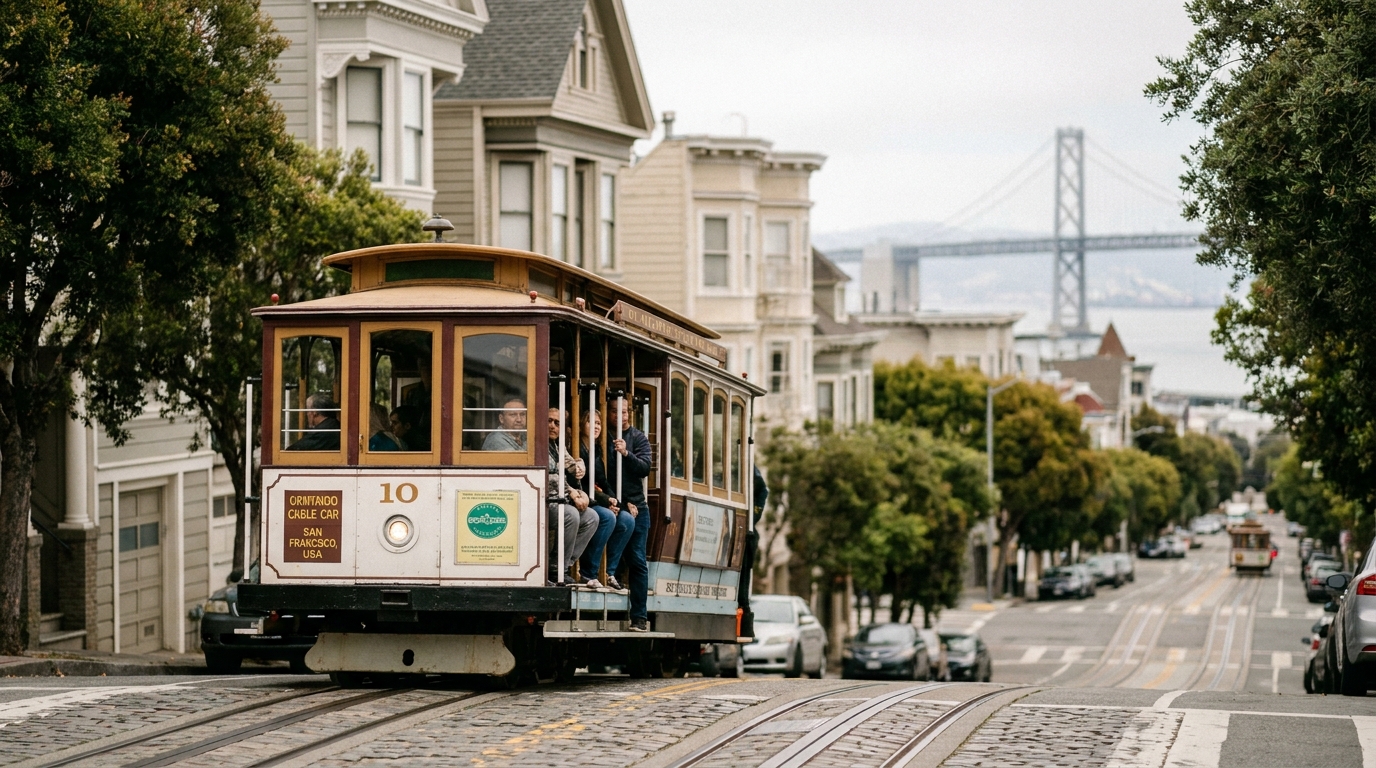
Use Muni buses, the metro, and cable cars for most trips — a single fare is $2.75, and a day pass is just $5.50 when loaded onto a Clipper card. You rarely need a car within the city. Parking runs $40-$60 a night at downtown garages, and street spots vanish fast. BART connects you to both airports and the wider Bay Area.
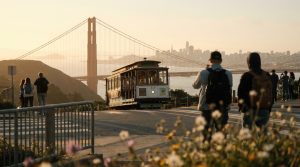
The Clipper card (physical or in Apple/Google Wallet) is the smart move — it auto-caps daily Muni spending and works across BART, Caltrain, and ferries. Cable cars cost $8 per single ride if you pay the conductor, so a day pass pays for itself the moment you ride one. Here’s a quick cost snapshot for 2026.
| Transport | Cost (2026) | Best Use |
|---|---|---|
| Muni single fare | $2.75 | Buses, metro |
| Muni day pass | $5.50 | Heavy transit days |
| Cable car single | $8.00 | The classic ride |
| BART to SFO | ~$10.30 | Airport transfer |
| Rideshare (3 mi) | $15-$25 | Late night, hills |
If you’re touring beyond the city — Napa, Muir Woods, Highway 1 — renting wheels makes sense. We compare rates across agencies on our live travel map and usually find a compact for $45-$65 a day outside peak summer. Just don’t drive it downtown; park it at your hotel and use transit in the core.
What Are the Top Things to Do in San Francisco?
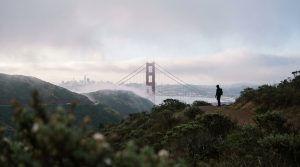
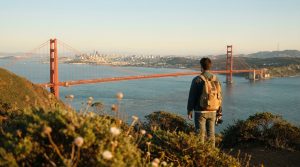
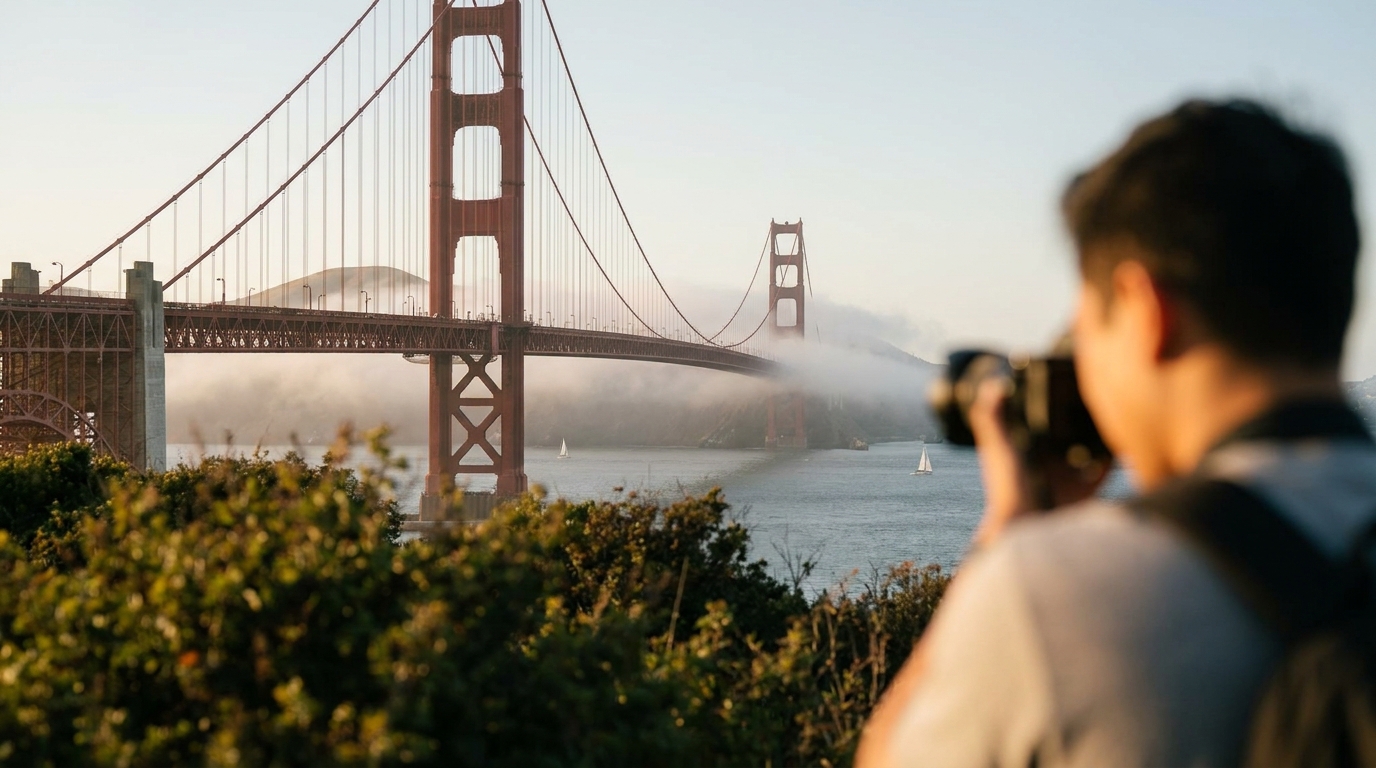
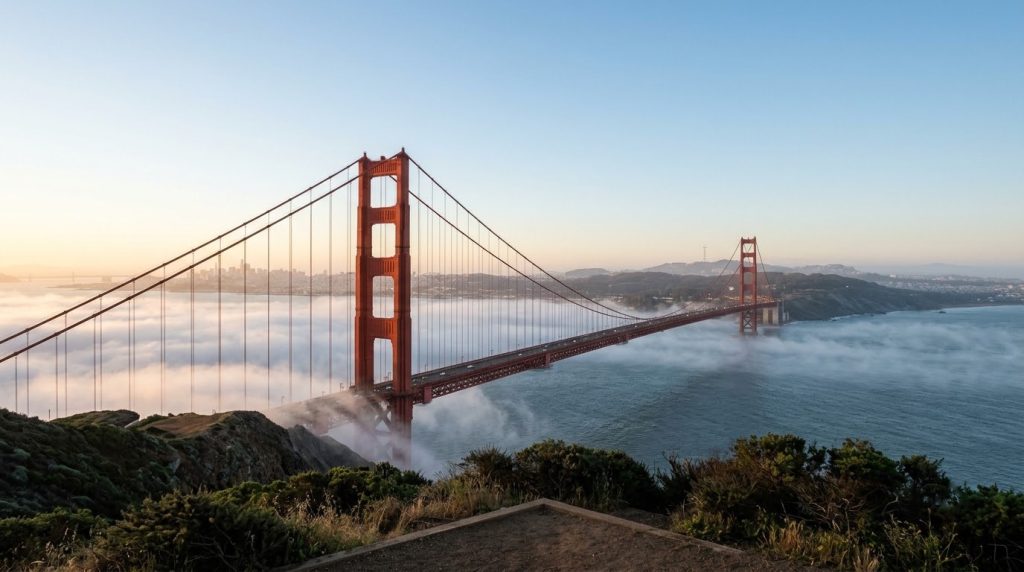
Start with the Golden Gate Bridge, Alcatraz, and a cable car ride — these three anchor any first visit and rarely disappoint. Alcatraz sells out days ahead in 2026, so book the official ferry early. The Golden Gate Bridge is free to walk or bike, with the best photos from Battery Spencer on the Marin side around golden hour.
Beyond the icons, the city layers culture, parks, and food into walkable clusters. Golden Gate Park alone holds the de Young Museum, the Japanese Tea Garden, and the California Academy of Sciences. Below are the experiences we send every first-timer toward.
| Attraction | Cost (2026) | Time Needed | Book Ahead? |
|---|---|---|---|
| Alcatraz Island tour | $47.30 adult | 2.5-3 hrs | Yes, days out |
| Golden Gate Bridge walk | Free | 1-2 hrs | No |
| California Academy of Sciences | $44.95 | 3-4 hrs | Recommended |
| de Young Museum | $20 | 2 hrs | No |
| Bay cruise | $38-$45 | 1 hr | Recommended |
For guided experiences — Alcatraz combos, Muir Woods day trips, food walks in Chinatown — we book through GetYourGuide and our live travel map and compare both for the same tour, since prices and inclusions differ. A skip-the-line bike-and-ferry combo across the Golden Gate runs about $65 and saves a whole afternoon of logistics. Our /san-francisco-3-day-itinerary/ maps these into a realistic walking order.
What Should You Eat in San Francisco?
Eat your way through the Mission’s taquerias, Chinatown’s dim sum halls, and the Ferry Building’s artisan stalls — the food scene rivals any U.S. city. A Mission burrito runs $12-$16 and feeds two light eaters. Dim sum at a Chinatown banquet hall lands around $25-$35 per person for a full table.
San Francisco invented or perfected several dishes worth seeking out. Sourdough bread, cioppino seafood stew, and the Mission burrito all trace roots here. The Ferry Building Marketplace, open daily, is our go-to for a relaxed grazing lunch with bay views. Expect to spend $20-$30 there per person.
For a sit-down dinner, mid-range spots average $35-$55 per head before drinks, while the city’s fine-dining rooms push past $150 with tasting menus. We balance trips with one splurge and several cheap, excellent ethnic meals. Food tours through GetYourGuide pair tastings with neighborhood history for around $89-$120 and cover four to six stops. Pair this with our /san-francisco-food-guide/ for specific restaurant picks by area.
Is San Francisco Safe and How Much Does a Trip Cost?
San Francisco is generally safe for tourists in well-traveled areas, but car break-ins are common and the Tenderloin warrants caution after dark. Never leave anything visible in a parked car — “bipping” (smash-and-grab) hit thousands of vehicles in recent years. Stick to Union Square, the Marina, North Beach, and the waterfront at night and you’ll be fine.
Budgeting depends heavily on your style. A backpacker can manage on $120-$150 a day with hostels and street food, while comfort travelers should plan $250-$400. Here’s a realistic daily breakdown for 2026.
| Travel Style | Lodging | Food | Activities/Transit | Daily Total |
|---|---|---|---|---|
| Budget | $50-$70 | $30-$40 | $30 | $120-$150 |
| Mid-range | $200-$260 | $60-$90 | $50-$70 | $310-$420 |
| Luxury | $400+ | $150+ | $120+ | $700+ |
We trim costs by buying a Muni day pass, eating one street meal daily, and booking refundable hotels early through Check live hotel prices to catch price drops. A CityPASS bundling four attractions saves around 45% versus separate tickets if you’re hitting the big museums. For staying connected affordably, an Airalo U.S. eSIM costs about $4.50 for 1GB and activates before you land — no hunting for a SIM kiosk.
Frequently Asked Questions
How many days do you need in San Francisco?
Three full days cover the icons comfortably — Alcatraz, the Golden Gate Bridge, cable cars, Chinatown, and Golden Gate Park. Add a fourth or fifth day if you want a Napa wine tour or a Muir Woods redwoods trip. We think four days hits the sweet spot for first-timers without rushing.
Do you need a car in San Francisco?
No — Muni transit, cable cars, and walking handle the city, and parking is expensive at $40-$60 nightly. Only rent a car for day trips beyond the city, like Napa or Highway 1. If you do rent, compare rates on Discover Cars and park it at your hotel during city days.
Is San Francisco expensive to visit?
Yes, it’s among the pricier U.S. cities — expect $250-$400 a day mid-range in 2026. Hotels and dining drive most of the cost. You can cut it to $120-$150 daily with hostels, transit day passes, and street food, especially if you visit in winter when rooms drop.
What’s the warmest month in San Francisco?
September is the warmest and clearest month, with highs in the low 70s F and little fog. October stays nearly as pleasant. Summer surprises visitors with cold, gray afternoons, so skip June through August if you want sun and pack layers regardless of season.
Is it safe to walk around San Francisco at night?
Yes in tourist areas like Union Square, North Beach, the Marina, and the waterfront. Avoid the Tenderloin and parts of SoMa after dark, and never leave valuables in a parked car. Use rideshare for late-night trips across town rather than walking unfamiliar blocks.
How far in advance should you book Alcatraz?
Book Alcatraz at least one to two weeks ahead, and earlier for summer and weekends — tours regularly sell out. Tickets release on the official ferry site and through platforms like GetYourGuide and Viator. The night tour costs more but books out fastest, so grab it early.
What’s the cheapest way to get from the airport to the city?
BART is cheapest at about $10.30 from SFO to downtown, taking roughly 30 minutes. From Oakland, BART runs similar. Rideshare costs $40-$70 depending on traffic and surge. We take BART every time unless we land after midnight when service stops.
Plan Your San Francisco Trip Now
San Francisco rewards a little planning — book Alcatraz early, grab a Clipper card, and target September or October for the best weather. We’ve laid out the costs, areas, and bookings that turn a good trip into a great one.
Start by locking your hotel on Check live hotel prices while rates are soft, then line up your Alcatraz and Golden Gate tours through GetYourGuide before the dates sell out. Your foggy, hilly, unforgettable city is waiting.