Best Time to Visit San Francisco: Month-by-Month Guide 2026
Disclosure: Some links in this guide are affiliate links. If you book or buy through them, we may earn a small commission at no extra cost to you — it helps keep our guides free.
- San Francisco’s warmest months are September and October, averaging 70F (21C) (National Weather Service, 2025)
- The city sees roughly 25.6 million visitors a year, with summer the most crowded season (SF Travel, 2025)
- “Fogust” is real: July and August are the foggiest months, with morning marine layer most days (NOAA, 2025)
- Average hotel rates drop about 20-30% in January-February versus the September peak (STR Hotel Data, 2025)
- Rain concentrates in December-March, averaging 4+ inches per month in winter (NWS, 2025)
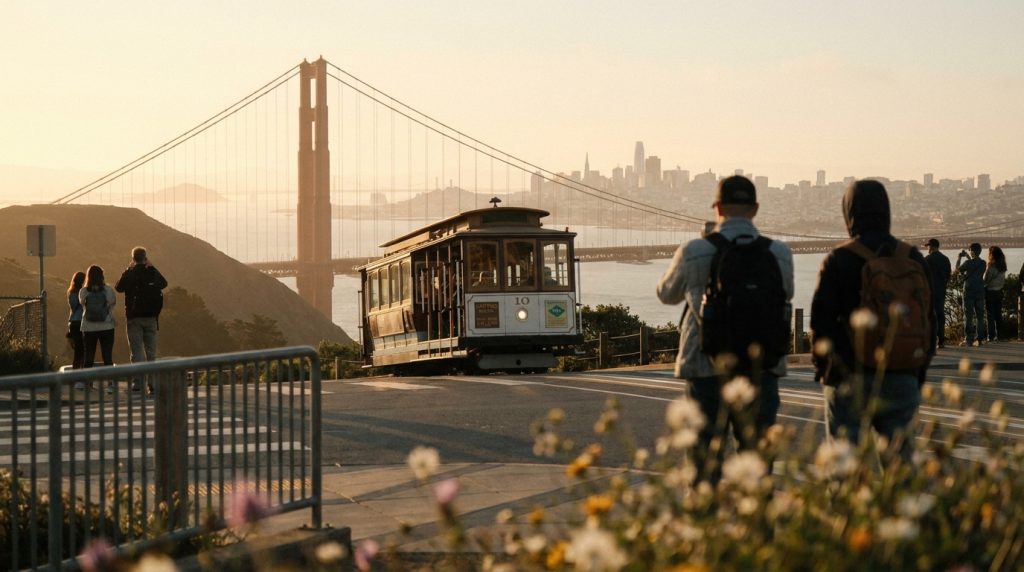
The best time to visit San Francisco is September through November, when the summer fog finally lifts, daytime temperatures reach a comfortable 65-72F, and crowds thin after Labor Day. We’ll break down every month so you can match your trip to the weather, prices, and events that matter to you. Travelers piecing together a broader trip can start with our travel guide to San Francisco for an overview of the destination.
What’s the overall best time to visit San Francisco?
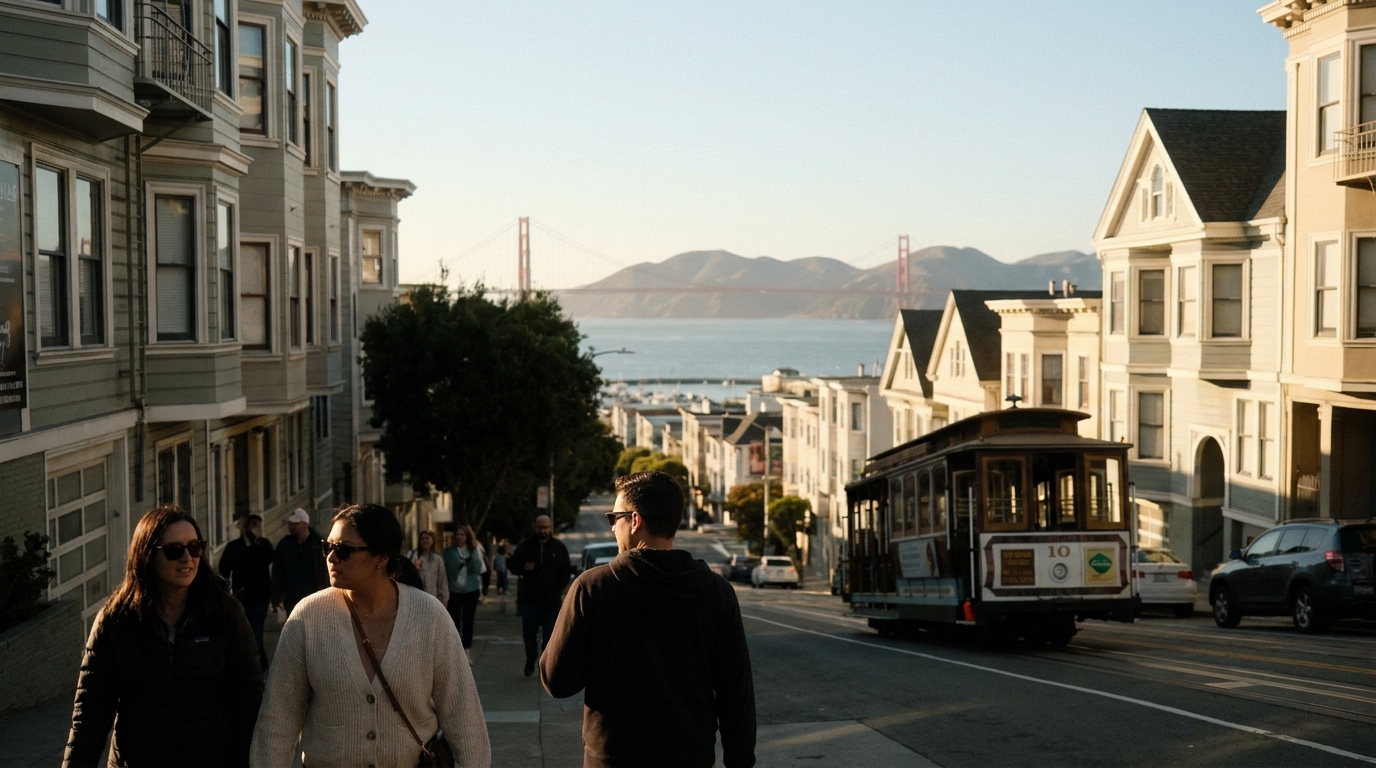
Fall wins. September and October give you the city’s warmest, clearest weather of the year, with daytime highs around 70F and far less fog than summer. You’ll also dodge the heaviest tourist crush that peaks in July. Spring (April-May) runs a close second for mild days and blooming parks.
San Francisco’s climate is famously contrarian. While most US cities bake in summer, the bay’s cold California Current pulls in fog that can drop July afternoons to the upper 50s. By autumn, that pattern breaks and the city enjoys its true warm season.
The trade-off is straightforward: fall gives you the best weather but moderate-to-high prices, while winter flips that equation. We tell first-timers to prioritize September-October and budget travelers to look hard at January-February. If you want to compare other West Coast timing, see our /best-time-to-visit-los-angeles/ guide, or weigh the two cities head to head in our /san-francisco-vs-los-angeles/ comparison.
What’s San Francisco weather like month by month?
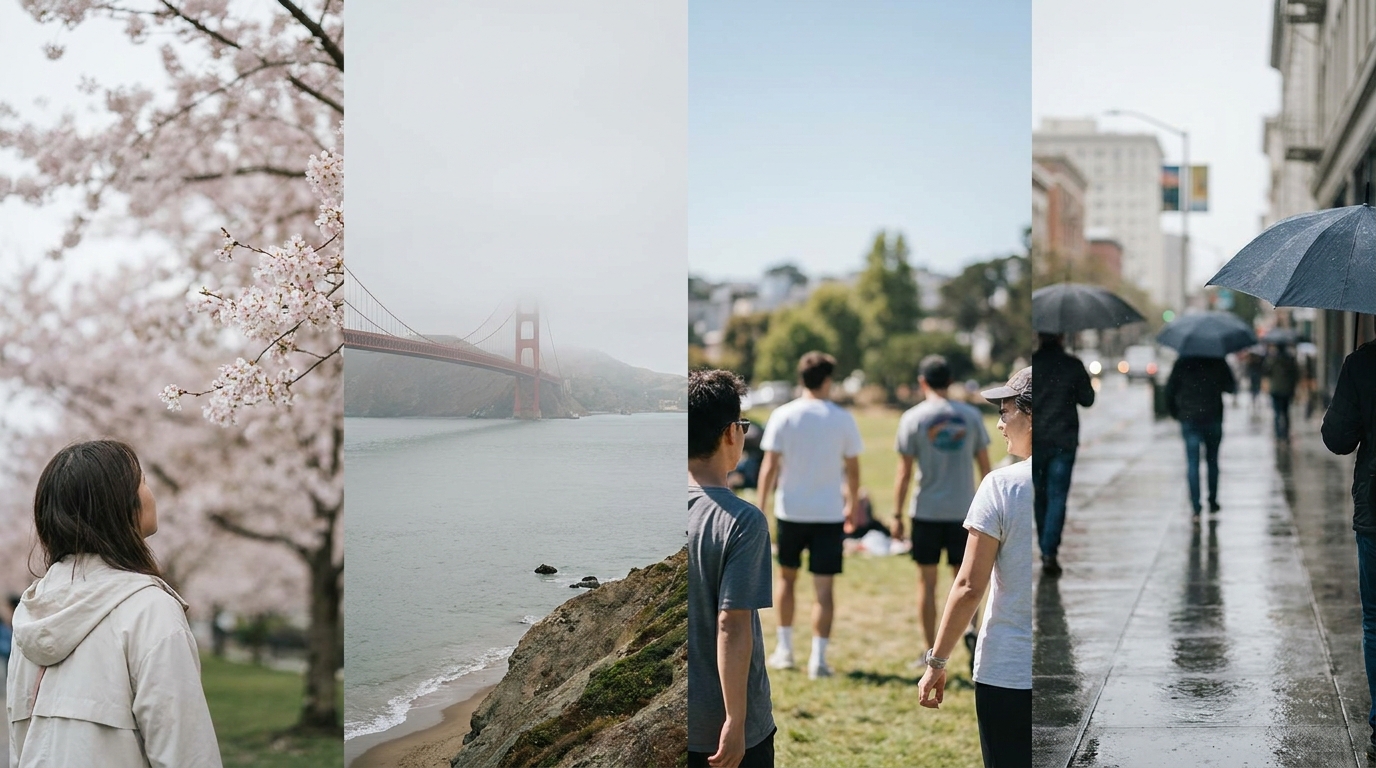
San Francisco stays mild all year — highs rarely top 75F or drop below 50F — but fog, rain, and wind shift dramatically by season. Here’s the quick reference so you can pack and plan right.
| Month | Avg High | Avg Low | Rain | Crowds |
|---|---|---|---|---|
| January | 57F | 46F | High | Low |
| February | 60F | 48F | High | Low |
| March | 62F | 49F | Moderate | Moderate |
| April | 64F | 50F | Low | Moderate |
| May | 66F | 52F | Very Low | High |
| June | 68F | 54F | Very Low | High |
| July | 67F | 55F | None | Peak |
| August | 68F | 56F | None | Peak |
| September | 71F | 56F | None | High |
| October | 70F | 54F | Low | Moderate |
| November | 63F | 50F | Moderate | Moderate |
| December | 57F | 46F | High | Moderate |
The takeaway: don’t trust the calendar. June through August feel cooler than September and October because of the marine layer. Always pack layers no matter when you come.
When is the cheapest time to visit San Francisco?
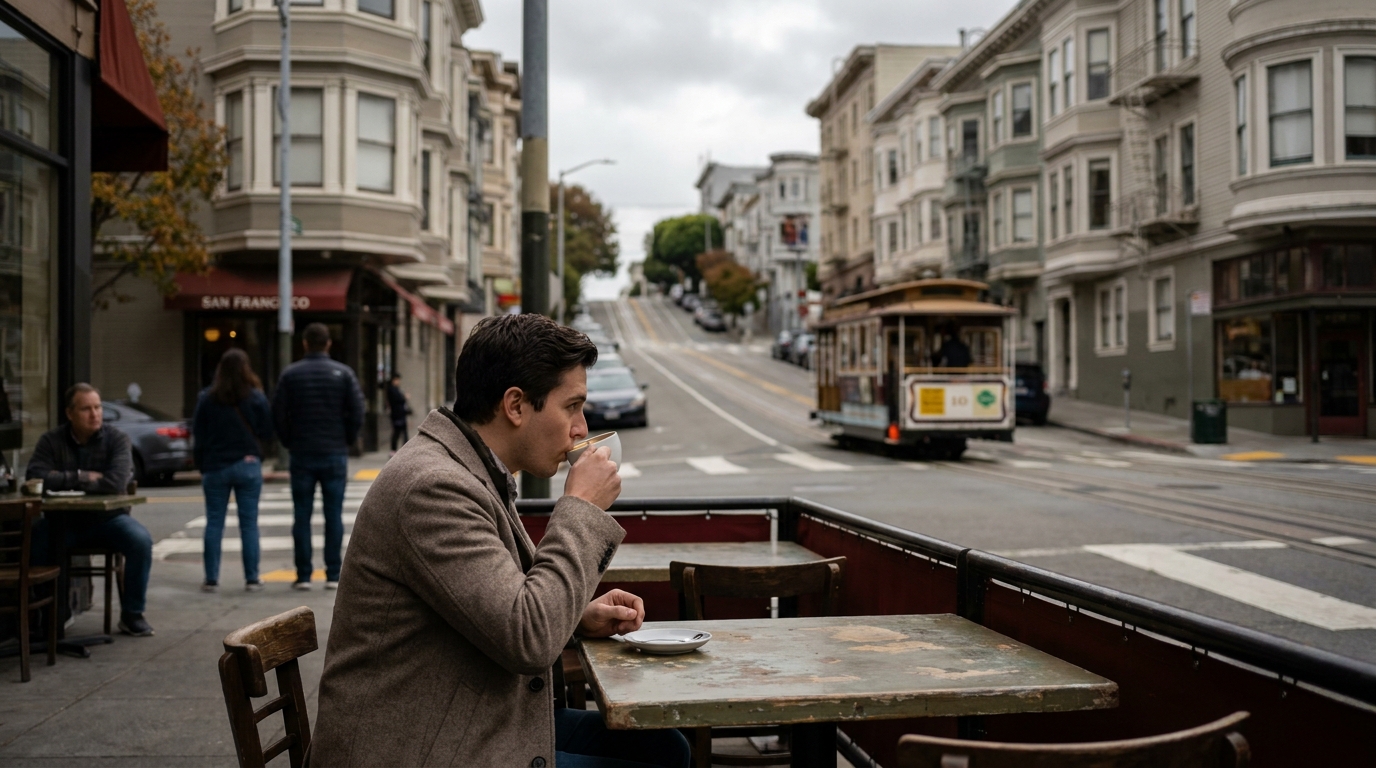
January and February are the cheapest months, with hotel rates running 20-30% below the fall peak. A mid-range downtown room that costs $280 a night in September often drops to $190-210 in deep winter. Airfare from major US hubs also dips after the holidays.
You’ll trade some weather for those savings — winter brings the heaviest rain and shortest days, with sunset before 5pm in December. But museums like SFMOMA and the de Young, the city’s restaurant scene, and indoor-friendly neighborhoods like the Mission stay just as good no matter the forecast.
Rain in San Francisco also tends to come in spells rather than all-day washouts, so you can usually plan walks around it. We track rates across dates on Booking.com so you can grab refundable rooms early and rebook if prices fall. Check current winter deals through Booking.com before you lock anything in. For more savings tactics, our /san-francisco-on-a-budget/ guide goes deeper.
When should you avoid visiting San Francisco?
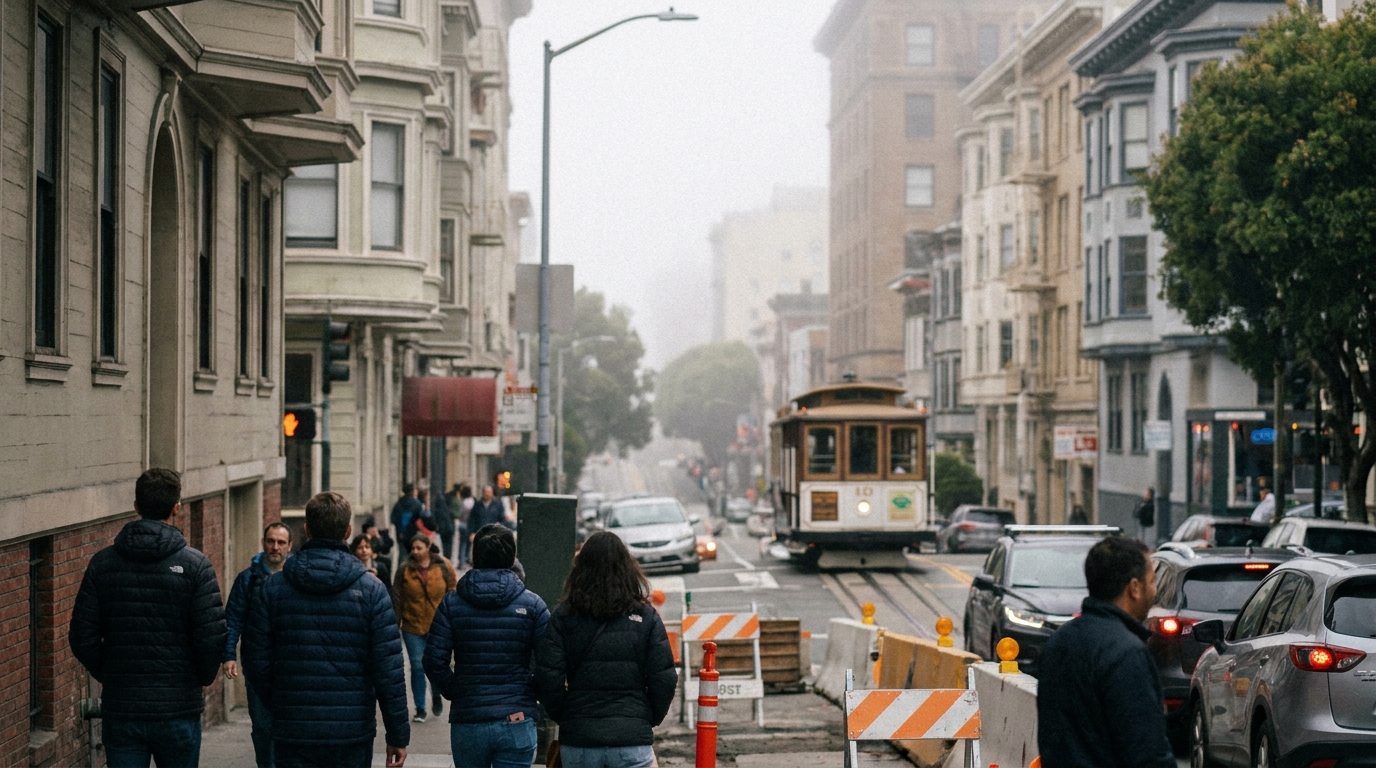
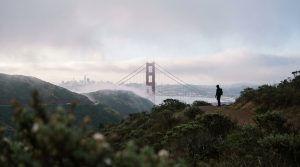
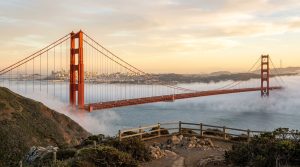
Skip the first half of summer if warm beach weather is your goal. July, in particular, is peak fog season — locals call it “Fogust” when it spills into August — and afternoons can feel raw and gray, especially near the coast and Golden Gate Bridge. It’s also the most crowded and expensive stretch for hotels.
That doesn’t make summer a bad trip; the fog usually burns off inland by midday, and neighborhoods like the Mission stay sunny while the coast stays gray. But if you’re picturing sunbathing at Ocean Beach or clear photos of the full Golden Gate Bridge, you’ll likely be disappointed by the marine layer.
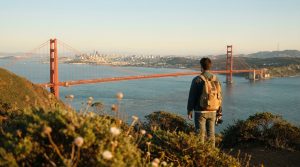
Time your visit for September instead and you’ll get the same long daylight hours with real warmth and reliable bridge views. The other window to weigh carefully is Thanksgiving week and the Christmas-to-New-Year stretch, when prices and crowds briefly spike against the otherwise quiet winter.
Find your San Francisco hotel on the map
Live prices from Booking & Airbnb — tap a pin to compare stays around Union Square and Fisherman’s Wharf and beyond.
What’s the best time for fewer crowds?
Late fall and midwinter deliver the smallest crowds. November (outside Thanksgiving week) through February sees the lightest tourist traffic, shorter lines at Alcatraz and the cable cars, and easier restaurant reservations. You’ll move through the city at a relaxed pace.
San Francisco hosts around 25.6 million visitors annually, and summer concentrates the heaviest share. Booking Alcatraz tickets weeks ahead is smart in any season since they sell out, but in winter you’ll often find same-week availability. We grab skip-the-line tours and Alcatraz combos through GetYourGuide, which lists timed slots you can filter by date.
What are the best months for events and festivals?
October is the city’s event powerhouse, headlined by Hardly Strictly Bluegrass — a free three-day festival in Golden Gate Park drawing hundreds of thousands — plus Fleet Week and Italian Heritage celebrations. June brings the massive SF Pride parade, one of the largest in the world.
Here’s a quick festival calendar so you can plan around the action.
| Event | Month | What to Expect |
|---|---|---|
| Chinese New Year Parade | February | One of the largest outside Asia |
| Bay to Breakers | May | 12K costumed footrace across the city |
| SF Pride | June | Huge parade, big crowds, book early |
| Outside Lands | August | Major music festival, Golden Gate Park |
| Hardly Strictly Bluegrass | October | Free, 750K+ attendees |
| Fleet Week | October | Blue Angels air show over the bay |
Event weekends spike hotel demand, so book lodging the moment your dates firm up. We’ve watched Outside Lands and Pride weekends sell out budget rooms a month ahead.
How many days do you need in San Francisco?
Three to four days hits the sweet spot. That’s enough to cover the marquee sights — Alcatraz, the Golden Gate Bridge, Fisherman’s Wharf, and a couple of neighborhoods like the Mission and Haight — without rushing. Add a day or two if you want a wine-country or Muir Woods side trip.
Where you sleep matters too, and our guide to staying safe in San Francisco explains why a few Tenderloin blocks are the main thing to avoid after dark.
A long weekend works if you’re tight on time, but you’ll be choosing between attractions rather than seeing them all. Two days barely covers Alcatraz and the waterfront; five days lets you slow down and add Sausalito, Napa, or the redwoods at Muir Woods. For a full day-by-day breakdown, see our /san-francisco-3-day-itinerary/ guide.
If you’re tacking on a road trip, renting wheels makes those day trips painless — we compare rates on Discover Cars to find the cheapest pickup near SFO, though we’d skip a car for a city-only stay since parking is pricey and transit is solid. And our /where-to-stay-in-san-francisco/ neighborhood breakdown helps you pick the right base for your dates.
Related guide: 25 Best Things to Do in San Francisco 2026
Frequently Asked Questions
Is San Francisco warm in summer?
Not the way most US cities are. Summer highs hover around 67-68F, and persistent fog can make July and August afternoons feel chilly, especially near the coast. The real warmth arrives in September and October, when highs reach 70-71F and the fog finally clears for weeks at a time.
What month has the best weather in San Francisco?
September is the single best month. You’ll get the year’s warmest temperatures, averaging 71F, almost no rain, and minimal fog after the summer marine layer breaks down. October runs a very close second with similar warmth and slightly cooler evenings.
When is San Francisco least crowded?
The stretch from November (excluding Thanksgiving) through February is quietest. Tourist numbers drop sharply after summer, so you’ll find shorter lines at Alcatraz and cable cars, easier dinner reservations, and hotel rates 20-30% below the fall peak. Winter rain is the trade-off.
What should I pack for San Francisco?
Layers, always. Even in summer, a light jacket or sweater is essential because temperatures swing fast between sunny inland blocks and foggy coastal ones. Bring comfortable walking shoes for the hills, and add a rain shell if you’re visiting December through March.
Does it rain a lot in San Francisco?
Rain is highly seasonal. December through March is the wet season, averaging 4+ inches a month, while June through September stays almost completely dry. If you want to avoid umbrellas entirely, plan for the late-spring-to-early-fall window.
Is fall a good time to visit San Francisco?
Fall is the best time, full stop. September and October combine the warmest weather, clearest skies, and the city’s busiest event calendar, including Hardly Strictly Bluegrass and Fleet Week. Crowds also thin after Labor Day, making it easier to book tours and tables than in peak summer.
When is the cheapest time to fly to San Francisco?
January and February typically offer the lowest airfares and hotel rates, often 20-30% below September prices. The weeks right after New Year’s are especially cheap as holiday demand collapses. Book midweek arrivals and departures to shave costs further.
Final word: time your trip right
San Francisco rewards travelers who plan around its quirky microclimate. Aim for September or October for the best mix of warmth, clear skies, and events; choose January or February if your budget matters more than sunshine. Whatever dates you pick, layer up and book the big-ticket sights early.
Ready to lock it in? Compare flexible, refundable hotel rates on Booking.com, line up your Alcatraz and bridge tours on GetYourGuide, and sort a rental car through Discover Cars if you’re adding day trips. Set your dates, and the rest of the city is yours.