How Many Days in Tokyo? (2026)
Disclosure: Some links in this guide are affiliate links. If you book or buy through them, we may earn a small commission at no extra cost to you — it helps keep our guides free.
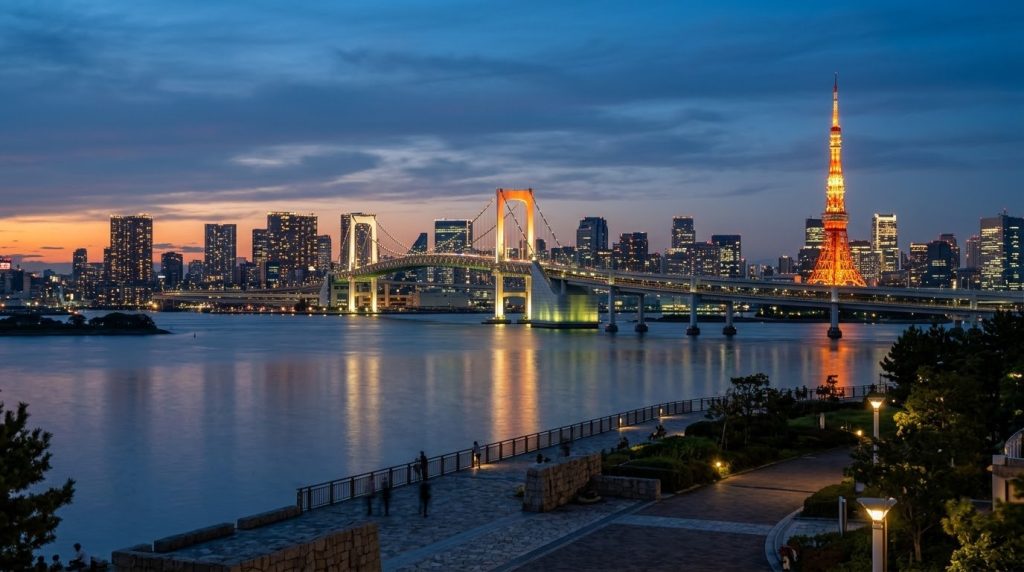
The direct answer to how many days in Tokyo you need is 4 days for a first visit, stretching to 7 days if Hakone or Nikko day trips join the list. Two to three days suits a layover before Kyoto or Osaka, while 5 to 7 days suits travelers who want a slower pace plus at least one day trip.
| Trip length | What you fit in | Who it suits | Approx cost/person (USD) |
|---|---|---|---|
| 2 days | Senso-ji, Shibuya Crossing, Meiji Shrine, one paid attraction | Layover or add-on before Kyoto/Osaka | USD 190-440 |
| 3 days | Above plus teamLab, Tsukiji, Ginza or Ueno | Short-PTO first-timers | USD 280-660 |
| 4 days | Full loop: Asakusa, Shibuya/Shinjuku, teamLab/Ginza, Mt Fuji or theme park | Most first-time visitors | USD 462-641 |
| 5-7 days | Everything above plus 1-2 day trips and slower neighborhoods | Repeat visitors, day-trippers, no rush | USD 1,500-4,500 |
Tokyo in 2 days
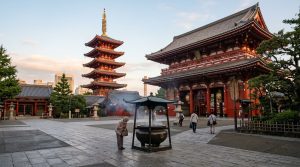
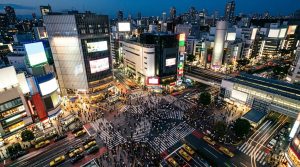
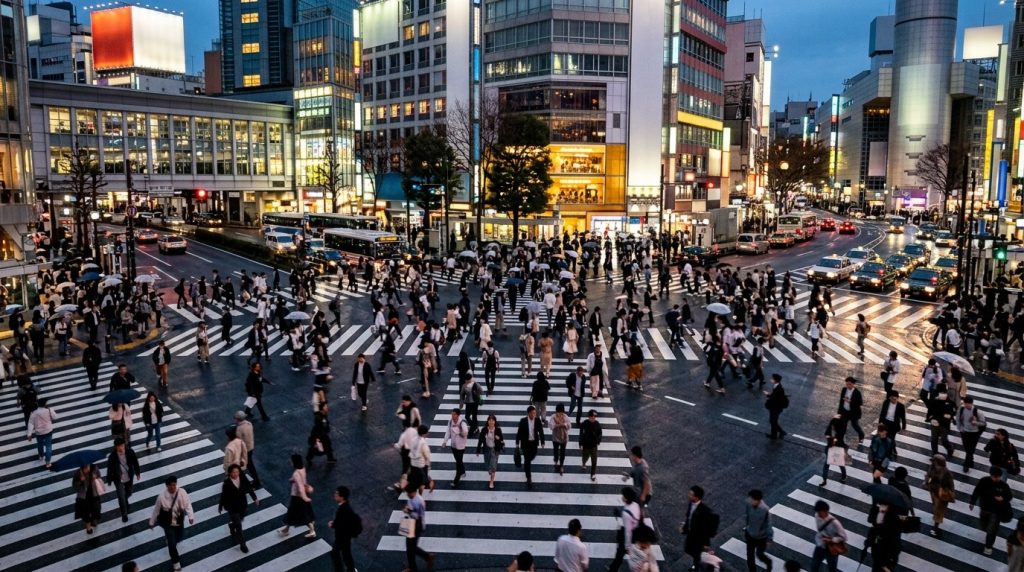
Two days covers the free landmarks: Senso-ji Temple, Shibuya Crossing, and Meiji Shrine with Yoyogi Park all cost nothing to enter. Add one paid viewpoint, Tokyo Skytree at JPY 2,100 (USD 13, converted at USD 1 = JPY 156, September 2026) or Tokyo Tower at JPY 1,200 (USD 8), and the itinerary already feels complete for a first taste.
This length suits travelers using Tokyo as a stopover before Kyoto or Osaka, or anyone combining a short business trip with a couple of leisure days. Two days is too tight for a day trip outside the city, so keep the plan inside the Yamanote Line loop.
Base the hotel in Shinjuku or Asakusa on this length, since both sit close enough to the loop that transit time never eats into sightseeing hours. The full attraction list with current prices is in the best things to do in Tokyo guide.
Tokyo in 3 days
Three days adds one full neighborhood plus a paid cultural experience. teamLab Planets at JPY 3,800 (USD 24) or the Ghibli Museum in Mitaka at JPY 1,000 (USD 6) fit well on day two, and Tsukiji Outer Market or Ginza cover day three.
This length works for travelers with limited paid time off who still want breathing room between temples, markets, and neon streets. Three days is not enough for a Mt Fuji or Hakone side trip, since either one consumes a full day round-trip from central Tokyo.
Spreading three days across only two or three neighborhoods, rather than trying to touch five, keeps transit time down and leaves room for a slower dinner in Ginza or Ebisu on the final night.
Tokyo in 4 days – the length most visitors should pick
Four days is the length most first-time visitors should pick, because it fits one full day trip without rushing the city itself. A proven split: Asakusa and Tokyo Skytree on day one, Shibuya and Shinjuku on day two, teamLab and Ginza on day three, then Mt Fuji or an alternative on day four.
Total spend on this pace runs JPY 72,000-100,000 per person, roughly USD 462-641, covering food, transport, and mid-range attractions but not the hotel. The full day-by-day breakdown, including transit routes between each stop, is in the 4-day Tokyo itinerary.
Tokyo in 5 to 7 days
Five to seven days is the range for travelers who want at least one day trip without cutting neighborhoods from the core city plan. This length adds slower areas like Kichijoji or Shimokitazawa, plus room for a rest day between packed sightseeing days.
Full-week costs excluding flights run USD 1,500-2,200 for budget travelers and USD 3,000-4,500 for mid-range travelers, according to the Tokyo budget guide. Anyone planning both Hakone and Kamakura on the same trip should lean toward 7 days rather than 5, since each day trip effectively removes a full day from the Tokyo itinerary.
Mistakes that quietly cost a day
A few planning mistakes don’t ruin a Tokyo trip outright, but they do eat a day that was supposed to be spent somewhere else, usually because an attraction everyone assumes is walk-up actually isn’t.
The Ghibli Museum in Mitaka is the clearest example: every ticket is sold in advance only, with no admission sold at the museum itself, and each month’s full allocation goes on sale at 10:00 Japan time on the 10th of the preceding month.
Weekend and holiday slots for popular months routinely sell out within that first release, though weekday slots can still turn up closer to the date. A trip planned without checking this first can arrive in Tokyo to find the Ghibli Museum slot for the whole stay is already gone.
teamLab Planets works on the same no-walk-up model. Tickets are not sold at the entrance or from a vending machine on site, every admission is a timed slot booked online in advance, and each month’s dates typically open roughly two months ahead of the visit.
Entrance Pass holders can shift their booked time a couple of hours before admission if plans change, but there’s no buying a ticket on the day itself if nothing was booked beforehand.
The other common mistake is assuming a Japan Rail Pass covers getting around Tokyo day to day.
It covers the JR Yamanote loop line and other JR East services, which is genuinely useful, but it does not cover the Tokyo Metro or Toei Subway networks that reach most neighborhoods off the Yamanote line – Shibuya’s back streets, most of Asakusa’s side routes, and plenty of the city’s best food and shopping areas need a separate fare or pass on top of the Rail Pass rather than being included in it.
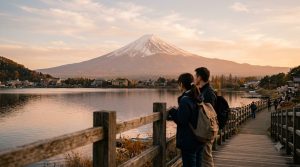
A day trip booked specifically to see Mount Fuji comes with its own odds, not a guarantee.
Fuji City’s own observation data for 2025 put the mountain fully or partially visible on 231 days of the year, around 63%, with a sharp seasonal swing: February reached a 79% full-visibility rate and the winter months generally stayed in the 60% range, while June, July and August dropped to single digits because of cloud cover and summer humidity.
Booking the Mt Fuji day for the final flexible day of the trip, rather than a fixed date early on, gives some room to shift around the weather rather than locking in a day that turns out cloudy.
Why day trips change the answer
“Days in Tokyo” and “days based in Tokyo” are different questions, and day trips are the reason. Kamakura is the closest option, roughly 55 minutes each way on the JR Yokosuka Line, so it can work as a half-day add-on.
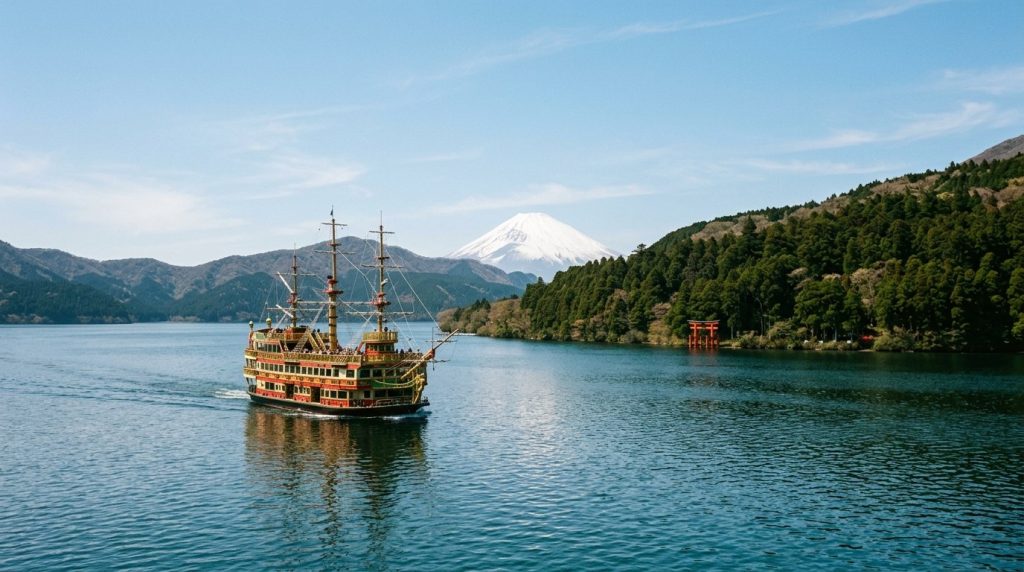
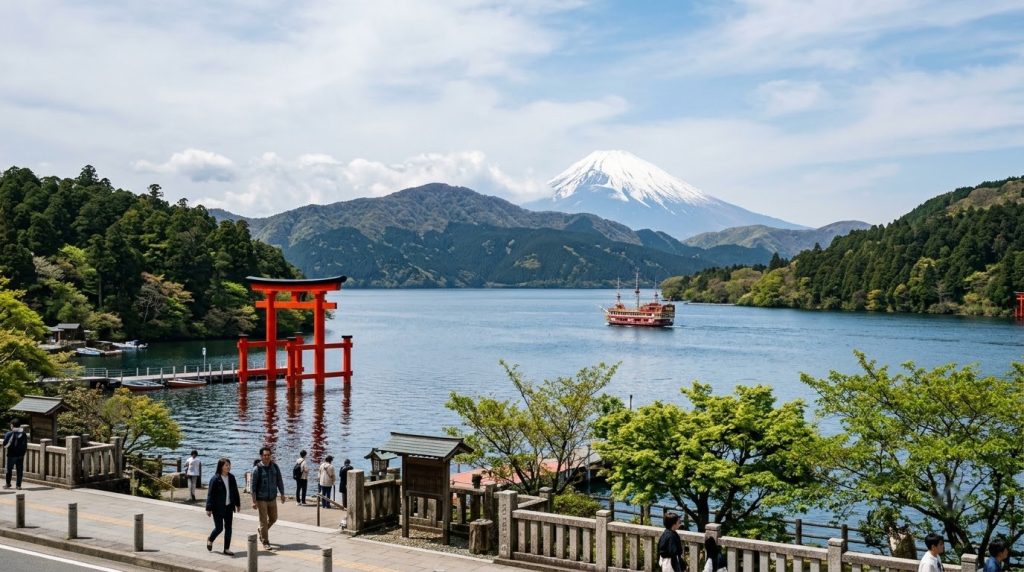
Hakone takes about 85 minutes each way on the Odakyu Romancecar, or close to 2 hours on slower connecting trains, which makes it a full-day commitment once time in Hakone itself is added.
Nikko sits furthest out, around 2 hours each way by Shinkansen and local line, so a Nikko trip realistically uses an entire day with little time left for anything else.
Entry costs for these three run JPY 4,500 (USD 29) for the Kamakura Great Buddha area, JPY 9,000 (USD 58) for a Hakone hot-spring day, and JPY 10,500 (USD 67) for the Nikko UNESCO shrine sites.
Anyone planning two day trips needs to add two full days to the “how many days in Tokyo” total, not squeeze them into the base itinerary.
When fewer days is the right answer
Fewer days is the right answer when Tokyo is one stop on a multi-city Japan trip rather than the only destination. A traveler splitting two weeks between Tokyo, Kyoto, and Osaka gets more value from 3 days in Tokyo and the rest spread across the other two cities.
Fewer days also fits a tight budget, since every extra day adds another USD 90-220 in food, transport, and paid attractions on top of the hotel. Repeat visitors who already covered the major landmarks can compress future trips to 2 or 3 days and focus on one neighborhood or one specific day trip instead of re-covering the whole city.
Travelers with limited annual leave who still want to see both Tokyo and Mt Fuji sometimes do better with 3 focused days than a rushed 5-day plan that tries to fit day trips on top of an already packed city schedule.
How to decide – quick cheat sheet
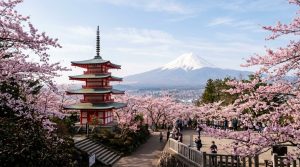
– First trip to Japan, no day trips planned: choose 4 days. – Tokyo is a stopover before Kyoto or Osaka: choose 2 days. – One day trip wanted, most likely Kamakura: choose 5 days. – Two day trips wanted, such as Hakone plus Nikko: choose 7 days. – Total trip budget is under USD 500 for Tokyo: choose 2-3 days. – Visiting during cherry blossom season (late March to early April): book hotels first, then fix the day count around availability, since rates in central Tokyo can exceed USD 1,800 a night at peak demand.
What a short-trip subway pass actually costs
For a 2 to 4 day trip sticking mostly to central Tokyo, the Tokyo Subway Ticket is usually the simplest way to cover the gap the Rail Pass leaves, since it runs on unlimited rides across the Tokyo Metro and Toei Subway network rather than being charged per trip.
The ticket comes in three durations: 24 hours at JPY 1,000 (USD 6), 48 hours at JPY 1,500 (USD 10), and 72 hours at JPY 2,000 (USD 13), with each duration counted from first use rather than the calendar day.
It does not cover JR lines, including the Yamanote loop, so a trip mixing JR stops with subway-heavy days may still need a Suica or Pasmo IC card topped up separately for the JR legs.
For a 2-day stopover doing a handful of subway rides, the 24-hour ticket is usually cheaper than paying per ride on a Suica card; for a 4-day stay covering several neighborhoods a day, the 72-hour version is the better value of the three, though a loaded Suica or Pasmo card remains the simpler single option for a longer trip that also needs to pay for JR rides, convenience-store snacks, and vending machines on the same card.
The subway ticket and an IC card aren’t mutually exclusive either – a common pattern for a short trip is buying the 72-hour subway ticket for the subway-heavy middle days, then switching to a Suica or Pasmo loaded with a smaller amount for any one-off JR rides, airport transfers, or the day trips described above, which usually run on JR or private lines the subway ticket doesn’t touch at all.
Working out which days are subway-heavy versus JR-heavy before the trip, rather than mid-trip, avoids buying a pass that barely gets used.
Where to stay for a short Tokyo trip
Shinjuku is the strongest base for a short trip, since it connects to 12 train lines plus the Narita Express, cutting transit time on every side of a tight itinerary. Asakusa runs 30-40% cheaper than Ginza while staying close to Senso-ji and the Skytree, which suits budget-focused 2-4 day trips.
Shibuya costs 20-30% more than Shinjuku but places nightlife and Shibuya Crossing within walking distance, which matters more on a 2-day trip where every transit minute counts. The average nightly rate across central Tokyo hit JPY 22,180 (USD 142) in late 2025, up 18% year on year, so booking early matters more on a short trip where dates are fixed. Full neighborhood-by-neighborhood pricing is in the Tokyo hotels guide.
Find your Tokyo hotel on the map
Live prices from Booking, Airbnb and more — move the map or change dates to compare stays around Tokyo.