Disclosure: Some links in this guide are affiliate links. If you book or buy through them, we may earn a small commission at no extra cost to you — it helps keep our guides free.
The 30-second version
Big city, easy base: Osaka had an estimated 2,816,247 residents in October 2025 (Wikipedia, 2025).
Airport is close: Kansai International sits about 38 km southwest of Osaka Station and handled 34.1 million passengers in 2025 (Wikipedia, 2025).
Weather: The rainy season averages June 7 to July 21, and August highs average 33.7 C (92.7 F) (Wikipedia, 2025).
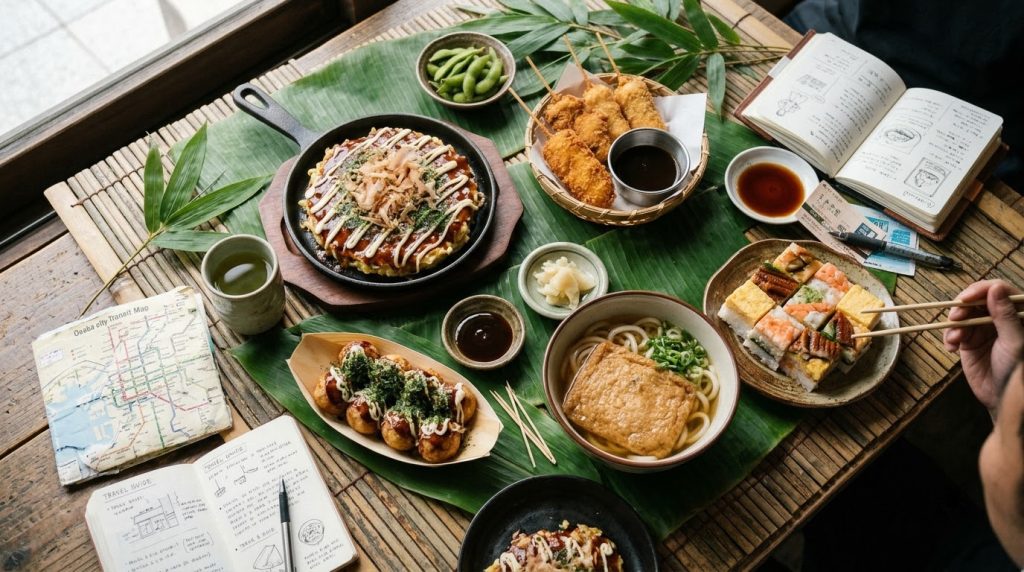
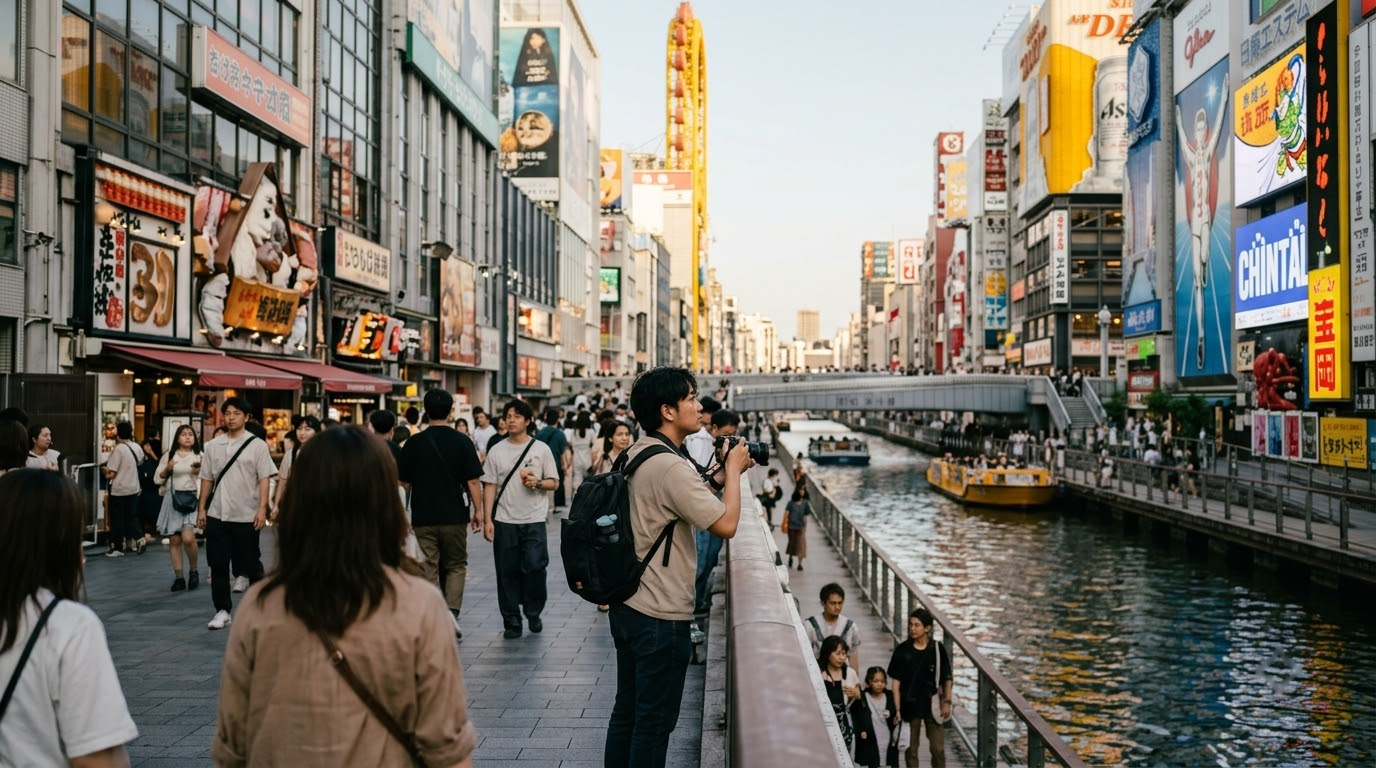
Food first: Takoyaki and okonomiyaki are the signature regional dishes, and Dotonbori is considered the heart of the city (Wikipedia, 2025).
Transit scale: Osaka Metro carries over 912 million riders a year, ranking 8th worldwide (Wikipedia, 2025).
From airport38 kmKansai Intl, southwest of Osaka Station
Rainy seasonJune 7 to July 21averages; August highs average 33.7
Metro912 million riders/yrranks 8th worldwide
Population2,816,247estimate, October 2025
Osaka is Japan’s loud, friendly, food-obsessed second act. It is a big port city with a canal-side entertainment district, a hilltop castle, and a reputation for eating well and spending less than in Tokyo. Locals even have a saying for it, “Osaka wa kuidaore,” roughly “eat until you drop.”
This guide is the overview: when to go, how to arrive, how to move around, where to base yourself, and what to eat. Each topic links to a deeper guide so you can decide fast and book with confidence.
Affiliate Disclosure: Some links in this guide are affiliate links. If you book through them, we earn a small commission at no extra cost to you. We only recommend services we genuinely trust. Learn more.
Is Osaka Worth Visiting?
For most first-time Japan visitors, yes. Osaka offers a different tempo from Tokyo and Kyoto: louder, more casual, and built around eating. The city covers about 225 square kilometers (Wikipedia, 2025), yet its main sights cluster along a few train lines, so you spend less time commuting than the size suggests.
Osaka works best if you like street food, nightlife, and an easygoing urban feel. It is weaker if you want quiet temples and traditional streetscapes, which are Kyoto’s strengths. Many travelers pair the two cities, using Osaka as a base for the wider Kansai region.
If you are still deciding, read is Osaka worth visiting for a fuller pros-and-cons breakdown. If you are choosing between cities, Osaka vs Kyoto and Osaka vs Tokyo compare costs, pace, and what each does best.
Osaka also suits repeat visitors. Its castle, shrines, markets, and entertainment districts reward a second trip, and the region around it adds new options each time.
Best Time to Visit Osaka
Osaka has a humid subtropical climate. Winters are cool and summers are hot and sticky, so the shoulder seasons are the easiest for walking-heavy days.
The coldest month is January, with an average daily high of 9.7 C (49.5 F). August is the hottest, with an average high of 33.7 C (92.7 F) and a low of 25.8 C (78.4 F). The rainy season, called tsuyu, averages June 7 to July 21. The city receives about 1,338 mm of precipitation and about 2,049 hours of sunshine in a typical year (Wikipedia, 2025).
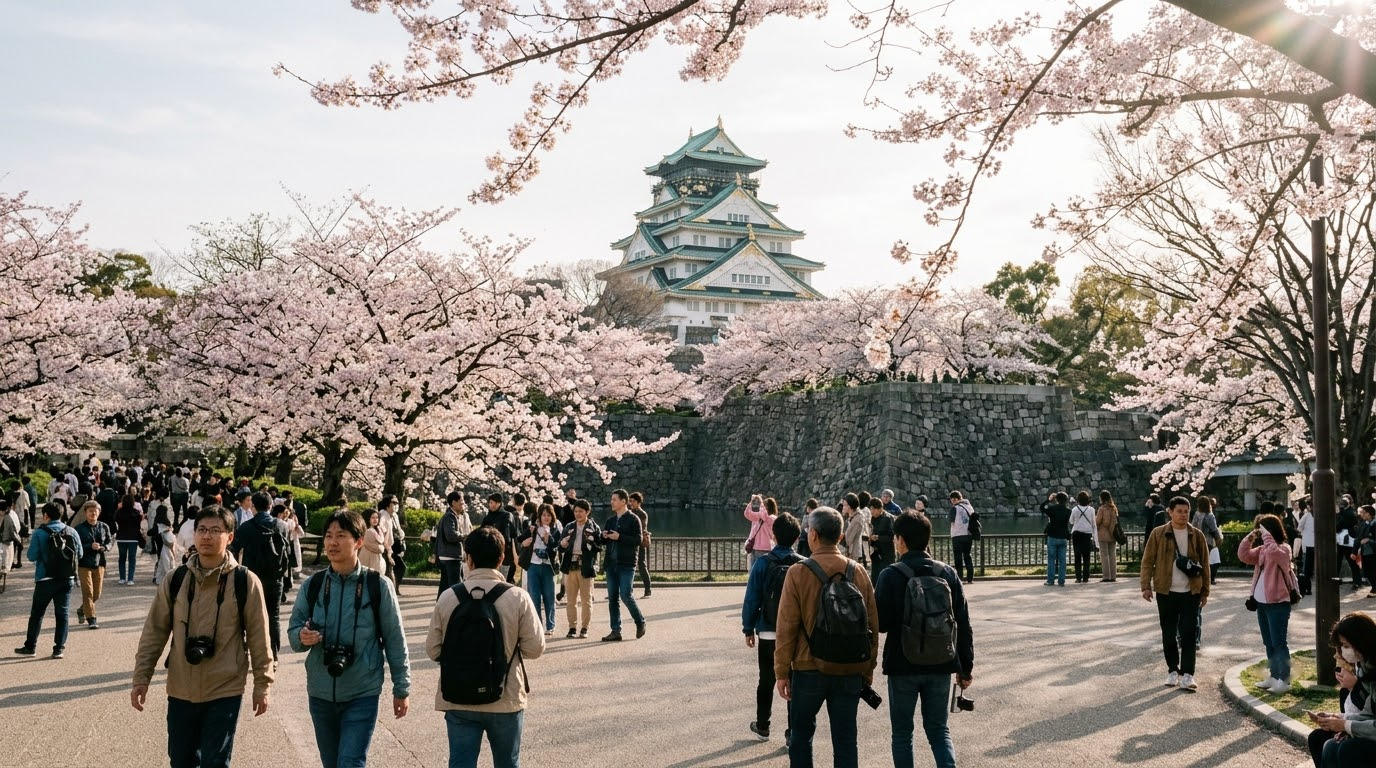
Spring and autumn are the most comfortable for sightseeing, and they are also the busiest and priciest for hotels. Summer is workable if you plan indoor breaks and early starts. Winter has the thinnest crowds and the cheapest rooms.
Our detailed guide to the best time to visit Osaka covers festivals, cherry blossom timing, and crowd patterns month by month.
How to Get to Osaka
Most international visitors land at Kansai International Airport, which sits about 38 km southwest of Osaka Station. It handled 34.1 million total passengers in 2025, including 27.5 million on international flights (Wikipedia, 2025).
Rail is the standard way into the city. The Nankai Airport Line and the Kansai Airport Line both serve the airport station. Check current timetables and fares on the operators’ official sites before you travel, because fares and express options change.
From Tokyo and other cities, the Shinkansen bullet train arrives at Shin-Osaka Station, which connects to the city metro and local rail. Domestic flights are a second option, though the train is usually simpler once you count airport transfers.
Plan arrival around luggage. If you are carrying large bags, take a direct airport train to a station near your hotel instead of changing lines at rush hour.
Getting Around Osaka
The metro is the backbone of local transport. Osaka Metro ranks 8th in the world by ridership, with over 912 million riders annually, and it forms a small part of a wider regional rail network of more than 70 lines (Wikipedia, 2025).
For visitors, that means almost every major sight is within a short metro or train ride of Umeda in the north or Namba in the south. A rechargeable IC card (such as ICOCA or Suica) lets you tap through gates on metro, trains, and many buses without buying tickets each time.
Walking is the best way to experience Namba, Dotonbori, and Shinsaibashi, which sit within a short stroll of each other. Taxis are available but rarely necessary.
Passes can save money if you plan many attractions. The tourism bureau lists several travel passes, including the Osaka e-pass, on its official site (2026), but you should confirm current prices and inclusions there before buying.
Top Things to Do in Osaka
Osaka Castle. Toyotomi Hideyoshi built the castle in 1583 on the site of the Ishiyama Hongan-ji temple (Wikipedia, 2025). The main tower museum stands 55 m above ground, according to the Osaka tourism bureau (2026). Entry fees and hours are published through the castle’s official ticketing page, so check it before you go. The surrounding park and Nishinomaru Garden add free or low-cost walking space.
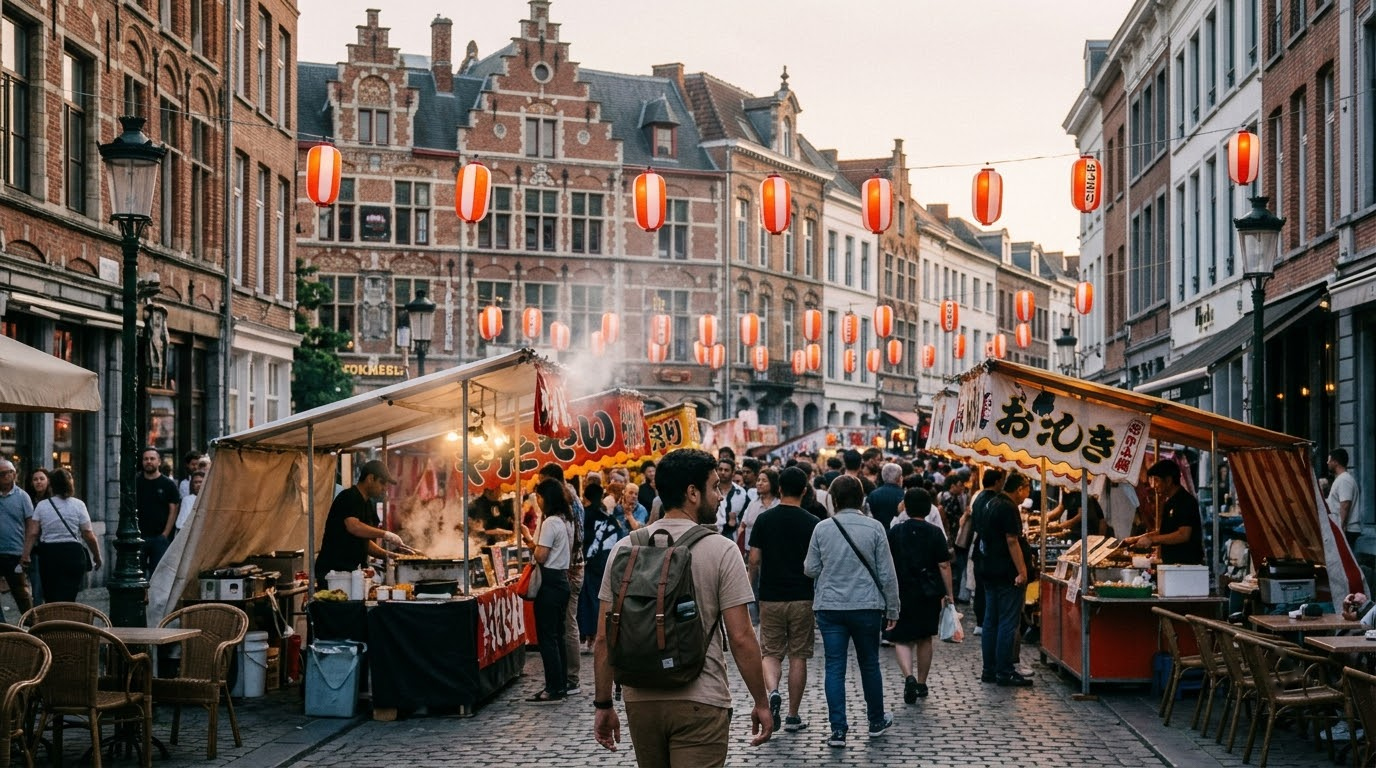
Dotonbori. This canal-side entertainment district is considered the heart of the city. It is busiest in the evening, when neon signs reflect off the water and food stalls line the streets.
Shinsekai and Tsutenkaku. This retro neighborhood is known for casual fried-skewer restaurants and the Tsutenkaku tower. It feels more local and less polished than Dotonbori.
Shrines and temples. Sumiyoshi Taisha and Shitenno-ji are two historic sites that add a quieter counterpoint to the shopping districts.
Universal Studios Japan. The theme park is located in the Bay Area and works as a full-day outing. Buy tickets in advance through the official park site and verify current prices there.
Day trips. Osaka is a strong base for the wider Kansai region. See day trips from Osaka for the best options by train.
Where to Stay in Osaka
Your base shapes your trip more than any single hotel. Osaka has three main areas for visitors.
Namba and Dotonbori (Minami). Namba is the main shopping, sightseeing, and restaurant area (Wikipedia, 2025). It suits first-timers who want food and nightlife at the door. Expect noise late into the evening.
Umeda (Kita). Umeda is a major shopping and business hub with department stores, theaters, and boutiques around the main train station. It has strong rail links and suits travelers who plan many day trips.
Shinsaibashi. Located between the two, it offers shopping streets and easy walking access to Dotonbori. It is a balanced choice if you want activity without sleeping directly on the busiest street.
Shin-Osaka. Staying near the Shinkansen station is practical for short stops and early departures, though it has less atmosphere.
Choose by priority: nightlife (Namba), transit (Umeda), or balance (Shinsaibashi). For specific picks, read the best hotels in Osaka guide.
Seeing Osaka From the Water
Osaka is a city of rivers and canals, and three short boat rides give you a different angle on the sights you already plan to visit. Prices below are in Japanese yen as listed by the city’s visitor guide for 2026, so convert at the day’s rate.
Osaka Aqua-Liner: a 55-minute loop of the Okawa River past Osaka Castle and Nakanoshima, under a glass roof, from three piers. The fare is JPY 2,000.
Osaka Castle Gozabune: a 20-minute loop of the castle’s inner moat on a gold-leafed boat modeled on the one Toyotomi Hideyoshi used. The fare is JPY 1,800.
Captain Line: a 10-minute shuttle boat across the harbor between Universal Studios Japan and Osaka Aquarium Kaiyukan. The fare is JPY 900 one way.
The Aqua-Liner stops at the Osaka Castle pier, so it can replace a walk or train ride on your castle day. The Captain Line suits families who combine the theme park and the aquarium in one trip, since it avoids a train transfer.
How to fit a boat into the day
Choose one, not all three. A boat ride works best as a rest between walking-heavy stretches, for example after the castle grounds and before dinner in Dotonbori. Check sailing times on the day, since river and harbor services can change with weather and season.
Where to Eat in Osaka
Food is the reason many travelers come. Takoyaki (octopus balls) and okonomiyaki (savory pancakes) are listed among the region’s signature dishes (Wikipedia, 2025). Writers including Michael Booth and critic Francois Simon have even suggested Osaka could be the food capital of the world.
Eat takoyaki fresh from a street stall, ideally hot enough that you have to wait a minute. Try okonomiyaki at a griddle restaurant where the batter is cooked in front of you. Kushikatsu, deep-fried skewers, is a Shinsekai staple, and the usual etiquette is not to double-dip in the shared sauce.
Dotonbori is the obvious starting point, but side streets in Namba and Shinsekai often serve similar food with shorter lines. Look for places filled with locals, and check whether a restaurant takes cash only before you sit down.
Many small restaurants have limited seating and no English menu. Pictures on the wall and a translation app solve most problems.
Money and Practical Tips
Japan remains a largely cash-friendly country, and small food stalls and older restaurants often prefer cash even where cards are accepted elsewhere. Carry some yen, and keep a rechargeable IC card topped up for transit and convenience stores.
Plan your busiest sights for weekday mornings. Dotonbori and Osaka Castle fill quickly on weekends and holidays, and queues for popular restaurants can be long at peak meal times. Booking timed tickets for the castle tower and any theme park in advance usually saves time.
Trash bins are scarce in Japan, so carry a small bag for food wrappers. Eating while walking is discouraged in many areas, so finish your snack beside the stall.
Day Trips From Osaka: Travel Times
Osaka sits in the middle of the Kansai region, so a day trip rarely costs more than an hour each way. The city’s visitor guide lists the fastest routes, and the times below come from it.
Destination
One-way time
Time to allow
Kyoto
About 15 minutes by Shinkansen, about 28 minutes by JR Special Rapid
Full day
Kobe
About 22 minutes on the JR Kobe Line
Half day
Himeji
About 30 minutes by Shinkansen, about 1 hour by JR Special Rapid
Half day
Nara
About 40 minutes on the Kintetsu line
Half day
Hiroshima and Miyajima
About 85 minutes by Shinkansen
Full day
Koyasan
About 2 hours including cable car and bus
Full day; overnight is better
Choosing the train
The guide notes that the JR Special Rapid to Kyoto costs a fraction of the Shinkansen and is the better trade unless your day is tight. For Himeji, it costs roughly half the Shinkansen fare. A rechargeable IC card covers the base fare on local and rapid trains, while limited express services need a separate ticket.
Nara, Yoshino, and Koyasan use Kintetsu and Nankai lines that fall outside the nationwide JR Pass. The JR West Kansai Area Pass covers Kyoto, Nara, Kobe, and Himeji from Osaka. Check the last return train before you leave, because limited express and Shinkansen services stop earlier than local lines. Avoid Golden Week, Obon, and New Year, when trains are crowded.
How Many Days in Osaka?
Two days covers the main highlights: castle, Dotonbori, one neighborhood, and a few meals. Three days adds Universal Studios Japan or a half-day trip. Four or more days lets you use Osaka as a base for Kyoto, Nara, or Kobe.
Day 1: Castle and Minami. Start at Osaka Castle in the morning, then ride the metro to Namba. Spend the afternoon in Shinsaibashi and walk Dotonbori at dusk for dinner.
Day 2: Shinsekai and shrines. Visit Shitenno-ji or Sumiyoshi Taisha in the morning. Have lunch in Shinsekai, then take a slow afternoon through markets or a museum. Dine in Umeda for a different feel.
Day 3: Choose your focus. Spend the day at Universal Studios Japan, or take a train to a nearby city. Return to Namba for a final round of street food.
This plan uses metro and walking only, which keeps costs and stress low.
Frequently Asked Questions
Is Osaka better than Tokyo for tourists?
Neither is better outright. Osaka is more compact, more casual, and food-focused, while Tokyo is larger with more variety. See Osaka vs Tokyo for a direct comparison.
Should I stay in Osaka or Kyoto?
Osaka offers more nightlife and easier airport access. Kyoto offers more traditional scenery. Many travelers base in Osaka and visit Kyoto by train, which is covered in Osaka vs Kyoto.
How far is Kansai Airport from central Osaka?
The airport is about 38 km southwest of Osaka Station (Wikipedia, 2025). Direct trains connect the airport to central stations.
When is the rainy season in Osaka?
The rainy season, tsuyu, averages June 7 to July 21 (Wikipedia, 2025). Expect humid, overcast weather during these weeks.
What is Osaka famous for?
Osaka is famous for its street food, especially takoyaki and okonomiyaki, along with Osaka Castle and the neon-lit Dotonbori district.