
Disclosure: Some links in this guide are affiliate links. If you book or buy through them, we may earn a small commission at no extra cost to you — it helps keep our guides free.
Venice Itinerary: 2 Perfect Days in the City (2026)
Two full days is enough to see the heart of Venice without rushing. This Venice itinerary splits the city into two clear halves: Day 1 covers the historic center around Piazza San Marco, the Doge’s Palace, and the Rialto Bridge, and Day 2 crosses the lagoon to the islands of Murano and Burano before circling back through the artsy Dorsoduro district. It is built to keep walking short and vaporetto rides purposeful.
Two numbers shape any 2026 trip and both are new. A single vaporetto ride now costs 9.50 euros and is valid for 75 minutes (ACTV, 2026), so a multi-day travel card almost always pays for itself. And on roughly 60 peak dates between April and July 2026, same-day visitors must pay a day-tripper access fee of 5 to 10 euros to enter the old city (Comune di Venezia, 2026). We cover both below so nothing catches you out.
Key Takeaways
– Day 1 stays on foot around San Marco, the Doge’s Palace, and Rialto; expect 6 to 8 km of walking across bridges and narrow calli.
– A 48-hour ACTV travel card costs 35 euros and covers every vaporetto on both days, versus 9.50 euros per single ride.
– The Doge’s Palace costs 35 euros at the door or 30 euros online booked 30+ days ahead; St Mark’s Basilica entry is free.
– Line 12 reaches Burano in about 45 minutes from Fondamente Nove, with Murano just 10 to 15 minutes out.
– Overnight guests skip the day-tripper fee; only same-day excursionists pay 5 to 10 euros on the 60 controlled dates.[PERSONAL EXPERIENCE] We ran this exact route over a long weekend in late April, staying two nights near Campo Santa Margherita in Dorsoduro. We bought a 48-hour card at the Ferrovia dock the moment we arrived and used it eleven times, which paid for itself before lunch on Day 1. Our biggest lesson: start Day 2 at the islands by 8:30am, because Burano’s photo lanes are nearly empty then and shoulder-to-shoulder by noon.
How long do you really need in Venice?
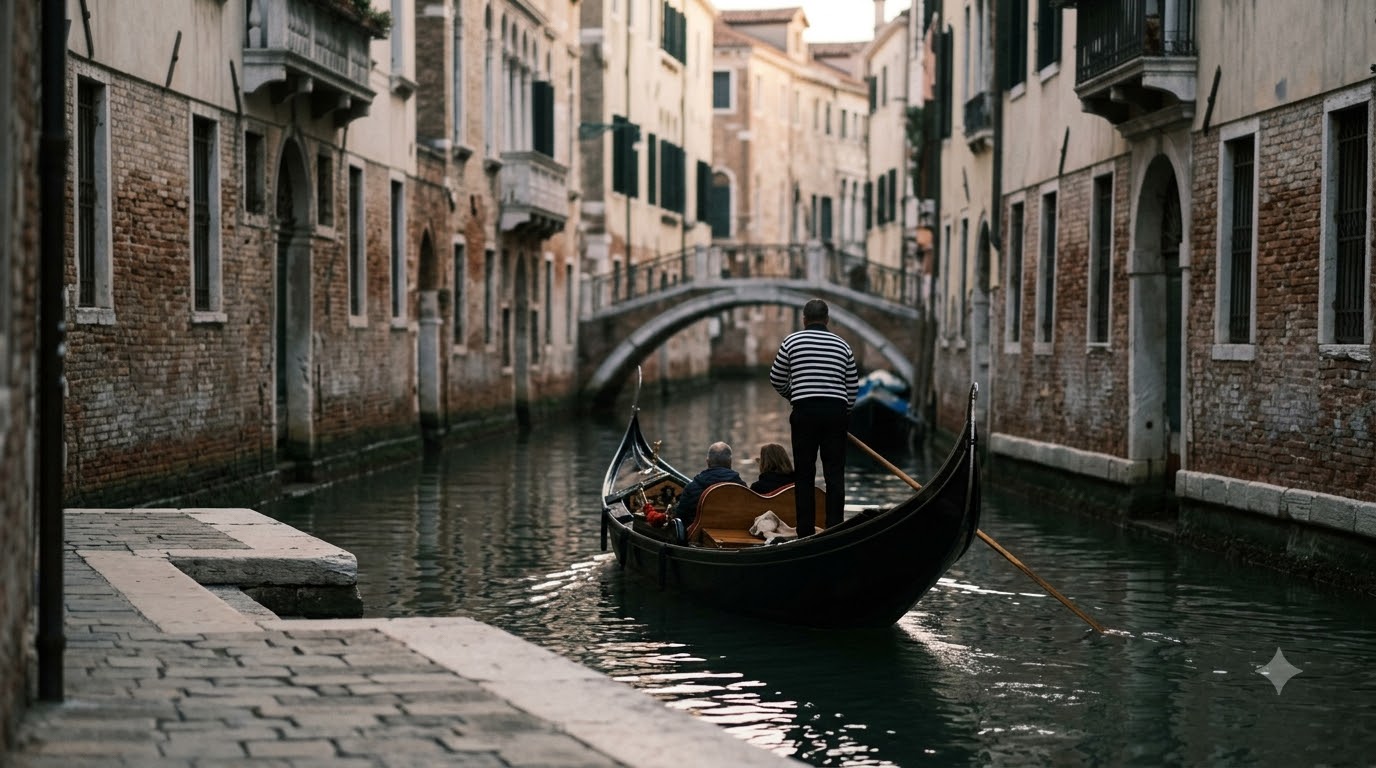
Two days covers the essentials, and three lets you slow down. The historic center is compact, but movement is slow because you cross water and climb bridge steps constantly, so distances feel longer than a map suggests. This plan assumes two full days plus two nights, with arrival the evening before Day 1.
If you only have a single day, cut the islands and keep Day 1. If you have a third day, add a lagoon morning at Torcello or a quiet walk through the Cannaregio Jewish Ghetto. For the full picture beyond two days, our complete Venice travel guide maps out neighborhoods, transport, and seasons in more depth.
- Minimum viable visit: 1 full day for San Marco and Rialto only.
- Sweet spot: 2 full days, the plan on this page, center plus islands.
- Comfortable pace: 3 days, adding Torcello, Cannaregio, or a second museum.
- Photography trip: 3 to 4 days to catch early light on Burano and empty morning canals.
The 2-Day Venice Itinerary
The plan we use ourselves — sent straight to your inbox.
- Day-by-day route
- Where to stay
- Real 2026 costs
Free · No spam · Unsubscribe anytime
What does transport cost in 2026?
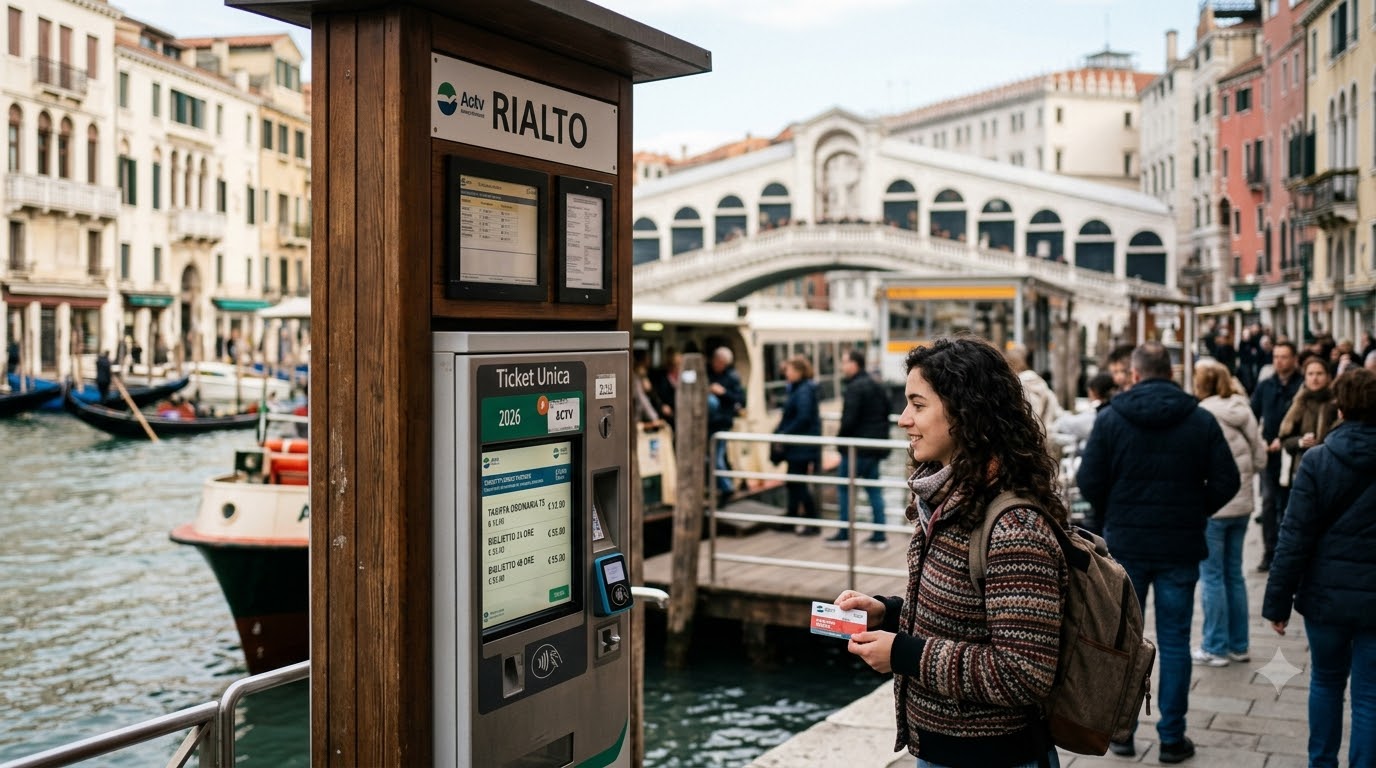
Buy a timed ACTV Tourist Travel Card rather than single tickets, because a single vaporetto ride is 9.50 euros and a card unlocks unlimited rides. Cards count in hours from first validation, not calendar days, so a 48-hour card validated at 10am on Day 1 runs until 10am on Day 3. From just three rides in a day, the 24-hour card already beats singles.
| Ticket | Price 2026 | Best for |
|---|---|---|
| Single ride (75 min) | 9.50 euros | One-off hops, valid 75 minutes |
| 24-hour card | 25 euros | A single island-hopping day |
| 48-hour card | 35 euros | This 2-day itinerary |
| 72-hour card | 45 euros | Three-day trips |
| 7-day card | 65 euros | Slow travelers, week-long stays |
Sources: ACTV / Venezia Unica fares, 2026.
Travelers aged 6 to 29 can buy a Rolling Venice Card for 6 euros, which drops the 72-hour vaporetto card to 27 euros and unlocks reduced museum entry. We skipped the airport water taxi (upwards of 120 euros) and took the Alilaguna line boat instead, which lands near San Marco. For where those docks sit relative to your hotel, cross-check our Venice accommodation guide before booking.
Do you have to pay the Venice access fee?
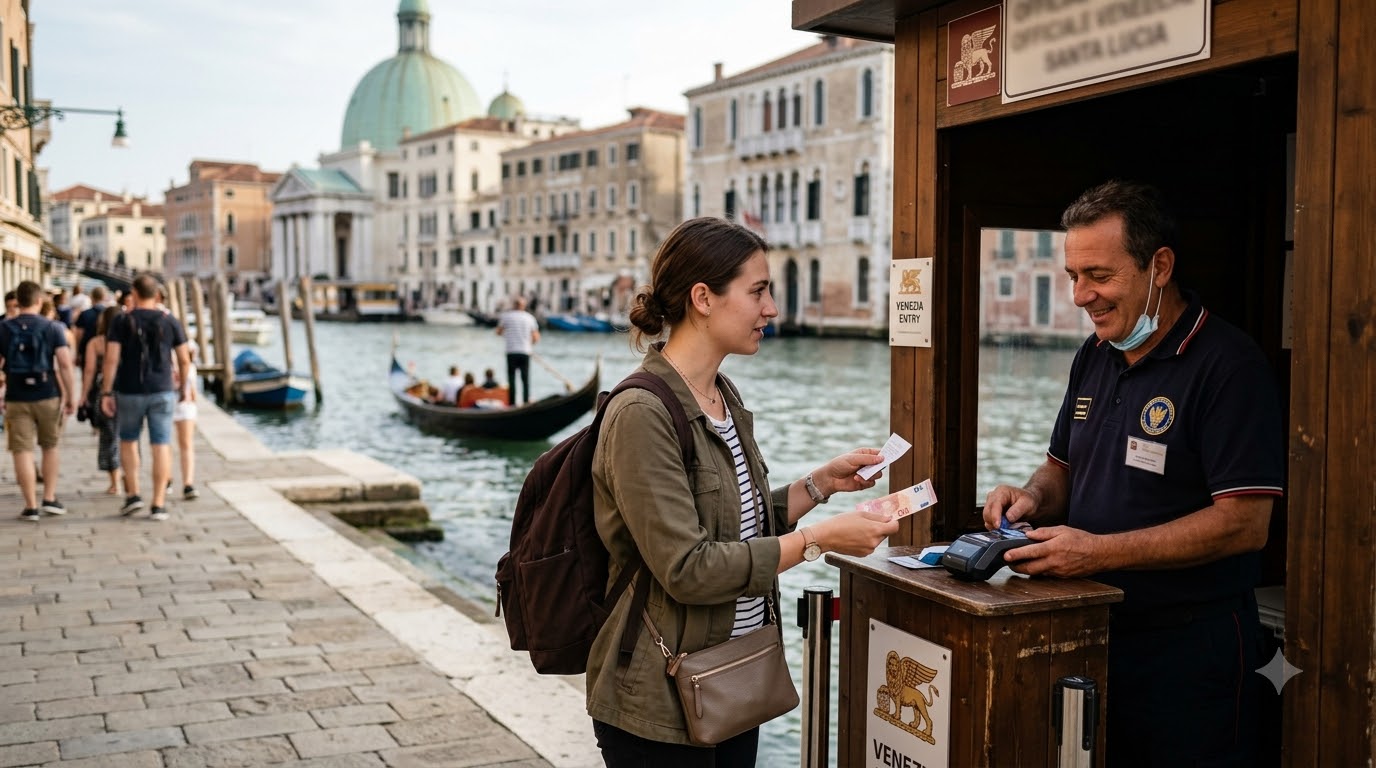
Only same-day visitors pay, and only on set dates. The day-tripper access fee applies on roughly 60 controlled dates from April 3 to July 26, 2026, and only between 8:30am and 4:00pm (Comune di Venezia, 2026). Anyone who books a hotel inside the Venice municipality, which includes Mestre, Marghera, and the Lido, is exempt and simply carries proof of the reservation.
- Cost if you book 4+ days ahead: 5 euros per person.
- Cost for last-minute or same-day entry: 10 euros per person.
- Controlled window: 8:30am to 4:00pm on 2026’s designated dates only.
- Where to register: the official portal cda.veneziaunica.it, which issues a QR code.
- Who is exempt: overnight guests, children under 14, and residents, among others.
Because this itinerary assumes two nights inside the city, most readers following it will not pay the fee at all. If you are basing yourself outside and commuting in on a controlled date, register in advance and keep the QR code on your phone for the checkpoints, including the one at Santa Lucia train station.
The 2-Day Venice Itinerary
Hour-by-hour plan, where to stay and what it really costs — free PDF.
Free · No spam · Unsubscribe anytime
Find your Venice hotel on the map
Live prices from Booking & Airbnb — tap a pin to compare stays around San Marco and Cannaregio and beyond.
Day 1: San Marco, Doge’s Palace, and Rialto
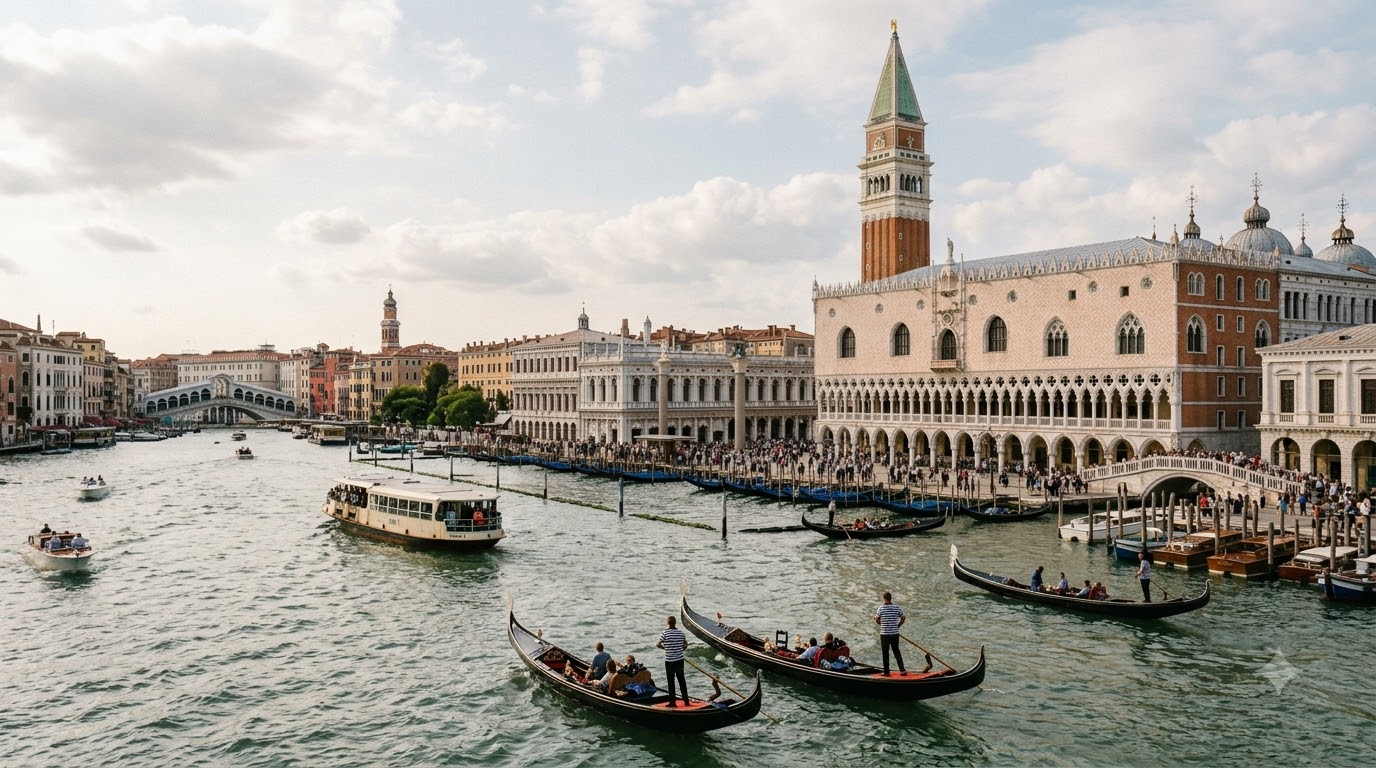
Spend Day 1 entirely on foot in the historic center, anchored by Piazza San Marco. Start early, because St Mark’s Square is genuinely quiet before 9am and the light on the Basilica’s mosaics is best then. This is the densest concentration of sights in the city, and none of it requires a boat.
Morning: Piazza San Marco and the Basilica
Begin at St Mark’s Basilica, where general entry is free but the interior draws long midday lines. A small timed-entry reservation or the Pala d’Oro and terrace add-ons cost only a few euros each and cut the wait sharply. Climb the Campanile afterward for the wide lagoon view, then let the square itself set the tone.
- St Mark’s Basilica: free general entry; book a timed slot to skip the worst queues.
- Campanile di San Marco: the bell tower, the highest viewpoint over the rooftops.
- Caffe Florian: open since 1720; a coffee at an outdoor table is a splurge, not a meal.
- Best arrival time: before 9am for short lines and softer light.
Midday: Doge’s Palace and the Bridge of Sighs
The Doge’s Palace is the single must-book ticket of the trip. A standard ticket costs 35 euros at the door or 30 euros online when purchased at least 30 days ahead, and it also covers Museo Correr, the Archaeological Museum, and the Marciana Library on the same square. Inside, the gilded council chambers lead to the enclosed Bridge of Sighs and the old prisons. Budget about two hours.
For lunch, walk five minutes inland away from the square, where a plate of cicchetti and an ombra (a small glass of wine) costs a fraction of the terrace cafes. We found the best value in the lanes between San Marco and the Rialto, exactly where the afternoon route heads next.
Afternoon: Rialto Bridge and market lanes
Walk from San Marco to the Rialto Bridge in about 15 minutes, following the yellow “Per Rialto” signs painted on building corners. The bridge itself is free and busiest at sunset; the Rialto Market on the San Polo side winds down by early afternoon, so aim there first if you want the produce and fish stalls. From the bridge, the Grand Canal opens up in both directions.
End the day with a vaporetto ride down the full length of the Grand Canal on Line 1, using your travel card. It is the cheapest “cruise” in the city and the best way to rest tired feet. For more ways to fill an extra afternoon, our roundup of the best things to do in Venice has options by neighborhood and budget.
Day 2: Murano, Burano, and Dorsoduro
Give Day 2 to the lagoon islands in the morning and the Dorsoduro district in the afternoon. Head to the Fondamente Nove docks on the northern edge of Cannaregio and catch Line 12, the main island line, which runs about every 20 minutes during the day. Go early: the islands are calmest before the mid-morning tour crowds arrive.
Morning: glass on Murano, color on Burano
Ride Line 12 first to Murano, then continue to Burano. Murano sits just 10 to 15 minutes from Fondamente Nove and is known for its glass furnaces; Burano is about 45 minutes out and famous for its rows of saturated fishermen’s houses and hand-made lace. Many travelers do Burano first for the empty morning light, then stop at Murano on the way back.
| Island | Line 12 time from Fondamente Nove | Known for |
|---|---|---|
| Murano | 10 to 15 minutes | Glass furnaces and showrooms |
| Mazzorbo | about 40 minutes | Vineyard, quiet walk to Burano |
| Burano | about 45 minutes | Painted houses, lace |
| Torcello | about 50 minutes (on request) | Ancient cathedral, mosaics |
Source: ACTV Line 12 route, 2026.
- Leave by 8:30am to reach Burano before the tour groups.
- A round trip runs about 90 minutes of boat time before any stops.
- Torcello is a request stop near Burano; add it only if you have the full morning.
- Buy Murano glass at the furnace, not the San Marco souvenir shops, to know it is local.
We spent the whole morning on the islands and were back at Fondamente Nove by 1pm, which left the afternoon for Dorsoduro without feeling rushed.
Afternoon: Dorsoduro art and the Zattere
Spend the afternoon in Dorsoduro, the student and gallery district on the south side of the Grand Canal. The Gallerie dell’Accademia holds the city’s great Venetian paintings, and the Peggy Guggenheim Collection nearby covers modern art in a canal-side palazzo. Both reward a slow hour or two, and neither draws the crushing lines of San Marco.
Finish along the Zattere, the long sunny promenade facing the Giudecca Canal, where the gelato at Nico is a local institution. Campo Santa Margherita, a few minutes inland, fills with students at aperitivo hour and is one of the best places in the city for a relaxed evening spritz. Choosing this district as a base is a common recommendation in our notes on the best time to visit Venice, because it stays lively without the day-tripper density around the main square.
A realistic 2-day Venice budget
Two days in Venice runs roughly 90 to 130 euros per person before hotels and sit-down dinners. The biggest fixed costs are the transport card and the Doge’s Palace; almost everything else, from St Mark’s Basilica to bridge views and island walks, is free or cheap. Eating cicchetti at bars rather than tourist restaurants is the single easiest saving.
| Item | Cost per person (2026) |
|---|---|
| 48-hour vaporetto card | 35 euros |
| Doge’s Palace (online, advance) | 30 euros |
| St Mark’s Basilica timed entry | around 3 to 6 euros |
| Two cicchetti lunches | around 25 to 35 euros |
| Day-tripper fee (overnight guests) | 0 euros |
| Estimated 2-day total | about 95 to 110 euros |
Source: published 2026 fares and admissions; meals estimated.
Skip the gondola if you are counting euros: the official set rate is about 90 euros for a shared 30-minute daytime ride. The Grand Canal on Line 1 gives you the water-level view for the price of a card you already own.
Frequently Asked Questions
Is 2 days enough for Venice?
Two full days is enough to see the historic center and reach the islands without rushing, which is exactly what this Venice itinerary does. Day 1 handles San Marco, the Doge’s Palace, and Rialto on foot, and Day 2 covers Murano, Burano, and Dorsoduro. A third day only adds slower mornings or extra islands like Torcello.
Do I have to pay the Venice access fee in 2026?
Only if you are a same-day visitor on one of the roughly 60 controlled dates between April 3 and July 26, 2026, during the 8:30am to 4:00pm window. The fee is 5 euros booked 4+ days ahead or 10 euros last-minute. Anyone staying overnight inside the Venice municipality, including Mestre and the Lido, is exempt.
Should I buy a vaporetto pass or single tickets?
Buy a pass. A single ride costs 9.50 euros in 2026, so a 48-hour card at 35 euros pays for itself in four rides, which this two-day plan easily exceeds. Cards are timed in hours from first validation, not by calendar day, so a 48-hour card covers most of a two-night stay.
How do I get from Venice to Murano and Burano?
Take Line 12 from the Fondamente Nove docks on the northern edge of the old city. Murano is 10 to 15 minutes away and Burano about 45 minutes, with departures roughly every 20 minutes during the day. Your vaporetto travel card covers these island lines, so no separate ticket is needed.
What is the best base for two days in Venice?
Dorsoduro and Cannaregio are the two districts we recommend for a short stay, because both are central, walkable, and quieter than San Marco after dark. Staying anywhere inside the municipality also exempts you from the day-tripper fee. Compare the trade-offs in our where to stay in Venice guide.
Final thoughts
Venice rewards a tight plan more than most cities, because so much time goes into simply moving across the water. Keep Day 1 on foot around San Marco, give Day 2 to the islands and Dorsoduro, buy a 48-hour card the minute you arrive, and confirm whether the day-tripper fee touches your dates. Do those four things and two days is plenty to leave feeling like you saw the real city, not just the postcard.