
Ultimate Bruges Travel Guide 2026: Canals, Chocolate + Costs
Bruges is one of Europe’s best-preserved medieval cities, and the numbers back it up. UNESCO inscribed its Historic Centre in 2000, and roughly 8 million visitors a year arrive to walk streets that have barely changed since the 15th century. This bruges travel guide covers every essential: what to see, where to stay, how to get there, and exactly what you’ll spend.
Key Takeaways
– Bruges is a UNESCO World Heritage Site (inscribed 2000) with 80+ km of canals and a walkable medieval core just 1.5 km across
– Top paid attractions: Belfry €14, Groeningemuseum €12, canal boat tour €12, De Halve Maan brewery tour €10
– Budget range: €80-120/day for mid-range travel including a B&B, meals, and entry fees
– Best months: April-June for mild weather and tulip season; September-October for smaller crowds
– Train from Brussels takes 1 hour and costs €15-17 one way — the easiest access point
Affiliate Disclosure: This article contains affiliate links. If you book through our links, we may earn a small commission at no extra cost to you. We only recommend services we genuinely rate.
[IMAGE: Bruges canal at golden hour with medieval guild houses reflected in water — search: bruges canals belgium medieval]
Bruges Travel Guide: Why This Medieval City Still Surprises
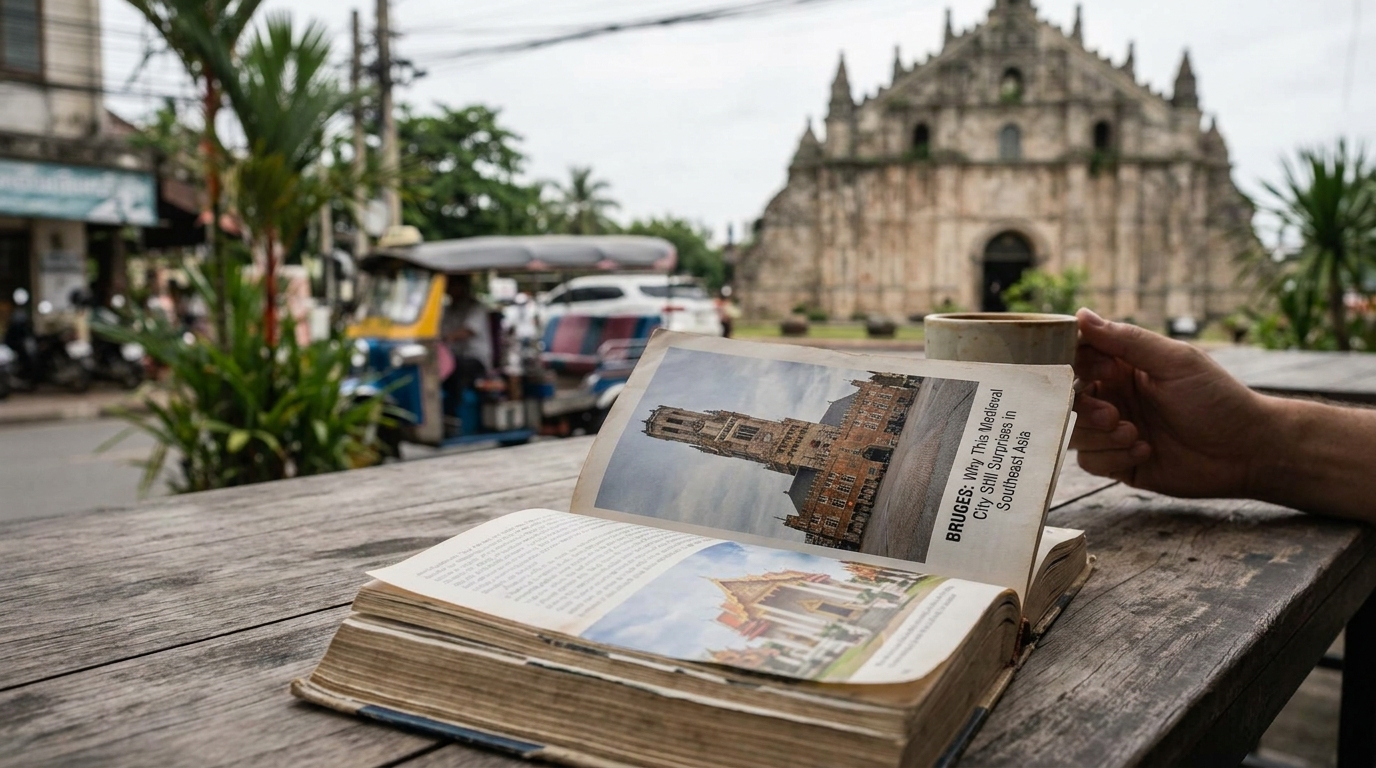
Bruges receives roughly 8 million tourists annually (Visit Bruges, 2025), yet it manages to feel intimate. The old town measures just 1.5 km across, which means you can reach almost every major sight on foot in under 20 minutes. That compactness is part of the city’s magic.
Most visitors expect pretty canals and chocolate shops, and they get both. What catches people off guard is the depth of the art scene. Bruges was a major European art capital in the 15th century, home to Jan van Eyck and Hans Memling. The Flemish Primitives still hang in the city’s museums, not transferred to national capitals. That combination of medieval streetscapes and world-class art in a walkable package is genuinely rare.
Here’s what most travel articles don’t tell you: Bruges’ famous canals were actually an economic lifeline, not a scenic design choice. The city connected to the North Sea via the Zwin inlet, making it one of northern Europe’s most powerful trading hubs in the 1300s. When the Zwin silted up around 1500, Bruges lost its sea access and froze economically, which is precisely why the medieval architecture survived. Antwerp’s rise saved Bruges’ buildings by accident.
The city also sits only 12 km from the North Sea coast, so a half-day trip to the beach town of De Haan or Blankenberge is easy if you need a break from cobblestones.
[INTERNAL-LINK: For a fuller breakdown of what makes the city worth a detour, read is Bruges worth visiting]
What Are the Top Attractions in Bruges?
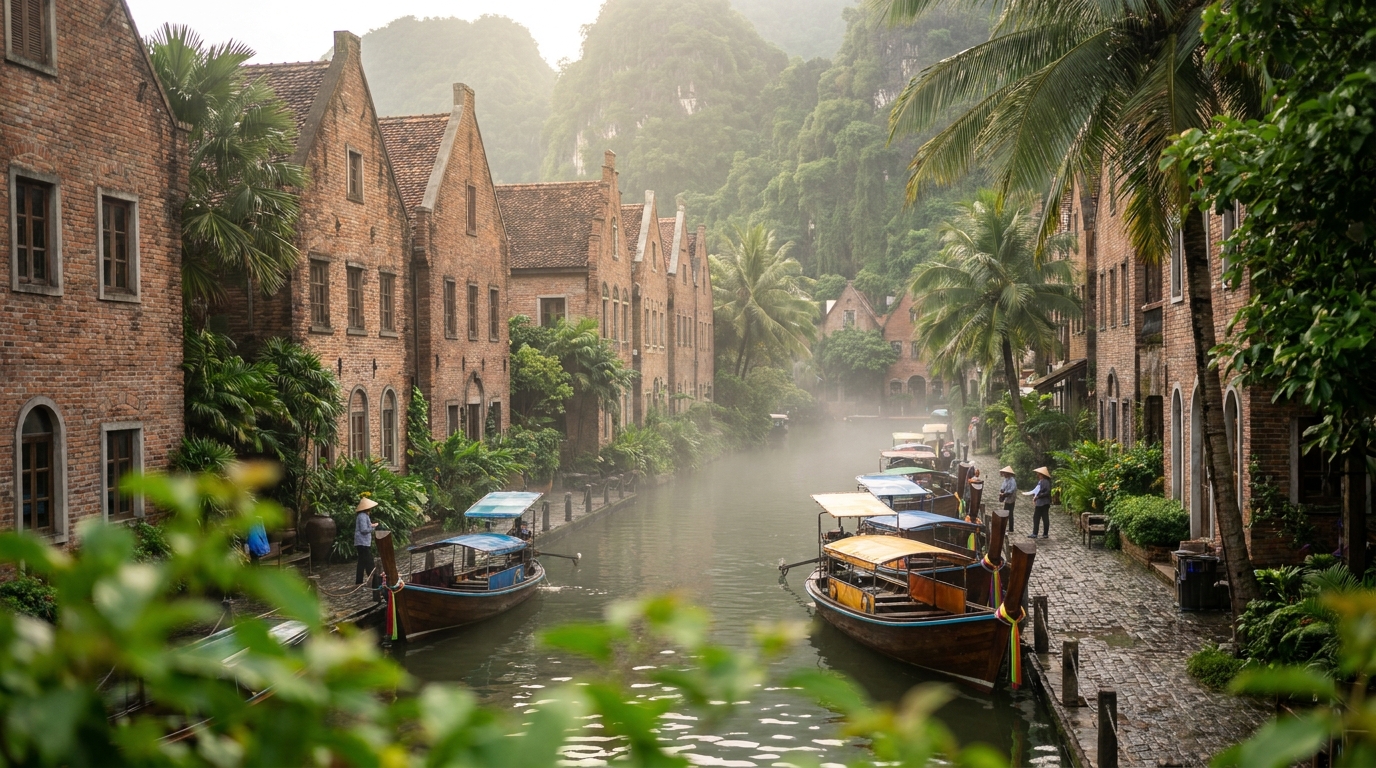
[IMAGE: Bruges Belfry tower rising above Markt square with outdoor cafe tables and cyclists below — search: bruges belfry markt square]
The Belfry of Bruges is the city’s most recognisable landmark. It stands 83 metres tall above the Markt, and climbing its 366 steps rewards you with a panoramic view across the Flemish countryside. Entry costs €14 per adult. Note that the tower closes on Tuesdays, so plan around that.
| Attraction | Price (Adult) | Time Needed | Closed |
|---|---|---|---|
| Belfry of Bruges | €14 | 45-60 min | Tuesday |
| Groeningemuseum | €12 | 1.5-2 hrs | Monday |
| Memling in Sint-Jan | €12 | 1-1.5 hrs | Monday |
| Bruges Beer Experience | €16 | 1-1.5 hrs | None |
| De Halve Maan Brewery Tour | €10 | 45 min | None |
| Canal Boat Tour (30 min) | €12 | 30 min | None |
| Basilica of the Holy Blood | Free | 20-30 min | Varies |
| Minnewater Lake | Free | 30-45 min | None |
Source: Visit Bruges official website, 2026
Markt and Burg Square form the heart of the old town. Markt is the main commercial square, ringed by neo-Gothic guild houses and the Provincial Court. Burg Square, a two-minute walk away, is older and quieter, home to the Basilica of the Holy Blood — a free Romanesque chapel housing what is claimed to be a relic of Christ’s blood. Entry is free, making it one of the best-value stops in the city.
Canal boat tours depart from five embarkation points near the Rozenhoedkaai. The 30-minute circuit costs €12 per adult and is worth doing at least once. The low vantage point from the water gives you views of the stone bridges and medieval facades you simply can’t replicate on foot. Book via [GetYourGuide [GETYOURGUIDE_LINK]] or buy tickets directly at the dock.
The Groeningemuseum holds the finest collection of Flemish Primitive paintings in the world, including Jan van Eyck’s Madonna with Canon van der Paele (1436). Admission is €12. Combined tickets with nearby Arentshuis museum are available for €15 and worth considering.
De Halve Maan (The Half Moon) is the only remaining brewery in Bruges’ city centre. Their Brugse Zot blonde and Straffe Hendrik ales are brewed here, and the 45-minute guided tour costs €10 including a tasting glass. They also have a remarkable underground beer pipeline connecting the brewery to their bottling plant 3 km away.
For a full curated list, see best things to do in Bruges.
Which Neighbourhoods Are Best for Staying in Bruges?
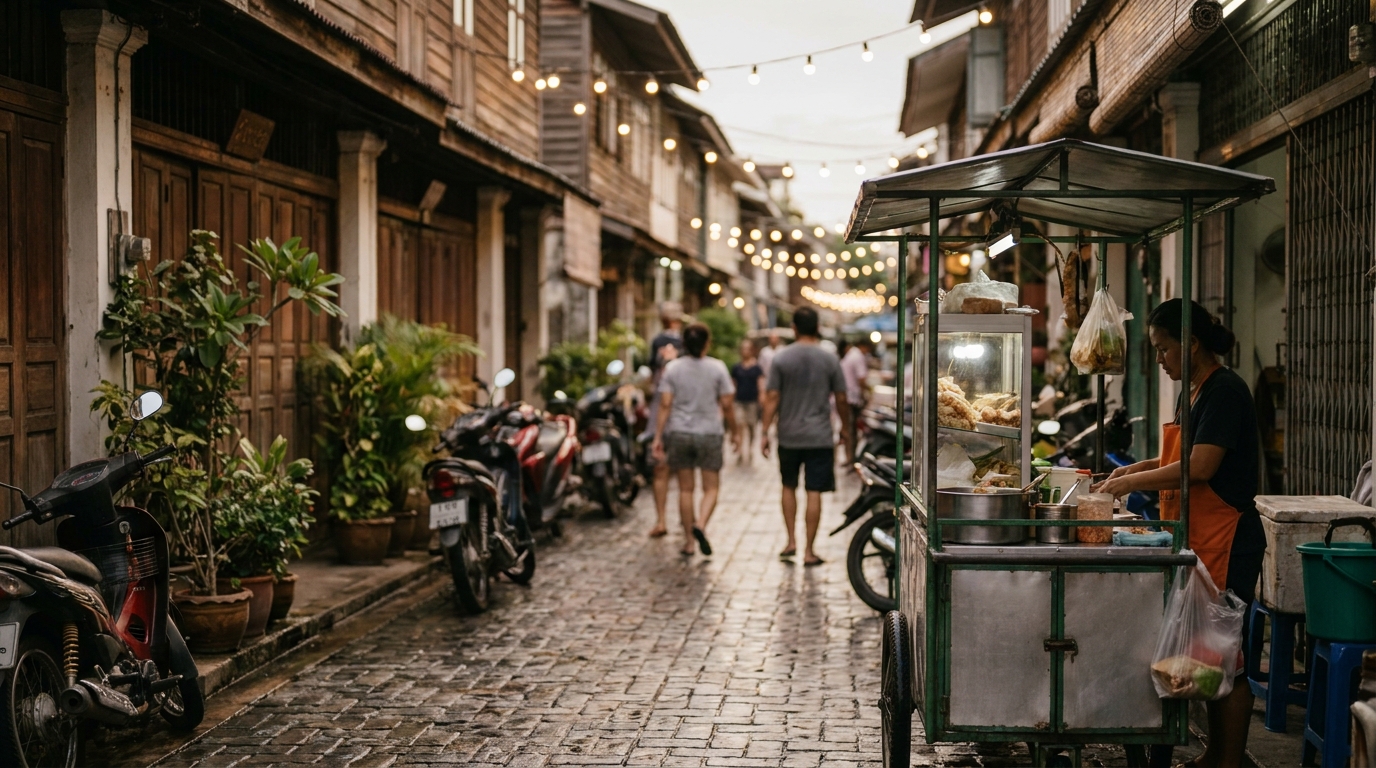
Bruges is compact, so neighbourhood choice matters less than in larger cities. Still, different areas suit different travel styles. The old town center is the default choice for first-timers who want to walk everywhere without early-morning tourist crowds.
Historic Centre is where most visitors stay. You’re within 10 minutes of every major sight, canal boat dock, and chocolate shop. Expect to pay €120-250/night for a boutique hotel, or €80-130 for a well-reviewed B&B. The Kempinski Dukes’ Palace, a converted 15th-century palace, starts around €250/night and is the area’s flagship luxury option. Book via [Booking.com [BOOKING_LINK]] for the best rates and flexible cancellation.
Sint-Gillis sits just south of the centre and has a more residential feel. Accommodation here is cheaper by 20-30%, and you’re still a 15-minute walk from the Markt. A good option if you’re staying multiple nights and want to see everyday Bruges rather than just the tourist core.
Assebroek and Sint-Andries are quieter suburbs another kilometre out. Useful if you’re arriving by car and want free parking, then cycling in. Much harder to justify for a one or two-night stay.
For detailed hotel picks across all budgets, the Bruges hotels guide has current rates and booking tips.
How Do You Get to Bruges?
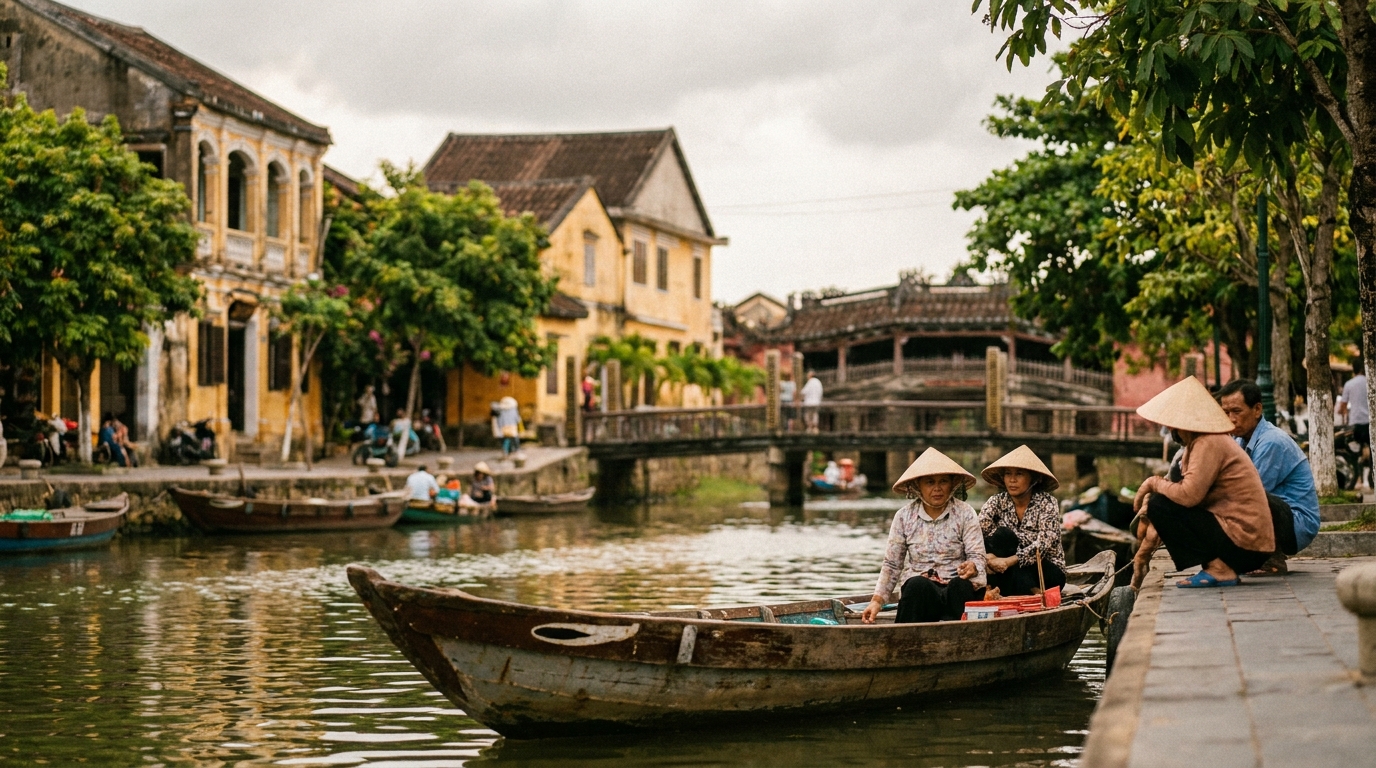
Bruges is connected primarily by train, and the rail links from Belgium’s major cities are excellent. The station sits about 1.5 km south of the Markt, a flat 20-minute walk or a quick bus ride.
From Brussels: The IC train runs direct to Bruges every 30 minutes and takes exactly 1 hour. One-way fares run €15-17. This is the most popular access point for international travellers arriving via Brussels Airport or Eurostar. Book via [Trainline [TRAINLINE_LINK]] for easy cross-border ticketing.
From Amsterdam: Direct trains take around 3 hours and cost €30-50 depending on how far in advance you book. Thalys and Intercity Direct services both serve this route. Advance booking saves significant money on this corridor.
From Paris: The journey is roughly 2.5 hours with a change at Brussels. Thalys handles Paris-Brussels (1h25m), then you switch to IC to Bruges (1h). Total fares run €40-60 booked in advance. Buying a Paris-Bruges through ticket via Trainline is simpler than buying two separate legs.
By Car: Belgium’s motorway network is fast, but parking in Bruges’ centre is restricted and expensive. The city operates Park & Ride lots on the outskirts (€3/day including a return bus ticket), which makes driving then cycling or walking the smart approach.
From Brussels Airport (BRU): Take the Airport Express train to Brussels-Central (17 min, €10.40), then the IC direct to Bruges (1h). Total journey time is roughly 1h30 including connection.
How Do You Get Around Bruges?
[IMAGE: Cyclists riding along a Bruges canal towpath past brick bridges and willow trees — search: bruges cycling canal towpath]
Bruges is one of the most walkable cities in Europe. The medieval core spans 1.5 km across its widest point, which means most visitors cover it entirely on foot. That said, cycling is arguably the best way to see the city.
Walking covers everything inside the ring canal. The cobblestones are well-maintained, and distances between major sights are short. Wear comfortable shoes — the uneven stone surfaces are charming but unforgiving after a few hours.
Cycling is ideal for covering more ground. The city is flat (Belgium’s coastal plain leaves no hills to deal with), and cycling infrastructure is excellent. Bike rental runs €15/day from operators near the station and Markt. A bike gets you to quieter spots like the Sint-Janshospitaal windmills and the city’s outer lakes in a fraction of the walking time.
Most visitors don’t realise Bruges has four remaining windmills perched on the old city ramparts to the northeast, near the Kruispoort gate. The area — called the Windmill Circuit — is almost entirely missed by day-trippers who stick to the Markt-Burg-Rozenhoedkaai triangle. Cycling out there takes 10 minutes from the Markt and feels like a completely different, quieter city.
Buses run within the city but are rarely needed for tourists staying in the centre. The most useful route is the #1 connecting the train station to the Markt.
Taxis and ride-share are available but expensive for short hops. For Bruges-centre distances, walking or cycling is always faster.
Where Should You Eat and Drink in Bruges?
Bruges punches well above its size for food. Belgian cuisine is rooted in honest cooking: moules-frites, waterzooi (a cream-based stew), Flemish beef stew with beer (carbonnade flamande), and waffles that bear no resemblance to the tourist-trap versions sold near the Markt.
For traditional Flemish food, head to the streets south and west of the centre. Restaurants on Markt itself charge a significant tourist premium. A three-course dinner at a solid mid-range restaurant in the Sint-Gillis neighbourhood runs €30-45 per person including wine.
Chocolate is inescapable in Bruges. The city has more than 80 chocolatiers. The Chocolate Line (Markt 19) is considered the most innovative, known for flavours that push well past tradition. Dumon on Eiermarkt is the local favourite for classic handmade pralines. Depla is worth visiting for their house truffles. Budget €3-8 per piece at artisan shops, or €10-15 for a small box. Skip the pre-packaged touristy brands near the main squares.
Beer is Belgium’s great gift to the world, and Bruges takes it seriously. De Halve Maan’s taproom is the obvious stop. For a more relaxed setting, the Bruges Beer Bar on Academiestraat stocks 300+ Belgian beers. Expect to pay €3-6 for a craft Belgian beer in most bars.
Waffles: Two types exist in Belgium — Brussels waffles (light, rectangular, usually eaten with toppings) and Liege waffles (denser, caramelised, eaten plain). The latter are the better option and can be found from street stalls across the centre for €2-4.
Market days: The Markt hosts a Wednesday morning market (produce, cheese, local goods) that gives a sense of everyday Belgian life beyond the tourist layer.
What Does a Bruges Trip Actually Cost?
[IMAGE: Bruges chocolate shop window display with handmade pralines and truffles arranged in rows — search: bruges chocolate shop pralines belgium]
Bruges is mid-range by Western European standards. It’s cheaper than Amsterdam or Paris, roughly comparable with Ghent, and noticeably more expensive than Eastern European destinations. Here’s a realistic budget breakdown.
| Category | Budget | Mid-Range | Luxury |
|---|---|---|---|
| Accommodation (per night) | €45-80 (hostel/basic B&B) | €80-150 (B&B/3-star) | €200-350+ (boutique/Kempinski) |
| Meals (per day) | €20-30 (market/takeaway) | €40-60 (restaurants) | €80+ (fine dining) |
| Attractions (per day) | €0-12 (free sites + 1 paid) | €25-40 (3-4 paid sites) | €40+ (all museums + tours) |
| Transport in city | €0 (walk) | €15 (bike rental) | €15-25 (bike + taxi) |
| Total per day (approx) | €65-120 | €120-200 | €300+ |
Source: TravelTipNow research, 2026
A two-night, two-day trip for a couple on a mid-range budget realistically costs €400-550 all-in, excluding train travel to Bruges. That covers a good B&B, two dinners, museum entries, a canal boat tour, beer at De Halve Maan, and a box of chocolates to take home.
Where to save: The free attractions are genuinely excellent. Burg Square, the Basilica of the Holy Blood, Minnewater Lake, and the Beguinage (Begijnhof) cost nothing and take up a solid half-day. Buying a combined museum ticket (Groeningemuseum + Arentshuis, €15) saves €9 vs separate entry.
Where to spend: The canal boat tour at €12 is a near-mandatory experience. The De Halve Maan brewery tour at €10 is excellent value. Don’t cut corners on chocolate — the artisan shops justify the price premium over mass-produced souvenirs.
When Is the Best Time to Visit Bruges?
Timing matters more in Bruges than in many cities because crowds peak sharply in July-August and again during the December Christmas market. Knowing the trade-offs saves you significant frustration.
April-June is the sweet spot. Temperatures are mild (14-18°C), tulip fields bloom in the nearby Flemish countryside, daylight is long, and crowds are present but manageable. Easter weekend is the busiest point in spring, so avoid it if possible or book accommodation months in advance.
September-October is the second-best window. Summer crowds have cleared, prices drop 10-20%, and the autumn light on the canals is spectacular for photography. October can bring rain, so pack a light waterproof layer.
July-August brings peak tourism. Average daily visitor counts in the historic centre can exceed 20,000 (Visit Bruges, 2024). Queues for the Belfry stretch 45+ minutes. Canal boat docks have 20-minute waits. That said, if summer is the only time you can travel, arrive before 9am and aim to finish your key sights by noon before day-trippers from Brussels and Ghent pour in.
November-March (excluding December) is quiet and cold. Many restaurants and B&Bs run reduced hours or close for winter renovation. Canal boat tours operate but on limited schedules. The city has an austere, moody beauty in winter that some travellers love.
December splits opinion sharply. The Christmas market on Markt and Simon Stevinplein is one of Belgium’s best. But accommodation prices surge 30-50%, and the weekend crowds rival summer peaks. Book at least three months out if you want the Christmas market experience.
Day Trip vs Overnight Stay: Which Is Right for You?
The honest answer depends on your pace and what you want from Bruges. Both options are viable, but they deliver completely different experiences.
A single day gets you the essentials: Markt, Burg Square, Basilica of the Holy Blood, a canal boat tour, Minnewater Lake, one museum, and enough chocolate and beer to constitute a meal. Arriving early (first train from Brussels leaves around 7am) and leaving after 6pm gives you 10 hours. That’s tight but achievable if you move efficiently.
Two days is the sweet spot for most visitors. Day one covers the main sights at a comfortable pace. Day two lets you visit the quieter corners: the windmills on the eastern ramparts, the Beguinage (a medieval convent complex that’s free and often peaceful), the Sint-Janshospitaal for its Memling paintings, and a longer afternoon at De Halve Maan. Two days also lets you eat properly rather than grabbing fast options between queues.
Three or more days makes sense if you’re using Bruges as a base. Day trips to Ghent (30 min by train), the World War I sites at Passchendaele and Ypres (1h), and the North Sea coast (30 min by train) are all straightforward from Bruges station.
For a detailed schedule covering both days, the Bruges itinerary breaks down exact timing for each sight.
Bruges Travel Guide: Practical Tips + FAQ
Getting a Museumpass: The Bruges City Card (€48 for 48 hours, €58 for 72 hours) includes entry to 27 museums and attractions, unlimited city bus use, and a canal boat tour. It pays off if you plan to visit 4+ paid sites in two days. Available online and at the tourist office on Burg Square.
Money: Belgium uses the Euro. ATMs are widely available. Most restaurants and shops accept cards, but small chocolatiers and street food vendors sometimes prefer cash. Carry €20-30 in coins and small notes.
Language: Dutch (Flemish dialect) is the official language in West Flanders. English is universally spoken in tourist-facing businesses. French is less commonly used here than in Brussels or Wallonia.
Accessibility: Bruges’ cobblestones make wheelchair access challenging in the historic core. The canal boat tours are accessible with assistance. The city’s tourist office publishes an accessibility guide.
Wi-Fi: Free Wi-Fi is available in the tourist office, most cafes, and many hotels. The Markt area has a public Wi-Fi zone.
Opening hours: Most museums close on Mondays. The Belfry closes on Tuesdays. Many restaurants close Monday-Tuesday in quieter seasons. Always check ahead during low season (November-February).
[IMAGE: Bruges Beguinage (Begijnhof) courtyard in spring with white-washed buildings surrounding a tree-lined lawn — search: bruges beguinage begijnhof spring]
Frequently Asked Questions
How many days do you need in Bruges?
Two days is ideal for most visitors. One day covers the main sights — Markt, canal boat tour, Belfry, and Basilica — but leaves little time for museums or quieter corners. Two days adds the Groeningemuseum, De Halve Maan brewery, and the windmills on the eastern ramparts without rushing. (Visit Bruges, 2025)
Is Bruges expensive?
Bruges sits in the mid-range for Western Europe. A comfortable two-day trip (B&B accommodation, two dinners, three or four museum entries, a canal boat tour, chocolate, and beer) costs roughly €200-300 per person. Budget travellers using hostels and free attractions can manage €80-100/day. Luxury hotels and fine dining push costs above €300/day easily.
What is Bruges best known for?
Bruges is best known for its medieval canal network (80+ km), its UNESCO World Heritage-listed historic centre, world-class Flemish Primitive art at the Groeningemuseum, artisan chocolate from 80+ chocolatiers, and Belgian craft beer from De Halve Maan brewery. The nickname “Venice of the North” refers to the extensive canal system running through the old town.
Can you visit Bruges as a day trip from Brussels?
Yes. The train from Brussels takes exactly 1 hour and runs every 30 minutes, costing €15-17 one way. A day trip is feasible but leaves limited time for museums. Arrive early (before 9am) to beat tour groups and maximise your time. An overnight stay is worthwhile if your schedule allows.
When should you avoid visiting Bruges?
July and August bring the heaviest crowds, with daily visitor counts exceeding 20,000 in the historic centre. The December Christmas market period also sees surge pricing and packed streets on weekends. The quietest months are January, February, and November, though some attractions run reduced hours during this period.
Final Thoughts on Planning Your Bruges Visit
Bruges rewards the traveller who slows down. The city’s greatest pleasure is not ticking attractions off a list but wandering its canal bridges at dusk, ducking into a dim-lit beer bar for a Straffe Hendrik, and walking streets that look almost identical to how they appeared in 15th-century Flemish paintings.
Two days is the minimum to do it justice. April through June is the best window. Book your accommodation in advance — the city has only 5,000 hotel rooms, and good B&Bs in the centre fill up weeks ahead in peak season.
For your next planning step, the Bruges itinerary has a full two-day schedule with exact timings and advance booking notes for the Belfry and canal tours.
Last updated: May 2026. Prices are accurate as of the date of publication but may change. Always verify current entry fees at official venue websites before your visit.