Disclosure: Some links in this guide are affiliate links. If you book or buy through them, we may earn a small commission at no extra cost to you — it helps keep our guides free.
Is Bruges Worth Visiting in 2026? Complete Honest Verdict
Yes, Bruges is worth visiting — but only if you plan around the crowds. This UNESCO World Heritage city draws 8 million visitors annually to a city of just 120,000 residents (Visit Bruges Tourism, 2024). Arrive before 9:30am, go in shoulder season, and you’ll find one of Europe’s most beautiful medieval cities. Arrive on a July Saturday at noon, and you’ll find a theme park.
This honest verdict covers the real pros, the real downsides, and exactly who should (and shouldn’t) book a trip to Bruges in 2026.
See our full Bruges travel guide for practical planning details, or jump straight to the best things to do in Bruges if you’ve already decided to visit.
Is Bruges Worth Visiting? The Direct Answer
Bruges is absolutely worth visiting, with one clear caveat: timing matters more here than almost anywhere else in Europe. The city received 8 million visitors in 2023 against a resident population of 120,000, making the visitor-to-resident ratio one of the highest of any European heritage city (Visit Bruges Tourism, 2024). Outside of peak hours and peak months, Bruges is extraordinary. Inside of them, it can feel relentless.
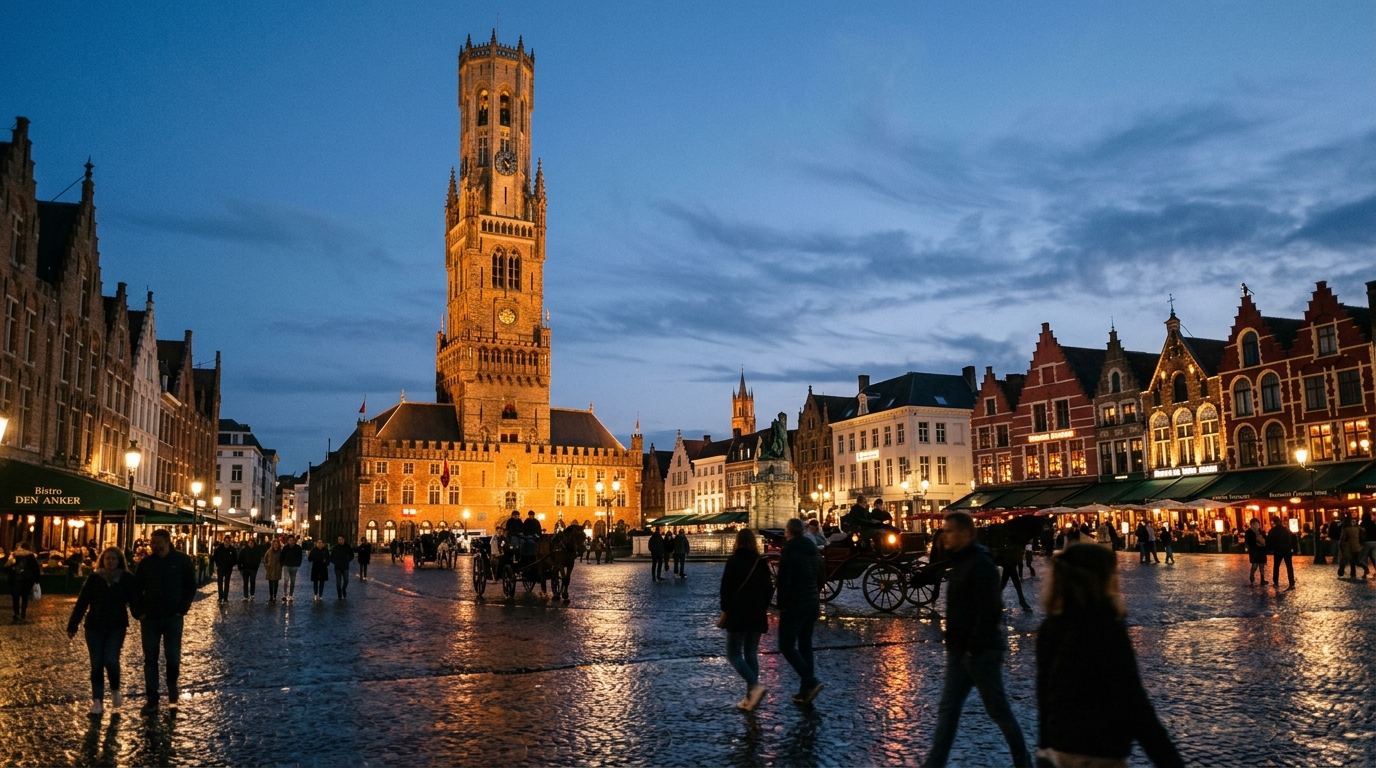
The medieval core, known as the Historic Centre, has been UNESCO-listed since 2000. Its canal network stretches over 80 km, the city centre is largely car-free, and the concentration of Flemish Gothic architecture is unmatched outside Amsterdam. The Markt square, the Belfry, the Rozenhoedkaai canal bend — these aren’t just postcard shots. They’re genuinely impressive in person.
The honest answer: go. But go smart.
What Makes Bruges Worth the Trip
Bruges earns its reputation on architecture, canals, chocolate, and beer — four things it does better than almost any city its size. A 2024 survey of European city rankings by Conde Nast Traveler placed Bruges in the top 10 most beautiful cities in Europe for the fourth consecutive year. That consistency reflects real quality, not just marketing.
The Historic Centre Is Genuinely Stunning
The Markt square anchors the city with its 13th-century Belfry tower, a 366-step climb that rewards visitors with panoramic views over Flemish rooftops. Entry costs €14 (Visit Bruges, 2026). The surrounding guild houses date to the medieval wool trade that made Bruges one of the wealthiest cities in 14th-century Europe. Walking the cobblestone streets around the Burg square and Groeninge Museum area takes an hour and costs nothing.
Canal Boat Rides Give a Unique Perspective
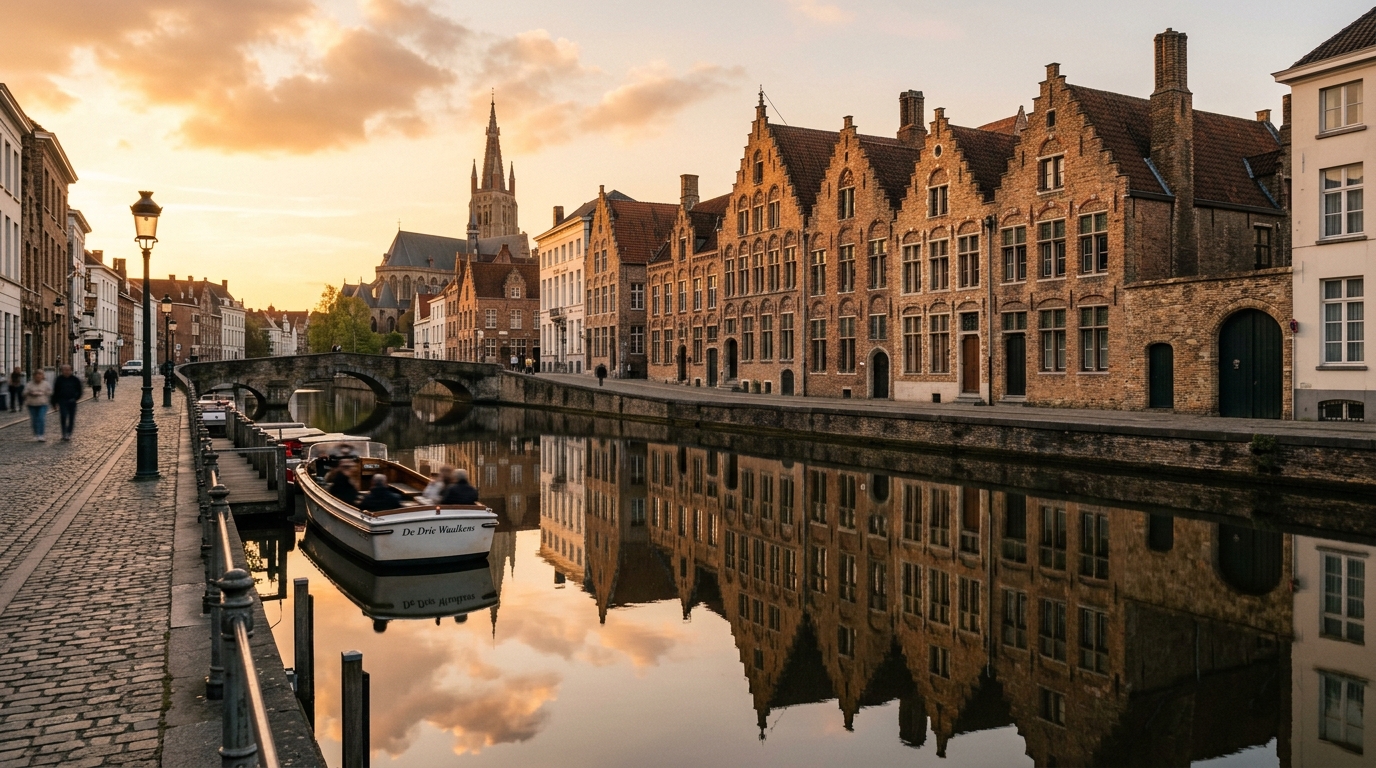
Canal boat tours depart from five points in the historic centre and last roughly 30 minutes, covering the city’s most photogenic waterways at water level. Cost: €12 per person (Bruges official canal operators, 2026). The Rozenhoedkaai bend, which appears in nearly every photograph of Bruges, looks entirely different — and more dramatic — from the boat than from the bridge above. This is one experience that genuinely justifies the price.
Most visitors photograph Rozenhoedkaai from the bridge on the Wollestraat. The actual view from the boat looking back toward the bridge is superior, with the Belfry framed in the background. Guides consistently note that the 7am morning light on this stretch rivals any canal shot in Venice or Amsterdam — at a fraction of the cost.
Belgian Chocolate and Beer Are World-Class — and Affordable
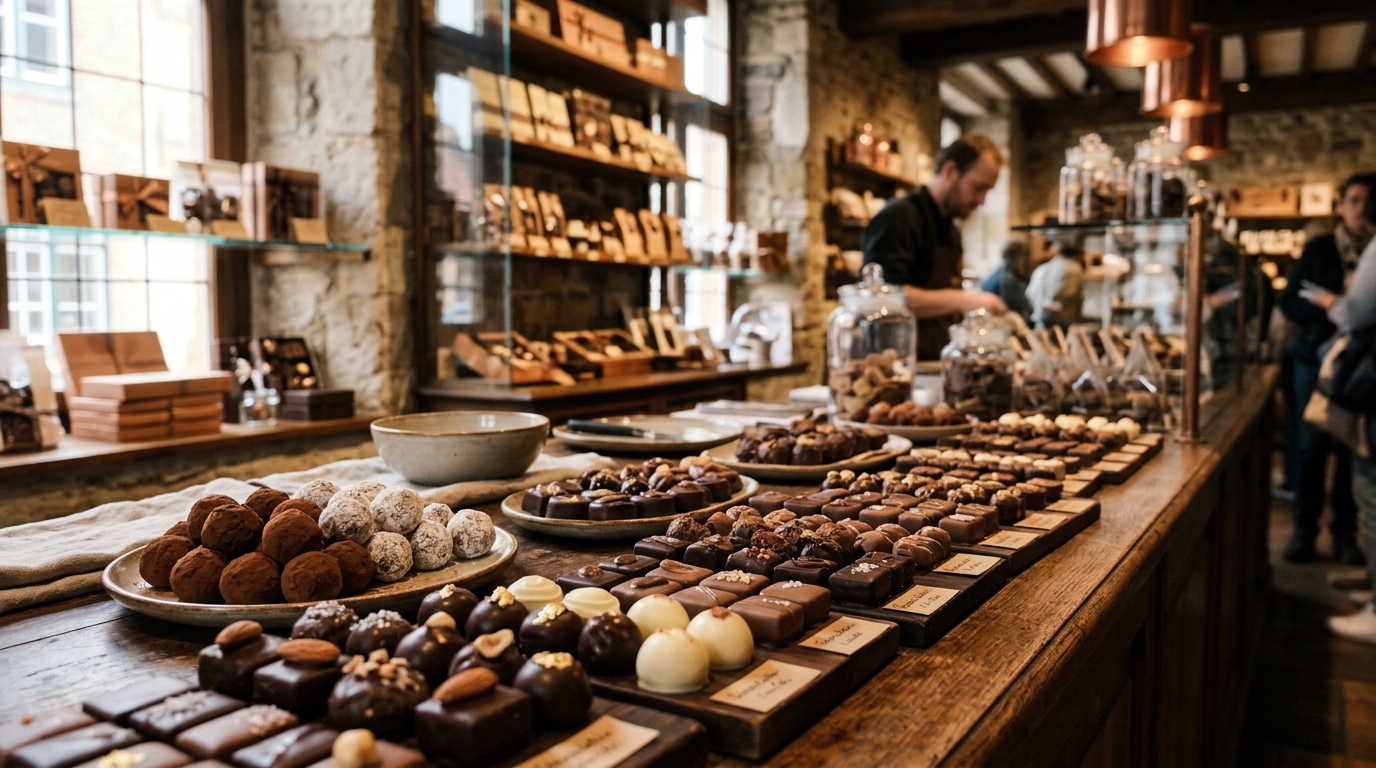
Bruges has over 80 chocolate shops in its historic centre. Belgian pralines start at €3 per piece for single chocolates from artisan producers like The Chocolate Line and Dumon. The city’s association with Belgian chocolate dates to the 19th century, when Belgian producers pioneered the praline format. A 250g box of quality artisan chocolates runs €15-25, comparable in price to supermarket chocolate in London or Paris but dramatically superior in quality.
Beer culture runs equally deep. The city has 300+ Belgian beer varieties available across its bars. A draft beer in a pub costs €3-5 (Numbeo Bruges cost data, 2026). The Bruges Beer Museum on the Breidelstraat offers a three-beer tasting experience with a full Belgian brewing history tour for €16 (Bruges Beer Museum, 2026).
It’s an Easy and Affordable Day Trip
Bruges sits one hour from Brussels by Intercity train. Direct trains run every 30 minutes from Brussels-Midi (South) station. The return fare costs €15-17 when booked online (SNCB Belgian Rail, 2026). From Amsterdam, the train takes approximately 3 hours with a connection in Antwerp, costing €35-50 depending on booking timing. No overnight stay is required, and a single day covers most of the major sights comfortably if you arrive early.
The Honest Downsides of Visiting Bruges
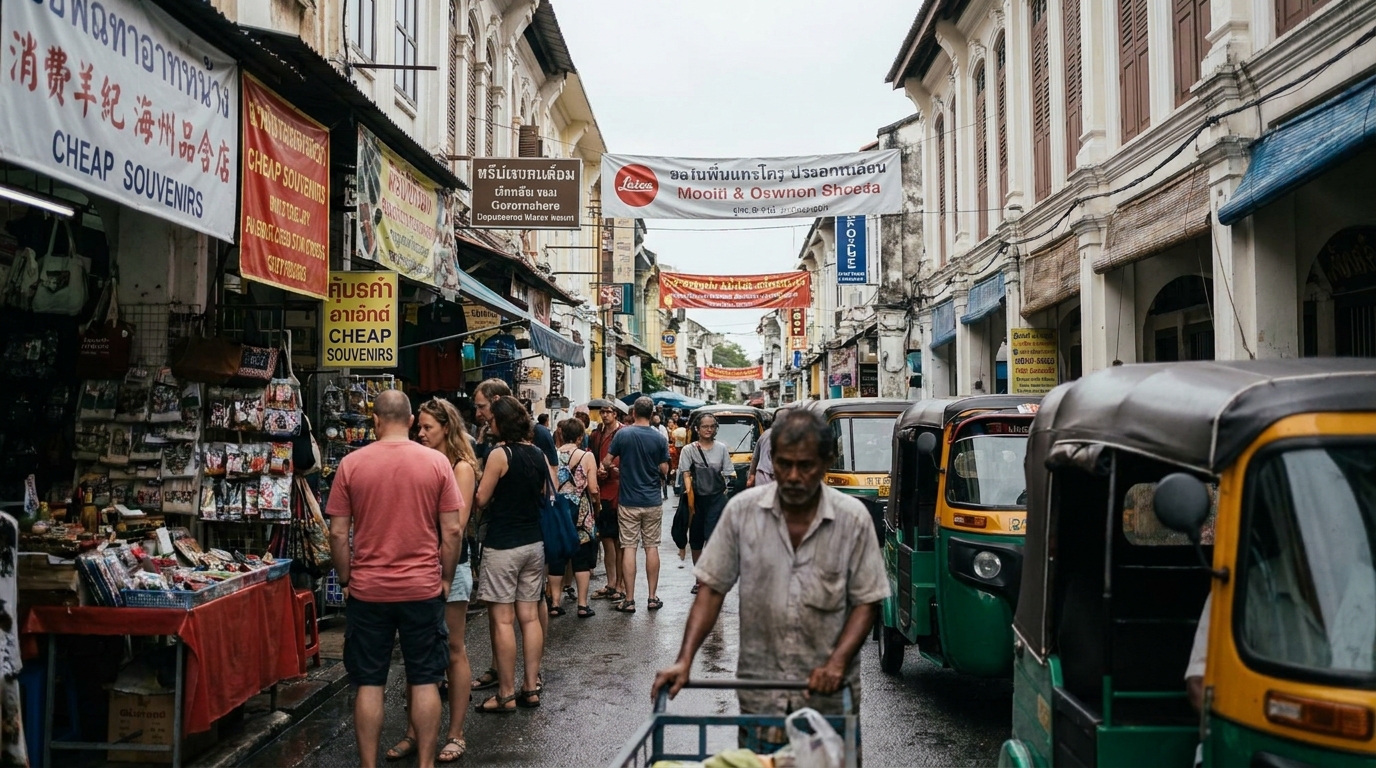
Over-tourism is Bruges’ most serious problem, and the numbers don’t lie. With 8 million annual visitors crowding a 2.6 sq km historic zone, the Markt square and canal-side streets become genuinely unpleasant during July and August peak hours. A 2023 resident survey by the City of Bruges found that 63% of residents felt tourism had negatively affected their quality of life in the historic center (City of Bruges Annual Report, 2023).
The Touristy Feel Is Real
The historic centre has shifted heavily toward visitor services. Horse-drawn carriage tours (€50 for 30 minutes), lace shops, waffle stands, and chocolate stores occupy prime real estate that was once home to working businesses. Menus in the Markt area are printed in four languages and priced for tourists. Meals near the main square run €15-25 per person for unremarkable food. Walking two streets back from the main drag reveals a completely different city — quieter, cheaper, and more authentic — but most visitors never find it.
Peak Season Pricing Adds Up
Bruges sits in a mid-range cost bracket for Belgium, but tourist-zone prices push costs higher. A hotel in the historic centre averages €140-200/night in shoulder season and €200-280/night in July-August (see live pricing on our hotel map, 2026). Even “budget” hotels within walking distance of the Markt rarely drop below €90 in summer. Meals at canal-side restaurants often carry a location premium of 30-40% over equivalent restaurants two blocks away.
The Compact Size Can Feel Limiting
Bruges is small. The main historic sites can be covered in a single day, which is why it attracts so many day-trippers. Visitors planning a 3-4 night stay sometimes feel they’ve exhausted the obvious attractions by day two. The museum circuit — Groeninge, Memling, Gruuthuse, Belfry — is excellent but concentrated. Travelers who need variety and changing scenery may find the city feels repetitive after 48 hours.
Is Bruges Worth It as a Day Trip?
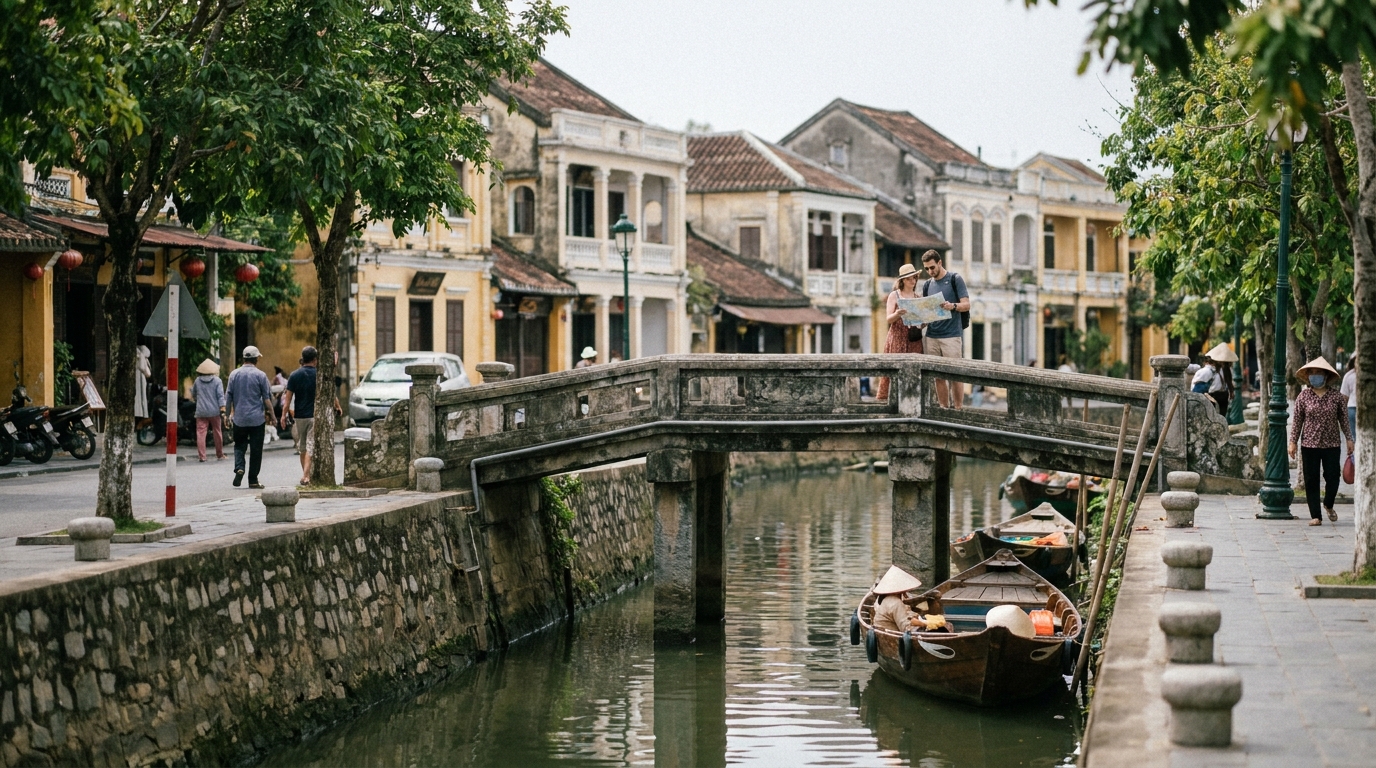
A day trip to Bruges from Brussels is one of the best value moves in Western Europe, delivering six to eight hours of genuine sightseeing for a total cost of around €50-70 per person including transport, canal boat, museum entry, lunch, and two or three chocolates. The 1-hour train journey from Brussels makes it one of the most accessible UNESCO Heritage cities on the continent (SNCB, 2026).
The practical rule: arrive before 9:30am on weekdays, or before 9:00am on weekends. The Markt is dramatically emptier before 10am than after. The canal boat queues, which can reach 20-30 minutes at peak midday, are essentially non-existent before 10am. By 5pm, most day-trippers begin leaving, and the city shifts back to something quieter.
A day trip covers: Markt and Belfry exterior (free, €14 to climb), canal boat (€12), Rozenhoedkaai (free), Burg Square (free), one museum (€8-12 entry), lunch away from the Markt (€12-16), and a chocolate shop stop (€5-15). That’s a complete Bruges experience for well under €100.
Staying overnight completely changes Bruges. After 6pm, when the day-trip coaches depart, the canal streets quiet down by roughly 60%. The reflections on the water, the empty bridges, the lit guild houses — this is the Bruges that photographers and repeat visitors return for. If budget allows, one overnight stay is worth more than two extra daytime hours.
See our Bruges itinerary guide for a detailed day-by-day and day-trip breakdown.
Is Bruges Worth Visiting vs Other Belgium Cities?
Belgium is compact and heavily interconnected by rail, which means comparing Bruges, Ghent, Antwerp, and Brussels is a practical question for most travelers. A 2025 traveler preference survey by Travel + Leisure found that 71% of first-time Belgium visitors chose Bruges as their top destination, while returning visitors split more evenly between Bruges and Ghent.
| City | Crowd Level | Cost | Architecture | Food/Beer | Best For |
|---|---|---|---|---|---|
| Bruges | Very High (summer) | Medium-High | 5/5 | 5/5 | First-timers, couples, photographers |
| Ghent | Medium | Medium | 4.5/5 | 5/5 | Repeat visitors, students, nightlife |
| Antwerp | Medium | Medium-High | 4/5 | 4/5 | Fashion, diamonds, port culture |
| Brussels | High (centre) | Medium | 4/5 | 5/5 | EU travelers, museums, Grand-Place |
Source: Travel Tip Now comparative analysis, 2026; Travel + Leisure Belgium survey, 2025
Ghent is often called “Bruges without the crowds,” and there’s truth to that. The Graslei waterfront rivals Bruges’ canals for beauty, and Ghent’s restaurant scene is arguably stronger. But Bruges’ Markt and Belfry are, by a margin, more visually dramatic than anything Ghent has to offer. First-time visitors to Belgium should see Bruges. Anyone returning to Belgium should consider Ghent instead.
Find your Bruges hotel on the map
Live prices from Booking & Airbnb — tap a pin to compare stays around the Historic Centre (Markt) and beyond.
When Bruges Is Most Worth Visiting (And When to Avoid)
The difference between a great Bruges trip and a frustrating one often comes down to the month, the day of the week, and the time you arrive in the city centre. The City of Bruges tourism office records peak visitor density in July and August, when daily footfall in the Markt area can exceed 35,000 people on weekend days (City of Bruges, 2024).
Best Times to Visit Bruges
- April to early June: Mild weather (12-18°C), fewer crowds, lower hotel rates. The Christmas Market hangover crowds have cleared, and summer peaks haven’t arrived. This is the best window for photographers and couples.
- September to October: Similar benefits to spring. The summer crowds thin noticeably after the first week of September. Temperatures remain comfortable (14-20°C) and canal boat queues stay short.
- Weekday mornings: Even in summer, arriving Tuesday-Thursday before 10am gives a dramatically better experience than a Saturday afternoon visit.
- December (Christmas Market): Bruges’ Christmas Market runs late November through early January and transforms the Markt into a genuinely magical winter setting. Crowds are high but festive, and the atmosphere justifies it. Hotel rates drop after December 26.
When to Avoid
- July-August weekends: The worst possible combination. Every European tourist, UK day-tripper, and coach group arrives simultaneously. The Markt can feel genuinely claustrophobic.
- Easter weekend: Bruges fills with Belgian and Dutch families. Accommodation books out months ahead.
- Bank holiday Mondays: Several Belgian public holidays fall on Mondays. Many shops and some restaurants close, but tourist footfall stays high.
Is Bruges Worth It on a Budget?
Budget travelers can visit Bruges meaningfully for €50-70 per day if they stay outside the historic centre and eat strategically. The trap most budget travelers fall into is paying canal-side restaurant prices (€15-25 per main course) when equivalent meals exist two streets away for €10-14. Belgian fries (frites) from a traditional frietkot cost €3-4 and are often better than restaurant meals in tourist zones (Numbeo Bruges, 2026).
Budget Breakdown for Bruges
- Accommodation: Hostels 15-20 minutes by bus from the Markt run €25-40/night for a dorm bed. Budget hotels in the Sint-Andries or Sint-Michiels areas start at €70-90/night for a double.
- Transport: A return train from Brussels costs €15-17. Within Bruges, the historic centre is entirely walkable. Bus day passes cost €7 (De Lijn Bruges, 2026).
- Sightseeing: The canal boat (€12), Belfry (€14), and Groeninge Museum (€12) are the main paid attractions. Free sights — the Burg, the Begijnhof, the Lake of Love, the Rozenhoedkaai — fill a full day without any entry fee.
- Food: Supermarkets (Delhaize, Colruyt) within 10 minutes of the centre allow self-catering for lunch. A traditional lunch menu (dagschotel) at a non-tourist café costs €12-15 including a drink.
- Chocolate: You don’t need to buy premium boxes. Most chocolate shops offer single pralines for €1.50-3 — a more affordable way to taste the quality without a €25 commitment.
Book accommodation through [BOOKING_LINK] to compare hotels inside and outside the historic centre with real pricing.
Our Verdict: Who Should (and Shouldn’t) Visit Bruges
Bruges earns a strong recommendation for the right type of traveler, and a cautious warning for others. The city’s medieval architecture, canal network, and food culture are genuinely world-class. The over-tourism problem is real but manageable with basic planning. The key question isn’t whether Bruges is good — it clearly is — but whether you’re the right fit for what Bruges actually offers.
Visit Bruges If You Are…
- A first-time Belgium visitor: Bruges is the country’s most visually rewarding city and the logical starting point for any Belgium itinerary.
- A history or architecture enthusiast: The concentration of medieval Flemish Gothic buildings in the historic centre is unmatched in Northern Europe. The Groeninge Museum holds Hans Memling and Jan van Eyck originals.
- A food traveler: Belgian chocolate, Belgian fries, and Belgian beer are genuine world-class products, not tourist clichés. Bruges has more artisan chocolate shops per square kilometer than any city in Europe.
- A couple or photographer: The canal reflections, the quiet morning streets, the Belfry at dusk — Bruges is undeniably romantic and photogenic. Morning light before 9am is exceptional.
- A day-tripper from Brussels or Amsterdam: The value-for-time ratio is exceptional. Six hours in Bruges delivers more visual impact than six hours in many larger European capitals.
Think Twice If You Are…
- A budget backpacker expecting cheap prices: Bruges’ tourist zone prices are 20-30% above Belgium’s already moderate average. Budget trips are possible but require deliberate choices.
- Traveling in July or August without arriving early: Peak summer without a morning arrival strategy is a genuinely frustrating experience. Crowds at the main sights are severe.
- Looking for nightlife or a party scene: Bruges closes early. The bar scene is pleasant but small. Ghent and Antwerp offer dramatically better nightlife options.
- Planning more than 3 nights: The city’s compact size means most visitors exhaust the obvious sights within two days. A third day is pleasant; a fourth day requires deliberate effort to fill.
Frequently Asked Questions
Is Bruges too touristy to be enjoyable?
Bruges is touristy but still enjoyable — with timing. The city attracts 8 million visitors annually (Visit Bruges, 2024), which creates real congestion in July and August. But arriving before 10am, visiting on weekdays, or traveling in April-June or September-October delivers a dramatically better experience. The medieval architecture and canals are genuine, not recreated for tourists. The tourist density is the variable you control.
How many days do you need in Bruges?
One full day is enough to see the main sights, including the Markt, Belfry, a canal boat, Rozenhoedkaai, and the Burg. Two days allows a slower pace with museum visits and better meals. Three days is the comfortable maximum for most travelers. Beyond three days, the city’s compact size starts to feel limiting. See our Bruges itinerary guide for a full day-by-day breakdown.
Is Bruges worth visiting in winter?
Yes, particularly in December for the Christmas Market, which runs late November through early January. The atmosphere in the Markt with the market stalls, mulled wine, and Belfry lights is genuinely memorable. January through March is quieter and cheaper, with hotel rates 30-40% below summer peaks. The canals and architecture look different in grey winter light but remain photogenic. Cold weather (2-8°C) is the main downside.
Is Bruges worth visiting for a solo traveler?
Bruges works well for solo travelers. It’s compact and entirely walkable, crime rates in the historic centre are extremely low, and the museum circuit at the Groeninge and Memling is well-suited to solo exploration. The main limitation is that canal boats run fixed routes with per-person pricing, so there’s no solo premium. Find Bruges hotels with good solo traveler reviews and central locations.
How does Bruges compare to Amsterdam for a canal city experience?
Bruges and Amsterdam both offer medieval canal architecture, but they deliver very different experiences. Amsterdam is 20 times larger, with a far broader range of museums, nightlife, and neighborhoods. Bruges is smaller, quieter (when not peak season), and more concentrated — you see the highlights faster but have less depth to explore. Canal boat tours in Bruges cost €12 vs €17-20 in Amsterdam for comparable 30-minute routes. For pure canal aesthetics in a compact setting, Bruges is the stronger choice. For city depth and variety, Amsterdam wins.
Final Thoughts
Bruges rewards travelers who plan around it rather than expecting it to accommodate them. The medieval core, the canals, the chocolate culture, and the Flemish art heritage are all exceptional by European standards. The over-tourism problem is real, but it’s also entirely manageable with a few sensible choices: travel in April-June or September-October, arrive before 10am, stay overnight at least once, and eat one street back from the main tourist circuit.
For first-time visitors to Belgium, Bruges remains the obvious starting point. For returning visitors, Ghent offers a compelling alternative with fewer crowds and a comparable food scene. But skip Bruges entirely? That would be a genuine mistake.
Use our Bruges travel guide to plan the full trip, and browse Bruges hotels for accommodation options across all budgets from the historic centre to quieter neighborhoods.