
Disclosure: Some links in this guide are affiliate links. If you book or buy through them, we may earn a small commission at no extra cost to you — it helps keep our guides free.
20 Best Things to Do in Bruges 2026: Complete Activity Guide
Bruges draws over 8 million visitors per year to a medieval city center barely 3 km across (Toerisme Vlaanderen, 2024). That concentration of canals, Gothic towers, museums, and artisan chocolate makers inside a UNESCO World Heritage Site makes it one of the most activity-dense destinations in Europe. For a city of just 120,000 residents, the choice of things to do is almost absurdly rich.
This guide covers all 20 activities worth your time, ranked by experience quality and value. Every entry includes the current 2026 price, exact location, and honest advice on whether the queue is worth it.
See the Bruges travel guide for transport, weather, and visa info before you book.
Key Takeaways
– Canal boat tours cost EUR 12 and run every 30 minutes from 5 departure points on the Dijver
– The Belfry (EUR 14, 366 steps) closes on Tuesdays — book online to skip the queue
– De Halve Maan Brewery tour (EUR 10) includes a beer and is the only working brewery in the historic center
– Begijnhof and Minnewater are both free, UNESCO-linked sites worth at least 45 minutes combined
– Hands-on praline workshops (EUR 35-50) book out days ahead in peak season
We only link to experiences we genuinely recommend.
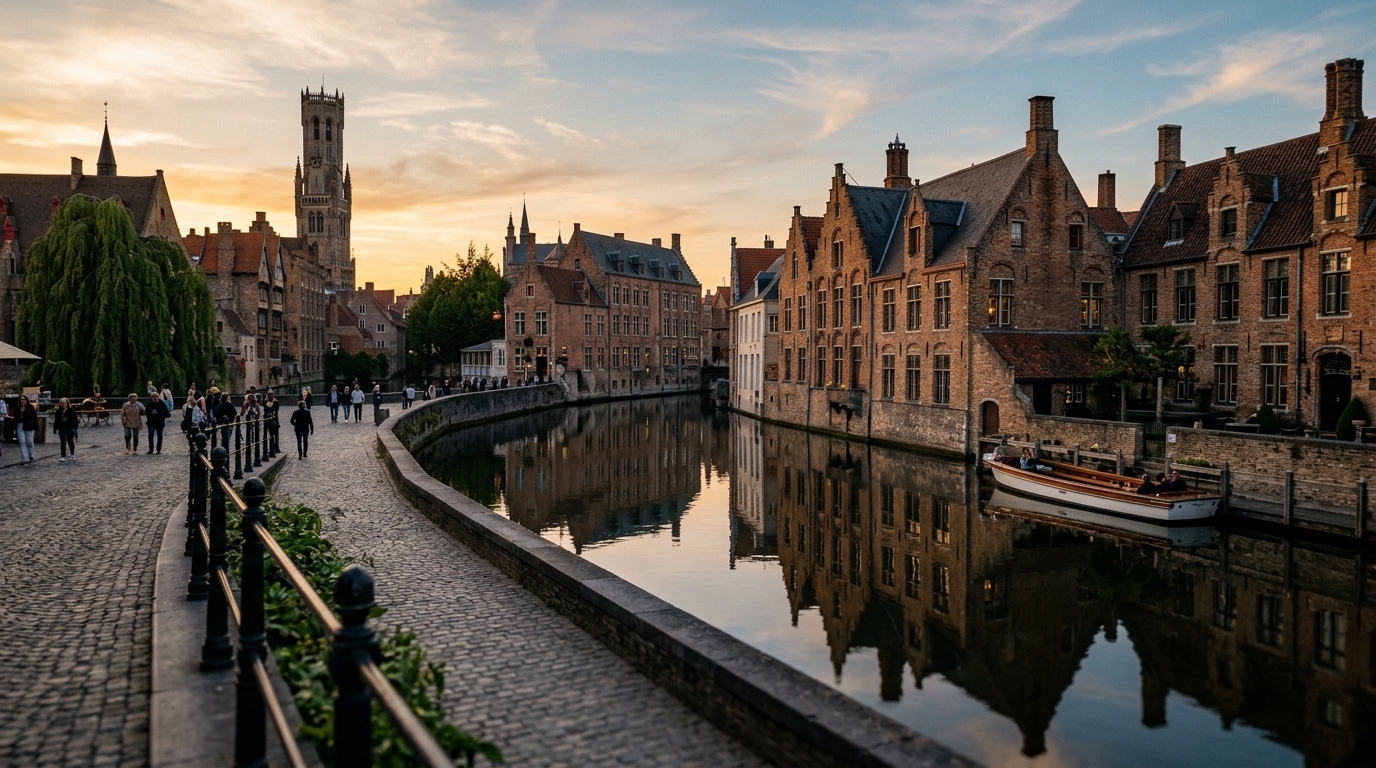
Best Things to Do in Bruges: Quick Orientation
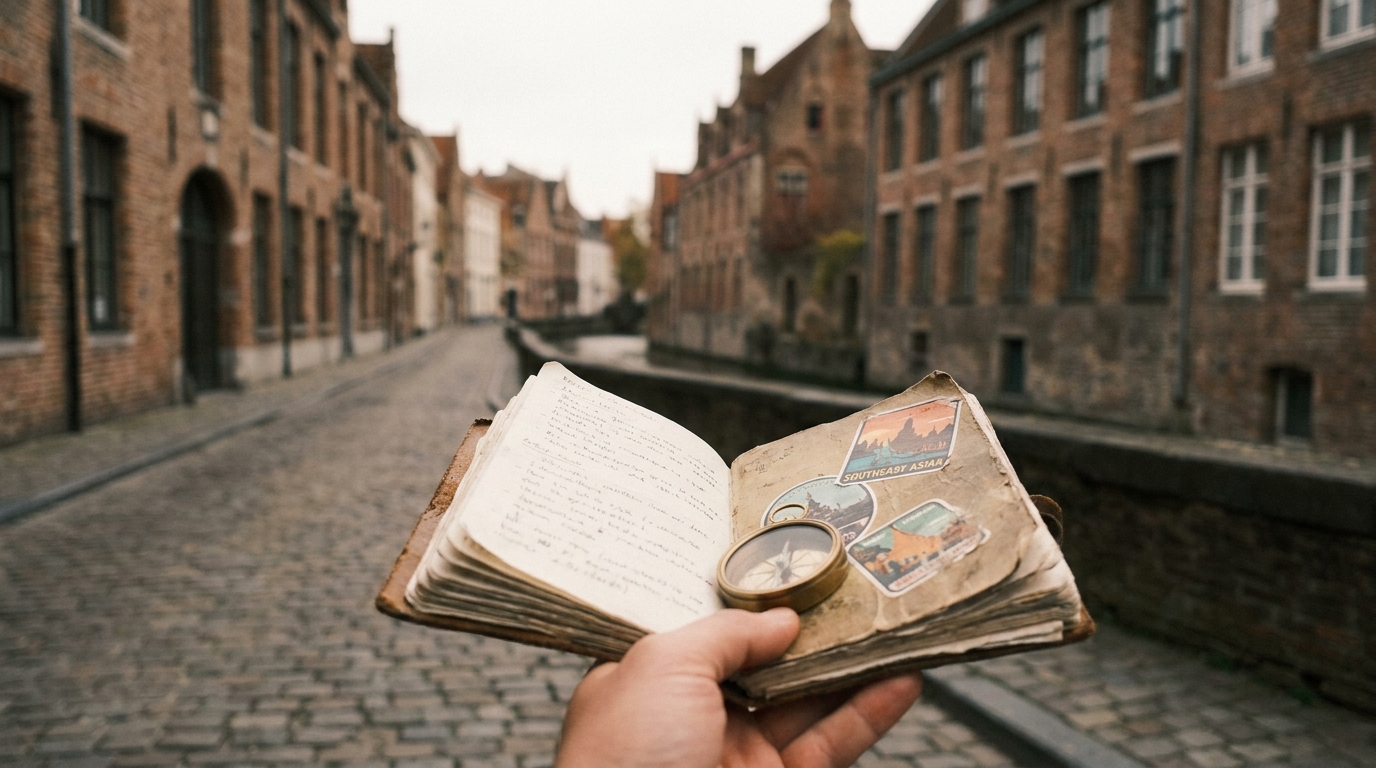
Bruges consistently ranks among Europe’s top five most beautiful small cities, with UNESCO granting its historic center World Heritage status in 2000 (UNESCO, 2000). Almost all 20 activities in this guide sit within a 15-minute walk of the central Markt square. You do not need a car, and you do not need to rush.
The city divides naturally into three zones. First, the commercial center around Markt and Burg squares. Second, the museum quarter south toward Dijver canal. Third, the quieter eastern reaches near Kruispoort gate. The western edge holds De Halve Maan brewery and the Begijnhof. Most visitors spend 2-3 days here. If you only have one day, prioritize the canal boat, the Belfry, and one museum.
Bruges has a well-documented overtourism issue on weekends from April to October. Weekday mornings before 10am are dramatically quieter at Rozenhoedkaai and the Belfry entrance. Arriving on a Sunday afternoon means Belfry queues can stretch 45 minutes. The same experience on a Tuesday morning takes five minutes. Coming midweek is the single most effective way to improve your visit at zero extra cost.
For accommodation options at all price points, the Bruges hotels guide covers the best neighborhoods to stay in and what to expect at each budget level.
Are the Iconic Bruges Experiences Actually Worth It?
The most-photographed view in Belgium is free. Rozenhoedkaai, where the Dijver and Groenerei canals meet, costs nothing and delivers a postcard-perfect medieval skyline at any time of day. The paid experiences — canal boat, Belfry, De Halve Maan — carry strong reputations for a reason. All three are genuinely worth the price, and all three benefit from advance booking during peak months.
Rozenhoedkaai Viewpoint — Free
Stand on the stone bridge at Rozenhoedkaai and look northeast. The composition of canal, guild houses, and church spire has appeared in more travel photographs than any other spot in Belgium (Visit Bruges, 2025). The light falls best between 6:30am and 8:00am in summer, or in the hour before sunset. There is nowhere to pay and nowhere to book. Just show up early.
Canal Boat Tour — EUR 12 per Adult
A 30-minute boat tour along the canals is the activity most visitors regret skipping. Five departure points operate along the Dijver between 10am and 6pm daily from March through November. Guides narrate in multiple languages as flat-bottomed boats pass under low stone bridges. The perspective from water level reveals architectural details — carved stonework, medieval gate mechanisms, private garden terraces — completely invisible from the streets above.
Walk-up tickets are available but sell out by early afternoon on busy weekends.
Markt Square — Free
The central market square is where Bruges began trading in the 9th century. The neo-Gothic Provinciaal Hof building dominates the north side. Horse-drawn carriage rides (EUR 50 per carriage, 35 minutes) depart from the square’s center and follow a fixed canal-side route. The experience is genuinely pleasant rather than purely touristy, especially on a clear morning when the towers are sharp against a blue sky.
Burg Square and Town Hall — Free (Town Hall EUR 4)
Two minutes from Markt, Burg square clusters more Gothic architecture into a single view than almost anywhere in northern Europe. The Town Hall dates to 1376 and houses the oldest Gothic hall in the Low Countries. Entry costs EUR 4 and includes the adjacent Renaissance Room. The square itself is free and worth ten minutes even if you skip the interior.
Begijnhof — Free
The Begijnhof is a UNESCO World Heritage Site within a UNESCO World Heritage Site — a designation that sounds bureaucratic until you walk through the gate. The whitewashed courtyard houses, built from the 13th century onward for the Beguine religious community, are now occupied by Benedictine nuns and remain a working place of worship. Entry is free, but the expected visitor behavior is stricter here than at most tourist sites. Speak quietly, do not photograph the nuns, and treat the space as a living religious site rather than a scenic backdrop.
The courtyard garden blooms with daffodils from late March to mid-April. In summer it is shaded and cool, a genuine escape from the crowds, just fifteen minutes’ walk from Markt.
Minnewater (Lovers’ Lake) — Free
Adjacent to the Begijnhof, Minnewater is a willow-lined lake whose resident swans have become the symbol of Bruges. Local legend ties the swans to a 15th-century story of a mayor forced by Maximilian of Austria to maintain the birds in perpetuity. The effect is striking regardless: dozens of swans gliding across calm water against a backdrop of medieval walls. The surrounding park connects directly to the Begijnhof circuit and makes for a pleasant 45-minute free walk.
How Challenging Is the Belfry Climb?
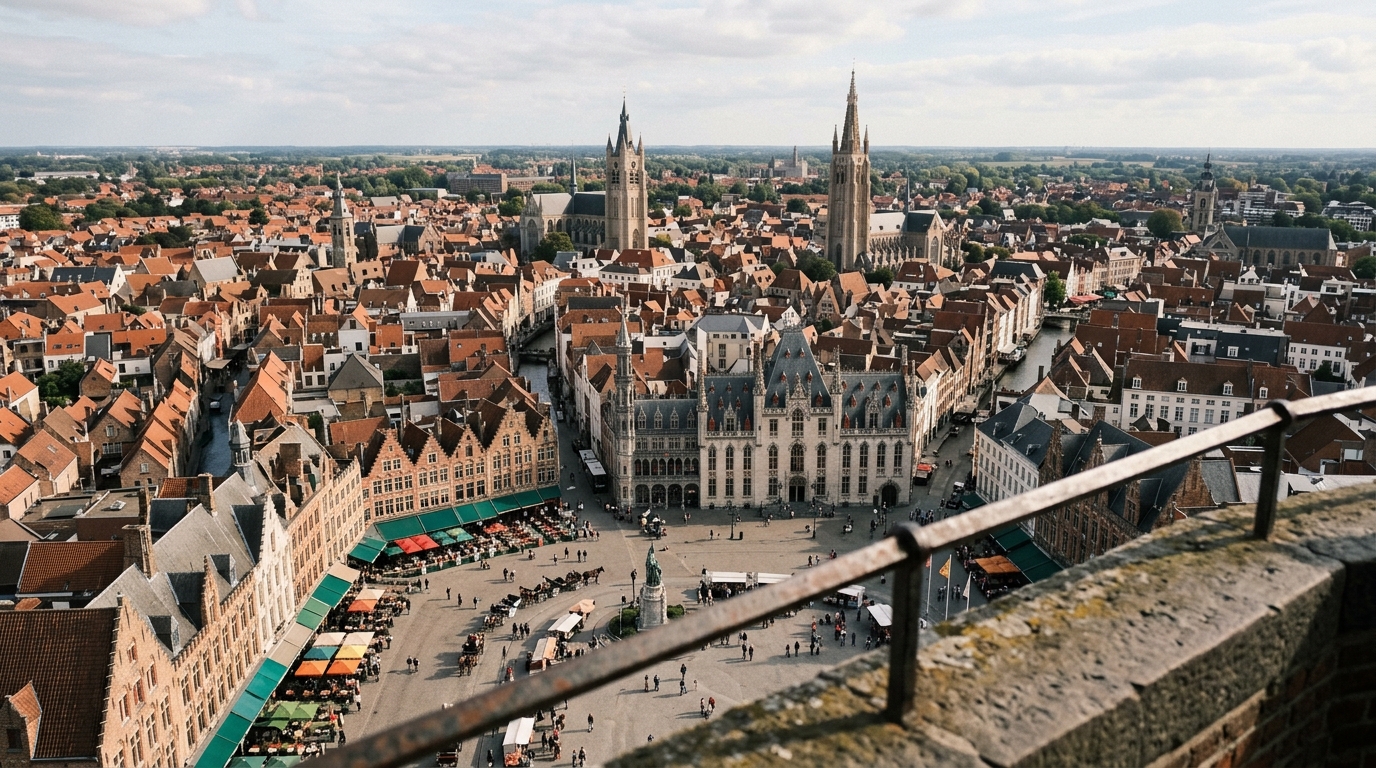
The Belfry has dominated the Markt skyline since 1240, and at 83 meters its carillon of 47 bells plays every quarter hour (Heritage Bruges, 2024). The 366-step climb is steep and the staircase is narrow. Most reasonably fit adults complete it in 15-20 minutes. The panoramic view from the top, extending to the Belgian coast on clear days, makes the effort worthwhile for almost everyone who attempts it.
Climbing the Belfry — EUR 14
The staircase is non-negotiable for any serious visit to Bruges. The final section of wooden steps is tight, and a one-way system operates at peak times. The Belfry closes on Tuesdays — the one practical quirk worth planning around. Book online before you arrive. Walk-up tickets are available, but weekend queues regularly exceed 30 minutes.
Sint-Janshuis Windmill — EUR 4
Three windmills stand along Kruispoort gate, forming one of Bruges’ most undervisited skylines. Sint-Janshuis is the only one still working and open to visitors. Entry costs EUR 4, and the miller operates the mechanism when wind conditions allow. The view from the base looks back across the city rooftops and gives a clearer sense of Bruges’ compact scale than many higher vantage points. Best combined with a walk along the eastern canal ring.
Which Bruges Museums Are Worth the Entry Fee?
Bruges holds two of the most significant collections of Flemish Primitive painting outside major national museums — and both reward slower visits than most travelers give them (Groeningemuseum, 2025). The museum quarter clusters south of Markt along the Dijver, so combining two or three in a single afternoon requires minimal walking.
| Museum / Venue | Entry 2026 | Key Highlight | Time Needed |
|---|---|---|---|
| Groeningemuseum | EUR 12 | Van Eyck Madonna (1436) | 90 min |
| Memling in Sint-Jan | EUR 12 | Shrine of St. Ursula (1489) | 60 min |
| Choco-Story Chocolate Museum | EUR 12 | Belgian chocolate history + tasting | 45 min |
| Bruges Beer Experience | EUR 16 | Interactive museum, 3 tastings | 60 min |
| Lace Centre (Kantcentrum) | EUR 6 | Live lacemaking demonstrations | 30 min |
Source: Official venue pricing, Visit Bruges, 2026
Groeningemuseum — EUR 12
The Groeningemuseum holds Jan van Eyck’s “Madonna of Canon van der Paele” (1436), one of the most technically sophisticated paintings produced in the 15th century. Van Eyck worked in Bruges for most of his career, and the collection represents the full arc of Flemish Primitive painting from the 14th through 18th centuries. The building is small and the collection focused. Allow 90 minutes to move at a pace that does the work justice.
Memling in Sint-Jan — EUR 12
Hans Memling’s six major works are displayed in the medieval hospital where they were originally created. That original context is something no modern museum can replicate. The “Shrine of St. Ursula” (1489) — a miniature painted Gothic chapel housing relics — is the centerpiece. The hospital building itself, one of the oldest surviving in Europe, is part of what you are paying to see. Allow 60 minutes.
Choco-Story Chocolate Museum — EUR 12
Belgian chocolate history from Aztec cacao origins through the Belgian praline invention (Jean Neuhaus, 1912) to modern production methods, all housed in a former nobleman’s townhouse with solid English signage. Entry includes a tasting. It is not a substitute for a hands-on workshop, but good grounding in why Belgian chocolate differs from mass-market alternatives before you spend EUR 35-50 on a praline class.
Lace Centre (Kantcentrum) — EUR 6
Bobbin lacemaking developed in Bruges in the 16th century and once employed thousands of women across the city. The Kantcentrum keeps it alive with live demonstrations by practicing lacemakers most mornings. The EUR 6 entry is one of the best-value cultural experiences in the city. The gift shop sells certified handmade Bruges lace at prices that honestly reflect the hours involved.
Basilica of the Holy Blood — Free (Treasury EUR 2.50)
The lower Romanesque chapel (12th century) is free and genuinely atmospheric, with bare stone walls and a palpable sense of accumulated centuries. The upper chapel holds the reliquary said to contain a cloth with drops of Christ’s blood, brought from Jerusalem after the Second Crusade. The relic is displayed daily from 14:00 to 16:00. The Treasury museum adds EUR 2.50 and contextualizes the relic’s history and importance.
Holy Saviour Cathedral — Free
Bruges’ oldest parish church, with origins in the 850s, holds the Bruges Triptyque — a triptych by Dieric Bouts that survived 16th-century iconoclasm through sheer luck. The cathedral is free to enter and consistently under-visited compared to the Basilica of the Holy Blood. Worth 30 minutes for anyone with an interest in medieval religious art.
Find your Bruges hotel on the map
Live prices from Booking & Airbnb — tap a pin to compare stays around the Historic Centre (Markt) and beyond.
Beer, Chocolate + Culinary Experiences
Belgium produces more than 1,500 distinct beer varieties, and Bruges has been central to that brewing tradition for over 500 years (Belgian Brewers Association, 2024). The food and drink experiences here go well beyond a glass at a cafe table. The best options involve production: seeing how beer is brewed, or making chocolate yourself.
De Halve Maan Brewery Tour — EUR 10
De Halve Maan is the only working brewery still operating inside Bruges’ historic center. Founded in 1856, it brews Brugse Zot and Straffe Hendrik ales, and famously installed a 3.2 km underground beer pipeline in 2016 to move product to the bottling plant without adding delivery trucks to the narrow medieval streets (De Halve Maan, 2024). The EUR 10 guided tour runs daily, lasts about 45 minutes, and includes one beer. Book ahead — the tour sells out most afternoons in summer.
Bruges Beer Experience — EUR 16
The interactive beer museum near Markt covers Belgian beer culture from monastic origins to the craft beer movement, with hands-on exhibits spread across four floors. Entry includes three tasting tokens redeemable at the bar. More comprehensive than De Halve Maan for beer history, but without the working brewery atmosphere. Worth combining with De Halve Maan if beer is a primary interest during your visit.
Chocolate Workshop — EUR 35-50
Making Belgian pralines under instruction from a chocolatier is a fundamentally different experience from tasting them in a shop. Multiple venues in Bruges offer 90-120 minute workshops, including The Chocolate Line (founded by Dominique Persoone, who created a chocolate-snorting device for the Rolling Stones’ birthday party) and several smaller ateliers near the Markt. Prices range from EUR 35 for group sessions to EUR 50 for smaller classes. Book at least three days ahead during April to October. The finished pralines travel home well in a cool bag.
Fish Market (Vismarkt) — Free
The covered market hall on the Groenerei canal runs every Saturday morning and sells fresh North Sea catch direct from Ostend fishermen. It is a functioning market first and a tourist experience second, which is exactly why it is worth visiting. Arrive before 10am for the widest selection. The surrounding streets have cafes open from 8am if you want to combine it with breakfast.
What Are the Hidden Gems in Bruges?
Bruges’ reputation for overtourism is real, but it applies almost entirely to a 500-meter radius around Markt. The city’s eastern neighborhoods, windmill walk, and the canal bike loop carry a fraction of the crowd pressure and deliver experiences that feel genuinely local rather than staged for visitors.
Bike the Canals — EUR 15/day Rental
Bruges is flat, compact, and has a well-signed cycling network. Renting a bike for EUR 15 per day and following the 8 km canal loop around the historic center takes about two hours at a relaxed pace. The eastern stretch from Kruispoort to Dampoort passes the windmills, a section of the original city wall, and several neighborhoods where the tourist density drops sharply. Multiple rental shops operate near the station.
Wander the Quiet Southern Canals
The streets between the Dijver and the Begijnhof — Groenerei, Arentspark, Katelijnestraat — carry far fewer crowds than the area north of Markt. These canals are navigated by swans rather than tourist boats. The architecture is equally dense and equally medieval. Spending an hour walking these streets with no particular destination is the best way to understand why Bruges’ UNESCO status encompasses the entire city rather than just a handful of monuments.
Day Trips From Bruges
Bruges works well as a base for the broader region. Ghent is 30 minutes by train, Brussels is one hour, and the Belgian coast is under 30 minutes. The rail connections are frequent and cheap, making day trips genuinely easy to slot around Bruges activities.
Day Trip to Ghent — EUR 8 Return, 30 Minutes
Ghent is Bruges’ medieval rival, and the comparison between the two cities is one of the most interesting exercises in European urban history. Bruges froze economically when its harbor silted up in the 15th century and was consequently preserved almost intact. Ghent kept growing, industrialized in the 19th century, and today carries both medieval monuments and a thriving modern city around them.
The Van Eyck altarpiece “Adoration of the Mystic Lamb” (1432) is in Ghent’s St. Bavo Cathedral. It is one of the most important works of art in the world. Spending one day in Bruges and one in Ghent gives you both panels of the Van Eyck story. The train from Bruges to Ghent runs every 30 minutes and costs roughly EUR 8 return.
See the how many days in Bruges itinerary guide for a suggested split between the two cities that covers both properly without feeling rushed.
Day Trip to Brussels — EUR 15 Return, 1 Hour
Brussels is an hour by train and offers Grand Place, the Atomium, and the Magritte Museum as counterpoints to Bruges’ medieval character. A half-day in Brussels is enough for Grand Place and a wander through the Galeries Royales Saint-Hubert. Tickets bought in advance cost around EUR 15 return.
Practical Tips for Visiting Bruges
Bruges receives approximately 8 million visitors annually, concentrated into a historic center under 3 square kilometers (Toerisme Vlaanderen, 2024). Managing crowds, costs, and timing determines whether a Bruges visit feels magical or exhausting. The tips below are based on what consistently makes the difference.
When to Visit
April to June and September to October offer the best combination of good weather, manageable crowds, and reasonable accommodation prices. July and August bring peak crowds and higher hotel rates but reliable sunshine. The Christmas market (late November to early January) draws crowds but feels atmospheric on weekday evenings. January and February are genuinely quiet, with most museums open and most restaurants grateful for the business.
How to Get to Bruges
Bruges station sits on the main Brussels-to-Ghent rail line. Direct trains from Brussels take 55 minutes, from Ghent 30 minutes. From Paris, Thalys or Eurostar to Brussels followed by a connecting train is the standard route. Driving into the historic center is actively discouraged; parking exists outside the center with free shuttle buses that deposit you near Markt.
How Much Does a Day in Bruges Cost?
A mid-range visitor spending one full day in Bruges can expect to spend roughly: canal boat EUR 12, Belfry EUR 14, one museum EUR 12, De Halve Maan tour EUR 10, lunch EUR 15-20, dinner EUR 30-40. That puts a comfortable day at roughly EUR 95-110 per person, excluding accommodation. Adding a chocolate workshop (EUR 35-50) pushes it to EUR 140-160. Free activities — Begijnhof, Minnewater, Rozenhoedkaai, Markt — are genuinely excellent and can fill half a day without spending a cent.
Where to Stay in Bruges
The best-value accommodation sits five to ten minutes from Markt rather than directly on the square. Boutique hotels in the Groenerei and Sint-Gillis neighborhoods offer canal views without the premium that Markt-facing addresses command. For curated current recommendations at all budget levels, the Bruges hotels guide has honest neighborhood assessments. Browse live availability and current rates through Check live hotel prices.
Frequently Asked Questions
What is the single best thing to do in Bruges?
The canal boat tour (EUR 12, 30 minutes) is the most consistently recommended activity by return visitors. It reframes the entire city from water level, reveals architectural details invisible from the streets, and provides an orientation that makes the rest of your visit more coherent. According to Visit Bruges, boat tours carry over 600,000 passengers per year (Visit Bruges, 2025).
How many days do you need in Bruges?
Two full days covers all 20 activities at a comfortable pace, with time for wandering. One day hits the highlights: canal boat, Belfry, one museum, Begijnhof, Minnewater, and Rozenhoedkaai. Three days allows day trips to Ghent (30 min by train, EUR 8 return) or Brussels (1 hour, EUR 15 return) while giving the city itself adequate time. See the how many days in Bruges itinerary for suggested daily schedules at every trip length.
Is Bruges expensive compared to other Belgian cities?
Bruges sits in the mid-range for Belgian cities. Entry prices are fixed and transparent (EUR 4-16 for most attractions). The main cost variable is accommodation: rooms near Markt can reach EUR 200+ per night in summer, while equally charming options a ten-minute walk away cost EUR 80-120. A realistic daily budget including accommodation, two meals, and three paid activities runs EUR 150-200 per person. Free attractions genuinely reduce costs without sacrificing quality.
What is Bruges famous for?
Bruges is internationally recognized for four things: its medieval canal network (well-preserved enough to earn the nickname “Venice of the North”), Flemish Primitive art (Jan van Eyck and Hans Memling both worked here), Belgian chocolate and beer, and its UNESCO-listed historic center (UNESCO, 2000). It was one of the most important trading cities in medieval Europe, declined when its harbor silted up in the 15th century, and was preserved almost by accident.
Can you do Bruges as a day trip from Brussels?
Yes, but it is not the ideal way to experience it. The train takes 55 minutes each way, leaving roughly 6-7 hours in the city. That is enough for the canal boat, Belfry, Begijnhof, and Minnewater. You miss the evening light on the canals (when Bruges looks its best) and arrive during peak daytime crowds. One overnight stay transforms the experience considerably and costs only EUR 80-120 for a mid-range room outside the immediate Markt area.
Plan Your Bruges Visit
Bruges concentrates more genuinely world-class experiences into a smaller area than almost any other city in Europe. The canal boat, the Belfry, the Flemish Primitive paintings, De Halve Maan, the Begijnhof — these are not tourist traps propped up by marketing. They have drawn travelers for 600 years for clear reasons.
The practical keys are timing and sequence. Come midweek if at all possible. Start at Rozenhoedkaai before 8am. Book the Belfry and De Halve Maan tour at least the day before. Give yourself two nights rather than one. The city rewards unhurried attention more than almost any destination on the continent.
For the complete two-night itinerary with morning and afternoon schedules, see how many days in Bruges itinerary. For accommodation options at every price point with current pricing, the Bruges hotels guide has up-to-date recommendations and booking links through Booking.com.