Where to Stay in New York City 2026: Best Areas & Hotels
Disclosure: Some links in this guide are affiliate links. If you book or buy through them, we may earn a small commission at no extra cost to you — it helps keep our guides free.
- Manhattan accounts for roughly 60% of NYC hotel inventory but prices average $289/night in 2026, up 7% year-on-year (NYC Tourism & Conventions, 2026)
- Midtown Manhattan remains the most-visited base for first-timers, with 65+ museums and attractions within a 20-minute walk (NYC & Company, 2026)
- Brooklyn hotel room rates average $165/night — 43% cheaper than comparable Manhattan options (Booking.com data, 2026)
- The NYC subway runs 24/7, meaning outer-borough stays rarely sacrifice convenience once you know your lines
- Short-term rental availability tightened after Local Law 18 enforcement; licensed hotel rooms are now the easiest compliant option for visitors
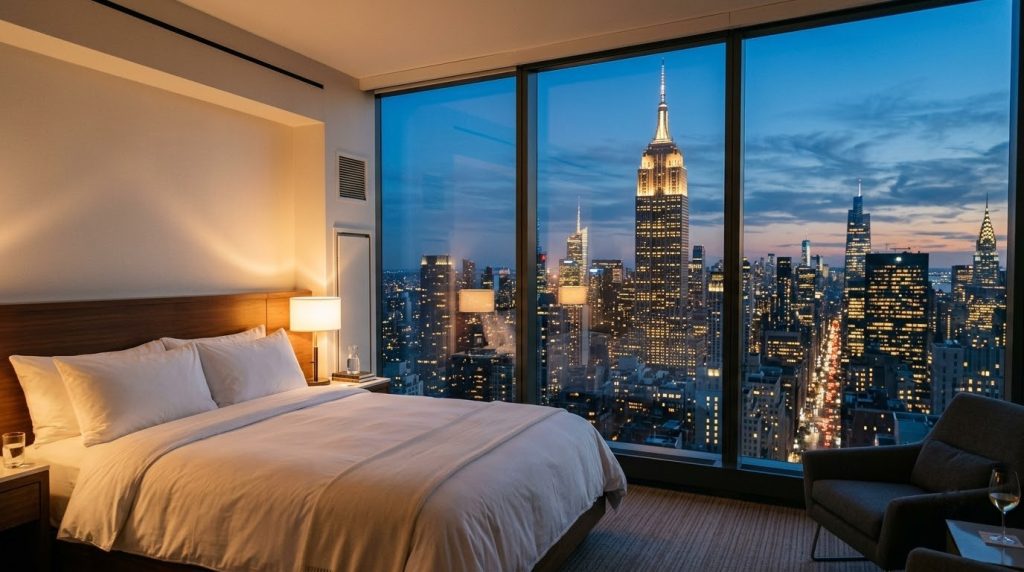
Pick your area
Picking where to stay in New York City shapes your entire trip — the right neighborhood puts you steps from the things you care about, while the wrong one costs you hours of subway time every day. We’ve pulled together the best areas and hotels for 2026, with real nightly rates and honest trade-offs so you can book with confidence.
Quick answer: This guide breaks down the best areas and stays in New York City. See live prices and availability now:
Midtown Manhattan: Best for First-Timers and Business Travelers
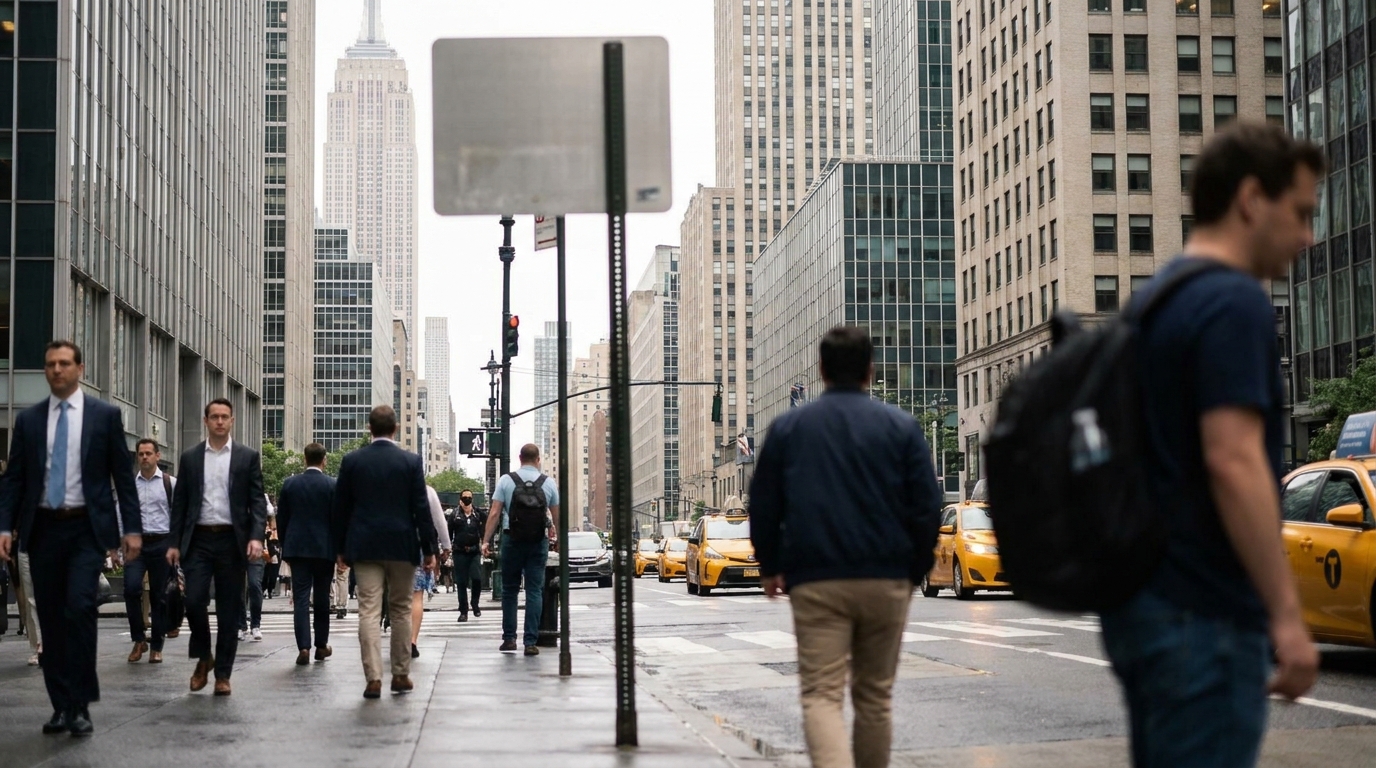
Midtown is the right base if you want Times Square, Central Park, and the Empire State Building within walking distance without planning a commute. The trade-off is price: expect to pay $220-$420/night for a standard room in 2026, with peak summer weekends pushing higher. That said, you won’t spend money on taxis, and the sheer convenience often justifies the premium for a short city break.
The neighborhood runs from roughly 34th Street to 59th Street, covering Koreatown, Hell’s Kitchen, and the Theater District. It’s dense, loud, and genuinely never quiet — which some travelers love and others find exhausting by day three.
Best hotels in Midtown Manhattan:
| Hotel | Style | Avg. Nightly Rate (2026) | Best For |
|---|---|---|---|
| The New Yorker, A Wyndham Hotel | Historic Art Deco | $189-$260 | Value-seekers, history buffs |
| citizenM New York Times Square | Compact modern | $185-$245 | Solo travelers, couples |
| Park Hyatt New York | Luxury | $595-$900 | Splurge stays |
| Row NYC | Midscale | $175-$235 | Groups, families |
Book your Midtown hotel on Check live hotel prices to compare real-time rates and filter by free cancellation — essential when transatlantic flights can shift.
We recommend targeting the west side of Midtown (Hell’s Kitchen / 9th Avenue corridor) for better value and a more neighborhood feel while staying central. See our things to do in new york city guide for what to prioritize once you’re there. Readers piecing together a schedule frequently reference this things to do in New York City before deciding which attractions are worth the time on a short visit.
Find your New York City hotel on the map
Live prices from Booking & Airbnb — tap a pin to compare stays around Midtown Manhattan and beyond.
Check hotels in Midtown Manhattan →
Lower Manhattan and the Financial District: Best for History and Waterfront Views
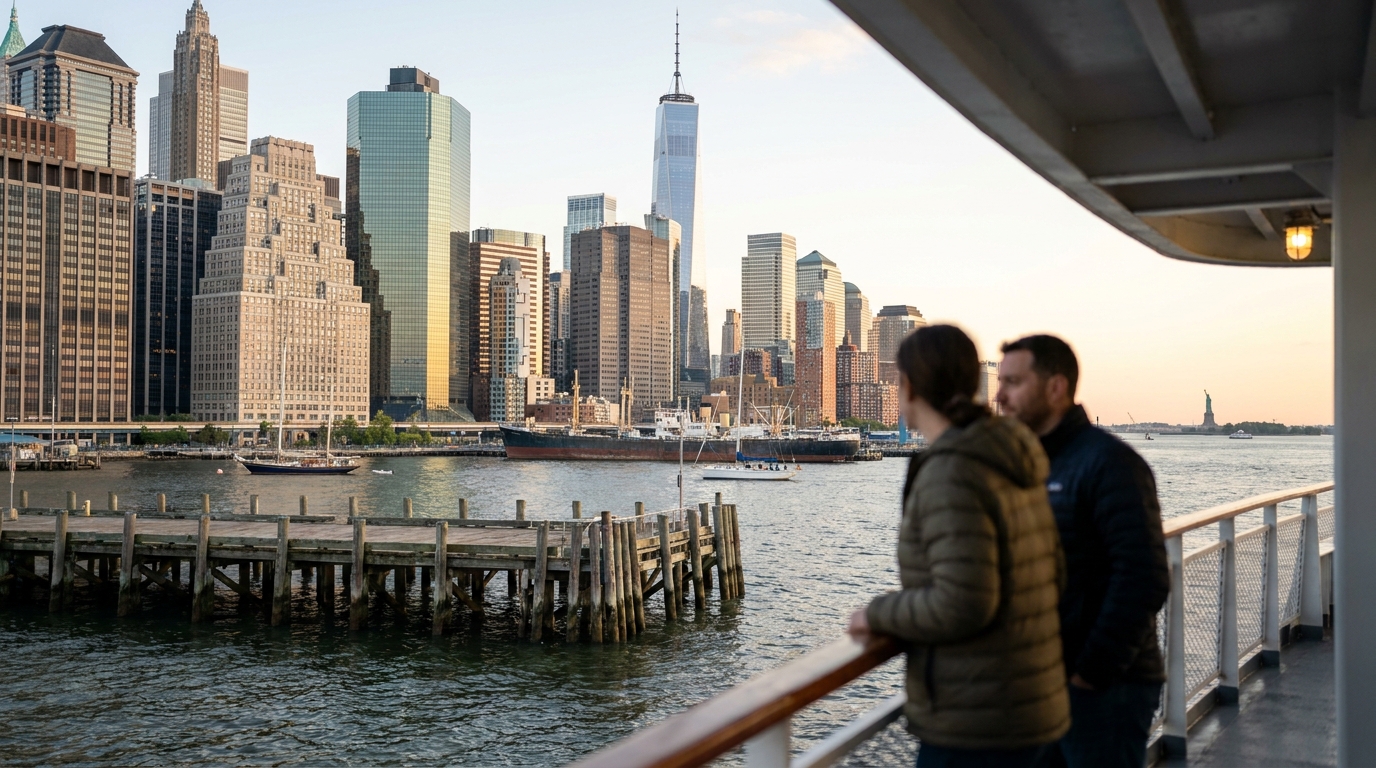
Lower Manhattan rewards travelers who want to combine Wall Street history, Brooklyn Bridge walks, and Hudson River sunsets without the Midtown crowds. Hotels here dropped in price compared to Midtown, averaging $185-$290/night in 2026, and the area is significantly quieter after 6pm — a genuine plus for light sleepers.
The Financial District (FiDi) is walkable to the 9/11 Memorial, the Oculus transportation hub, and the Staten Island Ferry (free, with iconic Statue of Liberty views). The area has transformed dramatically over the past decade, with serious restaurant and bar options lining Stone Street and the waterfront.
What to know before booking FiDi:
The neighborhood empties on weekends — that’s not a flaw if you like uncrowded streets, but it means fewer brunch spots and limited Sunday foot traffic. The 2/3, 4/5, A/C, and 1 subway lines all converge here, so reaching anywhere in Manhattan takes 20-30 minutes.
Standout options include the Millennium Downtown New York ($175-$240/night) and the Aloft Manhattan Downtown – Financial District ($165-$225/night), both with solid Booking.com ratings above 8.2.
For travelers also planning a day trip across the water, check our things to do in brooklyn post — the ferry from Pier 11 runs every 30 minutes.
Check hotels in Lower Manhattan and the Financial District →
Brooklyn: Best for Value, Local Vibes, and the Creative Scene
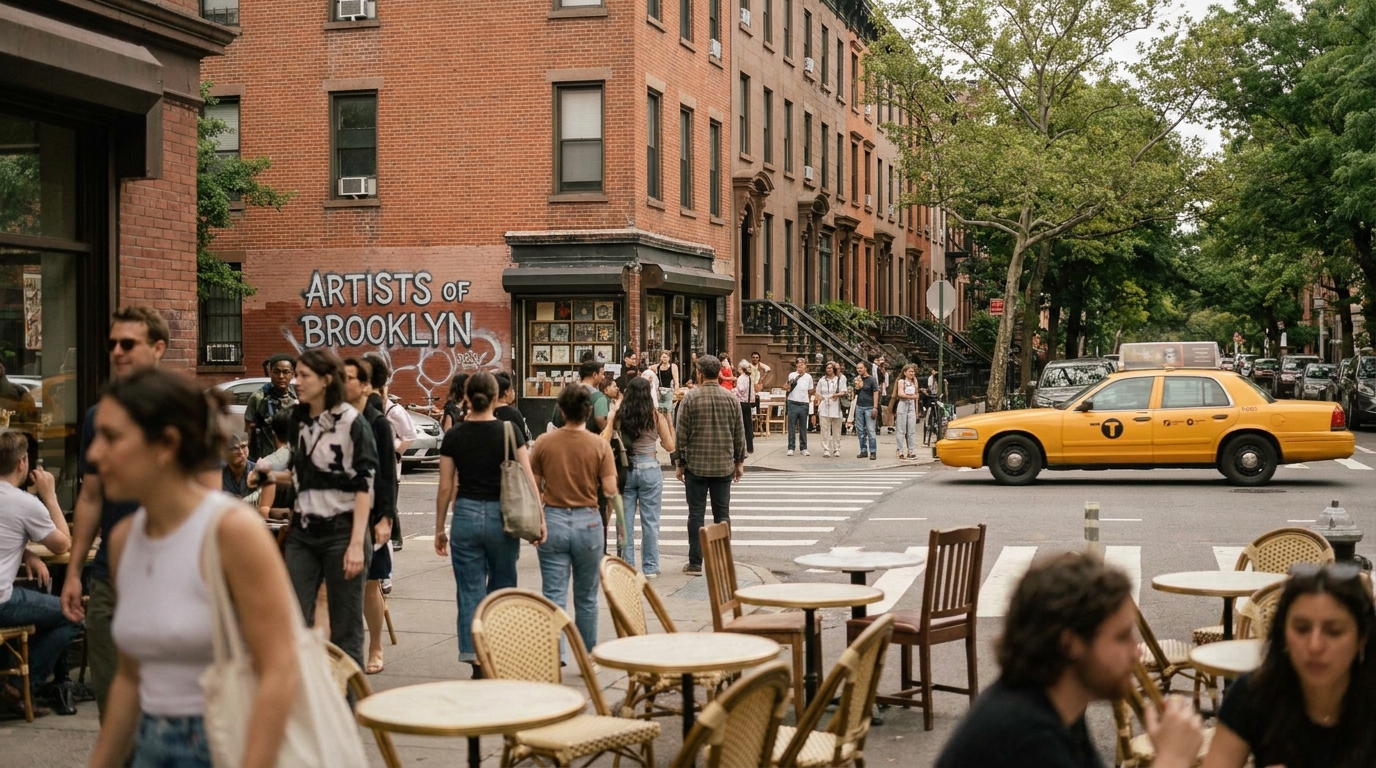
Brooklyn is where we’d send anyone staying more than four nights who wants to eat better, spend less, and feel less like a tourist. Williamsburg, DUMBO, and Prospect Heights each offer distinct characters, and hotel rates average $155-$210/night — a meaningful saving over Midtown for a week-long trip.
DUMBO (Down Under the Manhattan Bridge Overpass) gives you the Manhattan skyline framed by the bridge — that photo is real and free from Washington Street. Williamsburg delivers rooftop bars, Brooklyn Brewery, and some of the city’s most interesting independent restaurants. Prospect Heights puts you two blocks from the Brooklyn Museum and a short walk to Prospect Park.
Brooklyn neighborhood comparison:
| Area | Vibe | Manhattan Commute | Avg. Hotel Rate |
|---|---|---|---|
| Williamsburg | Hipster, bars, food markets | 15 min (L train) | $155-$200/night |
| DUMBO | Cobblestone, views, galleries | 20 min (A/C or F) | $175-$230/night |
| Prospect Heights | Local, cultural, leafy | 25 min (2/3 or B/Q) | $140-$180/night |
| Brooklyn Heights | Brownstones, quiet, family | 20 min (2/3) | $160-$210/night |
The 1 Hotel Brooklyn Bridge ($320-$420/night) is Brooklyn’s splurge option with unmatched skyline views; for mid-range, the Ace Hotel Brooklyn ($195-$250/night) in Boerum Hill consistently scores well on Booking.com.
Upper West Side and Upper East Side: Best for Families and Museum Lovers
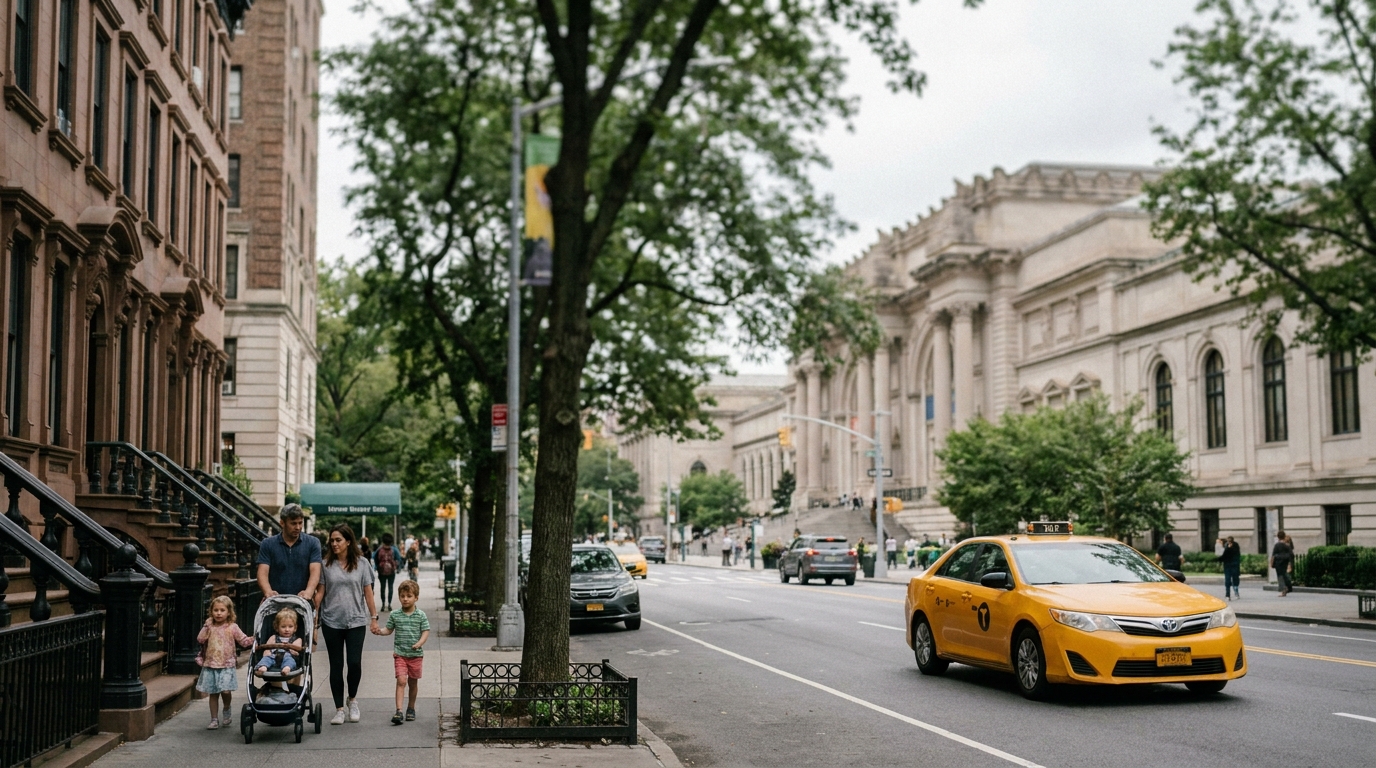
The Upper West and Upper East Sides are New York at its most residential — tree-lined streets, brownstone apartments, and a pace that’s genuinely easier on families with children or travelers who want culture without chaos. The American Museum of Natural History (UWS) and the Metropolitan Museum of Art (UES) are your anchors, and Central Park runs between both sides like a shared backyard.
Hotels here run $195-$320/night on average in 2026, slightly cheaper than Midtown while remaining very central. The 1/2/3 (UWS) and 4/5/6 (UES) subway lines deliver you to Times Square in under 15 minutes.
Families should look at the Hotel Beacon on the Upper West Side ($185-$240/night) — it offers suite-style rooms with kitchenettes, which cuts food costs significantly. For the Upper East Side, the The Surrey ($310-$450/night) is a genuine luxury boutique option, while the Warwick New York provides a mid-range entry point around $195-$260/night.
If the Met or MoMA are high on your list, read our new york city museums guide before you book — timed entry slots for several major institutions now fill two to three weeks in advance.
Check hotels in Upper West Side and Upper East Side →
SoHo, Greenwich Village, and the West Village: Best for Shopping and Food Culture
SoHo and the Village neighborhoods attract travelers who want to shop Nolita boutiques, eat at restaurants that don’t take walk-ins, and feel like they’ve stepped off the tourist path. Hotel inventory here is smaller than Midtown, which means you’ll pay a slight premium for the experience — rates range from $210-$370/night in 2026 — but the dining and nightlife density is unmatched.
SoHo runs roughly from Canal Street to Houston, with cast-iron architecture lining streets that transition from art galleries to high-end retail. The West Village is quieter and more residential, with some of the city’s most celebrated small restaurants tucked into converted townhouses.
The Soho Grand Hotel ($275-$380/night) remains the neighborhood’s most storied option. For something more intimate, The Marlton Hotel in Greenwich Village ($195-$260/night) punches well above its price point on atmosphere. Both list on Booking.com with real guest reviews you can filter by traveler type.
Proximity to the High Line (a 15-minute walk through the Meatpacking District) makes this area ideal for travelers combining our new york city itinerary 3 days route. Those comparing neighborhoods and activities tend to open this New York City itinerary before sketching out a day-by-day plan for the trip.
Check hotels in SoHo, Greenwich Village, and the West Village →
Long Island City and Astoria, Queens: Best for Budget Travelers
Queens is the borough most travelers overlook and it’s genuinely one of New York’s best-kept practical secrets. Long Island City (LIC) sits directly across the East River from Midtown Manhattan — the skyline view from Gantry Plaza State Park is as good as anything you’ll pay for at a rooftop bar — and subway connections on the 7 and E/M/G lines put you in Midtown in 10-15 minutes.
Hotel rates in LIC average $125-$175/night in 2026, and Astoria (two stops further on the N/W) gives you even more options in the $110-$150/night range. Astoria’s Greek and Middle Eastern restaurant scene on 31st and Steinway Streets rivals anything in Manhattan for quality at a fraction of the price.
The Boro Hotel in LIC ($145-$195/night) is the standout property — rooftop bar, Manhattan views, solid Booking.com score. For travelers on a tighter budget, several well-reviewed independent hotels on the LIC waterfront come in under $130/night for a standard double.
Check hotels in Long Island City and Astoria, Queens →
Chelsea and Hell’s Kitchen: Best for Art, Theater, and LGBTQ+ Travelers
Chelsea is New York’s gallery district — over 200 commercial art galleries cluster between 20th and 29th Streets west of 8th Avenue — and Hell’s Kitchen (also called Clinton, roughly 34th to 59th on the west side) is the city’s densest theater-going neighborhood and one of its most welcoming for LGBTQ+ visitors year-round.

Both neighborhoods offer strong value relative to Midtown East and the Upper West Side. Chelsea hotel rates run $185-$280/night; Hell’s Kitchen typically comes in at $160-$250/night in 2026. You’re also within walking distance of the High Line’s southern entrance, Chelsea Market, and the Jacob K. Javits Convention Center — useful for business travelers attending trade shows.
The Hotel Americano in Chelsea ($240-$320/night) is one of the city’s more design-forward properties. The Ink48 hotel in Hell’s Kitchen ($195-$265/night) offers a rooftop pool and Hudson River views at a competitive rate for the location. Both appear on Booking.com with flexible cancellation options worth checking.
For Broadway show planning alongside your accommodation search, our new york city broadway guide covers booking timing and the best discount-ticket strategies for 2026.
Check hotels in Chelsea and Hell’s Kitchen →
Frequently Asked Questions
What is the best area to stay in New York City for first-time visitors?
Midtown Manhattan is the most practical base for a first trip. You’re walking distance to Times Square, Central Park, the Empire State Building, and major transport hubs. It costs more — budget $220-$350/night for a solid midrange hotel — but you’ll save on taxis and time, which matters when your trip is only three to five days.
How much does a hotel in New York City cost per night in 2026?
Average nightly rates vary widely by borough and season. Midtown Manhattan averages $289/night; Brooklyn averages $165/night; Queens averages $135/night. Summer (June-August) and the holiday period (Thanksgiving through New Year) are peak periods with rates 20-35% higher than shoulder season.
Is Brooklyn a good place to stay in New York City?
Brooklyn is an excellent base, especially for stays of four nights or longer. Williamsburg and DUMBO are 15-20 minutes from Midtown by subway, and you’ll pay 30-45% less for comparable hotel quality. The food and bar scene in Brooklyn rivals Manhattan, and the neighborhood feel is a genuine draw for travelers who’ve already done Midtown before.
How do I get around New York City if I’m staying outside Manhattan?
The NYC subway runs 24 hours a day, seven days a week, making outer-borough stays very workable. A 30-day MetroCard costs $132 in 2026; single rides are $2.90. Long Island City to Midtown is 10-12 minutes on the 7 train. Brooklyn to Midtown varies from 15-30 minutes depending on your line and destination. Citi Bike (city bike-share) supplements the subway well for short cross-neighborhood trips.
What neighborhoods should I avoid for accommodation in New York City?
There aren’t neighborhoods we’d call outright unsafe for hotels in 2026, but a few areas deserve practical caution. Parts of the South Bronx and East New York in Brooklyn have higher crime rates; budget hotels in these areas sacrifice location convenience along with safety context. For most travelers, sticking to the neighborhoods covered in this guide delivers the right balance of access and comfort.
When is the cheapest time to book hotels in New York City?
January through early March is consistently the cheapest period for NYC hotels — winter cold keeps demand lower, and you’ll find rates 25-40% below summer peaks. November (excluding Thanksgiving week) and late August after Labor Day also offer solid value windows. Booking 6-8 weeks in advance on Booking.com with free cancellation lets you lock in rates and re-book if prices drop.
Do I need a car in New York City?
No. A car actively makes New York City harder. Parking averages $40-$65/day in Midtown garages, traffic is consistently dense, and the subway connects every major attraction faster than a taxi during most daylight hours. If you’re planning a day trip to the Hamptons, Hudson Valley, or the New Jersey Shore, rent via Discover Cars for the specific days you need it rather than keeping a car for your full stay.
Final Thoughts: Choosing Your NYC Base in 2026
The best area to stay in New York City comes down to what you’re optimizing for. First trip, limited time, want everything walkable? Book Midtown and pay the premium. Returning visitor, longer stay, value matters? Brooklyn or Queens will serve you better. Art, food, and gallery culture are your priorities? Chelsea and SoHo hit differently than anywhere else in the city.
Whatever neighborhood you land on, use check live hotel prices to compare current rates, read verified guest reviews filtered to your traveler type, and lock in free-cancellation rates before your flights are confirmed. NYC hotel inventory moves fast in summer and around holidays.
Check our full new york city travel guide for visa information, airport transfers, and a day-by-day itinerary framework that works with any of the neighborhoods above.