
Disclosure: Some links in this guide are affiliate links. If you book or buy through them, we may earn a small commission at no extra cost to you — it helps keep our guides free.
Tulum packs Caribbean beaches, Mayan ruins, and jungle cenotes into one walkable stretch of Mexico’s Riviera Maya, and 2026 is the year it got easier to reach thanks to the new Tulum airport. We’ve built this guide so you can plan a trip that skips the tourist-trap markups and lands you at the right beach, the right cenote, and the right time of day. Here’s everything we’d tell a friend before they book.
Key Takeaways
- Tulum International Airport (TQO) handled over 1.4 million passengers in its first year, cutting transfer times to roughly 20 minutes versus 90+ from Cancun (Grupo Aeroportuario, 2025).
- Riviera Maya tourist arrivals rose about 38% year-over-year in peak months, so booking 6-8 weeks ahead now matters more than ever (SECTUR Quintana Roo, 2025).
- Average beachfront hotel rates in the Hotel Zone run $280-$650/night in high season; Tulum Pueblo rooms start near $60 (industry rate data, 2026).
- Sargassum seaweed peaks May through August, so beach quality varies by week and location (Cancun Sargassum Monitoring Network, 2025).
- A daily eco-fee of about 56 MXN ($3) applies to many beach-zone hotels and parking areas.
Find your Tulum hotel on the map
Live prices from Booking & Airbnb — tap a pin to compare stays around the Beach Zone and beyond.
Where Is Tulum and How Do You Get There in 2026?

Tulum sits on Mexico’s Caribbean coast, about 80 miles south of Cancun in the state of Quintana Roo. The big 2026 change is access: Tulum International Airport (TQO) opened in late 2023 and now runs direct flights from major US hubs, so you can land 20 minutes from your hotel instead of shuttling 90 minutes down the highway from Cancun.
You’ve got three realistic ways in. Fly direct into TQO if your home airport offers it — carriers like American, Delta, United, and JetBlue have added routes, with summer fares from the US running $280-$480 round trip. Fly into Cancun (CUN), which still has more flight options and often cheaper fares, then drive or shuttle south. Or combine: fly into one, out of the other. You can compare flights on Aviasales to find the cheapest dates and routes.
From TQO, a private transfer runs about $35-$50, while a taxi to the Hotel Zone sits around $40. From Cancun, a private transfer is $90-$130 each way, and the ADO bus costs roughly $15 but drops you in Tulum Pueblo, not at the beach. We think renting a car makes the most sense if you plan to chase cenotes and ruins — Tulum’s attractions are spread out and taxis add up fast.
Compare rental rates ahead of time on Discover Cars, which aggregates local and international agencies so you can spot the genuine all-in price before the airport counter adds insurance. For a deeper drive-it-yourself breakdown, see our Riviera Maya road trip guide.
| Route | Method | Time | Cost (2026) |
|---|---|---|---|
| TQO → Hotel Zone | Private transfer | 20-30 min | $35-$50 |
| TQO → Tulum Pueblo | Taxi | 15-20 min | $25-$35 |
| CUN → Tulum | Private transfer | 90-110 min | $90-$130 |
| CUN → Tulum | ADO bus | 2-2.5 hrs | ~$15 |
| Anywhere → cenotes | Rental car | Varies | $30-$55/day |
When Is the Best Time to Visit Tulum?

The sweet spot is November through early December and the second half of April into May. You get dry, sunny weather, manageable crowds, and rates well below the December-March peak. December through March is the busiest and priciest stretch, while September and October bring the highest hurricane risk and the most rain.
Here’s the factor most guides bury: sargassum. This brown seaweed washes onto Caribbean beaches in waves, and it’s worst from roughly May through August. Some weeks the beach is pristine; others, hotel crews rake it off at dawn. There’s no perfect predictor, but the Cancun Sargassum Monitoring Network publishes weekly beach maps, and we check them before locking in beach days.
Temperatures barely move — daytime highs sit at 82-90°F year-round, with water around 79-84°F. The real variables are rain, crowds, and seaweed. If sargassum worries you, lean toward late winter and early spring, when the beaches stay cleanest and the weather’s reliably dry.
| Season | Months | Crowds | Hotel Rates | Notes |
|---|---|---|---|---|
| Peak | Dec-Mar | Heavy | Highest | Best weather, clean beaches |
| Shoulder | Nov, Apr-May | Moderate | Mid | Our pick for value |
| Sargassum | May-Aug | Moderate | Mid-low | Seaweed risk, warm water |
| Low | Sep-Oct | Light | Lowest | Rain, hurricane season |
Where Should You Stay in Tulum?
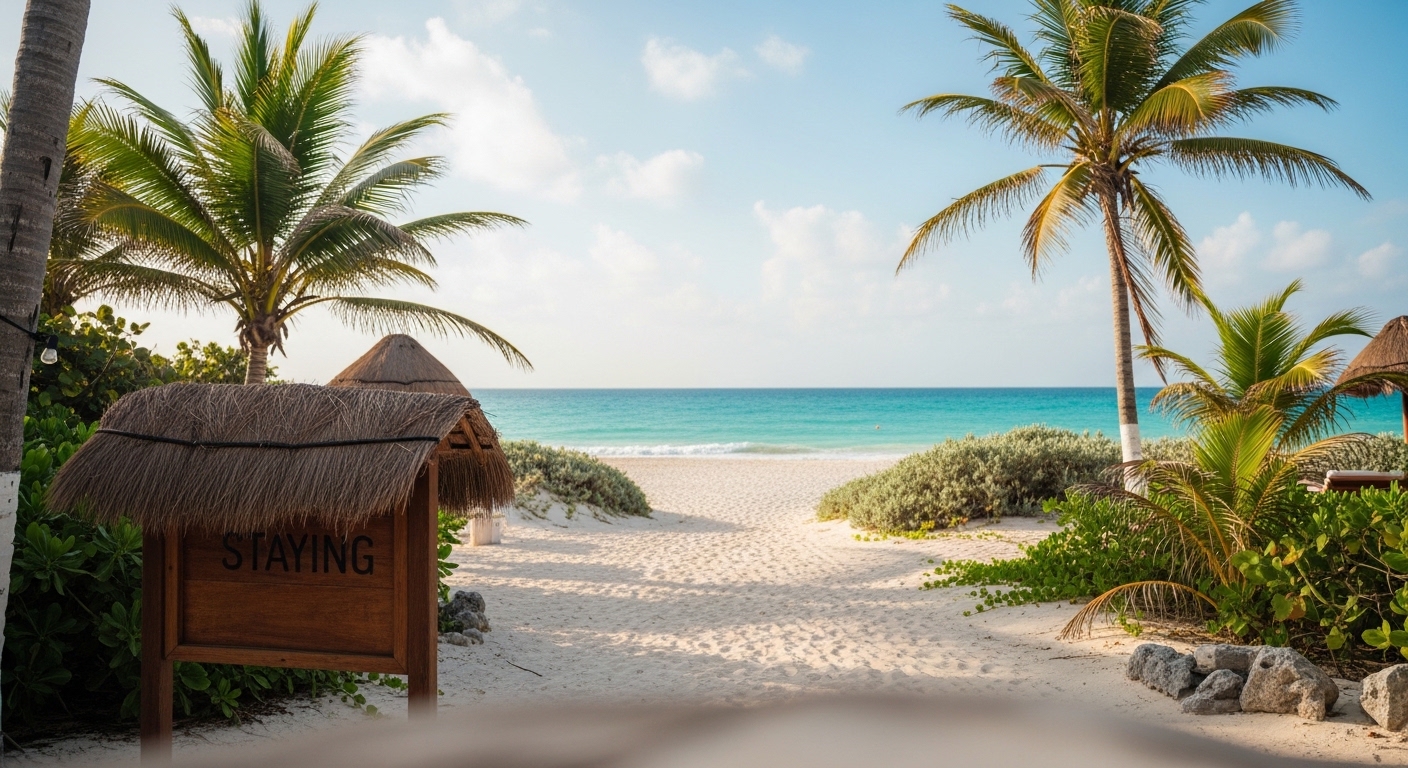
Pick between two worlds. The Hotel Zone (Zona Hotelera) is the famous beachfront strip — boutique eco-resorts, beach clubs, and sunrise yoga, with rates from $280 to $650-plus a night. Tulum Pueblo (the town) sits a few miles inland with budget hostels, mid-range hotels from $60-$140, real taco stands, and far better value for everything but beach access.
We tell first-timers chasing the postcard beach to book the Hotel Zone for at least part of the trip and accept the premium. Budget and repeat travelers usually do better basing in the Pueblo, renting bikes or a car, and day-tripping to the beach. A newer third option, Aldea Zama, is a planned residential area between the two with modern condos and Airbnbs at mid-range prices — quiet, walkable, and a smart middle ground.
Watch the fine print in the Hotel Zone: many beachfront properties run on solar power with limited air conditioning, weak Wi-Fi, and cash-only policies. That’s part of the eco charm, but read recent reviews so it isn’t a surprise. Lock in beachfront stays early through Check live hotel prices, where free-cancellation rates let you hold a room while you compare. Our full Tulum hotels breakdown ranks specific properties by zone and budget.
| Zone | Best For | Nightly Rate | Beach Access |
|---|---|---|---|
| Hotel Zone | Beachfront luxury, beach clubs | $280-$650+ | On the sand |
| Tulum Pueblo | Budget, food, nightlife | $60-$140 | 3-5 mi (bike/car) |
| Aldea Zama | Mid-range condos, families | $120-$250 | 2-3 mi |
| La Veleta | Digital nomads, long stays | $90-$180 | 3-4 mi |
What Are the Best Things to Do in Tulum?
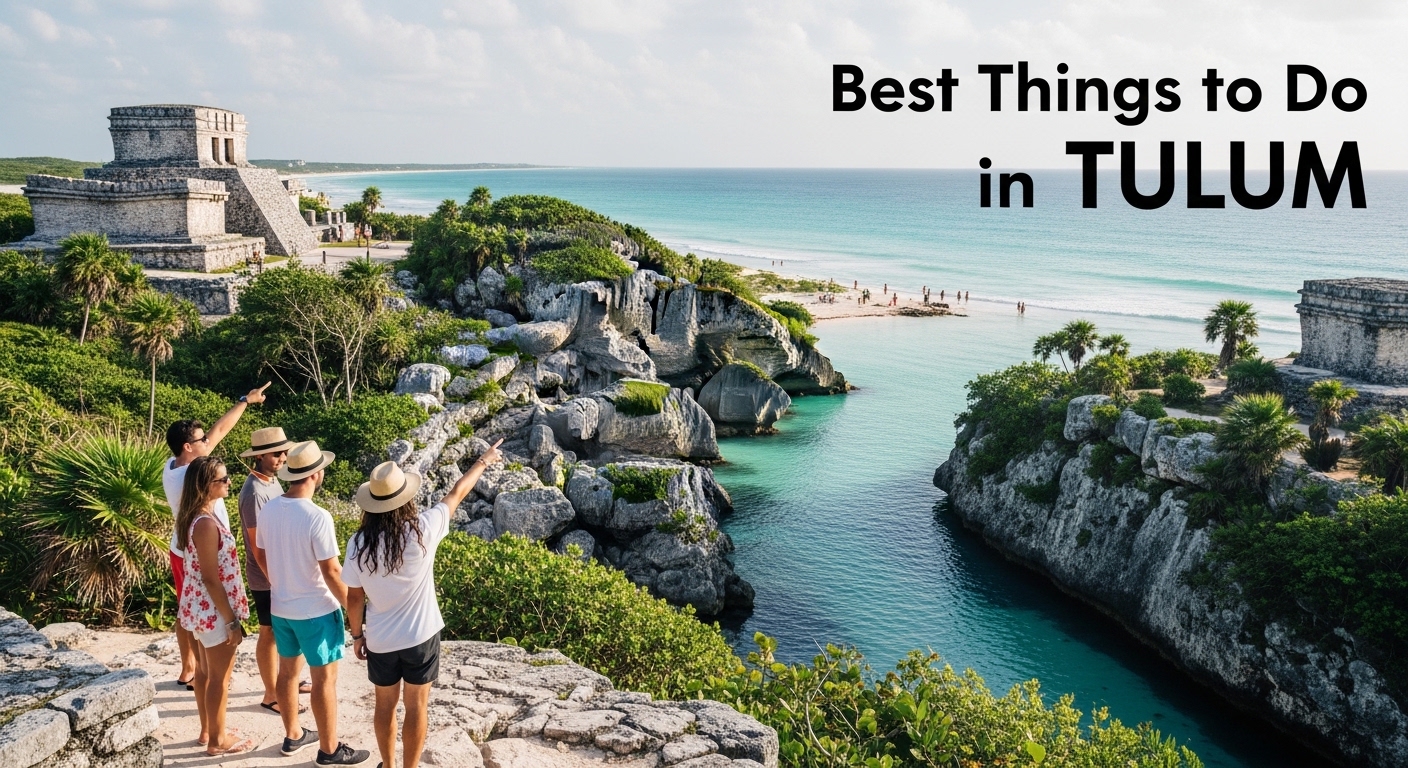
The headline trio is the Tulum Mayan ruins, the cenotes, and the beaches — and you can hit all three in a long weekend. The ruins are the only Mayan site perched on a cliff over the Caribbean, so go for the views as much as the history. Add a cenote swim, a beach club afternoon, and one bigger day trip, and you’ve got a full itinerary.
Beyond the big three, the Sian Ka’an Biosphere Reserve south of town is a UNESCO-listed wetland where you can float down natural canals and spot dolphins and turtles. Coba ruins, 45 minutes inland, still let you climb a 137-foot pyramid for jungle views. And the beach clubs along the Hotel Zone — places like a day pass at a name-brand club — usually cost $30-$80 in minimum spend rather than a flat fee.
We book tours that involve a guide, transport, or skip-the-line access through GetYourGuide or Viator — both list verified operators with free cancellation, which beats negotiating with roadside sellers. For self-guided days, you don’t need a tour at all; just a car and a plan. See our roundup of the best Tulum day trips for routing ideas.
How Do You Visit the Tulum Ruins?
Arrive at opening (8:00 AM) or in the last 90 minutes before the 4:00 PM cutoff to dodge both the heat and the tour-bus crush. The Tulum Archaeological Zone charges about 95 MXN ($5-$6) entry, plus a parking fee of roughly 250 MXN ($14) if you drive. The site is compact — you’ll cover it in 60-90 minutes.
The ruins were a walled port city that thrived between roughly 1200 and 1500 AD, and El Castillo, the main pyramid, sits right on the cliff edge. Swimming at the small beach below was suspended in recent years for conservation, so check current rules on arrival rather than counting on a dip.
A guide costs about $30-$45 if hired at the gate and brings the stone to life, but the printed signage is decent if you’d rather wander solo. Bring water, reef-safe sunscreen, and a hat — shade is scarce. If you want history plus a cenote and lunch bundled into one stress-free day, a combo tour through GetYourGuide handles transport and timing for you.
Which Cenotes Should You Visit Near Tulum?
Tulum sits over one of the world’s densest networks of cenotes — freshwater sinkholes in the limestone, perfect for swimming, snorkeling, and diving. The standouts within 30 minutes are Gran Cenote (turtles and snorkeling, ~$25), Dos Ojos (caverns and diving, ~$20-$30), and Cenote Calavera (a jungle pool with rope swing, ~$15).
Go early. Cenotes get busy by mid-morning, and many cap visitor numbers for water quality. Bring your own snorkel gear to skip rental fees, wear only reef-safe sunscreen (regular sunscreen is banned in most cenotes to protect the ecosystem), and carry cash since card machines are rare. Entry fees range from about $10 to $35 depending on the site and whether you add a guide.
For divers, the cavern and cave systems here are world-class — Dos Ojos and The Pit draw certified cave divers from across the globe. If you’re new to it, book a guided cavern dive rather than going alone. We use Viator to compare cenote-hopping tours that bundle three or four sites with transport, which works out cheaper than separate taxis. Our cenotes near Tulum guide maps every site by difficulty and crowd level.
| Cenote | Type | Entry (2026) | Best For |
|---|---|---|---|
| Gran Cenote | Open + cavern | ~$25 | Snorkeling, turtles |
| Dos Ojos | Cavern | ~$20-$30 | Diving, snorkeling |
| Cenote Calavera | Open jungle pool | ~$15 | Jumping, photos |
| Cenote Cristal | Open | ~$10 | Swimming, families |
| The Pit | Deep cave | ~$30+ | Advanced diving |
How Much Does a Trip to Tulum Cost in 2026?
A mid-range traveler should budget roughly $150-$220 per person per day, covering a comfortable hotel, meals, a couple of activities, and local transport. Budget travelers staying in the Pueblo and eating at taco stands can do it on $60-$90 a day; luxury seekers in beachfront resorts easily clear $400-$600.
Food spans the full range. Street tacos run $1-$2 each, a solid Pueblo restaurant meal is $10-$18, and Hotel Zone beach-club dining is wildly inflated — expect $25-$45 for a main and $15+ for a cocktail. The single biggest budget lever is where you sleep and eat: shift those toward the Pueblo and your daily cost can drop by half.
Don’t forget the extras. Many beach-zone hotels add a daily eco-fee around 56 MXN ($3), ATMs charge $5-$8 per withdrawal, and taxis have no meters, so agree on the price first. Tipping 10-15% is standard at restaurants. Booking flexible-rate hotels through Check live hotel prices and pre-paying tours on GetYourGuide locks in prices and shields you from on-the-ground markups.
| Expense | Budget | Mid-Range | Luxury |
|---|---|---|---|
| Lodging/night | $60-$90 | $140-$250 | $350-$650 |
| Meals/day | $15-$25 | $40-$70 | $100+ |
| Activities/day | $15-$30 | $40-$80 | $100+ |
| Transport/day | $5-$15 | $30-$50 | $60+ |
| Daily total | $60-$90 | $150-$220 | $400-$600 |
How Do You Get Around Tulum?
Renting a car is the most flexible option and the one we recommend if cenotes and ruins are on your list — rates run $30-$55 a day, and Tulum’s sights stretch across miles of highway and jungle. Within town and the Hotel Zone, though, you’ve got cheaper choices that work well for shorter stays.
Bikes are the local favorite for the beach strip — most hotels rent them for $10-$15 a day, and the dedicated bike path along the Hotel Zone road makes it safe and scenic. Taxis exist but run pricey and unmetered; a Pueblo-to-beach hop can hit $10-$15, so confirm the fare before you climb in. There’s no Uber in Tulum, and the local taxi union enforces that hard.
If you rent a car, pre-book online to lock the rate and dodge counter upsells on insurance you may already hold through your credit card. Compare agencies on Discover Cars and read the fuel and deductible terms carefully — Mexico requires third-party liability coverage that some bargain rates exclude. Staying connected on the road is easy with an Airalo eSIM so your maps work without hunting for Wi-Fi.
Frequently Asked Questions
Is Tulum safe for tourists in 2026?
Tulum is generally safe for tourists, with most visits trouble-free. Stick to the Hotel Zone, Pueblo center, and organized tours, avoid buying drugs (the main driver of isolated violent incidents), and use ATMs inside banks. Petty theft is the realistic risk, so don’t leave valuables on the beach.
Do I need a car in Tulum?
Not strictly, but it helps. If you only want the beach and a couple of nearby cenotes, bikes and the occasional taxi work fine. If you plan to visit multiple cenotes, Coba, or Sian Ka’an, a rental car at $30-$55/day saves money and hours versus negotiating taxis for every leg.
Can you drink the tap water in Tulum?
No, don’t drink the tap water. Stick to bottled or filtered water, which every hotel and restaurant provides. Many eco-conscious hotels offer refill stations, so bring a reusable bottle. Use bottled water for brushing teeth too if you have a sensitive stomach.
How many days do you need in Tulum?
Four to five days is the sweet spot. That’s enough to see the ruins, swim three or four cenotes, enjoy a couple of beach days, and fit one bigger trip to Coba or Sian Ka’an without rushing. Three days works for a beach-and-ruins highlight reel.
What currency should I use in Tulum?
The Mexican peso (MXN) is official and gets you the best value, though many Hotel Zone businesses accept US dollars at poor exchange rates. Pay in pesos when you can, carry cash for cenotes and taxis, and withdraw from bank ATMs to minimize fees.
Is sargassum seaweed a problem in Tulum?
It can be, mainly from May through August. Some weeks beaches are clear; others see heavy seaweed that hotels rake off each morning. Check the Cancun Sargassum Monitoring Network’s weekly maps before booking beach days, and consider visiting in the dry late-winter and early-spring months.
Is the new Tulum airport better than flying into Cancun?
For convenience, yes — TQO puts you 20 minutes from your hotel versus 90-plus from Cancun. But Cancun often has cheaper fares and more flight options. Compare total cost including transfers; sometimes a cheaper Cancun fare plus a shuttle still beats a pricier direct TQO flight.
Start Planning Your Tulum Trip
Tulum rewards travelers who plan the logistics and stay flexible on the beach — book your hotel zone early, time the ruins and cenotes for the cool early hours, and keep an eye on the sargassum maps. Get those three things right and the rest falls into place. Ready to go? Lock in a flexible-rate room on Check live hotel prices, reserve your cenote and ruins tours through GetYourGuide, and compare rental cars on Discover Cars before you fly. Then check our Riviera Maya itinerary to build out the rest of your week.