Cenotes Yucatan Travel Guide 2026: Best Cenotes + How to Visit
The cenotes of the Yucatan Peninsula are among the most extraordinary swimming spots on Earth. The peninsula holds between 6,000 and 10,000 of these natural sinkholes, fed by the world’s largest underground river system (Mexican Geological Survey / SGM, 2024). Some are open-air pools flooded with jungle light. Others drop into cathedral-like cave systems used by cave divers from around the world. This guide covers the best cenotes yucatan has to offer, how to reach them, what they cost, and how to plan your visit without the rookie mistakes.
Key Takeaways
The Yucatan Peninsula has 6,000-10,000 cenotes, formed by the same meteor impact that ended the dinosaurs 66 million years ago
Dry season (December-April) offers clearer water, lower humidity, and easier logistics than the wet season
Entry fees range from free (Cenote Xlacah with ruins admission) to US$25 for cave diving sites like Dos Ojos
Renting a car unlocks hundreds of lesser-known cenotes; guided tours cover the famous ones without logistics stress
No sunscreen rule is strictly enforced at most cenotes — it damages the ecosystem and the Maya communities that manage them (CONABIO Biodiversity Report, 2023)
Affiliate Disclosure: This article contains affiliate links to tours, hotels, and transport services. If you book through these links, we may earn a small commission at no extra cost to you. We only recommend services we have researched thoroughly.
What Are Cenotes Yucatan and Why Are They Worth Visiting?
Cenotes yucatan are natural sinkholes formed when the limestone bedrock collapses to expose the freshwater aquifer below. The Yucatan Peninsula sits on a vast porous limestone shelf with virtually no surface rivers — instead, water moves entirely underground through an interconnected cave network estimated at over 1,400 km of explored passages (Quintana Roo Speleological Survey, 2025). That network feeds every cenote on the peninsula.
The ring of cenotes tracing the outer edge of the Chicxulub impact crater is one of the most striking geological coincidences in the natural world. The meteor that struck 66 million years ago and triggered the mass extinction also fractured the limestone in a near-perfect circle. Today, satellite maps of the Yucatan show that ring of cenotes as clearly as a compass drawing. The Maya built their ceremonial centers along this ring, partly because cenotes were the only freshwater source in a landscape with no rivers.
The word “cenote” comes from the Yucatec Maya “ts’onot,” meaning roughly “abyss” or “water-filled cave.” For the ancient Maya, cenotes were sacred gateways to Xibalba, the underworld. Archaeologists have recovered jade, gold, and human remains from cenote floors at Chichen Itza and Dzibilchaltun, confirming their ritual importance. Visiting them carries genuine cultural weight beyond the swimming experience.
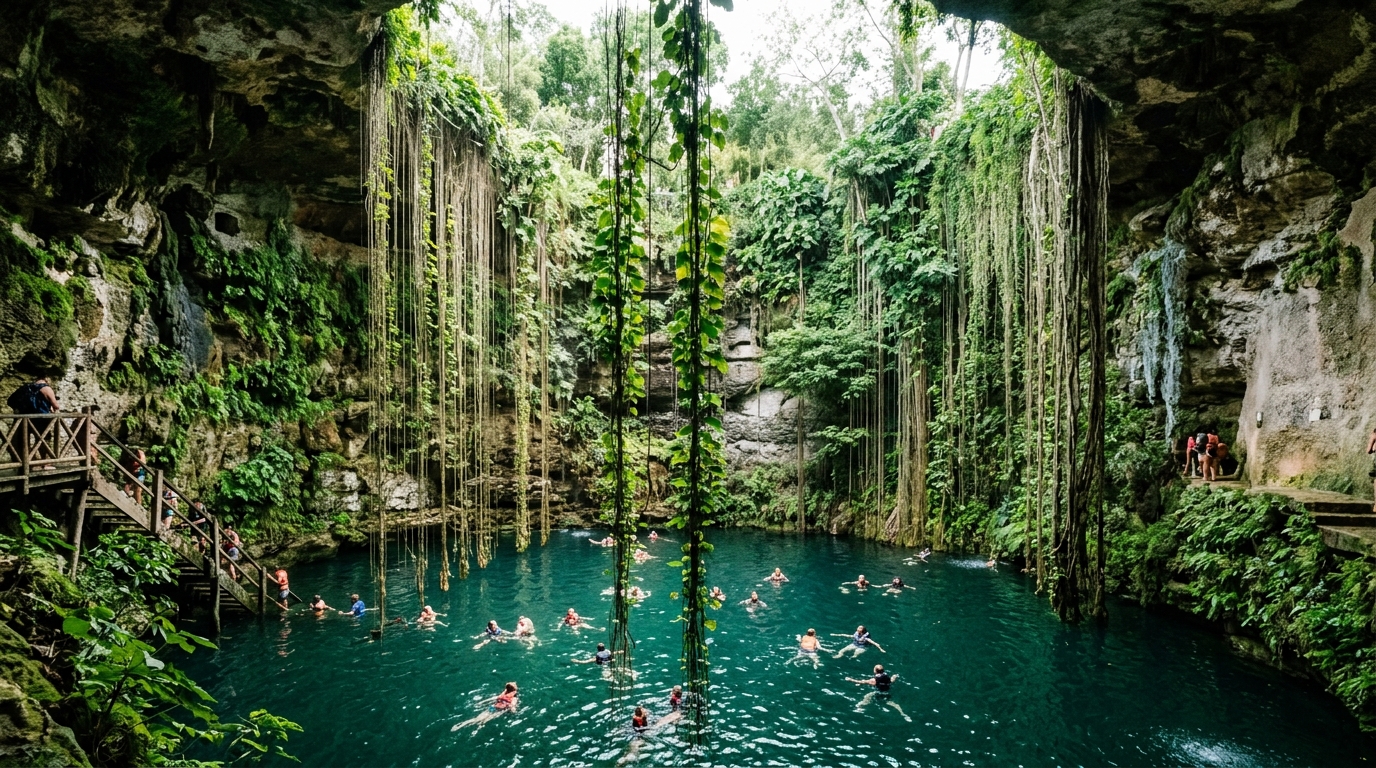
There are four main cenote types. Open-air cenotes like Ik Kil offer full sunlight and easy swimming access. Semi-open cenotes like Samula have partially collapsed ceilings with dramatic light shafts. Cave cenotes like Dos Ojos sit fully underground and require either snorkeling or scuba gear. Cavern cenotes are hybrids — partly submerged cave systems where natural light still reaches the water from a narrow opening.
best things to do in yucatan
Best Cenotes Near Chichen Itza (Ik Kil, Oxman, Samula)
The three cenotes within 30 km of Chichen Itza are the most visited on the peninsula, and for good reason. Ik Kil alone receives an estimated 2,500 visitors per day at peak season (Yucatan State Tourism Board, 2024). They’re convenient, photogenic, and easy to combine with the ruins — but they reward early arrivals who beat the tour buses.
Ik Kil
Ik Kil is the most famous cenote in the Yucatan and genuinely lives up to its reputation. Entry costs approximately US$15 per adult. The open circular pool drops roughly 26 meters below the surface, with a dramatic cliff rim draped in hanging vines and waterfalls. Platforms at multiple depths allow non-swimmers to participate. Life jackets are mandatory for all swimmers.
Crowds peak between 11am and 3pm when Chichen Itza tour groups stop here for lunch. Arrive before 9am or after 4pm. The cenote sits 3 km east of Chichen Itza on Highway 180, so combining both in one day is logistically clean. Browse Yucatan cenote tours on GetYourGuide for combined Chichen Itza + Ik Kil day tours from Cancun, Playa del Carmen, or Valladolid.
Cenote Oxman
Oxman sits 3 km from Valladolid and is consistently quieter than Ik Kil. Entry is roughly US$8. A rope swing hangs from the cave ceiling, and the cave walls are close enough to make the experience feel genuinely intimate. The hacienda property above the cenote runs a small restaurant and pool. It’s a good choice if you want the dramatic light-shaft aesthetic without Ik Kil’s crowds.
Cenote Samula
Samula is part of a two-cenote complex near the town of Valladolid alongside Cenote Dzitnup. Entry for both is around US$4 per cenote. Samula is the more photogenic of the two: a single massive fig tree root descends 15 meters from the cave ceiling to the water, lit by a circular opening above. Arrive by 9am to catch the light shaft at its most vertical.
Are the Cenotes Near Valladolid Worth It?
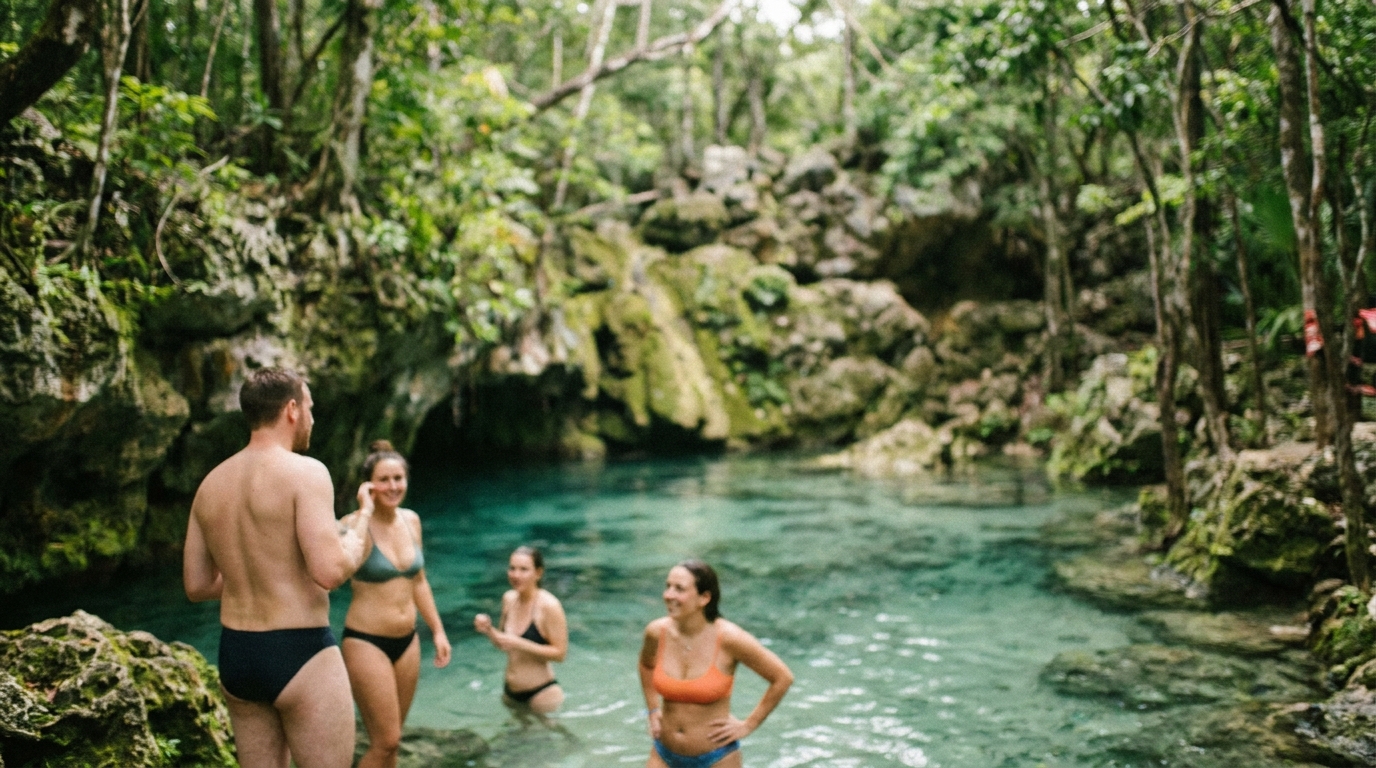
The cenotes around Valladolid are the best value on the peninsula. Entry fees run US$4-8, crowds are a fraction of the Chichen Itza cluster, and the town itself gives you a comfortable, affordable base. We’ve found this cluster is consistently underrated by first-time visitors who head straight to Tulum.
Cenote Suytun
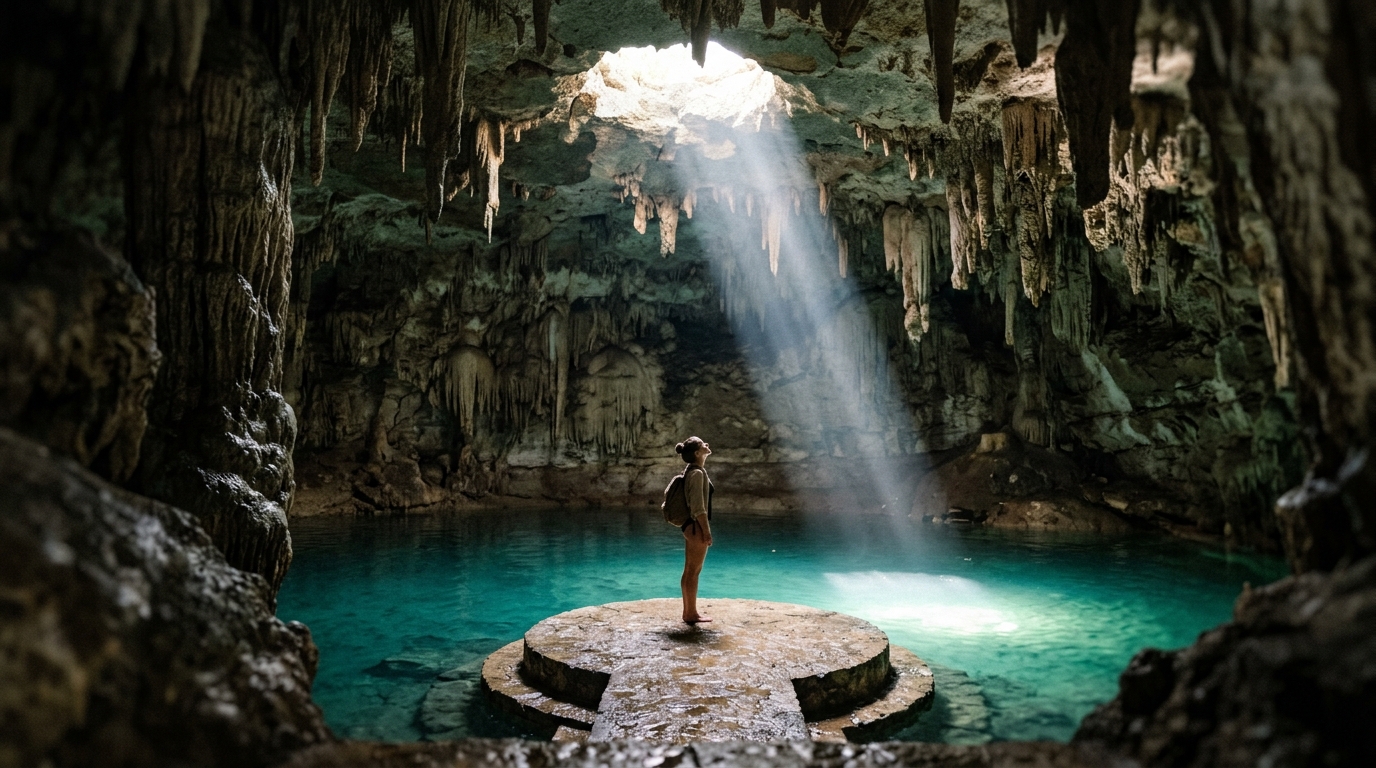
Suytun is the most Instagram-recognized cenote in the Yucatan for a specific reason: a narrow stone walkway crosses the center of the perfectly circular pool, ending at a small platform where a lone person standing creates a near-surreal reflection shot. Entry is US$5-8. The water is calm, milky-turquoise, and shallow enough for non-swimmers at the walkway edges. Arrive before 8am to get the platform to yourself.
Suytun’s famous reflection photo requires specific conditions: calm water, no other swimmers, and the mid-morning light shaft. Tour groups arrive around 10am and destroy both conditions. The cenote is 9 km from Valladolid’s town center, making an early solo taxi run before tours arrive the most reliable strategy.
Cenote Zaci
Zaci sits inside Valladolid itself, a 10-minute walk from the main plaza. Entry costs US$3-5. It’s a semi-open cenote with a small restaurant on the rim and a colony of swallows nesting in the cave walls. Not as visually dramatic as Suytun, but genuinely convenient for an afternoon swim. Local families use it as much as tourists, which gives the experience a different feel.
Cenote Yokdzonot
Yokdzonot is a community-managed cenote 25 km west of Valladolid, run entirely by the local Maya village of the same name. Entry is around US$7. It’s cave-like with ropes for swinging and a kayak rental option. The community management means income goes directly to the village. We recommend it specifically for travelers who want to spend their cenote entry fee in a way that benefits Maya communities rather than commercial operators.
valladolid travel guide
Best Cenotes Near Tulum (Gran Cenote, Dos Ojos, Cenote Calavera)
The Tulum cenote cluster is the best option for cave snorkeling and diving. Gran Cenote alone consistently ranks in the top five snorkeling sites in Mexico (Lonely Planet Mexico Travel Guide, 2025). The area has high entry prices and heavier tourist infrastructure, but the underwater environments justify the cost.
Gran Cenote
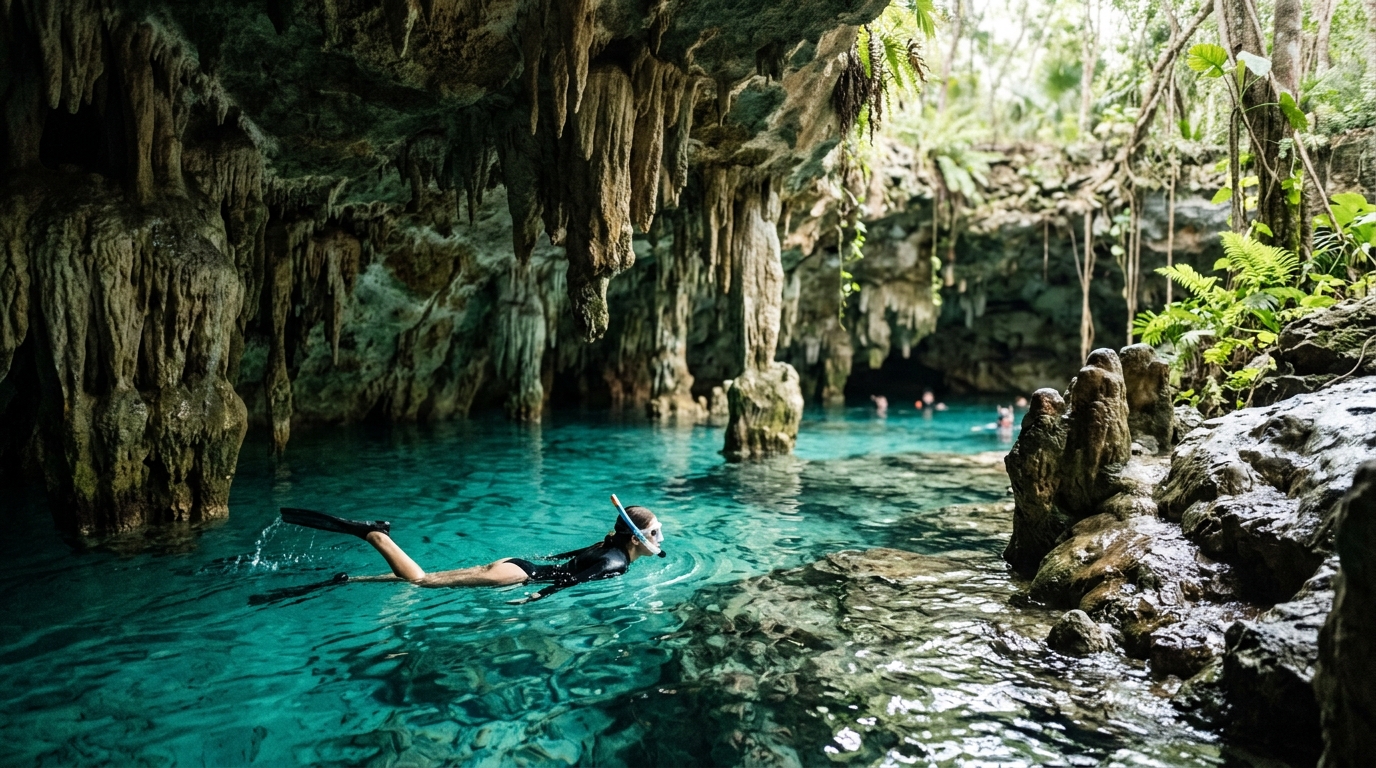
Gran Cenote sits 5 km west of Tulum on the road to Coba. Entry costs approximately US$12. The cenote has both open and cave sections accessible by snorkeling, with stalactites and stalagmites visible just meters below the surface in the cave area. Freshwater turtles live in the open section and are reliably spotted year-round. A mask and snorkel rental is included in many tour packages. Water visibility regularly exceeds 30 meters in dry season.
Dos Ojos
Dos Ojos is the entry point to one of the longest explored underwater cave systems in the world. Entry for snorkeling runs approximately US$25; guided cave diving adds significantly more. The name means “two eyes” — referring to two connected pools visible from above. The cave sections accessible by snorkeling include the “Barbie Line,” named for the pink coloration of the cave walls. Scuba certification and a guide are mandatory for the deeper cave systems. Browse Yucatan cenote tours on GetYourGuide for snorkeling tours that include Dos Ojos access and equipment.
Cenote Calavera
Calavera (meaning “skull” in Spanish) has three circular openings in the limestone ceiling that cast spotlights onto the deep blue water below, said to resemble two eye sockets and a nose. Entry is around US$10. There’s a platform for cliff jumping from about 3 meters, plus a ladder entry for those who prefer a calmer descent. It’s smaller and wilder than Gran Cenote — no rental equipment, fewer tourists, and no facilities beyond a basic changing area.
How to Get to the Cenotes Yucatan (Rental Car vs. Tours)
A rental car is the single most effective tool for accessing cenotes yucatan beyond the famous handful. The Yucatan road network is well-maintained, gas stations are frequent on main routes, and many of the best cenotes have no public transport connection. Rental rates from Cancun airport average US$25-45 per day for a basic compact (Discover Cars Mexico rate data, 2025).
Compare rental cars in Yucatan before booking at the airport counter — online pre-booking typically costs 20-35% less for the same vehicle category.
The single biggest advantage of renting a car is the “roadside cenote” experience. Hundreds of small community-operated cenotes sit along secondary roads between Valladolid and Merida, marked by nothing more than a hand-painted sign and a gate. These charge US$2-5, have zero tour groups, and are often maintained by a single family. This version of cenote yucatan tourism is the most rewarding we’ve encountered — and it’s entirely inaccessible without your own wheels.
Tours: When They Make Sense
Organized tours from Cancun, Playa del Carmen, or Valladolid make sense in three situations. First, if you’re visiting only one cenote cluster on a tight itinerary. Second, if you don’t have an international driver’s license. Third, if you want a combination ticket covering cenotes plus Chichen Itza with transport included.
Option
Cost
Flexibility
Best For
Rental car
US$25-45/day
Maximum
Multi-cenote explorers
Shared tour
US$35-70/pp
Low
First-timers, solo travelers
Private tour
US$120-200/group
Medium
Families, comfort seekers
Colectivo (shared van)
US$3-8/trip
Medium
Budget travelers near main routes
Source: Yucatan tourism operators, 2026
Colectivos — shared minivans — run on fixed routes between Cancun, Valladolid, Merida, and Tulum. They don’t stop at cenotes, but they drop you at junctions where you can walk or take a short taxi to popular sites.
Where to Stay for Cenote Access (Valladolid vs. Merida vs. Tulum)
Your base matters more for cenote access than for most destinations in Mexico. Valladolid, Merida, and Tulum each give you a different cluster of cenotes within convenient day-trip range, and the price and character of accommodation varies enormously between the three.
Valladolid: Best Overall Base
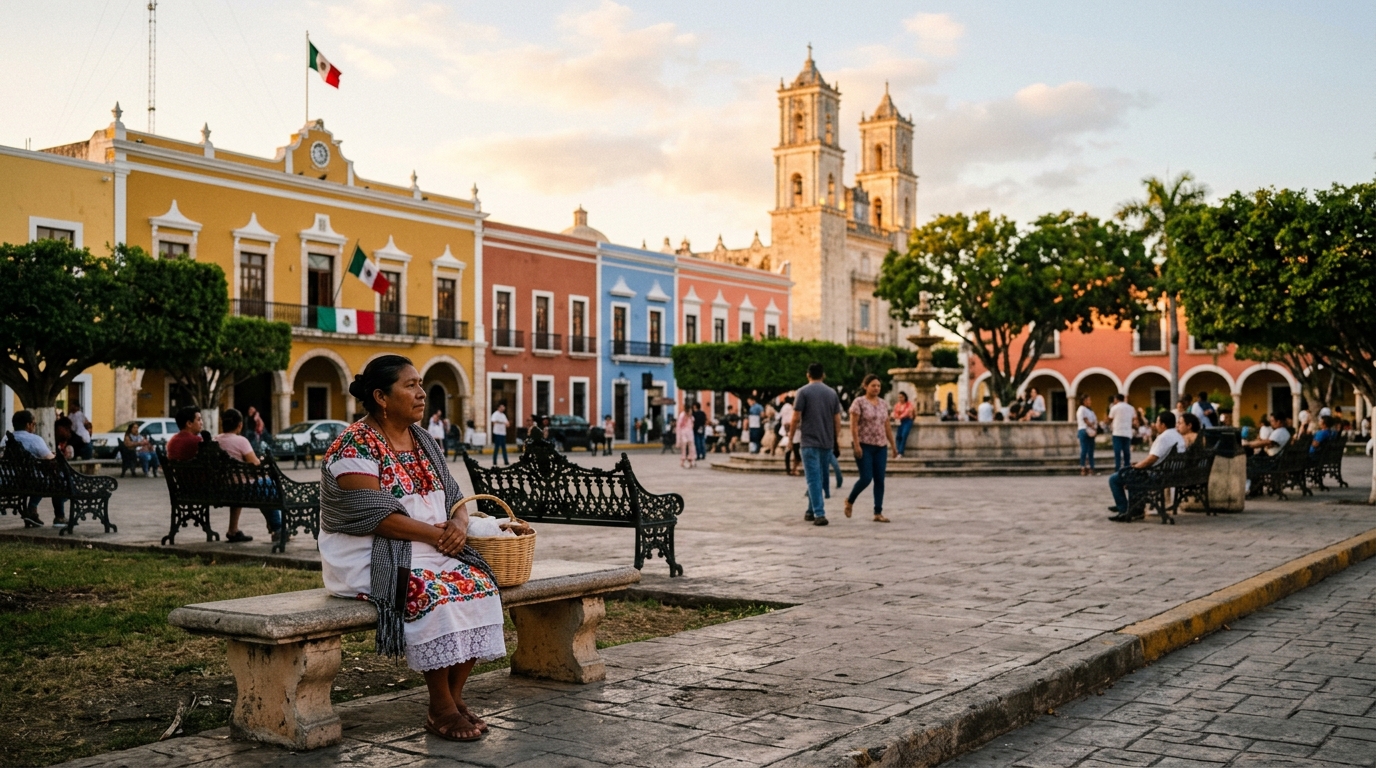
Valladolid is the best base for cenote-focused travelers. The colonial town sits almost exactly in the center of the Yucatan Peninsula, 40 km from Chichen Itza and 2 hours from Tulum by car. Hotel rooms cost US$30-70/night for mid-range properties around the main plaza. The town itself has good food, a walkable center, and Cenote Zaci within walking distance. Search Valladolid hotels on Booking.com
Merida: Cultural Capital Base
Merida is the Yucatan’s largest city and a genuinely excellent destination on its own. The colonial architecture, food scene, and museums rival anything in southern Mexico. The tradeoff: most cenotes require 1-2 hours by car. Cenote Xlacah at the Dzibilchaltun ruins sits 15 km north of the city and is included with the ruins entry. Mid-range hotels in Merida run US$50-100/night. Search Merida hotels on Booking.com
Tulum: Southern Cluster Base
Tulum is the most expensive base of the three. Budget hotel rooms in the Tulum Pueblo area start around US$50-80/night, while the hotel zone runs US$120-300+. The advantage is direct access to Gran Cenote, Dos Ojos, and Cenote Calavera within 10-20 minutes by bicycle or scooter. Tulum works best if your trip is specifically centered on cave snorkeling and the Coba ruins. Search Tulum hotels on Booking.com
When Is the Best Time to Visit Cenotes Yucatan?
December through April is the best time to visit cenotes yucatan. Dry season brings lower humidity, less surface water runoff that can cloud the aquifer, and cooler temperatures making the 24-26C cenote water feel refreshing rather than merely cool (CONAGUA Mexico Weather Data, 2024). The wet season (May-November) is workable but comes with caveats.
Month
Season
Cenote Water Clarity
Crowd Level
Notes
Dec-Feb
Dry
Excellent
Medium-High (holidays)
Peak Christmas/New Year crowds; best light in Jan-Feb
Mar-Apr
Dry
Excellent
Medium
Best overall window; warm but not oppressive
May
Shoulder
Good
Low
Pre-rainy season; fewer tourists; heat builds
Jun-Sep
Wet
Good-Variable
Low-Medium
Daily afternoon storms; lush jungle; lower prices
Oct-Nov
Late Wet
Variable
Low
Hurricane risk; off-peak prices; avoid outdoor cenotes during storms
Source: CONAGUA Mexico Weather Data and Yucatan State Tourism Board, 2026
Cenote water temperature stays around 24-26C year-round because the aquifer acts as a thermal buffer. That consistency is part of their appeal. Surface humidity and jungle conditions vary far more than the water itself. In wet season, underground cenotes like Dos Ojos actually benefit from higher water levels that make cave snorkeling more accessible in certain sections.
Cenote Etiquette and Essential Rules
Every cenote in the Yucatan enforces a no-sunscreen rule. Sunscreen chemicals — including “reef-safe” formulas — disrupt the delicate microorganism communities that maintain water clarity in a closed aquifer system. Cenote operators and the communities that depend on them take this seriously (CONABIO Biodiversity Report, 2023). Violations lead to removal from the site.
Practical rules that apply at almost every cenote:
No sunscreen, insect repellent, or lotions before entering the water. Apply after you leave.
Shower required before entering most cenotes. Shower facilities are provided at the entrance fee point.
Life jackets mandatory at most open-air cenotes, even for strong swimmers.
No flash photography inside cave cenotes, as it disturbs bat colonies and disrupts the ambiance.
No food or drink inside the water areas.
Biodegradable sunscreen is NOT a workaround — the rule is no sunscreen in the water, full stop.
Most cenotes are managed by local Maya communities or ejidos (communal land trusts). Your entry fee directly funds those communities. Tipping guides and staff is appreciated and appropriate.
yucatan travel budget
Cenotes Yucatan: Final Verdict
The cenotes of the Yucatan Peninsula deserve their reputation as one of Mexico’s greatest natural attractions. There’s genuinely nothing else like them on Earth — a combination of geological rarity, stunning visual drama, and cultural depth that very few swimming spots can match. The key is choosing the right cluster for your base and arriving before tour groups descend.
For first-timers, the Valladolid cluster (Suytun, Oxman, Samula) offers the best combination of accessibility, value, and crowd management. Experienced swimmers should prioritize Gran Cenote and Dos Ojos near Tulum for the cave snorkeling. And anyone with a rental car should take one morning to follow the back roads between Valladolid and Merida for the small community cenotes that rarely appear on lists.
Plan for December to April if your dates are flexible. Rent a car if your budget allows. Bring reef-safe everything — except don’t bring it into the water. Those three decisions will define how good your cenotes yucatan experience turns out to be.
Between 6,000 and 10,000 cenotes have been documented across the Yucatan Peninsula, with new ones still being discovered as the underwater cave system is mapped (Mexican Geological Survey / SGM, 2024). The Quintana Roo state alone contains the world’s longest explored underwater cave system at over 1,400 km of mapped passages. Most tourists visit fewer than five; the vast majority of cenotes remain off the tourist trail entirely.
Do you need to know how to swim to visit cenotes?
No. Most open-air cenotes like Ik Kil and Suytun require life jackets for all swimmers regardless of ability, and shallow platform areas allow non-swimmers to participate in the experience. Cave cenotes like Dos Ojos require swimming or snorkeling ability for meaningful access, though guided surface tours are sometimes available. Tell your guide or tour operator your swimming level before booking.
Is it safe to swim in cenotes?
Yes, cenote swimming is generally safe with basic precautions. Life jackets are mandatory at most sites. Cave cenotes require guides and appropriate training for deeper sections. The main risks are cold shock from jumping in unprepared and disorientation in cave sections without a guide. Water quality is excellent in properly managed cenotes — the aquifer system naturally filters the freshwater to a clarity that most pools cannot match.
What should I bring to a cenote?
Bring a towel, biodegradable insect repellent (applied only after swimming), water shoes for rocky entry points, and cash for entry fees (many small cenotes don’t accept cards). Apply any sunscreen the night before, not on the morning of your visit. A dry bag is useful for keeping valuables safe near the water. Most cenotes have lockers available for a small deposit.
Can you visit cenotes without a tour?
Yes, and we recommend it if you have a rental car. Most cenotes have independent entry fees and require no guide for open-air sections. Cave snorkeling at Dos Ojos and similar sites requires a guide, which the site provides on arrival. The advantage of independent visits is flexibility on timing — you can arrive at 8am before tours, stay as long as you like, and leave before the crowds peak. Compare rental cars in Yucatan to compare independent transport options.
This cenotes yucatan travel guide was researched and written in May 2026. Entry fees and hours change seasonally; verify with official sources before visiting.