
Disclosure: Some links in this guide are affiliate links. If you book or buy through them, we may earn a small commission at no extra cost to you — it helps keep our guides free.
Sydney Travel Guide 2026: Iconic Landmarks & Local Favorites
Sydney welcomed 3.7 million international visitors in 2024 according to Tourism Research Australia, cementing its spot as the country’s number one gateway city. But most travelers barely scratch the surface: a selfie at the Opera House, a rushed ferry to Manly, then off to the next destination. Mình đã dành 2 tuần khám phá Sydney from the CBD to the outer suburbs, và tin mình đi, this city deserves way more than a 48-hour layover.
This guide is built for first-timers who want both the postcard highlights and the stuff locals actually do on weekends. No fluff, just practical tips từ một người đã mò mẫm qua từng ngóc ngách so you don’t have to.
Key Takeaways
- Iconic landmarks: The Opera House and Harbour Bridge are must-sees, but the real magic is the 6km Bondi to Coogee coastal walk, completely free and stunning year-round
- Beaches: Sydney has 100+ beaches per Destination NSW. Top picks: Manly for families, Bronte for chill vibes, Palm Beach for a scenic half-day trip
- Hidden gems: Barangaroo Reserve, Wendy’s Secret Garden, and Glebe Markets provide zero-crowd alternatives to The Rocks and Darling Harbour
- Budget tip: The Opal card caps daily transport spending at AUD $17.80 (adult), so public transit will not eat your budget
- Local eats: Skip overpriced Circular Quay. Head to Newtown for AUD $8 banh mi that rivals Vietnam’s best, or Marrickville for craft beer and pork rolls
We only recommend services we genuinely trust. Learn more.
Travel Resources for Your Sydney Trip
- Opera House guided tour: Skip the ticket line with backstage access included.
- Hotels in Sydney CBD: Compare 200+ properties from AUD $120/night. Check live hotel prices
- Stay connected: Airalo Australia eSIM starts at $9 for 7 days, 1GB. Grab your eSIM before you fly
- More destinations: Explore our Bali travel guide and Tokyo travel guide for more Asia-Pacific inspiration.
- Beach lover? Check our guide to the best time to visit the Maldives for another coastal escape.
Best Things to Do in Sydney
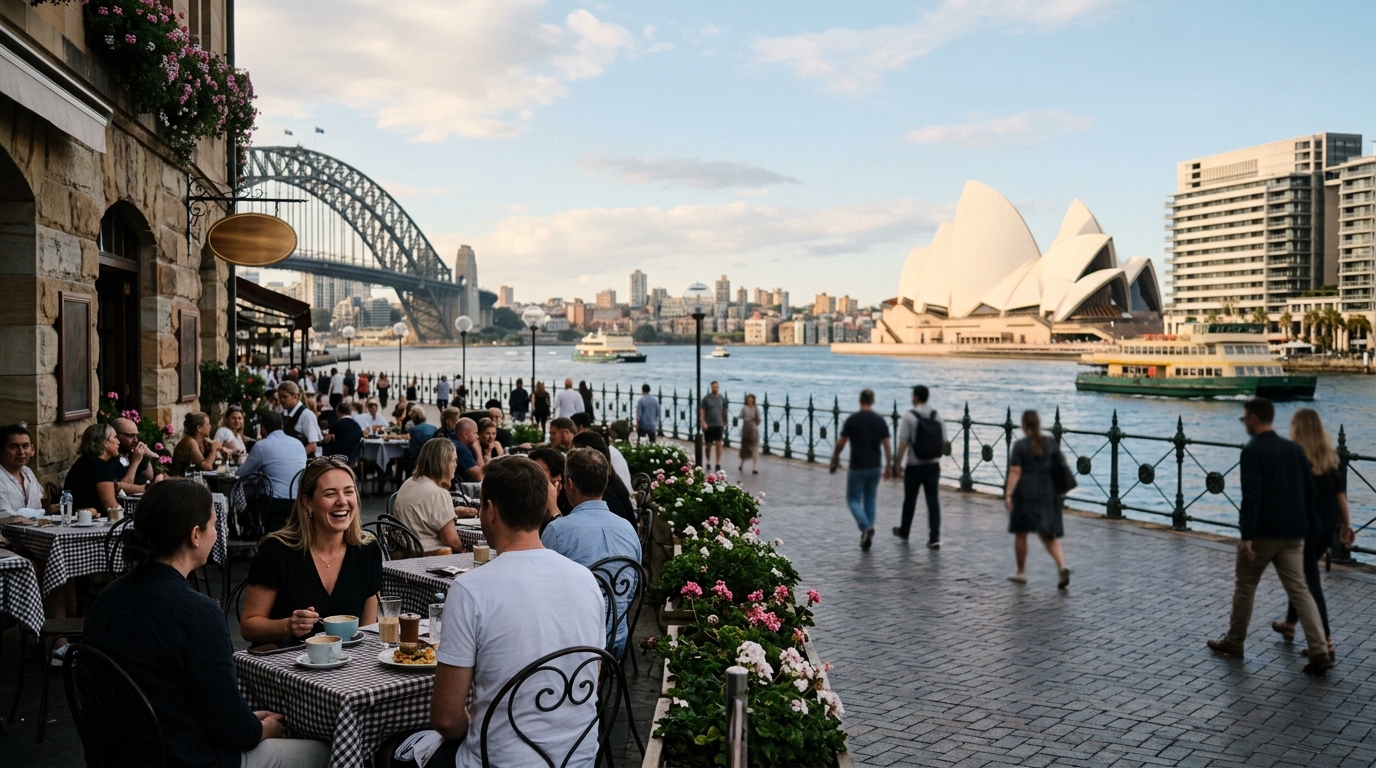
Sydney’s Opera House draws over 10.9 million visitors annually according to the Sydney Opera House Annual Report (2024), making it the undisputed icon of Australian tourism. But the best Sydney experiences combine the famous landmarks with the outdoor lifestyle that defines this harbour city, and winning experiences often sit right next to the postcard shots.
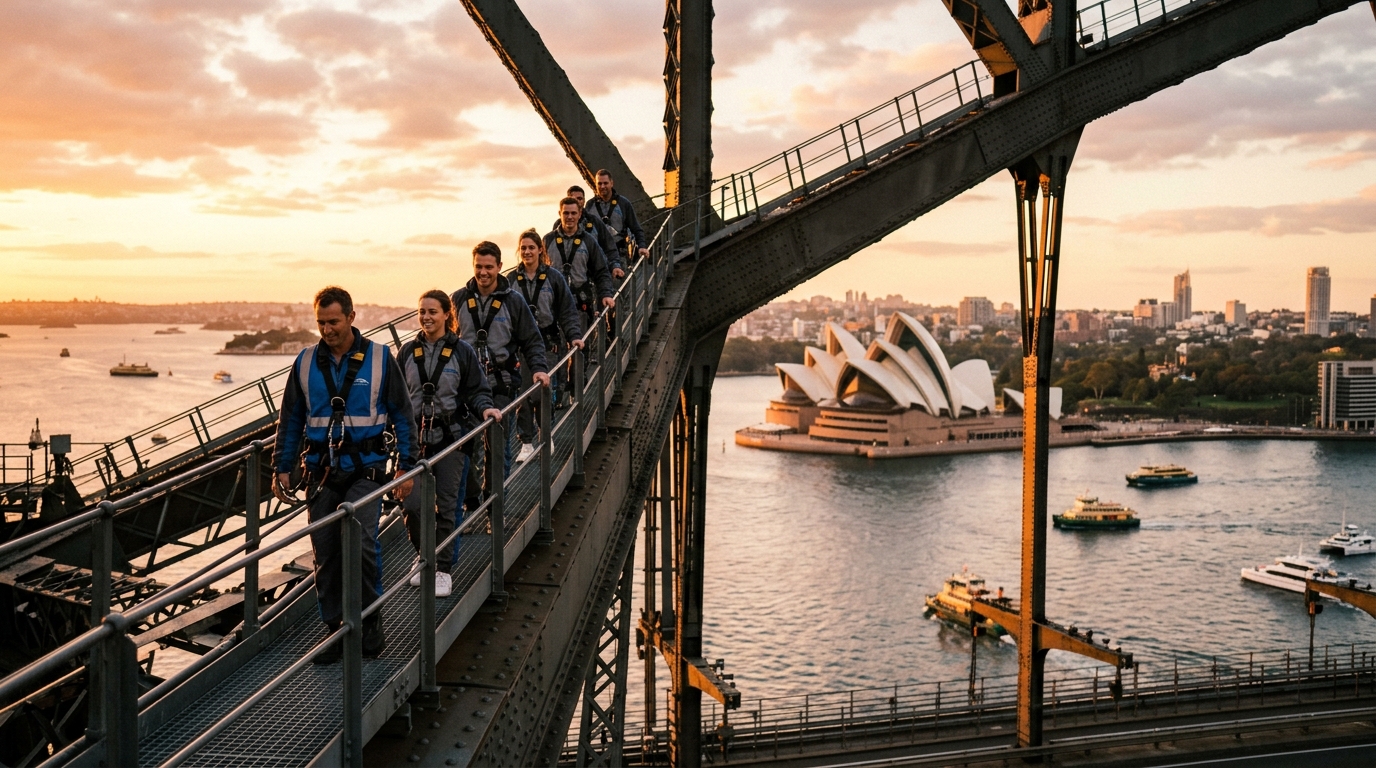
Climbing the Sydney Harbour Bridge ranks as the city’s most unforgettable activity. BridgeClimb Sydney offers three routes ranging from the 1.5-hour Express Climb at AUD $210 to the 3.5-hour Ultimate Climb at AUD $388. You get strapped into a safety harness, ascend the arc to 134 metres above sea level, and earn 360-degree views stretching to the Blue Mountains on clear days. Book at least 2 weeks ahead for sunrise slots; they sell out fastest.
The Royal Botanic Garden sprawls across 30 hectares of harbourside greenery and costs exactly zero dollars to enter. The Calyx exhibition space and the Succulent Garden with its alien-looking cacti are particular highlights. [PERSONAL EXPERIENCE] Mình recommend arriving at 7am when the garden opens. You will have the harbourside lawn practically to yourself, no cruise ship crowds blocking the view, and the morning light hitting the Opera House is unmatched for photos.
For evening entertainment, Darling Harbour packs eight major attractions into one walkable precinct. The SEA LIFE Aquarium (AUD $51), WILD LIFE Zoo, and the Australian National Maritime Museum all sit within easy reach. But our favorite is the free 8pm Saturday fireworks at Cockle Bay. No booking, no ticket, just show up.
For more Australia inspiration, check our Maldives travel guide for another island escape. The Blue Mountains deserve a full day, not the rushed half-day bus tours most operators sell. At 267,954 hectares, this UNESCO World Heritage site offers hiking trails spanning everything from 30-minute waterfall walks to the 45-kilometre Six Foot Track. The Three Sisters rock formation at Echo Point delivers the classic photo everyone wants. But continuing down the Giant Stairway into the Jamison Valley rewards you with silence the tour buses never reach. Take the train from Central Station: 2 hours, AUD $6.88 off-peak with Opal.
| Attraction | Annual Visitors | Cost (AUD) | Best Time |
|---|---|---|---|
| Opera House | 10.9 million | Free (exterior) / $43+ (tour) | Sunset |
| Harbour Bridge Climb | ~300,000 | $210 – $388 | Sunrise |
| Royal Botanic Garden | 3.5 million | Free | Morning 7-9am |
| Darling Harbour | 26 million | Free (precinct) | Saturday evening |
| Blue Mountains | 5.6 million | Free (park entry) | Weekday mornings |
Source: Destination NSW & Sydney Opera House Annual Report, 2024
Hidden Spots Locals Love
Tourism Research Australia reports that 68% of Sydney’s international visitors concentrate in just five precincts: Circular Quay, The Rocks, Darling Harbour, Bondi, and Manly. That leaves dozens of incredible spots essentially tourist-free. Here is where Sydneysiders actually spend their weekends when they want to escape the crowds.
Barangaroo Reserve opened in 2015 on a former container terminal and has somehow stayed under the radar. The 6-hectare headland park was reconstructed using 75,000 native sandstone blocks to mimic the original 1836 shoreline. The Cutaway, a massive cultural space carved beneath the park, hosts free art installations and weekend markets. Bring a picnic, find a spot on the grassy terraces, and watch the ferries cruise past. [UNIQUE INSIGHT] Most tourists never walk past Barangaroo because Google Maps defaults to the Barangaroo dining precinct (the commercial side). Head to the Reserve side. It is an entirely different world.
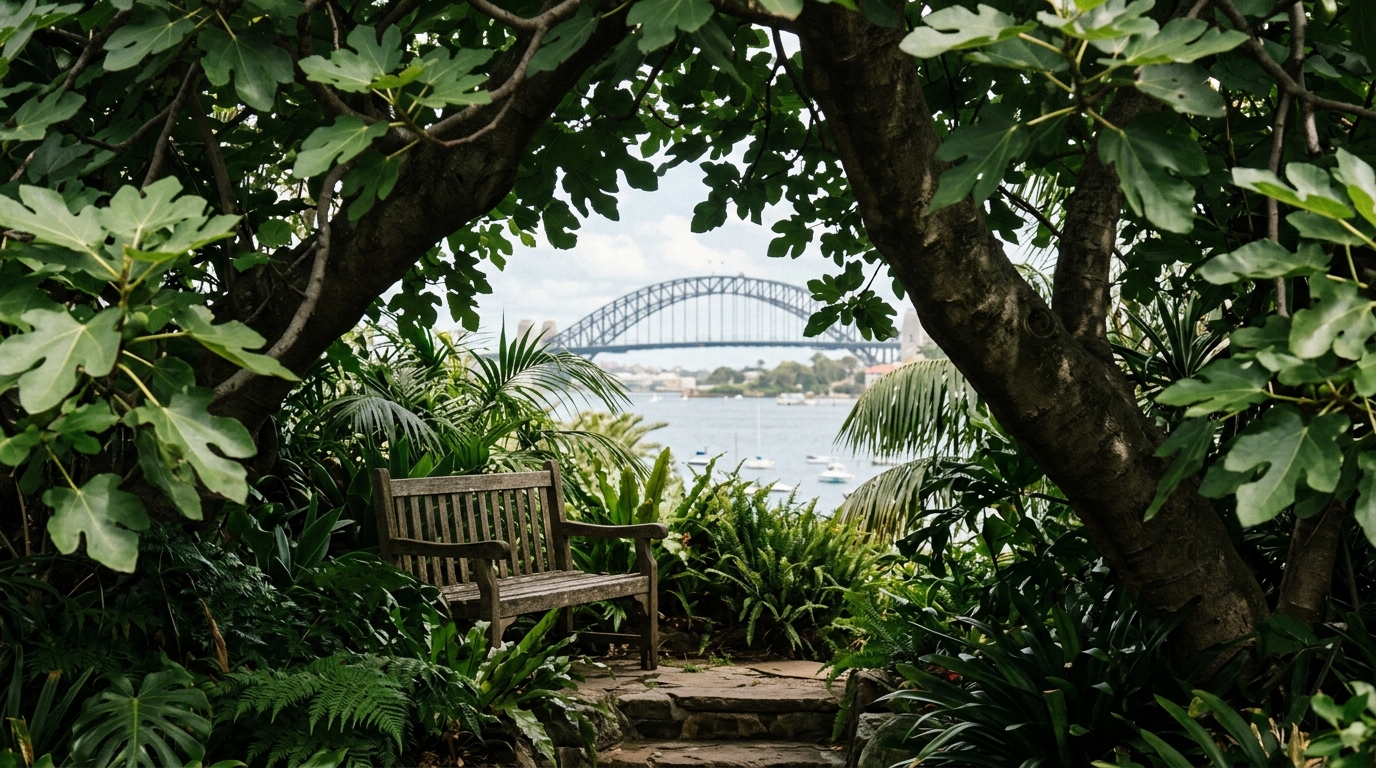
Wendy’s Secret Garden in Lavender Bay delivers exactly what the name promises. Created by artist Wendy Whiteley on disused railway land after her husband Brett’s death in 1992, the garden has grown into a labyrinth of fig trees, jasmine, frangipani, and hidden benches overlooking the Harbour Bridge. There is no official website, no opening hours, no ticket price. Walk up through Clark Park and you will find it.
Glebe Markets run every Saturday from 10am to 4pm at Glebe Public School. Unlike The Rocks weekend markets where tourists outnumber locals several times over, Glebe draws actual Sydney residents browsing vintage clothes, handmade ceramics, vinyl records, and secondhand books. The falafel stall has been running for 15 years and charges AUD $12 for what might be Sydney’s best weekend lunch.
[PERSONAL EXPERIENCE] White Rabbit Gallery in Chippendale houses one of the world’s largest collections of contemporary Chinese art, four floors of it, completely free entry, funded by philanthropist Judith Neilson. The teahouse downstairs serves dumplings and jasmine tea for under AUD $15. Even on a Saturday, you will share the gallery with maybe 15 other people. In a city this popular, that level of solitude feels borderline impossible.
Best Beaches in Sydney
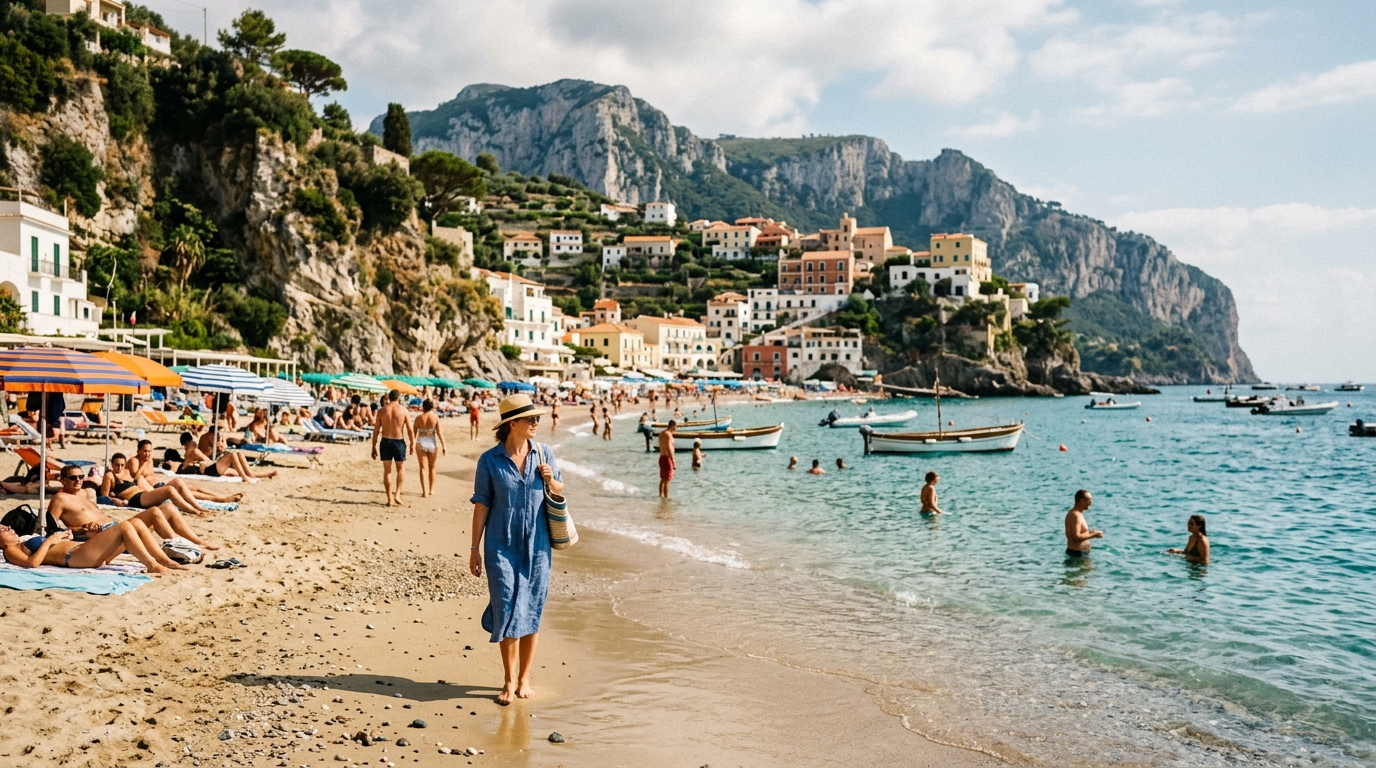
Sydney’s coastline stretches across more than 2,000 kilometres with over 100 beaches scattered along the shore, according to Destination NSW. That is more beaches than you could visit in a month of daily swims. The key is knowing which beach suits your vibe. Bondi is iconic for a reason, but it is not always the right answer depending on what you are after.
Bondi Beach pulls in 2.7 million visitors annually per Waverley Council data (2024), and on a 35-degree summer Saturday, finding a patch of sand can feel genuinely competitive. The Bondi to Coogee coastal walk is the real star here: a 6-kilometre clifftop trail connecting six distinct beaches with ocean pools at nearly every stop. Budget 2-3 hours at a relaxed pace and pack swimmers, because you will want to jump in at Bronte Baths or snorkel the Gordons Bay marine trail halfway through.
Manly Beach requires a 30-minute ferry ride from Circular Quay, and that journey alone is worth the AUD $9.90 fare. The Manly Ferry carries about 14 million passengers annually per Transport for NSW, and the approach into Manly Cove delivers a harbour panorama that rivals any paid sightseeing cruise. Manly itself splits into a protected harbour side (ideal for kids and casual swimmers) and an ocean side (solid surf breaks for intermediates). The Shelly Beach walk at the southern end is a flat 1.5-kilometre loop to a protected marine reserve.
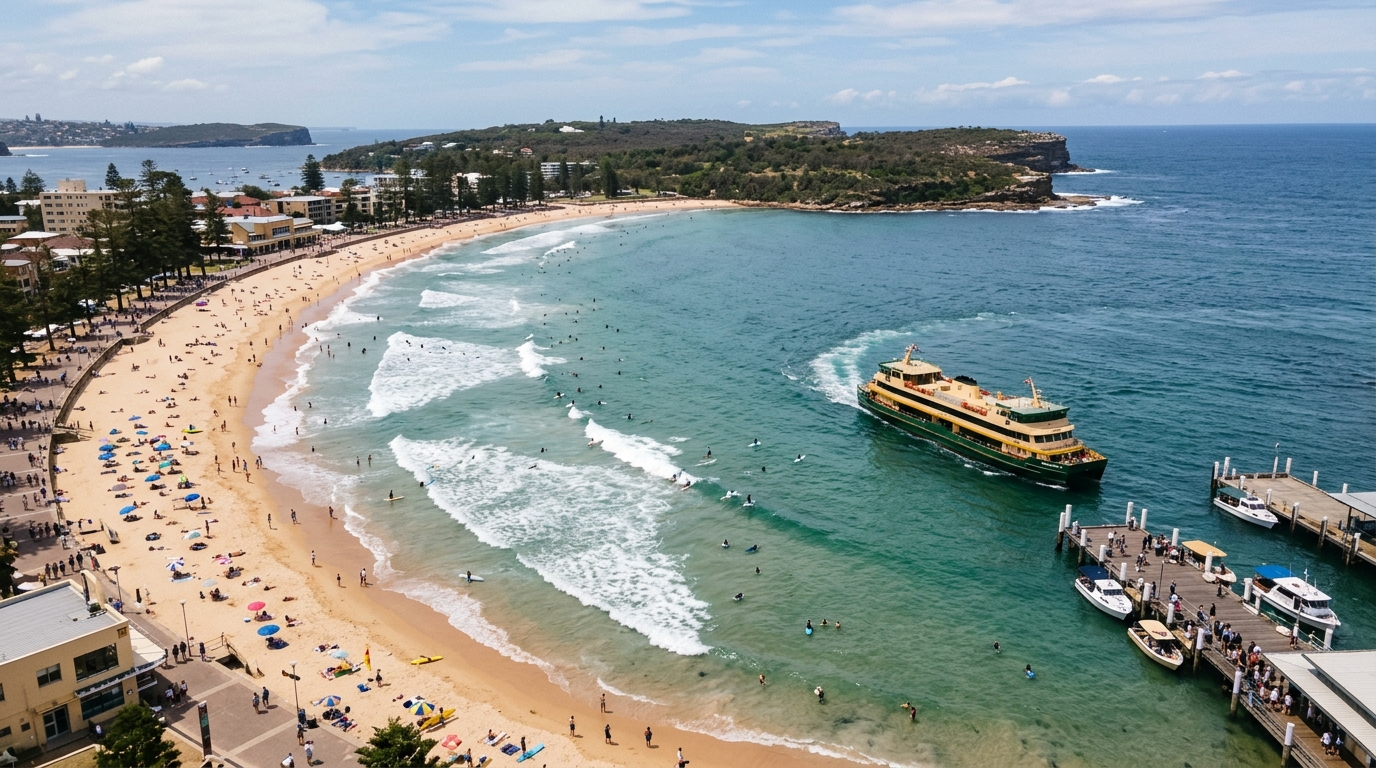
For something far quieter, Bronte Beach sits just south of Bondi and attracts roughly a third of the crowds. The Bronte Baths, a saltwater pool carved directly into the rock shelf, is free, open year-round, and photogenic enough to justify waking up at 5:30am. Palm Beach, 45 kilometres north of the CBD, doubles as the filming location for Home and Away and offers the Barrenjoey Lighthouse hike with sweeping views across Pittwater and the Central Coast.
| Beach | Crowd Level | Best For | Facilities |
|---|---|---|---|
| Bondi | Very High | Surfing, people-watching, coastal walk start | Changing rooms, cafes, lifeguards |
| Manly | High | Families, casual surf, ferry experience | Full amenities, surf schools |
| Bronte | Moderate | Rock pool swimming, picnics | BBQ areas, ocean pool, free parking |
| Palm Beach | Low-Moderate | Day trip escape, lighthouse hike | Cafe, limited parking, lifeguards (summer) |
| Shelly Beach (Manly) | Low | Snorkeling, kids, marine reserve | Toilets, cafe kiosk |
Source: Waverley Council & Northern Beaches Council, 2025
First Time in Sydney? What to Know
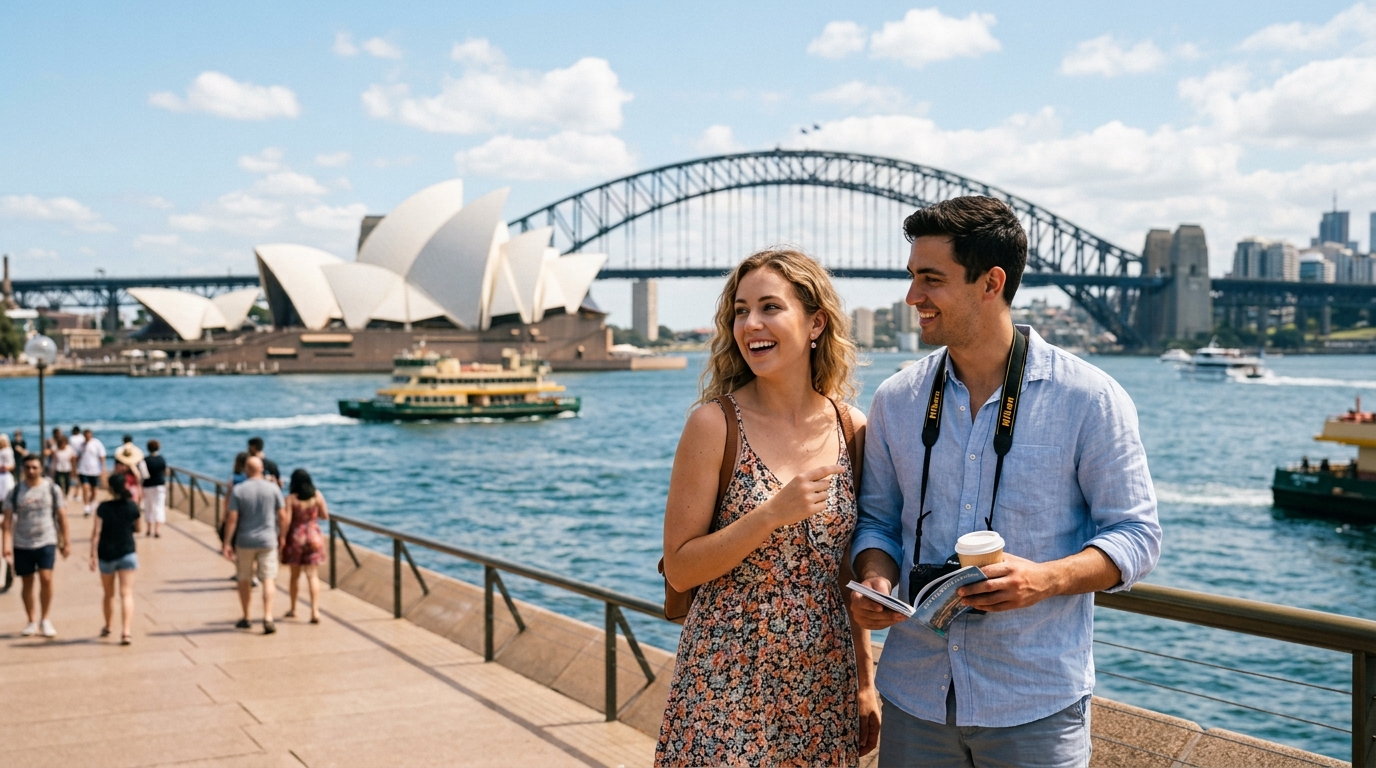
The average daily budget for a mid-range Sydney trip runs AUD $200-250 per person according to Budget Your Trip (2025), making it one of Australia’s priciest cities alongside Melbourne. But with a few local hacks (the Opal card weekly cap, free attractions, and smart neighbourhood choices) you can trim that figure by 30% without sacrificing experience quality.
December through February brings Sydney’s summer peak with temperatures averaging 22-28 degrees C (72-82 degrees F) and hotel rates sitting 40-60% higher than winter lows. The best sweet spot, theo kinh nghiệm của mình, is mid-October to November or March. You get beach-friendly weather without the holiday surge, and events like Vivid Sydney (May-June) add major cultural draws during the shoulder season.
Getting from Sydney Kingsford Smith Airport into the city costs AUD $19.53 on the Airport Link train, an 8-minute ride to Central Station. Rideshare services like Uber run AUD $35-55 for the same trip. The Opal card system covers all public transport: trains, buses, ferries, and light rail. Daily spend caps at AUD $17.80 (adult) on weekdays and just AUD $8.90 on Sundays, making Sunday the perfect day for a ferry-hopping adventure to Manly, Watsons Bay, and Parramatta, all on one heavily discounted cap.
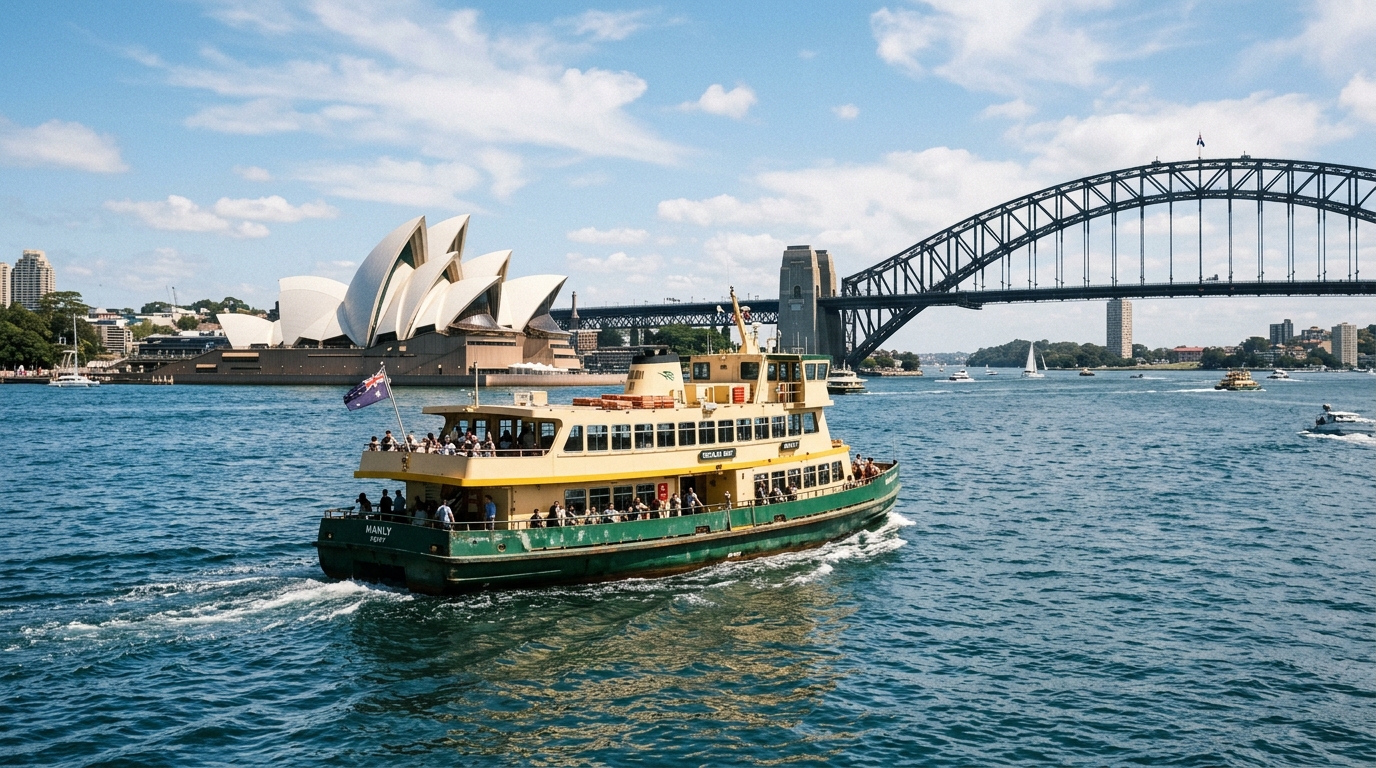
The Rocks neighborhood near Circular Quay is Sydney’s oldest district and worth a morning of getting lost: cobblestone lanes, convict-built sandstone cottages, and the weekend market fills Argyle Street with local artisans. But skip the overpriced tourist cafes charging AUD $26 for avocado toast. Walk 10 minutes to Barangaroo or the CBD for cheaper, better lunch options.
For day trips, the Blue Mountains train from Central Station takes 2 hours and costs AUD $6.88 off-peak with Opal. Katoomba is the gateway town with cafes, gear shops, and the bus connection to Scenic World. [UNIQUE INSIGHT] Most guides tell you to do Scenic World (AUD $54.90 for the railway, skyway, and cableway combined). It is worth doing once. But the Grand Canyon Walk at Blackheath, 15 minutes further by train, offers better views with zero crowds and no entry fee whatsoever.
Find your Sydney hotel on the map
Live prices from Booking, Airbnb and more — move the map or change dates to compare stays around Sydney.
Where to Eat Like a Local
Sydney’s dining scene ranks among the world’s top 20 food cities according to the Time Out City Index (2024), powered by first and second-generation immigrant communities from across Asia, Europe, and the Middle East. The result is a city where you can eat Cambodian noodles for breakfast, Lebanese share plates for lunch, and modern Australian seafood for dinner, all within a 5-kilometre radius.
Newtown is Sydney’s undisputed foodie heartland. King Street alone packs over 100 restaurants into 2.5 kilometres, spanning Thai, Vietnamese, Italian, Ethiopian, Turkish, and at least a dozen burger joints. A humble shopfront called Marrickville Pork Roll on the Newtown-Illawarra intersection serves an AUD $8 banh mi that regularly makes “best in Australia” lists. Expect a 15-minute queue during peak lunch; it moves fast and rewards every minute of waiting.
Chinatown in Haymarket stays buzzing late with the Friday Night Market filling Dixon Street from 4pm to 11pm. Dumplings, grilled skewers, and bubble tea stalls line the pedestrian strip. We recommend Eating World Food Court for the least touristy experience. The spicy beef noodle soup at stall #7 costs AUD $13.50 and feeds two hungry people comfortably.
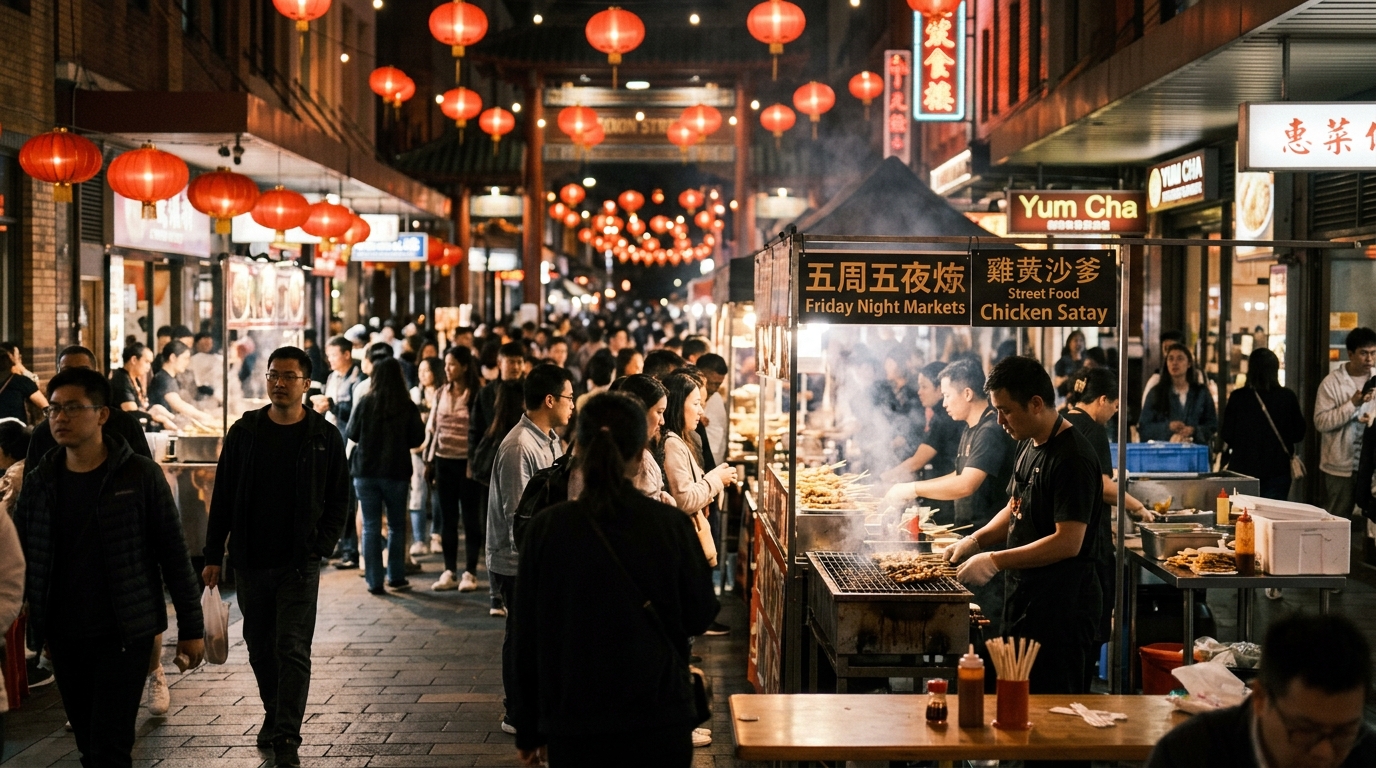
For coffee culture, skip the tourist strip and follow the office workers. Single O in Surry Hills pioneered Sydney’s specialty coffee movement and still pulls some of the best espresso in town. Sample Coffee in St Peters roasts on-site inside a converted warehouse and the flat white consistently lands in local “best coffee” conversations. Batch Brewing Co. in Marrickville pours 12 craft beers on tap and serves fresh oysters at AUD $3 each during weekday happy hour (Wed-Fri, 4-6pm).
[PERSONAL EXPERIENCE] Barangaroo House and the rooftop at The Glenmore in The Rocks deliver harbour views with your drink. But prices spike 40-50% above inner-west norms. Our advice: do one sunset drink at a harbour bar for the photos, then take the light rail back to Newtown or Enmore where the food is better and the prices are honest.
Frequently Asked Questions
How many days do you need in Sydney?
Five full days gives you enough time for the main attractions plus a day trip to the Blue Mountains and a half-day beach visit. According to Tourism Australia data (2024), the average international visitor spends 5.4 nights in Sydney. If you only have 3 days, skip day trips entirely, focus on the city core, and pick one beach.
Is Sydney expensive for tourists?
Sydney ranks among the world’s 15 most expensive cities on the Mercer Cost of Living Index (2025), with daily tourist spending averaging AUD $200-250. However, roughly half of the major attractions are free. Beaches, coastal walks, the Royal Botanic Garden, and the Art Gallery of NSW all run on zero-cost admission. Accommodation is the real budget breaker; book 2-3 months ahead for the best rates.
What is the best month to visit Sydney?
Mid-October through November delivers 22-26 degree temperatures, minimal rainfall, and hotel rates 20-30% lower than the January peak per Booking.com data (2025). March offers similar conditions with warm water still ideal for swimming. Avoid December 20 through January 31 unless you specifically want the Christmas-to-New-Year party atmosphere.
Is Sydney safe for tourists?
Sydney consistently ranks in the top 10 safest global cities on The Economist Safe Cities Index (2024). Violent crime against tourists is extremely rare. Standard precautions apply: watch your belongings at Bondi and busy Central Station platforms, avoid poorly lit parks after midnight, and do not leave valuables visible in rental cars parked at beach lots.
Do I need a visa for Australia?
Most visitors require either an Electronic Travel Authority (ETA, AUD $20) or an eVisitor visa (free for EU and UK citizens). The ETA is processed through the official Australian ETA mobile app and approval typically takes under 24 hours. Apply directly via the Department of Home Affairs website to avoid fake third-party services that charge AUD $50-100 for the same free service.
Ready to explore Sydney? Start with the Opera House and Harbour Bridge on day one, then let the city surprise you. Our perfect formula after two trips: two days for landmarks and The Rocks, one full day for the Bondi to Coogee coastal walk, one day trip to the Blue Mountains (do it independently, skip the bus tour), and your last day eating through Newtown and Marrickville like someone who has lived here for years.
Book your accommodation in Surry Hills or Potts Point for easy walking access to everything, grab an Opal card at the airport before you leave the terminal, and keep your Sunday free for the AUD $8.90 fare cap ferry hop. Sydney is expensive, sure, but the best parts (the beaches, the walks, the gardens, the weekend markets) do not cost a cent.
Have questions about your Sydney trip? Leave a comment below or explore our other Australia and Oceania guides to start building your itinerary.
Sources: GetYourGuide, 2026; Check live hotel prices, 2026; Airalo, 2026; local tourism data compiled July 2026.