
20 Best Things to Do in Dubai 2026: Complete Activity Guide
Dubai welcomed over 17 million international visitors in 2024, breaking its own tourism record (Dubai Tourism, 2024). That number tells you everything. This city moves fast, builds bigger, and keeps reinventing itself every year. Whether you have 3 days or 3 weeks, picking the right activities makes the difference between a mediocre trip and an unforgettable one.
This guide covers the 20 best things to do in Dubai in 2026, with real entry prices, booking tips, and honest advice on what’s worth your time and money. For broader trip-planning help, check our travel tips guides.
Key Takeaways
– Dubai’s top attraction, Burj Khalifa At The Top, costs AED 149-289 ($41-79) depending on floor level and time of booking
– Desert safaris range AED 150-350 ($41-95) and are the single most popular activity for first-timers
– Old Dubai (Al Fahidi, souks, Creek) is free or near-free and gives the cultural contrast that makes the city interesting
– Dubai has the world’s largest indoor ski slope inside a shopping mall – one of many surprises the city delivers
– Booking activities at least 48 hours in advance typically saves 15-25% versus buying at the door
Affiliate Disclosure: Some links in this guide are affiliate links. If you book through them, we earn a small commission at no extra cost to you. We only recommend services we genuinely trust. Learn more.
Is Dubai Worth Visiting in 2026?
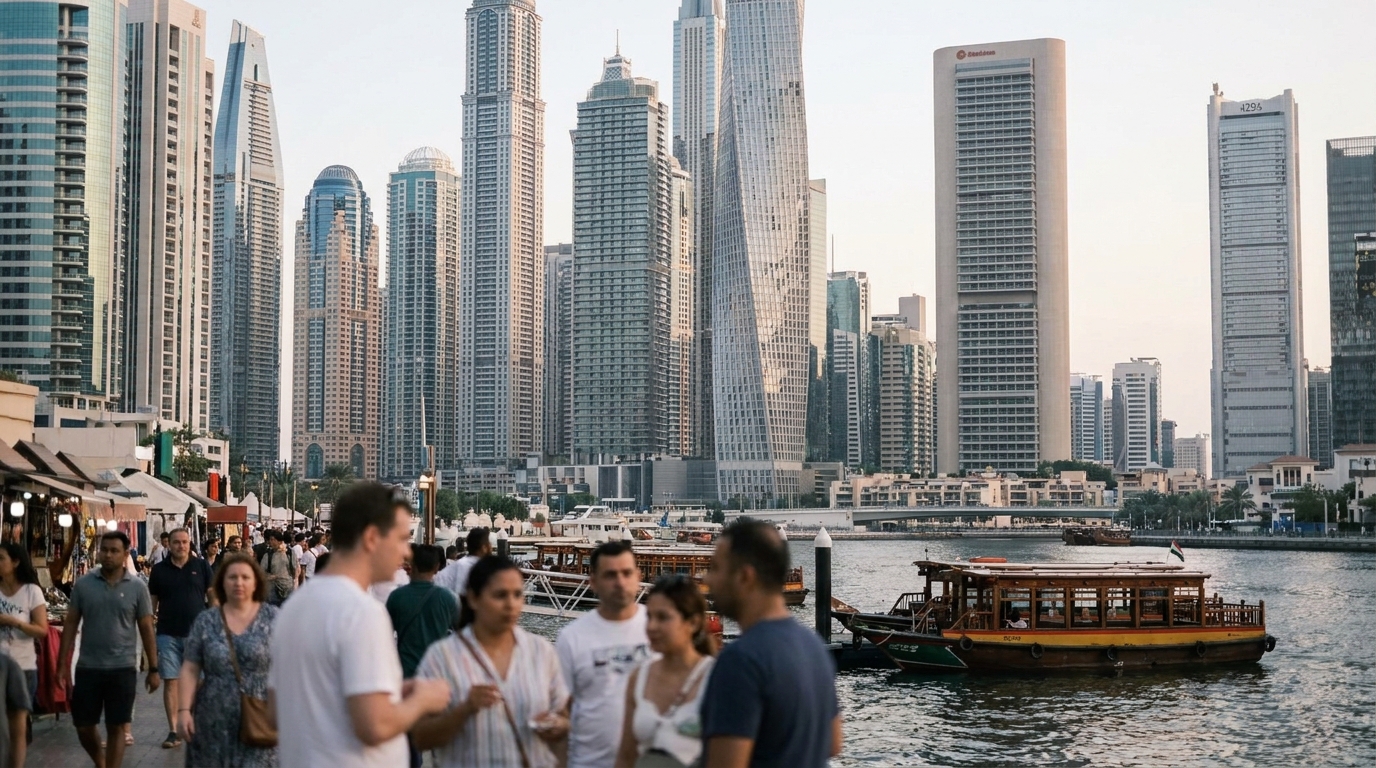
Dubai consistently ranks among the world’s top 10 most-visited cities, drawing 17.15 million overnight visitors in 2024 according to the Dubai Department of Economy and Tourism, 2025. Yes, it’s worth it. The city offers a genuine mix of futuristic architecture, ancient trading history, world-class dining, and outdoor adventure all within a compact, safe, and remarkably well-connected destination.
Prices have risen since the pandemic, but smart booking still delivers excellent value. Most marquee attractions are cheaper when booked online versus at the door.
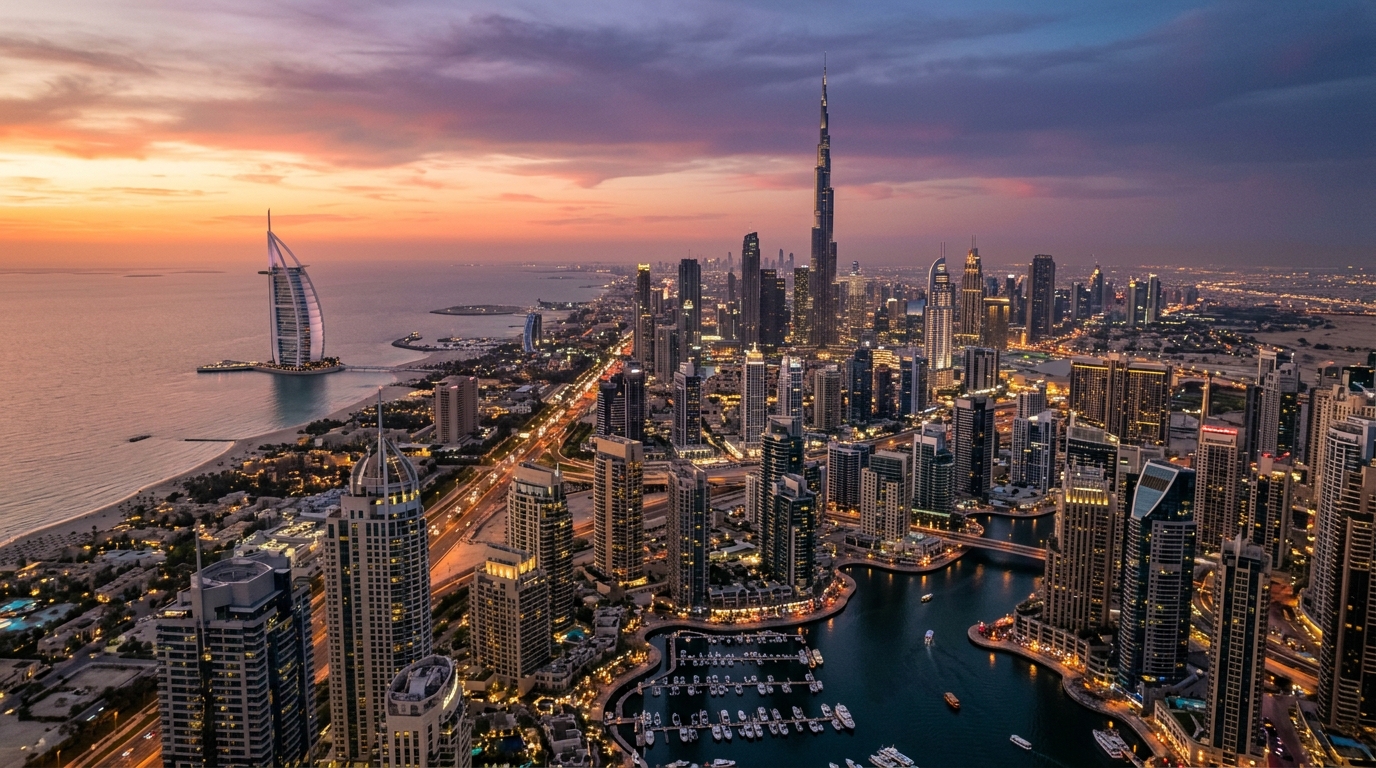
1. Burj Khalifa At The Top: The Highest Observation Deck
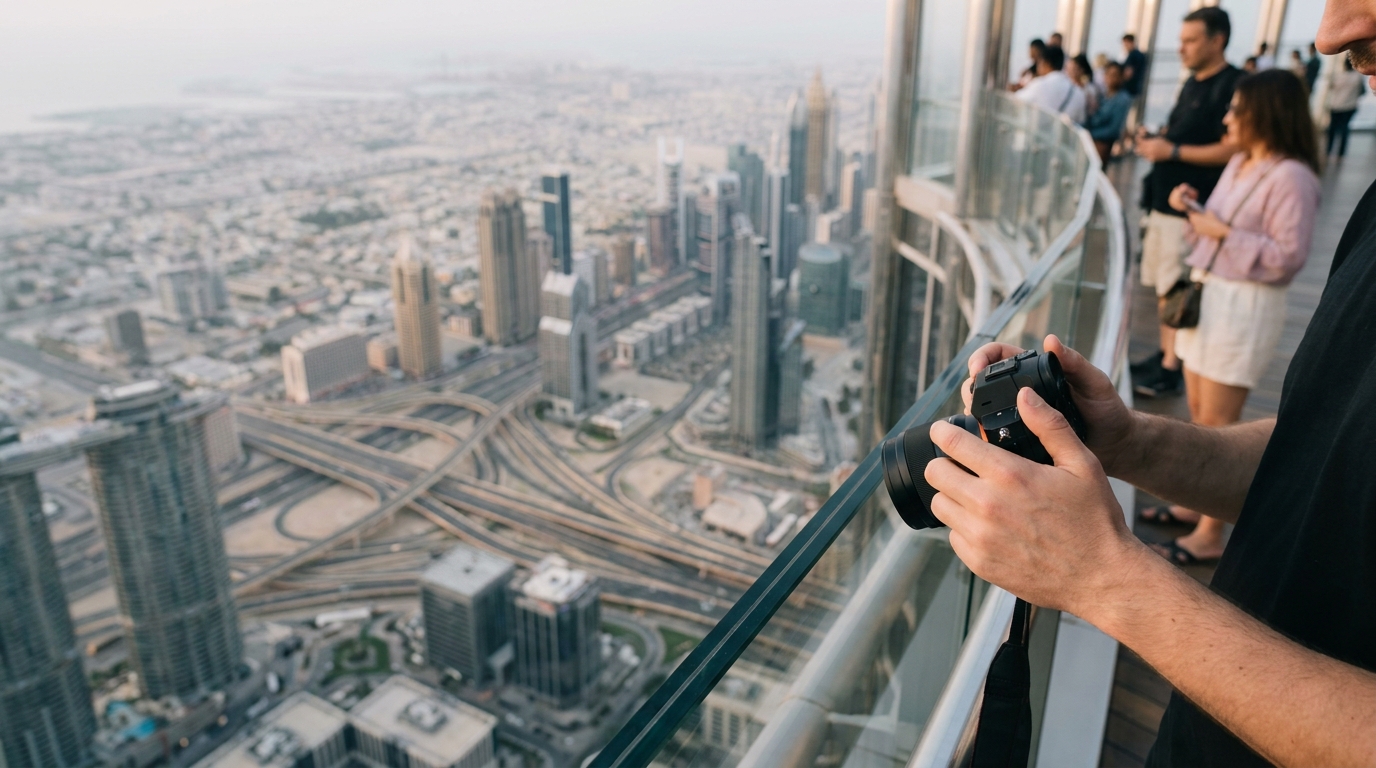
At 828 meters, the Burj Khalifa is still the world’s tallest building by official height, though it cedes the “highest occupied floor” title to the Merdeka 118 in Kuala Lumpur (Council on Tall Buildings and Urban Habitat, 2024). That distinction doesn’t diminish the experience. Standing at Level 124 or Level 148 puts you above the clouds on most mornings and delivers views across three countries on clear days.
2026 entry prices:
– Level 124 (At The Top): AED 149-199 ($41-54), depending on time slot
– Level 148 (At The Top SKY): AED 289 ($79)
– Sunrise and sunset slots book out 2-3 weeks ahead in peak season
Insider tip: Book the 9:00-10:00am slot for Level 124. Visibility is sharpest before the Gulf haze builds, and the crowd is thinner than midday or sunset sessions.
Best for: First-timers, photographers, and anyone who wants a physical sense of just how engineered this city is.
2. Desert Safari: The Classic Dubai Experience
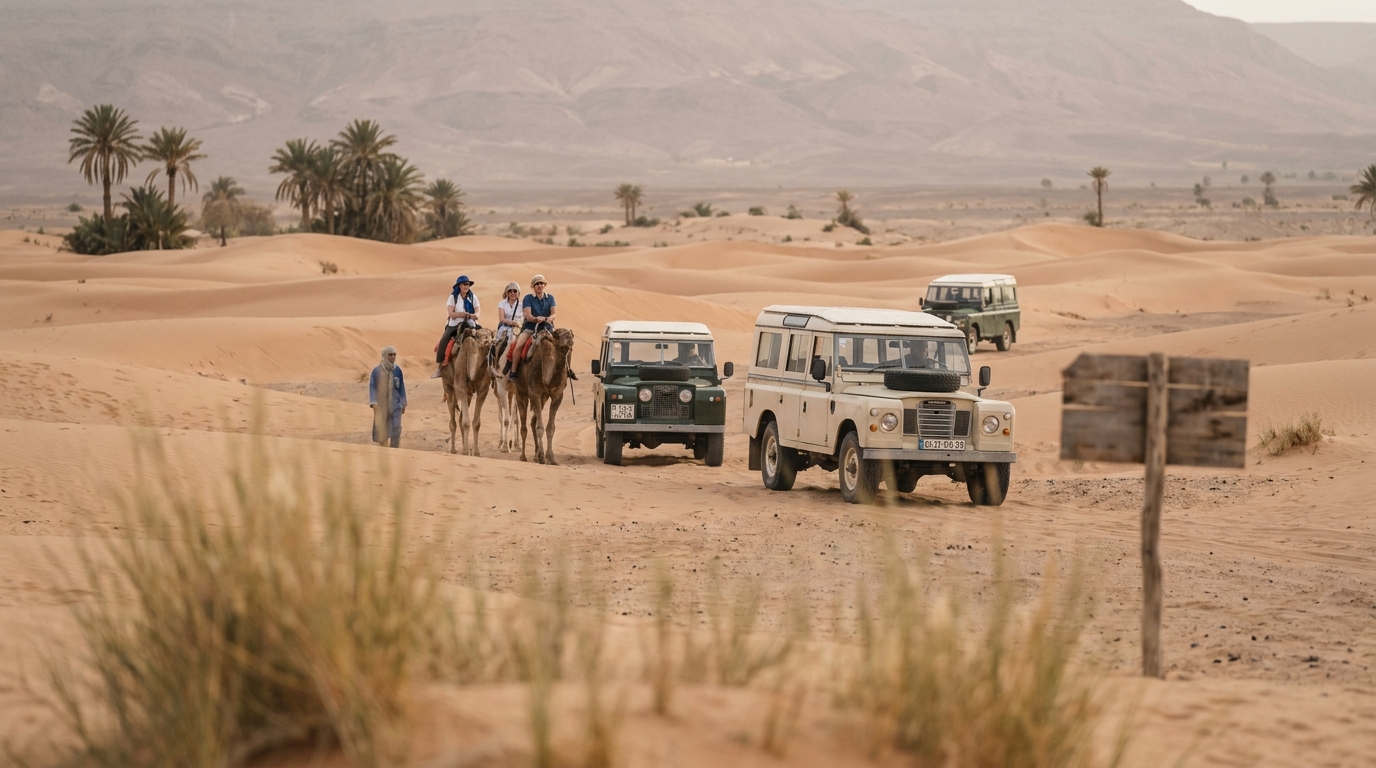
Desert safaris remain the single most-booked activity in Dubai, with over 2.4 million safari experiences sold through major platforms in 2024 (GetYourGuide internal data, 2025). Prices range from AED 150 ($41) for a basic afternoon dune-bashing session to AED 350+ ($95) for overnight premium camps with private dining and stargazing.
Most afternoon safaris run 6-7 hours and include: dune bashing in a 4WD, sandboarding, camel riding, a sunset photo stop, and a camp dinner with live entertainment. The difference between operators comes down to group size and camp quality.
2026 price breakdown:
– Budget afternoon safari: AED 150-180 ($41-49)
– Standard safari with dinner: AED 200-250 ($54-68)
– Premium/overnight camp: AED 350-600 ($95-163)
Best for: First-timers and families. If you’ve done a desert safari elsewhere (Jordan, Morocco), a premium overnight camp gives more novelty than a basic afternoon trip.
3. Dubai Mall and the Dubai Aquarium
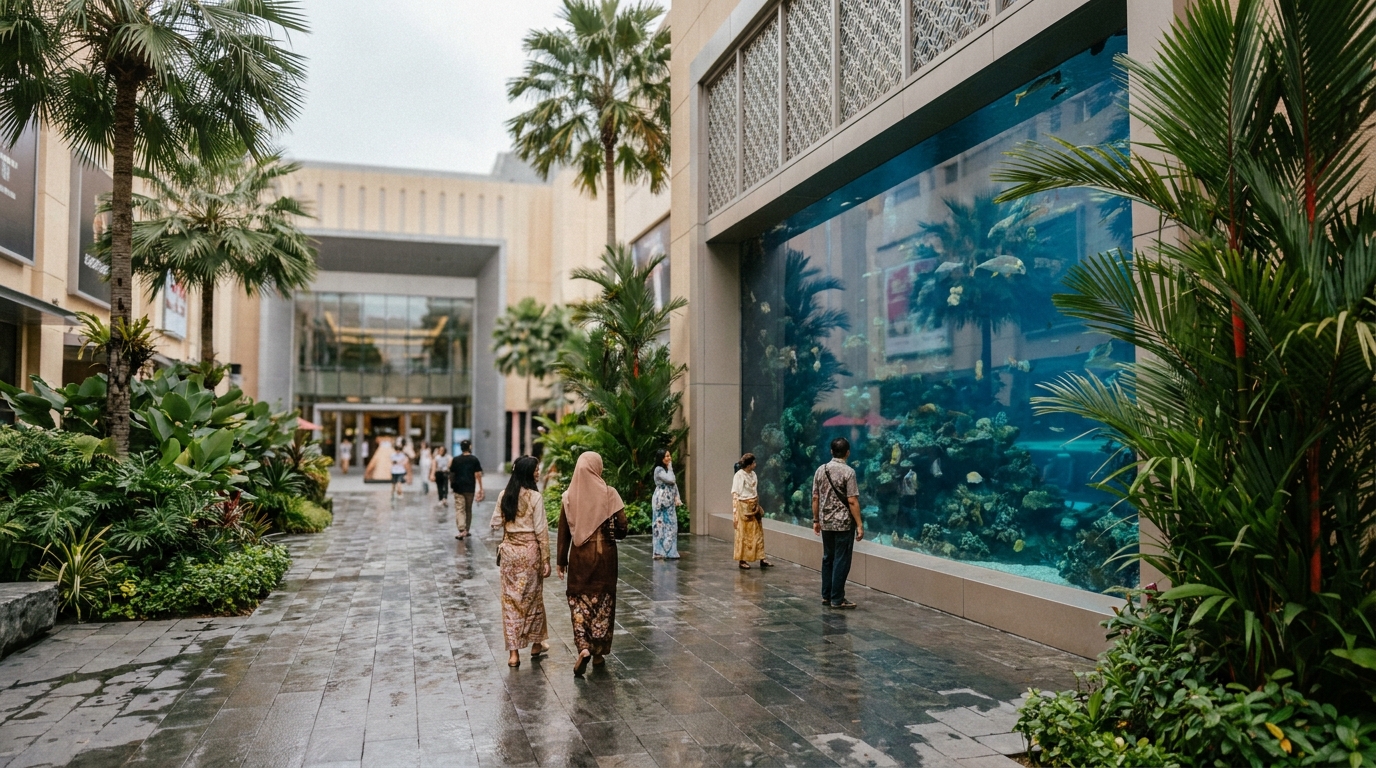
The Dubai Mall is the world’s largest shopping mall by total area, covering 5.4 million square feet (Dubai Mall, 2025). Shopping aside, it holds two genuinely excellent attractions that justify a half-day visit even for non-shoppers.
Dubai Aquarium and Underwater Zoo
The aquarium tunnel holds over 33,000 aquatic animals and one of the world’s largest suspended tanks. Entry to the viewing panel is free from inside the mall. Full walk-through plus Underwater Zoo costs AED 130-160 ($35-44) depending on the package.
Dubai Fountain Show
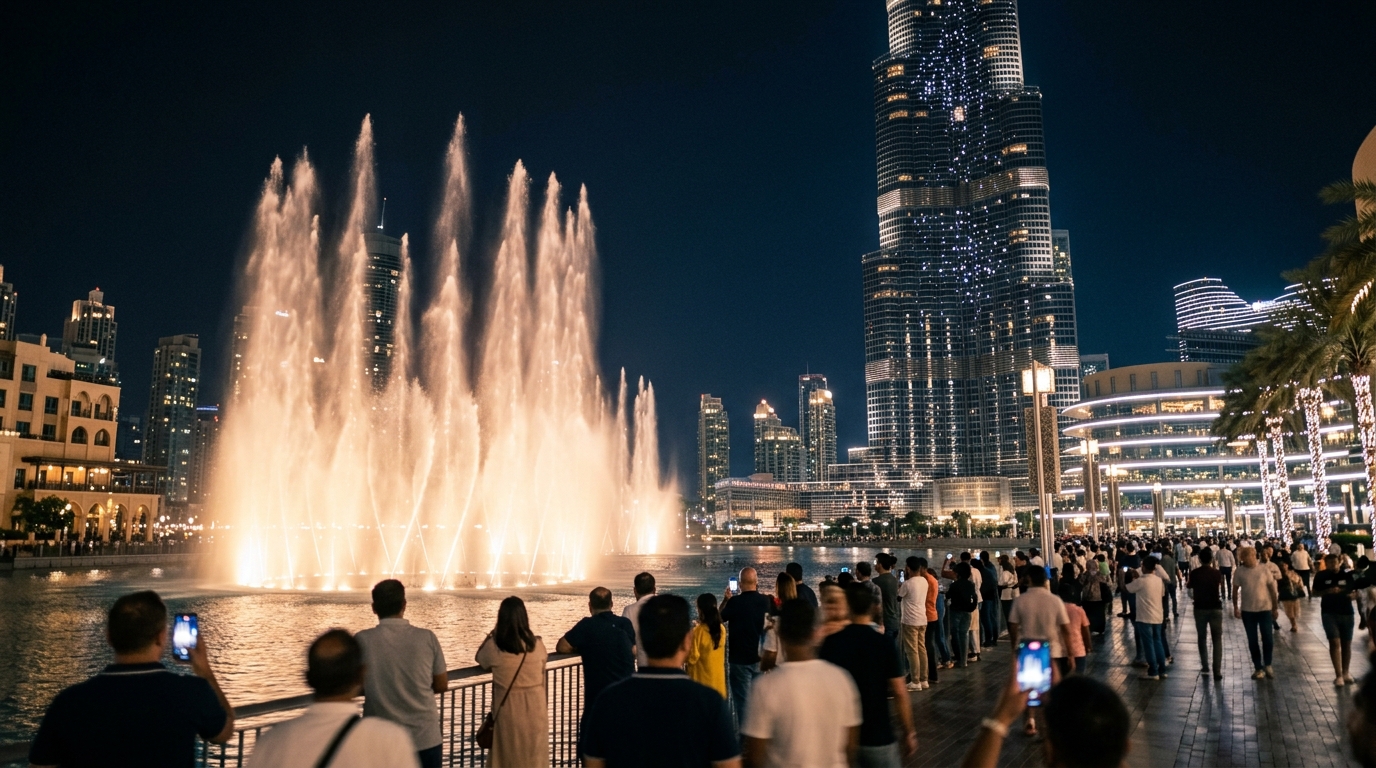
Outside on the Burj Lake, the Dubai Fountain runs every 30 minutes after sunset (6:00pm onwards). It’s entirely free, shoots water 150 meters high, and remains one of the most spectacular free shows in any city. Get there 15 minutes early for a good railing spot.
4. Palm Jumeirah: Walk the Fronds, Visit Atlantis
Palm Jumeirah is an artificial archipelago completed in 2008 that added 78 kilometers of new coastline to Dubai (Palm Jumeirah Development Authority, 2025). The Palm Monorail connects the trunk to the crown in around 10 minutes (AED 25/$7 one-way) and gives you the clearest above-ground view of the palm’s structure.
What to Do on Palm Jumeirah
- Atlantis Aquaventure Waterpark: AED 450-500 ($122-136), one of the best waterparks in the world
- View from The Palm Tower Observation Deck (THE VIEW): AED 120 ($33), 52nd-floor views of the palm’s full geometric shape
- Beach access via Nakheel Mall: Free public beach sections on the western crescent
- Dinner at Nobu or Ossiano: Budget AED 400-800 ($109-218) per person for a special occasion
Best for: Architecture fans and families. The waterpark alone justifies the Palm if you’re traveling with kids.
5. Dubai Frame: Two Eras in One Structure
The Dubai Frame opened in 2018 and was widely mocked at first for blocking views of old and new Dubai simultaneously. In practice, that’s exactly the point. Standing on the glass-floored sky bridge at 150 meters, you literally look left toward modern Downtown and right toward Old Dubai. Entry costs AED 50 ($14) and usually takes around 45 minutes total.
The experience is genuinely disorienting in the best way. Most visitors spend more time here than they plan to.
Best for: Photographers and architecture tourists. The sky bridge glass floor gives unique vertigo-inducing shots that you won’t replicate at the Burj Khalifa.
6. Al Fahidi Historical Neighbourhood: Old Dubai Without a Tour Bus
Al Fahidi (also called Al Bastakiya) is the oldest surviving neighbourhood in Dubai, dating to the 1890s when Persian merchants settled along Dubai Creek (Dubai Culture Authority, 2025). Entry is free. The narrow wind-tower lanes, courtyard cafes, and genuine art galleries take around 2 hours to explore properly.
The Dubai Museum inside Al Fahidi Fort costs just AED 3 ($0.82) – the cheapest worthwhile entry fee in the city. It covers Dubai’s transformation from fishing village to global city using original artifacts.
Insider tip: Visit Al Fahidi on a Friday or Saturday morning before 10am. The lanes are almost empty, the light is perfect for photography, and the cafes are opening fresh pastries from the oven.
Best for: History buffs and anyone tired of air-conditioned malls. Al Fahidi provides genuine cultural texture that the rest of Dubai often lacks.
7. Gold Souk and Spice Souk: Deira’s Trading Roots
Deira’s Gold Souk contains over 300 gold retailers across a covered arcade, making it one of the densest concentrations of gold jewelry on the planet (Dubai Gold and Jewellery Group, 2024). Prices per gram track international gold spot rates closely. Bargaining is expected and usually yields 10-20% off the opening price on jewelry, though not on gold-by-weight purchases.
The Spice Souk sits a 5-minute walk away. Even if you don’t buy, the saffron, frankincense, dried limes, and rose petals make for powerful sensory contrast after a day in air-conditioned towers.
Practical tips:
– Visit between 9:00-11:00am or 4:00-7:00pm (midday = quiet, many shops shut for prayer)
– Bring cash – many smaller stalls are cash-only
– The abra (traditional wooden boat) crossing from Bur Dubai to Deira costs AED 1 ($0.27) and is one of the best travel bargains on earth
8. Dubai Creek Abra Ride and Waterfront
The Dubai Creek Abra costs AED 1 per crossing and takes around 5 minutes from Bur Dubai to Deira (Dubai Roads and Transport Authority, 2025). That AED 1 buys you a view of the city’s trading past that no observation deck can replicate. The Creek was the original reason Dubai existed – before oil, this was a pearl diving and trading port.
Take the abra across in the late afternoon. Watch dhows being loaded with goods bound for Iran and East Africa. It’s a functioning trade route that has run continuously for over 200 years.
Best for: Budget travelers and anyone wanting authentic experience alongside the glamour.
9. Ski Dubai: Indoor Skiing in the Desert
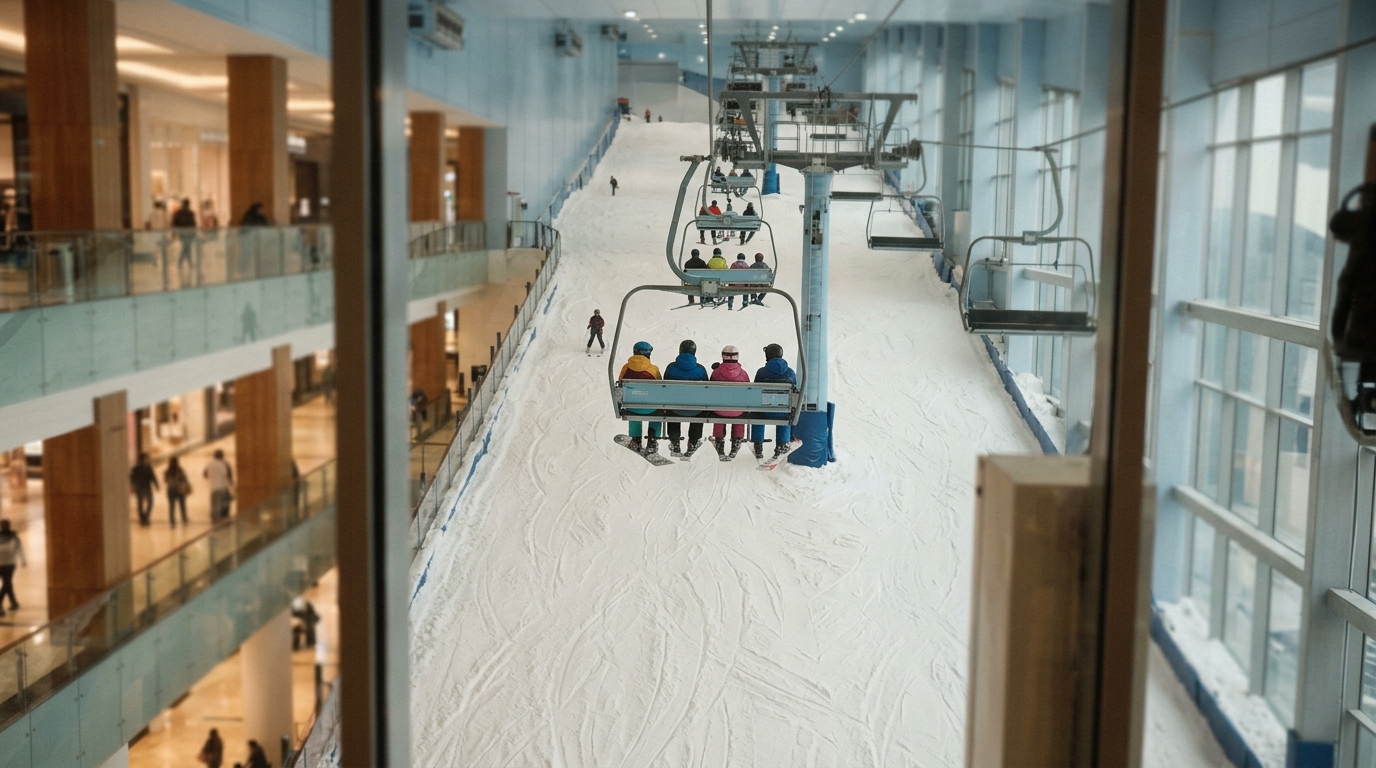
Dubai is home to the world’s largest indoor ski slope inside a shopping mall. Ski Dubai, located inside Mall of the Emirates, opened in 2005 with a 400-meter main run, a chairlift, and a Snow Park area for younger kids (Ski Dubai, 2025). The temperature inside stays at -1 to -2C year-round.
This is the definition of Dubai’s engineering-as-spectacle philosophy. You can ski powder snow in the desert in July while it’s 45C outside. The novelty is absolutely real.
2026 prices:
– Snow Park only (under 12s and non-skiers): AED 200 ($54)
– Ski/board pass (2 hours): AED 320 ($87)
– Full-day pass: AED 400 ($109)
– Equipment rental included in all passes
Best for: Families with kids and travelers who want a genuinely surreal Dubai experience. Also therapeutic if you’re missing winter.
10. Dubai Miracle Garden: 150 Million Flowers
The Dubai Miracle Garden is open November through April (closed in summer due to heat) and displays over 150 million blooming flowers arranged in sculptures, arches, and full-size airplane replicas (Dubai Miracle Garden, 2026). Entry costs AED 55 ($15) for adults.
This is legitimately one of the most visually overwhelming places in Dubai. The Airbus A380 sculpture covered entirely in living flowers has no equivalent anywhere. Visit on a weekday morning to avoid weekend crowds.
2026 season: November 2025 through April 2026 (closed during summer months).
11. Dubai Marina: Walk, Dine, and Cruise
Dubai Marina is a purpose-built waterfront canal district that houses over 200 high-rise towers and is home to roughly 55,000 residents (Dubai Land Department, 2024). The Marina Walk (7km loop around the water) is free and excellent for an evening stroll. It takes about 90 minutes to walk the full circuit.
Marina Dhow Cruise
A 2-hour Marina dhow cruise with buffet dinner runs AED 100-150 ($27-41) per person. Departure is usually 8:30pm. You get illuminated views of the towers, a buffet of Middle Eastern and international food, and live entertainment. It’s touristy but genuinely enjoyable.
Best for: Evening activities, couples, and anyone who wants to understand the scale of modern Dubai from the water.
12. Museum of the Future: Architecture as Art
The Museum of the Future opened in 2022 and was immediately named one of the world’s 14 most beautiful buildings by National Geographic. Entry costs AED 149 ($41) and needs advance booking – walk-in availability is limited (Museum of the Future, 2025).
The building itself, a torus-shaped steel structure covered in Arabic calligraphy, is worth photographing from outside even if you don’t go in. Inside, the exhibitions cover AI, space exploration, biotechnology, and futures thinking through immersive installations.
Best for: Tech-minded travelers and anyone interested in urban futures. The exhibits rotate, so a second visit on a longer trip can differ significantly.
13. Jumeirah Beach and Kite Beach
Public beaches in Dubai are free and genuinely good. Jumeirah Beach (also called JBR, or Jumeirah Beach Residence) runs about 1.7km with food kiosks, sun lounger rentals (AED 50-100/$14-27), and direct views of the Palm and Burj Al Arab. Kite Beach in Umm Suqeim is cleaner, less crowded on weekdays, and popular with kitesurfers and paddleboarders.
Beach rules for visitors:
– Swimwear is fine on designated public beaches
– No alcohol on public beaches
– Lifeguards operate 7am-sunset
– Best months: October through April (25-33C water temperature)
14. Abra to the Dubai Creek Harbour and Dubai Creek Tower
Dubai Creek Harbour is the city’s next mega-development under construction, and the Dubai Creek Tower is planned to surpass the Burj Khalifa in height when complete (though no firm completion date exists as of 2026). The waterfront promenade is already open and free, with excellent views of Downtown across the creek.
This area gives you a rare sense of Dubai still in the process of building, rather than presenting a finished product.
15. Global Village: 90 Countries Under One Sky
Global Village runs October through May and brings together pavilions from 90+ countries for shopping, food, and cultural performances. Entry costs AED 25 ($7), and a full evening easily costs AED 200-400 ($54-109) on food and souvenirs if you’re not careful (Global Village Dubai, 2025).
This is where Dubai residents actually go for an evening out. It’s genuinely multicultural, chaotic, and fun. Arrive after 7pm when the atmosphere peaks and the performances start.
16. Deep Dive Dubai: World’s Deepest Pool
Deep Dive Dubai holds the Guinness World Record for the world’s deepest pool at 60.02 meters, filled with 14 million liters of fresh water maintained at a constant 30C (Guinness World Records, 2021). Scuba diving experiences start at AED 800 ($218) and require at least an Open Water certification.
The underwater set includes a sunken city, an apartment block, and a library – making it one of the most atmospheric dive sites anywhere, despite being landlocked in a warehouse.
Best for: Certified scuba divers and freedivers. Non-divers can visit the surface-level viewing pods at a lower cost.
17. Dubai Opera and DIFC: Culture and Galleries
Dubai Opera opened in 2016 and hosts around 100+ productions per year including ballet, opera, musicals, and stand-up comedy (Dubai Opera, 2025). Ticket prices range from AED 100 ($27) to AED 1,500 ($408) depending on production and seat.
The Dubai International Financial Centre (DIFC) area nearby has a cluster of free contemporary art galleries open during business hours, plus strong restaurant and cocktail bar options for pre-show dining.
18. XLine Dubai Marina: World’s Longest Urban Zipline
The XLine zipline runs 1 kilometer across Dubai Marina at 170 meters above the ground. It holds the record for the world’s longest urban zipline (XDubai, 2025). The experience takes about 60 seconds and costs AED 499 ($136) per person.
This is objectively terrifying and exhilarating in equal measure. The view from the start platform alone is worth the nerves before you launch.
Best for: Adrenaline seekers. Book at least 48 hours ahead – morning slots during weekdays have the shortest queues.
19. Dubai Frame Sunset + Old Town Stroll Combo
Combine the Dubai Frame (late afternoon, AED 50) with a walk through the nearby Zabeel Park (AED 5/$1.4 entry) and then onward through Karama market for cheap textiles and souvenirs. This DIY half-day costs under AED 100 ($27) total and mixes iconic architecture with local neighborhood life.
This combination is one of the better-value experiences Dubai offers and it’s mostly unknown to first-timers chasing the big-ticket items.
20. Day Trip to Abu Dhabi: Sheikh Zayed Grand Mosque
Abu Dhabi is 90-120 minutes from Dubai by bus (AED 25/$7 each way from Ibn Battuta station) or around AED 200-300 ($54-82) by shared taxi. The Sheikh Zayed Grand Mosque is free to enter (outside prayer times) and is consistently ranked among the world’s most beautiful religious buildings. Dress code is strict: full-length, loose clothing for all genders.
The Louvre Abu Dhabi admission costs AED 63 ($17) and combines European and non-Western art in a way few museums manage. A day trip hitting both the mosque and the Louvre is one of the best-value full days from Dubai. Plan the full itinerary using our travel tips guides.
Quick Comparison: Top Dubai Activities by Budget
| Activity | Cost (AED) | Cost (USD) | Duration | Book Online |
|---|---|---|---|---|
| Dubai Frame | 50 | $14 | 45 min | Yes |
| Al Fahidi Museum | 3 | $0.82 | 1 hr | No |
| Abra Creek Crossing | 1 | $0.27 | 5 min | No |
| Dubai Fountain | Free | Free | 5 min | No |
| Miracle Garden | 55 | $15 | 2 hrs | Yes |
| Global Village | 25 | $7 | 3-4 hrs | Yes |
| Burj Khalifa L124 | 149-199 | $41-54 | 1-2 hrs | Yes |
| Museum of Future | 149 | $41 | 2-3 hrs | Yes |
| Desert Safari | 150-350 | $41-95 | 6-7 hrs | Yes |
| Ski Dubai (2 hrs) | 320 | $87 | 2 hrs | Yes |
| Atlantis Waterpark | 450-500 | $122-136 | Full day | Yes |
| Deep Dive Dubai | 800+ | $218+ | 2 hrs | Yes |
Source: Official attraction websites, May 2026. Prices in AED, USD at AED 3.67 = $1 exchange rate.
When Is the Best Time to Visit Dubai?
November through March is the clear sweet spot. Average temperatures run 20-28C, outdoor activities are comfortable all day, and major festivals like Global Village and Miracle Garden are in full operation. Humidity is lower than summer. Hotel prices are higher in this peak window, but the experience justifies it.
April and October are shoulder season: warm (30-35C), cheaper hotels, and fewer crowds. Avoid May through September unless you specifically want indoor-only activities or you’re chasing low prices. Summer heat regularly hits 42-48C outdoors and humidity can make 38C feel like 50C.
Practical Tips Before You Go
Dress Code
Dubai is more liberal than other Gulf states but dress modestly away from beach areas and hotel pools. Shoulders and knees covered in malls, souks, and public spaces keeps you respectful and avoids occasional friction.
Alcohol Rules
Alcohol is served in licensed hotel bars and restaurants. Public intoxication is illegal and carries serious penalties. You cannot drink on public beaches or in non-licensed venues.
Getting Around Dubai
The Dubai Metro (Red and Green Lines) covers most tourist areas cleanly and costs AED 4-8 ($1.10-2.18) per journey. Uber and Careem both work and are often the easiest option for late-night or direct connections. Taxis from the street are metered and reliable.
For exploring outside the city or the Abu Dhabi day trip, renting a car gives you significantly more flexibility. Driving in Dubai is straightforward with wide roads and clear signage.
Related guide: 25 Best Things to Do in Venice 2026: Complete Activity Guide
Related guide: 25 Best Things to Do in Rome 2026: Complete Activity Guide
Frequently Asked Questions
How much should I budget per day in Dubai?
Budget travelers covering hostels, public transport, and cheap eats spend around AED 250-400 ($68-109) per day. Mid-range travelers with a hotel room, restaurant meals, and 1-2 paid attractions average AED 700-1,200 ($190-327). Luxury spending has no ceiling, but AED 2,000+ ($545) per day is typical for 4-star hotels and premium experiences.
Is Dubai safe for tourists?
Dubai is consistently ranked among the world’s safest cities for tourists. The UAE government’s 2024 Global Safety Index rated Dubai in the top 5 globally for personal safety (Numbeo Safety Index, 2024). Petty crime rates are extremely low. Solo female travelers generally report feeling very safe, though standard urban caution applies at night.
Do I need a visa to visit Dubai?
Citizens of 53 countries including the US, UK, Canada, Australia, and all EU nations receive a visa on arrival valid for 30-90 days at no cost (UAE Government Portal, 2026). Check your specific passport on the UAE government’s official visa checker before traveling, as rules update periodically.
What is the best area to stay in Dubai?
Downtown Dubai puts you walking distance from Burj Khalifa, Dubai Mall, and the Fountain for the full “wow” first-night experience. Dubai Marina is better for nightlife, beach access, and a younger crowd. Deira is significantly cheaper and gives authentic old-city access – good for budget travelers comfortable with a longer Metro commute to newer attractions.
Can I visit Dubai on a 3-day trip?
Three days is enough for the highlights: Day 1 for Downtown (Burj Khalifa, Mall, Fountain), Day 2 for Old Dubai (Al Fahidi, souks, Creek, Dubai Frame), and Day 3 for a desert safari. You won’t cover everything on this guide but you’ll leave with a complete picture of the city. Add 2 more days for Palm Jumeirah, a beach day, and the Abu Dhabi day trip.
The Bottom Line
Dubai’s best experiences in 2026 span from AED 1 (an abra crossing) to AED 800+ (Deep Dive Dubai), which makes it unusually flexible for different budgets. The city rewards planning. Booking major attractions like Burj Khalifa 2-3 weeks ahead saves money and guarantees the time slots that make the experience worthwhile.
Start with the desert safari for the landscape, Al Fahidi for the history, and the Burj Khalifa for the scale. Add Ski Dubai, the Museum of the Future, and the Abu Dhabi day trip if you have more time. For the best itinerary planning and up-to-date travel tips, browse our travel tips guides.
Book your Dubai tours and activities on GetYourGuide and compare hotel prices on Booking.com to lock in the best rates before you fly.