Disclosure: Some links in this guide are affiliate links. If you book or buy through them, we may earn a small commission at no extra cost to you — it helps keep our guides free.
The 30-second version
It is a big island: Sicily covers roughly 25,700 to 25,800 square kilometers and has about 4.78 million residents (Wikipedia, 2026).
Seven UNESCO sites: They include the Valley of the Temples (1997), the Aeolian Islands (2000), and Mount Etna (2013) (Wikipedia, 2026).
Etna is huge: The volcano rises about 3,403 m (11,165 ft) and is Europe’s tallest active volcano (Wikipedia, 2026).
Two main gateways: Catania is the island’s busiest airport, with 12.3 million passengers in 2024 (Wikipedia, 2024), and Palermo is the other major hub.
Plan by region: Pick a west-side or east-side base and avoid trying to cross the island daily.
Island size25,700-25,800 km2about 4.78 million residents
Trip lengthSeven daysone half of the island; ten to fourteen for a loop
Mount Etna3,403 mEurope's tallest active volcano
Catania airport12.3M passengersbusiest on island; 4.3 km from center
Sicily is the largest island in the Mediterranean and one of the most layered destinations in Europe. Greek temples, Arab-Norman cathedrals, Baroque towns, an active volcano, and a food culture shaped by centuries of conquerors all sit within a few hours’ drive of each other.
That scale is also the planning challenge. Sicily is far bigger than most first-timers expect, and trying to see all of it in a week leads to long drives and short visits. This guide gives you the overview: regions, timing, transport, bases, and food, with links to deeper guides on each decision.
Affiliate Disclosure: Some links in this guide are affiliate links. If you book through them, we earn a small commission at no extra cost to you. We only recommend services we genuinely trust. Learn more.
Is Sicily Worth Visiting?
Yes, if you like history, food, and varied landscapes more than a single polished resort town. Sicily rewards travelers who accept a slower, rougher-edged pace. It is not a place for tightly scheduled days, and public transport between smaller towns can be limited.
The island’s cultural weight is clear from its heritage list. It has seven UNESCO World Heritage listings, including the Valley of the Temples at Agrigento, the Villa Romana del Casale, the Aeolian Islands, the Late Baroque Towns of the Val di Noto, the Necropolis of Pantalica, Mount Etna, and Arab-Norman Palermo with the cathedrals of Cefalu and Monreale (Wikipedia, 2026).
Sicily suits road-trippers, food lovers, and history readers. It suits beach-only travelers less, because the best sights are inland or in cities. For a frank take, read is Sicily worth visiting.
Best Time to Visit Sicily
Sicily has a typical Mediterranean climate (Wikipedia, 2026): hot, dry summers and mild, wetter winters. Exact monthly temperatures vary widely between the coast and the interior, so check a local forecast close to your dates.
Spring and early autumn are the easiest seasons for sightseeing. Walking around exposed archaeological sites such as Agrigento is far more comfortable outside midsummer. July and August bring peak heat, peak crowds, and the highest prices, especially on the coast and the Aeolian Islands, which draw up to 200,000 visitors a year (Wikipedia, 2026).
Winter is quiet and cheap, though some seaside businesses close and mountain roads near Etna can be affected by weather. The full month-by-month view is in the best time to visit Sicily guide.
How to Get to Sicily
Most visitors fly. Catania-Fontanarossa is the busiest airport on the island, handling 12,346,530 passengers in 2024. It sits about 4.3 km southwest of the city center, and a shuttle bus runs to the center and the central train station (Wikipedia, 2024).
Palermo’s Falcone-Borsellino Airport is the main western gateway, about 30 km from the city (Wikipedia, 2026). Trapani-Birgi ranks third for traffic (Wikipedia, 2026), and often has low-cost routes.
You can also arrive overland and by sea. Trains cross the Strait of Messina by ferry, and Messina is described as Italy’s busiest passenger port (Wikipedia, 2026). A proposed 3.6 km suspension bridge is planned for 2032 and does not affect 2026 trips.
A practical tip: fly into one airport and out of the other to avoid backtracking. An open-jaw ticket between Palermo and Catania can save a full day of driving.
Getting Around Sicily
A rental car gives the most freedom, especially for inland towns, small beaches, and archaeological sites. Expect narrow historic streets, restricted traffic zones in city centers, and limited parking. Check each town’s rules before you drive in.
Trains and buses work well between major cities such as Palermo, Catania, Syracuse, and Messina, but service thins out for smaller places. Intercity buses leave directly from Catania airport to other parts of the island (Wikipedia, 2024).
Inside Palermo and Catania, you can walk most of the historic centers. Taxis are fine for short hops.
If you are nervous about driving, stay in two or three bases and use trains plus organized tours for Etna and remote sites. If safety is on your mind, see is Sicily safe for a practical breakdown.
Top Things to Do in Sicily
Palermo. The capital municipality has 626,273 residents and a UNESCO listing from 2015 for Arab-Norman Palermo and the cathedral churches of Cefalu and Monreale (Wikipedia, 2026). Key stops include Palermo Cathedral, the Cappella Palatina in the Palazzo dei Normanni, and Teatro Massimo, which opened in 1897. The Vucciria, Ballaro, and Capo markets are the places to watch daily life.
Mount Etna. Rising about 3,403 m, Etna is Europe’s tallest active volcano and a UNESCO site since 2013 (Wikipedia, 2026). Access rules change with volcanic activity, so book guided options and confirm current conditions locally.
Valley of the Temples. Agrigento’s archaeological park is described as one of the most outstanding examples of Magna Graecia art and architecture (Wikipedia, 2026). Go early or late in the day to avoid the strongest heat.
Val di Noto. The Late Baroque towns in the southeast are best seen on a slow loop with time for lunch.
Aeolian Islands. These volcanic islands are a UNESCO site since 2000 and suit a separate multi-night trip.
Beaches and coast. Cefalu and several south-coast beaches make easy swim stops.
Walking on Etna Without Going to the Summit
Etna is more than a summit trip. The volcano sits inside a regional park that covers about 59,000 hectares, and the park’s own site says it was created by a regional decree of 17 March 1987 as the first park in Sicily.
The park publishes a list of marked trails on its flanks. They include the high-mountain track (trail 701, part of the Sentiero Italia), two nature trails (Monte Nero degli Zappini and Monti Sartorius), and numbered routes such as 723 Citelli-Serracozzo, 736 Piano dei Grilli, 717 Case Pirao-Monte Spagnolo, and 724 Pietracannone-Cubania.
The park warns that these paths often cross lava flows, wooded areas, and farmland, with varying slopes. Expect uneven, loose footing and bring shoes with a firm sole.
Any trail the park labels as not in service (non in esercizio) is closed to the public. Check the listing before you drive to a trailhead.
Summit-zone access is a separate question. It depends on volcanic activity, so ask the park office (095 821111) or a licensed guide for the day’s conditions.
Bring layers and sturdy shoes.
For a first visit, a half-day on a lower marked trail gives a real sense of the volcanic terrain without relying on summit permissions.
Booking Tips for Sicily
Book your rental car early for peak months, and confirm the pickup city, since one-way fees between airports can be high. Ask whether your insurance covers narrow-street scrapes, which are common in old towns.
Reserve timed entry where official sites offer it, particularly for Palermo’s Palatine Chapel and for guided Etna excursions. Ferries to the Aeolian Islands also fill in summer, so lock in crossings before you commit to hotel dates.
Where to Stay in Sicily
Choose bases by region, not by single hotel.
Palermo (northwest). Best for city culture, food markets, and day trips to Monreale and Cefalu. It is also the easiest base if you rely on trains and buses.
Catania (east). A lively university city with the island’s busiest airport and quick access to Etna. It is a practical start or end point.
Syracuse and Ortigia (southeast). A compact, walkable base close to the Val di Noto towns.
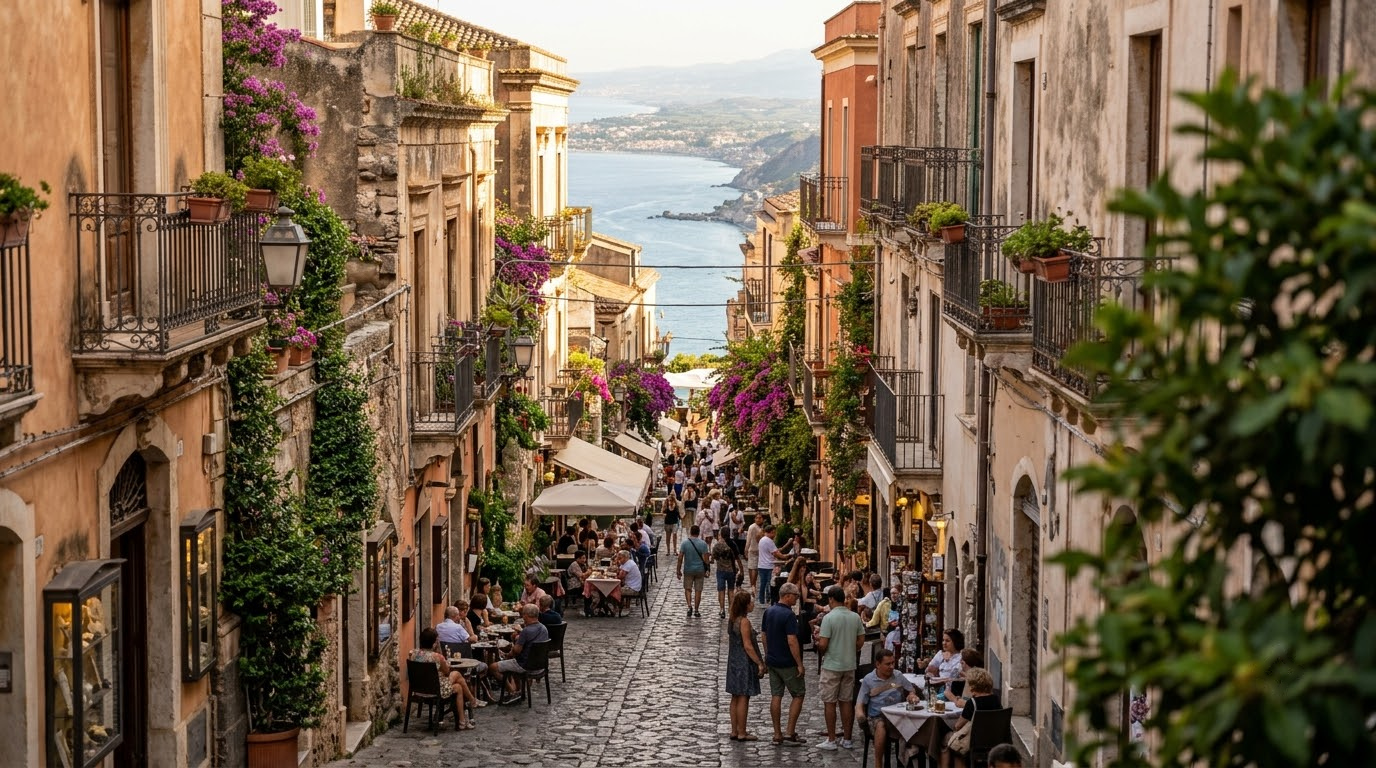
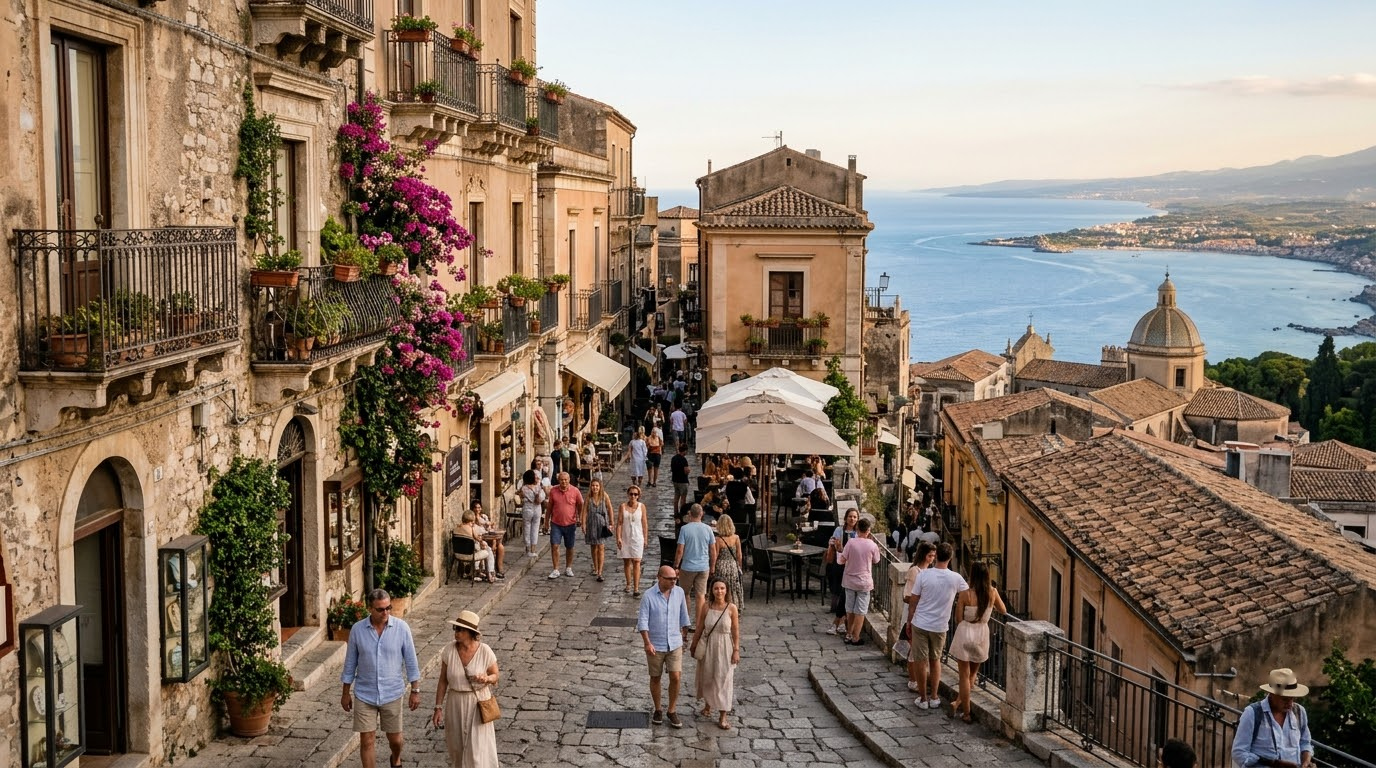
Taormina (east coast). A scenic, tourist-heavy hill town. It is photogenic and busy, with higher prices.
Agrigento area (south). Stay here only if the Valley of the Temples is a priority, since it makes a good overnight stop between west and east.
For specific picks by area and budget, read the best hotels in Sicily guide. Prices vary heavily by season, so compare dates before locking in.
Where to Eat in Sicily
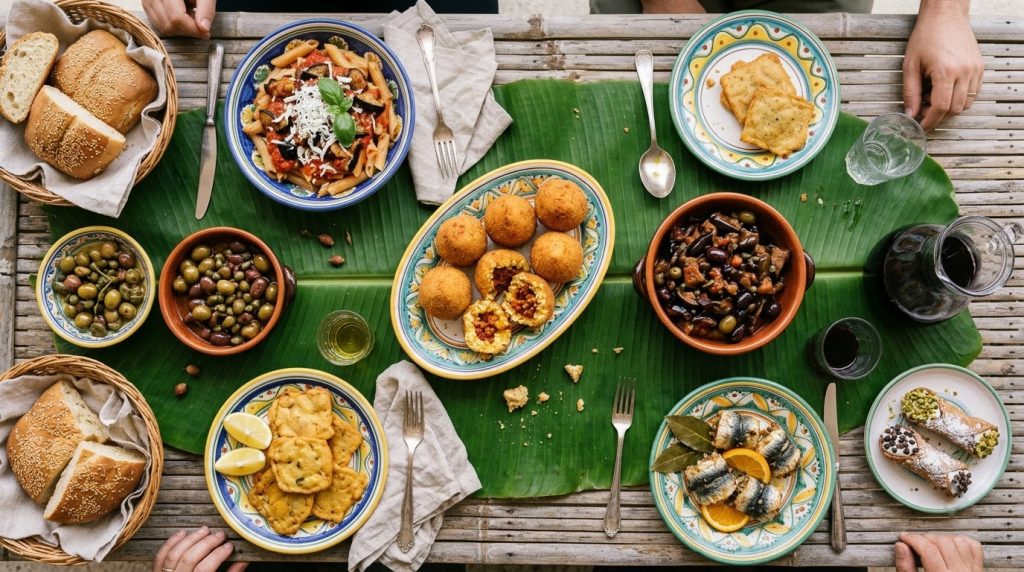
Food is a main reason to go. Arancini are fried rice balls filled with ragu, tomato sauce, mozzarella, or peas, and eastern versions from Catania and Messina are conical, inspired by Mount Etna (Wikipedia, 2026).
Pasta alla Norma, with eggplant, comes from Catania and is among Sicily’s most iconic dishes. Caponata is a common starter. For sweets, look for cannoli, cassata, and granita, whose texture ranges from chunky in Palermo to nearly sorbet-smooth in the east.
On the wine side, Marsala is a fortified red similar to Port, and Etna’s volcanic soil helps produce distinctive grapes. Nero d’Avola is the island’s best-known red.
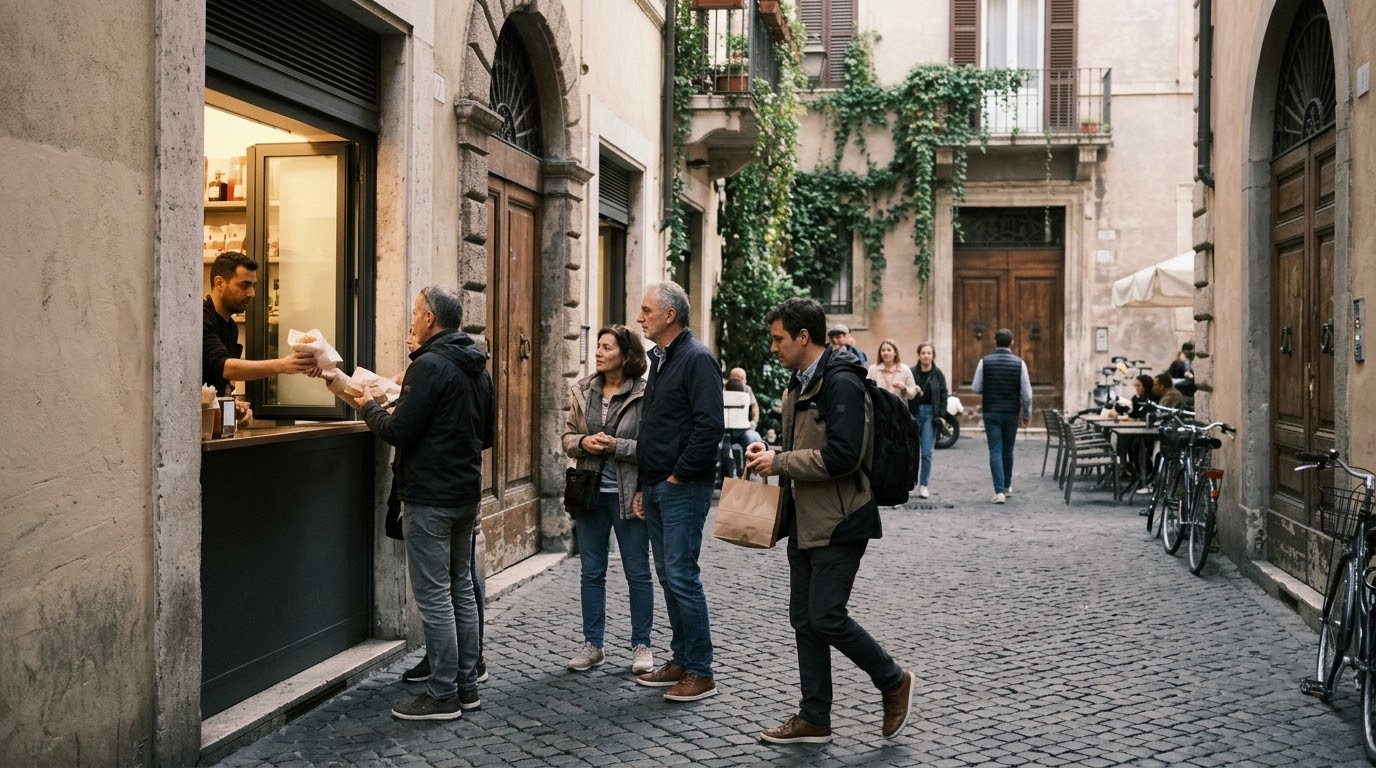
Markets in Palermo and Catania are the best places for casual eating. Look for busy stalls and eat what locals are ordering. Sit-down lunches often run long, so plan fewer stops per day.
Street Food Worth Seeking Out in Palermo
The markets are where the island’s snack food is easiest to find. The regional tourism site names Vucciria, Ballaro, il Capo, and Borgo Vecchio as the historic markets of Palermo, and it lists several street foods that belong to them.
What to look for
Panelle: chickpea fritters, often served in bread alongside potato croquettes. This is a vegetarian option.
Pani ca meusa: listed on the tourism site as a Palermo market food. Ask the vendor what is inside before you order.
Frittula: described on the site as veal offal.
Arancine or arancini: fried rice balls. The tourism site notes that the name divides Sicily in two, so expect to hear both arancine and arancini depending on where you are.
The same site lists several variations, including the bolognese, the bomba, the cartocciata, and the cipollina from Catania, plus the pitone (or pidone) from Messina. In Catania, the local version is called scacciata.
A simple way to eat well is to graze rather than sit down. Order one item per stall, eat it standing, and move on.
Regions at a Glance
Sicily is easiest to understand as five zones. The northwest around Palermo is the cultural heart, with Arab-Norman monuments, street markets, and the nearby coastal towns of Cefalu and Monreale. The west, around Trapani, is known for salt flats and quieter coast.
The south, around Agrigento, holds the Greek temples and some of the island’s long beaches. The southeast, around Syracuse and the Val di Noto, is the most compact area for Baroque towns and old-town strolling. The east, around Catania and Taormina, centers on Etna and the Ionian coast.
Distances inside the island are larger than they look on a map. A drive between Palermo and Catania can consume half a day once you include stops, so group sights by zone. Choosing two zones for a short trip is almost always better than choosing four.
Public holidays and local festivals can close shops and restaurants in smaller towns, so verify opening days when you plan inland stops. Many archaeological sites and churches also have midday closures or limited entry hours, which makes early starts valuable.
Sunscreen, a hat, and a refillable water bottle are essential on exposed sites. Shoes with real grip matter on old stone paths and volcanic terrain.
How Long to Spend and Sample Plan
Seven days handles one half of the island well. Ten to fourteen days allows a loop that includes Palermo, Agrigento, the southeast, and Etna. Trying to cover everything in four days is possible but exhausting.
Days 1-3: Palermo and the northwest. Explore the Arab-Norman sites, markets, and a day trip to Cefalu or Monreale.
Day 4: Agrigento. Drive south for the Valley of the Temples and overnight nearby.
Days 5-6: Southeast. Visit Val di Noto towns and base in Ortigia.
Days 7-8: Catania and Etna. Finish with the volcano and local food.
Costs depend on season, region, and how you travel. Peak-season coastal stays are the biggest budget driver. See is Sicily expensive for a breakdown.
Is Sicily safe for tourists?
Most visitors have trouble-free trips, with petty theft in crowded areas as the main concern. The is Sicily safe guide covers driving, scams, and volcano precautions.
Do I need a car in Sicily?
A car helps for inland and rural sights. If you stick to Palermo, Catania, Syracuse, and Messina, trains and buses can work.
How many UNESCO sites are in Sicily?
Seven, including the Valley of the Temples, Mount Etna, and Arab-Norman Palermo (Wikipedia, 2026).
Should I visit Sicily or Sardinia?
Sicily offers more history and food variety, while Sardinia leans toward beaches. Read Sardinia vs Sicily to compare.