Is Sicily Safe? An Honest Guide for American Travelers (2026)
Disclosure: Some links in this guide are affiliate links. If you book or buy through them, we may earn a small commission at no extra cost to you — it helps keep our guides free.
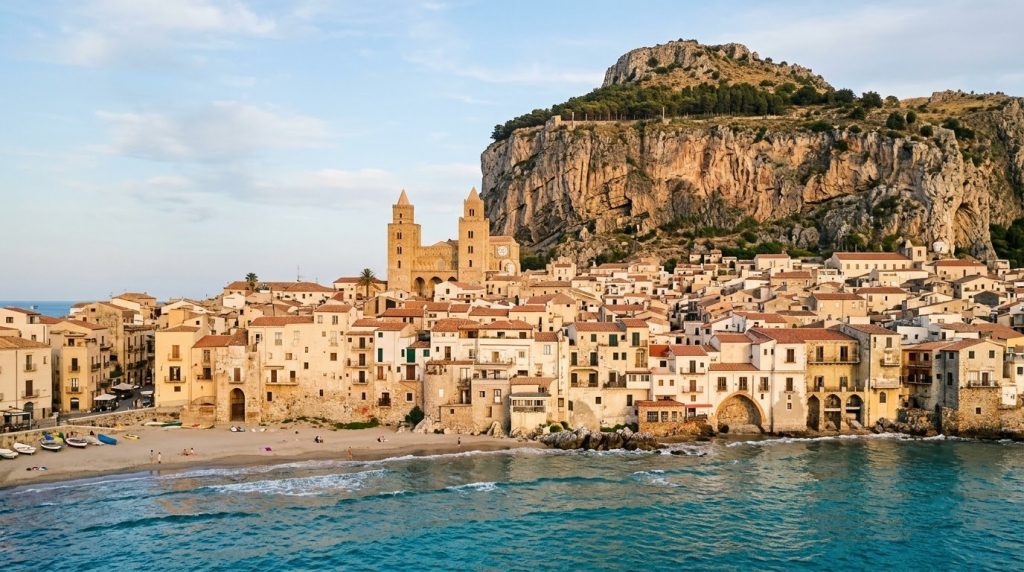
Yes, Sicily is safe for most visitors: the US State Department rates Italy at Level 2 of 4 (exercise increased caution, because of terrorism risk), and any emergency on the island goes through one number, 112. The realistic risks are pickpockets in Palermo and Catania markets, rental-car break-ins, aggressive city driving and Mount Etna, which was emitting ash again in late September 2026. The Mafia is not a tourist threat.
| Risk | Reality | What to do |
|---|---|---|
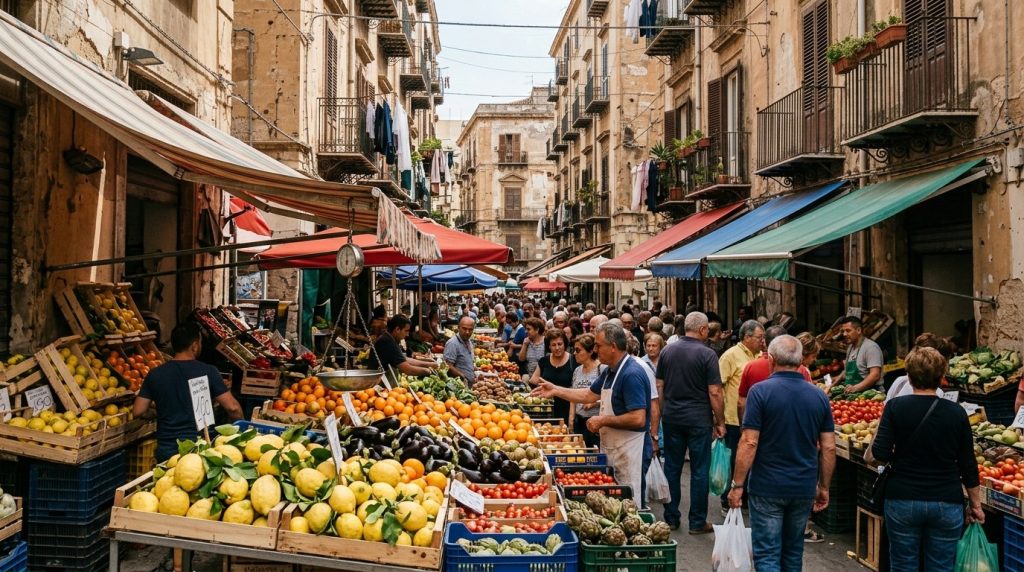
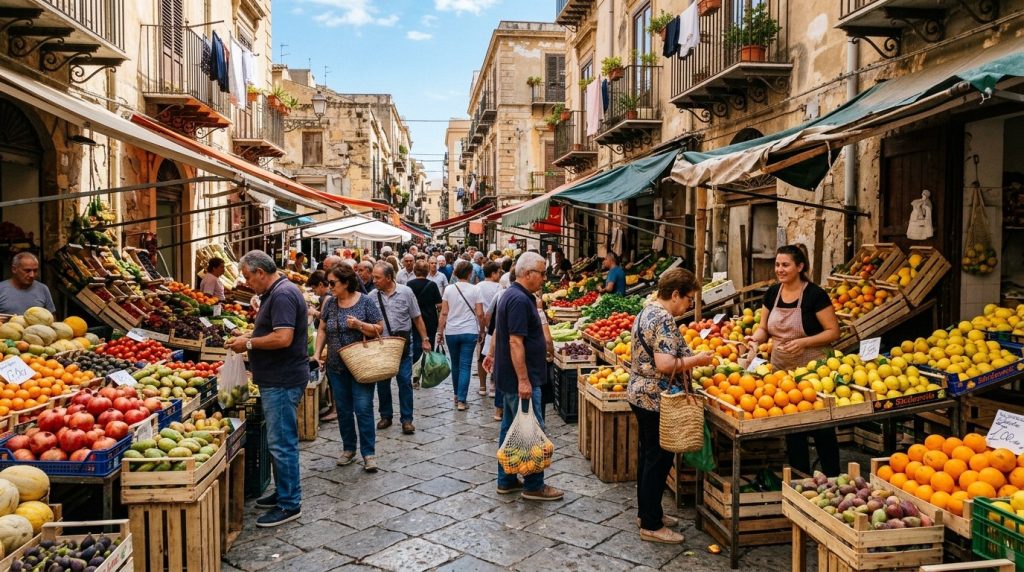
| Pickpocketing | Happens in Ballarò, Vucciria and Catania’s fish market | Front pocket, crossbody bag, nothing on chair backs |
| Car break-ins | Theft from parked cars is a known problem | Never leave bags visible; use guarded lots |
| Mafia | Extortion targets local businesses, not tourists | Normal caution only |
| Mount Etna | Active volcano; ash can disrupt Catania airport | Check INGV and your airline; hike with a guide |
| Driving | Chaotic cities, ZTL camera zones | Avoid driving inside Palermo and Catania |
The short answer: safe, with big-city habits
Most Sicily trips go wrong in small, boring ways: a phone lifted at a market stall, a backpack taken from a rental car, a padded restaurant bill. The UK Foreign Office says crime levels in Italy are generally low, but petty crime, especially bag-snatching and pickpocketing, runs higher in city centers. Violent crime against visitors is rare.
US passport holders can stay visa-free for up to 90 days in any 180-day period in the Schengen Area; check the current ETIAS status before you fly.
Who should think twice: nervous drivers set on a self-drive road trip, travelers with heart or breathing problems planning Etna in July or August, and anyone with tight connections through Catania during heavy ash activity. If you are still weighing the trip, our take on whether Sicily is worth visiting covers the tradeoffs beyond safety.
What about the Mafia? The honest version
Cosa Nostra is real, but it is not your problem as a visitor. Its business is extortion (the “pizzo”), public contracts and drugs, and it has no interest in tourists.
The state fought back hard: the Maxi Trial of 1986–87 convicted 338 of 475 defendants, and after the 1992 car-bomb murders of judges Giovanni Falcone (May 23) and Paolo Borsellino (July 19), the crackdown intensified. Matteo Messina Denaro, the last major fugitive boss, was arrested in 2023.
The one time the Mafia hit tourist sites was the 1993 bombing campaign in Florence, Milan and Rome, which killed 10 people, more than three decades ago. Today you are far more likely to meet the anti-Mafia movement: Addiopizzo, started in Palermo in 2004 by five young people who refused to pay extortion to open a bar, promotes “pizzo-free” shops. Spending money with them is the most useful thing a visitor can do.
Neighborhoods to avoid after dark
– Palermo: ZEN (Zona Espansione Nord) and Brancaccio have higher crime and nothing for tourists. Ballarò market is fine by day but empties out at night; walk Via Maqueda or Via Roma instead. – Catania: skip San Cristoforo, Librino (near the airport) and San Giovanni Galermo. Late at night, don’t linger around the central train station or the streets just south of Via Vittorio Emanuele.
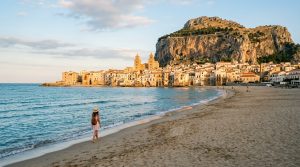
Smaller bases such as Cefalù, Taormina and Ortigia (Syracuse) are low-key at night. Our Sicily itinerary routes you through these easier bases in a logical order.
The scams that actually happen
– Bracelet and “gift” tricks: someone ties a string bracelet on your wrist, then demands money while a partner works your pockets. – Clipboard petitions: fake charity sign-ups used as a distraction. – Bill padding: extra items or unexplained charges near big sights.
Ask for a priced menu and check the bill line by line. – Unofficial parking attendants (posteggiatori): men who wave you into a space and expect cash. Use a proper lot. – Fake guides selling “exclusive” Etna or Palermo tours. Book licensed operators.
Transport: the real everyday risk
The road, not crime, is where most visitors get hurt or fined. City traffic is chaotic, scooters weave everywhere, and historic centers have ZTL (limited traffic) zones whose cameras send fines to your rental company. Pick up your car on the way out of town, not in the center. Rental agencies may ask for an International Driving Permit, which AAA issues.
Public transport is safe and cheap. Catania’s Alibus from the airport costs USD 4.50 (EUR 4), and the ticket covers other city buses for 90 minutes (converted at USD 1 = EUR 0.885). Palermo’s airport bus runs about every 30 minutes. At night, use licensed taxis rather than unmarked cars.
Mount Etna: check the official source, not social media
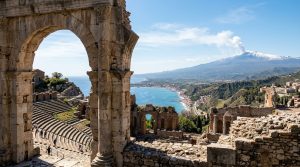
INGV, Italy’s national volcano institute, reported in its weekly bulletin issued September 29, 2026 (covering September 21–27) ash emissions of variable intensity from the North-East Crater, rising sulfur dioxide flux and ground inflation. An aviation ash notice went to red in late September when an ash cloud rose roughly 4 km above the summit.
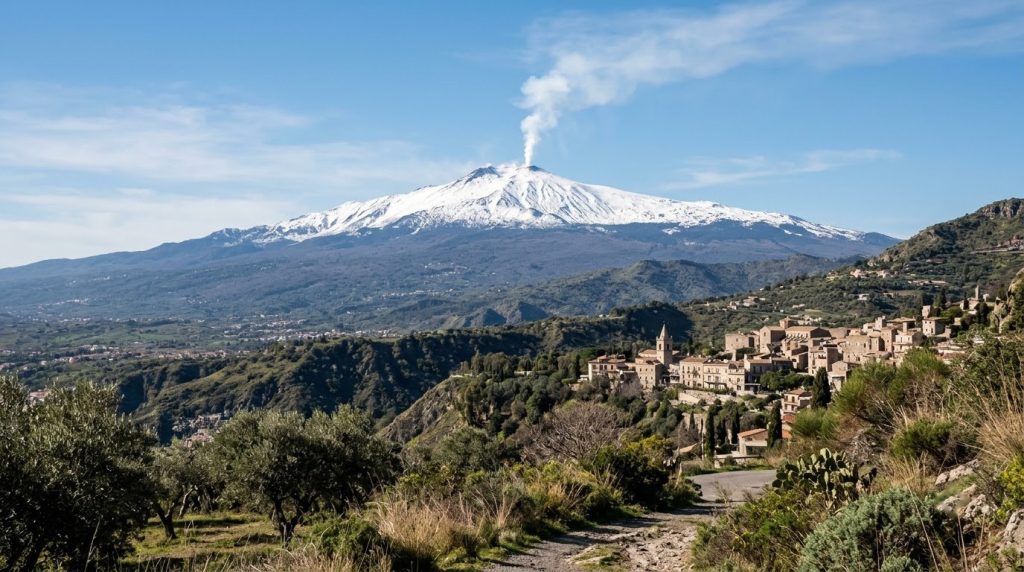
What that means for you: Catania airport can be disrupted at short notice, so check your airline and the latest INGV Etna bulletins before travel days. Summit access changes with activity; go up only with an authorized volcanological guide. Heat is the quieter danger: a 55-year-old American hiker died on Etna’s southern slope in July 2024 during a near-40°C heatwave.
Our guide to the best time to visit Sicily explains how spring and fall avoid the worst of it.
Beach and water safety: flags, jellyfish and currents
Sicilian beaches use Italy’s standard flag system: white or green means calm, safe conditions, yellow means stronger wind or rougher water that calls for caution, and red means swimming is not advised at all.
A separate purple flag, used at some beaches, warns specifically of dangerous marine life such as jellyfish or other stinging creatures, so it is worth checking for it alongside the main color before getting in the water.
Jellyfish sightings around Sicily are seasonal and vary by year and by beach, with some stretches of coast seeing none in a given summer and others seeing more later in the season. A sting is rarely dangerous but is uncomfortable enough to spoil a beach day, so asking at a beach club or lifeguard post about recent sightings before swimming is a reasonable precaution, especially with kids.
Currents are the bigger concern on the open, west-facing coasts rather than the calmer bays, and the same flag system applies. Treat a yellow flag as a real instruction rather than a formality, particularly on beaches without a lifeguard on duty, which describes most of rural Sicily outside the main resort towns.
Solo travel, female travelers and emergencies
Sicily is generally safe for women traveling alone. Expect some catcalling in the cities; it is usually noise, not a threat. Stick to well-lit streets at night, dress more conservatively in small inland towns and churches, and watch your drink, since the UK Foreign Office flags drink spiking across Italy.
In an emergency, dial 112 from any phone; 113 (police), 118 (ambulance) and 115 (fire) also work. Report theft to the Carabinieri or Polizia and get a written report (denuncia) for insurance. For a stolen passport, contact the US Embassy in Rome or the nearest consulate; the State Department’s Italy advisory page links current contacts and STEP enrollment.
What to pack for a safer Sicily trip
A photocopy or photo of your International Driving Permit and passport, kept separately from the originals, covers the two documents most likely to matter if a rental car is broken into or a wallet goes missing, both realistic risks already covered in this guide. Pack them in a hotel safe rather than a car glovebox, which is exactly where the car break-ins described above tend to look first.
Modest clothing, covering shoulders and knees, is worth having on hand for church visits in Palermo, Taormina and Syracuse, several of which enforce a dress code at the door the same way Italy’s other major cathedrals do. A light scarf works as a quick cover-up without needing a full outfit change.
High-factor sunscreen and a hat matter more in Sicily than many Italian destinations, given the heat extremes already noted around Mount Etna and the general Mediterranean sun. A portable phone charger is worth adding too, since checking the latest INGV Etna bulletin or a ride-hailing app on a low battery is its own kind of risk on a travel day.
Where to stay
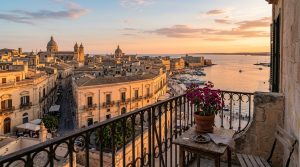
– Palermo historic center (Politeama, Teatro Massimo, the Kalsa): best for food lovers and first-timers who want city energy; stay on main streets rather than market back lanes. – Taormina: walkable and polished, ideal for couples, and an easy base for a guided Etna trip. – Ortigia, Syracuse: a compact island old town that is calm at night, good for solo travelers and families.
For specific picks by budget, see our list of the best hotels in Sicily.
Find your Sicily hotel on the map
Live prices from Booking, Airbnb and more — move the map or change dates to compare stays across Sicily.
Frequently Asked Questions
Is Palermo safe to walk at night?
The main streets of central Palermo, including Via Maqueda, Via Roma and the area around Teatro Massimo, are busy and generally fine in the evening. Market lanes like Ballarò get dark and empty after closing, so avoid cutting through them late. Skip outer districts such as ZEN and Brancaccio entirely.
Will the Mafia bother tourists in Sicily?
No. The Sicilian Mafia’s business is extortion of local businesses, public contracts and drugs, and it has no interest in visitors. Its last attacks on tourist sites were the 1993 bombings on the mainland. If you want to engage with the issue, support Addiopizzo’s “pizzo-free” businesses in Palermo.
Is it safe to visit Mount Etna right now?
Usually yes, with an authorized guide and an eye on official updates. INGV reported ash emissions from the North-East Crater in late September 2026. Summit areas can close at short notice, and ash can disrupt Catania airport. Check the latest INGV bulletin and your airline before going, and avoid midday summer hikes.
What is the emergency number in Sicily?
Dial 112, Europe’s single emergency number, from any phone. Italy’s older numbers also work: 113 for police, 118 for an ambulance and 115 for the fire service. For a lost or stolen US passport, contact the US Embassy in Rome or the nearest US consulate, and file a police report for your insurer.