Disclosure: Some links in this guide are affiliate links. If you book or buy through them, we may earn a small commission at no extra cost to you — it helps keep our guides free.
Norway Fjords Travel Guide 2026: Which Fjord, How to Get There + Best Trips
Norway’s fjords are among the most dramatic landscapes on Earth, and the numbers back that up. Norway has approximately 1,190 named fjords with a combined coastline of around 57,000 kilometers (Norwegian Mapping Authority, 2025). Two of them — Geirangerfjord and Nærøyfjord — hold UNESCO World Heritage status. Whether you arrive by train, cruise ship, or rental car, the fjords reward every approach. This guide tells you which one to visit, how to get there, and how much to budget.
Key Takeaways
Norway has ~1,190 named fjords; Geirangerfjord and Nærøyfjord are UNESCO World Heritage Sites (listed 2005)
Sognefjord is the longest (205 km) and deepest (1,308 m) fjord in Norway
Bergen is the main gateway; Oslo-Bergen Railway takes ~7 hours and ranks among Europe’s most scenic rail journeys
Day cruises from Bergen cost roughly €50-150; the Flam Railway adds ~€38 and is worth every krone
Best months are May through September; June brings 20+ hours of daylight at fjord latitudes
We only recommend services we have researched thoroughly.
Free download · 14-page PDF
The 7-Day Norway Fjords Itinerary
The plan we use ourselves — sent straight to your inbox.
Day-by-day route
Where to stay
Real 2026 costs
Free · No spam · Unsubscribe anytime
Which Norway Fjords Should You Visit?
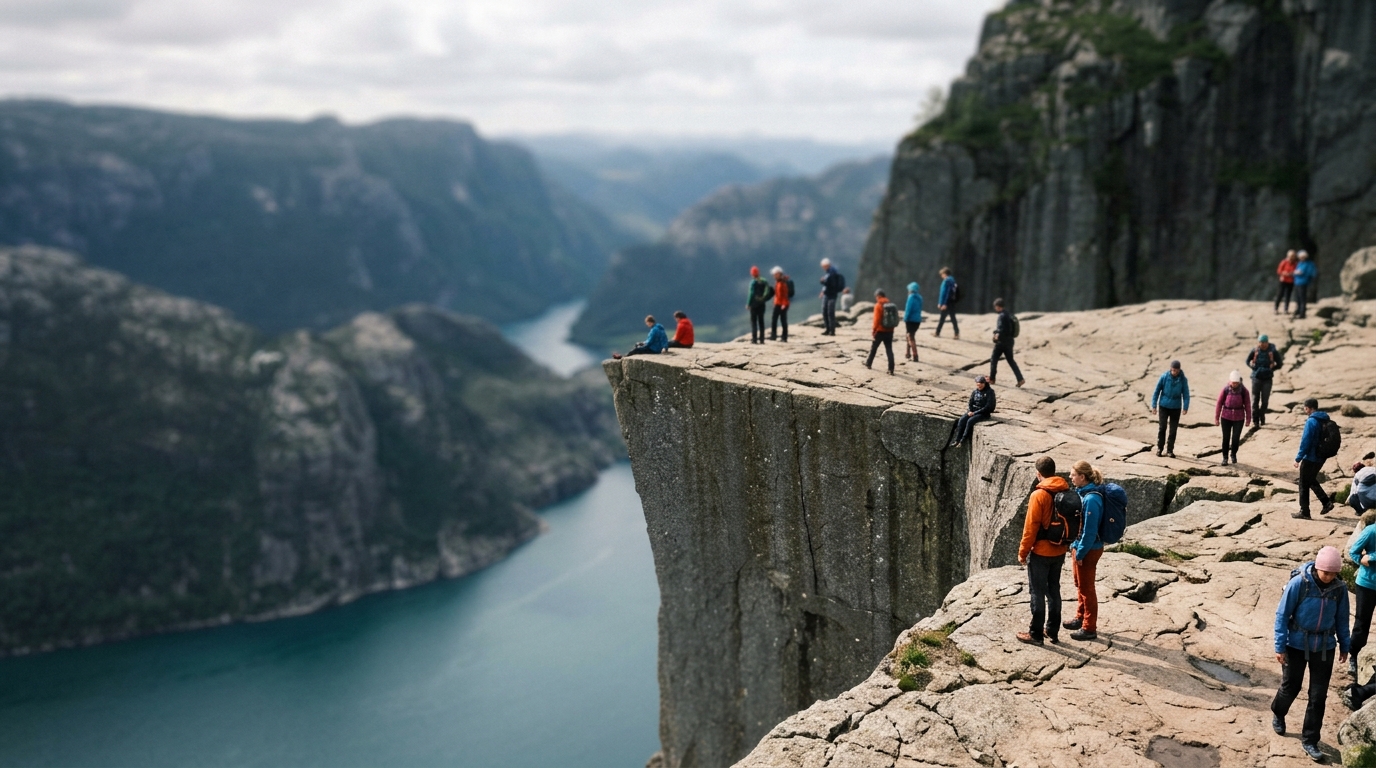
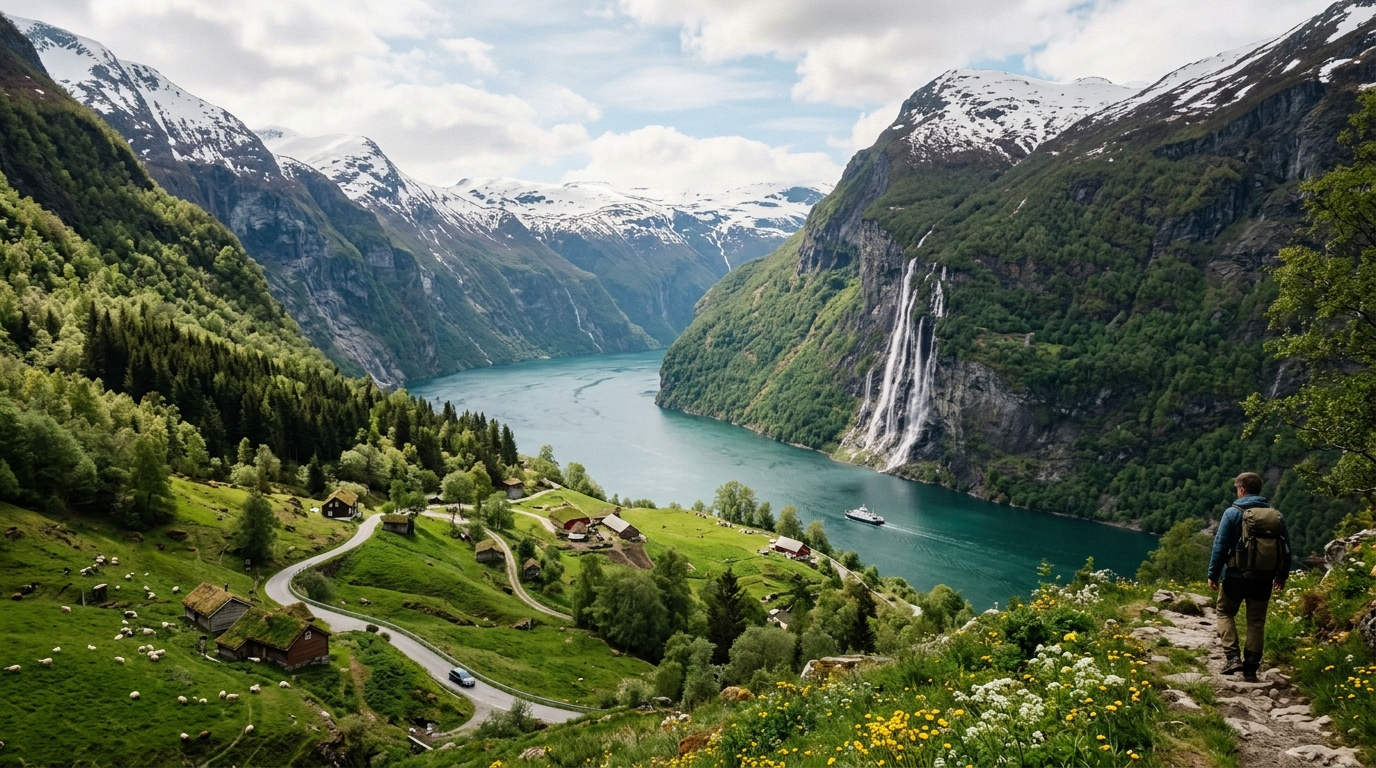
Norway’s four most-visited fjords each offer a distinct experience. Geirangerfjord packs the most dramatic scenery into a compact area; Sognefjord rewards those who want depth and scale; Nærøyfjord delivers UNESCO serenity with near-vertical walls; Lysefjord is the base for Preikestolen (Pulpit Rock), Norway’s most iconic hike. Your choice depends on how you travel and how long you have.
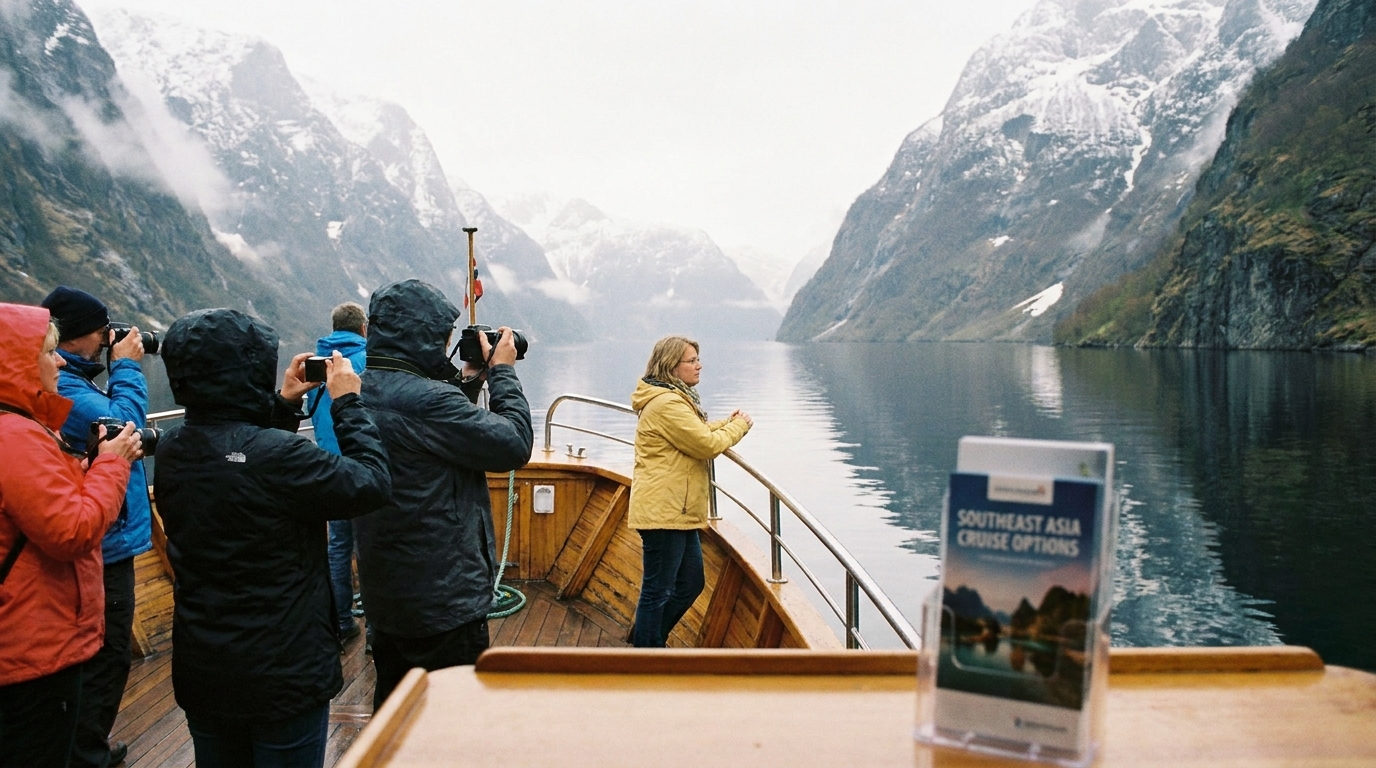
Most first-timers default to Geirangerfjord on reputation alone. We’d argue Nærøyfjord deserves equal consideration. At its narrowest point, the fjord is just 250 meters wide, and the walls climb to 1,700 meters on each side. The boat journey from Gudvangen to Flam takes roughly 2 hours and is often described as claustrophobic in the best possible sense. Unlike Geirangerfjord, Nærøyfjord connects directly to the Flam Railway, making it easier to include in a loop from Bergen without backtracking.
Fjord
Length
Key Feature
UNESCO
Best Access
Sognefjord
205 km
Longest + deepest (1,308 m)
No
Bergen or Flam
Geirangerfjord
15 km
Most photogenic; Seven Sisters waterfall
Yes (2005)
Alesund or ferry from Hellesylt
Nærøyfjord
18 km
Narrowest UNESCO fjord; 250m wide
Yes (2005)
Flam Railway + boat
Hardangerfjord
179 km
2nd longest; apple orchards; Vøringfossen
No
Bergen or Odda
Lysefjord
42 km
Preikestolen (Pulpit Rock) base
No
Stavanger ferry
Source: Norwegian Fjord Association and UNESCO World Heritage List, 2026
Geirangerfjord and Nærøyfjord were jointly inscribed as a UNESCO World Heritage Site in 2005 (UNESCO World Heritage List, 2005). The listing recognized both fjords for their “superlative natural beauty” and their representation of ongoing geological processes shaped by glacial activity over millions of years.
best things to do in norway fjords
How to Get to the Norway Fjords
Bergen is the main gateway to fjord country and sits roughly 6 hours from Oslo by rail. The Oslo-Bergen Railway is one of the most scenic rail journeys in Europe, crossing the Hardangervidda plateau at 1,222 meters altitude. Tickets start from around €25 booked in advance through Vy or Trainline, though peak summer prices climb to €80-100. The journey takes approximately 7 hours from Oslo Sentralstasjon to Bergen Stasjon. Stay connected: grab a travel eSIM from Airalo before you go so you have data the moment you land.
Arriving by Air
Bergen Airport Flesland (BGO) receives direct flights from most major European cities. London Heathrow, Amsterdam Schiphol, Frankfurt, and Copenhagen all have daily services. Budget carriers including Norwegian and Ryanair serve BGO from select cities. Flying into Oslo and connecting by train is often cheaper and adds the scenic rail experience — worth doing at least one way. You can compare flights on Aviasales to find the cheapest dates and routes.
The Flam Railway (Flåmsbana)
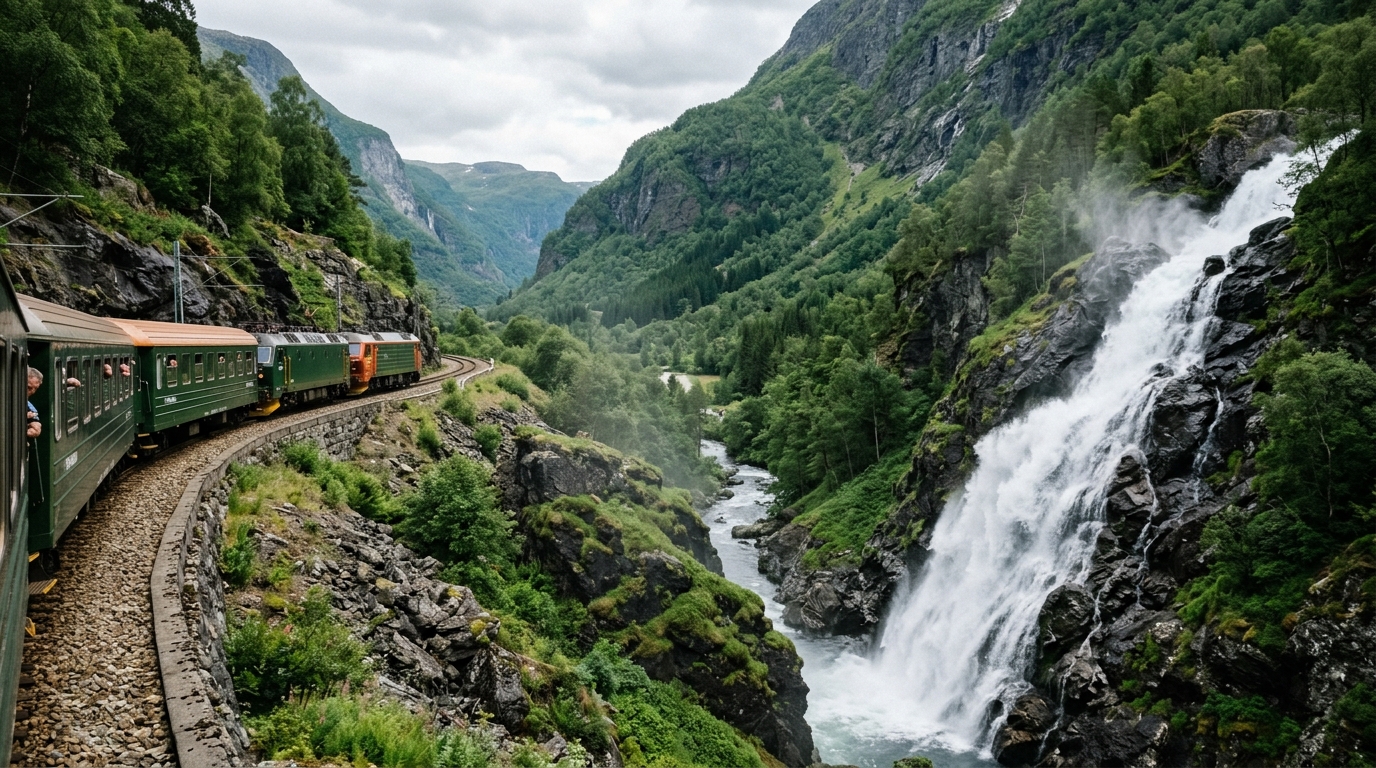
The Flam Railway is technically a branch line, not a main route. But it’s Norway’s most visited tourist attraction by some measures. The 20-kilometer railway descends 864 meters from Myrdal (on the Oslo-Bergen main line) to Flam at sea level. The trip takes about 1 hour and passes Kjosfossen waterfall, where the train stops for photos. A one-way ticket costs from approximately NOK 450 (~€38) (Flam Railway official site, 2026). Booking in advance is essential in July and August — sold-out departures are common by mid-morning.
Driving the Scenic Routes
Norway maintains 18 official Norwegian Scenic Routes, several of which pass directly through fjord country (Statens Vegvesen, 2026). The Bergen to Geirangerfjord drive via the Aurlandsvangen road (National Route 243) takes around 5 hours and passes through some of the most dramatic scenery in Europe. Self-drive gives maximum flexibility, especially for Hardangerfjord and Lysefjord, which have fewer organized tour options from Bergen.
✈
OSL
Norway Fjords
The 7-Day Norway Fjords Itinerary
Hour-by-hour plan, where to stay and what it really costs — free PDF.
Length
7 days
Budget
$180–400/day
Format
14-page PDF
Free · No spam · Unsubscribe anytime
Norway Fjords by Boat: Cruise and Tour Options
A fjord cruise is the single best way to see the Norway fjords for the first time. Day cruises from Bergen run roughly €50-150 per person depending on duration and route, and the classic “Norway in a Nutshell” loop combines train, ferry, and bus in one circular journey. Nærøyfjord ferry rides are included in most loop packages. Longer overnight cruises operate from Bergen throughout the summer season.
The Norway in a Nutshell Circuit
This is the most popular organized fjord route in the country. The standard loop runs Oslo – Bergen Railway to Myrdal – Flam Railway down to Flam – Nærøyfjord ferry to Gudvangen – bus to Voss – train to Bergen. The full circuit takes one to two days depending on whether you overnight in Flam or Bergen. Most operators sell it as a self-guided ticket package; prices vary by season but average €120-180 per person for the full route excluding accommodation.
Geirangerfjord Cruises
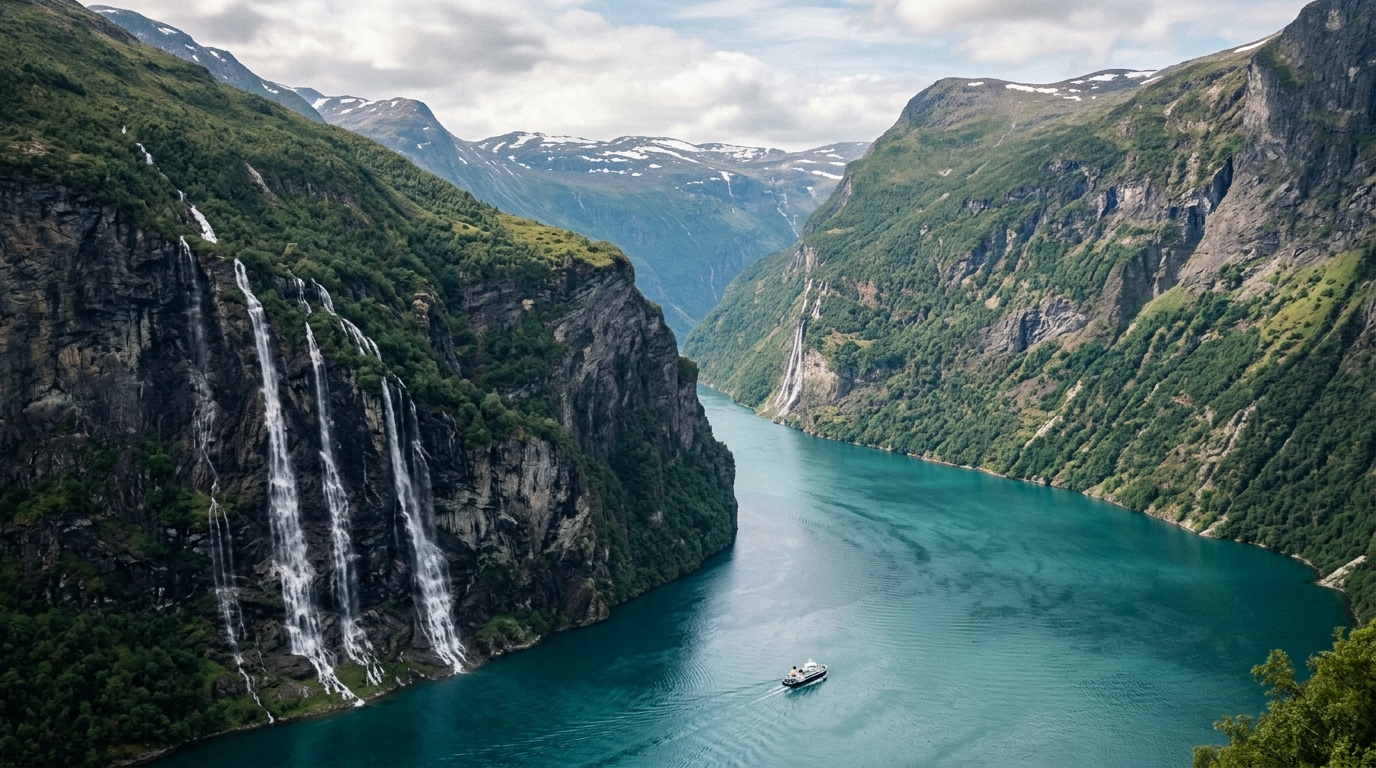
Geirangerfjord sits further north, roughly 5 hours from Bergen by a combination of ferry and bus. Organized tours from Bergen include the Seven Sisters waterfall (620 meters, one of Norway’s tallest waterfalls), the Suitor waterfall opposite, and the abandoned farm at Skageflå clinging to the mountainside 250 meters above the water. Day tour prices from Bergen start around €120-150 (GetYourGuide, 2026). The fjord is narrow enough that ship passengers can hear the waterfalls from the deck.
The best Geirangerfjord views are not from the water — they’re from above. The Eagle Road (Ørnevegen) switchback above Geiranger village offers a top-down perspective on the entire fjord that no boat can match. The viewpoint at Ørnesvingen sits at 620 meters and takes about 15 minutes to reach from Geiranger village by car or taxi. Most tour itineraries skip this because it requires flexibility; self-drivers and overnight visitors have a clear advantage here.
Preikestolen and Fjord Hiking
Preikestolen (Pulpit Rock) is Norway’s most-photographed natural site. The flat cliff face sits 604 meters above Lysefjord, reached by a 4-hour return hike from Preikestolen Mountain Lodge. The hike covers 8 kilometers round-trip with roughly 500 meters of elevation gain. There is no entry fee for the hike itself. The base for Preikestolen is Stavanger, reached by ferry or road from Lauvvik. Ferries from Stavanger to the trailhead area run frequently in summer.
Trolltunga
Trolltunga (Troll’s Tongue) sits 700 meters above Ringedalsvatnet lake and requires a full-day hike of 22 kilometers return from Skjeggedal. Total elevation gain is around 800 meters. The hike takes 8 to 12 hours depending on fitness level. It’s harder and more remote than Preikestolen, with no guardrails and genuine exposure. Start no later than 7am in summer to finish before dark. Guided hikes are available from Odda and are recommended for less experienced hikers.
Aurlandsvangen and the Stegastein Viewpoint
Aurlandsvangen is an underrated base on the Sognefjord shore, far quieter than Flam (6 kilometers away) yet offering the same fjord access. The Stegastein viewpoint cantilevered 650 meters above the Aurlandsfjord is a 30-minute drive uphill. We’ve found that many visitors staying in Flam don’t bother making the drive, which keeps Stegastein noticeably quieter than Preikestolen while delivering comparable altitude drama. It’s a strong reason to base yourself in Aurlandsvangen rather than Flam if hiking is secondary to scenery.
Find your the Norway Fjords hotel on the map
Live prices from Booking, Airbnb and more — move the map or change dates to compare stays around the Norway Fjords.
Where to Stay in Norway Fjords Country
Bergen is the best overall base for exploring the Norway fjords. It sits on the doorstep of Hardangerfjord and Sognefjord, has a UNESCO Old Town (Bryggen), and connects to the Flam Railway within 3 hours. Flam itself offers direct fjord access but limited accommodation and higher prices. Geiranger village is small and scenic but isolated.
Bergen’s Bryggen wharf district is the most atmospheric hotel zone, with medieval wooden buildings lining the harbor front. Book well in advance for July and August; Bergen fills up quickly as the starting point for most organized fjord tours. Properties near Bergen train station offer the most practical access to onward fjord connections.
where to stay bergen norway
Norway Fjords Travel Costs
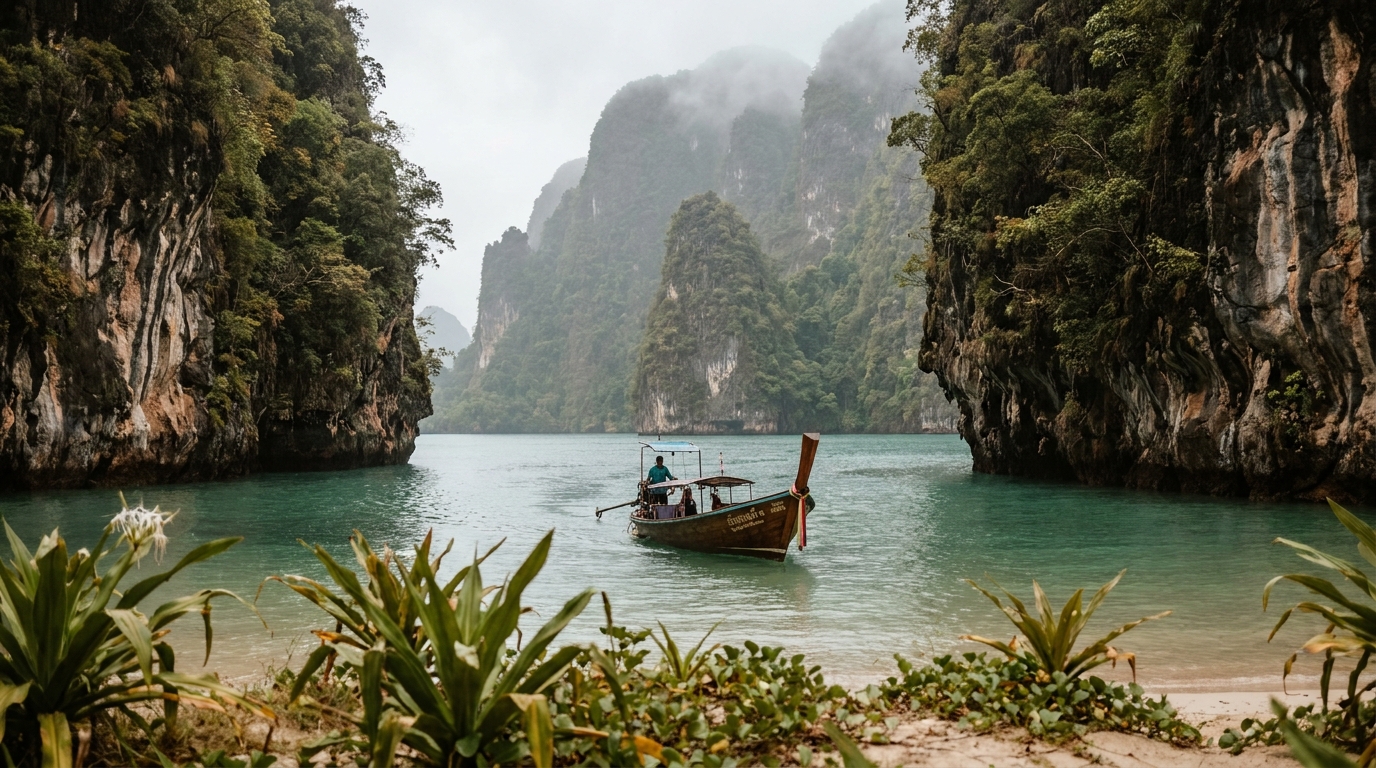
Norway is one of the most expensive countries in Europe for travelers. A realistic mid-range daily budget for fjord country runs NOK 1,500-2,500 (~€130-220) per person per day, excluding accommodation. Budget travelers staying in hostels and using supermarkets can compress this to NOK 800-1,200 (~€70-100) per day. Norway has no budget tier comparable to Southeast Asia — plan accordingly.
Expense
Budget
Mid-Range
Notes
Accommodation/night
€55-80
€130-220
Bergen hostel vs hotel
Meals/day
€20-35
€50-80
Supermarket vs restaurant
Fjord cruise (day)
€50
€120-150
Ferry vs guided boat tour
Flam Railway (one-way)
~€38
~€38
Same price, book ahead
Oslo-Bergen train
€25-45
€60-100
Advance vs peak booking
Preikestolen hike
Free (hike)
€30-50 guided
Ferry to trailhead ~€15 extra
Source: Vy Rail, Flam Railway, GetYourGuide, and Booking.com price checks, May 2026
Grocery stores (Rema 1000, Kiwi, Coop Extra) are meaningfully cheaper than restaurants and are stocked well enough for picnic lunches. A simple supermarket lunch costs NOK 60-100 (~€5-9); a sit-down restaurant meal in Bergen runs NOK 200-400 (~€17-35) per person. Norway’s alcohol prices are steep — a beer at a Bergen bar averages NOK 90-120 (~€8-10). Carry a reusable bottle; tap water throughout Norway is clean and drinkable everywhere.
norway fjords travel budget
Best Time to Visit Norway Fjords
May through September is the primary travel window for the Norway fjords. Each month within that window has a distinct character. June delivers the longest daylight — up to 20+ hours at fjord latitudes — combined with lower crowd levels than July. August is peak season with the warmest temperatures (14-18°C in fjord valleys) but also the most tour groups and highest accommodation prices. September drops temperatures but brings spectacular autumn foliage on the valley walls.
Month
Crowd Level
Daylight Hours
Conditions
May
Low-Medium
17-19 hrs
Spring wildflowers; snow on peaks; waterfalls at full force
June
Medium
19-21 hrs
Best daylight; long evenings; lower prices than July
July
High
18-20 hrs
Warmest; most tours; book everything far ahead
August
Very High
15-18 hrs
Peak crowds; best trail conditions; Trolltunga fully accessible
September
Medium
12-14 hrs
Shoulder season; autumn colors; fewer groups; cooler days
Oct-Apr
Low
7-12 hrs
Most ferries and tours suspended; roads may close (Trolltunga shut)
Source: Visit Norway / Innovasjon Norge, 2026
May is our top pick for first-time fjord visitors. Snowmelt from the surrounding peaks feeds the waterfalls, which run at 3 to 5 times their summer volume in May and early June. The Seven Sisters in Geirangerfjord and Vøringfossen in Hardangerfjord are at their most dramatic. Prices are 15-25% below July peak, the Flam Railway has available seats without weeks of advance booking, and the hike to Preikestolen has minimal queues at the summit. The tradeoff is occasional rain and cooler temperatures — pack a waterproof layer regardless of the season.
The “midnight sun” in the traditional sense applies to northern Norway (above the Arctic Circle, around Tromsø and Lofoten). Most fjords — including Sognefjord, Geirangerfjord, and Lysefjord — sit at roughly 61-62°N latitude, below the Arctic Circle. They don’t experience true 24-hour daylight, but June evenings do deliver 20+ hours of light with a brief twilight rather than full darkness. That extended golden hour makes evening photography at fjord viewpoints exceptional.
Norway Fjords FAQ
How many days do you need for the Norway fjords?
A minimum of 3 to 4 days lets you do the Norway in a Nutshell circuit from Bergen, covering Nærøyfjord and the Flam Railway properly. Add 2 more days for Preikestolen (requires a Stavanger ferry) or Geirangerfjord. We recommend 7 days total to see two or three fjords without rushing, including travel time from your European hub.
What is the cheapest way to see the Norway fjords?
The Oslo-Bergen Railway (from ~€25 booked ahead) combined with the Nærøyfjord public ferry (included in regional passes) is the most affordable approach. Avoid organized package tours if budget is the priority — they mark up the same ferry and train tickets considerably. Staying in Bergen hostels and buying groceries at Rema 1000 or Kiwi cuts daily costs to €70-100 per person (Vy Rail pricing, 2026).
Is the Flam Railway worth it?
Yes. The Flam Railway (Flåmsbana) covers 20 kilometers of mountain descent in about 1 hour, dropping 864 meters from Myrdal to Flam with a scheduled stop at Kjosfossen waterfall. At ~€38 one-way, it costs less than most Bergen day tours and fits naturally into the Norway in a Nutshell loop. Book online at least a week ahead in July and August (Flam Railway official site, 2026).
Can you visit the Norway fjords without a car?
Yes. The train-ferry-bus combination via Norway in a Nutshell covers Nærøyfjord, Flam, and Aurlandsvangen without a car. Geirangerfjord is harder without a car — express boats and buses connect from Alesund and Andalsnes, but they’re less frequent than fjord-core connections. For Preikestolen, a car is easiest, though buses and ferries from Stavanger do cover the route in peak season.
When are the Norway fjords open for tourists?
Most ferry routes, the Flam Railway, and the main hiking trails run May through September. Some winter boat trips operate on Nærøyfjord and Sognefjord for aurora viewing, but most infrastructure shuts down October through April. Trolltunga closes October to June due to snow and ice. Preikestolen is technically hikeable year-round but is safest and most popular May to September (Visit Norway / Innovasjon Norge, 2026).
This Norway fjords travel guide was researched and written in May 2026. Prices and schedules are subject to change; verify with official sources before booking.
✈ Free guide
Your 7-Day Norway Fjords Itinerary
Where to go each day, which area to stay in and what it costs — a 14-page PDF, free.