
Istanbul Travel Guide 2026: Best Mosques, Bazaars & Hidden Corners
Istanbul does not ease you in. It grabs you by the collar from minute one. This Istanbul travel guide covers everything first-timers need in 2026. The call to prayer echoes across the Bosphorus as ferries crisscross between Europe and Asia. The smell of simit (sesame bread rings) and grilled corn fills the air around Eminonu. And somewhere in the distance, the Hagia Sophia and Blue Mosque stand across from each other like two old rivals who stopped fighting centuries ago.
In 2026, Istanbul welcomed over 16 million international visitors (Turkish Ministry of Culture and Tourism, 2026), making it one of the most visited cities on the planet. Most people spend two days ticking off Sultanahmet’s greatest hits and leave. That works, but it also means you miss the neighborhoods, the hidden mosques, and the bazaar alleys where locals actually shop.
This guide covers the mosques worth your time, the bazaars beyond the tourist trail, hidden corners most visitors never find, and practical tips for a smooth first trip.
Key Takeaways
– Best mosques beyond the obvious: Suleymaniye and Ortakoy deliver a calmer, more intimate experience than the packed Blue Mosque. Both are free to enter.
– Grand Bazaar hack: The main alleys sell overpriced lamps and scarves. Head to the inner Hans (courtyards) for authentic workshops. Bargain from 50% down, not 10%.
– Asian side worth the ferry: Kadikoy has better food, zero tourist crowds, and the best sunset views of the old city skyline. The 20-minute ferry ride costs 15 TRY ($0.50 USD).
– Hidden neighborhood: Balat’s rainbow-colored streets and antique shops feel a world away from Sultanahmet. Go on a Wednesday for the weekly street market.
– Istanbulkart essential: One card covers trams, ferries, metro, and buses. Buy it at any vending machine for 50 TRY ($1.70 USD), load it, and tap everywhere.Affiliate Disclosure: Some links in this guide are affiliate links. If you book through them, we earn a small commission at no extra cost to you. We only recommend services we genuinely trust. Learn more.
Most Beautiful Mosques to Visit
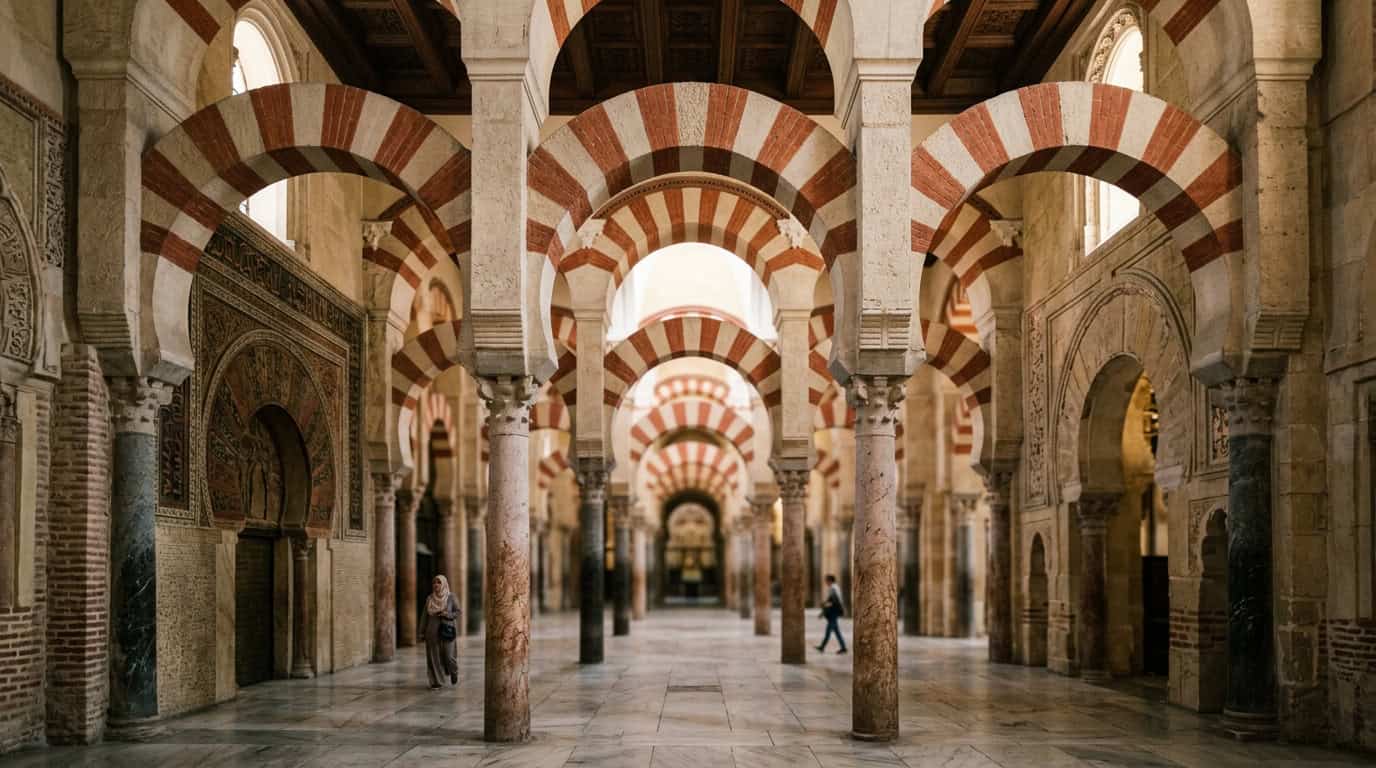
Istanbul has over 3,000 mosques (Istanbul Mufti’s Office, 2025). You cannot see them all, and honestly, most are neighborhood prayer halls. Focus on these five.
Hagia Sophia
Built in 537 AD as a Byzantine church, converted to a mosque in 1453, then a museum in 1935, and now a mosque again since 2020. The Hagia Sophia has lived more lives than most empires. The dome spans 31 meters and rises 55 meters above the marble floor, floating on a ring of 40 windows.
Entry: Free since it reverted to a mosque, but tourist entry is restricted to the upper gallery. Women need headscarves (provided at entrance). Shoes off. Go before 9:00 AM or after 4:00 PM to avoid the midday crush. The upper gallery opens at 10:00 AM and costs 25 EUR for non-worshippers to access the mosaics.
Blue Mosque (Sultanahmet Camii)
Built between 1609 and 1616 directly across from Hagia Sophia, the Blue Mosque gets its nickname from the 20,000 Iznik tiles lining the interior. Six minarets set it apart (most mosques have two or four). The courtyard is larger than the prayer hall itself.
Entry: Free. Closed to tourists during five daily prayer times (roughly 30 minutes each). Check the prayer schedule at the entrance. The best photo angle is from the Hippodrome side at sunrise.
Suleymaniye Mosque
Minh’s personal favorite. Built by Mimar Sinan, the Ottoman Empire’s greatest architect, in 1557. Suleymaniye perches on Istanbul’s third hill with a courtyard that overlooks the Golden Horn and Galata Bridge. Far fewer tourists than Sultanahmet. The interior dome uses 138 windows to flood the space with natural light.
Best time: Late afternoon when the setting sun pours through the windows facing the Golden Horn. The gardens behind the mosque hold the tombs of Suleyman the Magnificent and his wife Hurrem Sultan. Both are free to enter.
Ortakoy Mosque
Small, waterfront, and absurdly photogenic. Ortakoy Mosque sits right on the Bosphorus with the Bosphorus Bridge arching behind it. The mosque itself dates to 1856 and blends neo-Baroque and Ottoman styles, which sounds like a mess but somehow works beautifully.
Go at sunset. Grab a kumpir (stuffed baked potato, a local Ortakoy specialty) from one of the waterfront vendors for 80-120 TRY ($2.70-4 USD), then watch the mosque light up as the call to prayer echoes across the water.
Rustem Pasha Mosque
Hidden above a row of shops near the Spice Bazaar, Rustem Pasha is the most underrated mosque in Istanbul. The interior is covered floor-to-ceiling in Iznik tiles, rivaling even the Blue Mosque. Because it sits on a second-floor terrace above street level, most tourists walk right past it without noticing.
Climb the narrow staircase from Hasircilar Caddesi near the Spice Bazaar. You will share the space with maybe five other people.
Navigating Istanbul’s Bazaars Like a Local
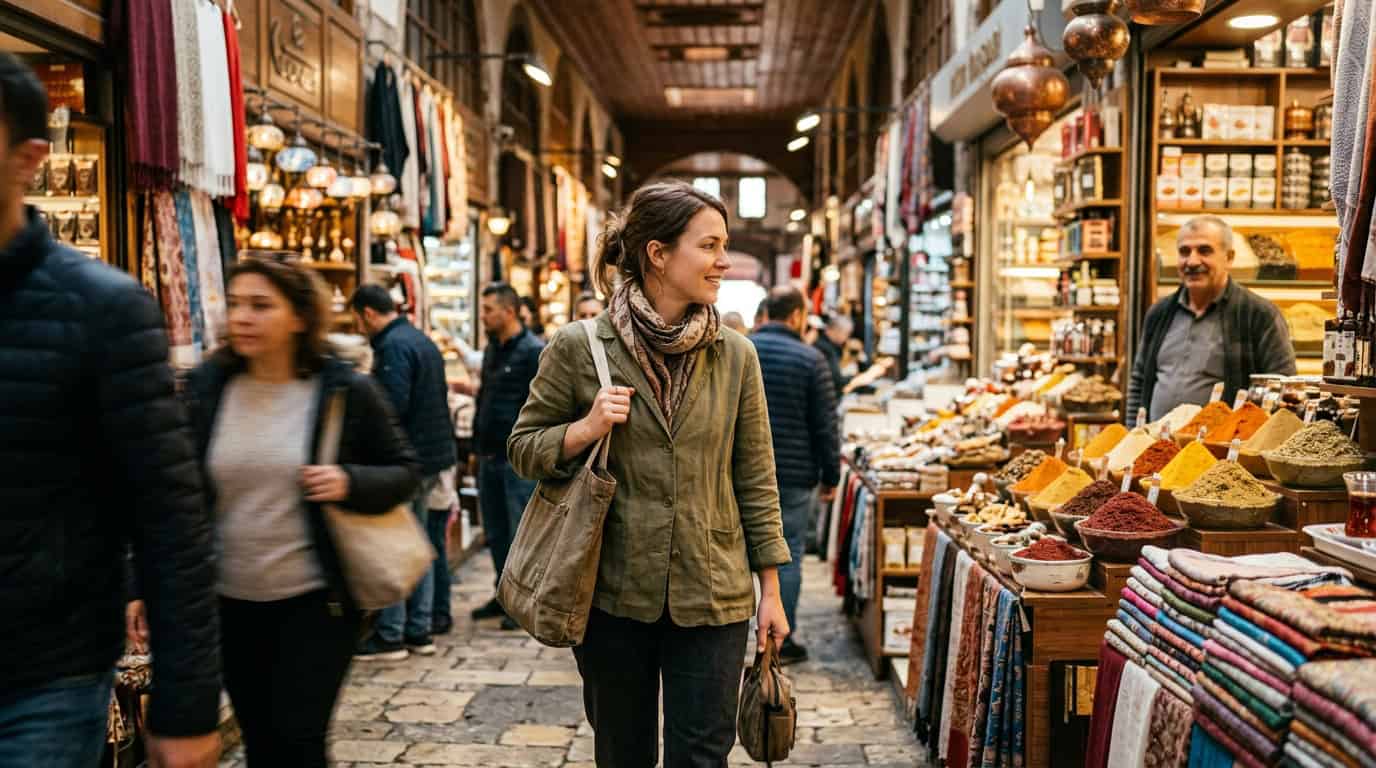
Istanbul has two main bazaars, and knowing which one to hit for what will save you hours and hundreds of lira.
Grand Bazaar (Kapali Carsi)
One of the oldest and largest covered markets in the world, with roughly 4,000 shops across 61 streets (Istanbul Chamber of Commerce, 2025). It sees about 250,000 to 400,000 visitors daily.
What to buy: Leather goods, gold jewelry, ceramics, and carpets (if you know what you are doing). What to skip: Generic spice bags, mass-produced evil-eye trinkets, and any shop blasting music on the main Kalpakcilar Caddesi.
Bargaining: Start at 50% of the asking price and settle around 60-70%. Walk away once to test pricing. If the vendor does not call you back, your offer was too low. Cash gets better prices than card.
[PERSONAL EXPERIENCE] Minh spent an afternoon wandering into the inner Hans, the old courtyard workshops hidden behind unmarked wooden doors off the main alleys. One workshop had been hand-engraving silver trays since 1870. The owner offered tea, showed me his grandfather’s original tools, and sold a small tray for 400 TRY ($13 USD). The same piece on the main alley had a 1,500 TRY tag.
Spice Bazaar (Misir Carsisi)
Smaller, more manageable, and far more fragrant. Built in 1660, the Spice Bazaar specializes in, well, spices, plus Turkish delight, dried fruits, nuts, and herbal teas. The building itself is worth the trip for the vaulted ceilings alone.
What to buy: Iranian saffron, Urfa chili flakes, sumac, dried figs, and loose-leaf apple tea. What to skip: Pre-packaged tourist spice sets (half the weight is filler). Buy loose and ask for vacuum sealing.
Pro tip: The streets immediately outside the Spice Bazaar sell the same products at 30-40% lower prices. Walk 50 meters in any direction and buy from the smaller shops.
Kadikoy Market (Asian Side)
Not a bazaar, but the best food market in the city. Kadikoy’s Tuesday market and the permanent fish-and-produce market near the ferry terminal are where Istanbulites buy their weekly groceries. Zero tourist trinkets, all food.
The fish market section has small restaurants grilling fresh balik ekmek (fish sandwiches) for 60-80 TRY ($2-$2.70 USD). Cheaper and better than the Eminonu boats. For more Mediterranean market experiences, check our guide to the best things to do in Barcelona.
Hidden Corners Tourists Miss
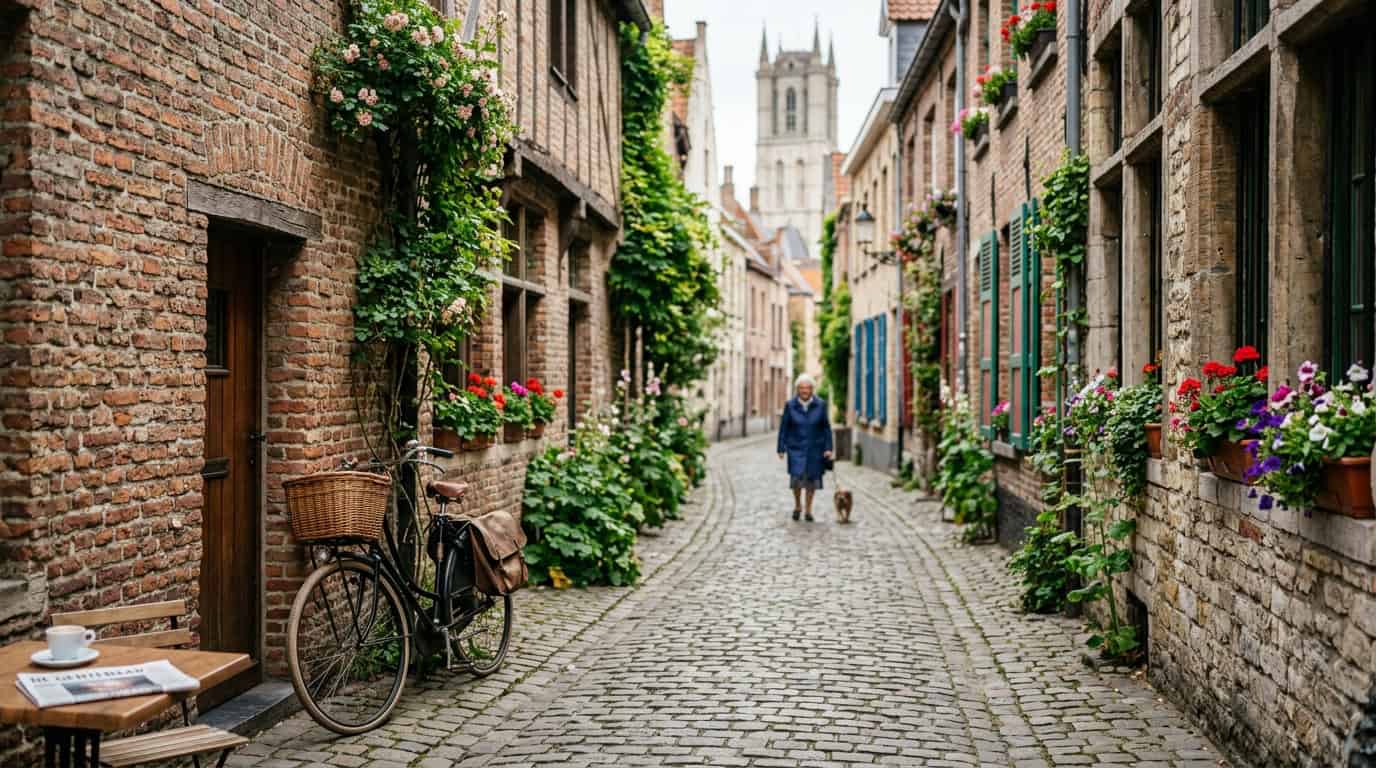
The Sultanahmet-Fatih-Taksim triangle gets 90% of visitor foot traffic. These four spots get almost none.
Balat
Balat was once Istanbul’s Jewish quarter, and today it is a maze of rainbow-colored Ottoman houses, vintage shops, and narrow cobblestone streets climbing up the Golden Horn. It is what people imagine when they picture old Istanbul, minus the crowds.
The area around Kiremit Caddesi has the most photogenic streets. Beyaz Karanfil Sokak and Merdivenli Yokus are the two most popular photo spots. Go on a Wednesday for the weekly street market (carsilamba) that fills the streets with antiques, second-hand clothes, and street food.
Where to eat in Balat: Forno Balat serves lahmacun (Turkish flatbread with minced meat) from a wood-fired oven for 40 TRY ($1.30 USD). Cafe Naftalin K. is a vintage-decor tea garden perfect for an afternoon break.
Kuzguncuk
A quiet, leafy neighborhood on the Asian side where synagogues, churches, and mosques have stood side by side for centuries. Kuzguncuk feels like a small village inside a megacity. Wooden Ottoman houses line streets shaded by plane trees.
Walk Icadiye Caddesi for the best cafes and antique shops. Kuzguncuk Bostani is a historic community garden where locals still grow vegetables. The waterfront park has benches facing the Bosphorus Bridge, perfect for a takeaway tea and a break from walking.
Sahaflar Carsisi (Old Book Bazaar)
A tiny courtyard of secondhand bookshops tucked between the Grand Bazaar and Beyazit Mosque. Sahaflar Carsisi has been a book market since the Ottoman era. Today, you will find dusty Turkish novels, Persian miniatures, old maps of Istanbul, and the occasional English-language find.
The arcade is small, maybe 20 shops in total. Spend 20 minutes browsing, grab a tea at the courtyard cafe, and continue to Suleymaniye Mosque five minutes uphill.
Camlica Hill
The highest point in Istanbul at 268 meters, on the Asian side. Camlica Hill delivers a 360-degree panorama spanning the Bosphorus, the Golden Horn, the Princes’ Islands, and on clear days, the Sea of Marmara all the way to the mountains beyond. The newly built Camlica Mosque (2019), the largest in Turkey, sits on the eastern slope.
How to get there: Take the Marmaray to Uskudar, then bus 15F to Camlica. Sunset is prime time, but the hill gets busy with local families. Morning visits on weekdays are quietest.
First Time in Istanbul? Essential Tips
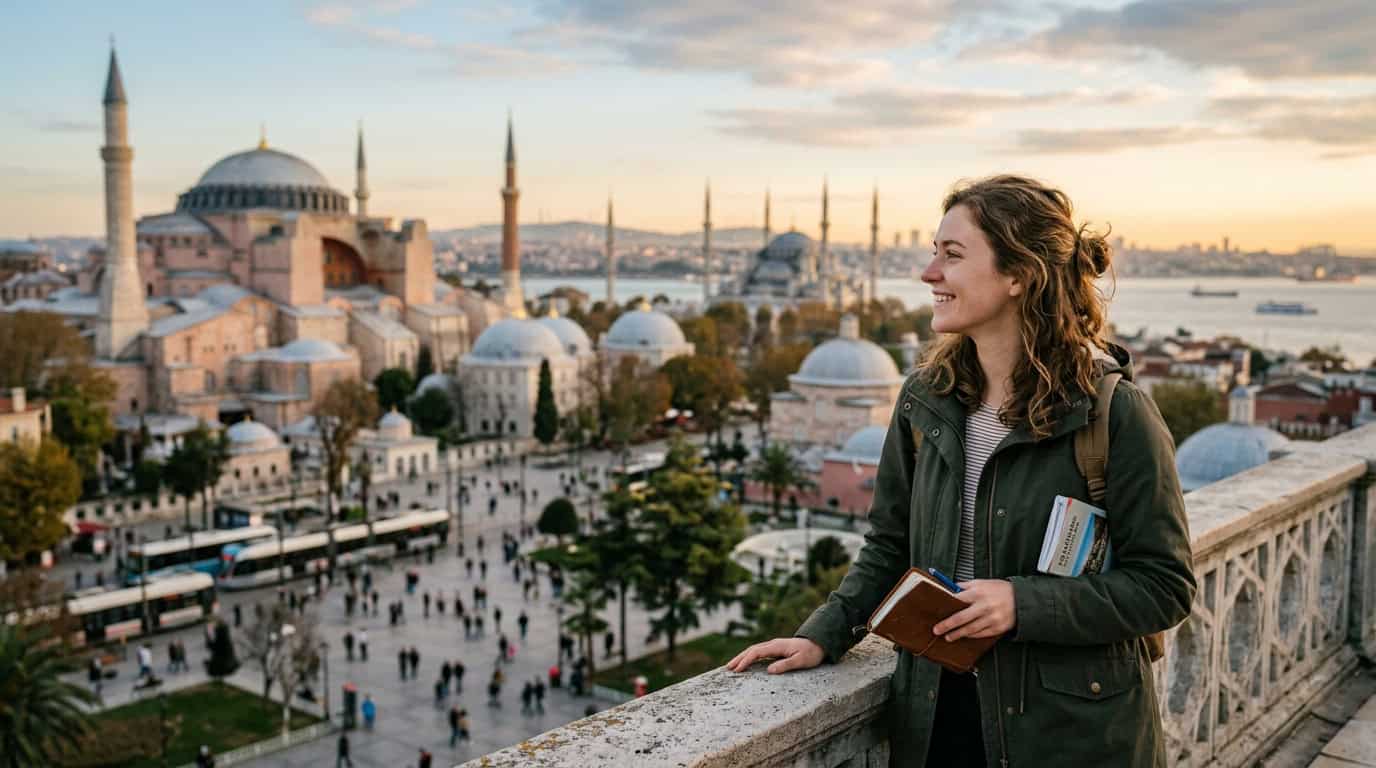
Navigating a city that straddles two continents sounds harder than it actually is. Here is what minh wishes I knew before my first trip.
Transport Made Simple
Buy an Istanbulkart immediately at any yellow vending machine at the airport or metro station. The card costs 50 TRY ($1.70 USD) and you load credit as needed. One card works for your whole group. Tap at every tram, metro, ferry, and bus.
The T1 tram line is the most useful route for tourists. It runs from Kabatas through Karakoy, across Galata Bridge, past the Spice Bazaar, and through Sultanahmet, ending at Bagcilar. Most major sights sit within a five-minute walk of a T1 stop.
The ferry from Eminonu to Kadikoy costs 15 TRY ($0.50 USD) and gives you a cheap Bosphorus cruise with sea gulls trailing the boat. The 20-minute crossing is one of the best value experiences in any city on the planet.
Timing and Money
Avoid Sultanahmet on Fridays before 2:00 PM. Midday prayers draw huge crowds to the Blue Mosque area. Avoid the Grand Bazaar on Sundays: it is closed.
The current exchange rate (July 2026) hovers around 30 TRY to 1 USD. Carry cash. Many smaller restaurants, tea gardens, and bazaar stalls do not take cards. ATMs are everywhere but charge a 7-10% withdrawal fee for foreign cards. Bring USD or EUR and exchange at a doviz office, not at the airport.
Neighborhood Strategy
Split your stay across two areas if you have four or more days. Spend two nights in Sultanahmet for the mosques and museums, then switch to Beyoglu or Kadikoy for food and nightlife. The contrast between the historic peninsula and the modern side of the city is half the Istanbul experience.
Stay connected: Airalo eSIM for Turkey runs about $8 for 3GB over 30 days. Coverage is solid across the city. Pick it up before you land so you are connected from the moment you step out of the airport.
For other European city tips, browse our guides to the best things to do in Rome and Venice travel.
Must-Visit Places Beyond Sultanahmet
Everyone goes to Sultanahmet. Here is where to go when you have seen the big sights and want more.
Galata Tower and Karakoy
Built in 1348 by the Genoese, Galata Tower rises 67 meters above the Golden Horn. The observation deck delivers a 360-degree view of the entire old city. Entry costs 350 TRY ($12 USD). Lines are longest from 11:00 AM to 3:00 PM.
The neighborhood around the tower, Karakoy, has transformed from a gritty port district into Istanbul’s creative hub. Art galleries, specialty coffee roasters, and design shops fill converted warehouses. Karakoy Gulluoglu makes the best baklava in the city (try the pistachio with kaymak clotted cream, 80 TRY/$2.70 USD per portion).
Walk downhill from Galata toward the water and you will find Karakoy Lokantasi, a 100-year-old tile-decorated restaurant serving classic Turkish home cooking. The hunkar begendi (braised beef on smoked eggplant puree, 350 TRY/$12 USD) is the house signature.
Kadikoy and Moda
The Kadikoy waterfront is worth the ferry ride alone for the sunset view of the old city skyline. But the real draw is the food scene. Kadikoy’s market streets near the ferry terminal are packed with pickle shops, fishmongers, cheese sellers, and tiny restaurants.
Ciya Sofrasi, arguably Istanbul’s most famous restaurant, serves Anatolian regional dishes you will not find anywhere else in the city. Try the sour cherry kebab and the stuffed grape leaves with pomegranate molasses. Three courses for two people run about 800 TRY ($27 USD).
Moda, a 10-minute walk south of Kadikoy pier, is a leafy residential peninsula with tea gardens overlooking the Sea of Marmara. Moda Cay Bahcesi is the spot: an open-air tea garden where you can sit for hours with a 15 TRY cay ($0.50 USD) and watch the ferries go by.
For more destination inspiration, check our Maldives travel guide and Dubai travel tips.
Where to Stay in Istanbul
Peninsula Istanbul — Ultra-Luxury Waterfront
Location: Karakoy waterfront | From 800 EUR ($870 USD) | Rating 4.9/5
Opened in 2023, the Peninsula occupies a row of restored historic buildings right on the Bosphorus. The rooftop pool bar has a dead-center view of Hagia Sophia and the Blue Mosque across the water.
Best for: A bucket-list splurge. Even if you do not stay here, the rooftop terrace is open to non-guests for sunset drinks (cocktails from 550 TRY/$18 USD).
Sura Hagia Sophia Hotel — Mid-Range Sultanahmet
Location: Sultanahmet | From 120 EUR ($130 USD) | Rating 4.5/5
A five-minute walk from Hagia Sophia and the Basilica Cistern. The courtyard garden restaurant serves a solid Turkish breakfast spread included in the rate. Rooms are comfortable rather than luxurious, but the location is unbeatable.
Best for: First-time visitors who want to walk to everything. Book via: Booking.com.
Hush Hostel Lounge — Budget Kadikoy
Location: Kadikoy | From 15 EUR ($16 USD) dorm, 40 EUR private | Rating 4.4/5
Social hostel in the middle of Kadikoy’s bar and restaurant district. Rooftop terrace with partial Bosphorus views. The shared kitchen and common area attract solo travelers and digital nomads.
Best for: Budget travelers who prioritize food and nightlife over proximity to historic sights. Ferry to Sultanahmet takes 20 minutes.
Frequently Asked Questions
Is Istanbul safe for tourists in 2026?
Yes. Istanbul is as safe as any major European city for tourists who exercise normal caution. The main tourist areas (Sultanahmet, Beyoglu, Kadikoy, Besiktas) are heavily policed and well-lit at night. Pickpocketing around the Grand Bazaar and Taksim is the most common issue. Keep your phone and wallet in front pockets.
How many days do I need in Istanbul?
Budget four days minimum. Three days covers the big five (Hagia Sophia, Blue Mosque, Topkapi Palace, Grand Bazaar, Bosphorus cruise). The fourth day gives you time to explore Kadikoy, Balat, or Camlica Hill without rushing. With five days, you can do a day trip to the Princes’ Islands.
Do I need to cover up in mosques?
Yes. Women must cover hair, shoulders, and knees inside mosques. Most major mosques provide headscarves and wrap skirts at the entrance for free. Men should avoid shorts above the knee. Shoes come off before entering the prayer area. Plastic bags are provided to carry your shoes.
What is the best month to visit Istanbul?
April through May and September through October are ideal. Temperatures range from 15-25 degrees C (59-77 F), crowds are moderate, and hotel prices sit at roughly 60% of the July-August peak. July and August bring 30-35 degree C (86-95 F) heat and cruise-ship crowds that clog Sultanahmet.
Is Istanbul expensive?
Compared to Western Europe, no. A solid meal at a mid-range restaurant costs 250-400 TRY ($8-$13 USD). A tram or ferry ride costs 15 TRY ($0.50 USD). A hotel in Sultanahmet runs 80-150 EUR ($85-$160 USD) per night. Budget 1,500-2,500 TRY ($50-$85 USD) per day for two people including meals, transport, and attractions.
Which airport should I fly into?
Istanbul Airport (IST) on the European side handles most international flights. Sabiha Gokcen (SAW) on the Asian side serves budget carriers like Pegasus and some international routes. IST is 45-60 minutes by Havaist bus from Sultanahmet (90 TRY/$3 USD). SAW is 60-90 minutes from the city center.
Get Your Istanbul Trip Started
Istanbul does not ask for permission. It demands your full attention, from the 5:30 AM call to prayer to the last simit seller at midnight on Istiklal Street. Say yes to the tea when a shopkeeper offers it. Get lost in Balat’s backstreets. Take the ferry to Kadikoy even if you have no reason to go there.
The city has been doing this for 2,500 years. It knows what it is doing.
Now, go eat some baklava. And if you are building a bigger trip across Europe, our Rome guide and Barcelona guide are next up.