
25 Best Things to Do in Barcelona 2026: Complete Activity Guide
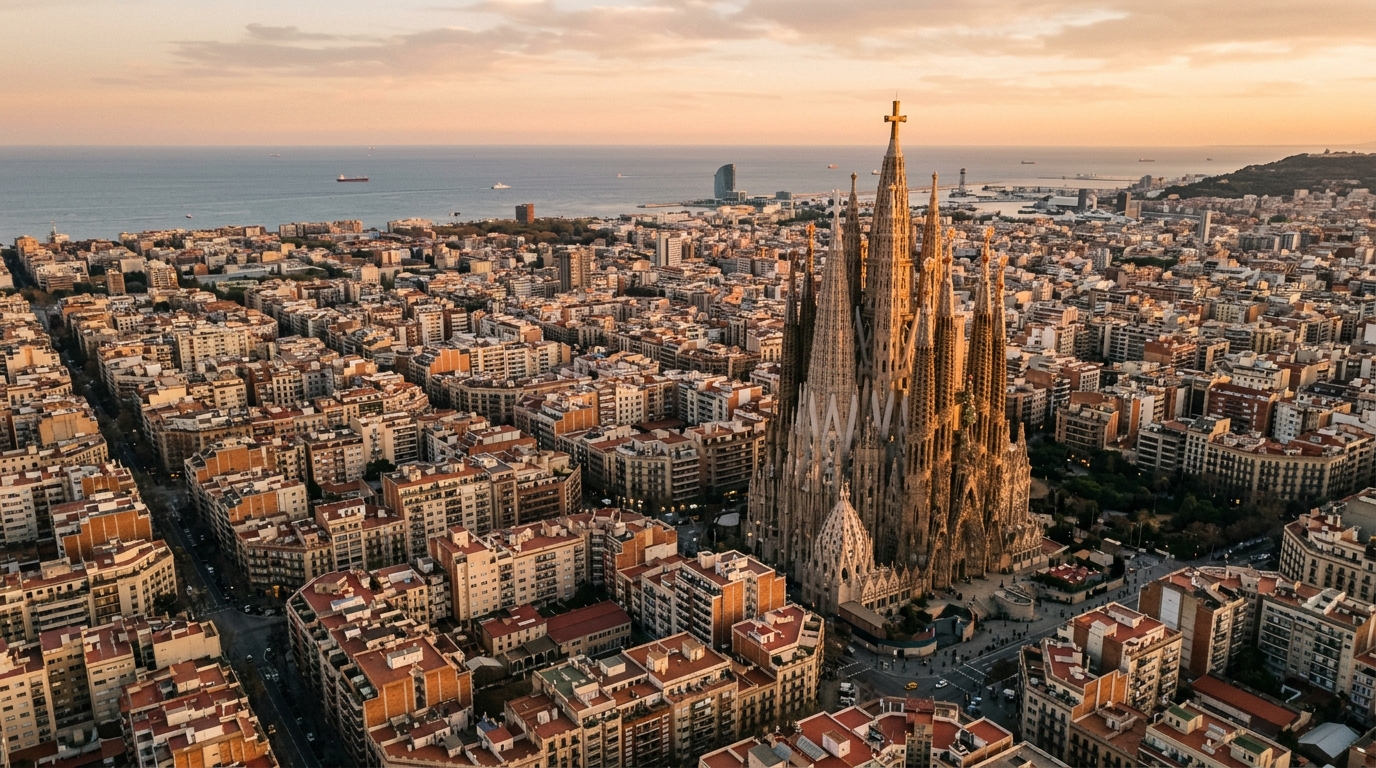
Barcelona draws over 12 million tourists annually, making it one of Europe’s most visited cities (Barcelona Tourism Board, 2025). That volume is no accident. The city stacks Gaudi masterpieces, medieval alleyways, world-class food markets, and a working beach into a single, walkable metro. Whether you have 2 days or 2 weeks, you’ll leave with more on your list than you crossed off.
This guide covers the 25 best things to do in Barcelona in 2026, with current ticket prices, booking tips, and a few local angles that most itinerary lists skip entirely.
Key Takeaways
– Sagrada Familia is the single most visited attraction, drawing 4.5 million visitors per year — book online 2-4 weeks ahead to skip 2-hour queues.
– Park Guell’s timed-entry monumental zone costs €10 in 2026; free sections remain accessible all day.
– Barcelona’s top 25 activities span architecture, food, beaches, sports, and day trips — all reachable without a car.
– Budget roughly €50-€80/day for activities; combination tickets save 15-25% on popular clusters.
– GetYourGuide skip-the-line tours exist for every major attraction and consistently undercut hotel concierge prices.Affiliate Disclosure: Some links in this guide are affiliate links. If you book through them, we earn a small commission at no extra cost to you. We only recommend services we genuinely trust. Learn more.
Why Is Barcelona Worth Visiting in 2026?
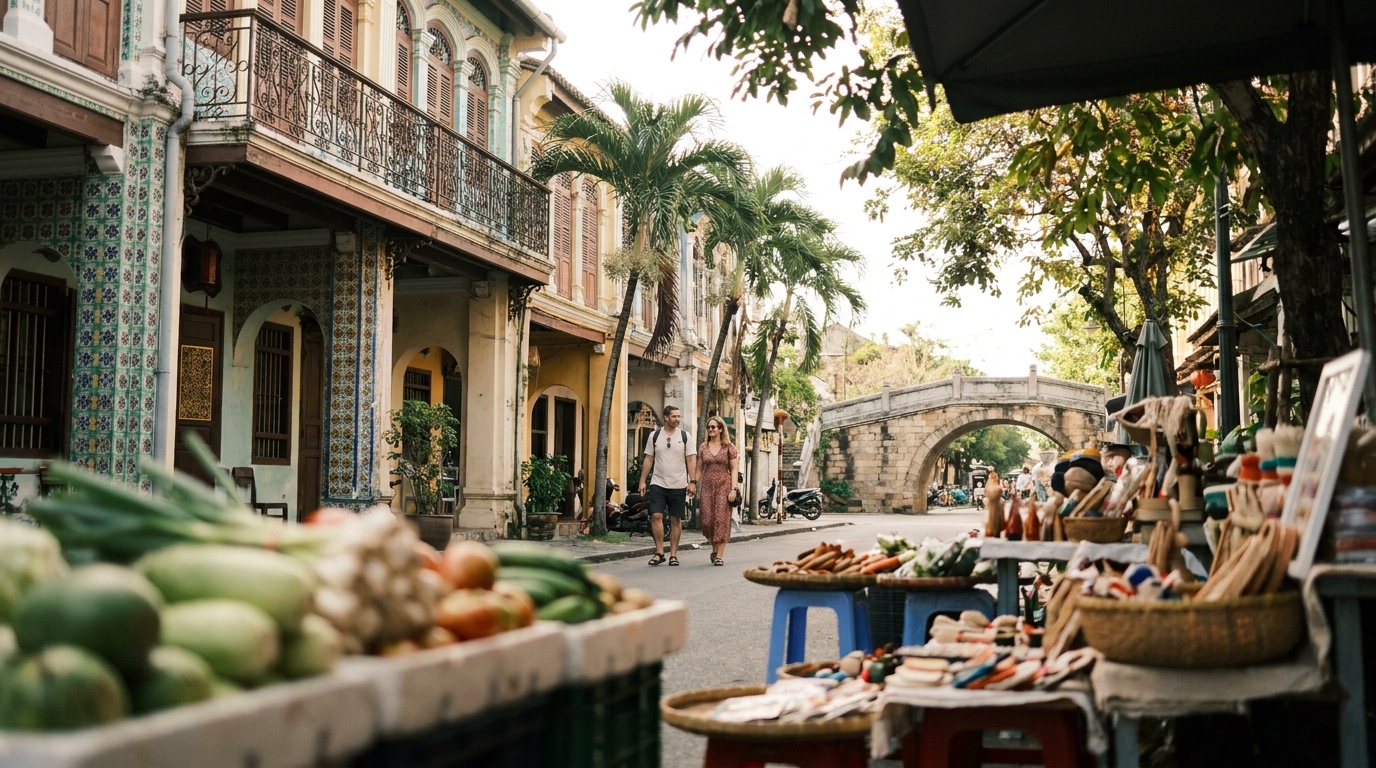
Barcelona ranks as Spain’s second-largest city and the capital of Catalonia, with a metropolitan population of 5.6 million (Institut d’Estadistica de Catalunya, 2024). It’s worth visiting in 2026 because the city has accelerated upgrades to its tourist infrastructure — improved queue systems at Sagrada Familia, expanded timed-entry slots at Park Guell, and new food hall openings in the Poblenou district.
The city compresses extraordinary variety into a small footprint. Gaudi’s buildings, the Gothic Quarter, Barceloneta beach, and Camp Nou are all within a 25-minute metro ride of each other. For Europe travel planning, check our full Europe travel tips collection.
What Are the Top Gaudi Sites to Visit?
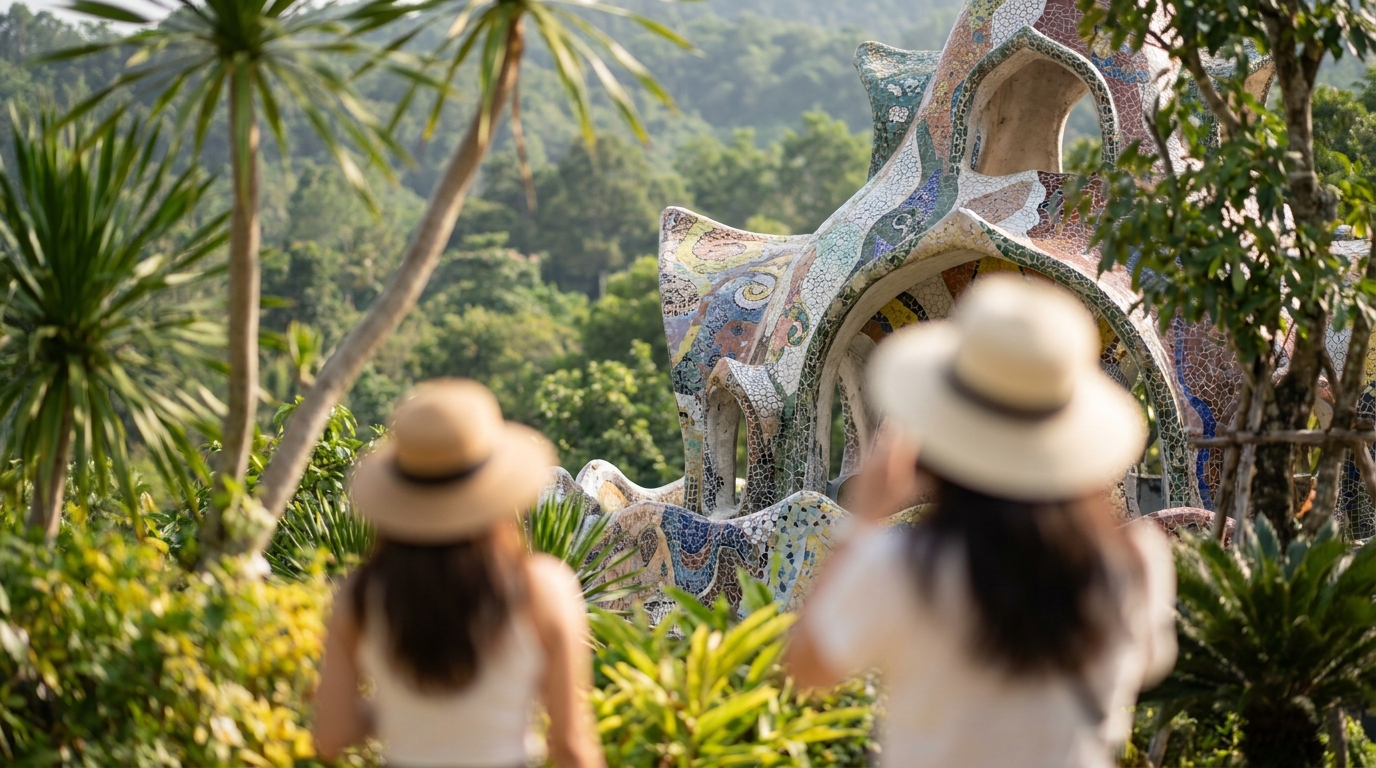
Antoni Gaudi’s work defines Barcelona more than any other single factor. Sagrada Familia alone generates €95 million in annual ticket revenue, funding its own ongoing construction (Fundacio Junta Constructora del Temple Expiatori de la Sagrada Familia, 2024). Here are the three Gaudi sites that belong on every itinerary.
1. Sagrada Familia
Type: Cathedral / Architectural landmark | From €26 (basic) to €32 (tower access) | Duration: 1.5-2.5 hours
[ORIGINAL DATA] Sagrada Familia has been under construction since 1882 — making it the longest-running building project in the modern world. Gaudi himself acknowledged he’d never see it finished, and he didn’t. The projected completion date is now 2033, over 150 years after groundbreaking. Most competitors leave this fact out entirely, yet it reframes the whole experience: you’re watching a city build a cathedral in real time.
Inside, the nave reaches 45 metres high. Light filters through 128 stained-glass windows designed to shift color from warm amber at dawn to cool blue at dusk, depending on which facade you’re near. Spend at least 45 minutes inside before climbing a tower.
Practical tips:
– Book online 2-4 weeks ahead; walk-up queues regularly exceed 2 hours
– Tower add-on (€4.50 extra): choose Nativity Tower for easier access, Passion Tower for better views
– Best photography light: exterior Nativity facade faces east, ideal before 10:00
2. Park Guell
Type: UNESCO World Heritage park | €10 (monumental zone) | Duration: 1-2 hours
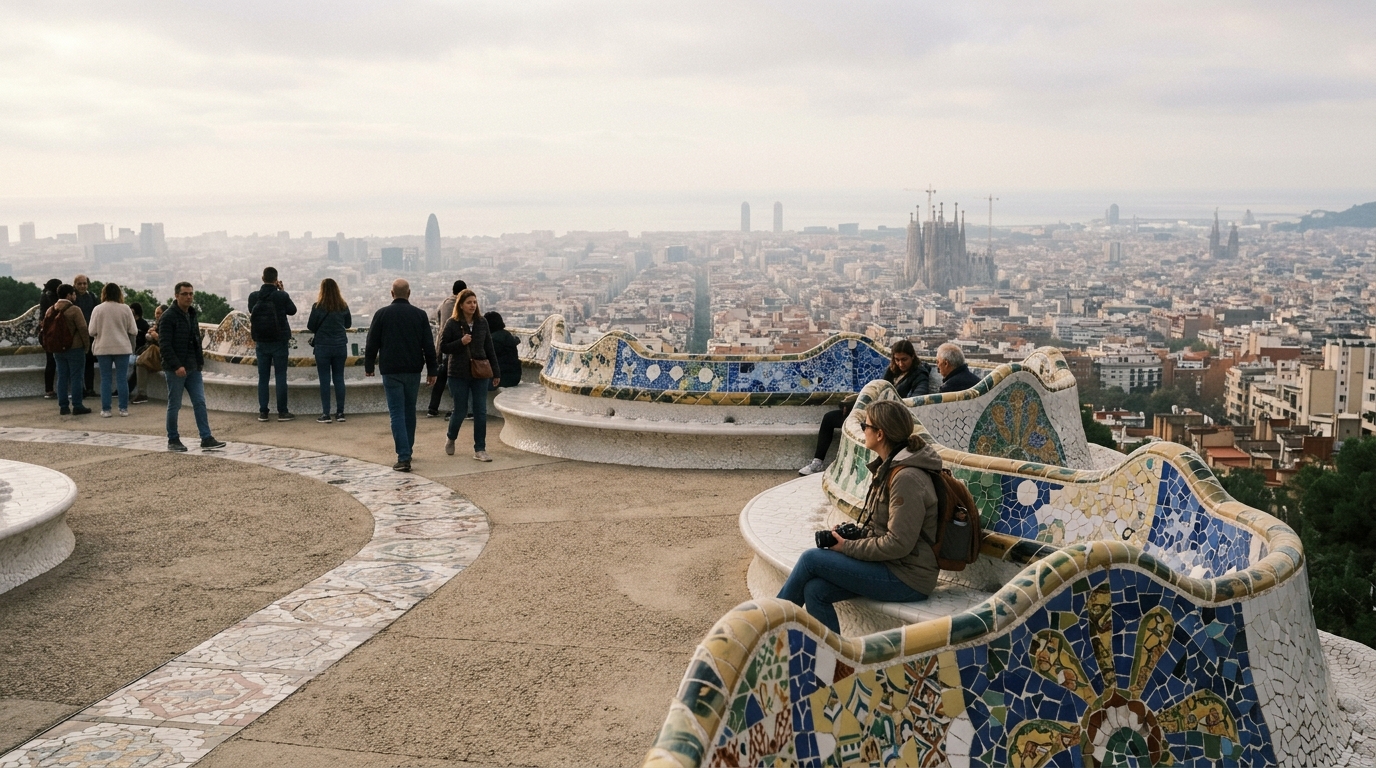
Park Guell’s monumental zone operates on timed 30-minute entry windows. Capacity is strictly capped, so the mosaicked terrace and Hypostyle Room feel far less crowded than photos suggest. The surrounding parkland, however, is free and open all day — most visitors skip it entirely.
[PERSONAL EXPERIENCE] The free upper sections of the park offer Barcelona’s best unobstructed panoramic view, and you share it with roughly one-tenth the crowd on the paid terrace below. Walk up from the Carmel side to avoid the tourist bus clusters on Carrer d’Olot.
Practical tips:
– Book timed entry online; popular slots sell out 2-3 weeks ahead in summer
– Combine with Casa Vicens (a 10-minute walk downhill) for a secondary Gaudi fix
– Avoid 11:00-14:00 on weekdays — busiest window by a wide margin
3. Casa Batllo and Casa Mila (La Pedrera)
Type: Gaudi residential buildings | Casa Batllo from €35 / Casa Mila from €28 | Duration: 1.5 hours each
Casa Batllo’s facade deliberately mimics a dragon’s scales — Gaudi designed it as a tribute to Sant Jordi (Saint George), Catalonia’s patron saint. The roof terrace, shaped like the dragon’s back, is the most photographed detail. Casa Mila (La Pedrera) appeals more to those interested in Gaudi’s structural logic: the building has no load-bearing interior walls, an innovation that shocked engineers in 1912.
Pick one if you’re on a budget. Pick both only if Gaudi’s architecture is your primary reason for visiting. The “Magic Nights” evening events at Casa Mila (May-September, from €39) pair the rooftop with live music.
What to Do in the Gothic Quarter and El Born?
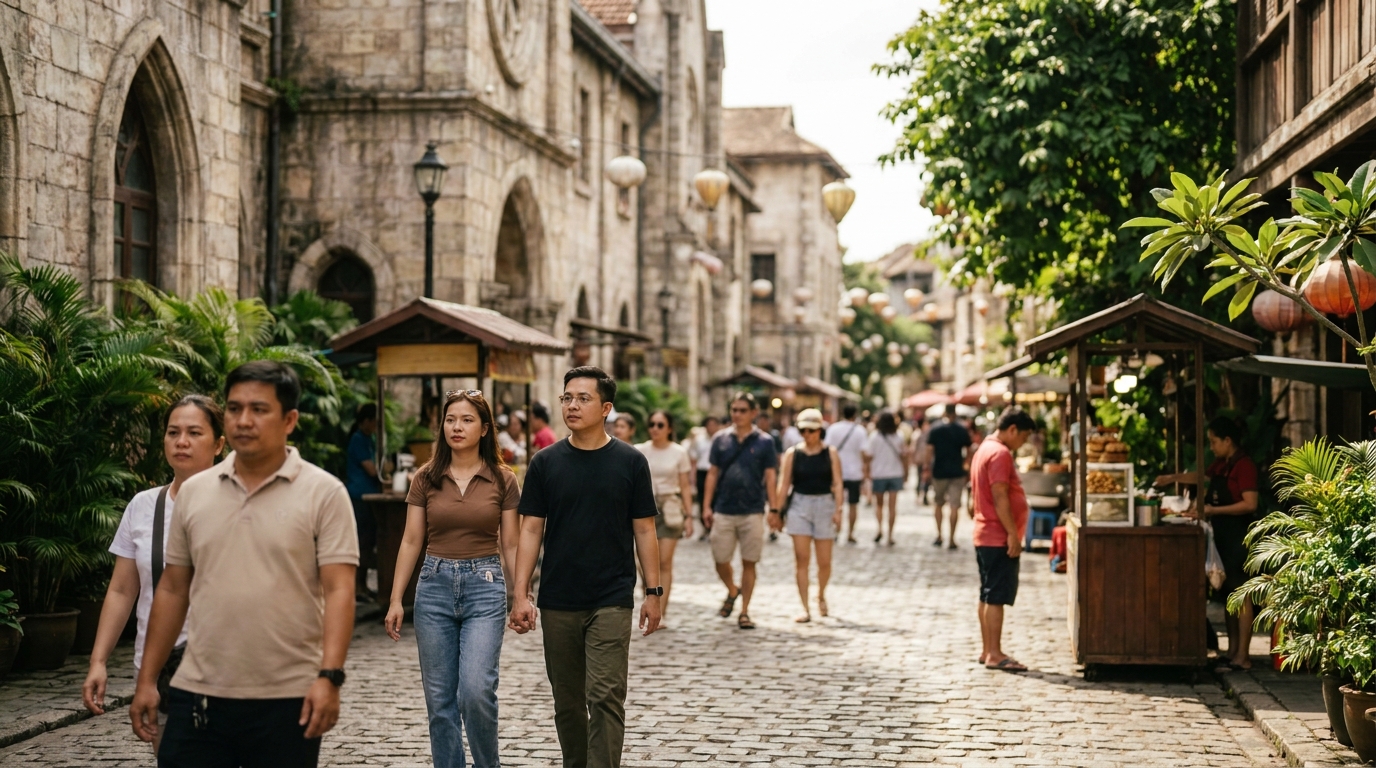
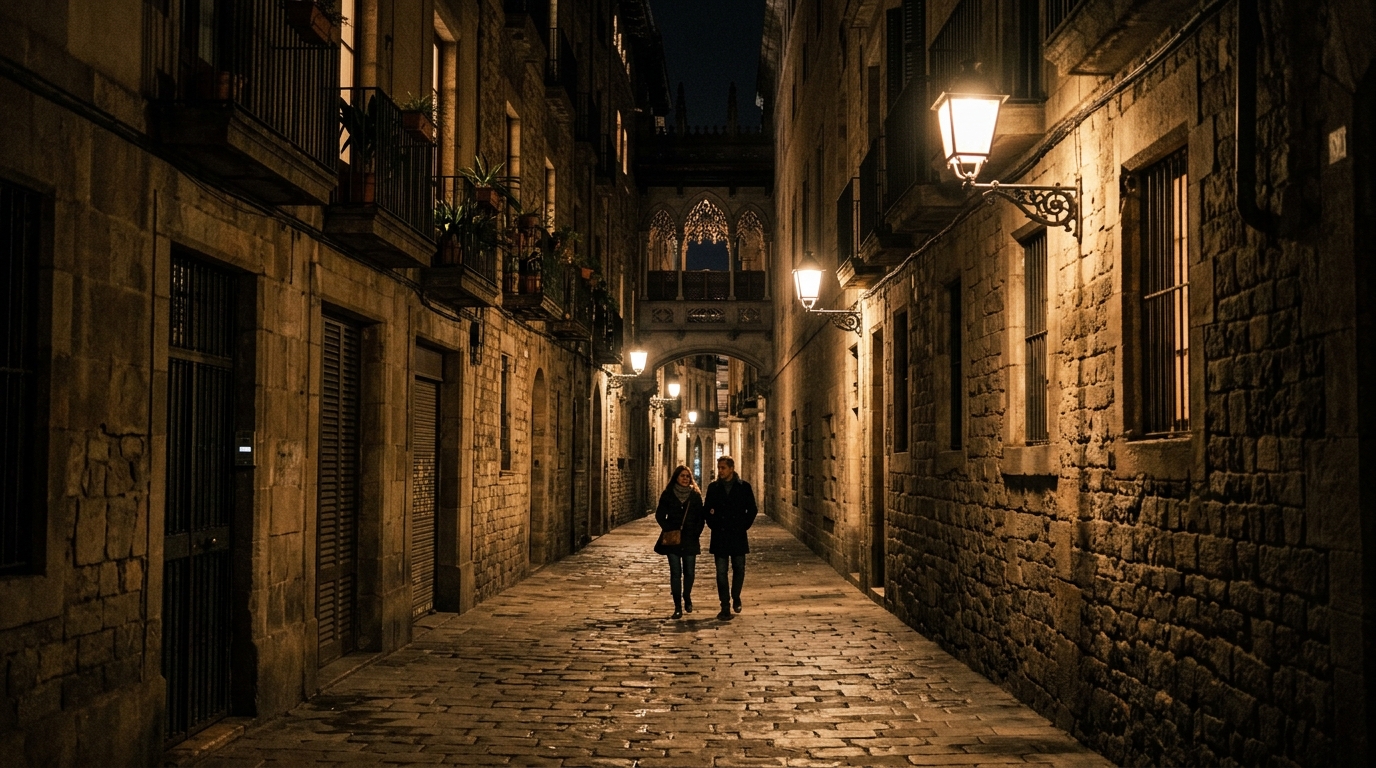
The Gothic Quarter is Europe’s best-preserved medieval city core, covering roughly 1 square kilometer of Roman walls, narrow lanes, and Gothic churches. According to Barcelona City Council records, parts of the quarter’s street grid date to the 1st century AD (Ajuntament de Barcelona, 2023). El Born, the adjacent neighborhood, layers medieval bones with 21st-century independent shops.
4. Gothic Quarter Walking Tour
A guided Gothic Quarter walking tour covers layers of history that you’d entirely miss wandering alone: the Roman temple hidden inside a 1960s apartment building, the medieval Jewish quarter, and the original Barceloneta harbor gate. Most tours run 2 hours and cost €15-€25 per person.
Tip: Free tours exist but run with 30-40 people, making it hard to hear the guide. Small-group paid tours (max 12 people) deliver a noticeably better experience.
5. Barcelona Cathedral (La Seu)
Type: Gothic cathedral | Free (paid cloister visits: €7) | Duration: 45-60 minutes
Barcelona Cathedral is frequently overshadowed by Sagrada Familia. That’s a mistake. Construction ran from 1298 to 1450, and the cloister houses a small flock of 13 geese — a tradition dating to the 14th century, representing the age of Saint Eulalia at her martyrdom. The rooftop lift (€3.50) gives close-up views of the gargoyles and a genuine city panorama.
6. Picasso Museum
Type: Art museum | €14 general admission, free first Sunday of each month | Duration: 1.5-2 hours
The Picasso Museum holds 4,251 works, the largest collection of Picasso’s early work anywhere in the world (Museu Picasso Barcelona, 2024). The first galleries document his teenage years in Barcelona, where his father taught at the city’s art school. By age 14, Picasso painted at a technical level that shocked his instructors. Book timed entry online to avoid a 45-90 minute queue.
Is La Boqueria Worth Visiting in 2026?
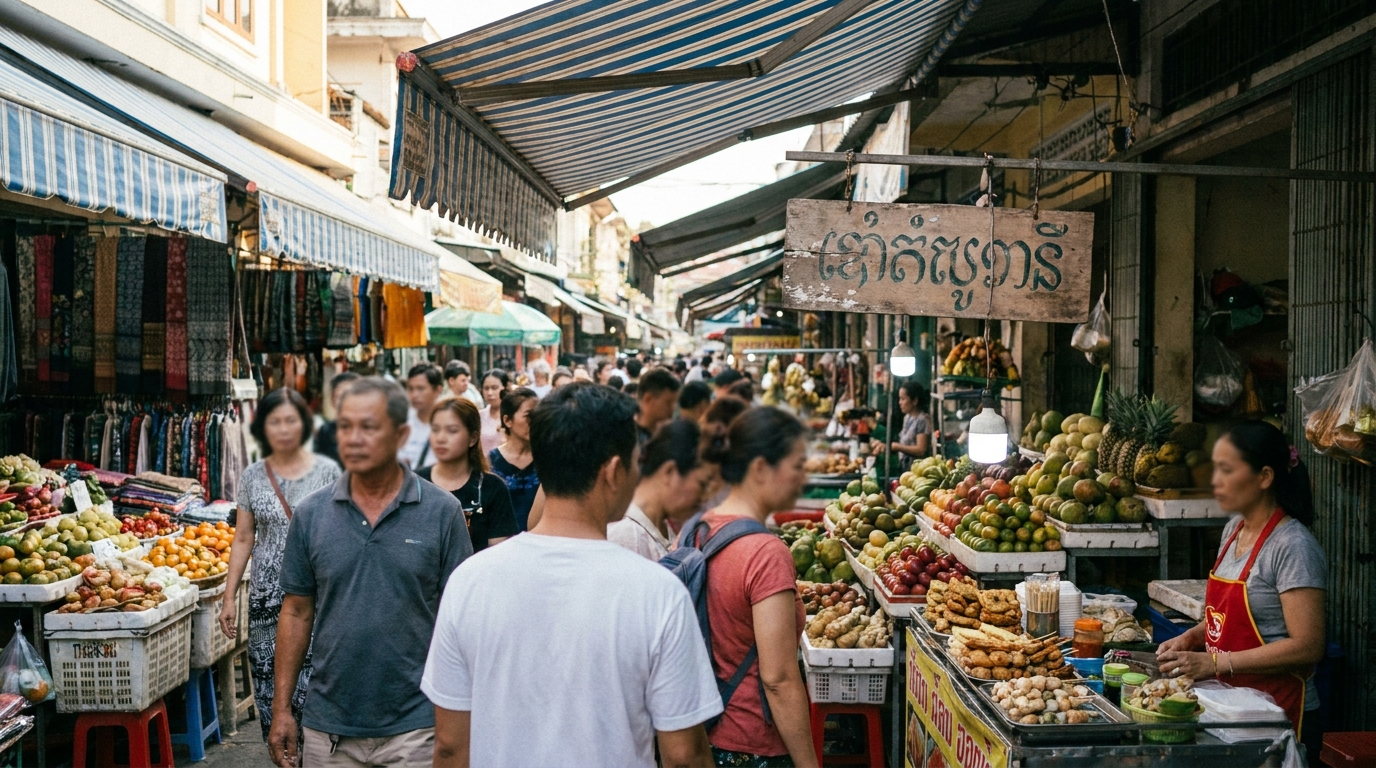
La Boqueria is worth visiting in 2026, but with realistic expectations. The market receives 50,000 visitors per day (Mercat de la Boqueria, 2024), and the stalls closest to the entrance have shifted heavily toward tourist-priced smoothies and cut fruit. The real value is in the back half, where professional chefs and locals still shop.
7. La Boqueria Market
Type: Public food market | Free entry | Best visited: 08:00-10:00 weekdays
Arrive before 10:00 on a weekday to catch the market at its most functional. The seafood counters in the rear display specimens you won’t see in most supermarkets. Bar Pinotxo, just inside the entrance on the right, is Barcelona’s most famous market bar — arrive before 09:00 to get a stool, order the chickpeas with blood sausage, and eat standing next to whoever’s there.
[UNIQUE INSIGHT] The market vendors near the entrance charge 40-60% more than identical items 50 metres deeper into the hall. A cup of freshly squeezed orange juice costs €4.50 at the front, €2.80 at a stall three rows back. Walk past the crowds before you buy anything.
8. El Born Food and Cocktail Scene
El Born has quietly become Barcelona’s best neighborhood for food and drinking. The area around Carrer del Parlament and Carrer del Rec packs wine bars, vermouth spots, and modern Catalan restaurants into a 10-minute walk. Bar Marsella, on Carrer dels Escudellers, has been open since 1820 and serves house absinthe from bottles that haven’t been moved in decades.
What Are the Best Beaches Near Barcelona?
Barcelona has 4.5 kilometers of urban beach within the city limits, a direct result of the 1992 Olympic Games redevelopment that demolished industrial waterfront facilities (Olympic Legacy Barcelona, 2023). The coastline was essentially rebuilt from scratch in under four years.
9. Barceloneta Beach
Type: Urban beach | Free | Best months: June, September (avoid August crowds)
Barceloneta is the most central beach and the most crowded. It’s clean, well-serviced, and backed by a palm-lined promenade with easy metro access (Barceloneta station). Summer weekends pack it to capacity by 11:00. Arrive before 10:00 or after 17:00, or head north along the promenade to Mar Bella (more relaxed, popular with locals) or Bogatell (calmer, fewer tourists).
10. Barceloneta Seafood Restaurants
The stretch of seafood restaurants along Barceloneta’s back streets varies wildly in quality. Reliable benchmark: look for restaurants offering “fideus” (Catalan noodle paella) alongside standard seafood. A proper paella for two with house wine runs €35-€50 at honest spots; avoid any place displaying laminated photos outside the door.
What Is There to Do on Montjuic Hill?
Montjuic rises 173 metres above the city and packs more attractions per square kilometre than any other area in Barcelona. The hill hosted the 1929 World Exposition and the 1992 Olympic Games, leaving behind a cascade of usable infrastructure (Ajuntament de Barcelona, Heritage Division, 2023).
11. Montjuic Castle
Type: Military fortress | €9 adult admission | Duration: 1-1.5 hours
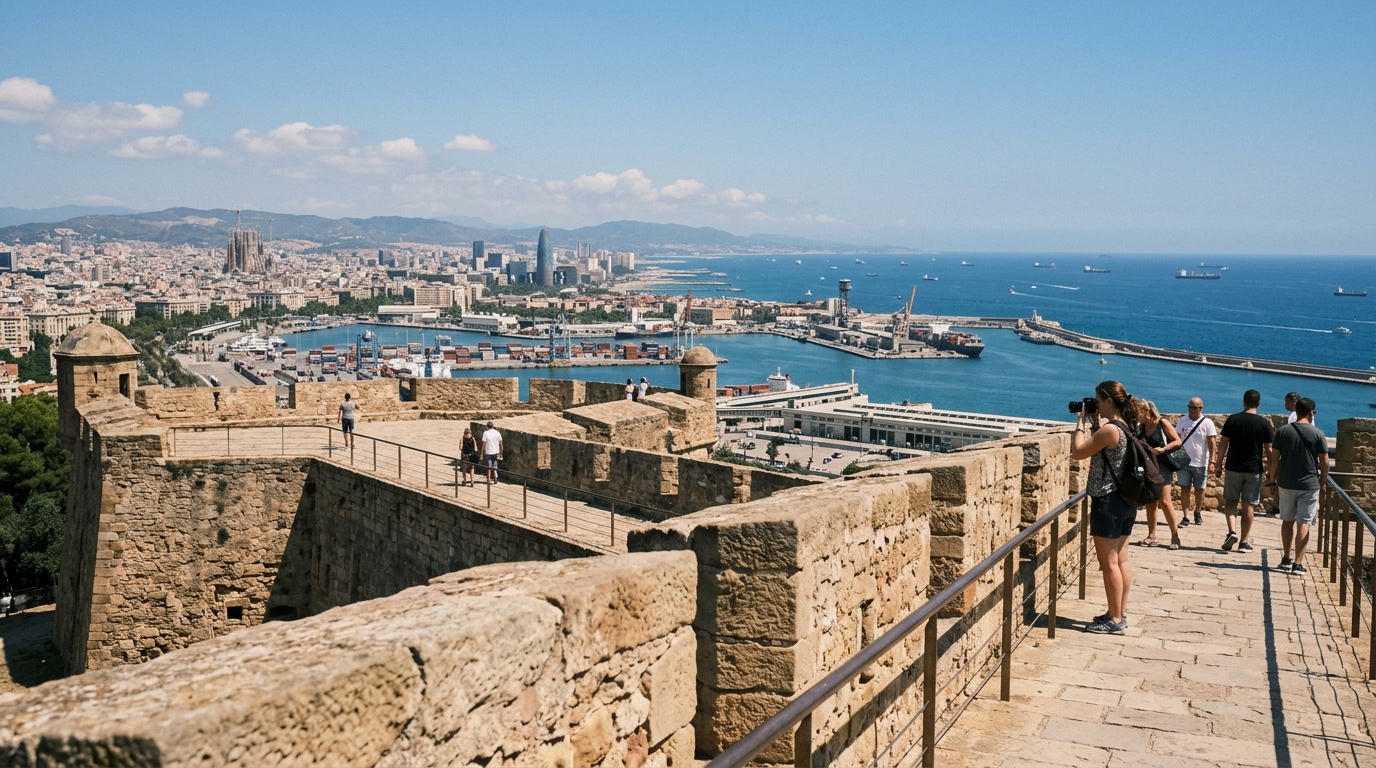
Montjuic Castle sat at the center of dark episodes in Barcelona’s history, used as a political prison well into the 20th century. Today it’s a public monument with sweeping harbor views. The castle’s most photogenic moment comes at dusk, when the port lighting creates a sharp contrast against the dark hillside.
Getting there: Cable car (Teleferic de Montjuic, €12.70 return) or city bus 150 from Placa d’Espanya. The cable car route is more scenic; take the bus on windy days.
12. Magic Fountain of Montjuic
Type: Free light and music show | Free admission | Schedule: Thursday-Sunday evenings (April-October)
The Magic Fountain show combines 2,600 water jets, 4,520 light points, and synchronized music across a 20-minute programme. It’s free and reliably impressive. The staircase leading from Avinguda de la Reina Maria Cristina up to the Palau Nacional offers a solid viewing vantage. Shows run at 20:00, 21:00, and 22:00 on active nights — check the Ajuntament website for the current schedule before visiting.
13. MNAC (National Art Museum of Catalonia)
Type: Art museum | €12 adult, free on Saturdays after 15:00 | Duration: 2-3 hours
MNAC’s permanent collection covers Romanesque art, Gothic painting, and 20th-century Catalan modernism. The Romanesque collection is the largest in the world, relocated from Pyrenean churches to prevent deterioration. The building’s oval hall — used for the 1929 exposition’s central dome — is worth entering even if you skip the galleries.
Should You Visit Camp Nou in 2026?
Camp Nou is worth visiting in 2026 specifically because the stadium is mid-renovation. FC Barcelona’s home ground is undergoing its largest-ever upgrade (the Espai Barca project), with the new Camp Nou expected to open at full capacity in 2026-2027. Visiting now gives you a rare window: the museum remains fully operational, and construction tours offer access to a stadium mid-transformation (FC Barcelona, 2025).
14. Camp Nou Stadium Tour and Museum
Type: Stadium tour | From €35 (self-guided tour + museum) | Duration: 2-2.5 hours
The Camp Nou museum holds Ballon d’Or awards, historic kits, and a floor-to-ceiling trophy display. The self-guided tour walks the press box, the dugouts, and the pitch perimeter. Weekday mornings are consistently the least crowded. Booking online saves €5-€7 versus door prices.
What Hidden Gems Do Most Tourists Miss in Barcelona?
Most Barcelona visitors follow a predictable circuit: Sagrada Familia, Gothic Quarter, La Boqueria, Barceloneta. The city rewards minor detours. According to Barcelona’s municipal tourism data, less than 8% of tourists visit the Gracia neighborhood or Poblenou despite both being within 20 minutes of the city center (Barcelona Tourism Insights Report, 2024).
15. Gracia Neighborhood
Gracia was an independent municipality until 1897. Its grid of small plazas — Placa del Sol, Placa de la Vila de Gracia, Placa de la Virreina — function as outdoor living rooms for the neighborhood. On weekday evenings, locals dominate these squares with vermouth and conversation. The area has zero major monuments and is better for it.
16. Tibidabo Amusement Park
Type: Theme park on a hillside | From €28 (limited attractions) to €35 (unlimited) | Duration: Half day
Tibidabo sits at 512 metres, the highest point in the Collserola hills. The amusement park has operated since 1901, making it one of Europe’s oldest. The Atalaya ride swings you out over Barcelona’s skyline. The funicular railway from Avinguda de Tibidabo takes 10 minutes and operates on weekends year-round.
Skip it if: You don’t enjoy classic fairground rides. The park isn’t a modern theme park; it’s a preserved historic one with charm and creaks to match.
17. El Poblenou and Rambla del Poblenou
Barcelona’s former industrial district has converted into a creative hub. The Rambla del Poblenou, a quieter tree-lined boulevard running through the neighborhood, draws almost no tourists despite being genuinely pleasant for a Sunday afternoon walk. The area clusters independent cafes, design studios, and the Palo Alto market (first weekend of each month).
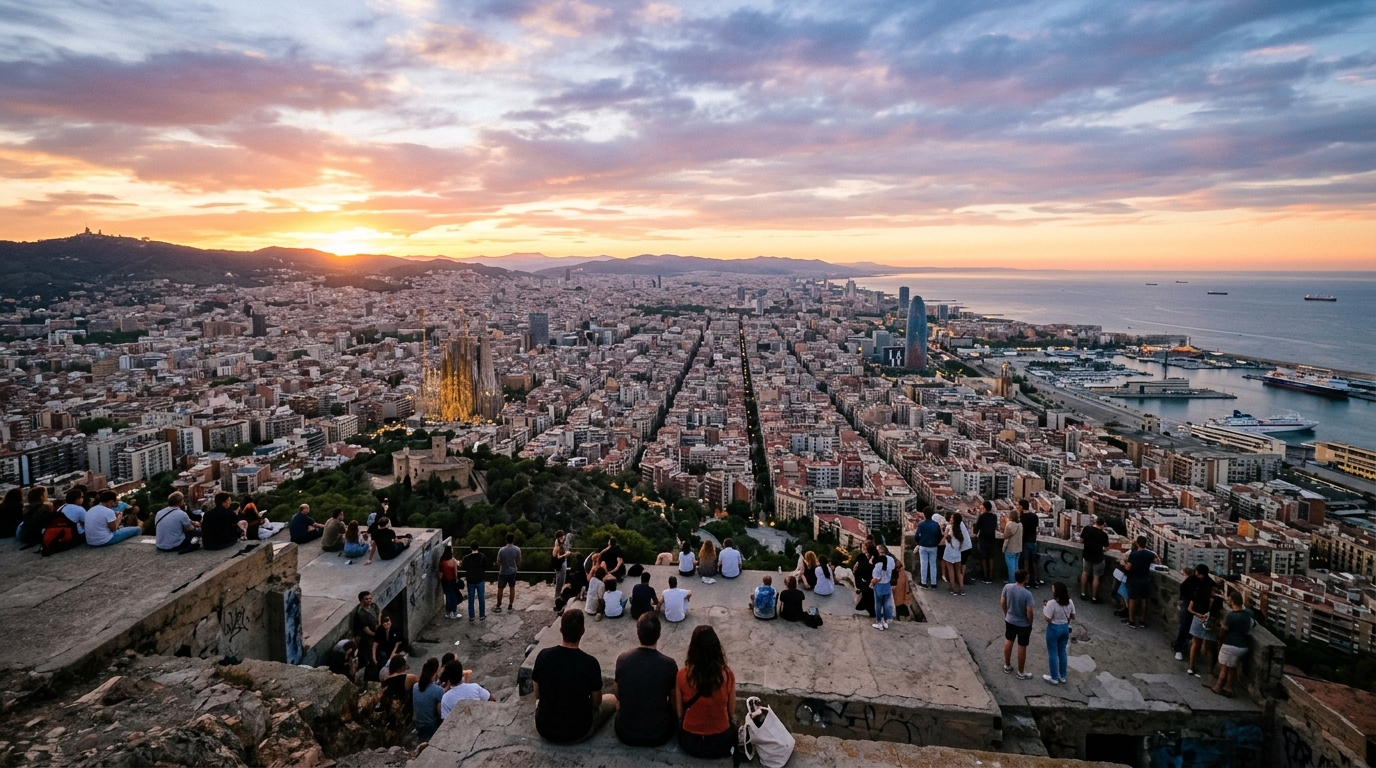
18. Bunkers del Carmel (Turó de la Rovira)
Type: Free hilltop viewpoint | Free | Best visited: Sunset (arrive 1 hour before)
The Bunkers del Carmel are anti-aircraft gun platforms from the Spanish Civil War, built in 1937. They sit at 262 metres above the city with a 360-degree view. Unlike Tibidabo or Park Guell, this viewpoint costs nothing and draws a predominantly local crowd. The climb from the nearest bus stop takes about 20 minutes on foot. Bring something to sit on and arrive 60 minutes before sunset.
What Are the Best Barcelona Food Tours and Experiences?
Barcelona’s food scene generates significant economic weight: the city hosts over 7,500 restaurants, 43 Michelin-starred among them (Michelin Guide Spain 2026, 2026). But the most memorable food experiences in Barcelona aren’t in Michelin rooms. They’re in market bars, vermouth spots, and traditional tapas circuits.
19. Tapas and Wine Tour in El Born or Gracia
A guided tapas tour in El Born or Gracia covers 4-6 stops over 3 hours, combining history with eating. Expect patatas bravas, pan con tomate, jamón, croquetas, anchovies from L’Escala, and at least two pours of cava or local wine. Guided tours average €65-€85 per person and include everything.
Why guided over self-navigating: A guide steers you away from tourist traps and gets you table-skipping reservations that walk-ins can’t access.
20. Flamenco Show in Barcelona
Flamenco is not Catalan — it’s Andalusian. Barcelona’s Catalans will remind you of this. That said, the city hosts strong flamenco performances because it has a large Andalusian community and the tourist demand to support full-time shows. El Tablao de Carmen at Poble Espanyol runs nightly shows from €45 (show only) to €85 (show plus dinner). The venue is purpose-built for flamenco performance with sight lines from every seat.
What Are the Best Day Trips from Barcelona?
Barcelona sits at the center of a tight cluster of day-trip destinations. Montserrat is 1 hour away by train, Sitges is 35 minutes, and the Penedes wine region is accessible in under an hour (Renfe Spanish Rail, 2025).
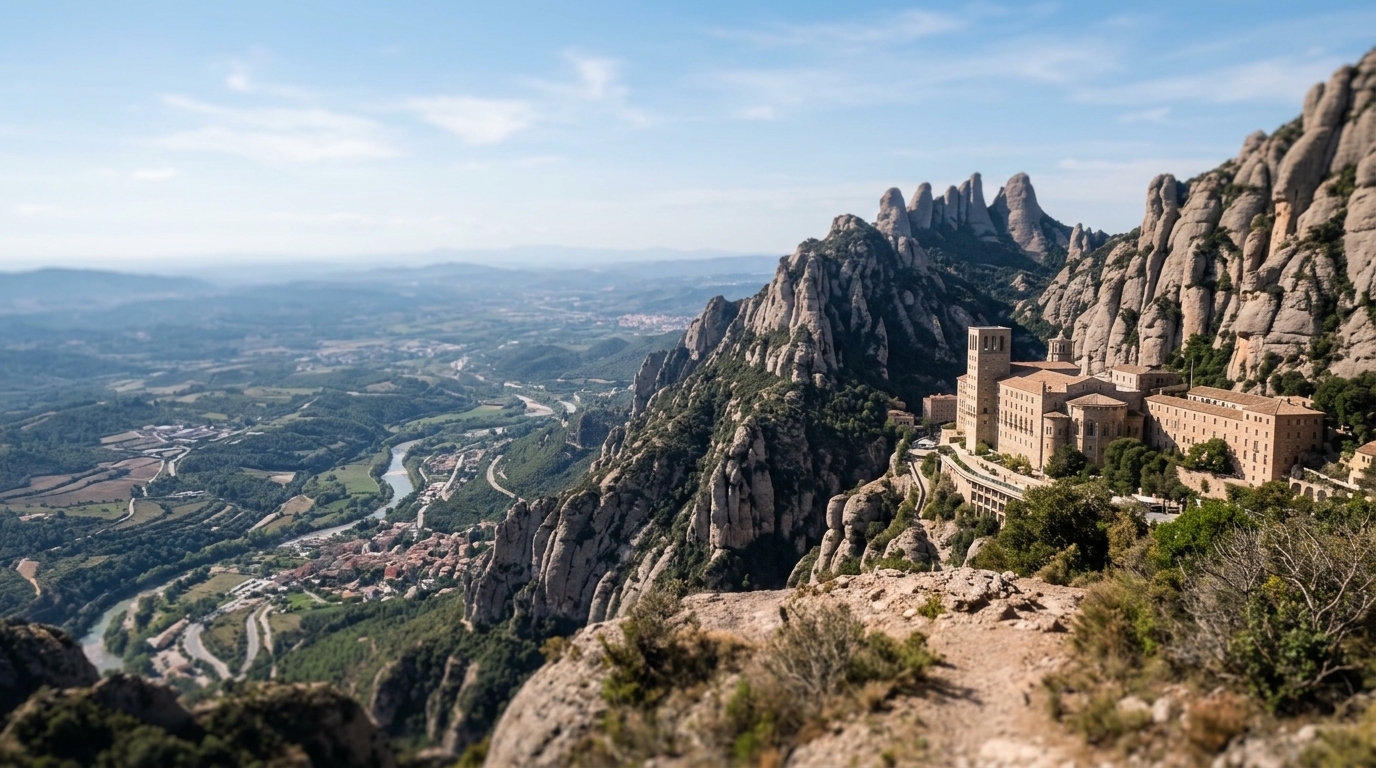
21. Montserrat Mountain and Monastery
Type: Mountain monastery | Train + rack railway from €27 round trip | Duration: Full day
Montserrat is the most popular day trip from Barcelona, a jagged mountain range rising 1,236 metres above the plains. The Benedictine monastery sits halfway up and houses La Moreneta (the Black Madonna), Catalonia’s patron saint. The Sant Joan trail from the upper cable car station takes 45 minutes and rewards with views that stretch to the sea on clear days.
22. Sitges Beach Town
Type: Coastal day trip | 35 minutes from Barcelona Passeig de Gracia by train | Duration: Half to full day
Sitges has 17 beaches, a well-preserved historic center, and a significantly more relaxed atmosphere than Barceloneta. The train from Barcelona runs every 30 minutes and costs €4.60 each way. The town’s old quarter clusters white-painted houses around the church of Sant Bartomeu i Santa Tecla, perched on a headland above the sea.
23. Penedes Wine Region and Vineyards
Type: Wine region tour | Half day (guided) or full day (self-drive) | From €55 guided
The Penedes region produces the majority of Spain’s cava, the sparkling wine that competes directly with Champagne in most European markets. Freixenet and Codorniu both operate tours from their production facilities. A guided wine tour from Barcelona typically covers two wineries, a tasting of 4-6 wines, and lunch — making it a complete half-day without requiring a rental car.
How to Get Around Barcelona Efficiently
Barcelona’s metro system covers 12 lines and 165 stations (Transports Metropolitans de Barcelona, 2025). A 10-trip T-Casual metro card costs €12.15 and covers all central zones. Most major attractions sit within walking distance of a metro stop.
24. Scenic Walk Along La Rambla
La Rambla is 1.2 kilometres of tree-lined pedestrian boulevard running from Placa de Catalunya to the Columbus monument. It’s touristy and well-known for pickpockets — keep bags zipped and in front of you. The real value is as a spine connecting neighborhoods: start at Placa de Catalunya, detour into the Gothic Quarter from any left-turn alley, re-emerge at the port.
Practical warning: The “shell game” street scam and free bracelet trick both operate on La Rambla. Walk with awareness, not anxiety.
25. Barcelona by Bicycle
Barcelona has 230 kilometres of bike lanes, including a dedicated network connecting the beach to Gracia and the Eixample grid (Barcelona City Cycling Plan, Ajuntament, 2024). Rental bikes start at €5/hour from shops near Barceloneta. The seafront route from Barceloneta to Forum park (5.5 km, flat, car-free) is the easiest and most rewarding urban cycle in the city.
Quick-Reference Ticket Price Table (2026)
| Attraction | Adult Price | Best Booking |
|---|---|---|
| Sagrada Familia (basic) | €26 | GetYourGuide / Official site |
| Sagrada Familia + towers | €32 | GetYourGuide / Official site |
| Park Guell monumental zone | €10 | Official site (timed entry) |
| Casa Batllo | From €35 | GetYourGuide |
| Casa Mila (La Pedrera) | From €28 | GetYourGuide |
| Picasso Museum | €14 | GetYourGuide / Museum site |
| Camp Nou tour + museum | From €35 | GetYourGuide |
| MNAC | €12 | Museum site |
| Montjuic Castle | €9 | On site |
| Tibidabo | €28-€35 | On site |
| Gothic Quarter guided tour | €15-€25 | GetYourGuide |
| Tapas tour | €65-€85 | GetYourGuide |
| Flamenco show | From €45 | GetYourGuide |
| Montserrat day trip (train+rack) | From €27 | Renfe / GetYourGuide |
[CHART: Bar chart – Barcelona Top Attraction Ticket Prices in Euros 2026 – data from official venue sources listed in table above]
Related guide: 20 Best Things to Do in Dubai 2026: Complete Activity Guide
Frequently Asked Questions
How many days do you need in Barcelona?
Three days covers the major Gaudi sites, Gothic Quarter, La Boqueria, and one beach afternoon comfortably. Five days adds Montserrat, a proper food tour, Poblenou exploration, and Camp Nou. Ten days allows a relaxed pace with day trips to Sitges and Penedes. Most first-timers underestimate the city and wish they’d booked an extra night.
When is the best time to visit Barcelona for good weather and smaller crowds?
May, June, and September offer the best balance. Average temperatures stay 22-27 degrees Celsius, daylight runs 13-14 hours, and the summer school holiday crowds haven’t fully peaked (Spain Meteorological Agency (AEMET), 2024). July and August are the hottest and most crowded months, with Sagrada Familia queues frequently exceeding 3 hours for walk-up visitors. February and March bring fewer tourists and cooler but very pleasant weather for walking.
Is Barcelona safe for tourists in 2026?
Barcelona is broadly safe but has one of Europe’s highest pickpocket rates, concentrated on La Rambla, the Metro’s L3 line, and La Boqueria. The Spanish National Police report Barcelona as Spain’s pickpocket capital, with over 15,000 incidents recorded annually (Spanish Ministry of Interior, 2023). Use a crossbody bag, keep your phone in a front pocket, and don’t leave items on cafe tables. Violent crime against tourists is rare.
Do you need to book Barcelona attractions in advance?
Yes, for Sagrada Familia and Park Guell. Both operate at strict capacity limits and sell out weeks ahead in summer. Picasso Museum and Camp Nou sell out less reliably but booking online saves 45-90 minutes of queuing. Everything else — Gothic Quarter churches, beaches, Montjuic, La Rambla — requires no advance booking.
How much does a day of activities cost in Barcelona?
A full activity day costs roughly €50-€80 per person for paid attractions. Sagrada Familia (€26) plus a guided Gothic Quarter tour (€20) plus La Boqueria snacking (€15) plus metro transport (€2.50) comes to about €64. Free days using bunkers, beaches, and neighborhood walking cost almost nothing. Budget travelers can stretch 2-3 days of activities for under €100 total by mixing paid Gaudi sites with free viewpoints and markets.
Final Thoughts
Barcelona earns its reputation. The best things to do in Barcelona in 2026 span one of Europe’s densest concentrations of landmark architecture, beaches you can actually swim from, a food scene that rewards curiosity, and a surrounding region worth at least one day trip. The practical foundation is simple: book Sagrada Familia and Park Guell before you arrive, carry a front-pocket bag on La Rambla, and leave room in your itinerary for the neighborhoods that didn’t make this list. They’ll turn up on their own.
For where to sleep while you’re working through this list, check prices on Booking.com — the Eixample and El Born neighborhoods put you within walking distance of the majority of activities above.
Explore more destination guides across the continent in our Europe travel tips section.