
Disclosure: Some links in this guide are affiliate links. If you book or buy through them, we may earn a small commission at no extra cost to you — it helps keep our guides free.
Ultimate Cancun Travel Guide 2026: Costs, Hotels, Beaches & Tips
Cancun gives you turquoise Caribbean water, Maya ruins, and direct flights from most major US and UK hubs, all in one trip. We’ve pulled together real 2026 prices, the best neighborhoods to stay in, and the day trips worth your time. By the end, you’ll know exactly what to book and roughly what it’ll cost.
Key Takeaways
– Quintana Roo (Cancun’s state) welcomed more than 32 million visitors in 2024, its busiest year on record (Sectur, 2024).
– A mid-range week in Cancun runs about $1,400-$2,200 per person, flights included, for US travelers (TravelTipNow estimate, 2026).
– The dry season runs December through April, with March averaging just 2 rainy days (Conagua, 2024).
– Cancun International (CUN) handled over 32 million passengers in 2024, making it Mexico’s second-busiest airport (Grupo Aeroportuario del Sureste, 2024).
– Sargassum seaweed peaks May through August; the Hotel Zone’s north-facing beaches stay clearest.
Is Cancun Worth Visiting in 2026?
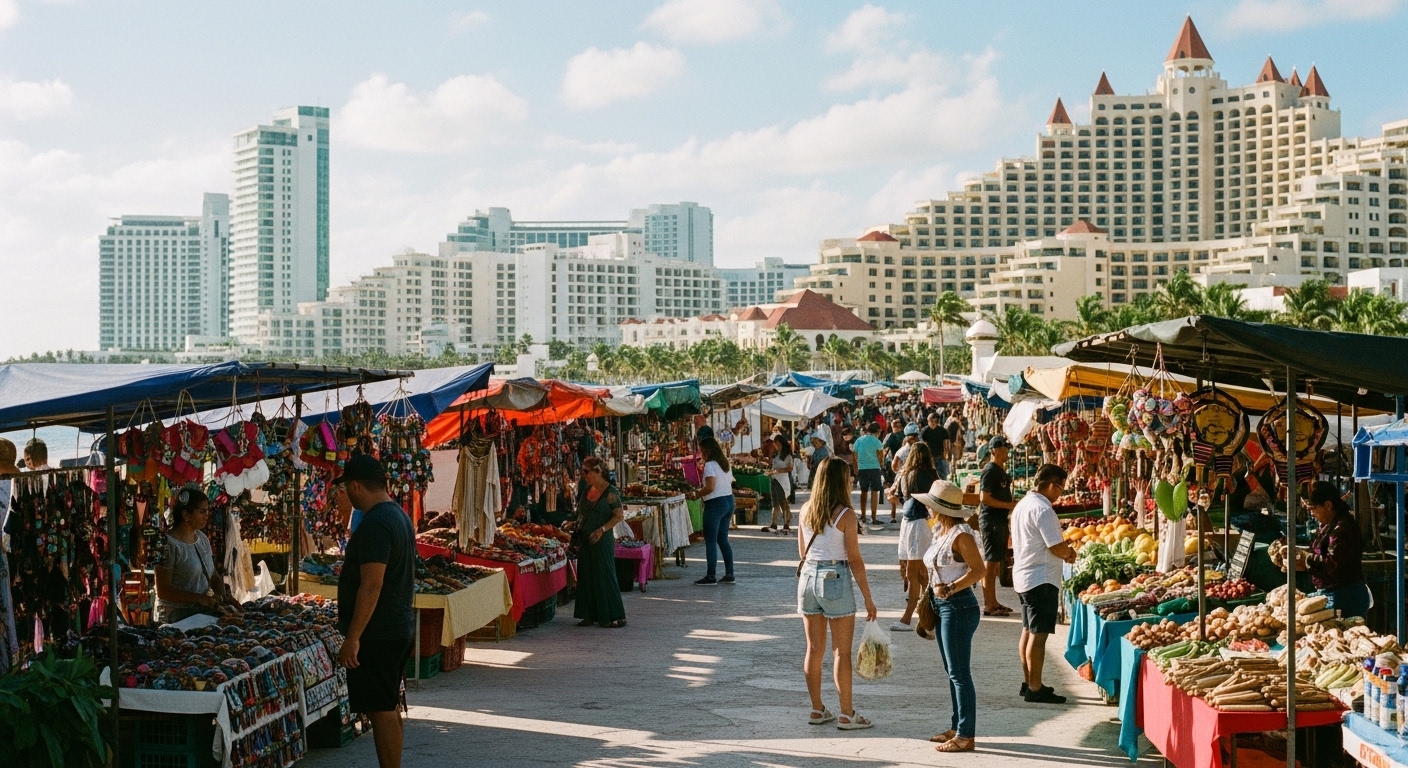
Yes, Cancun’s worth it if you want reliable Caribbean weather, easy logistics, and a base for exploring the Yucatan. It’s not a quiet escape, the Hotel Zone is built for tourism, but that’s also why everything’s easy. Flights are cheap, English is widely spoken, and you can be on a beach two hours after landing.
What’s changed for 2026 is the spread of options. You’re no longer stuck choosing between a mega all-inclusive and nothing. Boutique hotels in downtown Cancun, eco-stays near Puerto Morelos, and apartment rentals all give you alternatives. We’ll break down where to stay below, but the short version: Cancun rewards travelers who plan a few day trips and don’t spend the whole week behind a resort wristband.
The crowds are real, though. Spring break (March) and the December holidays push prices up 40-60% and fill the beaches. If you can travel in May, June, or November, you’ll get better rates and more room to breathe. Check current hotel availability on Check live hotel prices before you lock in dates, since prices shift week to week.
Here’s our honest take after several trips: Cancun works best when you treat the resort as a base, not the whole holiday. The Hotel Zone delivers the postcard beaches and easy comfort, but the Yucatan’s real character lives in the inland towns, the cenotes, and the food downtown. Travelers who never leave the resort often come home saying Cancun felt generic. Those who book two or three day trips and eat downtown a few nights come home raving. Plan for the second kind of trip and you’ll get far more for your money.
When Is the Best Time to Visit Cancun?

The best time to visit Cancun is December through April, the dry season, when humidity drops and rain’s rare. March averages just 2 rainy days and daytime highs near 84F (Conagua, 2024). The tradeoff is peak pricing and crowds, especially around spring break and the holidays.
If you want the sweet spot, target late April, May, or November. The weather’s still excellent, prices fall, and the worst of the seaweed season hasn’t fully hit. Here’s how the year shapes up.
| Season | Months | Weather | Crowds | Avg Hotel/Night |
|---|---|---|---|---|
| Peak Dry | Dec-Mar | Sunny, low humidity | Very high | $220-$400 |
| Shoulder | Apr-May, Nov | Warm, mostly dry | Moderate | $150-$260 |
| Wet/Hurricane | Jun-Oct | Hot, afternoon storms | Low-moderate | $110-$200 |
Hurricane season officially runs June through November, but direct hits on Cancun are uncommon. Most “rainy season” days mean a heavy afternoon downpour, then clear skies again. We think the discounts in early November make the small weather risk worth it. For a month-by-month breakdown, see our best-time-to-visit-cancun guide.
A quick note on the specific months. December through mid-April is the most reliable for sun, but March overlaps with US spring break and the Easter holidays, when the party crowd peaks and prices hit their ceiling. January and early February give you the same great weather with fewer college crowds. September and October are the wettest and carry the highest storm odds, but they’re also the cheapest, sometimes half the peak rate, so if you’re flexible and book refundable rates, the low season is a genuine bargain. We’d just buy travel insurance to cover any weather disruption.
How Much Does a Cancun Trip Cost in 2026?
A week in Cancun costs most US travelers $1,400-$2,200 per person, including flights, mid-range lodging, food, and a couple of tours (TravelTipNow estimate, 2026). Budget travelers staying downtown can do it for under $1,000; all-inclusive resort weeks push past $3,000 in peak season.
The biggest variables are your hotel choice and travel dates. An all-inclusive bundles food and drinks, which simplifies budgeting but locks you into resort dining. Staying downtown and eating at local spots can cut your daily food cost from $80 to $25. Here’s a realistic daily breakdown for a mid-range trip.
| Expense | Budget | Mid-Range | Comfort |
|---|---|---|---|
| Lodging (per night) | $45 | $180 | $350+ |
| Food (per day) | $25 | $55 | $110 |
| Local transit (per day) | $4 | $15 | $40 (taxi) |
| One tour/activity | $40 | $90 | $160 |
| Round-trip flight (US) | $280 | $420 | $650 |
Tipping matters here. Mexico runs on tips, and resort staff, guides, and drivers expect 10-15%. Budget an extra $10-$20 a day for it. ATM withdrawals in pesos beat the terrible airport exchange rates, and most places take cards. For a deeper dive on saving money, our cancun-budget-guide post covers free beaches and cheap eats.
A few costs catch first-timers off guard. Mexico charges a state tourism tax (Visitax) of around $15 per traveler, payable online before you fly home, and most resorts add a separate per-night sustainability fee of $1-$4. All-inclusive day passes, if you stay off-resort but want a beach club, run $60-$120. And airport taxis cost far more than you’d expect, so we always pre-arrange transport. Build a $50-$80 buffer per person into your budget for these extras so nothing blows your plan.
Find your Cancun hotel on the map
Live prices from Booking & Airbnb — tap a pin to compare stays around the Hotel Zone and beyond.
Where Should You Stay in Cancun?
Stay in the Hotel Zone (Zona Hotelera) if you want beachfront resorts and nightlife, or downtown (El Centro) if you want lower prices and real Mexican food. The Hotel Zone is a 14-mile barrier island packed with hotels; downtown is the working city where locals live, about 20 minutes by bus.
Each area suits a different trip. We’ve stayed in both and recommend the Hotel Zone for first-timers who want the classic beach holiday, and downtown for repeat visitors or anyone watching their budget. Here’s how the main areas compare.
| Area | Best For | Vibe | Avg Hotel/Night |
|---|---|---|---|
| Hotel Zone (north) | Calm beaches, families | Resort, calm water | $200-$380 |
| Hotel Zone (south) | Nightlife, young crowds | Lively, party | $180-$350 |
| Downtown (El Centro) | Budget, local food | Authentic, urban | $50-$120 |
| Puerto Morelos | Quiet, snorkeling | Laid-back fishing town | $90-$200 |
The north end of the Hotel Zone (near Playa Linda and Playa Caracol) has calmer, shallower water that’s great for kids. The south end near the party strip gets loud at night. If you want quiet without sacrificing the beach, look at Puerto Morelos, a 30-minute drive south, where the reef sits close to shore. Compare rooms and read recent reviews on Check live hotel prices before booking. We go deeper in our cancun-where-to-stay guide.
When you book, check the hotel’s exact Hotel Zone kilometer marker (Km 1 starts near downtown, Km 20+ sits at the far south). Lower numbers put you closer to the city and the calm lagoon side; higher numbers near Km 9-14 land you on the wide open beaches with the best sand. Read recent reviews specifically for sargassum and beach maintenance, since a great room means little if the beach out front is buried. And if you want a kitchen and more space for a family or group, downtown apartment rentals often beat resort rates by a wide margin, you just trade beachfront for a short bus ride.
What Are the Best Things to Do in Cancun?
The best things to do in Cancun mix beach time with Maya history and natural swimming spots. Top picks are Chichen Itza (a UNESCO World Heritage site), the cenotes near Valladolid, snorkeling the Mesoamerican Reef, and the Isla Mujeres day ferry. Most are bookable as guided tours with hotel pickup.
You don’t need to fill every day. We’d plan two or three structured activities across a week and leave the rest for the beach. Here’s what’s worth your money in 2026.
- Chichen Itza day tour ($85-$130): The most famous Maya site, about 2.5 hours inland. Go early to beat heat and crowds.
- Cenote swimming ($30-$70): Freshwater sinkholes in the jungle. Ik Kil and the Cenote Suytun near Valladolid are the photogenic ones.
- Isla Mujeres ferry day ($20 ferry + rentals): A small island with golf-cart roads and Playa Norte, one of the region’s calmest beaches.
- Mesoamerican Reef snorkeling ($45-$90): The world’s second-largest barrier reef sits right offshore.
- Tulum ruins ($60-$110): Clifftop Maya ruins overlooking the Caribbean, about 2 hours south.
Booking ahead saves time and often money. We use GetYourGuide and our live travel map to compare tour operators, check cancellation policies, and read verified reviews. For more options, see our things-to-do-in-cancun roundup.
Beyond the big-ticket tours, Cancun rewards slower mornings too. The Museo Maya de Cancun in the Hotel Zone holds artifacts from across the Yucatan and sits next to the small San Miguelito ruins, a quiet alternative to the inland sites for about $5 entry. The Underwater Museum (MUSA) near Isla Mujeres displays more than 500 submerged sculptures you can snorkel or dive, with operators charging $50-$95 for a guided trip. And if you’re traveling with kids, the eco-parks Xcaret and Xel-Ha bundle swimming, wildlife, and shows into a full day, though tickets run $120-$170 per adult and sell out in peak weeks.
What Are the Best Beaches in Cancun?
Cancun’s best public beaches sit along the Hotel Zone’s barrier island, and they’re free to access by law even where resorts front them. Playa Delfines (Km 17.5) is the widest and most photogenic, with the famous “Cancun” sign and no resort blocking the view. Playa Norte on Isla Mujeres consistently ranks among the Caribbean’s calmest swimming beaches.
Every beach in Mexico is public up to the high-tide line, so you can walk past a resort to reach the sand, though you can’t use their loungers. For families, the north-end beaches near Playa Caracol have the gentlest water. For swimming and sunbathing without the resort crowds, Playa Delfines has public parking, restrooms, and lifeguards.
| Beach | Location | Best For | Water |
|---|---|---|---|
| Playa Delfines | Hotel Zone Km 17.5 | Photos, public access | Open, some surf |
| Playa Caracol | Hotel Zone north | Families, calm swimming | Shallow, calm |
| Playa Norte | Isla Mujeres | Swimming, day trips | Very calm, clear |
| Playa Tortugas | Hotel Zone Km 6.5 | Watersports, ferries | Calm |
Bring your own shade and water to the public beaches, since vendor prices are steep. Lifeguards fly colored warning flags, green and yellow mean swim with normal care, red means dangerous currents, and black means closed. We always check the flag before getting in, especially at the more open south-end beaches where rip currents form.
What Should You Eat in Cancun?
Skip the resort buffet at least a few times and eat where locals do. Cancun’s downtown taquerias, Yucatecan kitchens, and seafood spots serve far better food than most Hotel Zone restaurants at a quarter of the price. Try cochinita pibil (slow-roasted pork), panuchos, and fresh ceviche, the regional specialties you won’t find done as well back home.
A taco at a downtown stand costs $1-$2; a sit-down meal at a local restaurant runs $8-$15 a head. Compare that to $30-$50 per person inside the Hotel Zone. Markets like Mercado 28 and Mercado 23 mix souvenirs with cheap, authentic food courts where you point at what looks good. For a splurge, the Hotel Zone has strong seafood and steakhouse options, just expect US-level prices.
If you’re nervous about street food, look for busy stalls with high turnover, which signals freshness. Stick to bottled drinks, peel your own fruit, and you’ll likely be fine. The food is one of the best reasons to base downtown for part of your trip rather than staying behind a resort wristband the whole time.
How Do You Get From the Airport to Your Hotel?
Cancun airport (CUN) sits about 30 minutes south of the Hotel Zone, and you’ve got four main ways into town. Pre-booked private transfers ($45-$75 round trip) are the easiest. The ADO bus to downtown costs about $6 and is the cheapest reliable option. Avoid the aggressive timeshare touts in the arrivals hall.
Authorized taxis from the airport run $50-$70 one way to the Hotel Zone, more than a private transfer, because airport taxi rates are fixed and high. Uber operates in Cancun but has had friction with airport taxi unions, so pickups from CUN can be unreliable. Many travelers find a pre-booked shuttle or transfer the least stressful, since the driver waits in arrivals with your name.
Whatever you choose, ignore anyone offering “free transport” or “free breakfast” in exchange for a quick presentation, that’s a timeshare pitch that eats half a day. Walk straight past the booths to the official transport desks outside. If you’ve rented a car, the agency desks are in the terminal, but confirm the insurance details before driving off.
How Do You Get Around Cancun?
Getting around Cancun is easy and cheap. The R-1 and R-2 city buses run the length of the Hotel Zone and into downtown for about 12 pesos (under $1) per ride. Taxis and Uber cover everything else, and renting a car makes sense only if you plan several day trips.
For most resort-based trips, you won’t need a car at all. The buses run every few minutes from early morning until late, and they’re how locals and savvy travelers move around. Always confirm taxi fares before getting in, since meters aren’t standard. Here’s a quick comparison.
| Option | Typical Cost | Best For |
|---|---|---|
| City bus (R-1/R-2) | ~$0.70/ride | Hotel Zone, downtown |
| Uber | $6-$18/trip | Quick, fixed-price hops |
| Taxi | $10-$25/trip | Late nights (agree fare first) |
| Rental car | $30-$55/day | Tulum, cenotes, Valladolid |
If you want to explore the wider Yucatan at your own pace, a rental car pays off. The toll highway to Chichen Itza and Valladolid is well maintained and easy to drive. We compare rates and insurance across local and international agencies on our live travel map to avoid the airport markups. Just budget for the mandatory Mexican liability insurance, which isn’t always shown in the headline price.
One warning on driving: rental agencies in Cancun are known for pushing pricey insurance add-ons at the counter, and the headline daily rate can triple once they’re done. Read the policy terms when you book, bring proof of any coverage your credit card provides, and decline extras you don’t need. Outside the city, drive in daylight, watch for unmarked speed bumps (topes) in small towns, and keep cash for the highway tolls. Parking at the major ruins and cenotes is cheap or free.
Is Cancun Safe for Tourists?
Cancun’s tourist areas are generally safe, and the Hotel Zone is heavily policed. The US State Department keeps Quintana Roo at a Level 2 “exercise increased caution” advisory, the same as many European countries (US Department of State, 2025). Violent crime rarely touches the tourist corridor, but petty theft and scams happen.
Use the same common sense you would in any busy destination. Stick to licensed taxis or Uber at night, don’t flash valuables on the beach, and only drink at reputable bars. Watch for timeshare pitches disguised as “free tours” at the airport and resorts. The most common real risks are sunburn, dehydration, and rip currents, not crime, so heed the colored beach warning flags. Red means stay out of the water.
For solo travelers and families alike, Cancun ranks as one of Mexico’s safer beach destinations. Keep your passport in the hotel safe, carry a copy, and you’ll be fine.
A few scams crop up often enough to flag. Watch for “broken” rental scooters or jet skis where the operator claims you damaged them and demands cash, only rent from established shops with written contracts. ATM skimming happens, so use machines inside banks rather than freestanding ones on the street. And the timeshare pitch is relentless: anyone offering free tours, breakfast, or discount tickets at the airport or resort lobby wants 90 minutes of your time and a hard sell. A polite, firm “no, thank you” and walking on is all it takes.
What About Sargassum Seaweed?
Sargassum is brown seaweed that washes onto Cancun’s beaches, mainly from May through August. It’s a natural phenomenon, not pollution, but heavy blooms can smell and make swimming unpleasant. Cancun’s north-facing Hotel Zone beaches and Isla Mujeres typically stay clearer than south-facing shores.
The amount varies year to year and even day to day with the currents. Many resorts run cleanup crews who rake the beach each morning, so larger hotels often keep their stretch usable. If a clean beach is your priority, travel December through April, when sargassum is minimal, or pick a hotel with active beach maintenance.
You can check near-real-time sargassum maps before you travel, several monitoring groups publish weekly forecasts for the Mexican Caribbean. If you arrive during a heavy bloom, the cenotes, Isla Mujeres’ Playa Norte, and resort pools are your backup plan. It’s the one thing we’d factor into timing more than weather.
What Do You Need to Pack and Plan Before You Go?
For Cancun you’ll want reef-safe sunscreen (the cenotes and reef tours require it), light breathable clothing, water shoes for rocky cenote edges, and a refillable water bottle. US, UK, Canadian, and Australian citizens don’t need a visa for tourist stays up to 180 days, just a passport valid for your trip. That covers the essentials most travelers forget.
Two practical things smooth the trip. First, sort out connectivity, US and UK roaming in Mexico can be expensive, so we load an Airalo eSIM before landing to get data the moment we clear customs, usually $5-$15 for a week’s plan. Second, photograph your passport, hotel booking, and travel insurance and store them in the cloud, so a lost document doesn’t derail you.
Travel insurance is worth it here given hurricane season and water activities. Check that your policy covers medical evacuation and adventure activities like snorkeling or zip-lining if you plan them. Pack a small first-aid kit with electrolyte tablets too, the heat and humidity dehydrate you faster than you’d expect, and that’s the most common reason travelers feel unwell. For a full checklist, see our cancun-packing-list guide.
Frequently Asked Questions
How many days do you need in Cancun?
Five to seven days is the sweet spot. That gives you three or four beach days plus two or three day trips to Chichen Itza, a cenote, and Isla Mujeres without rushing. A long weekend works for a pure beach reset, but you’ll miss the Maya sites that make the Yucatan special.
Do you need pesos in Cancun, or are dollars accepted?
Many tourist spots accept US dollars, but you’ll get a poor exchange rate. Pay in pesos wherever you can. Withdraw cash from a bank ATM (not the airport ones), use cards for hotels and tours, and keep small peso notes for tips, buses, and street food. It’ll stretch your budget noticeably.
Is Cancun’s tap water safe to drink?
No, don’t drink the tap water. Stick to bottled or filtered water, which every hotel provides and most resorts include free. Use bottled water for brushing teeth too, if you have a sensitive stomach. Ice at reputable restaurants and resorts is made from purified water and is fine.
What’s the difference between Cancun and Tulum?
Cancun is the larger, more developed resort hub with big all-inclusives, an international airport, and easy logistics. Tulum, two hours south, is smaller, more boho, and known for beach clubs and clifftop ruins. Many travelers base in Cancun and visit Tulum on a day trip rather than splitting their stay.
Can you visit Chichen Itza on your own?
Yes. You can rent a car and drive the toll road (about 2.5 hours), or take the ADO bus from downtown Cancun. A guided tour, though, handles transport, entry, and a knowledgeable guide for $85-$130, and usually adds a cenote stop. For first-timers, the tour is the easier call.
Is an all-inclusive resort worth it in Cancun?
It depends on your style. All-inclusives make sense if you want a fixed budget, plan to stay on-property, and like having food and drinks covered. They’re poor value if you want to explore downtown restaurants and take several day trips, since you’ll pay for meals you skip. We lean toward room-only stays for explorers.
When is the cheapest time to fly to Cancun?
The cheapest fares from the US and UK fall in September and early October, the heart of the low season, when round-trips can dip below $250 from US hubs. Mid-week departures and booking six to eight weeks out also cut costs. Avoid the December holidays and March spring break, when prices spike sharply.
Final Thoughts: Start Planning Your Cancun Trip
Cancun earns its popularity, easy flights, dependable Caribbean weather, and a base for some of Mexico’s best ruins and swimming spots. Plan a five-to-seven-day trip, mix beach days with two or three day trips, and time your visit for the shoulder season if you can. You’ll get the good weather without the peak crowds or prices.
Ready to book? If you’re planning day trips beyond the Hotel Zone, grab a rental on our live travel map. For more Yucatan planning, browse our cancun-itinerary and tulum-travel-guide guides next.