Is Tulum Worth Visiting? An Honest Answer (2026)
Disclosure: Some links in this guide are affiliate links. If you book or buy through them, we may earn a small commission at no extra cost to you — it helps keep our guides free.
- Worth 3 to 5 days for Mayan ruins, swimmable cenotes and a Caribbean beach close together.
- The 2026 ruins fee dropped to MXN 265 for foreigners.
- Not worth it if you expect cheap Mexico, quiet roads or guaranteed clear water in summer.
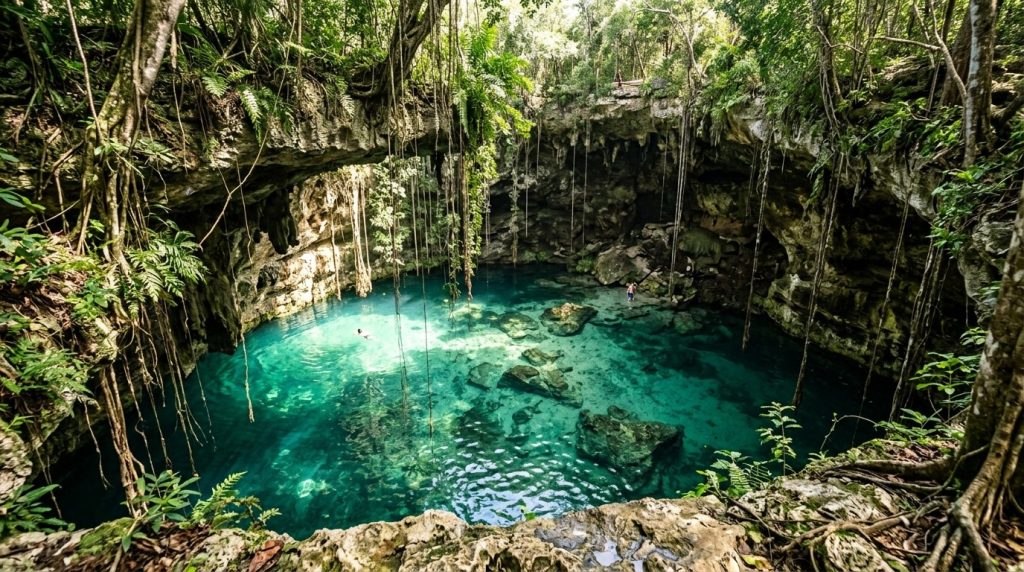
Yes, Tulum is worth visiting for 3 to 5 days if you want Mayan ruins, swimmable cenotes and a Caribbean beach within a short drive of each other, and the 2026 ruins fee dropped to MXN 265 for foreigners. It is not worth it if you expect cheap Mexico, quiet roads or guaranteed clear water in summer.
Come in the dry season, stay in town or the beach zone that fits your budget, and plan your days around the sights, not the beach clubs.
| Question | Short answer | What to do |
|---|---|---|
| Worth it for first-timers? | Yes, for 3–5 days | Pair the ruins and cenotes with 1–2 day trips |
| Cheap? | No, pricier than most of Mexico | Sleep in town, eat at taquerias |
| Best months | November–April | Avoid June–August if beach time matters |
| Safe? | Quintana Roo is Level 2 | Use registered taxis, skip late-night cash |
| Who should skip | Strict budgets, all-inclusive fans | Consider Playa del Carmen instead |
What Tulum does better than anywhere else on the coast
Few places in the Caribbean pair a cliff-top Mayan site above a white-sand beach with freshwater cenotes a short drive away. That combination is the real reason to come, and it holds up even when the hype does not. Even Nomadic Matt, who titled his post “Tulum is Utterly Terrible,” calls the ruins immaculately preserved and the beach world-class.
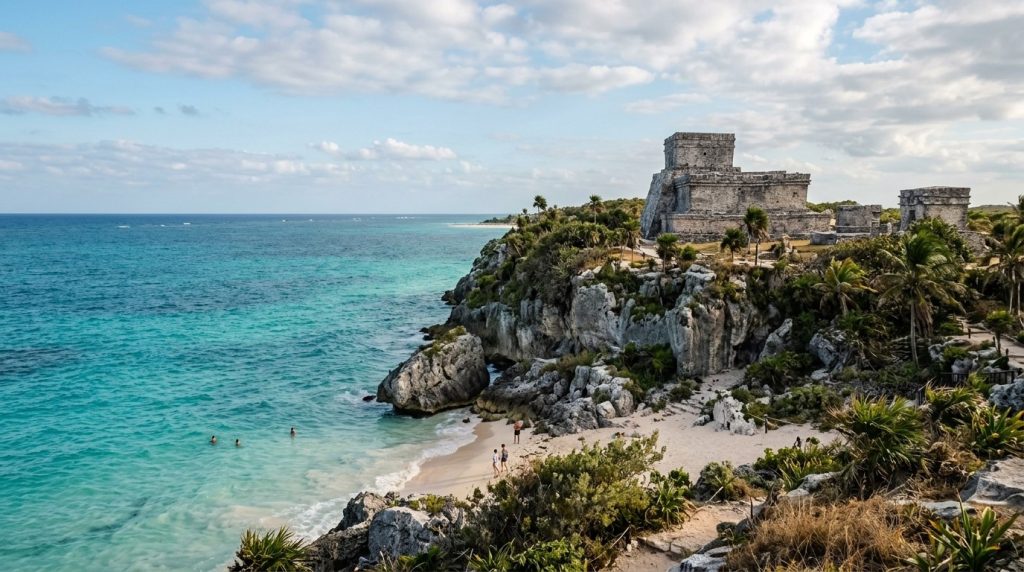
The Tulum archaeological zone is open 8 a.m. to 5 p.m., with last entry at 3:30 p.m., according to INAH, Mexico’s national heritage institute. Arrive at opening, before the Cancun tour buses and the midday heat. After the ruins, a cenote is the obvious next stop.
Gate prices near town run MXN 100–500 (USD 5.50–27), cash only, with Gran Cenote at the top of that range. Our list of the best things to do in Tulum ranks which cenotes are worth the drive and which are crowded photo stops.
What Tulum actually costs in 2026
Tulum is expensive by Mexican standards. Here is what to budget, converted at USD 1 = MXN 18.3:
– Ruins plus protected-area fee: USD 14.50 (MXN 265) for foreign visitors. This single fee, announced by the Mexican presidency in July 2026 under the Plan Tulum Renace, replaced the old stacked charges.
Mexican nationals pay MXN 80. – Cenotes: USD 5.50–27 (MXN 100–500) each. – Hotels: mid-range rooms in town run roughly USD 75–125 a night; the beach zone and Aldea Zama commonly run USD 180–320. – Daily budget: about USD 75–220 per person, depending on where you sleep and how often you eat in the hotel zone.
Beach clubs are where budgets break: many set minimum spends from around USD 50 per person. Skip them, swim at the public beach by the ruins and eat at taquerias, and Tulum gets far more reasonable.
The downsides nobody puts on Instagram
Sargassum. Brown seaweed washes onto the Riviera Maya most years, roughly May to October, with June to August usually the worst. You cannot control it, so check a live sargassum tracker the week you travel.
Traffic and taxis. The road between town and the beach zone is narrow and slow, taxis are pricey, and many streets have potholes. A bike or rental car is often easier than waiting on cabs.
Infrastructure in the hotel zone. Many beach hotels sit off the main grid and run on generators, so expect patchy Wi-Fi and limited late-night options.
When to go, and when the seaweed wins
November through April is the sweet spot: drier weather, calmer water and the best odds of clear beaches. November to January is usually the cleanest window for sargassum. The trade-off is crowds and peak hotel prices around Christmas and spring break.
September and October are cheaper but sit in hurricane season. Our breakdown of the best time to visit Tulum goes month by month on prices, rain and seaweed so you can pick your trade-off.
How many days is enough
Three full days covers the ruins, two or three cenotes and a beach day. Five days is better, because Tulum works best as a base. Coba’s jungle ruins, the Sian Ka’an reserve and the Bacalar lagoon are all popular outings, and our guide to day trips from Tulum compares drive times and costs. If you want a ready-made plan, this 5-day Tulum itinerary splits sights, cenotes and downtime without backtracking.

Getting there is easier than it used to be. Tulum International Airport (TQO) opened on December 1, 2023, about 20 km (12 miles) southwest of town, with nonstop service on American from Dallas and Miami, Delta from Atlanta and United from Houston. US citizens can visit Mexico visa-free for tourism with a valid passport.
Getting around Tulum without a car
Tulum is spread out. The town, the Aldea Zama area and the beach zone sit along different roads, and the airport is about 20 km (12 miles) southwest of town. Where you sleep decides how you move.
- Bicycle: the simplest choice for town and Aldea Zama, and many hotels rent or lend bikes. Roads are uneven, so ride slowly and use lights after dark.
- Taxi: useful for the beach zone and late evenings. Agree on the fare before you get in,.
- Colectivo: shared vans run along the main road at a lower price. They suit short hops and daytime trips, but they follow fixed routes.
- Rental car: worth considering if you plan Coba, Sian Ka’an and several cenotes on separate days. Parking at popular sights costs extra, so keep pesos on hand.
If you stay in the beach zone and want to eat in town, build the taxi cost into your budget. Several evening rides can add up faster than a daily bike rental.
Cenote etiquette and what to bring
Cenotes are freshwater sinkholes, and many sit in protected areas. Rules differ by site, so read the notice at the gate and follow staff instructions.
- Rinse before you swim. Many cenotes ask you to shower first to keep sunscreen and lotion out of the water.
- Check the sunscreen rule. Some sites ask for biodegradable products and others for none at all, so bring a rash guard as a backup.
- Wear water shoes. Rock steps and platforms are slippery when wet.
- Use a life jacket where offered. Water can be deeper than it looks, and depth drops off quickly near cave openings.
- Do not touch formations. Stalactites and stalagmites take thousands of years to grow, and oils from skin damage them.
- Carry pesos. As noted above, gates are mostly cash only.
Arrive at opening if you can. Early slots are quieter, the light in open-air cenotes is better and tour groups usually reach the water later in the morning.
A practical packing list for Tulum
Tulum mixes jungle, ruins and beach, so one bag has to cover all three.
- Mineral or biodegradable sunscreen, plus a rash guard and a hat for the ruins, which have little shade.
- Insect repellent for jungle sites and evenings.
- Water shoes and a quick-dry towel for cenotes.
- Small bills in pesos for cenote gates, parking and taquerias.
- A light rain layer in the wet season, when showers can arrive in the afternoon.
- A waterproof phone pouch for swimming and boat trips.
Bring a passport and keep a photo of it separate. Mexico uses the same plug style as the United States, so most travelers from the US do not need an adapter.
Who should skip Tulum (and what to do instead)
– Strict budget travelers. You can do it cheaply, but Playa del Carmen or Bacalar give you more for the money. – All-inclusive fans. Tulum is mostly boutique hotels.
Cancun and the Riviera Maya resort strip do all-inclusive far better. – Families who want easy logistics. Sandy roads, scattered hotels and pricey taxis make it more work with kids. – Travelers set on a beach trip in June to August. Sargassum can wreck the main reason you came.
If two or more of those describe you, read our Playa del Carmen vs Tulum comparison before booking.
Is Tulum safe right now?
The US State Department rates Mexico at Level 2, “Exercise Increased Caution,” and Quintana Roo, the state Tulum is in, also sits at Level 2. That is the same level as France, Germany and Spain. Use licensed taxis or rides your hotel books, avoid buying drugs and keep cash out of sight at night.
Our full guide on whether Tulum is safe covers neighborhoods, scams and late-night precautions. Mexico’s emergency number is 911.
Where to stay
– Tulum town (Centro): best value, walkable to taquerias and the colectivo stop. Suits budget travelers and first-timers who want to rent bikes. – Aldea Zama and La Veleta: newer condos and boutique stays between town and beach. Suits couples and longer stays, but expect construction. – Beach zone (Zona Hotelera): the postcard version, with sand at your door and the highest prices. Suits short splurge trips.
Find your Tulum hotel on the map
Live prices from Booking, Airbnb and more — move the map or change dates to compare stays across Tulum.
Frequently Asked Questions
Is it better to go to Cancun or Tulum?
Choose Cancun for all-inclusive resorts, easy logistics and nightlife. Choose Tulum for Mayan ruins, cenotes and a smaller boutique-hotel scene. Tulum puts the ruins and best cenotes within a short drive. Many travelers fly into Cancun or Tulum airport and split their nights between the two areas.
Why do people say Tulum is “dead” now?
Mostly because the influencer peak has cooled and some visitors find prices too high for what they get. Quieter does not mean worse: the ruins, cenotes and beaches have not changed, and shoulder months simply feel calmer. If you want nonstop parties, Playa del Carmen or Cancun suit you better.
How many days in Tulum is enough?
Three full days covers the essentials: the ruins, two or three cenotes and a beach day. Five days lets you add Coba, Sian Ka’an or Bacalar without rushing. More than a week works only if you enjoy slow beach days or use Tulum as a base for wider Yucatan trips.
How much does it cost to enter the Tulum ruins?
Foreign adults pay MXN 265 (about USD 14.50) under the 2026 fee set by INAH, which already includes the protected-area charge. Mexican nationals pay MXN 80. The site opens at 8 a.m. with last entry at 3:30 p.m. Parking is extra, so bring pesos.
What should I be careful of in Tulum?
Watch for taxi overcharging, so agree on the fare first. Keep valuables out of sight on the beach and at night, never buy drugs, and check sargassum and hurricane forecasts before you travel. Cenote gates are mostly cash only.
Planning the whole trip? Start with our Tulum travel guide for the overview, then use this page for the details.