Is Barcelona Expensive? Real Daily Costs and Prices (2026)
Disclosure: Some links in this guide are affiliate links. If you book or buy through them, we may earn a small commission at no extra cost to you — it helps keep our guides free.
Barcelona is moderately expensive: budget travelers can get by on about USD 90 (EUR 80) a day, mid-range travelers should plan on USD 169–202 (EUR 150–180), and a 4-star hotel now adds USD 9.44 (EUR 8.40) per person per night in tourist tax. Lodging and Gaudí tickets drive the bill; food and transit stay cheap if you eat lunch like a local.
| Item | Typical price | How to save |
|---|---|---|
| Hostel dorm bed | USD 25–45 (EUR 22–40) | Book early for summer weekends |
| Mid-range hotel (3-star) | USD 107–213 (EUR 95–190) | Stay in Gràcia or Sant Antoni, not on La Rambla |
| Tourist tax, 4-star hotel | USD 9.44 (EUR 8.40) per person per night | Under-17s are exempt; capped at 7 nights |
| Menú del día lunch | USD 13–22 (EUR 12–20) | Eat your big meal at lunch, weekdays |
| Metro T-casual (10 rides) | USD 14.60 (EUR 13) | One card per person, no sharing |
| Sagrada Família | USD 29.21 (EUR 26) | Buy on the official site, no resale markup |
| Park Güell | USD 20.22 (EUR 18) | Book online; the monumental zone is timed |
All prices in this post are converted at USD 1 = EUR 0.89.
The honest answer: Spain’s priciest city, but cheap day to day
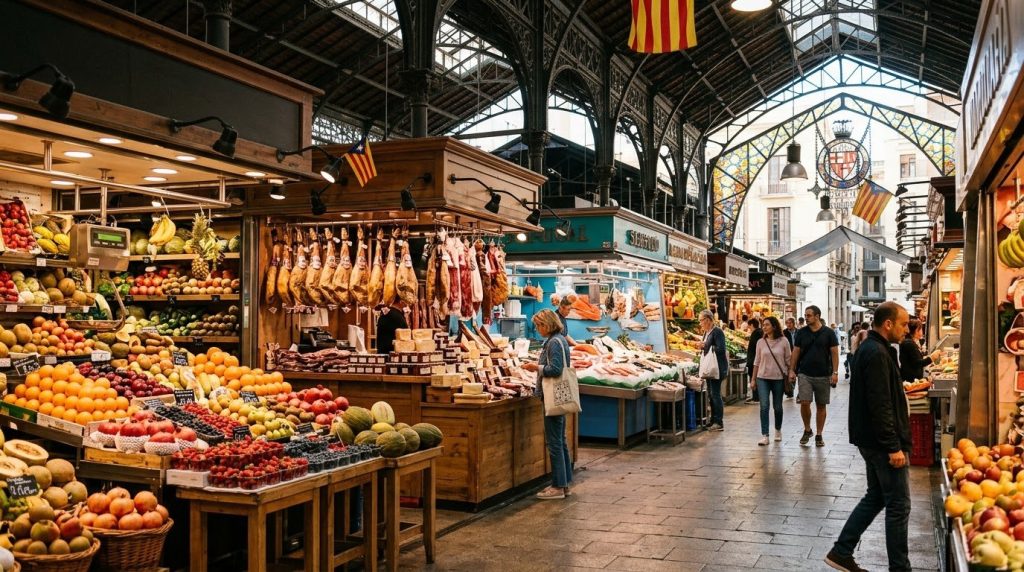
Lonely Planet calls Barcelona the most expensive city in Spain for cost of living, and the hotel bill is where you feel it most. Where Barcelona claws money back is everyday spending. A single metro ride is USD 3.26 (EUR 2.90), a caña of local beer runs USD 2.80–4.50 (EUR 2.50–4), and a coffee costs USD 1.40–2.80 (EUR 1.25–2.50) outside the tourist core.
The city turns expensive when you sleep in the old town in peak season, eat on La Rambla and pay resellers for tickets. Fix those three habits and the bill becomes manageable.
If you are still deciding whether the trip itself is worth the money, our take on whether Barcelona is worth visiting weighs the crowds against the payoff.
Daily budget tiers in USD and EUR
These tiers come from a 2026 Radical Storage cost survey:
– Budget: about USD 90 (EUR 80) per day. Hostel dorm, menú del día lunches, supermarket breakfasts, T-casual rides and one paid sight a day. – Mid-range: USD 169–202 (EUR 150–180) per day. A 3-star hotel room shared by two, sit-down dinners at USD 25–43 (EUR 22–38) per person and two paid sights. – Luxury: USD 393 (EUR 350) or more per day. A 4- or 5-star hotel at USD 213–618 (EUR 190–550), tasting menus and private tours.
Couples sharing a room cut the per-person hotel cost sharply, which makes mid-range the sweet spot for most Americans. Add travel insurance on top.
What the 2026 tourist tax actually costs you
Americans often miss this because it is paid at the hotel. From April 1, 2026, Barcelona charges a Catalan regional tax plus a EUR 5 city surcharge per person per night, per the Catalan Tax Agency:
– 5-star hotel: USD 13.48 (EUR 12) per person per night – 4-star hotel: USD 9.44 (EUR 8.40) – Tourist apartment: USD 10.67 (EUR 9.50) – Other hotels and guesthouses: USD 7.87 (EUR 7) – Youth hostel: USD 6.74 (EUR 6)
The tax applies for a maximum of seven nights per person in the same property, and guests under 17 are exempt. A couple spending seven nights in a 4-star hotel pays USD 132 (EUR 117.60) on top of the room rate.
Ticket prices for the big sights
Official prices, straight from each site:
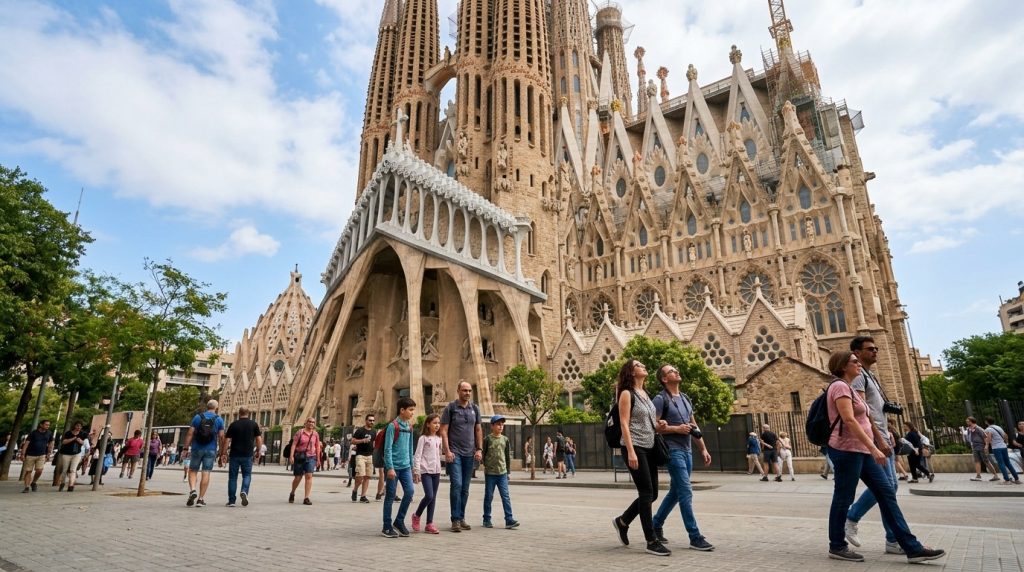
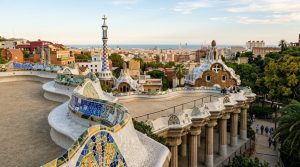
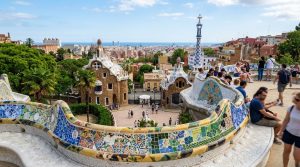
– Sagrada Família: USD 29.21 (EUR 26) with the audio guide app, USD 33.71 (EUR 30) with a guided tour, USD 40.45 (EUR 36) with tower access. Under-11s are free. – Park Güell: USD 20.22 (EUR 18) general, USD 15.17 (EUR 13.50) for kids 7–12 and seniors over 65.
Tickets must be bought online in advance. – Picasso Museum: USD 13.48 (EUR 12) online, USD 14.61 (EUR 13) at the door, free for under-18s.
The Picasso Museum is also free on Thursday afternoons and the first Sunday of each month, but you must reserve those free slots online; they open four days ahead. Our list of the best things to do in Barcelona flags which sights are worth paying for and which are just as good from the outside.
Getting around for less than a taxi ride a day
TMB, the city transit operator, sells:
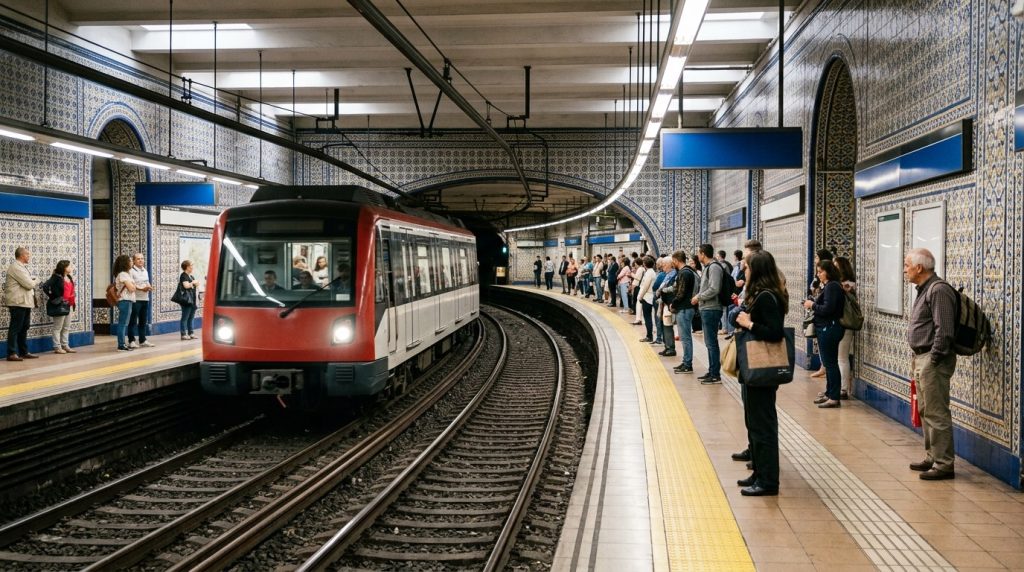
– Single ticket: USD 3.26 (EUR 2.90) – T-casual, 10 rides in zone 1: USD 14.60 (EUR 13), or about USD 1.46 per ride – Airport metro ticket: USD 6.63 (EUR 5.90) – Hola Barcelona unlimited travel card: from USD 14.04 (EUR 12.50), with one airport round trip included
For a short stay with airport runs on both ends, compare the Hola card against single tickets. The sample route in our 3-day Barcelona itinerary groups sights by metro line so you ride less.
Day trips are cheap too. Regional trains from Barcelona Sants to Girona start around USD 10 (EUR 8.95) booked ahead and take roughly 40 minutes. Our roundup of the best day trips from Barcelona compares the train options.
Costs to avoid: where visitors overpay
– Reseller tickets. Sites selling “skip-the-line” Sagrada Família entry often charge USD 35–40 for a ticket that costs USD 29.21 on the official site. – La Rambla dining. A La Rambla menú del día runs USD 20–31 (EUR 18–28), versus USD 13–19 (EUR 12–17) a few blocks away. – Weekend lunch deals. Saturday and Sunday set menus, where offered, typically cost 20 to 50 percent more than weekday versions. – Summer hotel rates. July and August push room prices to their peak. Check the best time to visit Barcelona for shoulder months when rates soften.
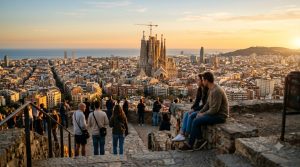
Barceloneta beach, the Bunkers del Carmel viewpoint and the Gothic Quarter’s lanes cost nothing. Our full Barcelona travel guide covers neighborhoods, safety and money basics.
US passport holders enter Spain visa-free for short stays, and the EU’s ETIAS authorization is not yet in operation, so there is no pre-trip fee.
Where to stay
– Eixample: central, on several metro lines, with plenty of mid-range hotels. Best for first-timers and couples. – Gràcia: quieter and more local. Good for repeat visitors who want neighborhood bars over landmarks. – Sant Antoni and Poble-sec: budget-friendly rooms and tapas streets near Montjuïc. Suits budget travelers and food-first trips.
Find your Barcelona hotel on the map
Live prices from Booking, Airbnb and more — move the map or change dates to compare stays across Barcelona.
Frequently Asked Questions
How much money do I need per day in Barcelona?
Plan on about USD 90 (EUR 80) per day on a hostel budget, USD 169–202 (EUR 150–180) for mid-range travel with a shared 3-star room, and USD 393 (EUR 350) or more for luxury. Add the nightly tourist tax, which ranges from USD 6.74 to 13.48 per person depending on where you sleep.
How much is the Barcelona tourist tax in 2026?
Since April 1, 2026, the combined Catalan tax and city surcharge is USD 13.48 (EUR 12) per person per night at 5-star hotels, USD 9.44 (EUR 8.40) at 4-star hotels, USD 10.67 (EUR 9.50) in tourist apartments and USD 6.74 (EUR 6) in youth hostels. It applies for up to seven nights; under-17s are exempt.
Is the T-casual worth it for tourists?
Yes, if you ride more than four times. The T-casual costs USD 14.60 (EUR 13) for 10 zone-1 rides, about USD 1.46 per trip versus USD 3.26 for a single ticket. It does not cover the airport metro stations, so pair it with an airport ticket or choose the Hola Barcelona card instead.
Is Barcelona the most expensive city in Spain?
Lonely Planet ranks it as the most expensive city in Spain for cost of living, and hotels are the main reason. Day-to-day spending is gentler: a USD 3.26 metro ticket, USD 2.80–4.50 beers and USD 13–22 set lunches keep costs reasonable once you have paid for your room.