Sapporo Itinerary: 2 to 3 Days (2026)
Disclosure: Some links in this guide are affiliate links. If you book or buy through them, we may earn a small commission at no extra cost to you — it helps keep our guides free.
A Sapporo itinerary works best as a compact two-day city grid plus one day trip, with the JR Rapid Airport train to Otaru costing USD 5 (JPY 800) one-way and the Mount Moiwa ropeway costing USD 14 (JPY 2,100) round trip.
It suits travelers stopping in Sapporo for two to three days on a wider Hokkaido or Japan trip, and it does not suit skiers heading straight to Niseko, who need a different base entirely.
| Day | Main plan | Getting around | Approx cost/person (USD) |
|---|---|---|---|
| Day 1 | Odori Park, Sapporo Beer Museum, Susukino ramen, Mount Moiwa night view | On foot, subway, ropeway | USD 20 to 35 |
| Day 2 | Otaru canal district, or Noboribetsu hot springs | JR train, or direct bus | USD 15 to 60 |
| Day 3 (optional) | Ski day, Sapporo Snow Festival, or a slow food day | Local shuttle, subway, or on foot | USD 0 to 70 |
Getting to Sapporo: Flights and Airport Transfers
New Chitose Airport (CTS), roughly 40 minutes south of the city, is the gateway almost every visitor uses to reach Sapporo. Direct flights from Tokyo’s Haneda Airport take about 1 hour and 35 minutes on ANA or Japan Airlines, with several departures a day; travelers connecting internationally through Narita or Haneda can usually clear a domestic transfer and be in the air again within a couple of hours.
From New Chitose, the JR Rapid Airport train is the fastest and most straightforward way into the city. It runs directly to Sapporo Station in about 37 to 40 minutes, departs roughly every 15 minutes, and costs USD 8 (JPY 1,150) one-way for an unreserved seat; a small upgrade buys a reserved u-seat with extra luggage space.
The airport limousine bus is the budget option for travelers headed straight to a Susukino hotel: it stops at central points like Susukino and Sapporo Station, takes about 70 to 90 minutes depending on traffic and the route, and costs around USD 10 (JPY 1,500).
A taxi covers the same stretch in roughly an hour but runs USD 67 to USD 87 (JPY 10,000 to 13,000), which only makes sense for groups splitting the fare or an unusually early flight.
All three options, train, bus, and taxi, leave directly from inside the airport terminal, so there is no need to book an arrival transfer in advance unless the itinerary calls for a very early or very late departure, when the train’s last run of the night can cut it close.
New Chitose Airport also runs a same-day luggage forwarding counter for travelers who would rather not haul bags on the train or bus straight off an international flight; dropping a suitcase there and picking it up later at a Sapporo hotel keeps the arrival walk from Sapporo Station light, which matters on a trip that starts sightseeing the same afternoon rather than resting first.
Day 1 – the grid, the food and the night view
Day 1 covers the compact downtown grid on foot and by subway, because Sapporo’s main sights cluster inside a few walkable blocks instead of spreading across a metro area the way Tokyo’s do.
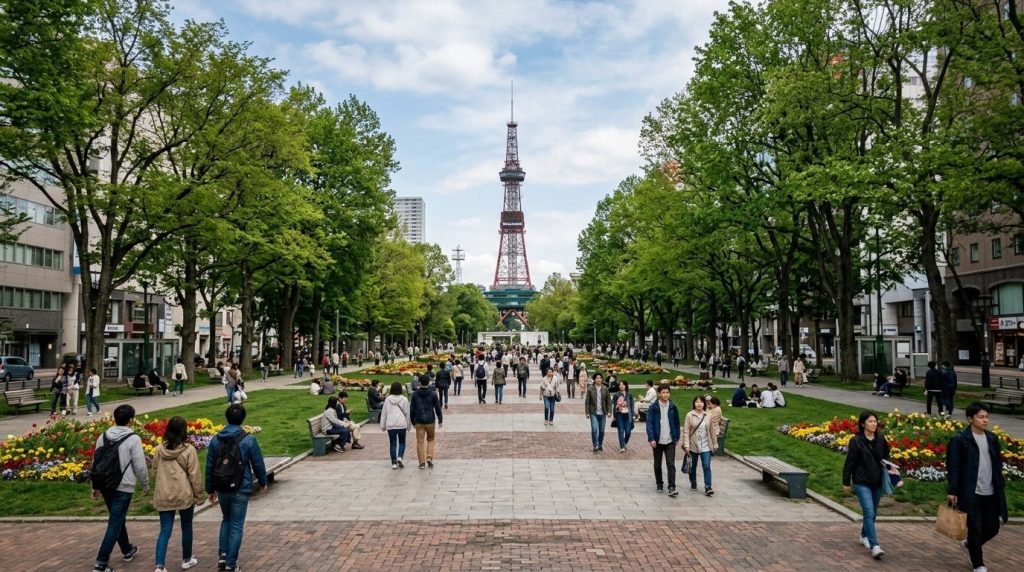
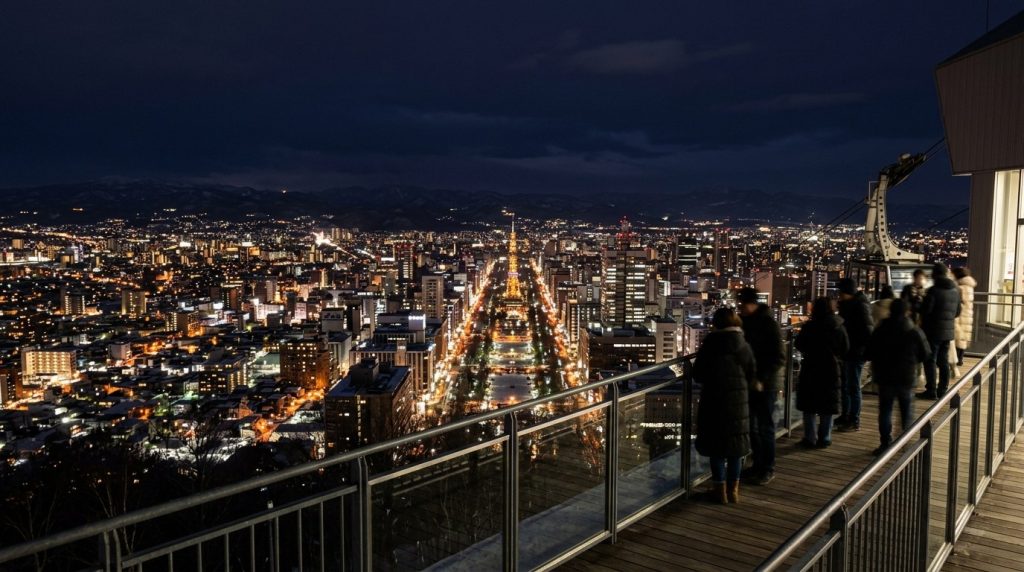
Start at Odori Park, the wide east-west green strip that splits downtown and hosts the Sapporo Snow Festival each February, with the Sapporo TV Tower marking its eastern end as a landmark for orientation rather than a required stop.
Walk to Tanukikoji, a covered shopping arcade running seven blocks, for a rain-proof route between Odori and Susukino, then loop back toward the Former Hokkaido Government Office Building, a red-brick landmark a few minutes on foot from the park.
At the Sapporo Beer Museum, a converted red-brick brewery a short walk or one subway stop from downtown, self-guided admission costs USD 7 (JPY 1,000), and a three-drink tasting flight in the on-site tasting hall costs USD 8 (JPY 1,200).
The building itself, with its tall brick chimney and rows of copper brewing kettles on display, is worth the stop even without paying for a tasting. For dinner, head to Ramen Yokocho in Susukino, a narrow alley of small counters serving Sapporo’s butter-and-corn miso ramen style, then walk the rest of Susukino’s neon strip before the final stop.
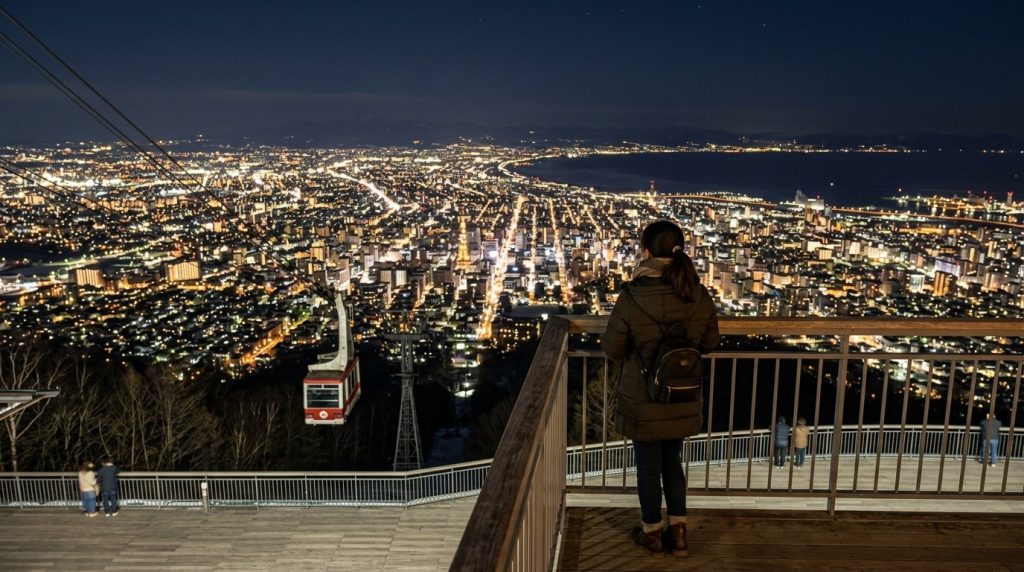
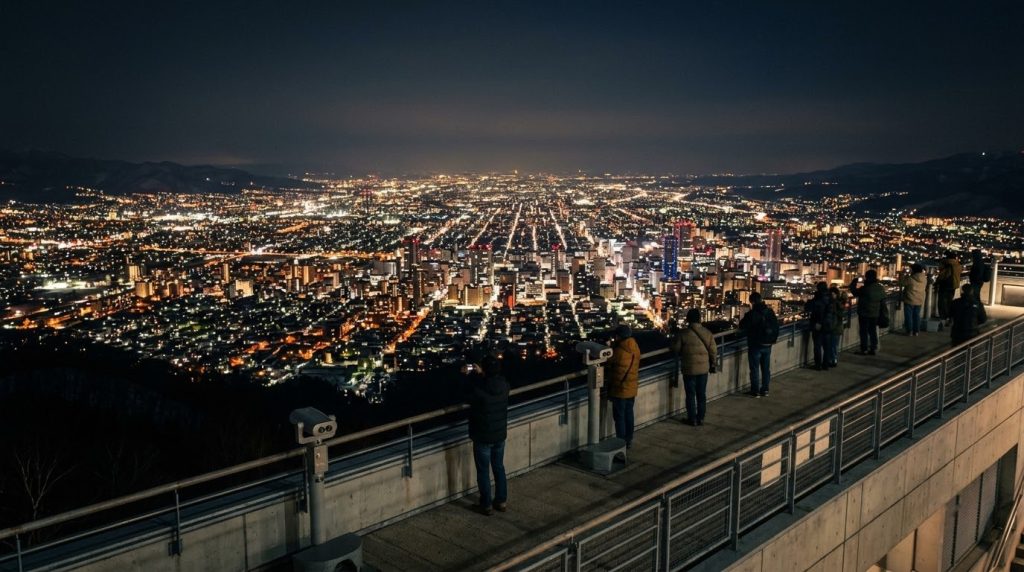
Finish the day at Mount Moiwa, where the combined ropeway and mini cable car costs USD 14 (JPY 2,100) round trip and reaches a summit view over the city, the harbor and the Ishikari Plain, with the last ascent typically running until 21:30.
The subway’s Nanboku and Tozai lines connect most of this route, so a one-day subway pass is worth pricing against single fares before setting out.
Day 2 – Otaru or Noboribetsu
Day 2 is one day trip, not two, because Otaru and Noboribetsu sit in opposite directions from Sapporo, and combining them turns a relaxed day into a transit day. Otaru is the faster, cheaper pick. The JR Rapid Airport train covers the 30-minute run from Sapporo Station, with trains departing multiple times an hour, for USD 5 (JPY 800) one-way.
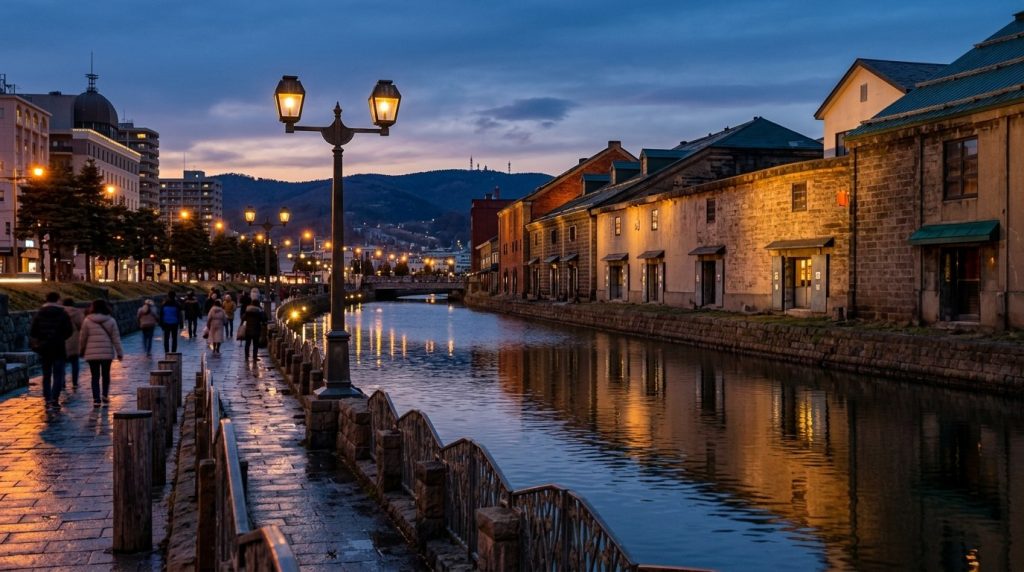
Otaru’s draw is the canal district, lined with converted warehouses now used as glass workshops and sushi counters, all within a 15-minute walk of Otaru Station.
The canal itself runs a straight, short waterfront path lined with old gas lamps, so the sightseeing loop stays short even after the glass workshops and the Otaru Music Box Museum eat up an hour or two. Noboribetsu is the slower, hot-spring pick.
The JR Limited Express Hokuto takes about 1 hour and 10 minutes to Noboribetsu Station for USD 27 (JPY 4,070) one-way, plus a 15-minute local bus for USD 2 (JPY 350) on to the onsen town itself. A direct bus from Sapporo Station skips that transfer, taking about 2 hours for USD 13 (JPY 2,000) one-way.
Noboribetsu’s Hell Valley (Jigokudani), a volcanic gorge of steaming vents and sulfur pools, sits a short walk from the bus terminal and works as a free look even without booking one of the town’s onsen hotels for a soak.
Past the gorge, a marked trail continues to Oyunuma Pond, a naturally boiling lake with a foot-bath stream fed by its overflow, which turns the free look into a short walk instead of a five-minute photo stop.
Day 3 – ski, a festival, or a slow food day
Day 3 only earns a place on the calendar if the season gives it a reason, because outside winter and early February there is no single obvious third stop near Sapporo. In winter, roughly December to March, the third day goes to a ski resort.
Sapporo Kokusai and Sapporo Teine both run lift-served slopes within about an hour of downtown by shuttle bus, which makes a single-day ski trip possible without booking a Niseko-style overnight stay, though anyone planning several ski days is better served basing in Niseko or Rusutsu instead.
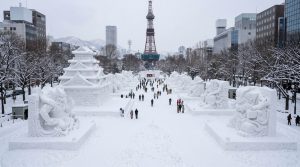
In early February, the third day goes to the Sapporo Snow Festival instead, when Odori Park and Susukino fill with large-scale snow and ice sculptures over roughly ten days and the daytime crowds thin out after dark once the illuminated sculptures draw the evening crowd elsewhere. Outside winter, the third day is better spent slowly.
A return visit to Nijo Market for a seafood breakfast before the tour groups arrive, or a loop through Moerenuma Park, a sculpture park designed by Isamu Noguchi on the city’s edge with a glass pyramid at its center, fills the day without forcing a second day trip that the itinerary does not need.
Getting Around Sapporo and Hokkaido
Sapporo’s subway covers most of the sights on this itinerary, with the Nanboku and Tozai lines crossing downtown and Susukino. A single ride runs USD 1.40 to USD 2.55 (JPY 210 to 380) depending on distance, and an adult One-Day Ticket costs about USD 6 (JPY 830), which pays for itself after three or four rides.
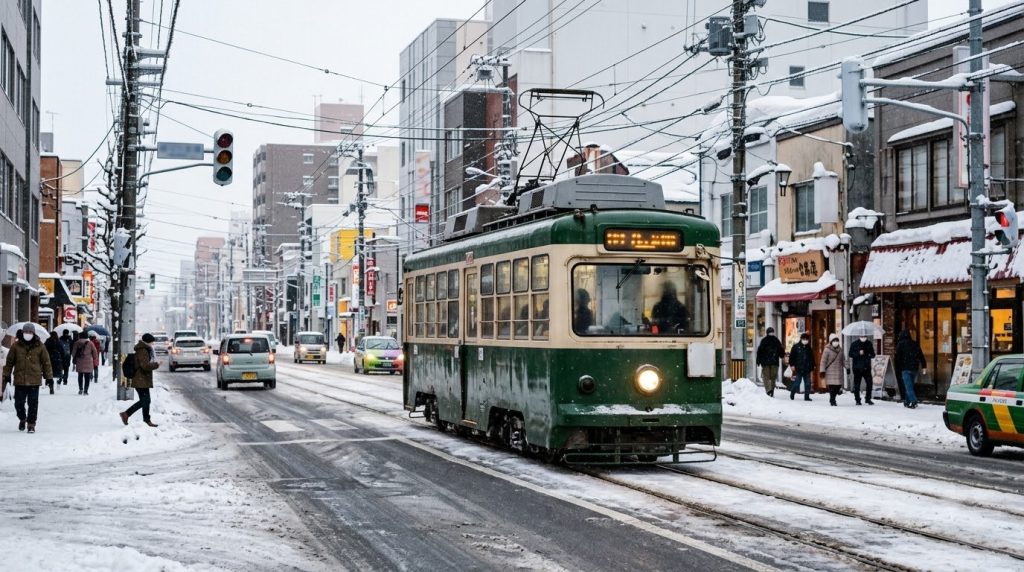
On Saturdays, Sundays, and public holidays, the cheaper Donichika ticket drops that to about USD 3 (JPY 520), making a weekend sightseeing day noticeably cheaper than a weekday one. The subway runs from roughly 6:00 am to midnight, with trains every three to four minutes at rush hour and every five to seven minutes off-peak.
Sapporo’s Sapica IC card works like a tap-and-go wallet across the subway, city buses, and streetcar, and recent upgrades have added tap-to-pay support for contactless credit cards and smartphones alongside it, so a physical card is no longer strictly necessary for a short visit.
Taxi-hailing apps such as GO and DiDi also work in Sapporo and are worth having installed for late nights after the subway stops running. Buses fill the gaps the subway doesn’t reach, including routes out to Moerenuma Park and some ski shuttle stops in winter.
Sapporo Station also connects to Odori Station through the Chi-Ka-Ho underground walkway, a free, climate-controlled 520-meter corridor lined with shops, cafes and public art that runs roughly 7:30 am to 10 pm. It is worth using instead of the street-level route during a snowstorm, on an icy evening, or simply to break up Day 1’s walk between the station and Odori Park without adding a subway fare.
For side trips beyond Otaru and Noboribetsu, the JR Sapporo-Furano Area Pass gives four days of unlimited JR travel, including the Rapid Airport train, to New Chitose Airport, Otaru, Furano, Biei, and Asahikawa for USD 73 (JPY 11,000), worth pricing against individual tickets for anyone adding a Furano or Asahikawa detour onto a longer Hokkaido trip rather than keeping to Sapporo alone.
How the season rewrites day two
The season decides day two more than personal preference does, because Otaru’s canal and Noboribetsu’s outdoor hot springs both change character depending on the month.
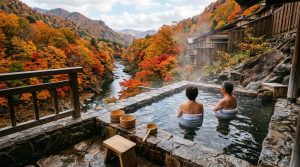
Winter favors Otaru, when snow lines the canal and the Otaru Snow Light Path festival adds lantern displays in early February, though it also favors Noboribetsu for anyone who wants an outdoor onsen bath while snow falls.
Summer favors Noboribetsu’s hiking trail around Hell Valley and Oyunuma Pond, both easier to walk without ice underfoot, while Otaru’s canal-side restaurants and glass workshops also run fuller hours in the warmer months. For the month-by-month breakdown, including exact Snow Festival dates and temperature ranges that this page does not repeat, see the best time to visit Sapporo.
What to skip on a two-day trip
On a two-day trip, cut the day trip entirely and keep only the downtown grid, because Otaru and Noboribetsu both need the better part of a day round trip. That leaves one full day for Odori Park, the Sapporo Beer Museum, Susukino and Mount Moiwa, which is enough to justify a Sapporo stop without a rushed side trip.
Anyone tight on days is usually combining Sapporo with a longer Tokyo or Honshu trip rather than seeing Hokkaido alone. That traveler should check the Tokyo budget guide or a 4-day Tokyo itinerary first, to see how many days Tokyo itself needs before allocating two or three more to Sapporo.
What to Pack for a Sapporo Trip
Sapporo’s sidewalks ice over for long stretches of the winter, so the single most useful item to pack is a pair of insulated, waterproof boots with real tread or built-in ice grips, not fashion boots with a flat sole.
Layering works better than one heavy coat: a moisture-wicking base layer, a mid-layer for warmth, and a windproof, waterproof outer shell handle everything from a calm museum afternoon to a windy night on the Mount Moiwa summit deck.
Wool or synthetic hiking socks, a hat that covers the ears, and glove liners thin enough to use a phone screen are worth the suitcase space, along with disposable hand and toe warmers for the ropeway ride and any time spent outdoors at Odori Park after dark.
Sunglasses earn their place even in winter, since sun reflecting off snow and ice is bright enough to be uncomfortable on a clear day. A portable phone charger matters more here than in warmer climates, because cold temperatures drain phone batteries faster, and a day spent navigating subway transfers and ropeway tickets leans on a phone more than usual.
Carrying a compact tote or small day pack also helps, since self-guided stops like the Sapporo Beer Museum and the covered Tanukikoji arcade do not always have convenient bag storage once layers start coming off indoors.
Japanese buildings and trains run heating aggressively in winter, so a sweater-and-shell combination that can be stripped down to a single light layer indoors is more comfortable than one heavy coat that has to stay zipped all day. Department stores along the Tanukikoji arcade and most restaurants are kept warm enough that carrying removable layers in a day pack, rather than wearing them, avoids overheating indoors between cold walks outside.
Outside winter, swap the ice gear for a light rain shell and comfortable walking shoes, since Hokkaido’s summer is milder and less humid than most of mainland Japan but still gets sudden showers, particularly around Otaru’s waterfront in early autumn.
Where to stay on this route
Book near Susukino or Sapporo Station so both the food-and-grid day and the day-trip mornings start on foot or one subway stop from a hotel door. Susukino puts Ramen Yokocho and the nightlife strip outside the door, while Sapporo Station puts the JR platforms for Otaru and Noboribetsu one level down. For neighborhood-by-neighborhood pricing and specific picks, see where to stay in Sapporo.
Find your Sapporo hotel on the map
Live prices from Booking, Airbnb and more — move the map or change dates to compare stays across Sapporo.