Disclosure: Some links in this guide are affiliate links. If you book or buy through them, we may earn a small commission at no extra cost to you — it helps keep our guides free.
San Francisco Travel Budget 2026: Daily Costs & Saving Tips
San Francisco isn’t cheap, but it doesn’t have to break you either. Most travelers spend between $95 and $400 per day in 2026, depending on how they sleep, eat, and move around the city. We’ll show you exactly where the money goes and how to keep more of it in your pocket.
Key Takeaways
– A mid-range traveler spends roughly $200-$280 per day in San Francisco in 2026 (Budget Your Trip, 2026).
– Hotel rates average $245 per night citywide, but hostels start near $55 (Visit California, 2026).
– A single Muni fare costs $2.75, while a 1-day passport is $13 — flat-rate unlimited rides (SFMTA, 2026).
– San Francisco ranks among the 5 most expensive US cities for visitors (U.S. News Travel, 2025).
How Much Does a Trip to San Francisco Cost in 2026?
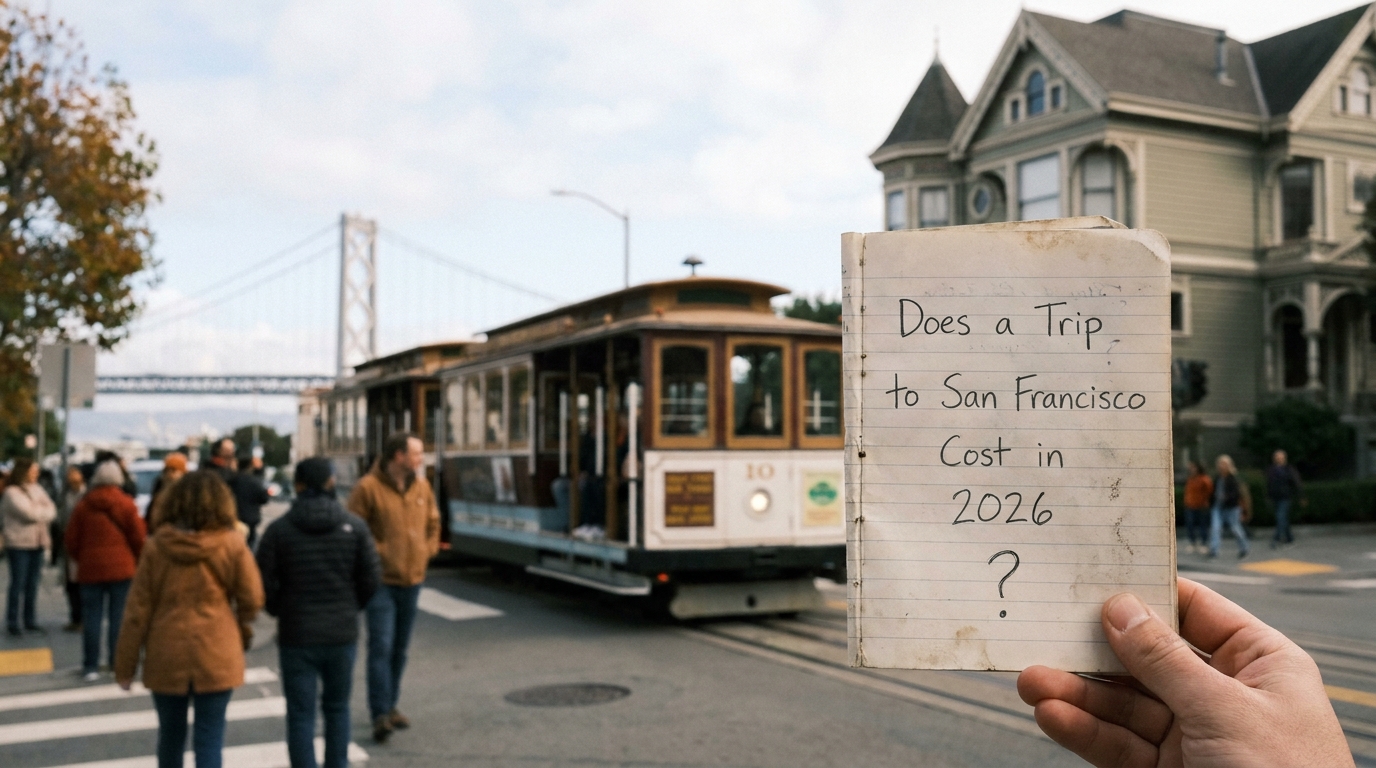
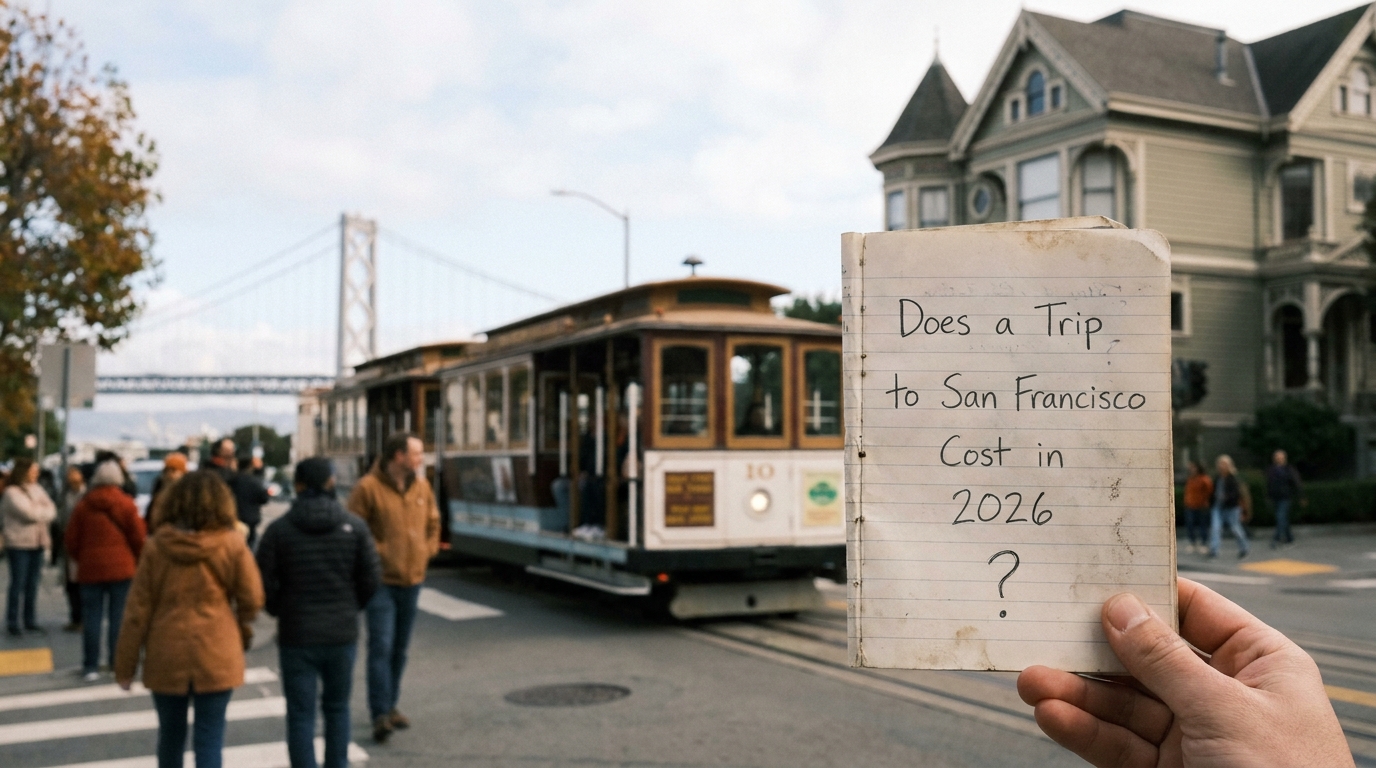
Expect to spend about $200-$280 per day as a mid-range traveler in 2026. That covers a 3-star hotel room split two ways, three casual meals, public transit, and one paid attraction. Budget travelers can drop to $95-$120 daily; luxury visitors easily clear $450.
| Travel Style | Lodging | Food | Transit + Activities | Daily Total |
|---|---|---|---|---|
| Budget | $55 (hostel bed) | $30 | $15 | $95-$120 |
| Mid-range | $245 (split = $123) | $70 | $40 | $200-$280 |
| Luxury | $400+ | $150 | $100 | $450+ |
These numbers don’t include flights. Once you land, this is what a day in the city actually costs. We’ve planned dozens of trips here, and the lodging line is always the one that makes or breaks a budget. The good news is San Francisco’s compact footprint means you spend less on transport than in sprawling cities like Los Angeles, so once your room is sorted the rest of the budget tends to behave.
One more thing to watch: hotel taxes. San Francisco adds roughly 14% in transient occupancy tax plus tourism assessment fees on top of the nightly rate, so a $200 room really costs about $228 after taxes. We always pad our lodging estimate by 15% so the final bill doesn’t surprise us at checkout.
What’s the Cheapest Time to Visit San Francisco?
January through early March is the cheapest stretch, with hotel rates dropping 25-35% below summer peaks. The weather’s cool and damp, but you’ll dodge the crowds and the price surge. We think the real sweet spot is late spring.
May and early June bring mild, sunny days before the summer fog and tourist rush hit full force. Hotel rates in this window run around $190-$210 per night versus $300+ in July and August. Avoid major conference weeks downtown, when even mediocre rooms spike past $350. Check our best time to visit san francisco guide for a month-by-month breakdown.
Find your San Francisco hotel on the map
Live prices from Booking & Airbnb — tap a pin to compare stays around Union Square and Fisherman’s Wharf and beyond.
How Much Are Hotels and Hostels in San Francisco?
Hotels average $245 per night citywide in 2026, with budget rooms from $130 and hostels from $55. Neighborhood matters more than star rating here. Union Square and Fisherman’s Wharf charge a premium for location, while the Mission and Lower Haight offer better value.
We book most San Francisco stays through Booking.com because the free-cancellation filter lets us lock a rate early and rebook if prices drop. A clean 3-star near a BART station typically runs $180-$230. Hostels like HI San Francisco list dorm beds at $55-$70 and often include breakfast.
| Lodging Type | Neighborhood | 2026 Nightly Rate |
|---|---|---|
| Hostel dorm | Fisherman’s Wharf / Downtown | $55-$70 |
| Budget hotel | Tenderloin / SoMa | $130-$170 |
| Mid-range hotel | Union Square / Nob Hill | $200-$260 |
| Boutique / 4-star | Mission / Marina | $280-$400+ |
Book at least three weeks out for the best mid-range rates. If you’re comparing it against other West Coast cities, our los angeles vs san francisco comparison covers the cost gap.
What Will Food and Drink Cost Per Day?
Plan on $30 a day if you cook or grab taqueria meals, and $70-$100 if you eat out three times. San Francisco’s burrito scene is the budget traveler’s best friend — a loaded Mission burrito runs $12-$15 and easily feeds you for hours.
A coffee costs $5-$6, a casual lunch $15-$22, and a sit-down dinner with one drink lands around $45-$60 per person. Tipping 18-20% is expected and adds up fast. Hit the Ferry Building farmers market or a corner deli for cheaper midday meals. Tap water is free and safe everywhere, so skip the bottled stuff.
Chinatown and the Mission are the two neighborhoods where your food dollar stretches furthest. A dim sum lunch in Chinatown runs $12-$18, and a banh mi in the Tenderloin costs under $10. If your room has a kitchenette, a Trader Joe’s or Safeway run for breakfast supplies and snacks can shave $20 a day off your spending. Happy hours, usually 4-6pm, knock 30-50% off drinks and small plates, which is the easiest way to eat well downtown without paying dinner prices.
How Do You Get Around San Francisco on a Budget?
Public transit is the cheapest way around, and you rarely need a car. A single Muni fare is $2.75, a 1-day passport is $13, and a 3-day passport is $33 for unlimited buses, streetcars, and cable cars. Cable car single rides cost $8, so the passport pays off fast.
BART connects the airport to downtown for about $10.30 — far cheaper than a $60-$75 rideshare from SFO. Within the city, walking covers a lot since neighborhoods are compact. We rarely rent a car here because parking averages $40-$60 per night and street spots vanish. If you’re road-tripping beyond the city, compare rates on Discover Cars before booking. For day trips up the coast, see our san francisco day trips list.
The Clipper card is worth setting up if you’ll ride a lot. It works across Muni, BART, and the ferries, caps your daily Muni spend automatically, and saves you from fumbling for exact change. You can add it to Apple Wallet or Google Pay and just tap your phone. One warning: San Francisco’s hills are no joke, so don’t assume every walk is flat. We use the bus or a short rideshare for the steep climbs around Nob Hill and Russian Hill, especially at the end of a long day.
| Transport Option | 2026 Price | Best For |
|---|---|---|
| Muni single ride | $2.75 | One-off trips |
| Muni 1-day passport | $13 | Sightseeing days |
| Muni 3-day passport | $33 | Long weekends |
| BART from SFO | ~$10.30 | Airport transfers |
| Rideshare (short hop) | $12-$20 | Late nights, hills |
How Much Do Attractions and Activities Cost?
Many of San Francisco’s best experiences are free, which keeps activity costs low. Walking the Golden Gate Bridge, exploring Golden Gate Park, and wandering the Painted Ladies cost nothing. Paid attractions range from $10 to $45 per person.
Alcatraz tickets run about $47.95 and sell out weeks ahead, so book early. The California Academy of Sciences costs $44.95, while the Exploratorium is around $40. We book guided tours and skip-the-line passes through GetYourGuide when we want a bundled bay cruise or food walk — bundles often beat buying each ticket separately. Budget $40 a day for activities and you’ll see plenty. For a full day-by-day plan, read our san francisco 3 day itinerary post.
If you’re cramming in multiple paid sights, a CityPASS can pay off. It bundles the Academy of Sciences, a bay cruise, and two more attractions for about $84, versus roughly $130 buying separately. But honestly, most of what makes San Francisco worth visiting is free. We’ve spent entire days walking from the Marina to the Golden Gate Bridge, through the Presidio, and down to Baker Beach without paying a cent. Cable car rides, the Lands End trail, and the murals of the Mission cost nothing and still feel like the real city.
How Can You Stay Connected Without Roaming Fees?
Skip expensive carrier roaming and use an eSIM. A US data plan through Airalo starts around $4.50 for 1GB and $16 for 10GB, activating the moment you land — no SIM swap, no store visit. We install it before the flight and connect at the gate.
Free Wi-Fi covers most cafes, hotels, and the SFMTA’s downtown corridor, so light users can lean on that. But for maps, rideshare, and translation on the move, a small eSIM data bucket beats a $10-per-day roaming charge from most US and UK carriers. International visitors save the most here.
For a four-day trip, a 5GB plan around $11 comfortably covers maps, ride-hailing, and social posts without hunting for Wi-Fi. We keep our home SIM active for calls and texts and route data through the eSIM, which is the cheapest combination for a short stay. If you’re traveling onward across the US, look at Airalo’s regional plans rather than buying a fresh one in each city.
What’s a Realistic 4-Day Budget Breakdown?
A mid-range solo traveler should budget roughly $1,000-$1,150 for four days, excluding flights. That assumes a budget-hotel stay, casual dining, transit passes, and two or three paid attractions. Couples save on lodging by splitting the room.
| Category | 4-Day Cost (Solo) |
|---|---|
| Lodging (3 nights, budget hotel) | $450 |
| Food | $240 |
| Transit (3-day passport + BART) | $55 |
| Attractions | $130 |
| eSIM + extras | $50 |
| Total | ~$925-$1,150 |
Two people sharing a room cut the per-person total to around $700. Add $25-$40 a day if you want one nice dinner or a guided tour.
Frequently Asked Questions
Is San Francisco expensive for tourists?
Yes, San Francisco is one of the priciest US cities for visitors, ranking in the top five nationally in 2025. Lodging drives most of the cost, averaging $245 a night. You can still visit affordably by using hostels, taquerias, and transit passes to keep daily spending near $100.
How much money do I need for 3 days in San Francisco?
Budget roughly $700-$850 for three days as a mid-range solo traveler, excluding flights. That covers two hotel nights, casual meals, a 3-day Muni passport, and a couple of attractions. Couples sharing a room can bring the per-person figure down to about $500.
What’s the cheapest way to get from SFO airport to the city?
BART is the cheapest, costing about $10.30 and reaching downtown in roughly 30 minutes. A rideshare runs $60-$75 depending on traffic and surge pricing. The SamTrans bus is even cheaper but slower, so most travelers choose BART for the best value.
Can you visit San Francisco on $100 a day?
Yes, $100 a day is doable if you stay in a hostel, eat taqueria and grocery meals, and rely on transit passes. A $55 dorm bed, $30 in food, and a $13 day passport leave a little room for one free or low-cost attraction. It takes planning but it works.
Do I need a car in San Francisco?
No, you rarely need a car in San Francisco. Transit, walking, and the occasional rideshare cover the compact city, and parking runs $40-$60 a night. Rent a car only if you’re taking day trips to wine country, the coast, or beyond the city limits.
When are hotel prices lowest in San Francisco?
Hotel prices are lowest from January through early March, dropping 25-35% below summer rates. The weather’s cool and damp, but you’ll find rooms well under $200. Late spring offers a balance of decent prices and better weather before summer crowds arrive.
How much should I tip in San Francisco?
Tip 18-20% at restaurants, $1-$2 per drink at bars, and 15-20% for rideshares and tours. Tipping is standard US practice and isn’t included in listed prices, so factor it into your food budget. Hotel housekeeping typically gets $3-$5 per night.
Plan Your San Francisco Trip Without Overspending
San Francisco rewards travelers who plan ahead. Lock your lodging early, lean on transit passes, and let the city’s free sights do the heavy lifting. Start by comparing free-cancellation hotel rates on Booking.com and grabbing an Airalo eSIM before you fly — two quick moves that keep your budget on track from the moment you land.