Rome vs Milan: Which Italian City Should You Visit? (2026)
Disclosure: Some links in this guide are affiliate links. If you book or buy through them, we may earn a small commission at no extra cost to you — it helps keep our guides free.
You have only 1 or 2 days for the Last Supper, design shopping and Lake Como.
See hotels in Milan →You have 3 or more days for the Colosseum, the Vatican and the ancient center.
See hotels in Rome →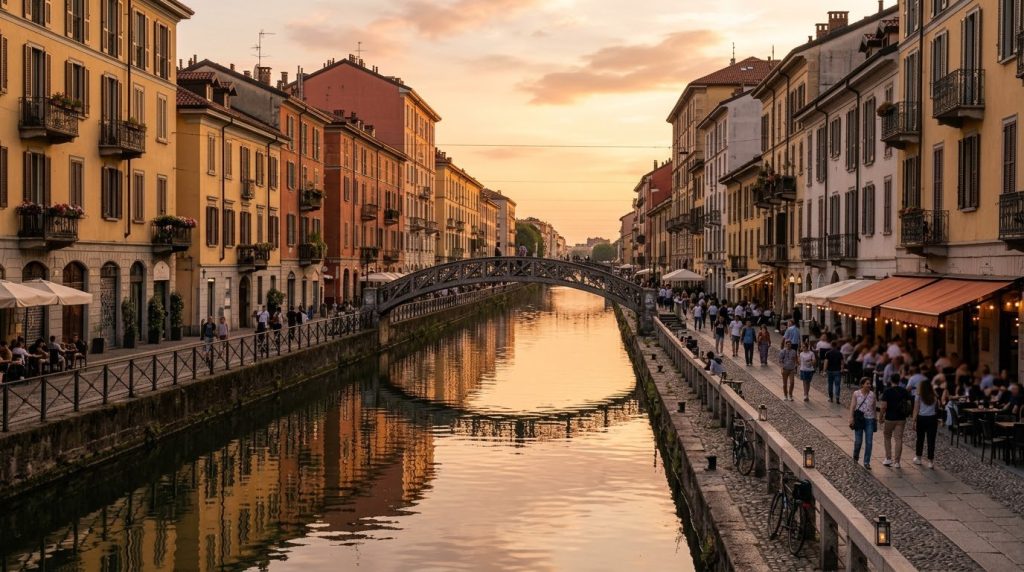
Rome beats Milan for most first-time visitors with 3 or more days, because the Colosseum, the Vatican and the ancient center are things you cannot see anywhere else, while Milan is the smarter pick for a 1- or 2-day stop built around Leonardo’s Last Supper, design shopping and Lake Como.
The two cities sit under 3 hours apart by high-speed train, so if you fly into one, you can easily add the other.
| Factor | Rome | Milan |
|---|---|---|
| Best for | History, ancient sites, first trip to Italy | Art, fashion, design, Lake Como base |
| Ideal stay | 3–4 days | 1–2 days |
| Signature ticket | Colosseum, Forum and Palatine: USD 20 (EUR 18) | Last Supper: USD 17 (EUR 15), booked weeks ahead |
| Single transit ride | USD 1.70 (EUR 1.50), 100 minutes | USD 2.50 (EUR 2.20), 90 minutes |
| Pace and feel | Loud, walkable, chaotic | Efficient, business-like, polished |
| Nonstop from New York | Yes, to Fiumicino (about 8.5 hours) | Yes, to Malpensa |
| Weak spot | Crowds and queues at every icon | Fewer headline sights for a long stay |
The Short Verdict for Each Type of Traveler
First-timers: Rome, clearly. Italy’s greatest-hits list lives here, and the Pantheon, Piazza Navona and the Trevi Fountain sit within an easy walk of each other. Milan makes a good add-on, not a replacement.
Couples: Rome for evening strolls through Trastevere; Milan if romance means aperitivo along the Navigli canals and a day on Lake Como.
Families: Rome. Kids under 18 get into the Colosseum free, the ancient ruins feel like a real-life history lesson, and children under 10 ride ATAC buses and metro free with a paying adult. Milan has less to hold a kid’s attention beyond a day.
Budget travelers: a near tie. Transit is cheaper in Rome, and several travel sites report hotels running slightly cheaper there too, but Milan’s sights are fewer, so you spend less on tickets. Both cities now charge up to USD 11 (EUR 10) per person per night in city tax at 4- and 5-star hotels, so budget for that. All prices here are converted at USD 1 = EUR 0.88.
Sights: Ancient Empire vs Renaissance and Design
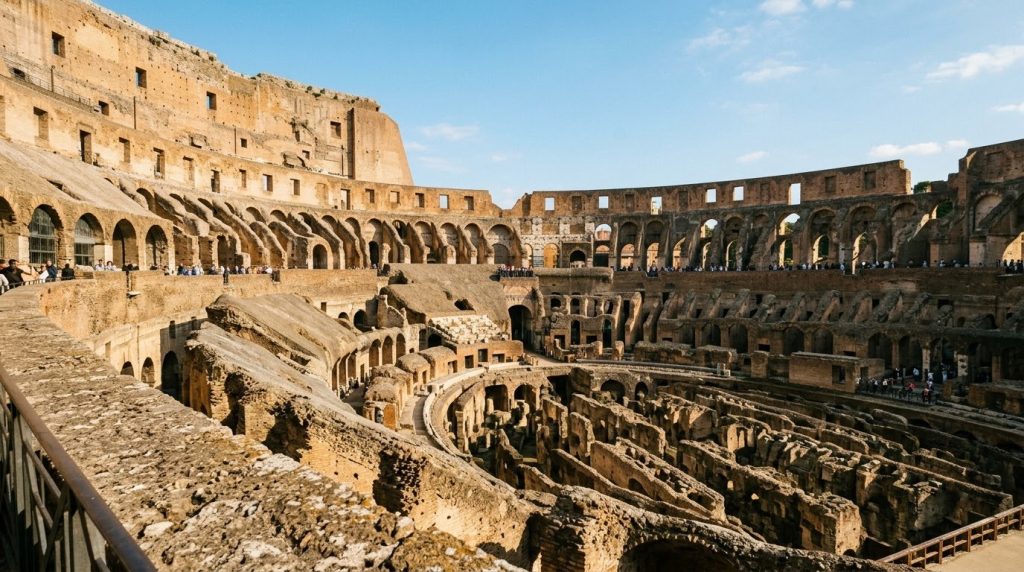
The Colosseum, Roman Forum and Palatine Hill share one USD 20 (EUR 18) ticket, then come the Vatican Museums, St. Peter’s, the Pantheon and piazzas that are free to wander. Our list of the best things to do in Rome easily fills four days without repeating a neighborhood.
One new wrinkle: since February 2, 2026, getting down to the basin of the Trevi Fountain costs USD 2 (EUR 2) for non-residents, charged 9 a.m. to 10 p.m.
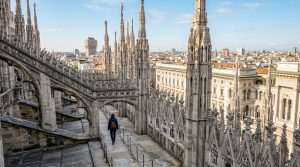
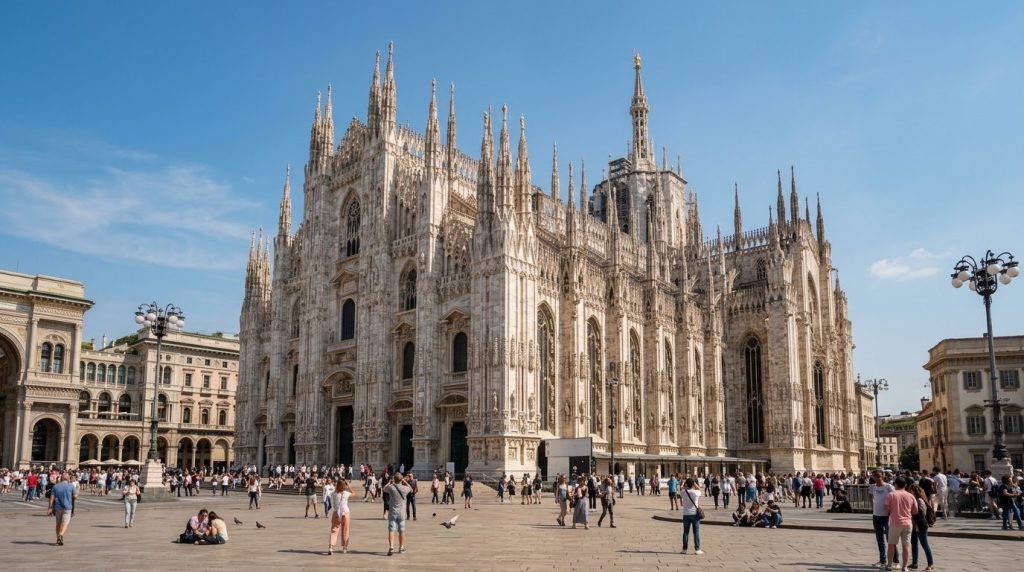
Milan has fewer headliners, but they are excellent. The Duomo’s rooftop terraces put you among the spires, and the Last Supper is one of the most famous paintings on earth. The catch: reservations are mandatory for everyone, you get exactly 15 minutes inside, and tickets go on sale in quarterly blocks that sell out fast.
If you cannot get one, do not build your Milan trip around it. If you are still on the fence, our honest take on whether Milan is worth visiting covers who leaves disappointed.
Getting Around: Milan Wins on Efficiency
Milan feels like a northern European city: four metro lines, clean trams and a contactless tap-in system. A 90-minute ticket is USD 2.50 (EUR 2.20), a 24-hour pass USD 8.60 (EUR 7.60) and a 3-day pass USD 17.50 (EUR 15.50), per ATM’s own fare page.
Rome’s metro is thinner, so you will walk more and ride buses that run late. Fares are cheaper, though: a BIT ticket is USD 1.70 (EUR 1.50) for 100 minutes, and the 72-hour pass is USD 25 (EUR 22), according to ATAC. Between the two, take the train.
Italo runs about 33 daily services with a fastest time of 2 hours 52 minutes, with fares from USD 34 (EUR 29.90) if you book early. Trenitalia’s Frecciarossa covers the same route, and both beat flying once you count airport time.
Day Trips: Lakes vs Hill Towns
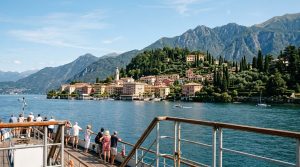
This is where Milan pulls ahead. Varenna on Lake Como is about an hour by regional train from Milano Centrale, and Bergamo, Verona and Lake Garda are all doable in a day. Our guide to the best day trips from Milan ranks them by travel time and effort.
Rome’s day trips lean toward history: Pompeii, Tivoli’s villas, Orvieto and Ostia Antica. See the best day trips from Rome if you have a fifth day. Milan’s escapes are about scenery; Rome’s are about more ruins.
Food, Shopping and Nightlife
Rome is the better food city for most Americans: carbonara, cacio e pepe, supplì and pizza al taglio. Milan does risotto alla milanese, cotoletta and aperitivo, where your drink comes with snacks. For shopping, Milan wins outright with the Quadrilatero della Moda and the Galleria Vittorio Emanuele II. Nightlife is livelier around Milan’s Navigli; Rome’s evenings are about piazzas and late dinners.
Weather and When to Go
Rome is warmer, and its July and August heat can be punishing. Milan is cooler, foggier in winter and less crowded. Spring and fall suit both. For month-by-month detail on Milan, including fashion week hotel spikes, read our best time to visit Milan breakdown.
US passport holders still enter Italy visa-free for up to 90 days in any 180. The EU’s ETIAS travel authorization is not operating yet and has no confirmed launch date, so check before you fly.
How to Split a Week Between Both
With 7 days, do 4 nights in Rome and 3 in Milan, using one of those Milan days for Lake Como. Fly open-jaw (into Rome, out of Milan or the reverse) so you never backtrack. Our Milan itinerary lays out the Milan half day by day. With only 4 days total, pick Rome and skip the split.
Where to Stay
Rome: stay in the Centro Storico or Monti to walk to almost everything, or Trastevere for the best dinner streets.
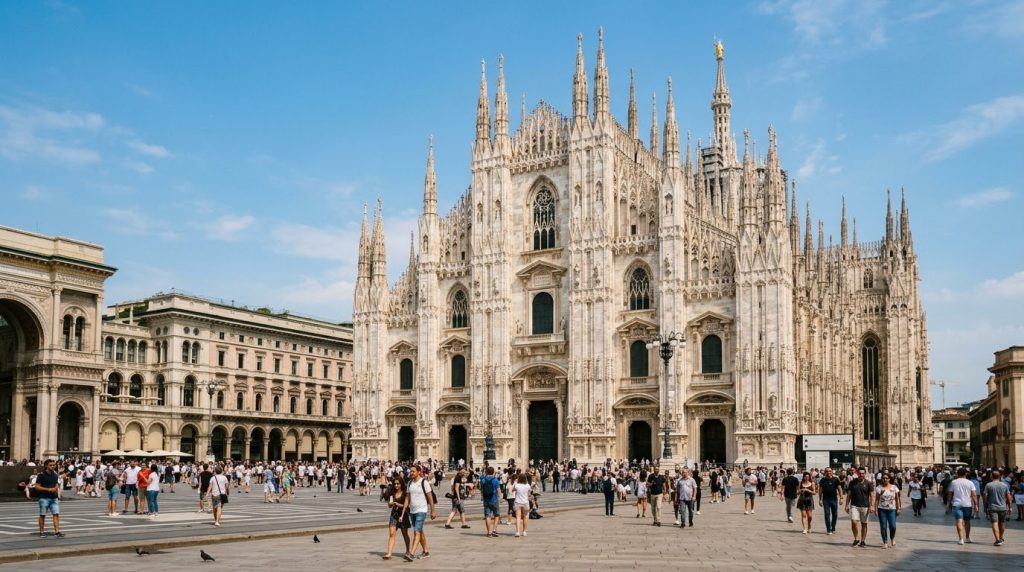
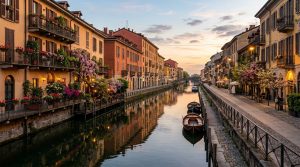
Milan: these three areas cover most trips. – Brera: cobbled lanes, galleries and walkable access to the Duomo. Best for couples and first-timers. – Navigli: canal-side bars and a younger crowd. Best for nightlife and budget-minded travelers. – Centrale: around the main station. Not pretty, but ideal if you are doing day trips to Lake Como or catching the train to Rome.
Find your Milan hotel on the map
Live prices from Booking, Airbnb and more — move the map or change dates to compare stays across Milan.
Frequently Asked Questions
Is Milan or Rome better for a first trip to Italy?
Rome is better for a first trip. It holds the Colosseum, the Vatican and the Pantheon within a walkable center, and 3 to 4 days barely scratches the surface. Milan works best as a 1- or 2-day add-on for the Last Supper, the Duomo rooftop and a day on Lake Como.
Is Milan cheaper than Rome?
Not usually. Milan’s transit costs more, at USD 2.50 (EUR 2.20) per ride against Rome’s USD 1.70 (EUR 1.50), and travel sites report Rome hotels running slightly cheaper on average. Both cities charge up to USD 11 (EUR 10) per person per night in tourist tax at 4- and 5-star hotels.
How long is the train from Milan to Rome?
The fastest high-speed trains take just under 3 hours. Italo lists 2 hours 52 minutes on its fastest service, with about 33 trains a day, and Trenitalia’s Frecciarossa runs a similar schedule. Fares start around USD 34 (EUR 29.90) when booked early and rise sharply close to departure.
How many days do you need in Milan vs Rome?
Plan 3 to 4 days for Rome and 1 to 2 days for Milan. Rome’s ancient sites and Vatican need time, while Milan’s main sights fit into a full day. Add a third Milan day only for a Lake Como or Bergamo day trip.
Do I need to book the Last Supper in advance?
Yes. Reservations are required for every visitor, including infants, and you get a strict 15-minute slot. Tickets cost USD 17 (EUR 15) for adults and are released in quarterly blocks, with extra tickets added online every Wednesday at noon. Arrive 30 minutes early or you lose your slot.