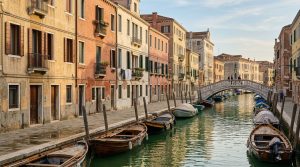
Is Milan Worth Visiting? (2026)
Disclosure: Some links in this guide are affiliate links. If you book or buy through them, we may earn a small commission at no extra cost to you — it helps keep our guides free.
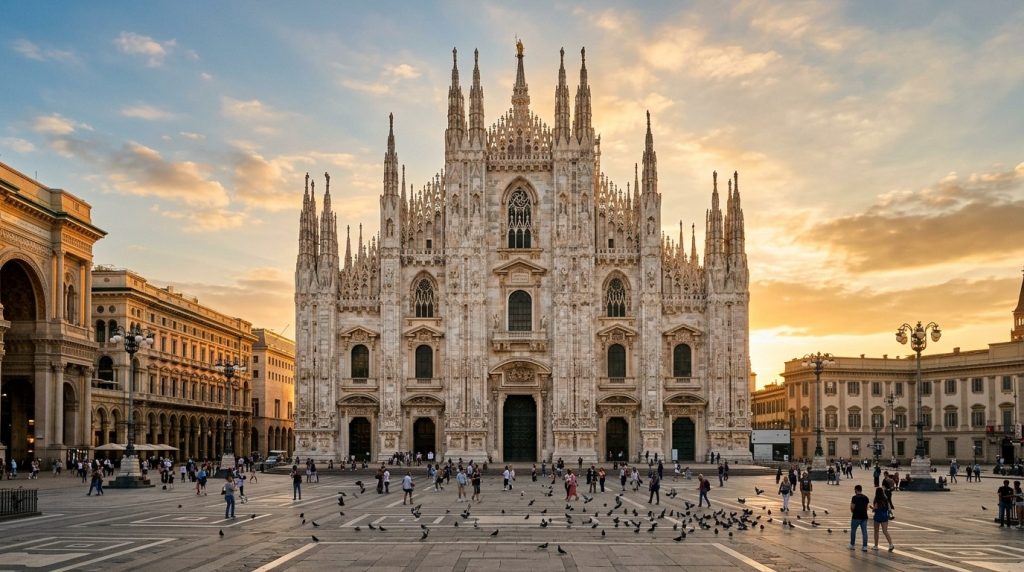
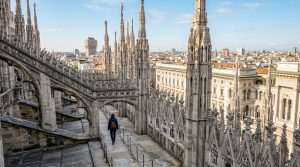
Milan is worth visiting for a focused two nights, long enough to see the Duomo rooftop (USD 19, EUR 16) and time a Last Supper booking that most travelers now make four months ahead. It is not worth visiting on a first two-week Italy trip that is already stretched between Rome, Florence and Venice, because Milan will lose that fight for your remaining days.
| Traveller type | Worth it? | Nights to give it | Why |
|---|---|---|---|
| Design and fashion lovers | Yes | 2-3 | Showrooms, concept stores, Salone del Mobile energy year-round |
| Aperitivo and food travelers | Yes | 2 | Navigli canal bars, real Milanese cuisine beyond pizza and pasta |
| Football fans | Yes | 1-2 | San Siro hosts both AC Milan and Inter |
| Lake Como or Alps-bound travelers | Yes, as a base | 1 | Fastest rail gateway north, skip if flying direct |
| First-time Italy, two weeks total | No | 0 | Rome, Florence and Venice deliver more per day spent |
| Postcard-Italy chasers | No | 0 | Milan is grey stone and glass, not ochre piazzas |
What Milan actually offers
Milan earns its two nights through four things, not one. The Duomo is the anchor: the cathedral itself is free to enter, and the rooftop terraces cost USD 19 (EUR 16) by stairs or USD 21 (EUR 18) by lift at today’s EUR/USD rate of roughly 1.16, with views over a marble forest of spires that no photo of the facade prepares you for. Our Milan safety guide for Americans warns about the bracelet and pigeon-seed hustlers who work Piazza del Duomo outside the cathedral.
Beyond the cathedral, Milan is Italy’s design and fashion capital, not a marketing label but a working reality of showrooms in Brera and the Quadrilatero della Moda that operate year-round, not just during Salone del Mobile.
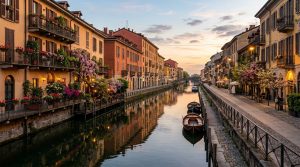
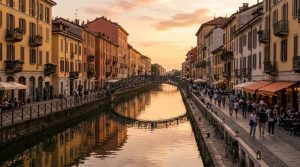
The Navigli canal district runs the country’s best aperitivo culture, where a single drink between 6 and 9pm buys an unlimited buffet at most bars along the water. None of this looks like Rome or Florence, and it is not supposed to.
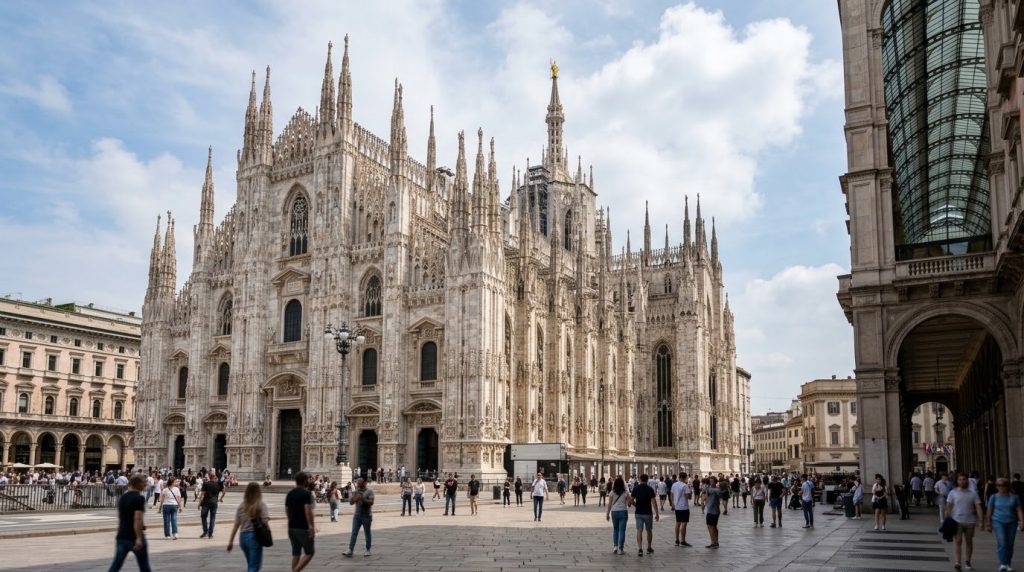
The mistake visitors make is judging Milan against postcard Italy. It has almost no ochre piazzas, few gelato-and-ruins vistas, and a skyline dominated by glass towers like the Bosco Verticale. Travelers who accept that trade-off going in tend to leave impressed. Those expecting Rome with better shopping tend to leave disappointed, and that disappointment is a mismatch of expectations, not a flaw in the city.
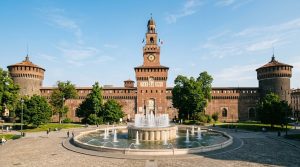
The Sforza Castle and its surrounding park round out a two-night stay without adding a third full sightseeing day. It is a genuine 15th-century fortress with several small museums inside, but most visitors give it a couple of hours between the Duomo and dinner rather than a dedicated day, and that pacing is correct.
Milan simply does not have the density of major sites that Rome or Florence pack into a single neighborhood, so spreading expectations across more than two nights tends to produce diminishing returns.
The Last Supper, and the booking reality
Seeing Leonardo da Vinci’s Last Supper at the Cenacolo Vinciano is worth planning around, not squeezing in. The museum releases tickets in blocks, roughly every three months, and slots for popular months sell out fast even on ordinary weekdays. Booking four months ahead is the realistic safety margin, and two months is the minimum for weekend visits in high season.
A smaller batch of individual tickets is released online every Wednesday at noon for the following week, which is the fallback if the block sale has already closed out your dates.
This is the detail that trips up spontaneous travelers, and it is also the detail that makes or breaks whether Milan is worth the trip for art-focused visitors. If the Last Supper cannot be booked for your dates, Milan still holds up on the Duomo and Navigli alone, but the calculus shifts.
A traveler who only wants Leonardo’s fresco and cannot get a slot should weigh whether two nights in Milan for the rest of the city is still worth the detour, or whether that time is better spent elsewhere.
Viewing time itself is short, capped at roughly 15 minutes inside the refrigerated, humidity-controlled room that protects the fresco, and groups are timed in and out on a strict schedule. That constraint is part of why the site sells out rather than absorbing demand the way a normal museum room would.
Booking directly through the official Cenacolo Vinciano site avoids third-party markup, though guided-tour operators sometimes hold blocks of seats after the official allocation is gone, which is worth checking before writing off a trip date as impossible.
The “skippable city” reputation, and how fair it is
Milan’s reputation as the skippable Italian city is half fair. It earned it honestly: this is Italy’s financial and fashion hub first, with a tourism industry built around business travel and trade fairs rather than sightseeing.
Compared to a city like Rome, where the 3-day Rome itinerary fills every hour with ancient sites, Milan has one headline attraction and a handful of strong secondary ones. Travelers doing the math on limited vacation days are not wrong to notice that.
Where the reputation overreaches is in dismissing Milan entirely for every kind of traveler. A food-and-design trip built around Navigli, the Quadrilatero della Moda and a Duomo rooftop sunset delivers a different kind of satisfaction than ruins-hopping, and dismissing it outright assumes every Italy trip should look the same.
Travelers chasing the classic Cinque Terre coastline, covered in the Cinque Terre itinerary, are simply after a different trip than the one Milan sells, and that is a mismatch, not a verdict on the city itself.
Milan as a base for the north
Milan’s strongest practical case is as a transport hub, not a destination in its own right.
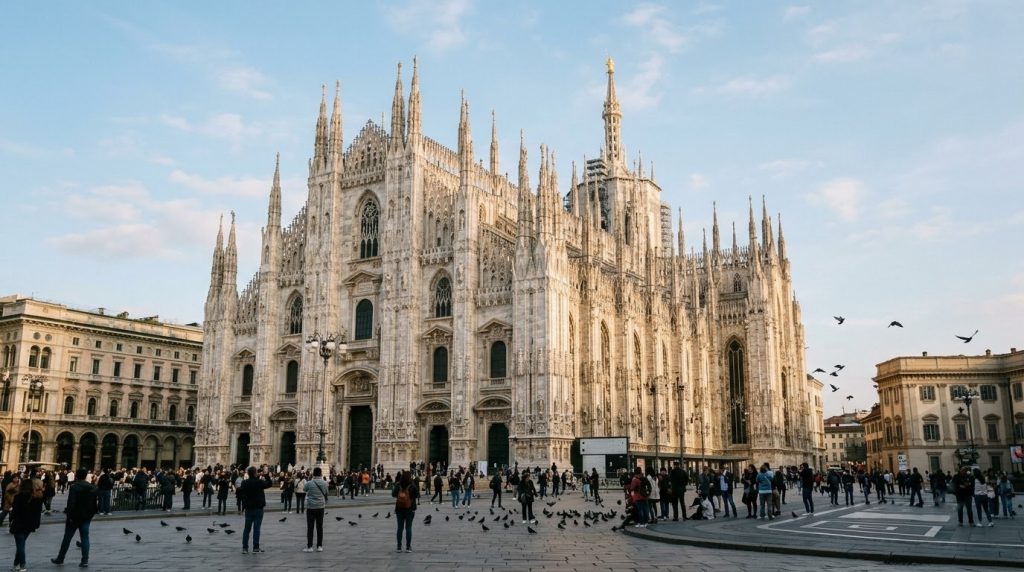
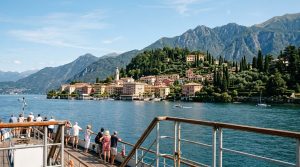
High-speed trains reach Lake Como in under an hour, making Milan the fastest gateway to the villa towns covered in the Lake Como travel guide, and the same station network connects onward to the Alps and Switzerland without a connection in Rome or a domestic flight.
Travelers building a north Italy or Italy-plus-Switzerland trip get more value from Milan as a one-night landing pad than travelers trying to slot it into a Rome-Florence-Venice loop.
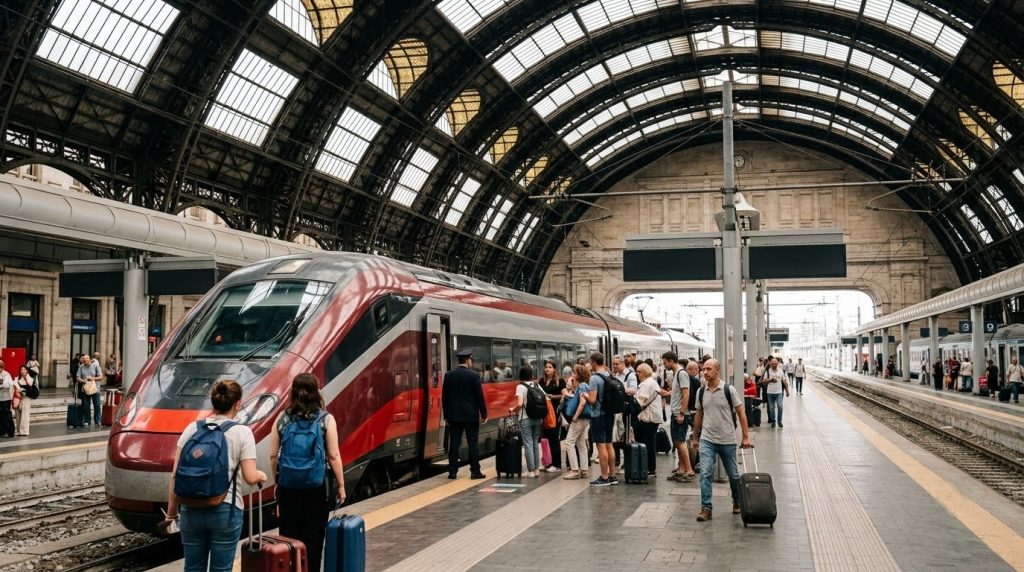
This is also where the “how many nights” question actually gets answered in detail, since the right number depends on whether Milan is your destination or your launchpad. The full breakdown of days to spend in Milan covers that split by traveler type.
Milan Malpensa and Linate airports also make the city a practical entry or exit point for a wider northern Italy trip, letting travelers fly into Milan, spend a night, then work south by train toward Florence and Rome, or north toward the lakes, without backtracking. That routing logic is often a stronger reason to include Milan than any single attraction inside the city. If Venice is your other candidate, our Milan or Venice comparison shows why landing in Milan and ending in Venice works on a 5-day trip.
Who should skip Milan
Skip Milan if this is a first trip to Italy with seven days or fewer split across cities, because Rome and Florence will outperform it on density of things to see per day. Our Rome vs Milan comparison explains why Rome wins for first-timers with 3 or more days, and when Milan still deserves a 1- or 2-day stop.
Skip it if the trip’s whole appeal is medieval hill towns, canals in Venice or coastal cliffs, since Milan offers none of that and will read as a flat, grey interruption between better stops.
Skip it if the Last Supper cannot be booked for the travel dates and food and design are not strong personal interests, because without that fresco or that specific appeal, Milan’s remaining case gets thin fast.
Business travelers with a free evening are the exception, since Milan rewards a single well-spent night far better than it rewards being squeezed into an already packed leisure itinerary.
Best time to visit Milan
Milan runs hot and sticky in July and August, with highs regularly near 30C, and grey and foggy through December and January, which leaves spring (April to June) and fall (September to October) as the most comfortable windows for walking the Duomo rooftop or the Navigli canals without fighting the weather.
Two fashion-industry events also reshape the calendar: the womenswear runway shows held in late February and again in late September fill hotels with industry visitors and push rates up across the city, and the Salone del Mobile furniture fair in April does the same around the fairgrounds and in the Brera design district, where showroom events spill into bars and restaurants for the full week.
Travellers chasing lower hotel rates and thinner crowds without walking into winter fog do best targeting late October through November, or January outside the holiday weeks, when neither a fashion event nor a summer heat wave is competing for rooms.
August is a special case: many independent restaurants and small shops close for several weeks as Milanese residents leave the city on holiday, trading a quieter, cheaper city for a noticeably thinner range of places open for dinner.
Christmas week and the days around New Year bring a different kind of crowd, built around Milanese families and domestic visitors rather than the international fashion and furniture calendar, with the Duomo’s Christmas market and lights drawing evening foot traffic to the piazza without the room-rate spike that a fashion week or Salone del Mobile causes.
Milan also hosts major trade fairs outside fashion and furniture, scattered through the year at the Fiera Milano exhibition centre, and while these rarely affect sightseeing in the historic centre, they can fill hotel rooms near the fairgrounds specifically; checking a general events calendar before booking is a useful habit for any date that falls outside the well-known fashion and design weeks already covered above.
Getting to and around Milan
Three airports serve the city. Malpensa (MXP) handles most international long-haul flights, and the Malpensa Express train covers the roughly 40 to 50-minute ride into Milano Centrale or Cadorna for about USD 15 (EUR 13), running every 15 to 30 minutes for most of the day.
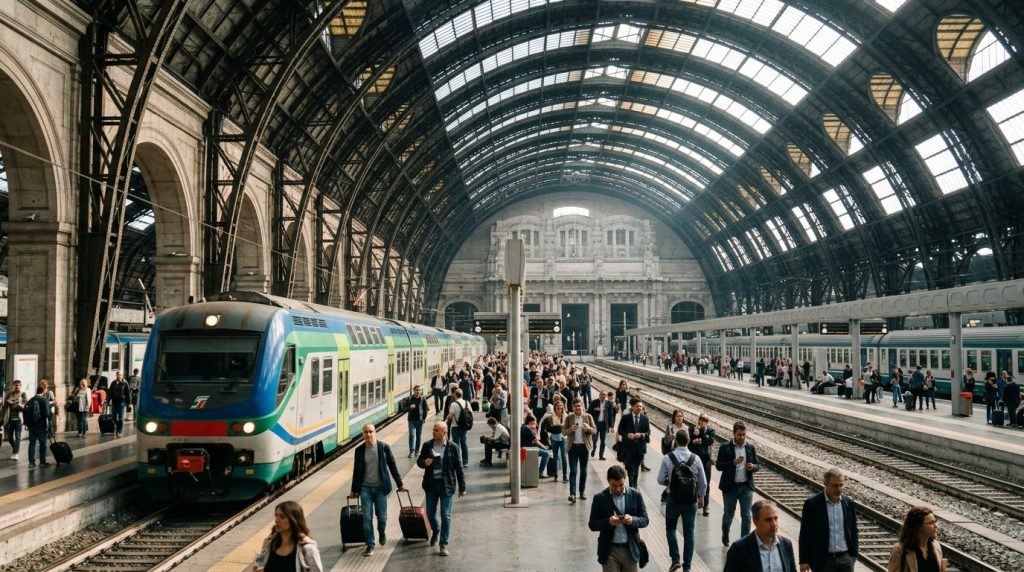
Linate (LIN), closer to the centre and used mainly for domestic and short-haul European routes, connects to San Babila on the M4 metro line in about 12 to 15 minutes for a USD 2.60 (EUR 2.20) ticket, with a taxi covering the same trip for roughly USD 29-41 (EUR 25-35) depending on traffic.
Bergamo’s Orio al Serio (BGY), the budget-airline airport, sits about an hour outside Milan, reached by shuttle buses such as Terravision or Autostradale for roughly USD 6-12 (EUR 5-10) one-way, with departures roughly every 20 to 30 minutes.
Inside the city, a four-line metro network covers nearly every sight in this guide, and a single ticket, also USD 2.60 (EUR 2.20), covers 90 minutes including transfers, so a multi-ride pass is unnecessary for a two-night stay.
The Duomo, Brera, and Navigli are all within a 20-minute metro ride of each other, which is part of why two nights is enough to cover Milan’s core without backtracking across the city, and walking between the Duomo and Brera takes only about 15 to 20 minutes for travellers who would rather skip the metro entirely for that leg.
Milan’s historic tram network, running wooden 1920s-era cars alongside modern trams on several routes, covers much of the same ground as the metro at the same ticket price, and riding one at least once is as much a sight as a way to get somewhere.
For a late-night return to a hotel after the metro stops running in the small hours, a taxi or ride-hailing app is the reliable fallback, since Milan’s night-bus network runs on a reduced schedule that is easy to misjudge on a short visit.
Walking remains the fastest option for any trip under about 15 minutes within the centre, since surfacing from a metro station, finding the right exit, and walking the last stretch above ground can cost more time than covering the same short distance directly on foot, particularly between the Duomo, La Scala, and Galleria Vittorio Emanuele II, all within a few minutes of each other.
What to eat in Milan beyond aperitivo
Risotto alla milanese, rice cooked slowly in stock and finished with saffron and butter, and cotoletta alla milanese, a breaded and fried veal or chicken cutlet, are the two dishes that define Milanese home cooking, both built on butter rather than the olive oil more common further south in Italy.
Ossobuco, braised veal shank served over the same saffron risotto, rounds out the classic Milanese trio and appears on menus across the city rather than only in tourist-facing trattorias, often as a Sunday lunch dish in family-run kitchens away from the centre.
None of this matches the pizza-and-pasta shorthand many visitors bring to an Italy trip, and that is the point: Milan’s food identity runs through rice, butter, and veal rather than Rome’s or Naples’ wheat-and-tomato base.
Seeking out a kitchen that serves these dishes, rather than defaulting to the first trattoria near the Duomo, is the simplest way to taste what the city actually eats outside Navigli’s aperitivo hour, and neighbourhood spots away from the main tourist streets generally charge noticeably less for the same quality of cooking.
Panettone, the dome-shaped sweet bread associated with Italian Christmas tables nationwide, actually originates in Milan, and bakeries across the city sell their own version year-round rather than only in December. Pairing a Milanese meal with a glass of Franciacorta, the sparkling wine made in hills east of the city, is a regional alternative to Prosecco that rarely makes it onto menus outside northern Italy.
Aperitivo itself deserves a second look beyond the Navigli canal strip already covered: Brera and the streets around Corso Garibaldi run a quieter, less crowded version of the same tradition, with a similar unlimited-buffet model for the price of one drink between roughly 6 and 9pm, better suited to a traveler who wants the ritual without the canal-side crowds.
Where to stay if you decide to go
Find your Milan hotel on the map
Live prices from Booking, Airbnb and more — move the map or change dates to compare stays across Milan.
Stay near the Duomo or Brera for walkable sightseeing, or near Porta Genova for direct access to the Navigli aperitivo strip. Either puts the central station, and the trains north to Lake Como, within a 15-minute ride.