How Many Days in Milan? (2026)
Disclosure: Some links in this guide are affiliate links. If you book or buy through them, we may earn a small commission at no extra cost to you — it helps keep our guides free.
- 2 days for the essential sights, or 3 days to add a lake day trip.
- 2 days suits time-pressed travelers connecting Milan to another Italian city.
- 3 to 4 days suits visitors who want Lake Como or Bergamo in the same trip.
The direct answer to how many days in Milan you need is 2 days for the essential sights or 3 days if you want to add a lake day trip. Two days suits time-pressed travelers connecting Milan to another Italian city, while three to four days suits visitors who want Lake Como or Bergamo built into the same trip. Anyone mapping out the trip usually consults this Milan safety guide before deciding how much caution the trip actually needs.
| Trip length | What you fit in | Who it suits | Approx cost/person (USD) |
|---|---|---|---|
| 1 day | Duomo, Galleria Vittorio Emanuele II, Piazza della Scala, one meal | Layovers, cruise-port stops, rail stopovers between cities | USD 80-115 (EUR 70-100) |
| 2 days | Above, plus the Last Supper, Brera or Navigli, a full dinner | Most first-time visitors | USD 350-465 (EUR 300-400) |
| 3 days | Above, plus one lake day trip (Como or Bergamo) | Visitors who want a slower pace with a lake add-on | USD 520-700 (EUR 450-600) |
| 4+ days | Above, plus a second lake town or deeper neighborhoods | Fashion and design travelers, remote workers, repeat visitors | USD 700-930 (EUR 600-800) |
Cost estimates use a mid-range daily budget of EUR 150-200 per person (accommodation, meals, transport, one paid attraction), converted at USD 1 = EUR 0.86, September 2026.
Milan in 1 day
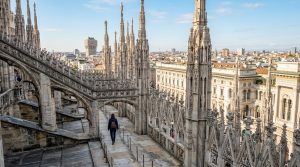
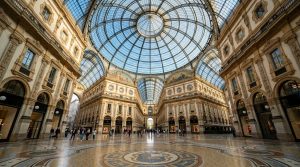
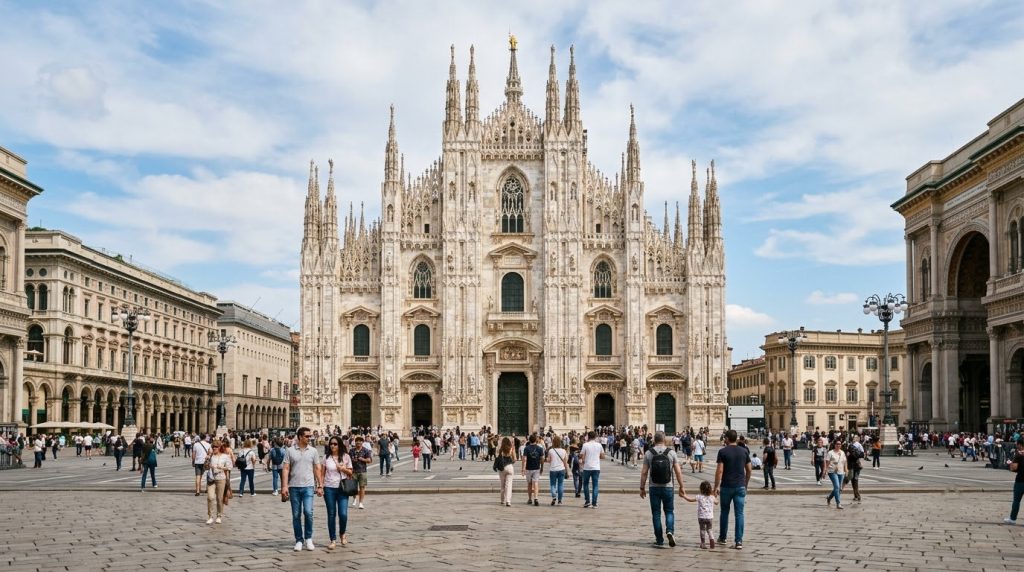
One day in Milan is enough for the postcard sights, not the city itself. Start early at the Duomo, since the cathedral and its rooftop terraces draw the longest queues by midday. Walk through the Galleria Vittorio Emanuele II to Piazza della Scala, then loop back for a sit-down lunch in Brera before an afternoon train onward.
The Last Supper almost never fits a one-day visit unless the timed-entry ticket was booked weeks or months in advance, so skip it rather than build a schedule around a slot that may not exist. This length works best for a layover between flights, a cruise-port stop, or a rail changeover between Rome, Venice, or Turin. Treat it as a taste of Milan, not a verdict on the city.
Milan in 2 days – the length most visitors should pick
Two days is the length that covers Milan’s must-sees without rushing every stop. Book the Last Supper first, before anything else, because Leonardo da Vinci’s mural sells out its 15-minute timed slots well ahead of most travel dates.
A standard adult ticket costs USD 17 (EUR 15), made up of a EUR 13 admission fee plus a mandatory EUR 2 reservation fee, and visitors ages 18 to 25 pay a reduced EUR 2.
New slots release roughly three months out in quarterly batches, with extra tickets for the following week added every Wednesday at noon, so lock in a date as soon as travel plans firm up. Spend day one on the Duomo, its rooftop, and the Galleria, then wander Brera’s streets in the evening.
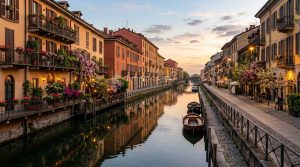
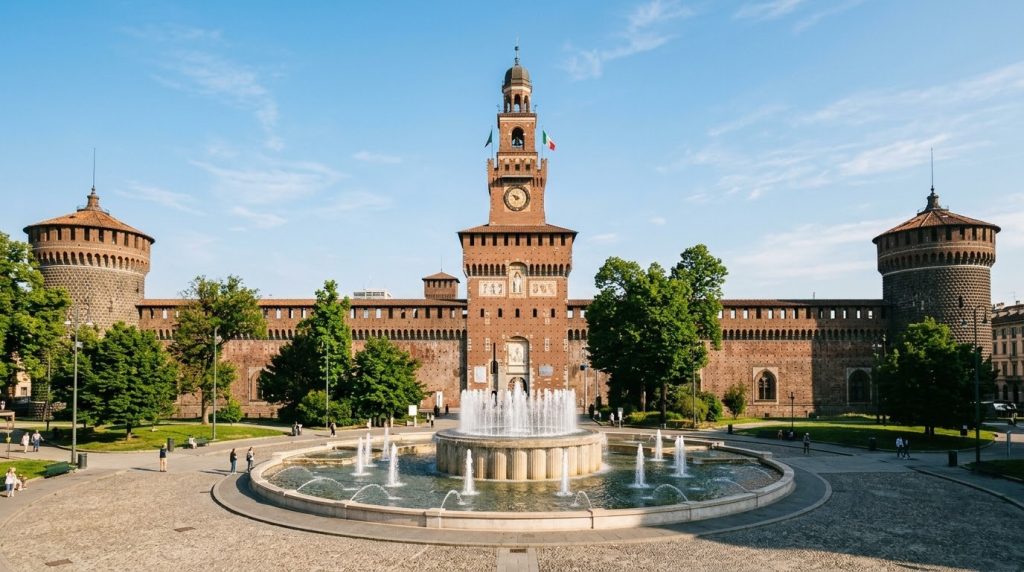
Spend day two on the Last Supper, Sforza Castle, and a Navigli canal dinner. This is the pace that suits most first-time visitors, whether Milan is a standalone city break or one stop on a wider Italy itinerary that might also include a 3-day Rome itinerary.
Milan in 3 days
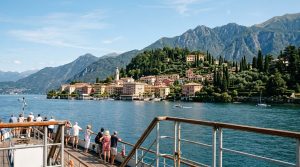
Three days adds breathing room plus one full day trip without feeling stretched thin. Keep the same two-day core, then use the third day for either Lake Como or Bergamo, both reachable by direct regional train from Milan’s main stations.
This length also leaves room for the Quadrilatero della Moda shopping streets, the Isola district, or a second museum such as the Pinacoteca di Brera, at a pace that does not require rushing between stops.
It suits travelers who prefer two or three activities a day over a packed checklist, and it pairs naturally with rail-linked stops further along an Italy route, including the Cinque Terre itinerary.
Milan in 4 days or more
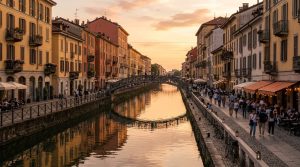
Four days or more turns Milan into a base rather than a checklist. Extra time buys a second lake town, a slower dinner-focused evening, or return visits to neighborhoods that reward wandering, such as Porta Nuova’s modern skyline or the vintage shops around Navigli.
This length suits fashion and design travelers, remote workers extending a work trip, and repeat visitors who have already covered the Duomo and the Last Supper.
One planning note: hotel rates in Milan can double or triple during Fashion Week in February and September, and during the Salone del Mobile design fair in April, so a longer stay during those weeks costs more than the ranges in the table above.
Getting around Milan
Milan’s public transport network makes a car unnecessary for any of the trip lengths above. The city runs four metro lines (M1 red, M2 green, M3 yellow, M4 lilac) alongside trams and buses operated by ATM, all covered by the same ticket.
A single ticket costs USD 3 (EUR 2.20) and covers 90 minutes of travel with one metro ride, a 24-hour pass costs USD 9 (EUR 7.60), and a 3-day pass costs USD 18 (EUR 15.50), which is usually the better buy for a 2-day-or-longer stay once a couple of cross-town trips are factored in.
Tickets work interchangeably across metro, tram and bus, and a contactless bank card can be tapped directly at metro gates without buying a paper ticket first.
The M1 and M3 lines are the two most useful for sightseeing, since M1 (red) stops at the Duomo and Cadorna, and M3 (yellow) connects the Duomo to the central station, Centrale, where trains to Lake Como and Bergamo depart.
Trams fill the gaps the metro does not reach, including the slower, more scenic routes through Brera and toward the Navigli canals, and several historic tram cars still run on regular service routes rather than as tourist novelties.
Walking covers most of the one-day and two-day itinerary on its own, since the Duomo, Galleria Vittorio Emanuele II and La Scala sit within a short walk of each other.
The main exception is the Last Supper, at Santa Maria delle Grazie, which sits far enough from the Duomo that a short M1 or M2 ride is more reliable than walking, so visitors on a tight timed-entry slot should budget transport time rather than assume it is walkable on top of everything else that day.
Why Milan works best as a base for the lakes
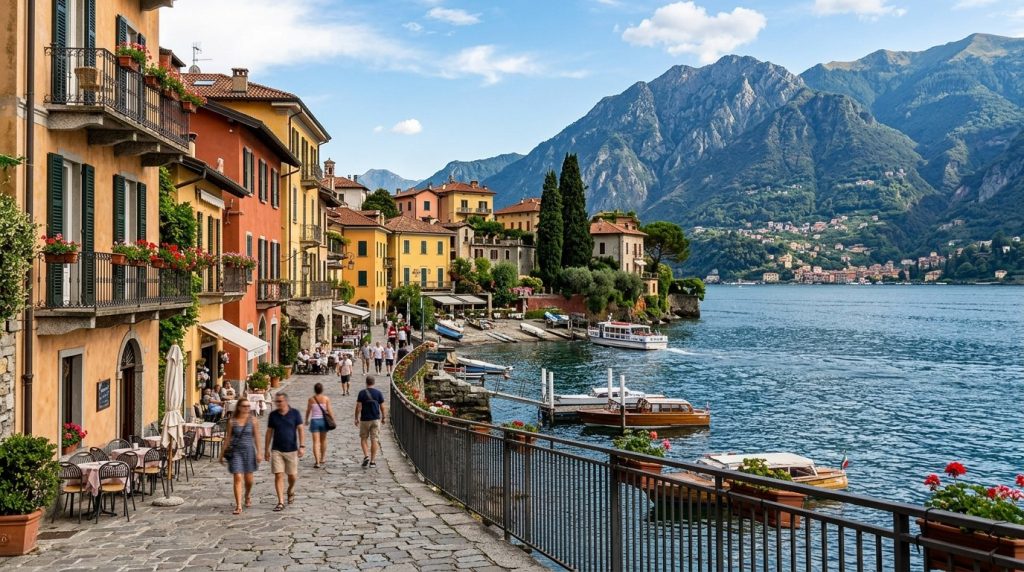
Milan itself rarely needs more than two to three days, so extra time is better spent buying day trips rather than more time inside the city. Lake Como is the closest option, with regional trains from Milan to Como San Giovanni taking about 40 minutes and one-way tickets starting around USD 5 (EUR 4).
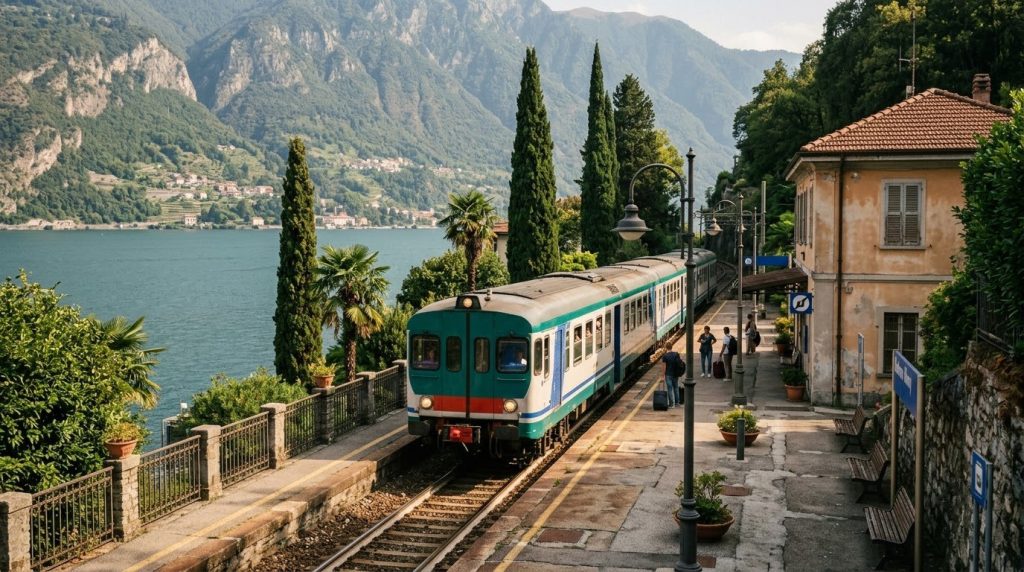
Bergamo, with its walled Città Alta hilltop old town, is a similar distance, with direct trains taking roughly 50 minutes and second-class tickets starting around USD 7 (EUR 6).
Both trips run often enough to leave Milan after breakfast and return for dinner, which is why a 3-day or 4-day Milan trip usually means more day trips, not more Duomo visits. Anyone planning the Como leg should check the best time to visit Lake Como before picking dates, since ferry schedules and crowd levels shift by month.
Best time of year to visit Milan
Milan’s weather splits more by comfort than by rain, since showers are possible in any month and rarely derail a trip the way they might on the Amalfi Coast or Lake Como.
Summer, June through August, is the hottest stretch, with July and August bringing the year’s heaviest heat and humidity, which can make an un-air-conditioned apartment or budget hotel room uncomfortable at night; this is also when fashion-week-style events are least likely, so hotel rates are not at their city-wide peak outside of August’s quieter, holiday-emptied streets.
Spring (April to June) and early autumn (September to October) are generally considered Milan’s most comfortable months, with mild days, cooler evenings and a lower chance of the heavy humidity that settles over the city in midsummer.
These shoulder months also avoid the worst of winter fog, which can settle over the Lombardy plain and occasionally disrupts short regional train connections to the lakes, a relevant factor for any 3-day-or-longer itinerary built around a Como or Bergamo day trip.
Winter (November to March) is colder than many visitors expect from northern Italy but rarely harsh, with daytime temperatures typically staying above freezing even in January.
The real winter planning risk is not the cold itself but the event calendar: Fashion Week in February and September, and the Salone del Mobile design fair in April, can each push Milan hotel rates well above their normal level for the surrounding week, regardless of season, so checking the event calendar before booking matters more than checking the forecast.
When fewer days is the right answer
Fewer days is the right answer when Milan is a stopover, not the destination. Travelers prioritizing a first trip to Rome, Florence, or Venice can treat Milan as a half-day or one-day rail changeover rather than a full stop, especially on a tight budget or a trip built around another city’s where to stay guide and itinerary.
Families with young children who tire of museum queues often get more value from one focused morning than a packed two-day schedule. Business travelers with a single free afternoon should pick two or three sights within walking distance of the hotel rather than attempting the full checklist.
In each of these cases, one well-planned day beats a rushed three-day itinerary that never finds its pace.
Saving money with a Milan attraction pass
A city pass can trim the cost of a Milan trip, though the value depends on how many paid sights fit into the days available.
The MilanoCard, the entry-level option, bundles public transport with discounted entry to a rotating list of museums and attractions, and 2026 pricing runs from USD 13 (EUR 11.50) for 24 hours to USD 30 (EUR 25.50) for 72 hours.
It suits travelers planning to see two or three paid sights alongside heavy public transport use, since the transport inclusion alone covers much of the cost on a 2-day or 3-day visit.
Pricier combined passes bundle free entry to specific attractions rather than just a discount, and are worth the higher price only for visitors certain they will use most of the included sights within the pass’s validity window.
Running the numbers against the specific attractions planned, rather than buying a pass by default, usually gives a clearer answer than comparing headline prices alone, since a pass that is not fully used costs more than paying separately for the two or three sights actually visited.
One cost no city pass covers is the Last Supper ticket, which is sold separately through the official booking system regardless of which pass is purchased, so that reservation still needs to be made on its own, well ahead of the trip.
Travelers on a 1-day visit, where transport needs are minimal and only one or two sights get visited, are usually better off buying single tickets than any pass option.
How to decide – quick cheat sheet
– Have 1 day: prioritize the Duomo and the Galleria, and skip the Last Supper unless it is already booked. – Have 2 days: book the Last Supper first, then build the rest of the trip around that time slot. – Have 3 days: add one lake day trip, choosing Como for scenery or Bergamo for a walkable old town. – Have 4 or more days: add a second lake town, or slow the pace and revisit favorite neighborhoods. – Traveling during Fashion Week (February or September) or Salone del Mobile (April): add a buffer for higher hotel rates and book lodging earlier than usual.
What to pack for Milan
Milan rewards a slightly more polished wardrobe than a typical sightseeing trip, since it is a fashion and business city as much as a tourist one, and restaurant and bar dress codes, especially in Brera and around the Quadrilatero della Moda, lean smart-casual rather than resort-casual.
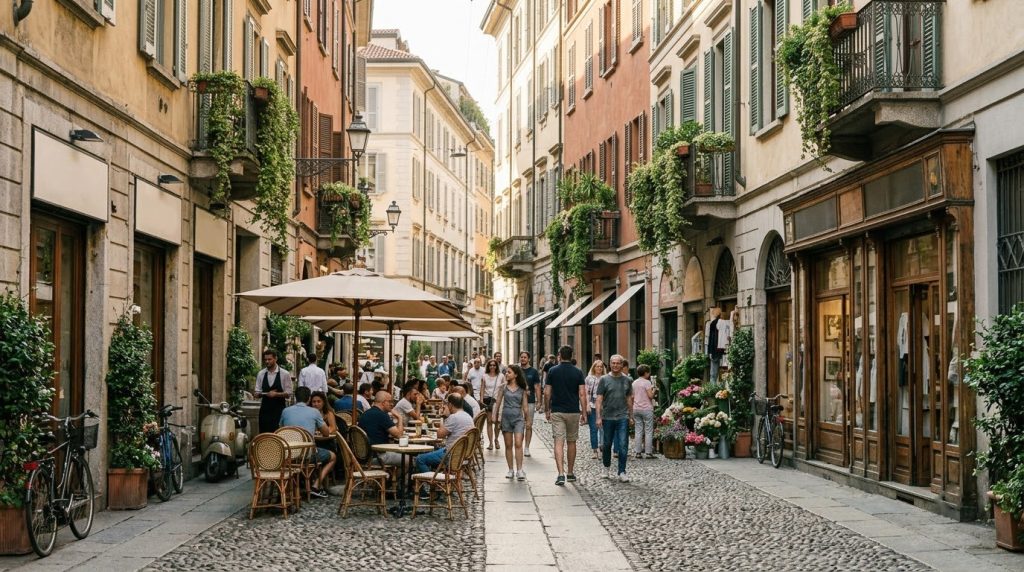
Comfortable walking shoes still matter for the cobblestones around the Duomo and Navigli, but packing at least one smarter outfit avoids feeling out of place at a nicer dinner.
Church dress codes apply at the Duomo and at Santa Maria delle Grazie, where the Last Supper is viewed: shoulders and knees need to be covered to enter, so a light scarf or layer is worth keeping in a day bag even in summer heat.
The Duomo rooftop terraces are open-air and can be windy, so a layer that packs down small is more useful there than a heavy jacket carried all day.
Layering matters most in the shoulder seasons and winter, when a single warm layer at night is swapped for light clothing by early afternoon; a packable rain jacket is worth including year-round, since Milan sees rain spread across the calendar rather than concentrated in one obvious wet season.
Travelers adding a Lake Como or Bergamo day trip should pack a spare layer for the lake itself, since lake-side temperatures can run a few degrees cooler than central Milan, particularly on the water during a boat crossing.
A sturdy, comfortable pair of shoes earns its place in every season, since Milan’s sightseeing core covers more cobbled and stone-paved ground than it looks like on a map, and the Galleria’s marble floors can be slippery in wet weather.
Travelers on the 1-day or 2-day itineraries covered earlier on this page should prioritize packing light over packing for every possible scenario, since a single carry-on bag makes the train connections to Venice, Rome or the lakes noticeably easier than wheeling a full suitcase through a crowded platform.
Where to stay for a short Milan trip
A short Milan trip works best from a hotel within walking distance of the Duomo or Porta Garibaldi’s train links, since both areas cut transit time to the Last Supper, Brera, and the two lake-bound stations. Compare live rates and locations before booking with the map below.
Find your Milan hotel on the map
Live prices from Booking, Airbnb and more — move the map or change dates to compare stays around Milan.
Planning the whole trip? Start with our Milan travel guide for the overview, then use this page for the details.