Disclosure: Some links in this guide are affiliate links. If you book or buy through them, we may earn a small commission at no extra cost to you — it helps keep our guides free.
The 30-second version Lucerne
Pick Lucerne if: First Swiss trip, 1-3 days available, prefer culture + history + walkable old town
The interlaken vs lucerne debate is the most common Switzerland trip-planning question for first-time visitors with 3-7 days to spend. Both cities sit beside picture-perfect lakes, both deliver postcard alpine views, and both work as a base for the most iconic Swiss experiences. But they are remarkably different in vibe, cost, and traveler fit.
Pick this if
Interlaken
You have 4 or more days and want alpine adventure activities.
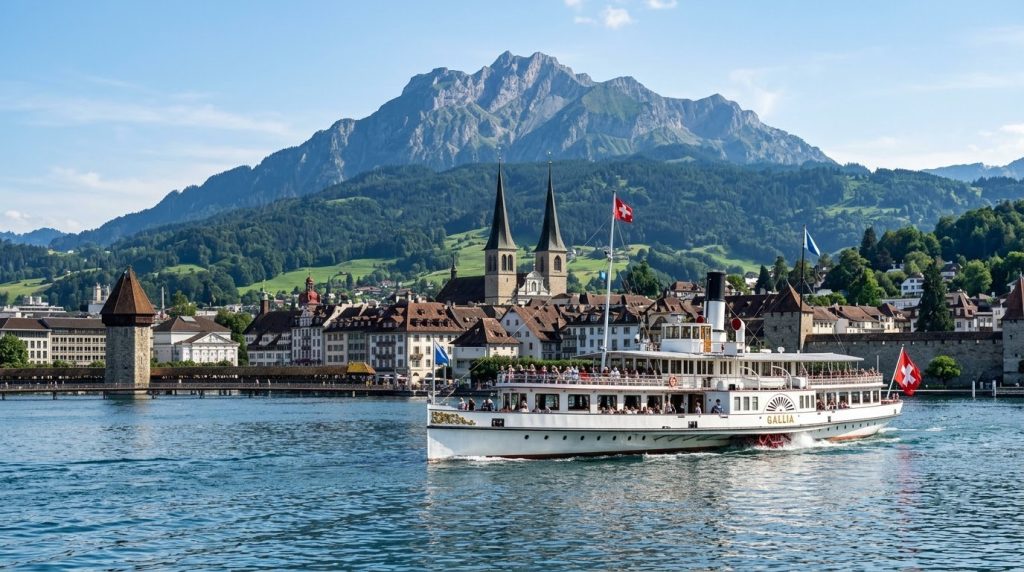
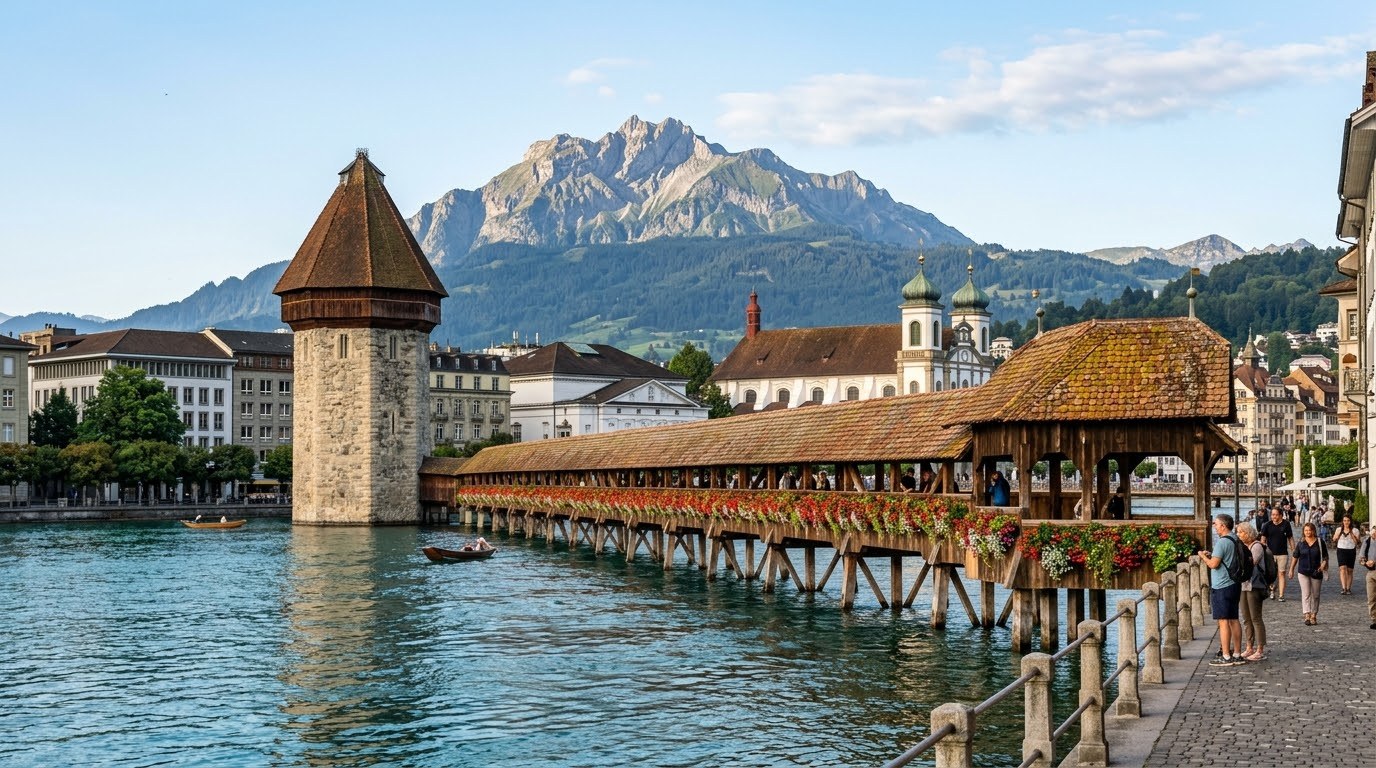
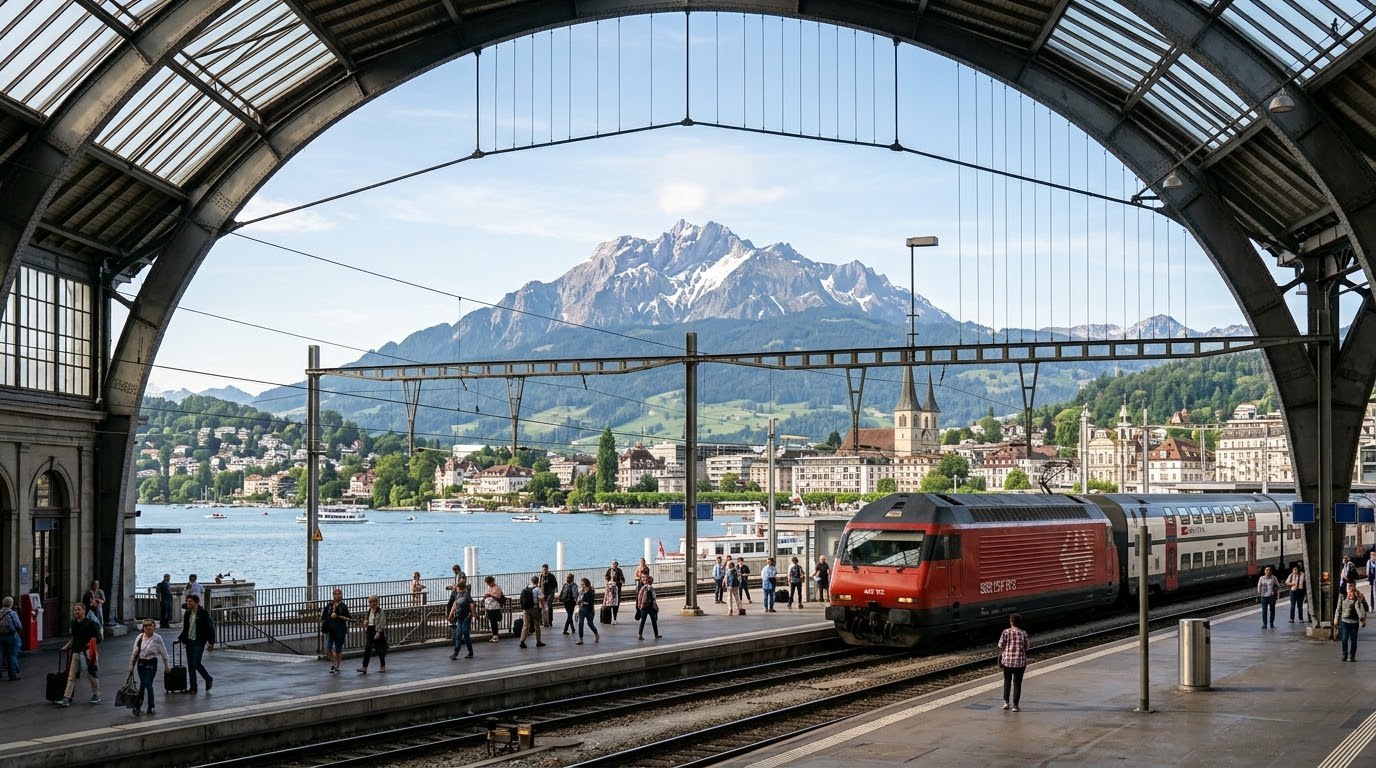
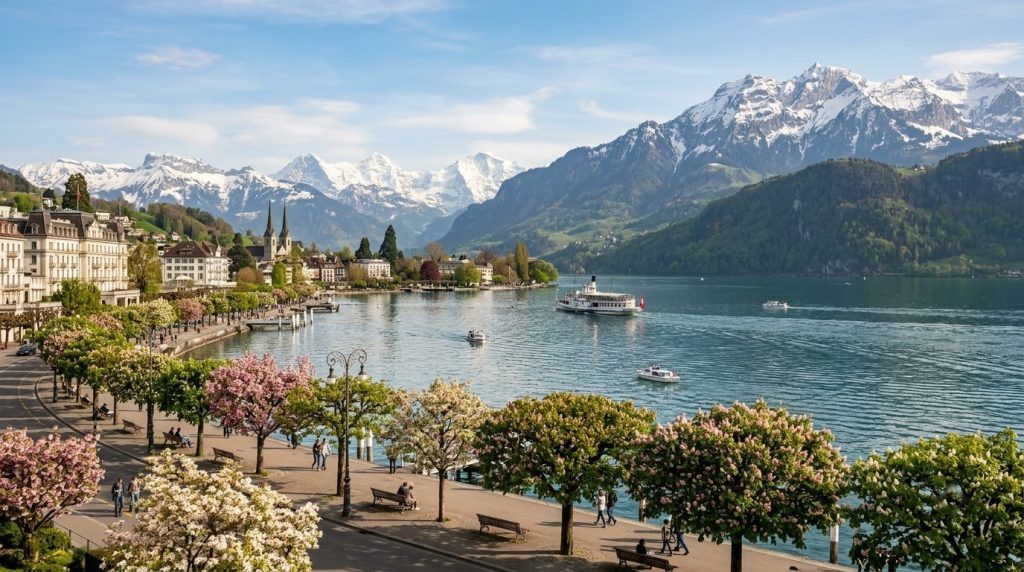
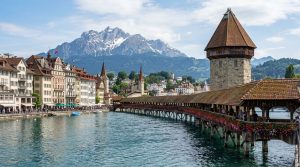
Lucerne is the cultural and historical heart of central Switzerland — Chapel Bridge (1333), the Lion Monument, a walkable medieval old town, and direct access to Mt. Pilatus and Mt. Rigi. It is the easier first-Swiss-trip choice with shorter train rides from Zurich Airport and a more international city feel.
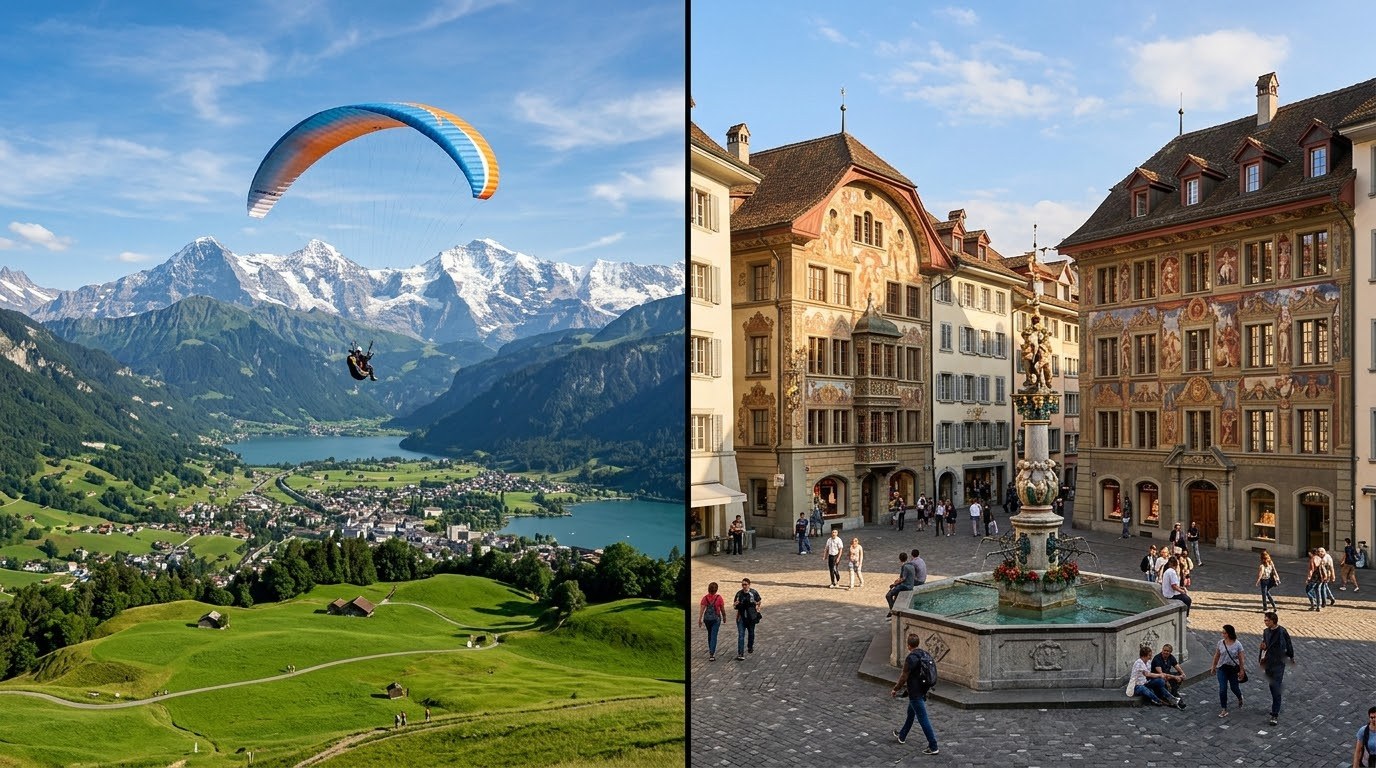
Interlaken is the adventure capital of the Swiss Alps — paragliding, canyoning, Jungfraujoch (Europe’s highest train station), and the Jungfrau Region’s cliff villages. It is the bucket-list adrenaline base with cheaper hotels but pricier mountain rides.
This guide compares interlaken vs lucerne across 10 dimensions — vibe, hotels, food, weather, day trips, and 5 traveler personas — plus a 5-day combined itinerary that uses both cities as bases via the GoldenPass scenic train. By the end, you will know exactly which city fits your trip — or whether you should skip the choice and visit both.
We only recommend services we genuinely trust. Learn more.
Interlaken has the energy of an alpine adventure base — backpackers in technical jackets, paragliders descending into Höhematte Park, lots of English spoken in cafes, and a constant flow of tour buses headed to Jungfraujoch. The two-station valley layout means hotels and restaurants are spread across about 2 km, which keeps it from feeling crowded even in peak summer.
Lucerne has the polish of a refined Swiss city — old town arcades, medieval painted bridges, art museums, and lakeside cafes that lean European-cosmopolitan rather than alpine-rustic. The compact car-free old town fits in roughly 1 km, making it densely walkable but also visually crowded at peak times.
Bottom line: Interlaken if you want that “I am at the foot of the Alps” feeling. Lucerne if you want “I am in a beautiful European city that happens to have mountains nearby.”
Location & Accessibility from Major Cities
From Zurich Airport (most common entry):
– Lucerne: 1h direct train, CHF 26 saver fare (SBB, 2026)
– Interlaken: 2h via Bern, CHF 38 saver fare
From Geneva Airport:
– Lucerne: 3h 5m via Bern, CHF 70 standard
– Interlaken: 2h 44m via Bern, CHF 79 standard
Verdict: Lucerne wins for first-time travelers with one short flight in. Interlaken is only marginally further but adds 1 hour of travel time. See our how to get to Interlaken guide for full origin-by-origin breakdown.
Find your Lucerne hotel on the map
Live prices from Booking & Airbnb — tap a pin to compare stays around the Old Town and beyond.
Interlaken wins on budget tiers — more hostel competition (Balmers, Backpackers Villa Sonnenhof, Lazy Falken) keeps dorm pricing 30-50 percent below Lucerne. Lucerne is comparable on mid-range and luxury with comparable amenities at slightly higher base rates.
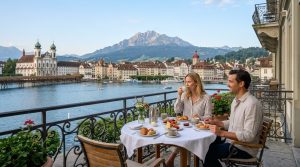
Lucerne has roughly 250 restaurants per Tripadvisor Lucerne dining, spanning fine dining (Kaufleuten, Old Swiss House), international (Indian, Thai, Italian), and lakeside terraces with Mt. Pilatus views. Better dietary diversity (vegan options, halal, gluten-free) thanks to larger city size.
Interlaken has roughly 80 restaurants, leaning toward hiker-cuisine (rösti, fondue, Tagesmenü daily plates) plus chains (McDonald’s, Burger King, Starbucks) for tourist convenience. Authentic Swiss food is excellent but vegetarian/vegan options are limited compared to Lucerne. See our best food in Interlaken guide for 15 vetted picks.
Verdict: Lucerne wins for food variety and fine dining. Interlaken wins for affordable Swiss classics.
Lucerne is roughly 5-10 percent more expensive per day for food and city activities, but day trip costs flip the comparison — Mt. Pilatus at CHF 78 is dramatically cheaper than Jungfraujoch at CHF 224-261. For full Interlaken cost details see our Interlaken on a budget guide.
Day Trips Comparison
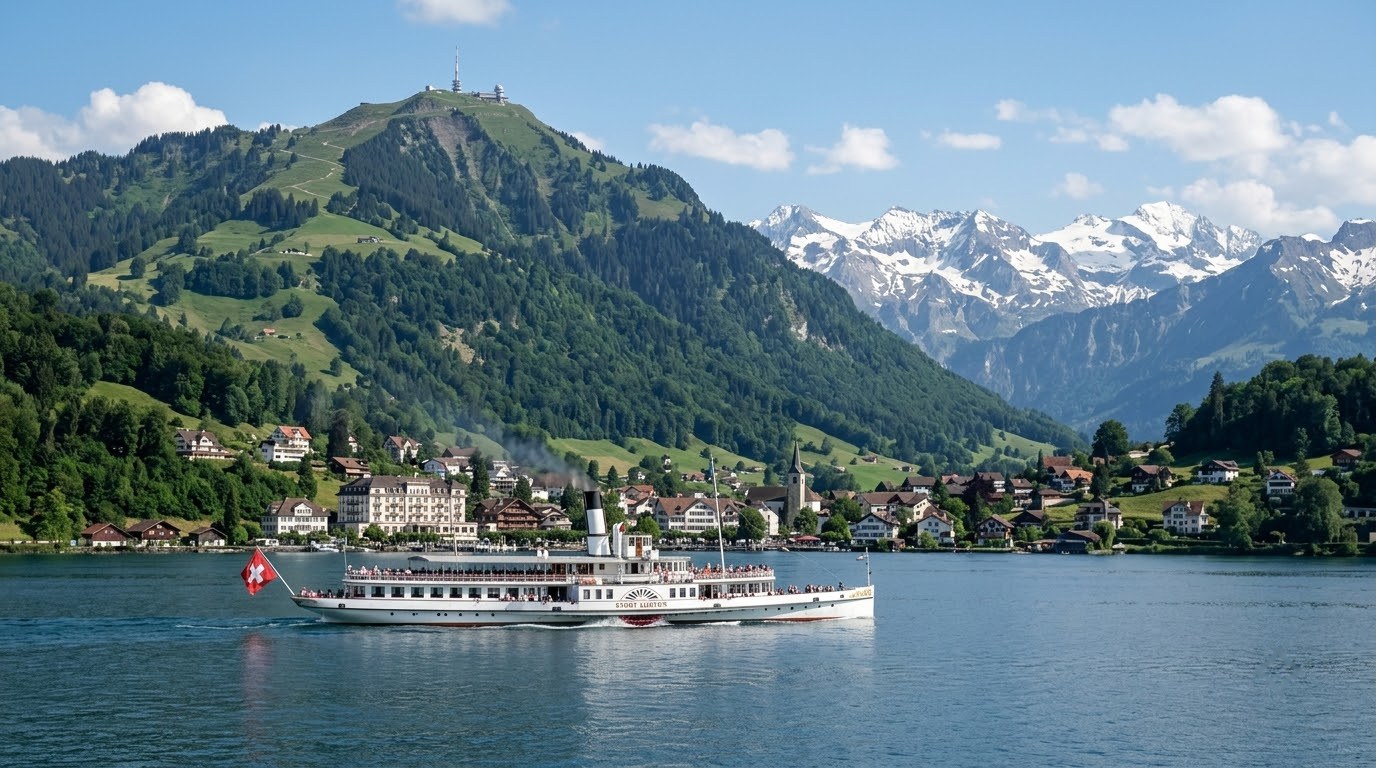
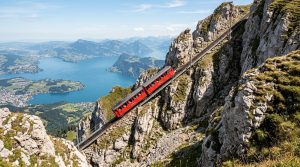
From Lucerne: Mt. Pilatus (CHF 78, 4 hours, cogwheel + cable car), Mt. Rigi (CHF 70 with boat + cog, half day), Mt. Titlis (CHF 92, ice flyer cable car), Engelberg village (1h, mountain village), and a possible day trip to Interlaken via the GoldenPass scenic train (1h 46m, CHF 32).
From Interlaken: Jungfraujoch (CHF 224-261, 8 hours, Top of Europe), Schilthorn / Piz Gloria (CHF 175-210, Bond’s mountain), Schynige Platte (CHF 44, vintage cog railway, alpine flowers), Lauterbrunnen Valley (CHF 8 each way, 72 waterfalls), and Iseltwald (free with Guest Card, Crash Landing on You filming spot).
Verdict: Lucerne offers cheaper, more accessible day trips (most under CHF 80). Interlaken offers more iconic destinations but at higher per-trip cost. For the full day trip inventory from Interlaken, see our day trips from Interlaken guide covering 15 destinations with pricing.
Weather and Best Time to Visit
Both cities share the same climate band — central Switzerland — with peak weather June through September.
Season
Avg temp
Best for
Pricing
Spring (Apr-May)
10-18°C
Lower crowds, melting snow + waterfalls
20-30 percent off peak
Summer (Jun-Sep)
18-25°C
Adventure, peak weather, all attractions open
Peak (highest hotel rates)
Autumn (Sep-Oct)
10-18°C
Best price-to-weather, fewer tourists, autumn colors
Best season for both: Late September through mid-October — clear skies, autumn colors over the lakes, hotel rates 25 percent below July-August peak.
Best for: Persona-Based Recommendations
1. First-Time Switzerland Visitor (3-4 days)
Choose Lucerne. Easy 1-hour train from Zurich Airport, walkable old town with Chapel Bridge, manageable scale for a quick trip, and Mt. Pilatus delivers the alpine moment without the Jungfraujoch CHF 261 commitment. Pilatus.
2. Adventure Seeker / Young Couple (4-7 days)
Choose Interlaken. This is what the town is built for — paragliding from Beatenberg, canyoning in Saxeten Gorge, Jungfraujoch, and lake activities. Younger traveler vibe (Balmers Hostel atmosphere) and more shoulder-season value.
3. Family with Kids (5-7 days)
Choose Both. Lucerne for boat cruises + Mt. Pilatus + museums (rainy day backup); Interlaken for Schynige Platte vintage train, lake swimming, and easy valley walks. The 5-day combined itinerary below is purpose-built for this. Book family rooms via Booking.com family hotels. Those mapping out a day-by-day plan will find a ready-made outline in our Lucerne itinerary.
4. Romantic Couple / Honeymoon (5-7 days)
Choose both with a tilt to Lucerne if culture-focused, Interlaken if mountain-focused. Lucerne has historic charm + fine dining + lakeside walks; Interlaken has dramatic mountain backdrops + adventure dates (paragliding together) + lake picnics. Best play: 3 nights Interlaken + 2 nights Lucerne. Book honeymoon suites via Booking.com luxury Switzerland.
5. Budget Traveler (any duration)
Lean Lucerne for 2-3 day trips (cheaper top day trips), Interlaken for 4+ days (more budget hostels and free hiking). A 5-day budget split (2 nights Lucerne + 3 nights Interlaken) works well. Stay at hostels via Hostelworld and use Airalo eSIM for free maps and tour vouchers.
Why Not Both? The Perfect 5-Day Combined Itinerary
Most travelers framing this as interlaken vs lucerne miss the easier answer — visit both. The two cities are connected by the GoldenPass Express scenic train (1h 46m, CHF 32, panoramic windows, 5 lakes en route) which makes the journey itself a highlight rather than a transit cost.
Option 1: Lucerne First, Interlaken Second (First-Timers)
Day 1: Arrive Zurich, train to Lucerne (1h, CHF 26). Settle in, walk Chapel Bridge, dinner lakeside.
Day 3: GoldenPass scenic train to Interlaken (1h 46m, CHF 32 or free with Swiss Pass). Arrive afternoon, explore Höhematte Park.
Day 4: Jungfraujoch full day (CHF 224-261, GetYourGuide).
Day 5: Lauterbrunnen morning (CHF 8 each way) + Lake Brienz cruise afternoon, depart Interlaken Ost.
Why this order: Gentler arrival, gradual elevation gain, GoldenPass mid-trip is the scenic moment.
Option 2: Interlaken First, Lucerne Second (Adventure Lovers)
Day 1: Arrive Zurich, train to Interlaken (2h, CHF 38). Settle in.
Day 2: Tandem paragliding (CHF 170-260, GetYourGuide) + Höhematte Park + free Harder Kulm hike.
Day 3: Jungfraujoch full day OR Schilthorn for Bond fans.
Day 4: GoldenPass scenic train to Lucerne. Chapel Bridge, old town, lakeside dinner.
Day 5: Mt. Pilatus or Mt. Rigi morning + return to Zurich Airport.
Why this order: High-energy start, wind down with culture, easier final-day airport exit from Lucerne.
Option 3: Split-Stay Honeymoon (6+ Days)
Days 1-2: Lucerne — Chapel Bridge, Mt. Pilatus, fine dining, museums.
Day 3: GoldenPass Express scenic transfer (treat the train ride as the day activity).
Days 4-5: Interlaken — paragliding date, Jungfraujoch, fondue cruise.
Day 6: Optional Schynige Platte sunrise OR depart via Interlaken Ost to Zurich Airport.
Why this option: Maximizes both cities, scenic train as memorable transition.
Key transfer tips:
– GoldenPass Express runs hourly; book panoramic class for an extra CHF 13.50 supplement
– Sit on the LEFT going from Lucerne for best Brünig Pass views
– Both Interlaken and Lucerne have luggage forwarding (CHF 12 per bag) via SBB
– For multi-leg Switzerland itineraries, the Swiss Travel Pass covers all transit free plus 50 percent off mountain rides
Frequently Asked Questions
Is Interlaken or Lucerne better for first-time visitors?
Lucerne is the easier first-Swiss-trip choice — 1 hour from Zurich Airport, walkable old town, less mountain-train logistics, and Mt. Pilatus delivers the alpine moment cheaper than Jungfraujoch. Interlaken is the better choice if you specifically want adventure activities or have 4+ days for the Jungfrau Region.
Should I stay in Interlaken or Lucerne for 3 days?
For a strict 3-day Switzerland trip, Lucerne wins. Add Mt. Pilatus and Mt. Rigi as day trips, plus a half-day GoldenPass round trip toward Interlaken if you want a taste of both. For 4+ days, switch the recommendation to Interlaken or split between both cities.
Is the GoldenPass Express worth taking between Interlaken and Lucerne?
Yes — it is one of the most beautiful train rides in Europe. The 1h 46m journey crosses Brünig Pass at 1,008m through 5 lakes with oversized panoramic windows. Cost CHF 32 standard or free with the Swiss Travel Pass (Swiss Travel System, 2026). Sit on the left coming from Lucerne for the best views.
Is Lucerne cheaper than Interlaken?
Roughly the same for hotels and food — Lucerne is 5-10 percent more expensive per day for city expenses, but day trip costs flip the comparison. Mt. Pilatus at CHF 78 is significantly cheaper than Jungfraujoch at CHF 224-261. For a 4-day stay focused on the iconic mountain experience, total spend is similar.
Which city has better food?
Lucerne wins on variety, fine dining, and dietary options (vegan, halal, gluten-free) thanks to its larger size and 250+ restaurants. Interlaken wins on affordable Swiss classics — fondue, raclette, rösti, and Tagesmenü daily plates. See our best food in Interlaken guide for the curated picks.
Can I visit Lucerne as a day trip from Interlaken?
Yes — the GoldenPass Express makes Lucerne a feasible day trip (1h 46m each way). Leave Interlaken Ost early (8am), arrive Lucerne by 10am, walk Chapel Bridge plus Lion Monument plus lake stroll, return by evening. But you miss Mt. Pilatus or Mt. Rigi. Better to spend at least one overnight in Lucerne.
Which city is more romantic?
Subjective — Lucerne for historic charm + fine dining + lakeside walks under wooden bridges (1333 Chapel Bridge is a candle-lit dinner backdrop). Interlaken for dramatic mountain scenery + adventure couple experiences (tandem paragliding date, sunset paragliding) + remote lakeside picnics at Iseltwald. Best play: split-stay 3+2 nights for both vibes.
Which has better weather year-round?
Both share the same central Switzerland climate. Both peak June-September with 18-25°C. Both have crisp, clear shoulder seasons (April-May and September-October). Both are cold and quieter in winter (December-February) — Interlaken slightly better for skiing, Lucerne slightly better for Christmas markets and indoor museums.
Final Verdict: Pick Your Trip
The interlaken vs lucerne decision is fundamentally about what kind of Swiss trip you want. Lucerne is the cosmopolitan culture city with manageable scale and short transit from Zurich. Interlaken is the adrenaline alpine base where the world’s best paragliding launches and Europe’s highest train station depart from one valley.
Quick decision matrix:
3 days, first time, no preference: Lucerne
5+ days, want adventure: Interlaken
4-5 days, want both: Combine via GoldenPass scenic train (Option 1 or 2 above)
Honeymoon 6+ days: Split-stay (Option 3)
Family with kids 5-7 days: Combine — Lucerne first, then Interlaken
Tight budget: Lucerne (cheaper top day trips)
Bucket list Jungfraujoch: Interlaken
Booking sequence regardless of choice:
Book hotels first via Booking.com Switzerland — both cities sell out July-August.
Pilatus via GetYourGuide Mt. Pilatus for Lucerne.
Activate Airalo eSIM before flying for offline maps and tour vouchers.
The Swiss Alps reward travelers who plan ahead. Whether you pick Lucerne, Interlaken, or both via the GoldenPass Express, you cannot lose — you are visiting one of Europe’s most beautiful regions either way.