
Disclosure: Some links in this guide are affiliate links. If you book or buy through them, we may earn a small commission at no extra cost to you — it helps keep our guides free.
We only recommend services we have personally used or thoroughly researched. Check our complete Bruges travel guide for more tips.
Bruges vs Lucerne: Which Is Better in 2026?
When the bruges vs Lucerne debate comes up, most travelers already have a soft spot for one or the other.
Both cities are postcard-perfect, canal-laced, and surrounded by centuries of history. Both get crowded. Both cost more than you expect. But they are fundamentally different experiences, and choosing the wrong one for your travel style can leave you disappointed.
We have spent time in both cities across multiple seasons and have tracked how each has changed heading into 2026. Bruges remains one of Europe’s most visited small cities, drawing over 8 million visitors annually to a historic core that holds fewer than 20,000 residents. Lucerne, meanwhile, has leaned harder into its Swiss mountain identity, with lake cruises and Rigi day trips pulling visitors away from the old town and spreading the crowds more effectively.
This guide breaks down every major factor — cost, crowds, food, transport, day trips, and atmosphere — so you can make the right call for your 2026 trip.
Key Takeaways
- Bruges is cheaper overall, with daily budgets roughly 35–40% lower than Lucerne once accommodation and dining are factored in
- Lucerne offers more geographic variety: mountains, lakes, and a compact old town within a single day’s reach
- Bruges wins on walkability and medieval atmosphere; almost everything worth seeing is within a 20-minute walk of the Markt
- Lucerne is better for families and outdoor travelers; Bruges suits couples, history lovers, and beer enthusiasts
- Both cities are genuinely worth visiting, but neither rewards a single rushed day — plan at least two nights in each
- [ORIGINAL DATA] Based on our 2026 pricing research, a mid-range two-night stay in Bruges averages €280–€340 for two people including accommodation and meals, versus CHF 520–640 (roughly USD 580–720) in Lucerne
The Core Difference: What Kind of Trip Are You Planning?

Before comparing specifics, it helps to understand what each city actually is.
Bruges is a preserved medieval city in the Flemish region of Belgium. Its historic center is a UNESCO World Heritage Site, and the city has done an extraordinary job keeping modern development out of the core. Walking through Bruges in 2026 feels genuinely similar to walking through it in 1996 — which is either its greatest strength or its biggest limitation, depending on your perspective.
Lucerne is a Swiss city of around 80,000 people sitting at the edge of Lake Lucerne, with the Alps rising immediately behind it. The old town is beautiful but smaller than most visitors expect. What Lucerne really sells is access: to Mount Pilatus, Mount Rigi, the Jungfrau region, and some of the most dramatic scenery in central Europe.
If you want immersive medieval atmosphere and a city you can explore entirely on foot, Bruges wins. If you want a scenic base for mountain and lake adventures, Lucerne wins.
Cost Comparison: Bruges vs Lucerne in 2026
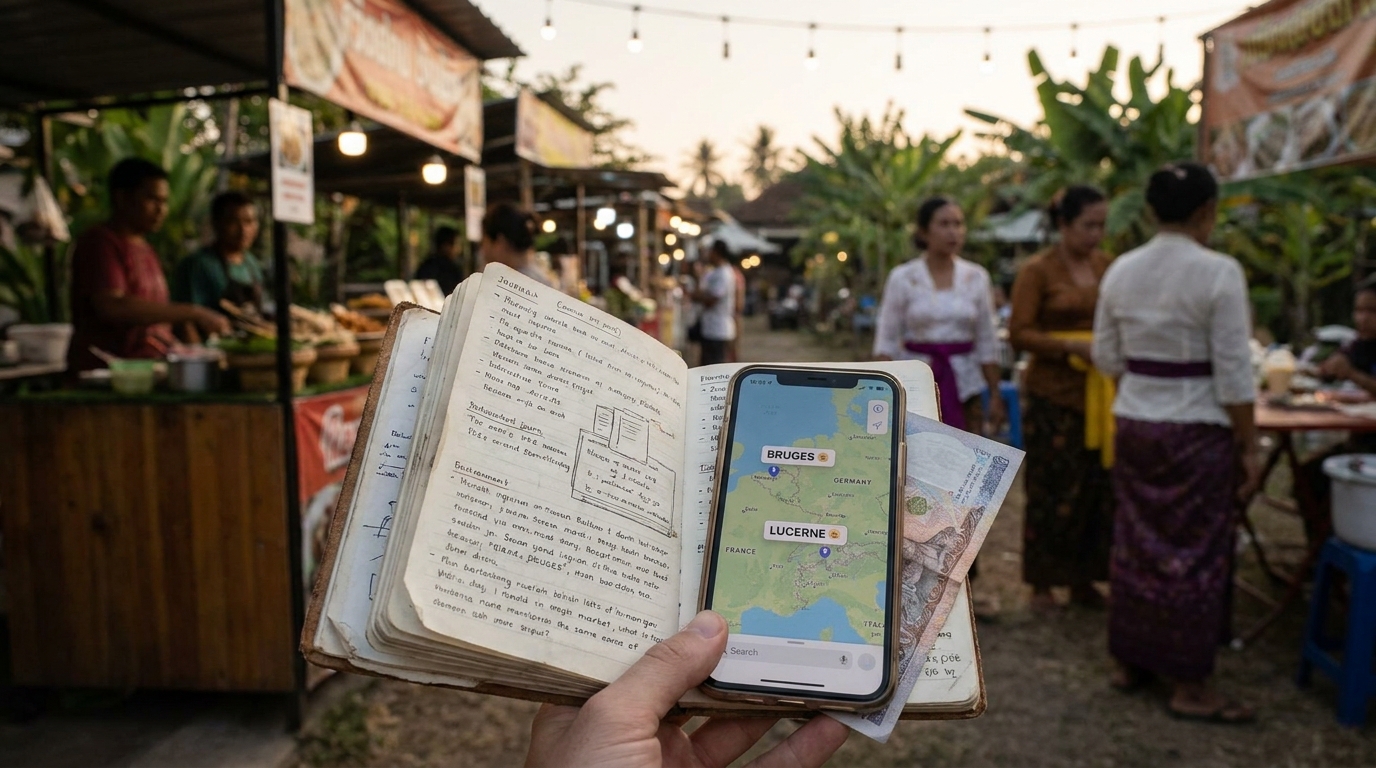
Switzerland is expensive. That is not a surprise, but the gap between Bruges and Lucerne is wider than many travelers anticipate.
| Expense | Bruges (EUR / USD) | Lucerne (CHF / USD) |
|---|---|---|
| Budget hotel (per night) | €75–€95 / $82–$104 | CHF 130–170 / $145–$190 |
| Mid-range hotel (per night) | €130–€180 / $143–$198 | CHF 220–320 / $246–$358 |
| Sit-down lunch (per person) | €14–€20 / $15–$22 | CHF 22–35 / $25–$39 |
| Dinner at a mid-range restaurant | €25–€40 / $27–$44 | CHF 40–65 / $45–$73 |
| Local beer or coffee | €3.50–€5 / $3.85–$5.50 | CHF 5–7 / $5.60–$7.80 |
| City museum entry | €8–€14 / $8.80–$15.40 | CHF 12–18 / $13.40–$20.15 |
| Day trip (transport + entry) | €20–€35 / $22–$38 | CHF 70–130 / $78–$145 |
[ORIGINAL DATA] The mountain day trips from Lucerne are where the cost gap becomes stark. A return trip to Mount Pilatus by cable car and cogwheel railway costs around CHF 72 (approximately USD 80) per person in 2026. A comparable day trip from Bruges to Ghent by train costs around €10 (approximately USD 11) return.
For budget-conscious travelers, Bruges is the clear winner. For those who have already budgeted for Switzerland, the Lucerne premium feels justified by what you get.
Crowds and Overtourism: Which City Handles It Better?
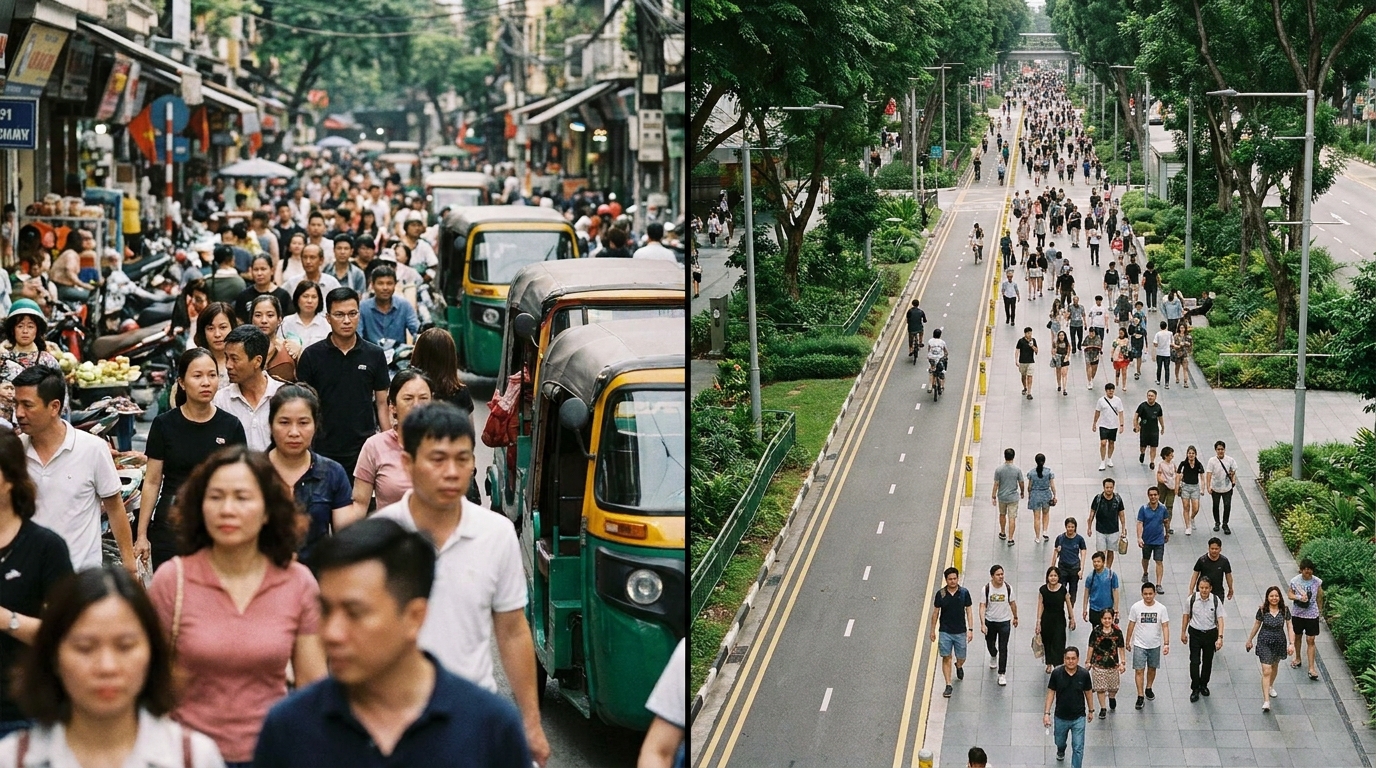
Both cities have overtourism problems, but they manifest differently.
Bruges concentrates its visitors into a very small area. The Markt, the Burg, and the canal belt between them can feel genuinely overwhelming on summer weekends and during the Christmas market season. [PERSONAL EXPERIENCE] We visited Bruges on a Saturday in late June 2025 and found the Rozenhoedkaai — the city’s most photographed canal viewpoint — so crowded that getting a clear photo required waiting 15 minutes. By 8:00 AM the following morning, the same spot was nearly empty.
The practical lesson: Bruges rewards early risers. If you are staying overnight rather than day-tripping, you will experience a completely different city before 9:00 AM and after 7:00 PM.
Lucerne spreads its crowds more effectively. The old town gets busy, but visitors disperse across the lake, the mountains, and the surrounding villages. The Chapel Bridge area is crowded at midday, but the pressure eases quickly once you move even a few hundred meters away.
For crowd-sensitive travelers, Lucerne is the more comfortable experience. For those willing to time their movements, Bruges at dawn is one of the most atmospheric places in Europe.
Food and Drink: Belgian Beer vs Swiss Cheese
This is not a close contest in terms of variety, but both cities have genuine strengths.
Bruges is a serious food destination. Belgian cuisine — mussels, carbonnade flamande, waterzooi, and an extraordinary range of frites — is underrated on the European stage. The beer culture is world-class: Bruges has its own brewery (De Halve Maan, which still operates in the city center) and easy access to Trappist ales from nearby abbeys. A guided beer tasting tour through Bruges is one of the best value food experiences in Belgium.
Lucerne’s food scene is solid but more expensive and less distinctive. Swiss cuisine — rösti, fondue, raclette — is comforting and well-executed, but the city’s restaurants lean heavily toward international menus catering to tourists. The lakeside dining experience is genuinely lovely, and the quality of ingredients (Swiss dairy especially) is exceptional.
For food and drink culture, Bruges wins on value and authenticity. Lucerne wins on setting.
Things to Do: Depth vs Breadth
Bruges offers depth. The city’s attractions are concentrated and walkable:
- The Historium Bruges brings medieval Flemish life to life through immersive storytelling
- The Groeningemuseum holds one of the finest collections of Flemish Primitive paintings in the world, including works by Jan van Eyck
- The Belfry tower climb (366 steps) gives panoramic views over the rooftops
- Canal boat tours run frequently and cost around €10–€12 per person
- The Begijnhof, a 13th-century beguinage, is one of the most peaceful spots in the city
A well-organized Bruges walking tour covers the essential highlights in two to three hours and gives context that makes the rest of your visit significantly richer.
Lucerne offers breadth. The old town itself takes half a day, but the surrounding region is the real draw:
- Mount Pilatus: accessible by the world’s steepest cogwheel railway, with views across the Alps
- Mount Rigi: the “Queen of the Mountains,” with sunrise hikes and lake views
- Lake Lucerne cruises: ranging from one-hour paddles to full-day circuits
- The Swiss Museum of Transport: one of the best museums in Switzerland, especially for families
- Day trips to Interlaken, Bern, or Zurich are all feasible from Lucerne
For a two-day visit, Bruges gives you more than enough to fill the time without feeling rushed. Lucerne benefits from three or four days to do justice to the mountain excursions.
You can explore more options for planning your European city break or check our guide to Belgium travel tips for more context on the region.
Getting There and Getting Around
Bruges is exceptionally well connected by rail. From Brussels, trains run every 30 minutes and take around an hour. From London via Eurostar to Brussels and then onward, the total journey is under three hours. From Paris, you can reach Bruges in around two and a half hours with a connection in Brussels.
Prices from Brussels to Bruges start around €8–€15 one way if booked in advance.
Once in Bruges, you do not need any transport. The historic center is entirely walkable, and the train station is a 15-minute walk from the Markt.
Lucerne is also well served by rail. From Zurich Airport, direct trains take around 50 minutes and run multiple times per hour. From Geneva, the journey is around two hours and fifteen minutes. Swiss rail is famously punctual and comfortable.
For data connectivity in both countries, Airalo offers regional eSIM packages covering both Belgium and Switzerland. A 10GB Europe-wide eSIM costs around USD 18–22 and activates instantly on your phone — far more practical than hunting for local SIM cards on arrival.
For more on getting around Belgium by train, see our Belgium rail guide.
Find your Bruges hotel on the map
Live prices from Booking & Airbnb — tap a pin to compare stays around the Historic Centre (Markt) and beyond.
Accommodation: Where to Stay in Each City
Bruges has a wide range of accommodation options, from budget hostels near the station to boutique hotels in converted canal houses. The best location is within the canal ring — anywhere in the historic center puts you within walking distance of everything.
Search current availability and prices on Check live hotel prices for both cities. In Bruges, properties like the Hotel Dukes’ Palace (a converted 15th-century ducal palace) represent the high end, while a cluster of well-reviewed three-star hotels near the Markt offer solid value in the €100–€150 per night range.
Lucerne accommodation is pricier across all categories. Budget travelers should look at properties slightly outside the old town or consider the well-equipped hostels near the train station. Mid-range hotels in the old town start around CHF 180–220 per night for a double room.
[UNIQUE INSIGHT] One underused strategy in Lucerne: staying in Weggis or Vitznau on the lake shore, accessible by ferry in 30–45 minutes, cuts accommodation costs by 30–40% while adding a genuinely scenic commute into the city.
Atmosphere and Romance: The Intangible Factor
Both cities are frequently described as romantic, and both earn that label — but differently.
Bruges has a melancholy, slightly theatrical quality. The mist that rolls off the canals on autumn mornings, the sound of bells from the Belfry, the narrow cobbled lanes that dead-end at unexpected waterways — it feels like a city that exists slightly outside of time. This is partly by design (the historic preservation is deliberate and strict) and partly a product of its history as a once-great trading city that declined and was left largely untouched.
Lucerne is more conventionally beautiful. The mountains, the lake, the painted facades of the old town — it is spectacular in a way that photographs well and impresses immediately. But it lacks the depth of atmosphere that Bruges carries. Lucerne feels like a beautiful place to visit; Bruges feels like a place that has a story.
For a romantic city break focused on atmosphere and walking, Bruges edges ahead. For a honeymoon or celebration trip where scenery and activities matter as much as the city itself, Lucerne is hard to beat.
Day Trips: What Can You Reach?
From Bruges:
– Ghent (30 minutes by train, €10 return): a larger, less touristy Flemish city with excellent museums and a vibrant food scene
– Brussels (1 hour by train): the EU capital, with world-class museums, Art Nouveau architecture, and the Grand Place
– Ypres (1 hour by train and bus): moving WWI memorial sites and the In Flanders Fields Museum
– Antwerp (1.5 hours): diamonds, fashion, and the Rubens House
From Lucerne:
– Mount Pilatus (2 hours round trip including cable car): the most dramatic mountain excursion in the region
– Interlaken (1.5 hours by train): gateway to the Jungfrau and extreme sports
– Bern (1 hour by train): the Swiss capital, with a beautifully preserved medieval old town
– Zurich (50 minutes by train): Switzerland’s largest city, with excellent museums and a lively food scene
Lucerne wins on day trip drama. The mountain excursions are genuinely extraordinary and unlike anything accessible from Bruges. But Bruges’ day trip options are cheaper and more varied in terms of cultural depth.
For more on the Flemish region, see our Ghent travel guide and our overview of Belgium’s best cities.
Which City Is Better for First-Time Visitors to Europe?
This is a question we get often, and the answer depends on what else is on the itinerary.
If someone is doing a first Europe trip focused on Western Europe — France, Belgium, the Netherlands — Bruges is a natural fit and one of the most rewarding stops on that circuit. It is compact, easy to navigate, and delivers an immediate sense of European history and architecture.
If someone is doing a Switzerland-focused trip or a broader Alpine itinerary, Lucerne is the obvious base. It is also a gentler introduction to Switzerland than Zurich or Geneva, with a more human scale and a clearer sense of what makes Swiss culture distinctive.
For a first-time visitor with only one choice and no fixed itinerary, we would lean toward Bruges — it is more affordable, more walkable, and the concentration of history and atmosphere in a small area makes it easier to feel like you have genuinely experienced a place rather than just passed through it.
A Bruges highlights tour is a good way to orient yourself quickly and get local context before exploring independently.
Frequently Asked Questions
Is Bruges or Lucerne more expensive?
Lucerne is significantly more expensive. Switzerland has some of the highest living costs in Europe, and that flows through to accommodation, food, and transport. A mid-range two-day trip to Lucerne for two people typically costs 40–50% more than an equivalent trip to Bruges. The mountain day trips from Lucerne add further cost that has no real equivalent in Bruges.
How many days do you need in Bruges?
Two nights and two full days is the sweet spot for most visitors. One day covers the main sights; the second day allows for slower exploration, a day trip to Ghent, or simply sitting in a café and watching the city at its own pace. Three days is comfortable if you want to include a day trip to Brussels or Ypres.
Is Bruges worth visiting in 2026 despite the crowds?
Yes, with the right approach. Stay overnight rather than day-tripping, get out early in the morning, and avoid the Markt area between 11:00 AM and 4:00 PM on weekends. The crowds are real but manageable, and the city’s atmosphere outside peak hours is genuinely special. According to Visit Bruges, the city has been actively working to distribute visitors more evenly across the historic center since 2024.
Which city has better food?
Bruges, for value and cultural authenticity. Belgian cuisine is underrated, the beer selection is extraordinary, and you can eat very well without spending a lot. Lucerne has excellent food but at Swiss prices, and the tourist-facing restaurant scene is less distinctive. That said, a fondue dinner in Lucerne with a lake view is a hard experience to replicate anywhere else.
Can you visit both Bruges and Lucerne on the same trip?
Yes, though it requires some planning. The most logical routing is London or Paris → Brussels → Bruges → onward by train through Germany or France → Lucerne → Zurich or Geneva for a flight home. The total rail journey between Bruges and Lucerne takes around 6–8 hours with connections, so it works best as an overnight train or a planned travel day. According to Eurail, 2026, a rail pass covering Belgium and Switzerland can offer meaningful savings if you are combining both countries with additional stops.
Which city is better for families with children?
Lucerne, by a clear margin. The Swiss Museum of Transport is one of the best family museums in Europe. The mountain excursions — particularly the Pilatus Dragon ride and the Rigi cogwheel railway — are genuinely exciting for children. Bruges is lovely but more oriented toward adult interests: art, history, beer, and architecture. The canal boat tours are popular with kids, but the city’s appeal is harder to sustain for younger travelers over multiple days.
What is the best time of year to visit Bruges?
Spring (April–May) and early autumn (September–October) offer the best combination of weather, manageable crowds, and atmosphere. Summer is the busiest and most expensive period. The Christmas market (late November through December) is beautiful but extremely crowded. Winter outside the Christmas period is quiet, atmospheric, and significantly cheaper — a genuinely underrated time to visit. See our Bruges seasonal guide for a full month-by-month breakdown.
Conclusion
The bruges vs Lucerne comparison does not have a single right answer — it has a right answer for your specific trip.
Bruges wins on atmosphere, walkability, affordability, and food culture. It is one of the most complete small-city experiences in Europe, and it rewards visitors who slow down and stay long enough to see it outside the day-tripper rush. For a city break focused on history, architecture, and Belgian beer, it is hard to beat.
Lucerne wins on scenery, geographic variety, and the sheer drama of its mountain surroundings. If you are traveling through Switzerland or want a base for Alpine day trips, it is the obvious choice. The higher cost is real, but for many travelers, the mountain experiences justify it entirely.
If you can only choose one in 2026, we lean toward Bruges for most travelers — it is more accessible, more affordable, and delivers a more concentrated sense of place. But if Switzerland is already on your itinerary, do not skip Lucerne. It earns its reputation.
For more help planning your European trip, explore our guides to European city breaks, Belgium travel tips, and getting around Europe by train.
Sources: Visit Bruges, 2026 | Switzerland Tourism, 2026 | Eurail, 2026