Is Santorini Worth Visiting in 2026? (Honest Answer)
Disclosure: Some links in this guide are affiliate links. If you book or buy through them, we may earn a small commission at no extra cost to you — it helps keep our guides free.
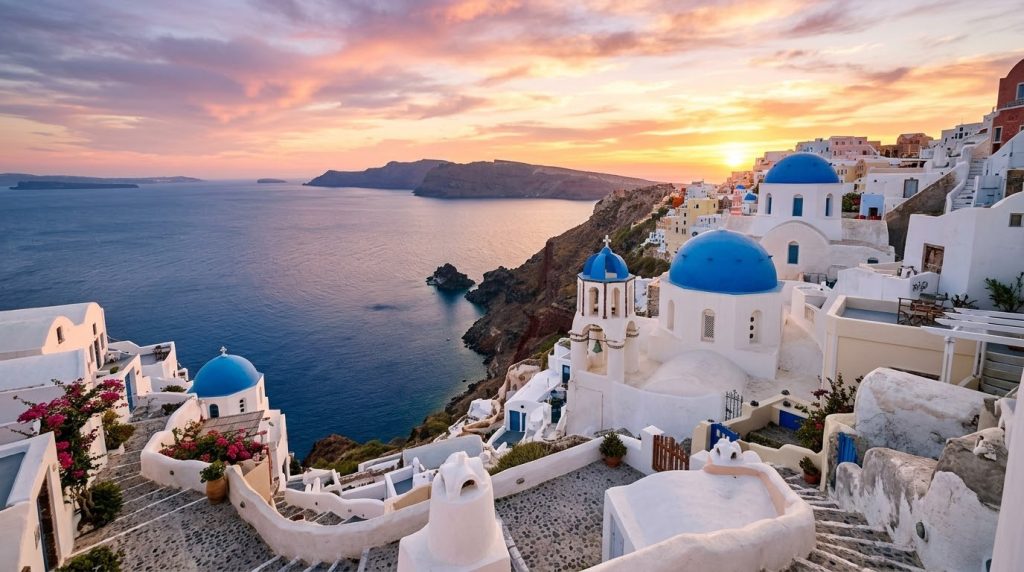
Yes, Santorini is worth visiting for the right traveler at the right time of year. The caldera views are genuinely world-class, the Assyrtiko wine is unlike anything grown elsewhere, and Akrotiri rivals Pompeii as a Bronze Age site.
But over 2 million tourists visit this island of 15,000 residents every year, average hotels run €183 per night, and Oia’s sunset draws crowds of 2,000+ people fighting for the same photo spot.
This honest review gives you both sides, a framework for your travel type, and the timing strategy that makes the difference between an unforgettable trip and an overpriced one.
Is Santorini Worth Visiting? (The Short Answer)
Santorini welcomes over 2 million tourists annually onto an island that covers just 76 square kilometres, according to the Greek Tourism Organisation (2024). That works out to roughly 133 visitors per resident at peak season. The question isn’t whether Santorini is beautiful. It clearly is. The question is whether the experience still justifies the cost and crowd levels in 2026.
For couples on a honeymoon, photography enthusiasts, wine lovers, and archaeology fans visiting in shoulder season, the answer is yes. For budget travelers, families with young children, and anyone planning a July or August trip without a solid booking strategy, the math gets complicated fast.
What Makes Santorini Genuinely Special
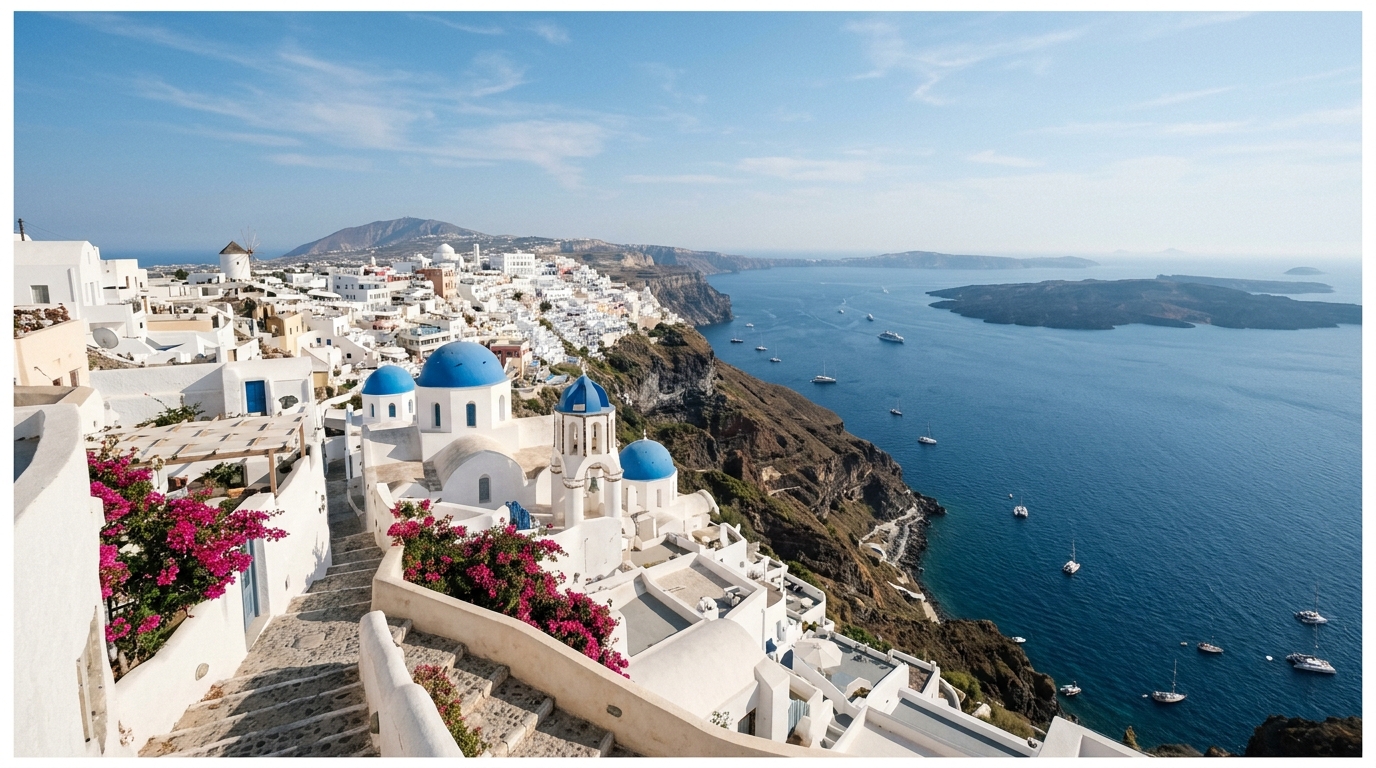
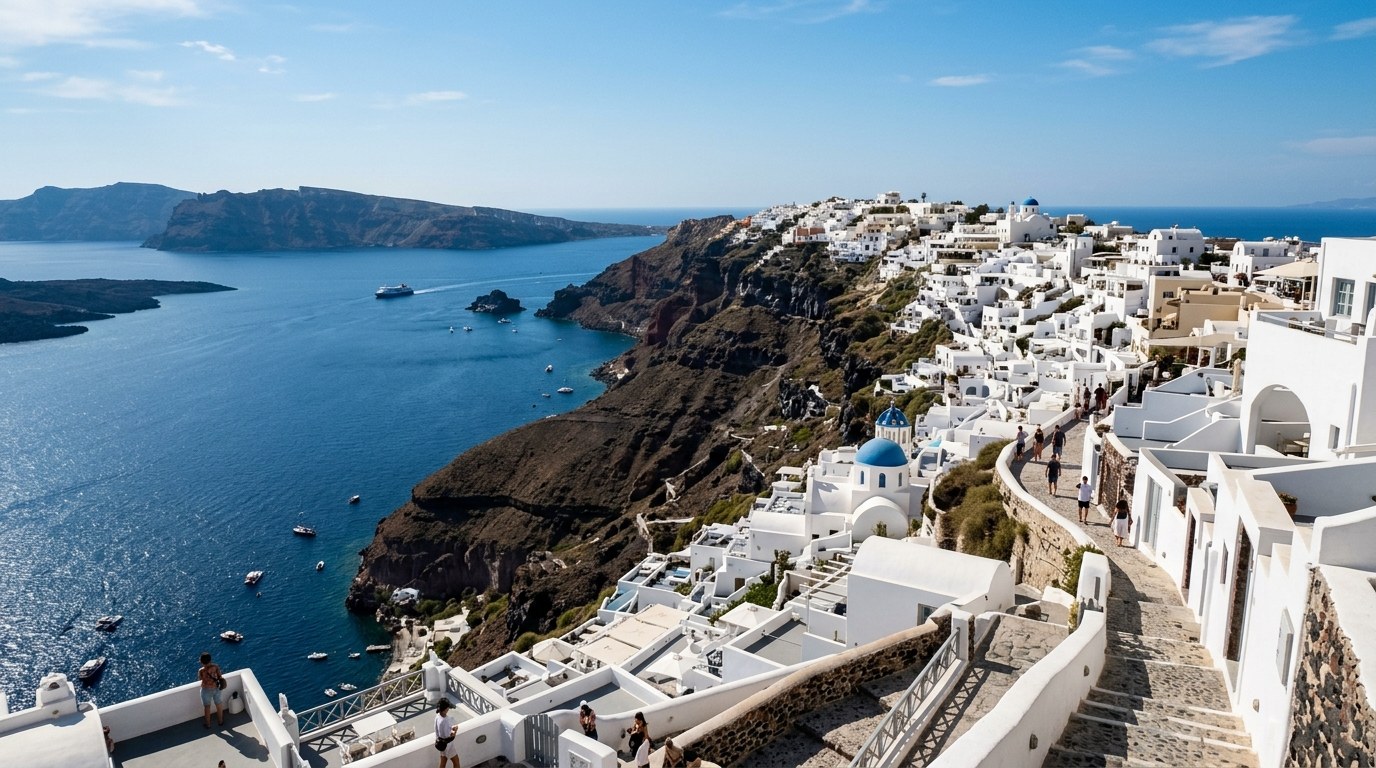
The caldera view alone is reason enough for many travelers, and it earns that reputation. Santorini sits inside the remnants of one of the largest volcanic eruptions in recorded history. The 300-metre cliffs that form the caldera edge don’t exist anywhere else in the Aegean. Hotels perched on that rim deliver views that genuinely cannot be replicated. No photograph quite captures the scale of it.
Six things Santorini does better than anywhere else:
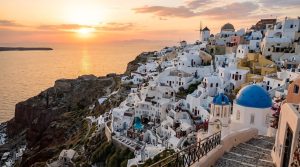
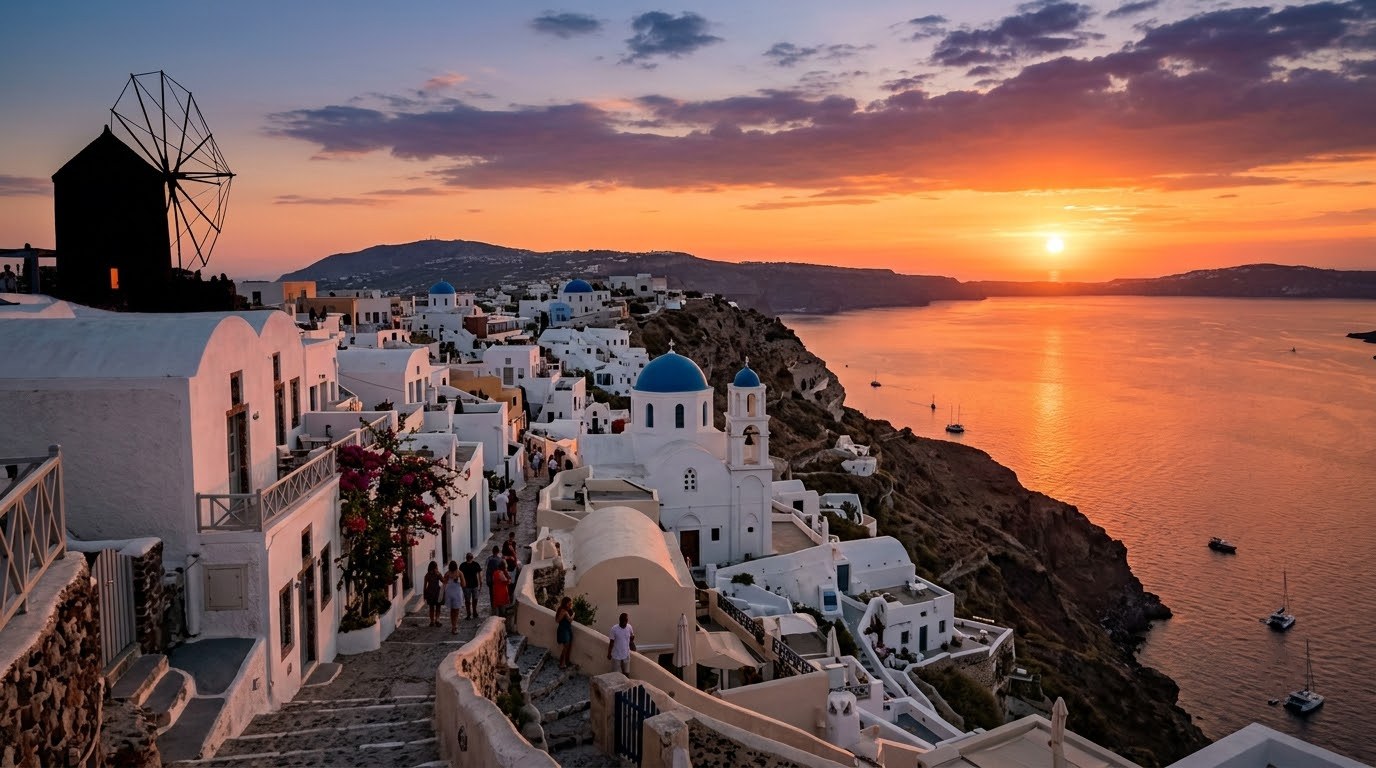
1. The caldera scenery is irreplaceable. White cubic buildings stacked against near-vertical black cliffs, with a 12km-wide flooded volcanic crater below, is a geographic anomaly. It’s the kind of landscape that justifies a long flight. The sunsets from Oia are legitimately among Europe’s most dramatic, even accounting for the crowds.
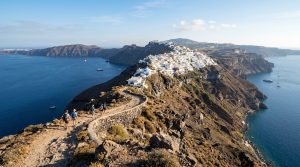
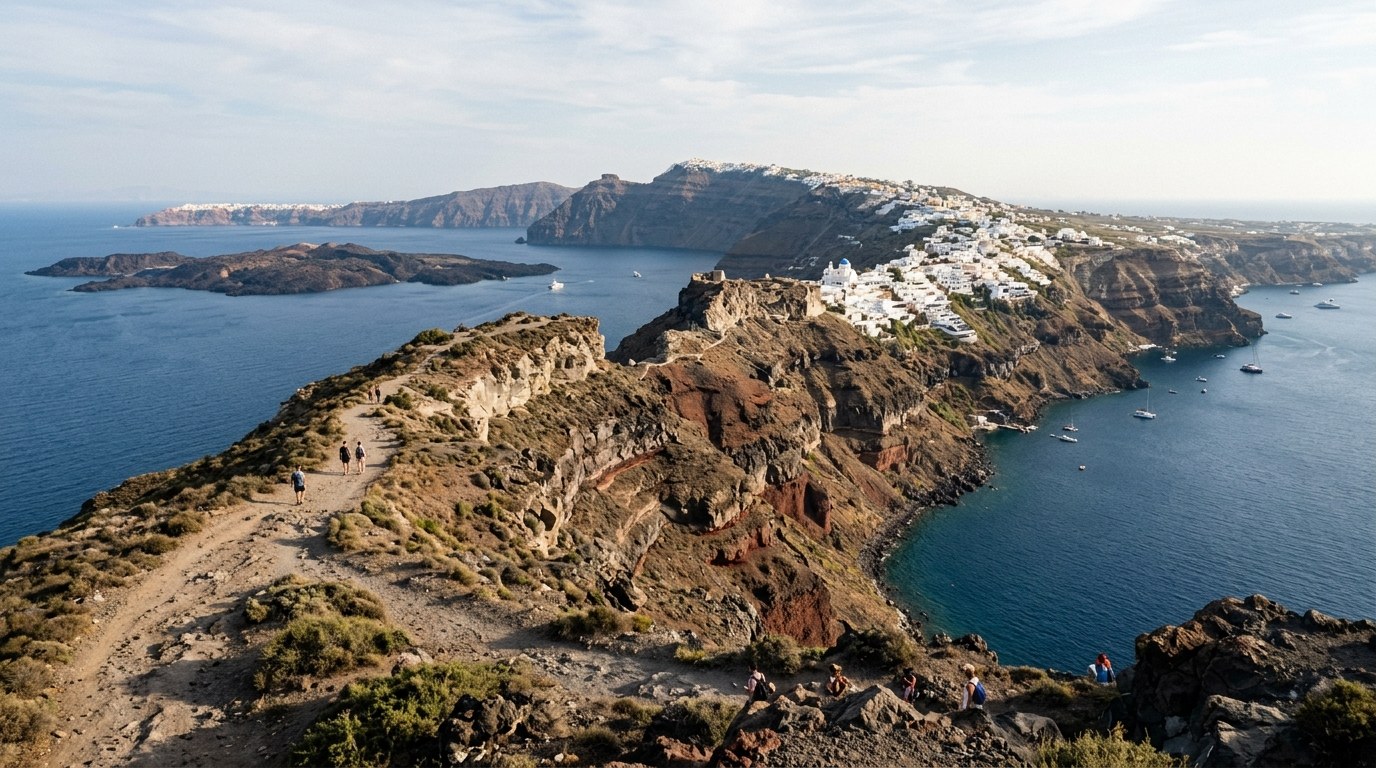
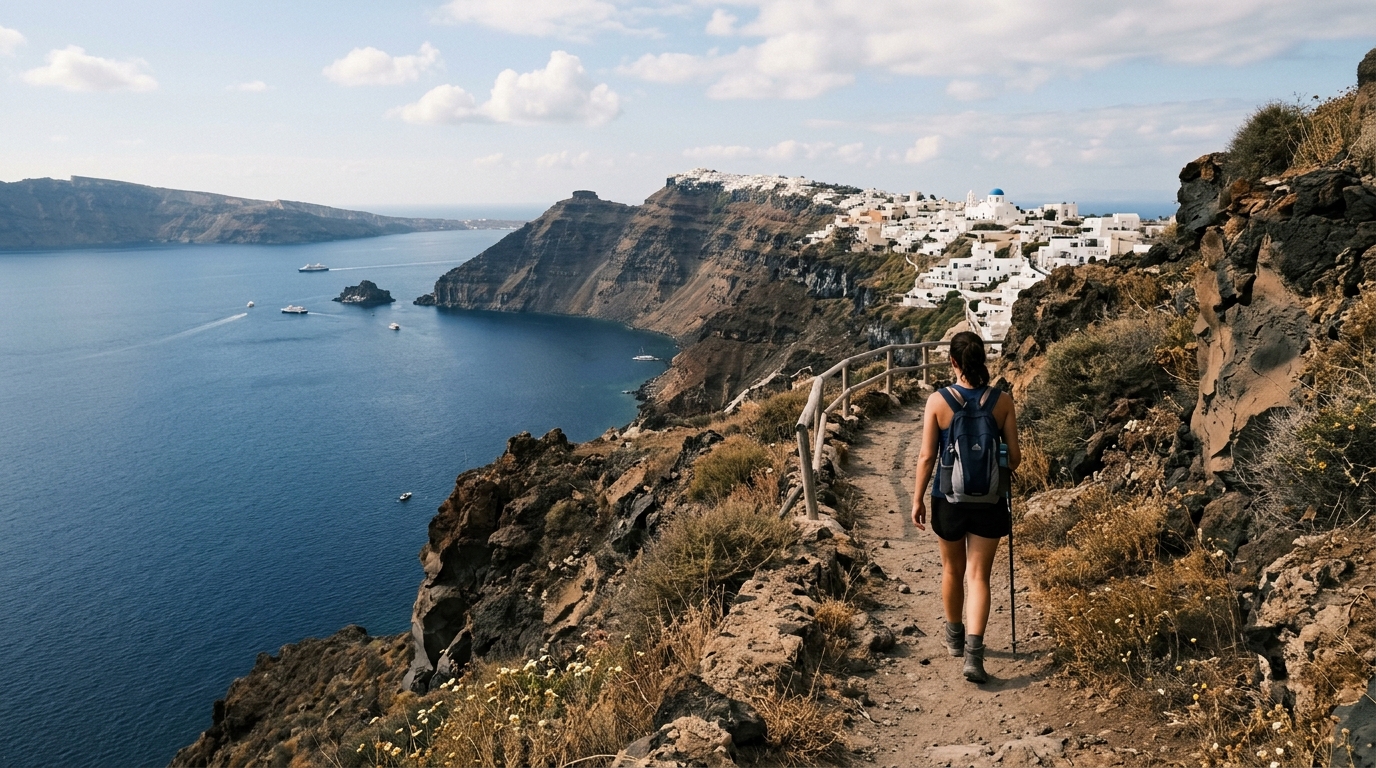
2. The Fira-to-Oia hike is one of Greece’s finest walks. The 9.5km coastal trail runs along the caldera rim, free of charge, with views of the volcano, the caldera islands, and the sea below the entire way. Start in Fira at 7am before the heat builds and you’ll share the path with almost nobody. Allow 3-4 hours at a relaxed pace.
3. Assyrtiko wine is genuinely unique. Santorini’s volcanic soil produces Assyrtiko grapes grown in basket-shaped kouloura vines, a method developed to protect the plants from the island’s fierce winds. The resulting wine, high-acid, mineral-driven, and unlike anything produced on mainland Greece, cannot be replicated elsewhere. A tasting at Santo Wines or Estate Argyros is worth the time even for casual wine drinkers. (Wines of Greece, 2024)
4. Akrotiri rivals Pompeii. This Bronze Age settlement was buried under volcanic ash around 1600 BCE and is one of the best-preserved prehistoric sites in the world. Frescoes, multi-storey buildings, and a sophisticated drainage system all survived. Entry costs around €12 and it’s consistently uncrowded compared to the caldera villages. History enthusiasts routinely call it the highlight of the island.
5. Caldera cruises are genuinely memorable. Sailing around the volcanic islands, swimming in naturally heated waters near the active volcano, and watching the caldera from sea level are experiences that don’t translate well in photos but leave a strong impression in person. Semi-private catamaran tours run from around €100 per person and book out fast in peak season. For a cheaper way onto the water, our guide to island hops from Santorini starts with the free 10- to 45-minute boat to Thirassia from Ammoudi Bay.
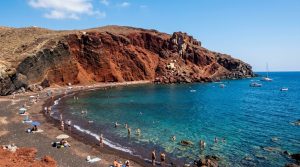
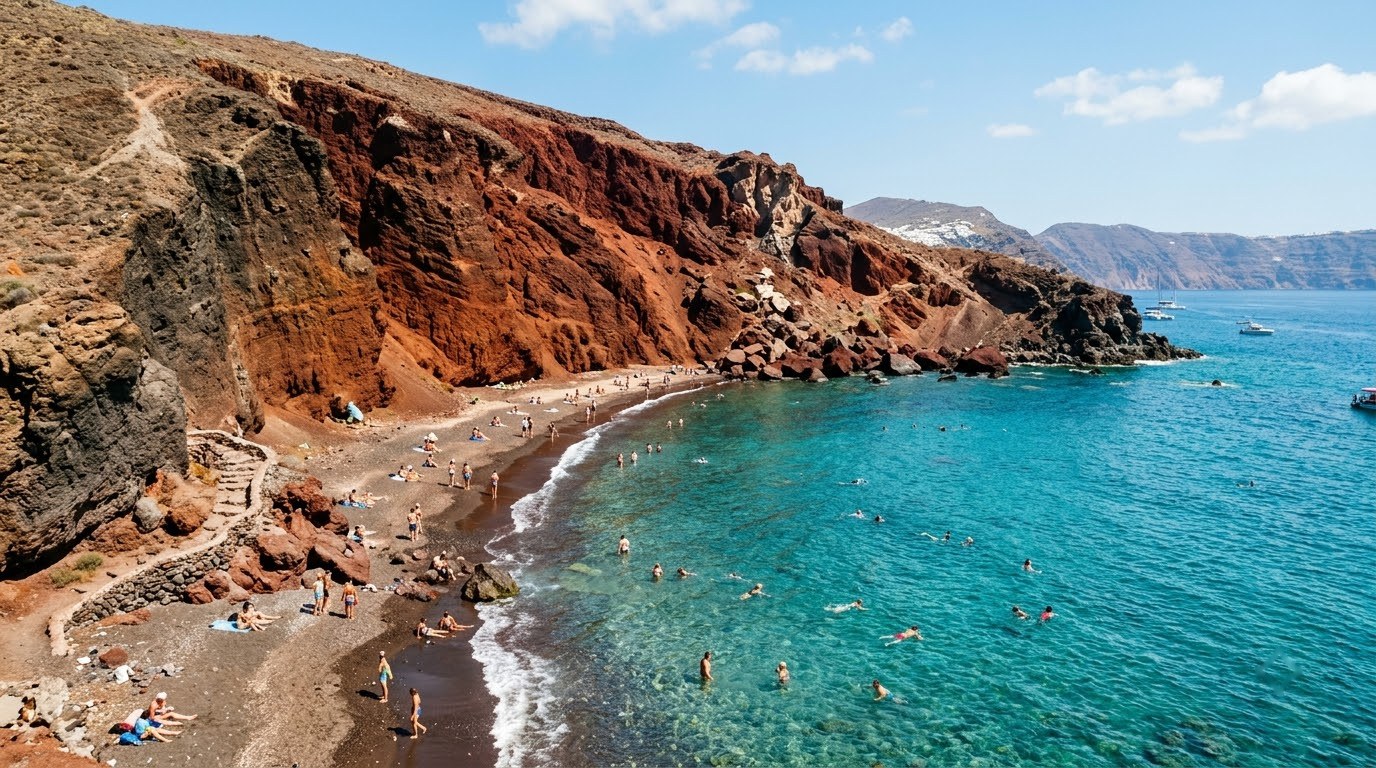
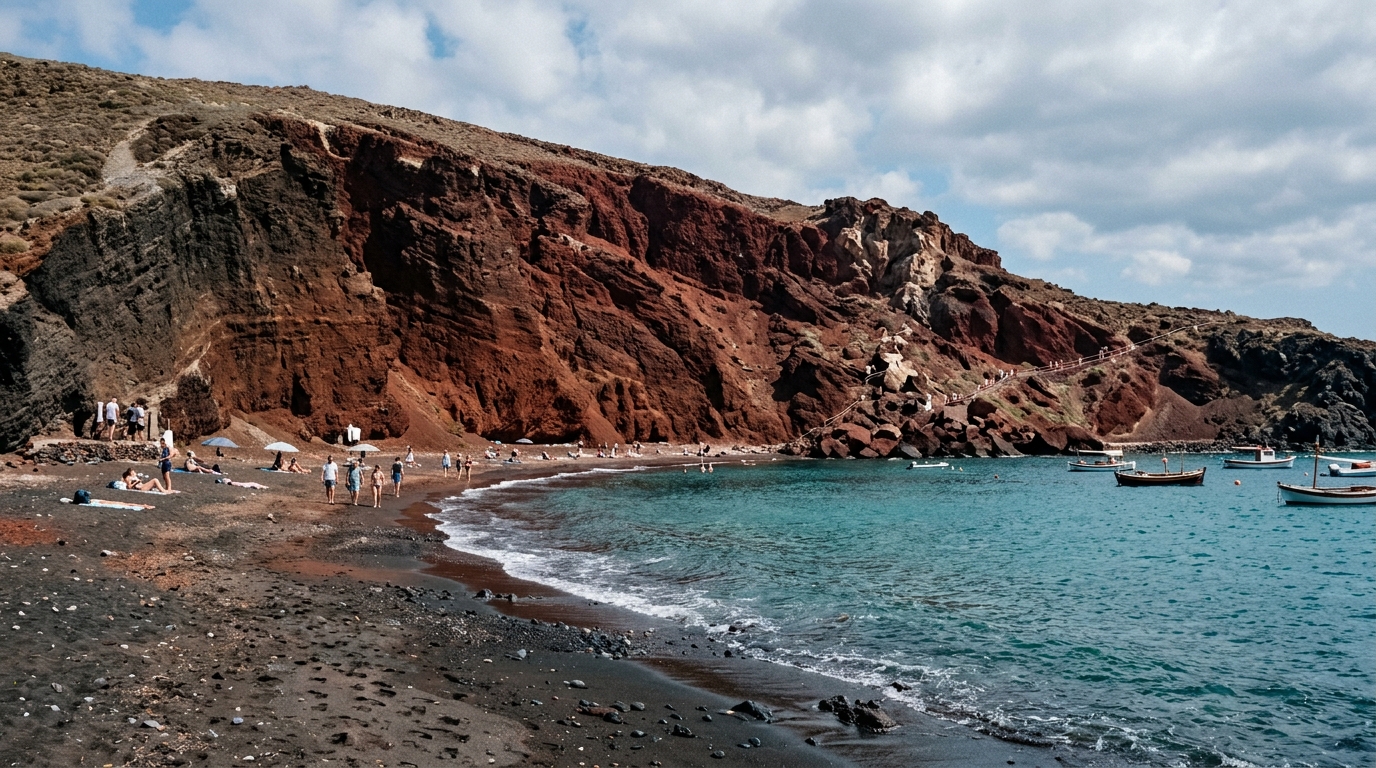
6. The beaches are visually striking. Red Beach, with its towering red cliff backdrop, and Perissa’s long black sand shore are genuinely unusual. They’re not the best swimming beaches in Greece, but as scenery they’re hard to beat.
The Honest Downsides (What Guides Skip)
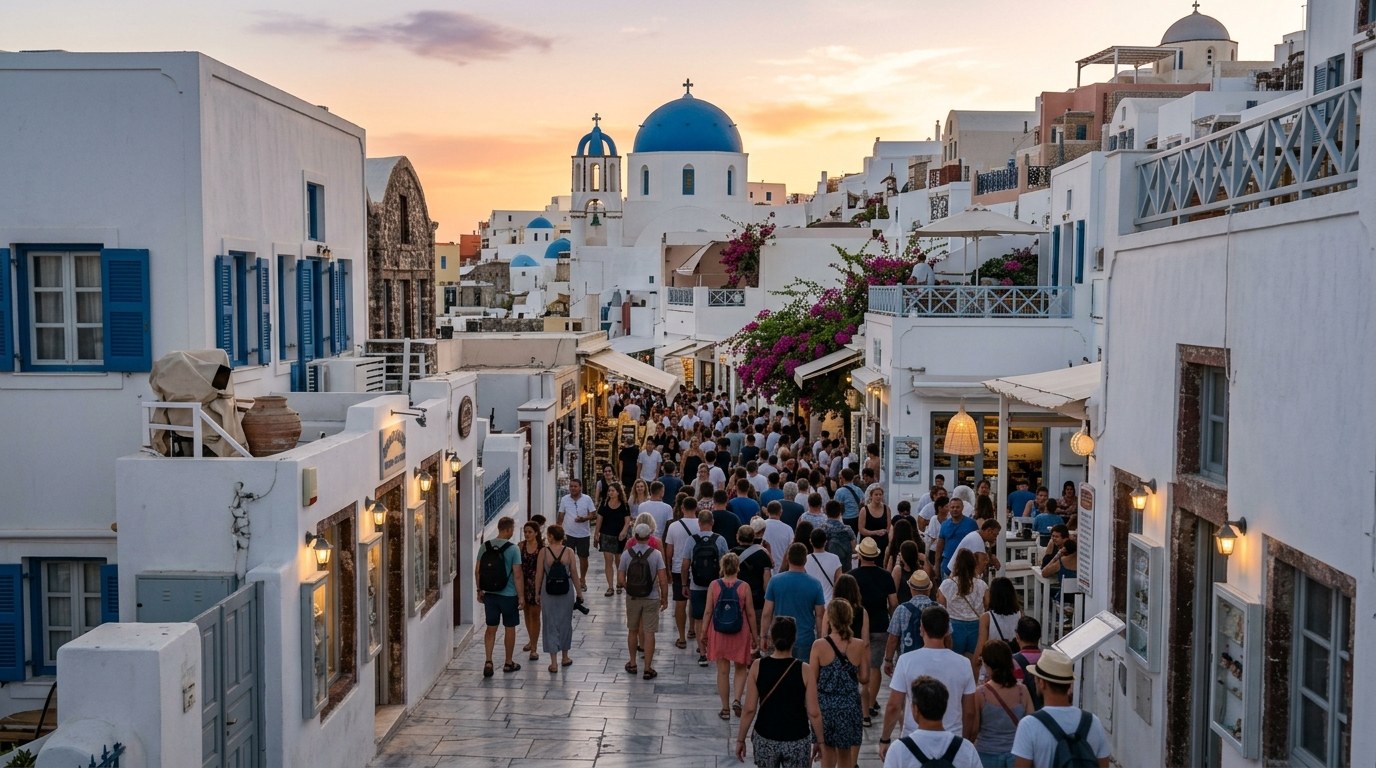
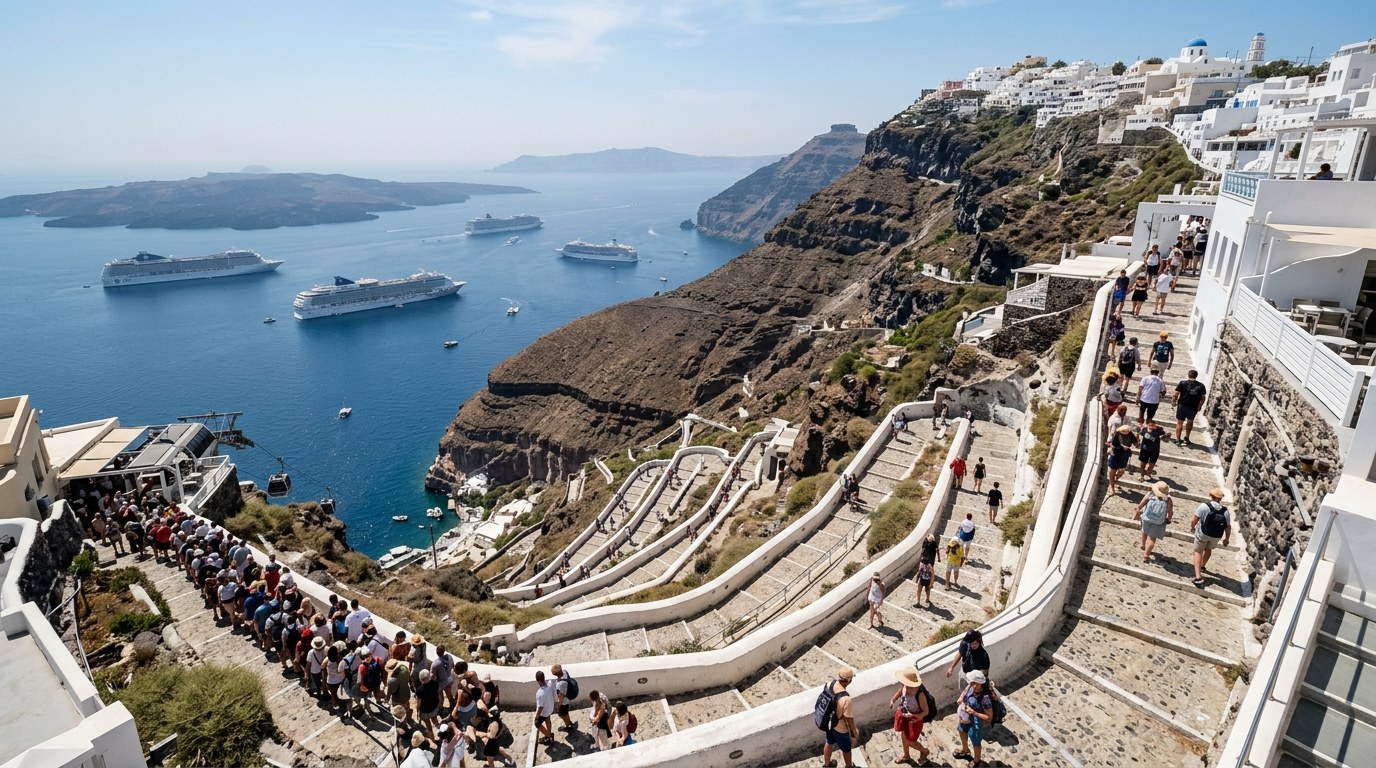
Santorini’s overtourism problem is well-documented, and the peak-season experience reflects it. With 2 million annual visitors crowding an island designed for 15,000 residents (Greek Tourism Organisation, 2024), the infrastructure gaps show up in specific, frustrating ways that most travel guides gloss over.
The Oia sunset situation is worse than you’ve read. The famous blue-domed church viewpoint in Oia draws upward of 2,000 people every evening in July and August. Arriving 90 minutes early to secure a spot is standard advice. You’ll stand shoulder-to-shoulder in 30-degree heat, unable to move freely, while other visitors climb walls and crowd balconies. The sunset itself is beautiful. The experience around it often isn’t.
The taxi shortage is a genuine operational problem. Santorini has only around 30 licensed taxis for the entire island. Wait times of 45-60 minutes are common in peak season, even with pre-booked rides. The alternative is an ATV rental, which many visitors use but which comes with its own risks on steep, narrow roads. Before you sign an ATV rental, read what actually injures visitors in Santorini, from narrow roads to the 2025 earthquake swarm that has since died down.
The restaurant pricing in caldera spots is steep relative to quality. Oia and Imerovigli restaurants with caldera views charge €40-80 per person for meals that don’t always match the setting. The view is what you’re paying for. Restaurants in Pyrgos, the island’s inland village, or in Perissa near the black sand beach, serve better food at half the price.
July and August are genuinely difficult. Temperatures regularly hit 35°C, crowds are at maximum density, hotel rates peak, and the island’s transport system strains under demand. Unless you have specific bucket-list reasons to go in peak season, or a budget that comfortably absorbs €300+ per night for accommodation, these months are the hardest to recommend.
Much of the island closes November through March. Santorini is a seasonal destination. Many restaurants, tour operators, and smaller hotels close entirely outside of the April to October window. A winter visit is quiet and atmospheric but offers a fraction of the experience.
The cost trap most visitors miss: Caldera-view hotels don’t just charge for the room. They charge for the positioning. An inland hotel in Pyrgos or near Perissa costs 60-70% less per night than a comparable Oia suite, and you can still reach any caldera viewpoint in 15 minutes by ATV or taxi.
Visitors who anchor their budget to caldera accommodation often have less money left for the experiences, food, and wine tours that actually make Santorini worth visiting.
Is Santorini Worth It for Your Trip Type?
| Traveler Type | Scenery | Value | Activities | Crowds | Overall Rating |
|---|---|---|---|---|---|
| Honeymooners / Couples | 5/5 | 3/5 | 4/5 | 3/5 | 4.0/5 – Go (shoulder season) |
| Photography enthusiasts | 5/5 | 3/5 | 5/5 | 3/5 | 4.0/5 – Go (early morning) |
| Wine / food lovers | 5/5 | 3/5 | 4/5 | 3/5 | 3.8/5 – Go (avoid August) |
| History / archaeology fans | 5/5 | 4/5 | 5/5 | 4/5 | 4.5/5 – Highly Recommended |
| Budget backpackers | 4/5 | 2/5 | 3/5 | 1/5 | 2.5/5 – Consider Paros or Naxos |
| Families with young children | 4/5 | 2/5 | 2/5 | 2/5 | 2.5/5 – Think Twice |
| Party / nightlife seekers | 4/5 | 2/5 | 2/5 | 2/5 | 2.0/5 – Go to Mykonos Instead |
Source: Travel Tip Now traveler-type analysis based on published visitor data and on-ground research, 2026
Couples and Honeymooners
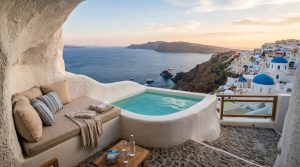
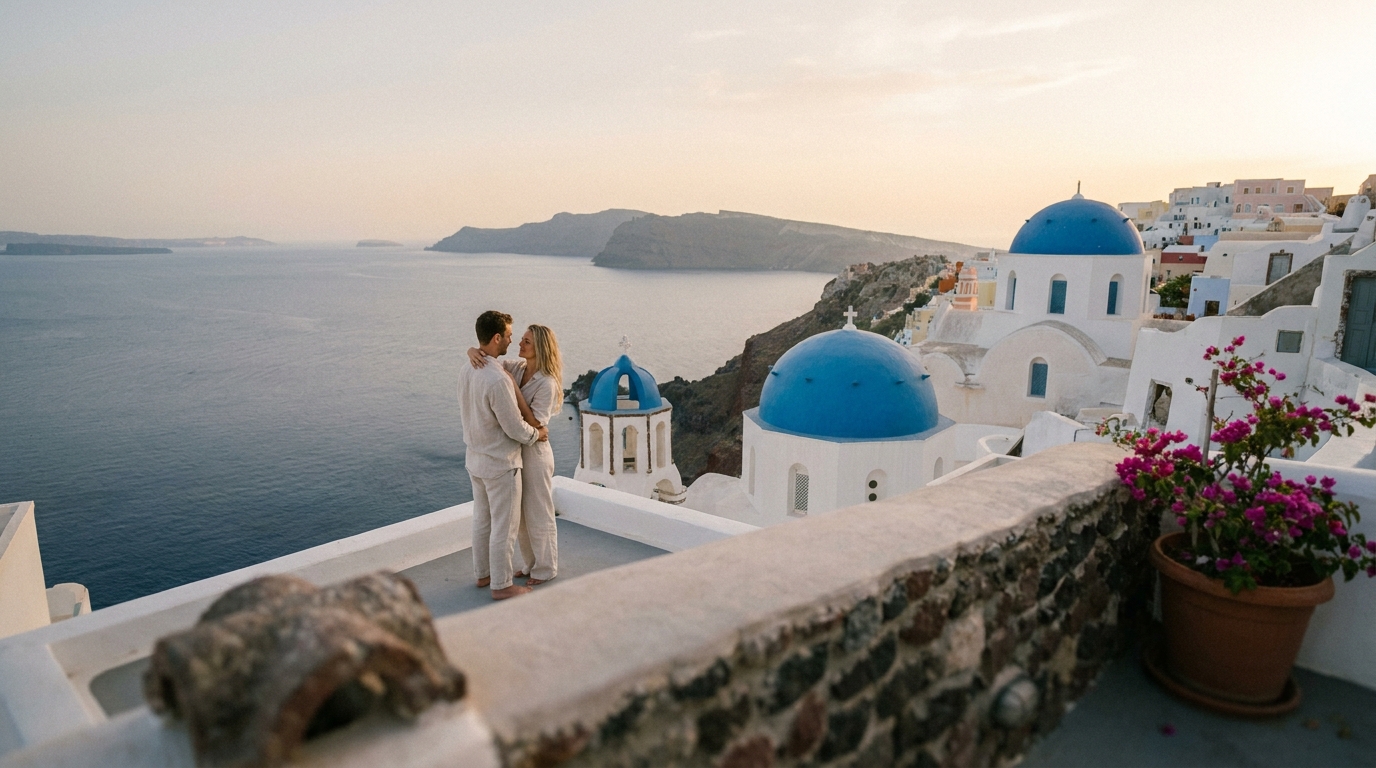
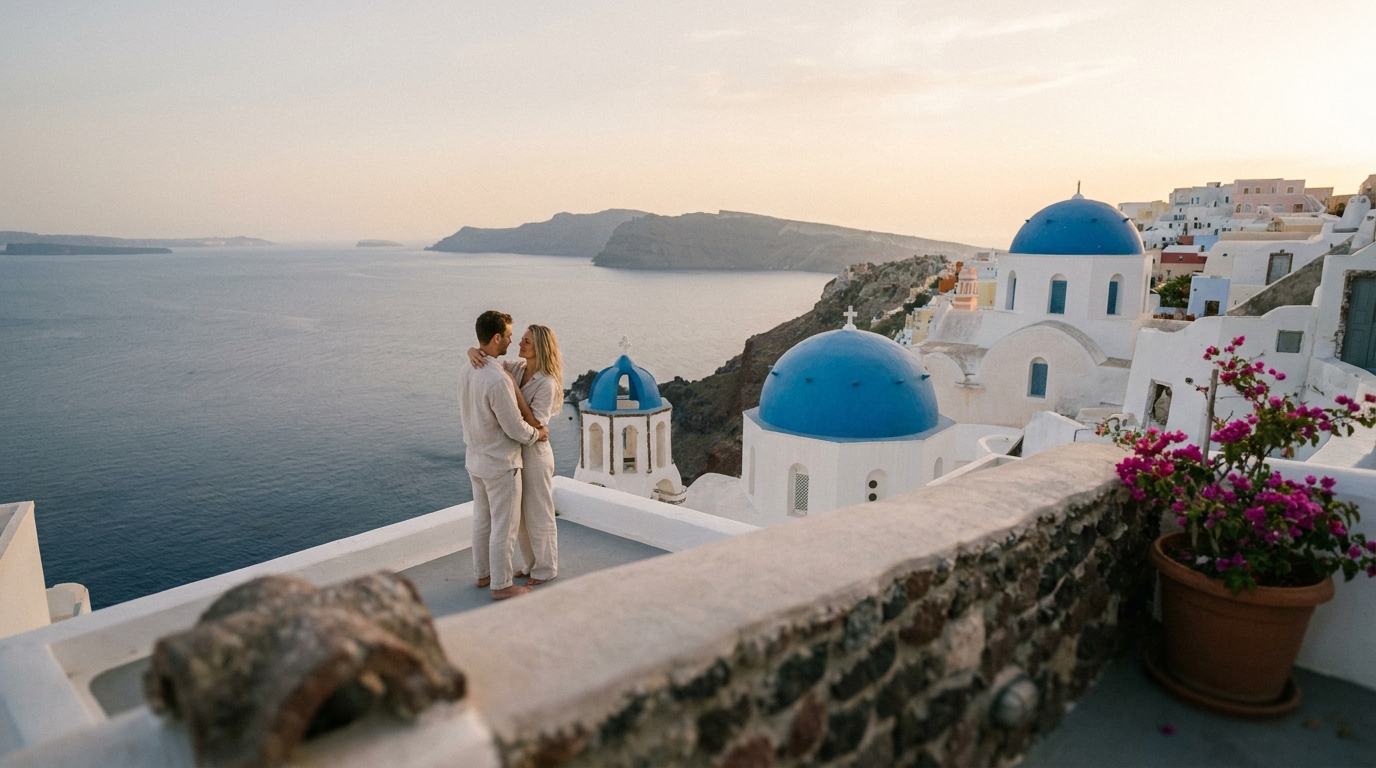
Santorini remains one of Europe’s premier romantic destinations, and the caldera setting genuinely earns that reputation. The combination of sunset views, wine tasting, and cave-suite hotels is hard to match anywhere in the Mediterranean. The caveat is budget: a caldera suite for two in shoulder season runs €300-500 per night, with meals adding €80-120 per day.
Plan for it and the experience delivers. Arrive without a hotel pre-booked in June and you’ll pay whatever remains.
Budget Travelers
Santorini is do-able on a tighter budget but uncomfortable. Staying inland near Perissa or Kamari reduces accommodation costs significantly. The Fira-to-Oia hike and Akrotiri admission are the best-value activities on the island.
But restaurants near the caldera will eat through a budget fast, and the taxi situation forces either ATV rental costs or long waits. Paros and Naxos give you authentic Cycladic scenery at 60-70% of Santorini’s prices with far less crowd stress.
Families with Young Children
The terrain works against families. Fira alone has over 580 steps connecting the port to the clifftop village, with no elevator on the main path. Oia’s narrow streets are not pram-friendly.
The island’s most dramatic beaches (Red Beach, Perissa) require ATV or shuttle transport. Children under 10 often find the volcanic landscape less engaging than a sandy-beach island like Crete or Corfu. Families who go should plan for an ATV or private car hire from day one.
Photography Enthusiasts
Santorini rewards photographers who plan around the light. The caldera at sunrise is dramatically better than at sunset: fewer crowds, warmer directional light, and no contest for position. Oia’s famous blue domes photograph best at 6-7am in summer, when most visitors are still asleep.
The Fira-to-Oia hike at golden hour, shot looking back toward Skaros Rock, produces images that almost no competitor article covers. Shoot in May or October for the clearest skies and the most dramatic atmospheric light.
History and Archaeology Fans
This is the strongest case for visiting Santorini without qualification. Akrotiri is genuinely world-class, consistently underrated relative to Pompeii, and rarely crowded. The on-site museum displays frescoes of extraordinary quality. The volcano island (Nea Kameni) itself is an active geological feature you can walk across for around €20 on a guided tour. The combination of prehistoric, classical, and geological history in one compact island is rare in Europe.
Party and Nightlife Seekers
Mykonos is the correct Cycladic island for nightlife. Santorini has bars and a handful of clubs in Fira and Kamari, but they’re not the point of the island and they don’t compare. If your primary goal is clubs, beach parties, and late nights, you’ll spend money on Santorini prices and find the nightlife underwhelming. Santorini vs Mykonos
How to Make Santorini Worth the Money
Timing is the single biggest variable in the Santorini equation. Visitors who go in July and August frequently leave with a different verdict than those who go in May or September, even staying in the same hotels and doing the same activities. The island simply operates differently when crowds drop by 40-50%.
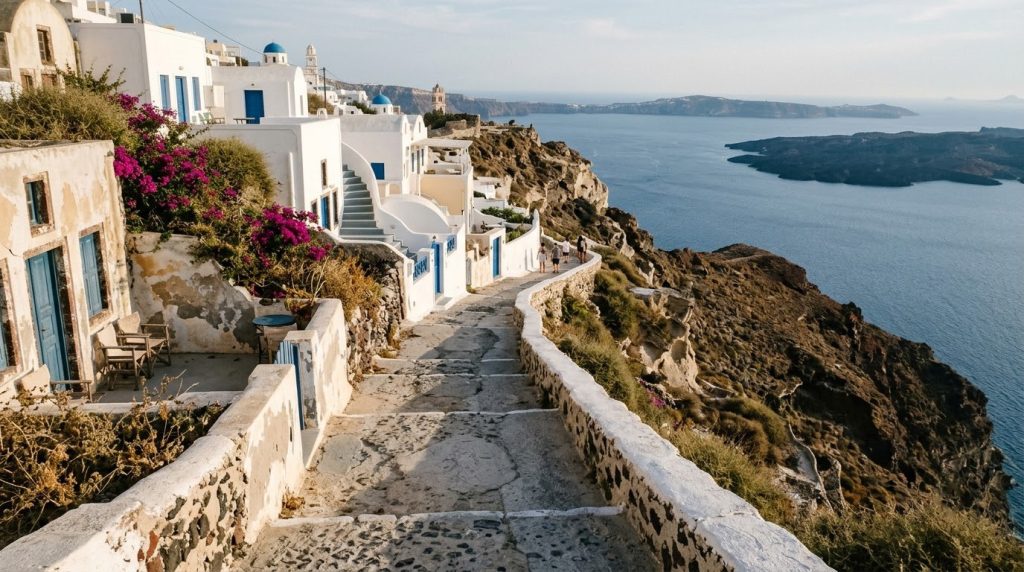
Strategy 1: Choose May or September. These are the sweet spots. Temperatures sit at 22-27°C, hotel rates drop by 30-40% compared to August peaks (Check live hotel prices, 2025 pricing data), and the Fira-to-Oia trail is walkable without heat exhaustion. Most restaurants and tour operators are fully open. The caldera views are identical.
Strategy 2: Book accommodation inland. Pyrgos village, Messaria, and the area near Perissa offer clean, comfortable hotels at a fraction of caldera prices. You’re 15-20 minutes by ATV from any viewpoint. The saved budget goes toward the experiences that matter: a catamaran sunset cruise, a wine tasting at a proper estate winery, a private dinner with caldera views booked as a treat rather than a daily expense.
Strategy 3: See Oia at sunrise, not sunset. The sunset crowd is 2,000+ people. The sunrise crowd is a few dozen photographers and early risers. The light is better, the photos are cleaner, and you’ll have the most iconic viewpoint in Greece almost to yourself. Stay in or near Oia, set an alarm, and walk to the castle ruins before 6am.
Strategy 4: Pre-book transport. With only 30 licensed taxis on the island, pre-booking a private transfer from the port or airport on arrival day is not optional in peak season. It’s a logistical necessity. Factor ATV rental into your daily budget (around €25-40 per day) as your primary transport method.
Strategy 5: Eat away from the caldera. The best food on Santorini is in Pyrgos, at family-run tavernas near Perissa, and at inland spots that don’t charge for the view. Reserve one caldera-view restaurant dinner as a splurge. Eat everywhere else for a quarter of the price.
For detailed hotel recommendations by neighbourhood and budget, read our where to stay in Santorini guide.
Find your Santorini hotel on the map
Live prices from Booking & Airbnb — tap a pin to compare stays around Oia and Fira and beyond.
Santorini Alternatives Worth Knowing About
If you want volcanic drama with fewer crowds, Milos is the answer. Milos has the same Cycladic geology as Santorini, including dramatic volcanic rock formations, but receives roughly 80% fewer tourists (Visit Greece, 2024). Sarakiniko beach, with its lunar white pumice landscape, is one of the most distinctive beaches in Europe.
Tsigrado and Firiplaka offer swimming conditions that Santorini’s black sand beaches don’t match. Accommodation runs 50-60% of Santorini prices.
| Island | Crowd Level | Cost vs Santorini | Best For | What You Give Up |
|---|---|---|---|---|
| Santorini | Very High | Baseline | Romance, views, wine, archaeology | Nothing (if timed right) |
| Milos | Low-Medium | 50-60% cheaper | Beaches, geology, authenticity | Caldera views, Akrotiri |
| Paros | Medium | 60-70% cheaper | Families, beaches, authentic Greek life | Dramatic scenery, wine |
| Naxos | Medium | 65-75% cheaper | Food, mountain villages, long stays | Caldera, famous views |
| Thirassia | Very Low | 40-50% cheaper | Quiet, traditional village life | Most restaurants, nightlife, tours |
Source: Travel Tip Now comparative analysis, 2026; pricing based on Booking.com average nightly rates, May 2026
Paros is the strongest all-around alternative for most travelers. It’s a 45-minute ferry from Santorini, genuinely beautiful in a quieter way, with good beaches, excellent seafood, and a town (Parikia) that still feels like a real Greek island rather than a managed tourist attraction. Families in particular find Paros far easier to navigate with children.
Naxos offers the best food of all the Cyclades, marble mountain villages, and the longest stretches of sand in the island group. It’s less dramatic visually than Santorini, but for a longer stay, the depth of experience is arguably greater.
Thirassia sits directly across the caldera from Santorini and is visible from Oia. A small fishing village with a handful of tavernas, it receives day-trippers but almost no overnight visitors. You get the caldera geography in near-silence. It’s a compelling add-on day trip if you’re already on Santorini, rather than a standalone destination.
Our Verdict: When to Go and When to Skip
Santorini is worth visiting in 2026, but the timing caveat is not negotiable. The caldera views are real, Akrotiri is exceptional, the Assyrtiko wine trail is a genuine experience, and the Fira-to-Oia hike is one of the finest free walks in all of Greece. These things are not overhyped.
What is overhyped is the peak-season Oia sunset crowd, the value of caldera-view restaurants, and the idea that Santorini is manageable in July without heavy pre-booking and a substantial budget.
Go to Santorini if:
– You’re visiting in May, September, or October
– You have a budget of at least €150-200 per person per day
– You’re going for a specific purpose: romance, wine, archaeology, photography, or hiking
– You’re willing to book accommodation, tours, and transport at least 2-3 months ahead
– You understand that the caldera view is the product, and you’re paying for the positioning
Skip Santorini (or go elsewhere) if:
– You’re planning a July or August trip with a budget under €100 per person per day
– Your primary goal is the Instagram photo and you have flexibility on destination
– You’re traveling with young children and need flat, pram-accessible terrain
– You want nightlife rather than sunsets and wine
The travelers who leave Santorini disappointed almost always have one thing in common: they went in August without pre-booking, expected the island to absorb the crowd gracefully, and were surprised when it didn’t. The island hasn’t changed. The expectation management has failed. Fix that variable, and Santorini consistently delivers one of Europe’s most singular travel experiences.
For everything you need to plan the trip well, start with our complete Santorini travel guide and our best things to do in Santorini guide. For hotel search, check Santorini hotels on Booking.com. Need an eSIM for Greece with data from day one?
Frequently Asked Questions
Is Santorini worth visiting or is it overrated?
Santorini is worth visiting but it’s partially overrated in peak season. The caldera scenery and Akrotiri archaeological site are genuinely exceptional. What’s overrated is the Oia sunset crowd experience (2,000+ people per evening in July-August) and caldera-view restaurant value at €40-80 per person. Visiting in May or September resolves most of the overrated issues while preserving all of the genuine highlights.
How much money do you need per day in Santorini?
Budget travelers can manage on €80-100 per day by staying inland near Perissa, self-catering some meals, and using ATV transport. Mid-range travelers should budget €180-250 per day for a caldera-area hotel, restaurant dining, and paid activities. Oia caldera suites with meals and tours push €400-600 per person per day. The island has no genuinely cheap option; budget accordingly or choose Paros or Naxos instead.
How many days do you need in Santorini?
Three to four days covers the essential experiences: the Fira-to-Oia hike, Akrotiri, a caldera cruise, one wine tasting, the main beaches, and both sunrise and sunset from different viewpoints. Two days is enough for a focused highlights visit. Five to seven days works well for slow travelers who want to explore the island’s lesser-known villages like Pyrgos, Emporio, and Megalochori.
What is the best time to visit Santorini to avoid crowds?
May and September are the best months for combining good weather with manageable crowds. Hotel rates drop 30-40% versus August peaks (Check live hotel prices, 2025). October is quieter still, with some tour operators beginning to wind down.
April is viable but some businesses open late in the season. July and August are the hardest months for anyone who dislikes crowds. For a full month-by-month breakdown, read our best time to visit Santorini guide.
Is Santorini good for families with kids?
Santorini is workable but not ideal for families with young children. Fira has 580+ steps between the port and village. Oia’s narrow streets are not pram-friendly. Most dramatic beaches require ATV or shuttle transport. The island has no sandy beach suitable for small children close to accommodation. Families with children under 8 typically find Crete, Corfu, or Paros more comfortable and better value.
Santorini receives over 2 million tourists annually on an island of approximately 15,000 permanent residents, according to the Greek Tourism Organisation (2024). Average hotel rates on Booking.com run €183 per night across the island, with Oia caldera suites reaching €400-1,500 per night in peak season. The Fira-to-Oia hiking trail (9.5km, free) and Akrotiri Bronze Age archaeological site (€12 entry) are the island’s strongest value-for-money experiences. Shoulder season visits in May and September deliver 30-40% lower accommodation costs with near-identical sightseeing conditions. (Greek Tourism Organisation, 2024; Check live hotel prices, 2025; Wines of Greece, 2024; Visit Greece, 2024)