5-Day San Francisco Itinerary 2026
Disclosure: Some links in this guide are affiliate links. If you book or buy through them, we may earn a small commission at no extra cost to you — it helps keep our guides free.
- San Francisco welcomed over 24 million visitors in 2024, a strong rebound for tourism (San Francisco Travel Association, 2024).
- A mid-range traveler spends roughly $250-$320 per day including a hotel, food, and one paid activity (San Francisco Travel Association, 2024).
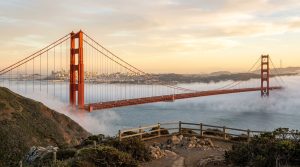
- The Golden Gate Bridge sees about 112,000 vehicle crossings daily, so plan walks for early morning fog windows (Golden Gate Bridge Highway & Transportation District, 2024).
- Five days lets you fit Alcatraz, which sells out 2-3 weeks ahead in summer (National Park Service, 2025).
Five days is the sweet spot for San Francisco. You’ll cover the icons, the neighborhoods, and a day trip to wine country or the redwoods without rushing. This plan is built around real transit times, 2026 prices, and an order that keeps backtracking to a minimum.
How Many Days Do You Need in San Francisco?
Five days is ideal. You’ll spend three days on the city’s core neighborhoods and landmarks, one day on a structured loop like Golden Gate Park, and one day on a day trip to Napa, Muir Woods, or Sausalito. Three days feels rushed; seven means repeating areas. Our plan keeps each day in one or two adjacent districts.
The city is only 47 square miles, but its hills and microclimates make it feel larger. Walking the wrong direction up a 30-degree grade burns time and energy. We’ve sequenced each day so you descend more than you climb, and we flag where a rideshare or cable car saves your legs. For a comparison of west-coast city trips, see our los angeles itinerary 5 days guide.
Day 1: Fisherman’s Wharf, Alcatraz & North Beach
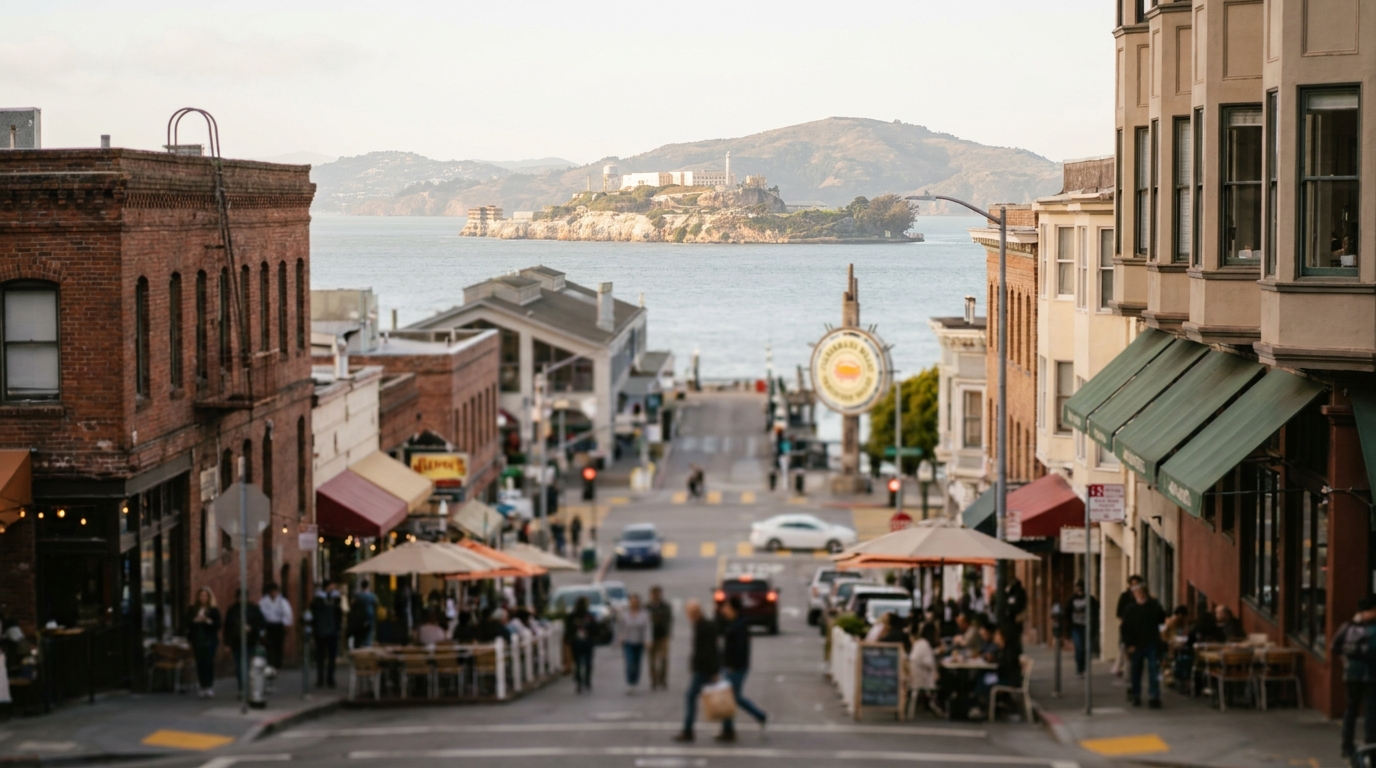
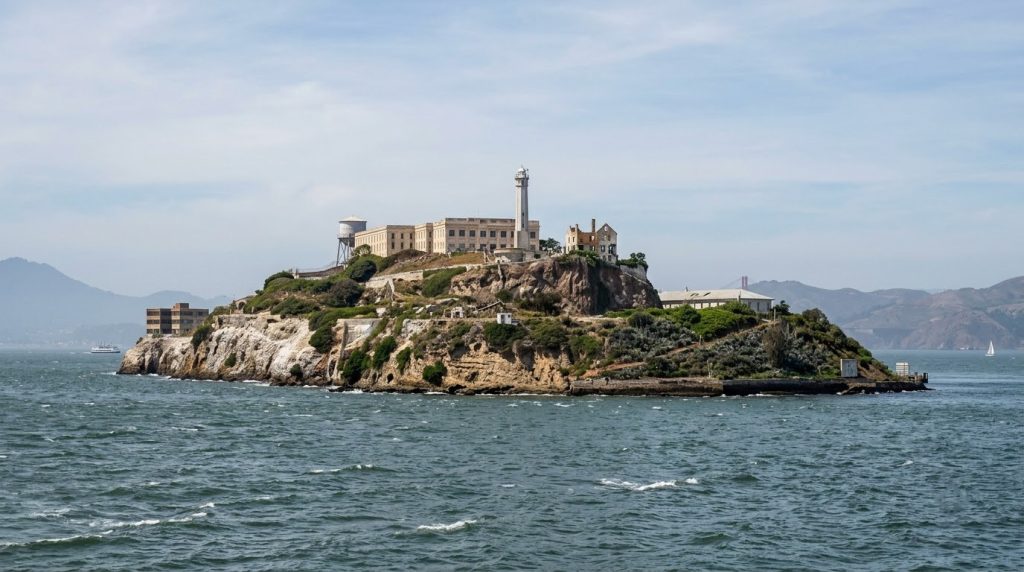
Start at Alcatraz. The first ferry leaves Pier 33 around 8:45 a.m., and the audio tour runs about 2.5 hours including the boat ride. Tickets cost $47.95 for adults in 2026 and routinely sell out, so book the moment your dates lock. Afternoon ferries fill the fastest.
After the ferry returns, walk Fisherman’s Wharf to Pier 39 for the sea lions, then cut into North Beach for lunch. A sit-down meal in Little Italy runs $22-$35 per person. Grab espresso at a Columbus Avenue cafe, then climb Telegraph Hill to Coit Tower; the elevator to the top is $10.
We book the official Alcatraz tour and city add-ons through GetYourGuide and Viator, which bundle the ferry with a guided walk if you’d rather not navigate solo.
If Alcatraz is sold out, swap in a morning bay cruise instead. For where to base yourself near the water, check our where to stay san francisco breakdown.
Day 2: Golden Gate Bridge, Presidio & Crissy Field
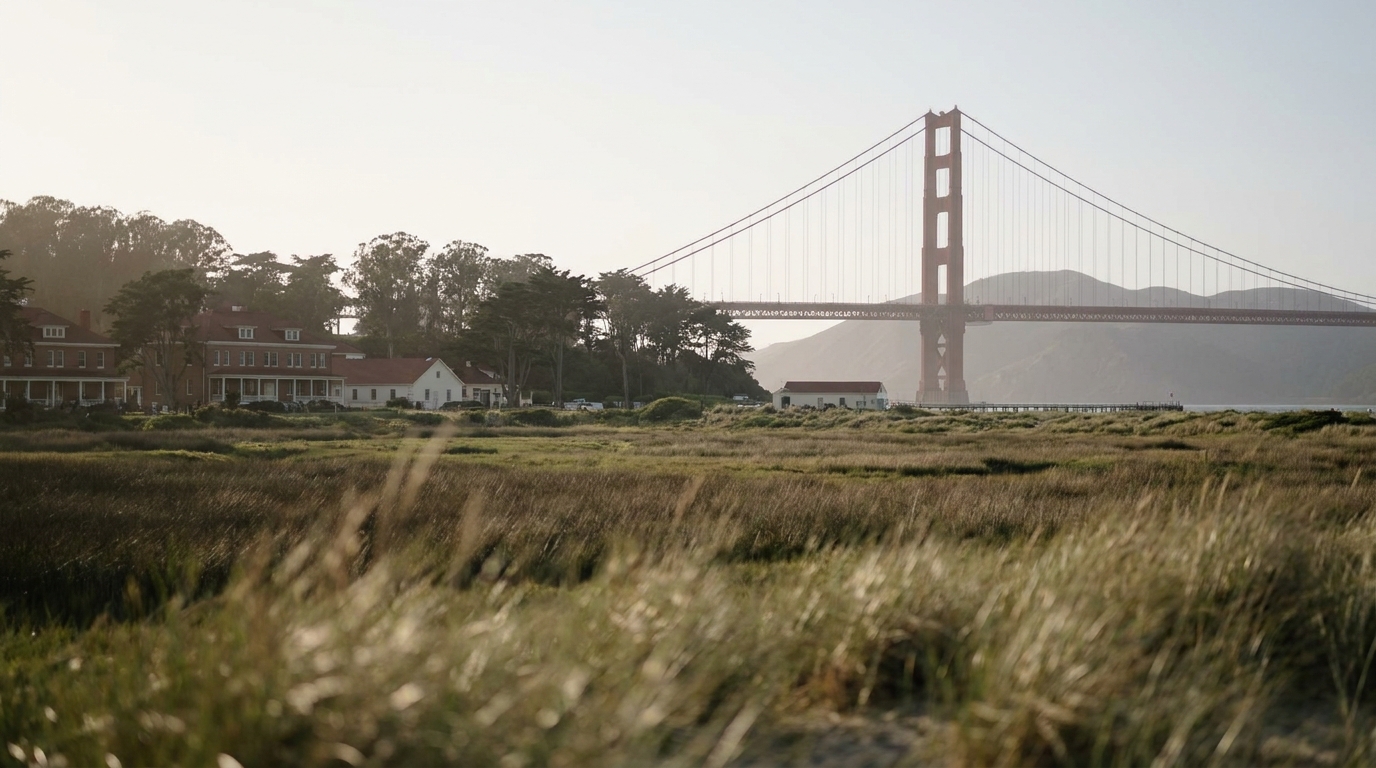
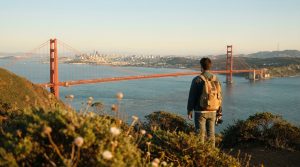
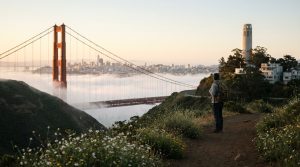
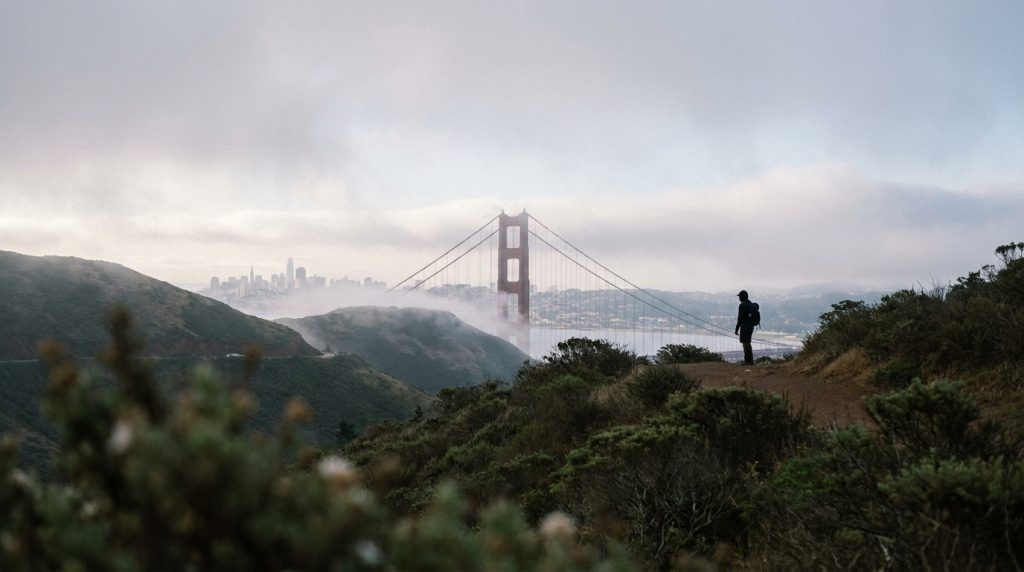
Walk the Golden Gate Bridge early. Fog usually burns off between 10 and 11 a.m. in summer, but the bridge is clearest right after sunrise. The 1.7-mile span takes about 45 minutes round-trip on foot from the Welcome Center, which is free to enter and opens at 9 a.m.
Spend the afternoon in the Presidio. The free Presidio Tunnel Tops park has skyline views and food trucks where plates run $14-$18. Walk down to Crissy Field for the classic bridge-and-beach photo, then warm up at the Walt Disney Family Museum ($25 adult) if the wind picks up. To explore Marin across the water, a rental car helps; we compare local pickup rates through Discover Cars before every trip.
Here’s how the headline attractions stack up on price and time.
| Attraction | 2026 Adult Price | Time Needed | Book Ahead? |
|---|---|---|---|
| Alcatraz Island | $47.95 | 2.5 hrs | Yes, 2-3 weeks |
| Golden Gate Bridge walk | Free | 45-60 min | No |
| California Academy of Sciences | $45.95 | 3 hrs | Recommended |
| Cable car single ride | $8.00 | 20 min | No |
| Muir Woods entry | $15.00 | 2 hrs | Parking reservation required |
Day 3: Cable Cars, Union Square & Chinatown
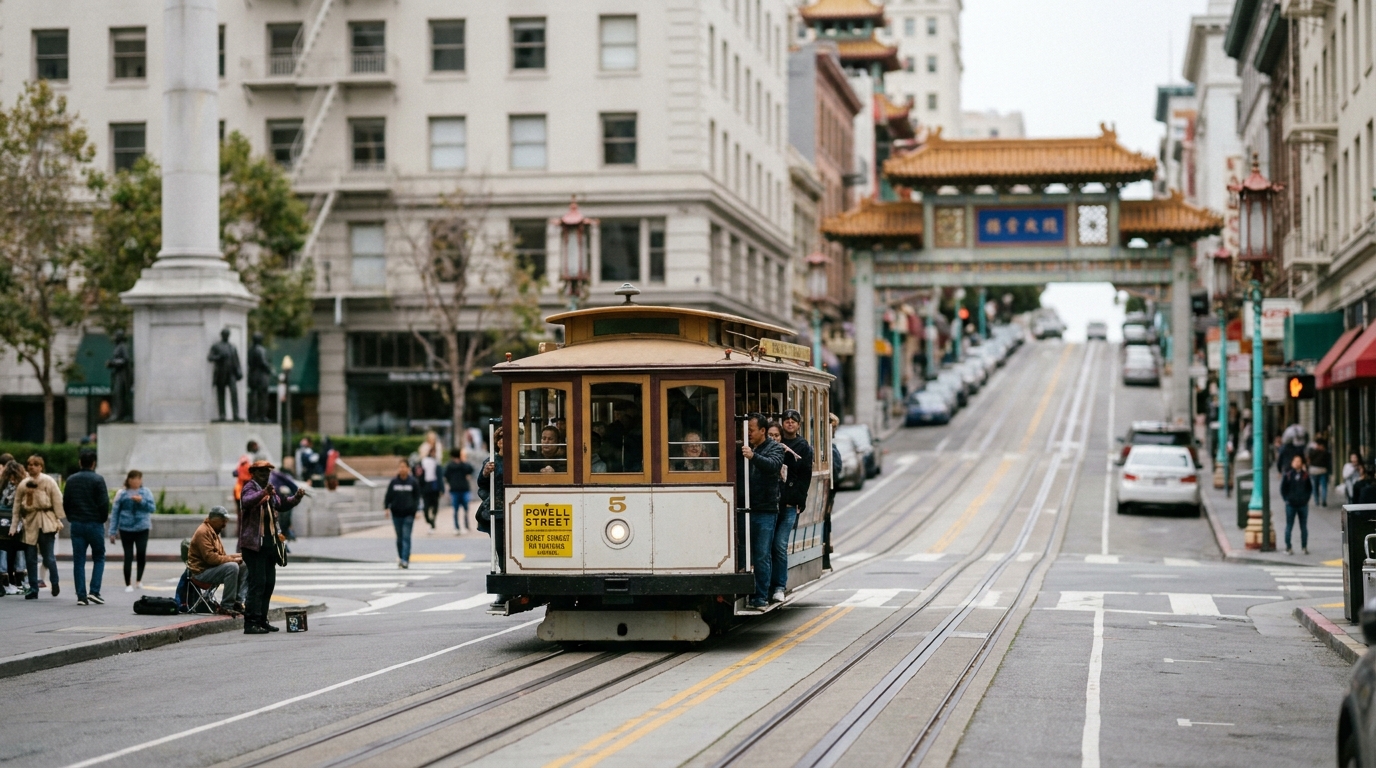
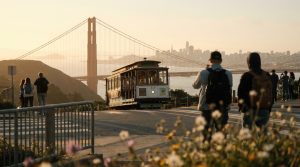
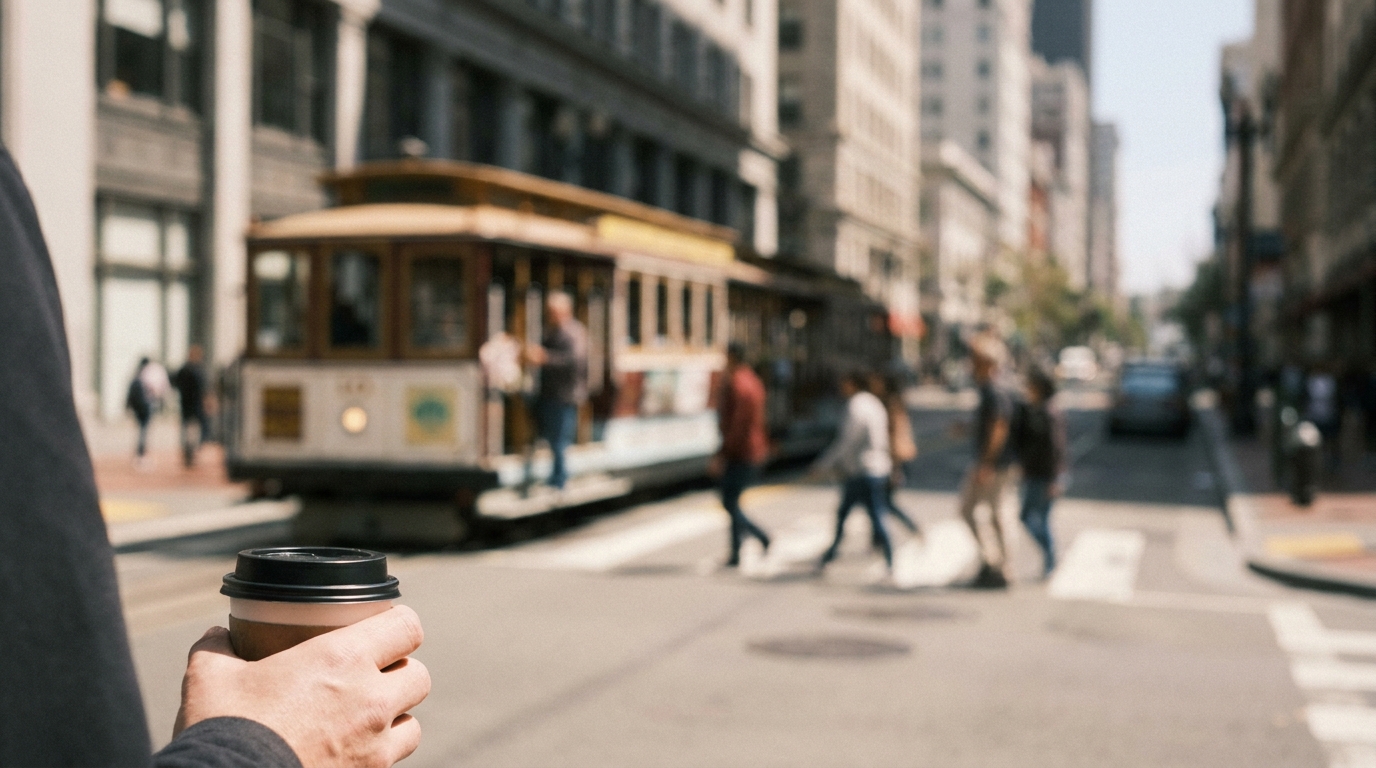
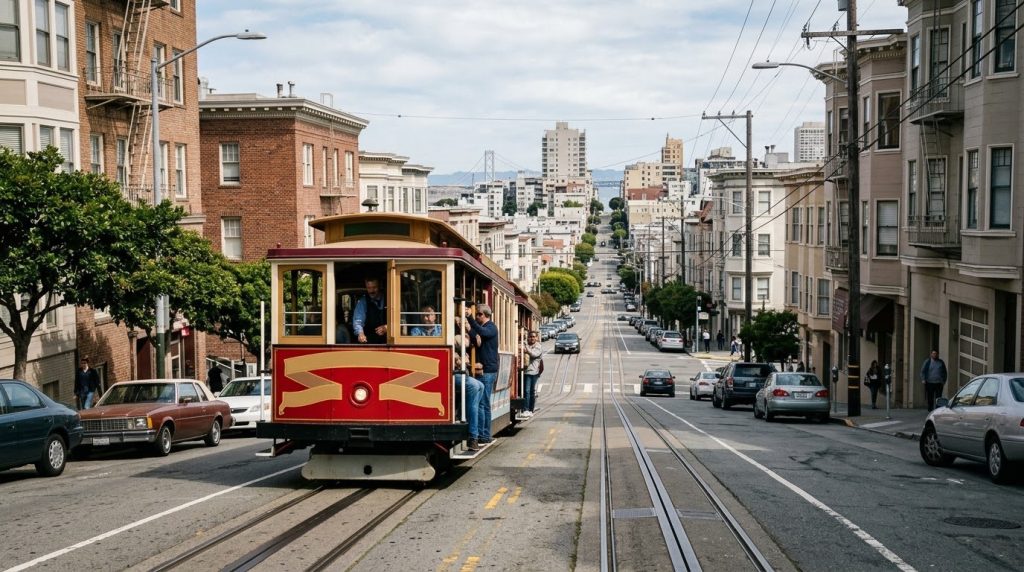
Ride the Powell-Hyde cable car line, the most scenic of the three. A single ride is $8 in 2026, but a 1-day Muni Passport at $13 pays off if you’ll ride more than once plus buses. Board early at the Powell Street turnaround to skip the worst lines; by 11 a.m. the wait can hit an hour.
Hop off near Lombard Street’s crooked block, then ride back toward Union Square for shopping and lunch. Walk into Chinatown through the Dragon Gate on Grant Avenue, the oldest Chinatown in North America. Dim sum here runs $15-$28 per person, and the fortune cookie factory on Ross Alley is free to visit.
We book central hotels around Union Square on Booking.com because the cable car lines and BART both connect here, cutting transit time on every other day.
Day 4: Golden Gate Park & The Haight
Dedicate a full day to Golden Gate Park, which is larger than New York’s Central Park. Start at the California Academy of Sciences ($45.95) when it opens at 9:30 a.m., then walk to the de Young Museum ($20) across the Music Concourse. The Japanese Tea Garden is $14 and quietest before 11 a.m.
Rent a bike near the park’s east end for $35-$45 a day to cover the western half, including the bison paddock and Ocean Beach. Finish in the Haight-Ashbury district for record shops, vintage stores, and casual dinners at $18-$30 a head. A guided neighborhood walk through GetYourGuide adds context on the 1960s counterculture history if you want a local storyteller. Compare San Francisco against its southern rival in our la vs san francisco comparison.
Find your San Francisco hotel on the map
Live prices from Booking & Airbnb — tap a pin to compare stays around Union Square and Fisherman’s Wharf and beyond.
Day 5: Day Trip to Napa, Muir Woods or Sausalito
Use your final day for a trip outside the city. Three options fit a day: Napa Valley wine country (75 minutes by car), Muir Woods redwoods (45 minutes), or Sausalito by ferry (30 minutes). Each gives you a different side of the Bay Area without an overnight.
Napa tastings run $40-$75 per winery in 2026, and most require reservations. Muir Woods needs a timed parking or shuttle reservation, and entry is $15. The Sausalito ferry from the Ferry Building is about $14 each way and drops you in a walkable harbor town with $20-$30 lunches.
For wine country and redwoods, a small-group tour through Viator handles driving and tasting bookings; for flexibility we rent through Discover Cars instead. Our napa valley day trip guide breaks down the winery routes.
Here’s how the three day trips compare.
| Day Trip | Travel Time | Cost Range | Best For |
|---|---|---|---|
| Napa Valley | 75 min by car | $120-$250 | Wine, food, scenery |
| Muir Woods | 45 min by car | $15-$60 | Redwoods, hiking |
| Sausalito | 30 min by ferry | $30-$70 | Relaxed harbor town |
What Will 5 Days in San Francisco Cost?
Budget roughly $250-$320 per person per day as a mid-range traveler, or $1,250-$1,600 for the full five days excluding flights. That covers a 3-star hotel, three meals, public transit, and one paid attraction daily. Luxury travelers easily double it; backpackers can cut it to $130 a day with hostels and self-catering.
Hotels are the biggest line item. Central 3-star rooms run $220-$340 a night in 2026 summer, while budget options near the airport or Outer Sunset drop to $130-$170. Food averages $60-$90 a day if you mix casual lunches with one nice dinner. We lock in refundable rates on Booking.com early, since San Francisco hotel prices climb sharply from June through September.
Getting Around San Francisco
Skip a car for the city itself. Muni buses, streetcars, and BART cover nearly every neighborhood, and a Clipper card or the MuniMobile app caps daily fares. A single Muni ride is $2.75; BART from the airport to downtown is about $11.
Parking downtown runs $40-$60 a day, so a car only earns its keep on day-trip days. Stay connected: grab a travel eSIM from Airalo before you go so you have data the moment you land.
For the day trip, rent a car for one or two days rather than the whole stay. We price local pickups through Discover Cars and grab it the morning we leave the city. Rideshares within the city average $12-$22 per trip, which beats parking for short hops. If you’re connecting from another California city, our california road trip itinerary guide covers the wider routes.
Best Time to Visit San Francisco
September and October are the best months. The famous summer fog clears, temperatures hit the mid-70s Fahrenheit, and crowds thin after Labor Day. Summer itself is cooler and foggier than visitors expect, with highs around 65F and brisk afternoon wind off the Pacific. Pack layers in any season.
Hotel prices track demand closely. Expect peak rates from June through August and around major conventions, with the best value in January and February. Rain concentrates in winter, but a wet day is rare even then. Whenever you go, mornings are clearest for the Golden Gate Bridge before the marine layer rolls back in. See our best time to visit san francisco guide for a month-by-month breakdown.
Frequently Asked Questions
Is 5 days enough for San Francisco?
Yes, five days is the ideal length. You’ll see every major landmark, explore three or four neighborhoods at a relaxed pace, and still fit one full day trip to wine country or the redwoods. Fewer days means rushing the icons; more days means revisiting areas you’ve already covered.
How much does a 5-day San Francisco trip cost?
Budget $1,250-$1,600 per person for five days as a mid-range traveler, excluding flights. That covers a central 3-star hotel, three meals daily, public transit, and one paid attraction each day. Backpackers can do it for about $650, while luxury trips run $3,000 or more.
Do I need a car in San Francisco?
Not for the city itself. Muni and BART reach nearly every neighborhood, and parking costs $40-$60 a day downtown. Rent a car only for the day trip to Napa or Muir Woods, picking it up the morning you leave and returning it that evening to avoid parking fees.
If you do rent, our honest look at San Francisco safety explains why you should never leave anything in a parked car, even for a quick viewpoint stop.
How far ahead should I book Alcatraz?
Book Alcatraz 2-3 weeks ahead in summer and at least a week ahead the rest of the year. Tickets sell out fast because the National Park Service caps daily visitors. Morning ferries go first, so reserve as soon as your travel dates are confirmed to lock in the times you want.
What’s the best area to stay in San Francisco?
Union Square is the most convenient base because cable car lines and BART both meet there, cutting transit time across your whole trip. Fisherman’s Wharf suits families wanting waterfront access, while Hayes Valley and the Mission offer better food and lower nightly rates a short ride from the center.
Is San Francisco expensive compared to other US cities?
Yes, San Francisco ranks among the priciest US cities, with hotels and dining above the national average. Daily costs run higher than most of the country but similar to New York. You can offset it with public transit instead of rideshares, casual lunches, and free attractions like the Golden Gate Bridge walk.
When is the cheapest time to visit San Francisco?
January and February offer the lowest hotel rates and thinnest crowds, often 30-40% below summer prices. The trade-off is cooler, wetter weather, though full rain days stay rare. For the best balance of price, weather, and clear skies, target the shoulder weeks of late October and early November.
Start Planning Your San Francisco Trip
Five days gives you the city’s icons, its neighborhoods, and a taste of the wider Bay Area without the rush. Lock in Alcatraz and your hotel first, since both sell out in summer, then build the rest around our daily routes.
Compare refundable hotel rates on Booking.com, book Alcatraz and tours through GetYourGuide or Viator, and reserve a one-day rental through Discover Cars for your day trip. Book early, pack layers, and you’re set.