
Disclosure: Some links in this guide are affiliate links. If you book or buy through them, we may earn a small commission at no extra cost to you — it helps keep our guides free.
25 Best Things to Do in Kuala Lumpur 2026
Kuala Lumpur packs more contrast per square mile than almost any other Asian city — colonial shophouses sit next to 88-floor towers, and street hawker stalls charge less than a dollar for dishes that win international awards. We’ve done the legwork so you don’t waste a day.
This guide covers the 25 best things to do in Kuala Lumpur in 2026, with real prices, insider timing tips, and affiliate links to book everything in advance.
Key Takeaways
Malaysia welcomed a record 34.3 million international visitors in 2024, with KL accounting for roughly 40% of arrivals (Tourism Malaysia, 2025) The Petronas Twin Towers observation deck sells out up to 3 weeks ahead in peak season — book on Klook to secure a slot A 4-night KL trip costs an average of USD 420–650 per person including accommodation, food, and activities (Numbeo Cost of Living Index, 2025) Airalo’s Malaysia eSIM costs around USD 6 for 3 GB/7 days — far cheaper than airport SIM cards Grab (Southeast Asia’s Uber) covers virtually every KL attraction; the MRT/LRT network now spans 166 stations as of 2026
Why Is Kuala Lumpur Worth Visiting in 2026?
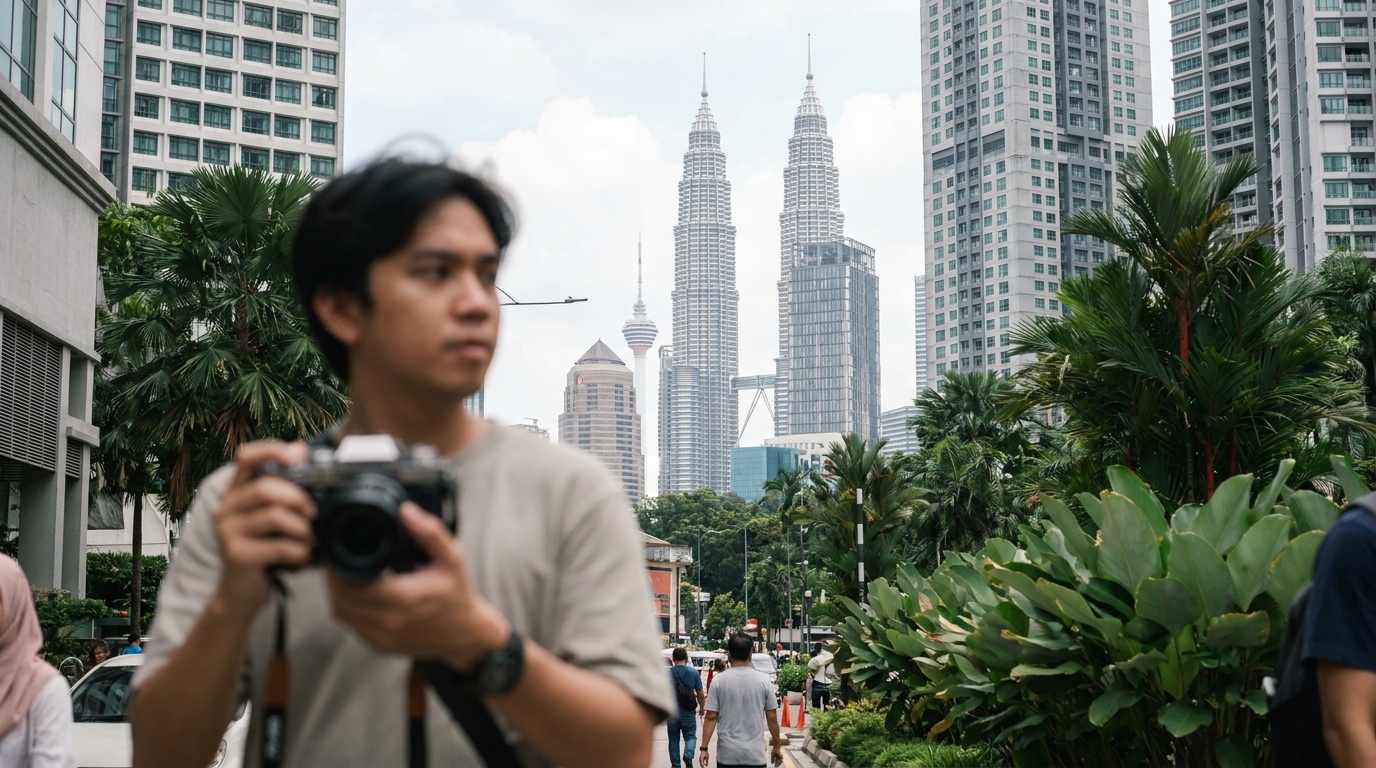
KL is one of Southeast Asia’s most underrated city-break destinations, and the value-for-money argument is stronger than ever in 2026. In 2025, the Malaysian ringgit averaged MYR 4.65 to the USD, making a full day of sightseeing, meals, and transport achievable for under USD 30. Visitor satisfaction scores on Booking.com properties in KL averaged 8.2/10 in 2024, the highest on record for the city.
The city’s infrastructure improved significantly ahead of the 2025 ASEAN Summit. The Klang Valley MRT Circle Line Phase 2 opened in late 2025, slashing cross-city travel times by roughly 20 minutes. Combined with a dense network of Grab-hailed rides, getting between attractions is now faster than in many European capitals.
Petronas Twin Towers: How Do You Make the Most of a Visit?
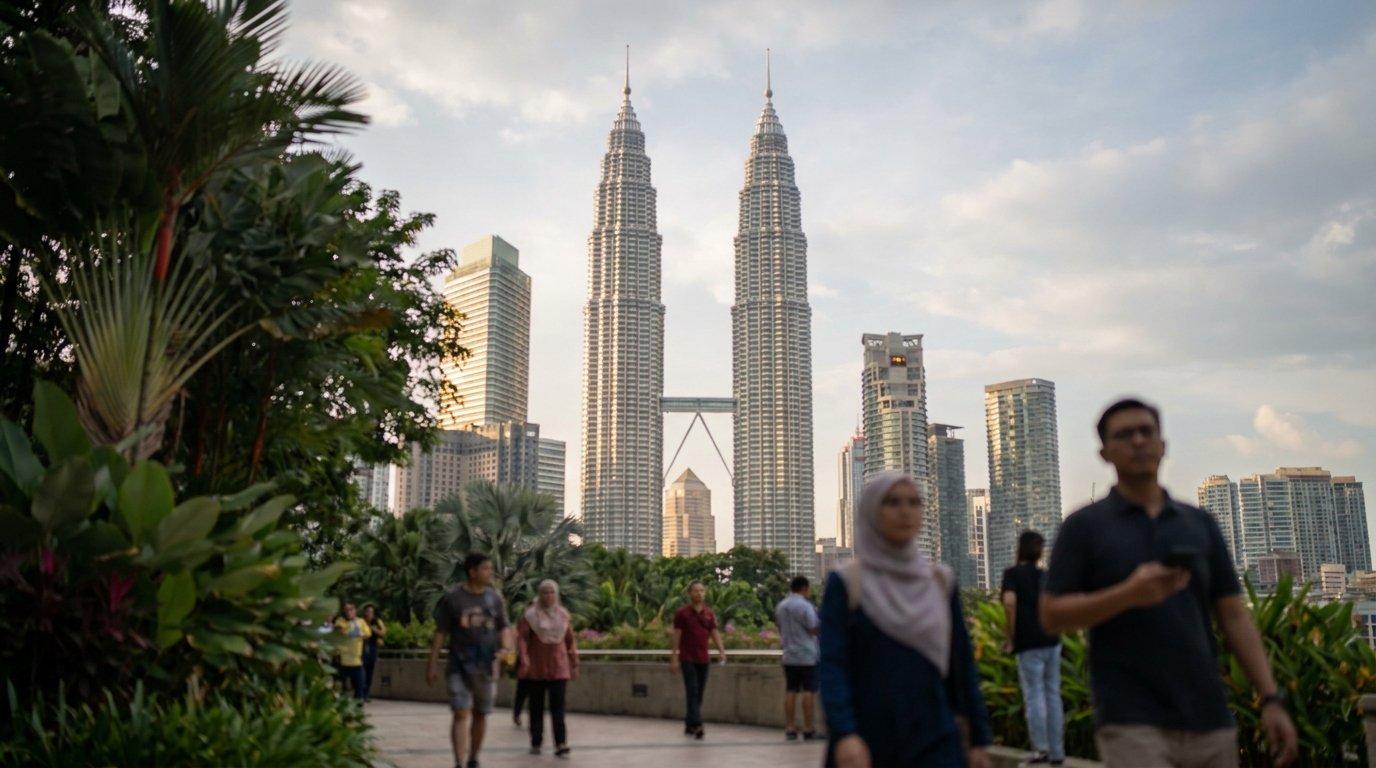
In 2026, a standard Petronas Twin Towers Sky Bridge + Observation Deck ticket costs MYR 100 (about USD 21) for adults and sells out weeks in advance during school holidays and long weekends. We recommend booking through Klook at least 7–10 days ahead to lock in your preferred time slot and avoid paying premium prices at the counter.
The Sky Bridge on Level 41 connects the two towers and offers a vertiginous glass-floored view. The Observation Deck on Level 86 provides the widest panorama. Go at dusk — arrive at 6:00 PM to catch the towers lit against the orange sky and stay for the full night-lights sequence.
Ground floor KLCC shopping is free and enjoyable even without a tower ticket. Suria KLCC houses every international brand you’d expect plus a well-stocked Isetan supermarket basement for local snacks.
Batu Caves: What Should You Know Before You Go?
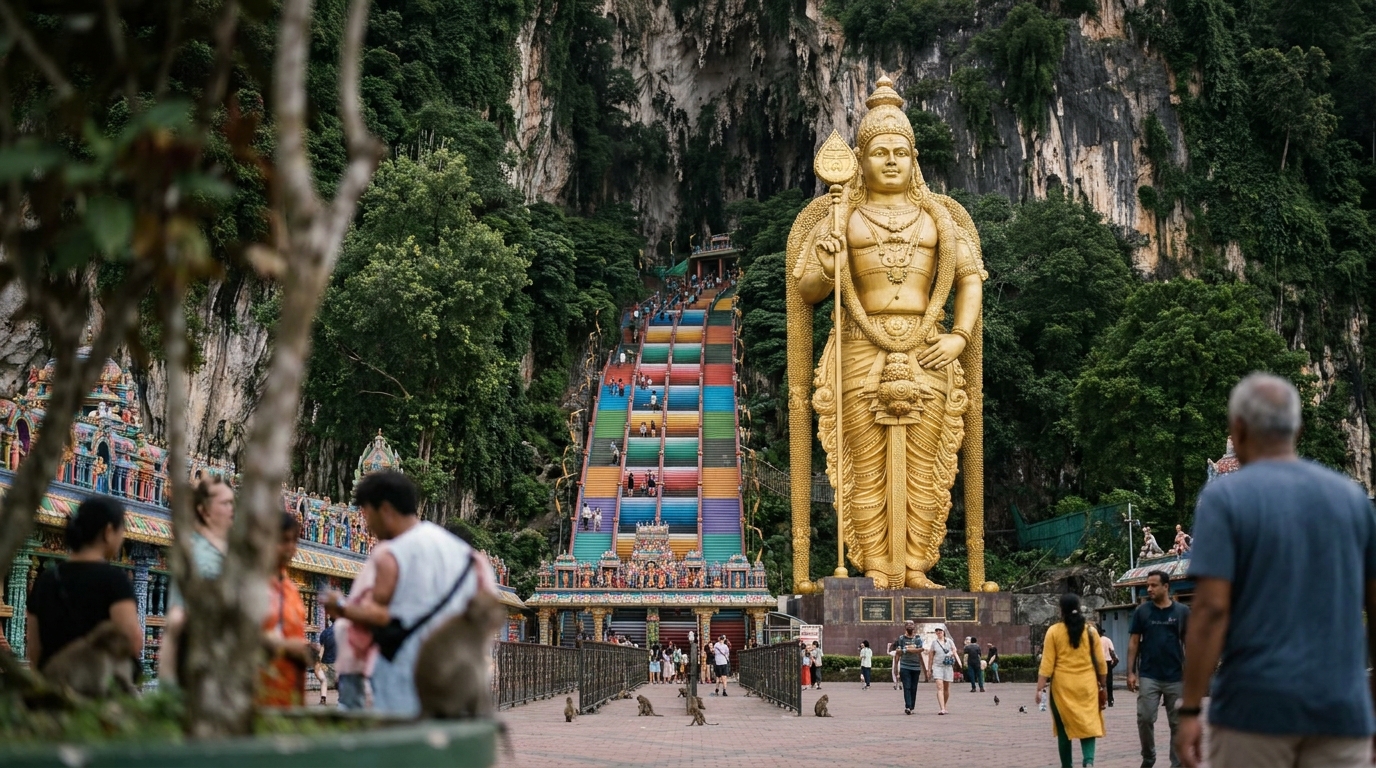
Batu Caves is Malaysia’s most-visited single attraction, drawing over 2 million visitors a year according to the Selangor State Tourism Department (2024). Entry to the main Temple Cave is free; the 272 steps up to the cave mouth are steep but manageable in under 15 minutes. The 42.7-metre golden statue of Lord Murugan at the base is the tallest of its kind outside India.
The best time to visit is between 7:00 AM and 9:30 AM on weekdays. After 10:00 AM the heat intensifies and tour groups from KL arrive in force. Take the KTM Komuter train from KL Sentral — it takes 35 minutes and costs MYR 3.40 each way, far cheaper than a Grab.
Thaipusam (January/February) transforms the caves into one of the world’s most dramatic religious spectacles. If your trip overlaps, book accommodation at least 3 months ahead; central KL hotels spike to 2–3x standard rates.
Find your Kuala Lumpur hotel on the map
Live prices from Booking & Airbnb — tap a pin to compare stays around Bukit Bintang and KLCC and beyond.
Jalan Alor Night Market: Where Should You Eat in KL?

Jalan Alor is the city’s most-visited food street, and for good reason: in 2025, Time Out KL readers voted it the number-one outdoor dining experience in Malaysia for the third consecutive year. Around 50 hawker stalls line a single block in Bukit Bintang, serving char kway teow, grilled seafood, Hokkien mee, and fresh sugar cane juice from around 5:00 PM until 2:00 AM.
Budget MYR 25–40 (USD 5–9) per person for a full meal with a drink. Avoid the stalls that display laminated menus with photos aimed at tourists — they charge 40–60% more than identical stalls without them. Look for queues of locals as your quality signal.
Pair dinner with a walk through Changkat Bukit Bintang, KL’s main bar strip, which runs parallel one block west.
KL Bird Park and KLCC Park: Are the Nature Attractions Worth It?
The KL Bird Park holds the Guinness World Record as the world’s largest free-flight walk-in aviary, covering 20.9 acres and housing over 3,000 birds from 200 species. In 2026, adult admission is MYR 67 (about USD 14). Bird feedings run at 12:30 PM and 3:30 PM daily — arrive 10 minutes early for front-row spots.
KLCC Park, directly below the Petronas Towers, is free and open 24 hours. The 11.7-acre park includes a jogging track, children’s water-play zone, and the Symphony Lake fountain, which runs choreographed water-and-light shows every hour from 8:00 PM. It’s one of the best free evening activities in the city.
Book the Bird Park via GetYourGuide to get e-tickets and skip the cash queue at the entrance — saves around 20 minutes during peak hours.
Merdeka 118: Can You Visit the World’s Second-Tallest Building?
Merdeka 118 officially opened its observation deck, the PNB 118 Deck, in January 2025. At 678.9 metres, it’s the world’s second-tallest building, and the deck on Floor 116 sits at 492 metres — higher than the Burj Khalifa’s public viewing level. Tickets cost MYR 120 (about USD 26) for adults in 2026 and are available through Klook.
The 118-floor building houses the Waldorf Astoria KL on its upper floors and a large mall at its base. Even if you skip the deck, the exterior is worth seeing from across the Klang River — the best free viewpoint is the rooftop of the nearby Merdeka Square area at dusk.
According to the Council on Tall Buildings and Urban Habitat (CTBUH, 2025), Merdeka 118 draws an estimated 1.5 million observation deck visitors annually since opening, already rivaling KL Tower’s long-standing footfall.
Bukit Bintang Shopping: Which Malls Are Actually Worth Your Time?
KL has more mall space per capita than any Southeast Asian city except Singapore, with over 100 malls citywide as of 2025 (CBRE Malaysia Retail Report, 2025). But not all are equal. Here’s a quick breakdown of the ones that actually deliver distinct experiences:
| Mall | Best For | MRT Stop | Price Range |
|---|---|---|---|
| Pavilion KL | Luxury brands + local food court | Bukit Bintang | MYR–MYR MYR MYR |
| Lot 10 | HuTong basement hawker centre | Bukit Bintang | MYR |
| Suria KLCC | Mid-range + Isetan supermarket | KLCC | MYR MYR |
| Mid Valley Megamall | Everyday shopping, locals’ pick | KTM Mid Valley | MYR |
| Sunway Pyramid | Indoor ice rink + themed food | LRT Sunway | MYR MYR |
The HuTong food court in Lot 10’s basement is one of the most curated hawker collections in Malaysia, where stalls from famous regional operators (including Penang and Ipoh) have permanent residency. Lunch here costs MYR 15–25 per person.
Chinatown (Petaling Street): What’s the Real Story?
Petaling Street is often oversimplified as a counterfeit goods market, but the area around Jalan Petaling offers one of KL’s most culturally dense walks. In 2025, the Kuala Lumpur City Hall completed a RM 28 million revitalization of the Chinatown precinct, adding covered walkways, improved lighting, and heritage interpretation panels.
The wet market at the northern end operates from 5:00 AM — arrive early for fresh durian, dragon fruit, and a bowl of pork congee for under MYR 8. The nearby Sin Sze Si Ya Temple (est. 1864) is KL’s oldest Taoist temple, still active, and free to enter.
Book a GetYourGuide walking tour of Chinatown and Little India if you want context with your stroll — 3-hour guided walks start from MYR 80 per person and cover both neighborhoods plus a tea ceremony stop.
KL Tower (Menara KL): Sky Deck vs Observation Deck — Which Is Better?
The KL Tower stands 421 metres tall on Bukit Nanas, a forested hill in the city centre. In 2026, the open-air Sky Deck on Level 93 costs MYR 105 for adults; the glass-enclosed Observation Deck on Level 76 costs MYR 52. We think the Sky Deck is worth the premium — the glass barrier is lower and you’re genuinely exposed to open air at 300 metres.
Buy tickets on Klook to skip the ground-level queue, which can run 45–60 minutes on weekends. The base of the tower is surrounded by a small urban forest — the Bukit Nanas Forest Reserve — which is free to walk through and contains a pleasant canopy walkway.
One tactical tip: visit KL Tower during the day and the Petronas Towers at night (or vice versa). Each gives a different perspective — from KL Tower you look directly at the Petronas, and from the Petronas deck you look back at KL Tower.
Kuala Lumpur’s Best Day Trips: Where Can You Go from KL?
KL’s central location makes it one of Asia’s best day-trip hubs. In 2025, Tourism Malaysia reported that 68% of international visitors to KL added at least one day trip to their itinerary. Here are the three strongest options with realistic logistics:
Genting Highlands sits 51 km from the city centre. The Awana Skyway cable car (MYR 28 return) takes 10 minutes to reach First World Hotel and Resorts World Genting. Temperature drops to 17–22°C year-round — bring a layer.
Putrajaya, Malaysia’s planned administrative capital, is 25 km south of KL. The Putrajaya Lake cruise (MYR 10 per person) covers the government precinct by water in 45 minutes. Accessible by ERL from KL Sentral in 20 minutes for MYR 9.50.
Malacca (Melaka) UNESCO city is 148 km south — a 2-hour bus from TBS terminal for MYR 11.
How Do You Get Around Kuala Lumpur Cheaply?
KL’s public transport network is genuinely comprehensive in 2026, with 166 MRT/LRT/Monorail stations covering every major attraction. A single-journey MRT fare costs MYR 1.20–5.20 depending on distance. The Touch ‘n Go card (available from any 7-Eleven, MYR 10 deposit) gives a 10% discount on all rail journeys and works on buses.
Grab is indispensable for the gaps between rail. A typical 5-km Grab ride costs MYR 8–14. Avoid Grab during the 5:30–7:30 PM surge; prices can double. Kuala Lumpur has effectively no safe cycling infrastructure in the city core, so bikes are not recommended for tourists.
For connectivity, Airalo’s Malaysia eSIM starts at USD 4.50 for 1 GB/7 days and activates instantly before you even land — no queuing at airport kiosks for a physical SIM.
| Transport Type | Cost Range | Best For |
|---|---|---|
| MRT/LRT/Monorail | MYR 1.20–5.20/trip | Between major attractions |
| Grab | MYR 8–20/trip | Short hops, luggage |
| GoKL Free Bus | Free | KLCC–Bukit Bintang–KL Sentral loop |
| Airport Express ERL | MYR 55 one-way | KLIA to KL Sentral (28 min) |
Where Should You Stay in Kuala Lumpur for the Best Location?
The two best neighborhoods for first-time visitors are KLCC and Bukit Bintang, both served by the same Bukit Bintang MRT station. Budget travellers find the best value in Chow Kit (MYR 80–120/night for a clean twin) while mid-range options cluster around Bukit Bintang (MYR 200–350/night for a 4-star).
Booking.com lists over 1,400 properties in central KL as of 2026, with a verified guest review average of 8.3/10 for the Bukit Bintang zone. Booking.com’s free cancellation filter is useful for KL — weather and flight disruptions in Southeast Asia are common, and a penalty-free booking is worth having.
Top 3 neighborhoods by traveller type: – First-timers: Bukit Bintang — walkable to Jalan Alor, Pavilion, and Monorail – Budget travellers: Chow Kit or Masjid India — lower rates, authentic markets – Families: KLCC — walkable to the towers, Aquaria, and KLCC Park
Frequently Asked Questions
How many days do you need in Kuala Lumpur?
Three to four days covers KL’s core attractions comfortably. According to Booking.com’s 2025 destination data, the average international visitor stays 3.2 nights in the city. Add a fifth day if you plan a day trip to Batu Caves, Putrajaya, or Genting Highlands.
What is the best time of year to visit Kuala Lumpur?
KL sits just 3 degrees north of the equator and receives rainfall year-round, but the May–July window sees the fewest rainy days — an average of 14 wet days per month versus 20+ in November–January (Malaysian Meteorological Department, 2025). Temperatures stay at 28–34°C regardless of season.
Is Kuala Lumpur safe for solo travellers?
KL ranks as one of Southeast Asia’s safer capitals for solo travellers. The Economist Intelligence Unit’s 2025 Safe Cities Index placed KL 31st globally, ahead of cities including Jakarta, Manila, and Bangkok. Petty theft in crowded markets and Bukit Bintang at night is the primary risk — keep your phone in a front pocket.
How much does a day in Kuala Lumpur cost?
A comfortable mid-range day — including hotel (proportioned per night), three meals, two or three paid attractions, and transport — costs USD 60–90 per person. Budget travellers can trim this to USD 25–35 by eating at hawker stalls, using public transit, and visiting free attractions like KLCC Park and Chinatown.
Do you need to book KL attractions in advance?
The Petronas Towers Sky Bridge is the one attraction that genuinely sells out weeks ahead during school holidays and public holidays. KL Tower, Batu Caves, and the Bird Park rarely sell out but online booking via Klook or GetYourGuide saves queue time.
What is the best eSIM for Malaysia travel?
Airalo offers Malaysia eSIMs from USD 4.50 for 1 GB/7 days, activating instantly via QR code. It works on any unlocked eSIM-compatible smartphone and covers all major Malaysian carriers. It’s significantly cheaper than airport kiosk SIMs, which start at MYR 30 (USD 6.50) for comparable data.
Is Kuala Lumpur good for families?
KL ranks among Asia’s top 10 family destinations according to Tripadvisor’s 2025 Family Travel Index, driven by the Aquaria KLCC underwater aquarium, KL Bird Park, Sunway Lagoon water park, and the interactive Petrosains Science Discovery Centre inside Suria KLCC. Most attractions offer children’s pricing from 10–50% below adult rates.
Conclusion
Kuala Lumpur delivers a density of experiences that few Asian cities match at this price point. From the Petronas Towers and Merdeka 118 to Jalan Alor’s hawker stalls and the serene Batu Caves, there’s a full week of quality activities here without repeating yourself.
Plan your trip around three anchors: a morning at Batu Caves (weekday, early), an evening at the Petronas Towers Sky Bridge (book well ahead on Klook), and at least one long hawker dinner on Jalan Alor.
We’ll update this guide as new attractions open — Merdeka 118’s full tower experience is still rolling out floors through 2026, and a new riverside night market in Klang is set to open by Q3 2026.