5-Day Kuala Lumpur Itinerary 2026: The Complete Planning Guide
Disclosure: Some links in this guide are affiliate links. If you book or buy through them, we may earn a small commission at no extra cost to you — it helps keep our guides free.
- KL welcomed 9.7 million international arrivals in 2025, making it the 4th most visited city in Southeast Asia (Tourism Malaysia, 2025)
- A comfortable mid-range daily budget runs USD 45-75, including hotels, food, and top attractions
- The Klang Valley MRT and LRT network covers 96% of tourist zones — you rarely need a taxi
- Booking.com lists 4-star KL hotels from USD 38/night in 2026 off-peak
- Airalo eSIMs for Malaysia start at USD 4.50 for 1 GB — skip the airport SIM queue entirely
Where to sleep for this Kuala Lumpur trip
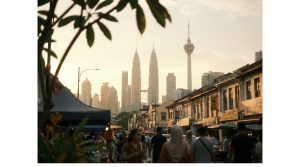
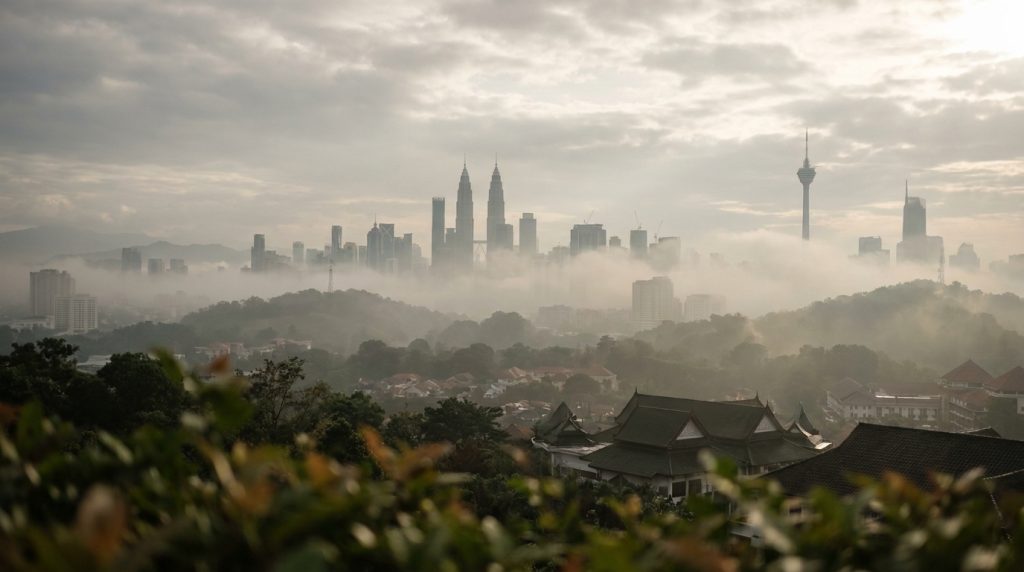
Kuala Lumpur packs more into five days than almost any other Southeast Asian city — colonial heritage, world-class street food, sky-high towers, and jungle temples all within a 30-minute ride of each other. We’ve mapped every hour of your trip so you don’t waste a single morning figuring out which direction to head. Travelers heading this way often look for this Kuala Lumpur travel guide before mapping out transport, neighborhoods, and a rough daily schedule.
Is 5 Days Enough for Kuala Lumpur?
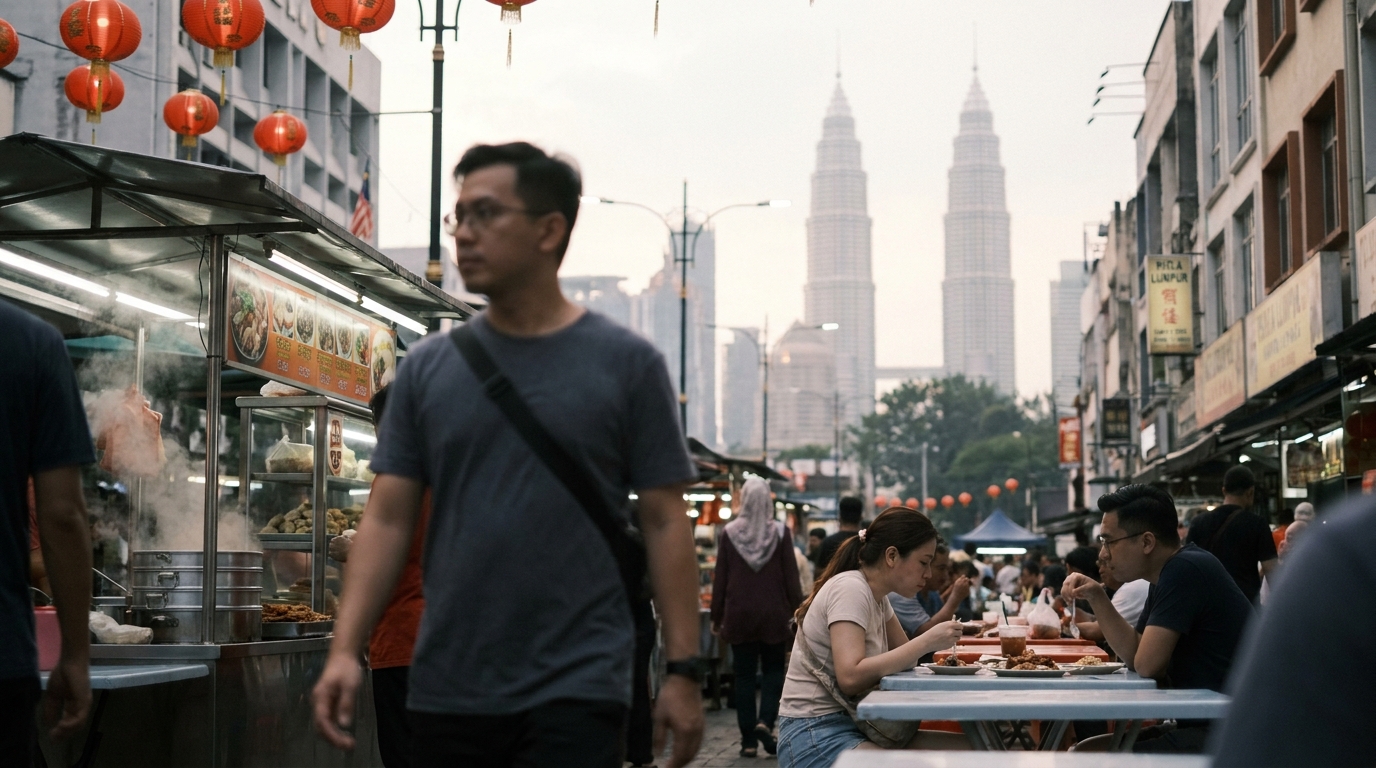
Five days in Kuala Lumpur is the sweet spot for first-time visitors. According to Tourism Malaysia’s 2025 Visitor Expenditure Survey, the average leisure stay runs 4.3 nights — enough to cover the city’s core districts, one day trip, and still leave time for market evenings and spontaneous food detours. You won’t see everything, but you’ll see everything that matters.
We’ve broken the five days into geographic clusters so you’re not zigzagging across the city. Days 1-2 focus on the Golden Triangle (KLCC, Bukit Bintang), Day 3 covers KL’s historic core (Merdeka Square, Chinatown, Brickfields), Day 4 is your full-day trip to Batu Caves or Putrajaya, and Day 5 wraps with shopping, rooftop bars, and a flexible buffer.
Clustering KL sightseeing by geographic zone rather than by attraction type cuts transit time, leaving room for a second street food stop most evenings.
best areas to stay in kuala lumpur
Find your Kuala Lumpur hotel on the map
Live prices from Booking & Airbnb — tap a pin to compare stays around Bukit Bintang and KLCC and beyond.
Day 1: Petronas Twin Towers and the KLCC District
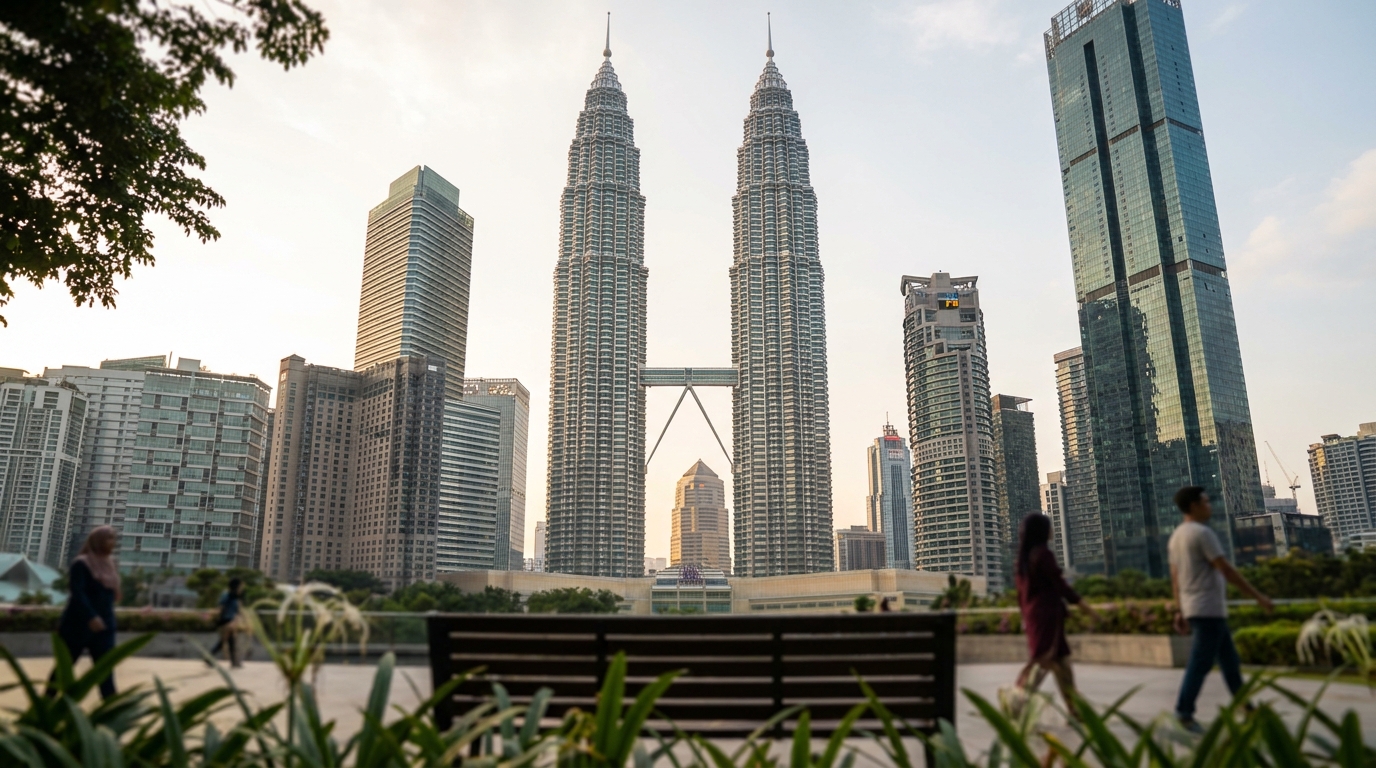
Day 1 belongs to the Golden Triangle — and it starts at the towers before the crowds arrive. In 2026, a Petronas Twin Towers skybridge and observation deck ticket costs MYR 100 (USD 21) for adults. Book online the moment your flights are confirmed.
Morning (8:00-12:00)
Arrive at KLCC park by 8:00 for the fountain garden before heat peaks. The towers open at 9:00. Skybridge tickets (Level 41 and 42) take 45 minutes; the observation deck on Level 86 adds another 30 minutes. By 11:00 you’re back at ground level with the rest of the morning free.
Walk south along Jalan Ampang to the Islamic Arts Museum Malaysia (MYR 20 / USD 4.20) — it holds one of Asia’s largest collections of Quranic manuscripts and architectural models, and the air conditioning is excellent.
Afternoon (13:00-17:00)
Lunch at Suria KLCC food court (Level 2, Budget: MYR 15-25 / USD 3.20-5.30) covers nasi lemak, char kway teow, and roti canai under one roof. Afterwards, walk or take the free KLCC-Bukit Bintang walkway (covered, air-conditioned, 10 minutes) south to Pavilion KL mall.
Spend the afternoon at Pavilion and the streets immediately surrounding it — Jalan Bukit Bintang is KL’s main retail and dining strip. In 2026, a 1-day GetYourGuide City Pass covers entry to three attractions for MYR 129 (USD 27), good value if your Day 1 list runs longer than the towers alone.
Evening (18:00 onwards)
Head back toward KLCC for the 20:00 fountain show (free, nightly, 15 minutes). Dinner at Jalan Alor — KL’s famous outdoor night-food street, 900m southwest of Pavilion. Grilled seafood, BBQ chicken wings, and cold beer run MYR 40-60 (USD 8.50-12.80) per person.
petronas twin towers tickets guide
| Attraction | Entry Fee (MYR) | Entry Fee (USD) | Best Booking Channel |
|---|---|---|---|
| Petronas Skybridge + Observation Deck | MYR 100 | USD 21 | |
| Islamic Arts Museum Malaysia | MYR 20 | USD 4.20 | Walk-in |
| KLCC Park Fountain Show | Free | Free | Walk-in |
| KL Tower Observation Deck | MYR 52 | USD 11 | GetYourGuide or walk-in |
Day 2: Bukit Bintang, KL Tower, and Rooftop Views
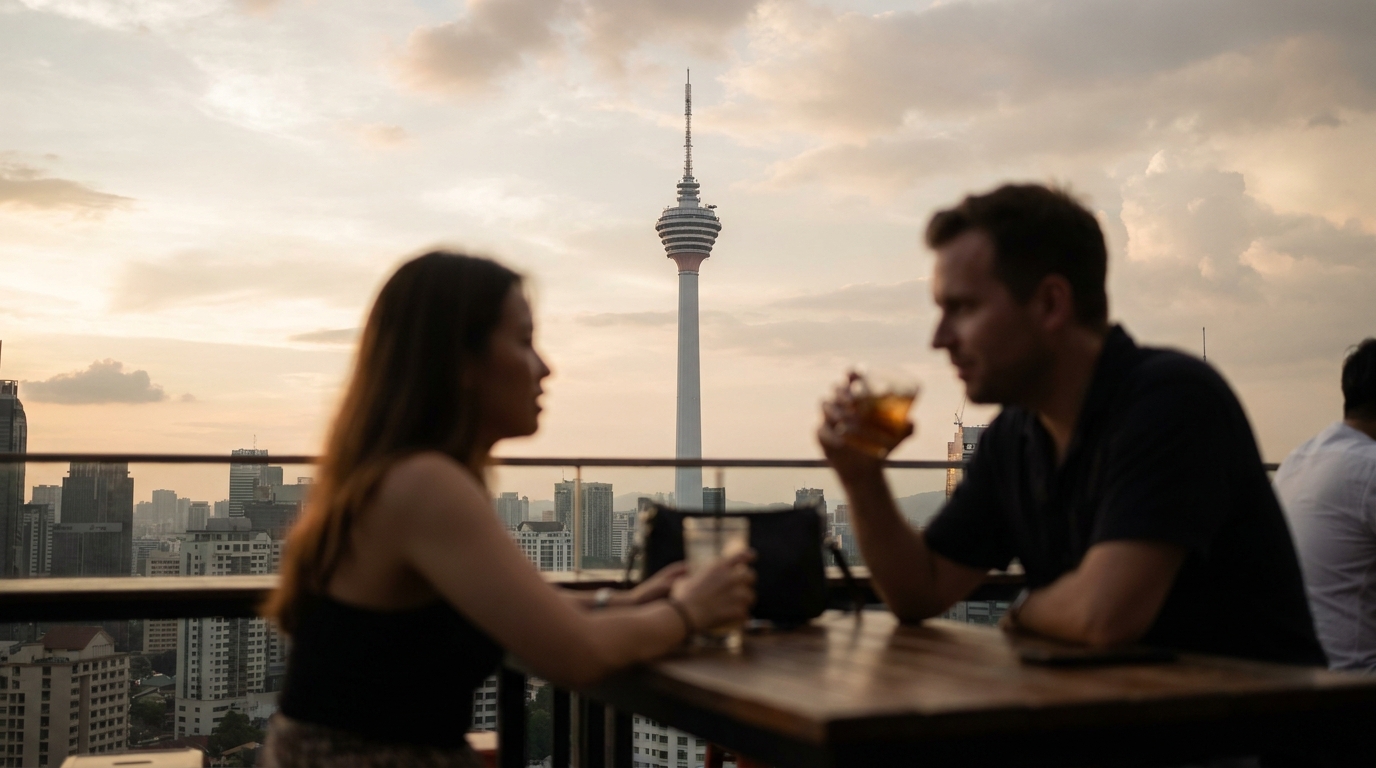
In 2026, KL Tower’s observation deck (MYR 52 / USD 11) remains the city’s best value sky-high view — you can see the Petronas Towers framed against the Titiwangsa Range on a clear morning, a perspective that no other platform gives you. The tower sits 10 minutes by taxi from Pavilion KL, and arrival before 10:00 beats the tour-group rush by at least 90 minutes (GetYourGuide, 2025 review aggregation).
Morning (9:00-12:00)
Combined food-and-tower tours are available from USD 35 and include a Bukit Bintang street food walk afterwards — we think the self-guided version works just as well for confident travelers, but the guided food walk is worth it if you want someone to explain the dishes.
Walk downhill to Changkat Bukit Bintang — KL’s bar-and-cafe strip — for a mid-morning coffee stop. The area is quiet before noon but several specialty cafes open at 09:30.
Afternoon (13:00-17:00)
Lunch in Bangsar, a 12-minute Grab ride south of Bukit Bintang. Bangsar’s Sunday Market (Pasar Minggu) runs daily for produce but the weekend version is larger. Target the Jalan Telawi strip for mid-range Malaysian-fusion restaurants (budget MYR 30-45 / USD 6.40-9.60 per person).
Afternoon: Perdana Botanical Garden (Lake Gardens), a 140-hectare park with a Bird Park (MYR 67 / USD 14.20), Butterfly Park (MYR 30 / USD 6.40), and free walking paths. The park sits in KL’s quieter southwest — good for recharging before an evening outing.
Evening
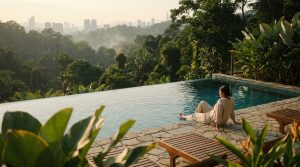
Sky Bar at Traders Hotel (Level 33, KLCC) offers an infinity pool view of the Petronas Towers at blue hour, approximately 19:30-20:00 in June. Minimum spend is MYR 50 (USD 10.60) at the bar — not mandatory to sit by the pool, but it gets you the best angle. Alternatively, Heli Lounge Bar atop Menara KH rotates tables and costs nothing beyond your drinks.
best rooftop bars in kuala lumpur
Day 3: Merdeka Square, Chinatown, and Little India
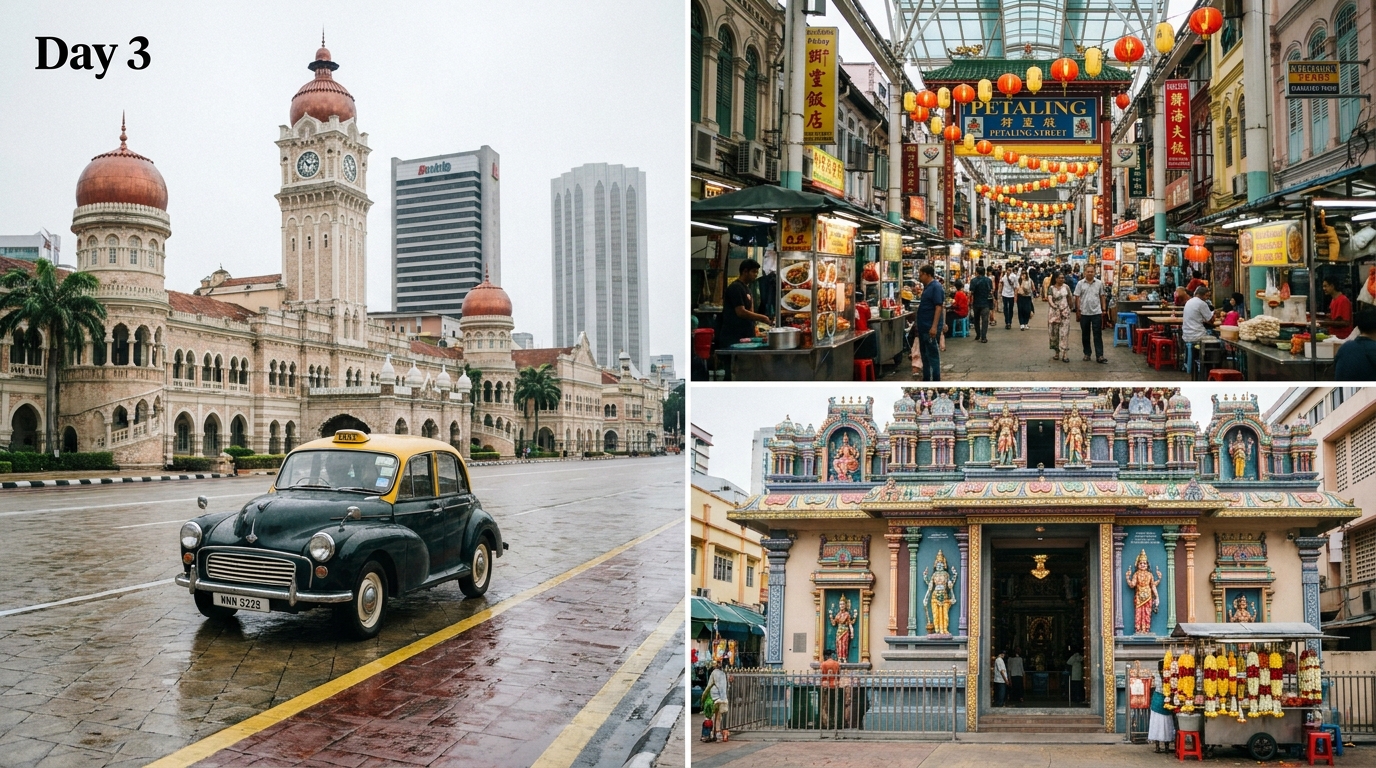
KL’s historic core covers a 2 km radius around Dataran Merdeka (Merdeka Square) and holds more genuine architectural history than the modern towers that overshadow it. According to Heritage Malaysia’s 2025 audit, 43 of KL’s 67 gazetted heritage structures are within a 15-minute walk of the square — a density that rivals George Town in Penang for colonial-era streetscape.
Morning (8:30-12:00)
Start at Dataran Merdeka at 8:30, before tour buses arrive. The 100m flagpole, the Royal Selangor Club (1884), and the Sultan Abdul Samad Building (1897) are all photogenic in early light. The National Textile Museum inside the SAB building is free and air-conditioned; it’s better than it sounds.
Walk 10 minutes east to Masjid Jamek — KL’s oldest mosque (1909), sitting at the confluence of the Klang and Gombak rivers. Entry is free for non-Muslim visitors outside prayer times; borrow a robe at the entrance if you’re in shorts.
Afternoon (12:30-17:00)
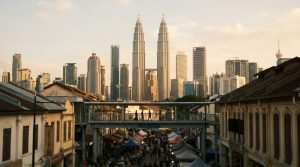
Cross the river into Chinatown (Petaling Street). Lunch: Petaling Street’s covered market serves char siu rice, wonton noodles, and fresh juice for MYR 10-18 (USD 2.10-3.80). The surrounding streets sell everything from counterfeit goods to genuinely excellent loose-leaf teas and batik fabric.
Walk 1.2 km south to Brickfields (Little India). The Sri Mahamariamman Temple (Kuil Sri Mahamariamman) on Jalan Tun H.S. Lee is one of Malaysia’s oldest Hindu temples (founded 1873, rebuilt 1968) and free to enter. The surrounding streets smell of incense and jasmine garlands; it’s the most atmospheric 500m in KL.
Finish the afternoon at Central Market (Pasar Seni), a 1936 Art Deco building converted into a craft and souvenir bazaar. The annexe holds better-quality fixed-price shops than the main hall; it’s where we buy batik sarongs and pewter items.
Evening
Dinner at Merchant’s Lane (Chinatown) or one of the halal mamak stalls on Jalan Masjid India — both are 5 minutes from Masjid Jamek LRT. Budget MYR 20-35 (USD 4.25-7.45) per person.
| District | Key Stops | Transit from KLCC | Best Time |
|---|---|---|---|
| Merdeka Square | SAB Building, Textile Museum | 12 min, Rapid KL LRT | 08:30-10:00 |
| Masjid Jamek | Mosque, river confluence | Walk from Merdeka | 09:00-11:00 |
| Chinatown (Petaling St) | Market, temples, street food | 10 min walk south | 11:00-14:00 |
| Brickfields / Little India | Sri Mahamariamman Temple | 15 min walk / 1 LRT stop | 14:00-16:30 |
| Pasar Seni | Central Market craft bazaar | Walk from Brickfields | 15:00-17:00 |
kuala lumpur chinatown guide
Day 4: Batu Caves and a Half-Day at Putrajaya
Batu Caves is the most-visited single attraction in Malaysia, drawing 4.2 million visitors in 2025 (Tourism Malaysia, 2025) — most of them arriving between 09:00 and 11:00, which is exactly when you don’t want to be there. A 07:15 departure from KL Sentral on the KTM Komuter line (MYR 3.40 / USD 0.72, 35 minutes) puts you at the caves by 08:00, an hour ahead of the main crowd.
Morning at Batu Caves (07:00-11:00)
The 272 rainbow-painted steps to the main cave chamber take 12 minutes to climb at a comfortable pace. The Temple Cave at the top is free to enter; the Art Gallery Cave (Dark Cave) charges MYR 35 (USD 7.44) for a 45-minute guided walk through limestone formations. We think the Art Gallery Cave is worth it — the bat colony and cave racer snakes are genuinely memorable.
Allow 2.5-3 hours total including the Sri Subramaniam Temple complex at the base, the smaller side caves, and breakfast at the stalls immediately outside the main entrance (roti canai and teh tarik, MYR 6-9 / USD 1.28-1.91).
Afternoon at Putrajaya (13:00-17:00)
Putrajaya is Malaysia’s federal administrative capital, 30 km south of KL, and it’s surprisingly worth the detour. The Putra Mosque (pink granite, 1999) and the Prime Minister’s Office complex sit on a man-made lake and photograph beautifully in afternoon light. Take a 45-minute lake cruise (MYR 20 / USD 4.25) from the jetty below the mosque — the best way to frame both landmarks together.
Grab from Batu Caves to Putrajaya runs MYR 28-38 (USD 5.95-8.09) and takes 40 minutes. Alternatively, the ERL from Salak Tinggi station (near Batu Caves) reaches Putrajaya/Cyberjaya station in 20 minutes (MYR 9.50 / USD 2.02).
Return to KL by 17:30 on the ERL from Putrajaya Sentral to KL Sentral (MYR 9.50 / USD 2.02, 20 minutes).
batu caves day trip from kuala lumpur
Day 5: Shopping, Street Art, and a Flexible Afternoon
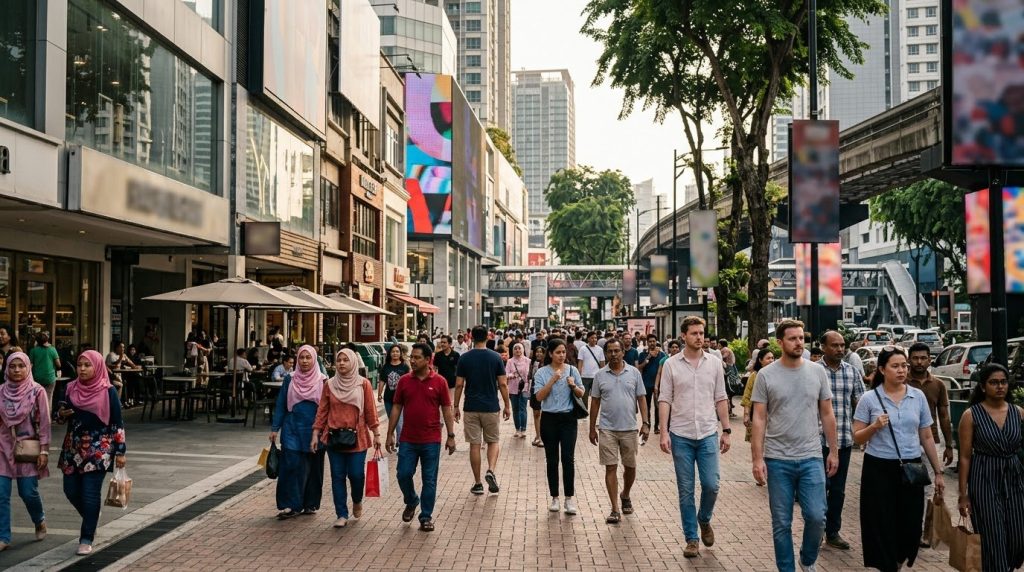
Day 5 is intentionally open-ended. In 2026, Bukit Bintang’s retail scene stretches across six interconnected malls — Pavilion KL, Starhill Gallery, Fahrenheit 88, Lot 10, LOW YAT Plaza (electronics), and the underground Berjaya Times Square corridor. Shopping hours are 10:00-22:00 daily. If shopping isn’t your priority, Day 5 is the easiest day to swap for anything you missed earlier.
Morning (9:00-12:00)
Kwai Chai Hong (Ghost Lane) in Petaling Street hosts KL’s best concentration of street murals — 12 large-scale works by local and international artists, painted on the walls of pre-war shophouses. The lane is 80m long and takes 20 minutes to walk; allow an extra 30 if you want photos.
It’s also genuinely Instagram-resistant — too narrow for wide-angle shots, which means it’s less crowded than similar art lanes in Penang.
Grab coffee at a specialty roaster in Chinatown (White Brick Coffee, Raw Coffee — budget MYR 14-20 / USD 2.98-4.25) before heading to Bukit Bintang.
Afternoon (13:00-17:00)
Pavilion KL’s basement food hall holds everything from Japanese ramen to Malaysian kopitiam rice. Budget lunch MYR 18-30 (USD 3.83-6.38). Afterwards: LOW YAT Plaza for electronics and accessories (5 floors, fixed prices on the 3rd floor for legitimate products), or Starhill Gallery’s basement “Feast Village” if you’d prefer an early dinner to keep the evening free.
If you have a flight tomorrow morning, use this slot to pick up any gifts, pack, and research the transit to the airport (KLIA Ekspres from KL Sentral: MYR 55 / USD 11.70, 28 minutes to KLIA, runs every 15 minutes from 05:00).
Evening: Rooftop or Night Market
Two options: Ansa Hotel rooftop bar (Level 36, Bukit Bintang, no minimum spend) for a city panorama, or the Pudu night market (Pasar Malam Pudu, Thursday-Sunday, 18:00-23:00) for one last street-food sweep — grilled corn, durian, and keropok lekor run MYR 5-15 (USD 1.06-3.19).
kuala lumpur shopping guide
How to Get Around Kuala Lumpur in 2026
KL’s public transit network is the most practical way to get around for tourists. The Klang Valley Integrated Transit system — covering MRT, LRT, Monorail, BRT, and KTM Komuter — logged 1.02 million daily ridership in Q1 2026, a 12% increase year-on-year (Prasarana Malaysia, 2026). Every major tourist zone (KLCC, Bukit Bintang, Chinatown, KL Sentral) has at least one station within 800m.
Key transit lines for tourists:
The Kelana Jaya LRT (blue line) connects KLCC to Masjid Jamek and KL Sentral. The KL Monorail (elevated, 11 stations) runs the Bukit Bintang corridor from KL Sentral to Titiwangsa. The MRT Putrajaya Line (blue, 57 km) opened in 2023 and now links Kwasa Damansara in the north to Putrajaya Sentral in the south.
A single token journey costs MYR 1.20-5.10 (USD 0.26-1.08) depending on distance. A 3-day MyRapid Tourist Pass (MYR 42 / USD 8.93) covers unlimited rides on LRT, MRT, and Monorail — worth it from Day 2 onwards if you’re making 4+ journeys daily.
Grab (ride-hailing, equivalent to Uber) is the reliable fallback. Trips within the city center run MYR 8-22 (USD 1.70-4.68) and rarely take longer than 15 minutes outside peak hours (07:30-09:30 and 17:30-19:30).
Where to Stay in Kuala Lumpur in 2026
In 2026, Booking.com lists 847 hotels and serviced apartments in KL’s main tourist zones, with 4-star properties starting at USD 38/night during off-peak periods (Booking.com, June 2026 data). The three areas below cover every travel style.
KLCC / Golden Triangle is the premium choice — walking distance to the towers, Suria KLCC mall, and KLCC park. Expect 4-star hotels from USD 65/night and boutique options from USD 85/night. Check live hotel prices.
Bukit Bintang suits mid-range travelers. It’s the densest entertainment and dining district, 10 minutes’ walk from KLCC, and better value than KLCC-fronting hotels. Budget: USD 38-75/night for 3-4 star. Airbnb serviced apartments here often work out cheaper than hotels for groups of 3+.
KL Sentral / Brickfields is the best option if you’re arriving or departing by long-distance train or KLIA Ekspres. Two Marriott-flag hotels and several 3-star options from USD 35/night. Not ideal for evening outings — a 10-minute Grab to Bukit Bintang adds up over 5 nights.
best hotels in kuala lumpur for every budget
Budget Planning: How Much Does 5 Days in KL Cost?
A 5-day Kuala Lumpur trip costs USD 225-700+ per person depending on accommodation and dining choices. Based on Tourism Malaysia’s 2025 average spend data, independent leisure travelers spent MYR 520-880 (USD 110-187) per day including hotels — but that average is skewed by high-end resort hotel guests. Budget and mid-range travelers can do considerably better.
| Category | Budget (USD/day) | Mid-Range (USD/day) | Comfort (USD/day) |
|---|---|---|---|
| Accommodation | 12-22 | 35-60 | 80-150 |
| Food (3 meals) | 8-14 | 18-30 | 40-70 |
| Transport (transit + 2 Grabs) | 4-7 | 8-14 | 15-25 |
| Attractions | 8-12 | 20-35 | 40-65 |
| Daily Total | 32-55 | 81-139 | 175-310 |
| 5-Day Total (per person) | 160-275 | 405-695 | 875-1,550 |
Connectivity: Pick up an Airalo eSIM before you land. A Malaysia 1 GB plan starts at USD 4.50; a 5 GB plan costs USD 9.00 (Airalo, 2026). Activation takes 3 minutes on the Airalo app — no SIM tray tools required, no airport queue.
malaysia travel budget guide
Frequently Asked Questions
How many days is enough for Kuala Lumpur?
Four to five days covers the main city districts, one day trip, and several food and nightlife evenings. Three days works if you skip the day trips and stay in the Golden Triangle. Longer than six days requires looping in Penang or Cameron Highlands, which most travelers do as a separate leg.
What is the best time to visit Kuala Lumpur?
March to April and June to August are KL’s drier months, with average rainfall under 180mm (Malaysia Meteorological Department, 2025). December to February is peak monsoon in the west coast — expect afternoon downpours most days but short, predictable showers rather than all-day rain. KL is a year-round destination; the humidity (80-85% average) doesn’t change much regardless of month.
Is Kuala Lumpur safe for solo travelers?
KL ranks 40th in the 2025 EIU Safe Cities Index (out of 60 cities), scoring above the Southeast Asian average for personal safety and infrastructure. Petty theft (bag snatching, particularly on motorcycles) is the primary concern in Chinatown and Jalan Masjid India after dark. Use a crossbody bag, keep phones in pockets in crowds, and the city’s a comfortable solo destination — including for solo women travelers.
Do I need a visa for Malaysia?
Citizens of the US, UK, Australia, EU, and most ASEAN countries receive visa-free entry to Malaysia for 30-90 days (Immigration Department of Malaysia, 2026). Check your specific passport at the Malaysia e-Visa portal (evisa.imi.gov.my) before travel — entry rules changed for several nationalities in 2025. malaysia visa guide
What’s the cheapest way to get from KLIA to KL city?
The KLIA Ekspres train is the fastest option (MYR 55 / USD 11.70, 28 minutes to KL Sentral). The KLIA2 Bus is the cheapest (MYR 15 / USD 3.19, 60-90 minutes). Grab from KLIA to city center costs MYR 60-85 (USD 12.77-18.09) and takes 45-60 minutes outside peak hours — competitive with the train once you factor in luggage handling.
Can I use public transport for the whole 5 days?
Yes — and we recommend it. The 3-day MyRapid Tourist Pass (MYR 42 / USD 8.93) covers unlimited MRT, LRT, and Monorail rides. Add a KTM Komuter day ticket (MYR 10 / USD 2.13) on Day 4 for the Batu Caves run. Total transit spend for 5 days: approximately MYR 95-120 (USD 20-25) using passes, versus MYR 200+ (USD 42+) for Grab-only.
Which GetYourGuide tours are worth it in KL?
The best-value guided options in 2026 are the GetYourGuide Petronas Towers combo ticket (towers + skip-the-queue, from MYR 110 / USD 23.40), the GetYourGuide half-day street food tour of Chinatown (from USD 28 per person, 4.7 stars from 2,100+ reviews), and the GetYourGuide day trip to Batu Caves + Putrajaya by air-conditioned coach (MYR 89 / USD 18.94) if you’d rather not manage transit yourself.
Conclusion
Five days in Kuala Lumpur works when you organize by neighborhood, book tower tickets before you pack, and don’t try to cross the city twice in the same day. The transit system genuinely works, the food is among the best-value anywhere in Southeast Asia, and the city’s three-culture mix — Malay, Chinese, Indian — gives every neighborhood a distinct feel that other megacities in the region can’t match. Before finalizing plans, it helps to check this where to stay in Kuala Lumpur before picking a neighborhood that matches the planned pace of the trip.
Your quick checklist: Petronas Towers tickets booked, Airalo eSIM activated before landing, Batu Caves alarm set for 06:30, and a 3-day transit pass loaded at KL Sentral arrivals. Everything else is improvable.
kuala lumpur travel tips
Sources: Tourism Malaysia Visitor Expenditure Survey 2025; Prasarana Malaysia Q1 2026 Ridership Report; Malaysia Meteorological Department Climate Normals 2025; Economist Intelligence Unit Safe Cities Index 2025; Booking.com hotel pricing data June 2026; GetYourGuide tour pricing June 2026; Airalo eSIM pricing June 2026.