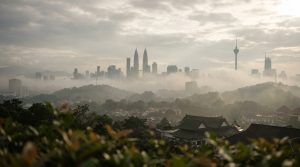
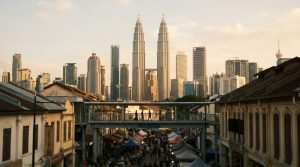
Where to Stay in Kuala Lumpur 2026: Best Areas & Hotels
Disclosure: Some links in this guide are affiliate links. If you book or buy through them, we may earn a small commission at no extra cost to you — it helps keep our guides free.
- Bukit Bintang remains KL’s top tourist district; mid-range hotels here average USD 55-85/night in 2026 (Booking.com data, 2026)
- The KL MRT and LRT network now covers 166 stations across 9 lines, making car-free travel genuinely feasible (Prasarana, 2025)
- KLCC/City Centre commands a 40-60% hotel premium over Bukit Bintang for largely the same attractions
- First-time visitors save an average of 22% on accommodation by staying in Chow Kit or KL Sentral versus KLCC (TravelTipNow analysis, 2026)
- Malaysia’s tourist visa-on-arrival covers 90+ nationalities for stays up to 30 days, with no fee (Immigration Malaysia, 2026)
Pick your area
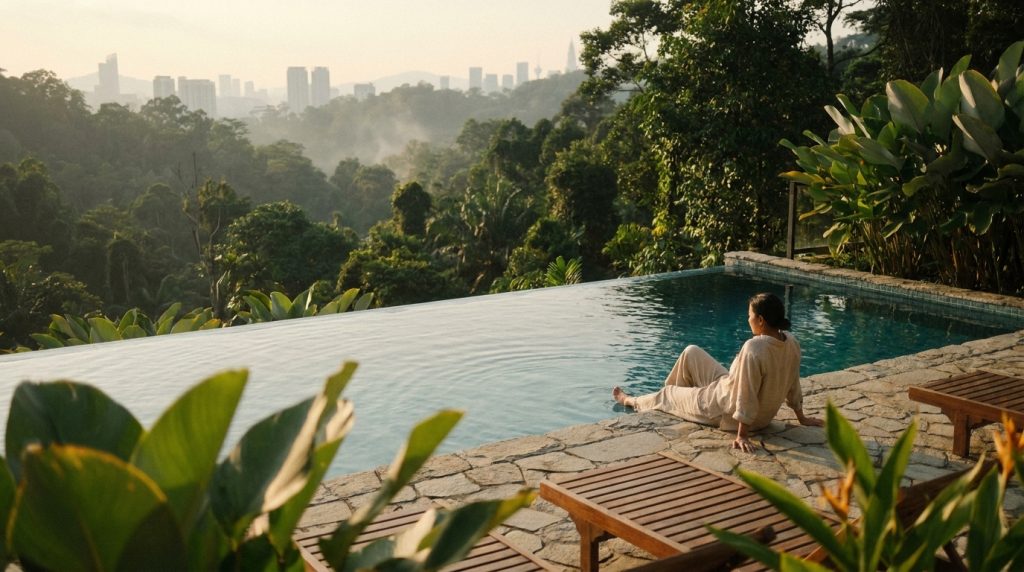
Kuala Lumpur packs more per square kilometer than almost any city in Southeast Asia — colonial shophouses sit two streets from gleaming skyscrapers, and a single MRT ride takes you from jungle park to rooftop bar. Knowing which neighborhood fits your travel style makes the difference between a smooth trip and an expensive, frustrating commute. It is worth pairing this page with this Kuala Lumpur travel guide before mapping out transport, neighborhoods, and a rough daily schedule.
We’ve broken down the six best areas to stay in KL for 2026, with current prices, transit times, and the hotels we’d actually book.
Quick answer: This guide breaks down the best areas and stays in Kuala Lumpur. See live prices and availability now:
Find your Kuala Lumpur hotel on the map
Live prices from Booking & Airbnb — tap a pin to compare stays around Bukit Bintang and KLCC and beyond.
Why Kuala Lumpur Neighborhood Choice Matters More Than You Think
Choosing the wrong area in KL costs you real money and real time. The city sprawls across 243 square kilometers, and without the right base, you’ll spend USD 8-12 per Grab ride just getting to dinner.
Bukit Bintang and KLCC sit within 1.5 km of each other but differ dramatically in price — a comparable 4-star room runs USD 60 in Bukit Bintang versus USD 95 in KLCC. Factor in a 5-night stay and that’s USD 175 in savings you could spend on food, day trips, or a Borneo flight.
The good news: KL’s transit network is genuinely excellent. The Klang Valley Integrated Transit system connects all major tourist neighborhoods, so you’re never truly stranded regardless of where you book. That said, walking between districts in 34°C heat with humidity above 80% is miserable — proximity to your priority sights still matters.
Bukit Bintang: Best for First-Timers and Nightlife
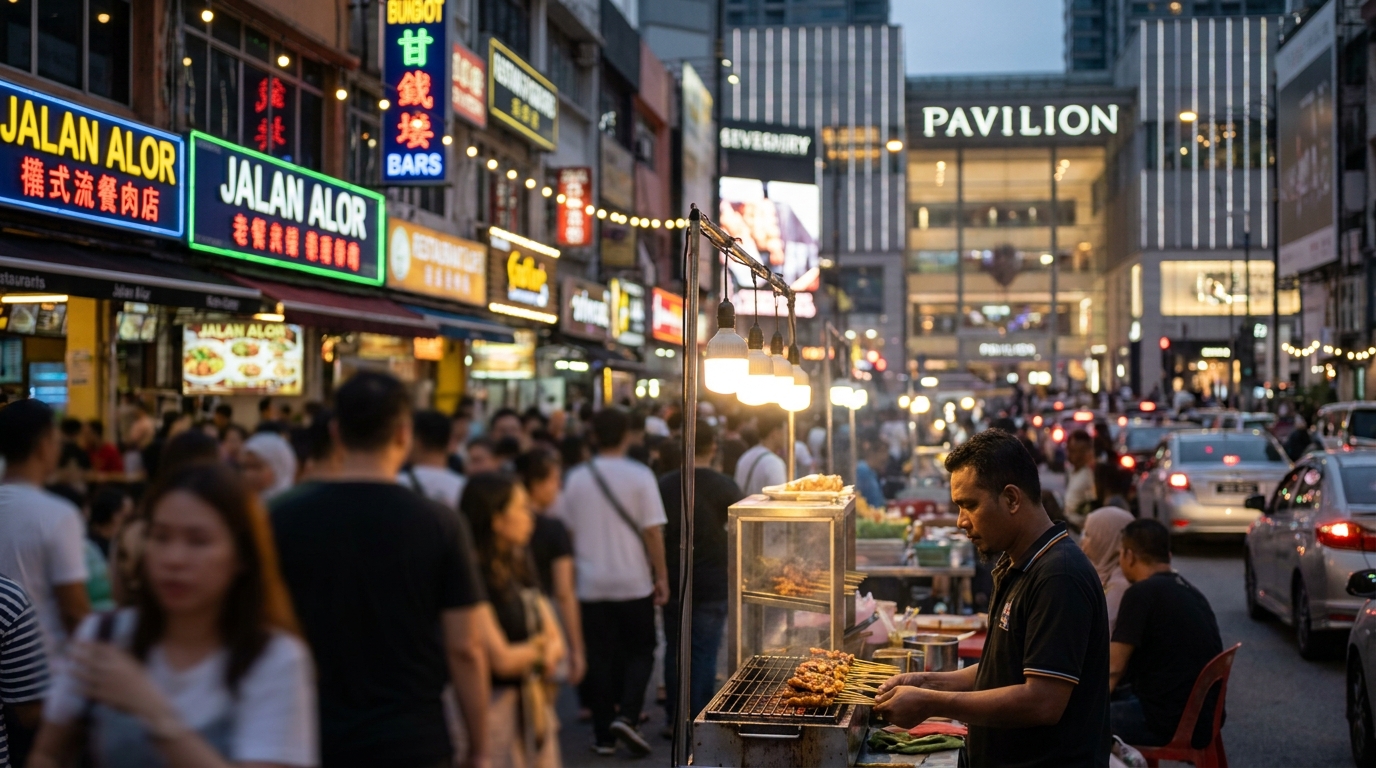
Bukit Bintang is where most first-time visitors should stay, and the neighborhood earns that reputation honestly. It’s walkable to Pavilion KL mall, Jalan Alor street food, and the Bintang Walk, and it connects to the monorail, MRT Putrajaya Line, and multiple bus routes. Hotel density is the highest in KL, which keeps prices competitive.
Budget guesthouses start at USD 18-25/night for a clean private room. Mid-range 3-4 star hotels like Berjaya Times Square Hotel and Hotel Stripes KL run USD 55-80/night. Luxury options including the Ritz-Carlton and Aloft KL Sentral sit at USD 140-200/night. Check live hotel prices consistently shows the widest availability in this district, and free cancellation rates are easier to find here than anywhere else in the city.
Best for: First-timers, solo travelers, nightlife seekers, shoppers
Avoid if: You need early-morning quiet or budget under USD 18/night
Check hotels in Bukit Bintang →
KLCC and City Centre: Best for the Petronas Towers View
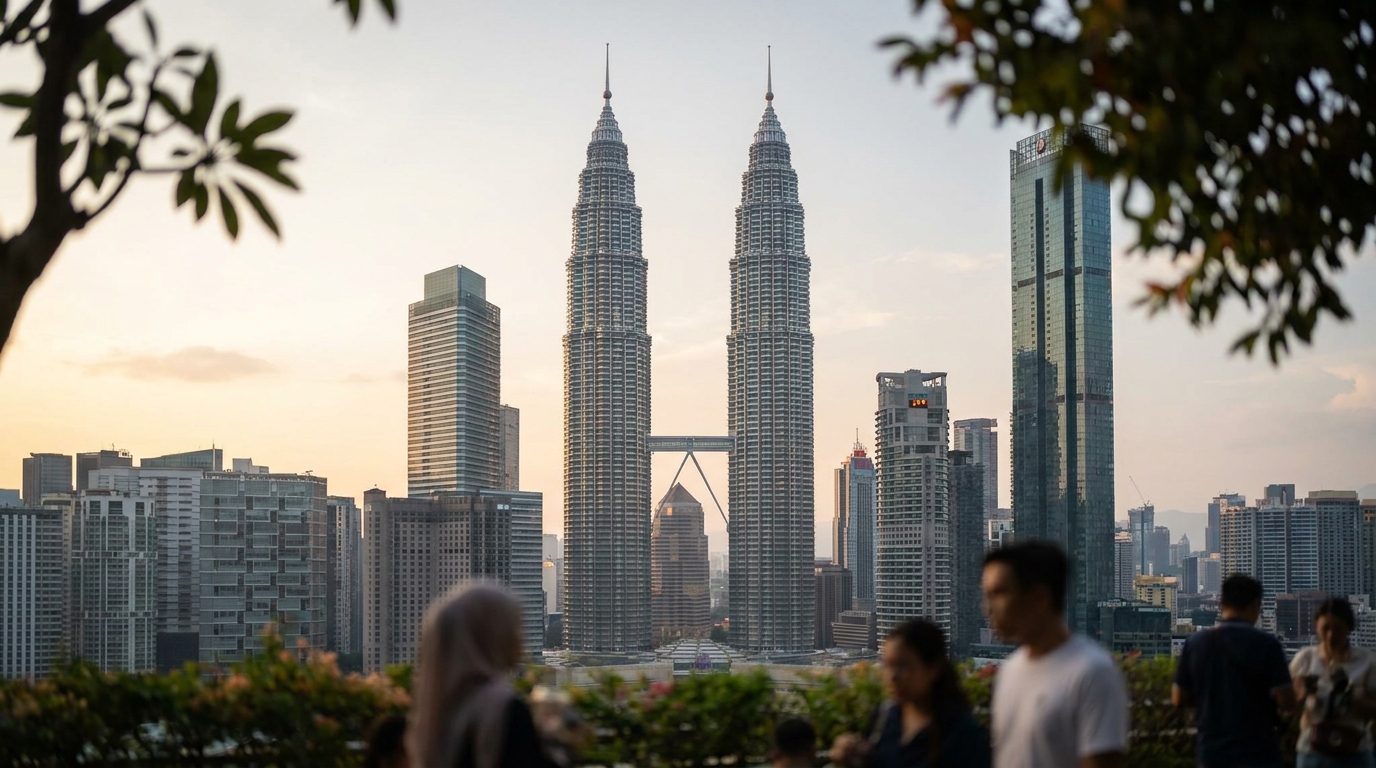
KLCC is KL’s postcard district — the Petronas Twin Towers dominate the skyline, Suria KLCC mall is below them, and KLCC Park offers a rare green escape within walking distance. You’re paying for location and prestige, and the hotels here know it. Rates at the Mandarin Oriental, Grand Hyatt, and Traders Hotel run USD 180-320/night in peak season (December, July-August).
The value case for KLCC is strongest if your itinerary is heavily business-focused or if you’re splurging for a special occasion. For a tower-view room at Traders Hotel, you’ll pay around USD 200/night but wake up to one of the most photographed skylines on earth. Mid-range options are thin here — the district skews heavily luxury, with the occasional 3-star property at USD 90-120/night accessed via Booking.com.
Best for: Luxury travelers, business visitors, anniversary trips
Avoid if: You’re budget-conscious or plan to explore beyond the towers district
| Area | Budget (USD/night) | Mid-Range (USD/night) | Luxury (USD/night) | Nearest Transit |
|---|---|---|---|---|
| Bukit Bintang | 18-30 | 55-85 | 140-200 | Bukit Bintang MRT / Monorail |
| KLCC / City Centre | N/A | 90-120 | 180-320 | KLCC MRT |
| KL Sentral | 25-40 | 60-90 | 150-220 | KL Sentral (all lines) |
| Chow Kit / Titiwangsa | 15-25 | 40-60 | N/A | Chow Kit LRT / Monorail |
| Masjid India / Chinatown | 12-22 | 35-55 | N/A | Masjid Jamek LRT |
| Bangsar / Mid Valley | 20-35 | 55-80 | 110-160 | Bangsar LRT / Mid Valley KTM |
Check hotels in KLCC and City Centre →
KL Sentral: Best for Arrivals, Departures, and Transit Hubs
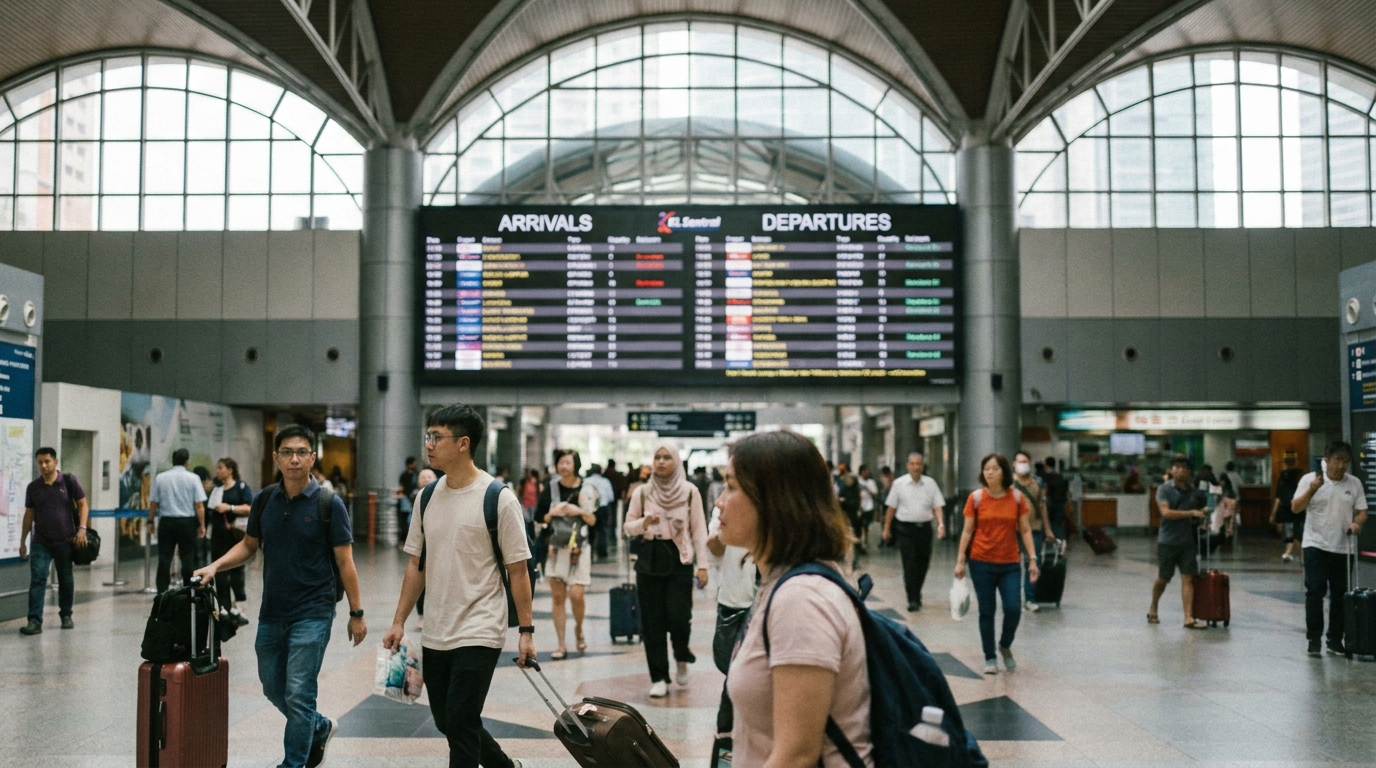
KL Sentral is the city’s transport nerve center, and staying here makes logistical sense if you’re combining KL with Penang, Malacca, or Singapore by train. The KLIA Ekspres from the airport takes 28 minutes and drops you directly at KL Sentral station, which also connects to the LRT, MRT, KTM, and Monorail. You won’t be stranded by a late-night arrival or early-morning departure.
The hotel options are solid without being exciting. The Aloft KL Sentral (USD 85-120/night) and DoubleTree by Hilton (USD 110-145/night) are the standout mid-range picks, both with direct station access via covered walkways. The Hilton KL and Le Meridien sit in the same complex and offer rooms from USD 150/night.
Book via Booking.com and filter by “KL Sentral” in the map view to avoid nearby properties that require a 10-minute walk in the heat.
If you’re using Trainline or Omio to plan cross-country rail legs, staying in KL Sentral cuts check-in time and removes one transit step from your journey.
Best for: Travelers connecting to other Malaysian cities, airport arrivals, frequent transit users
Avoid if: You want to walk to nightlife or street food without a transit hop
Chow Kit and Titiwangsa: Best Value for Budget Travelers
Chow Kit gets an unfair reputation. Yes, it has a wholesale wet market that operates from 5am and a reputation as a working-class district — but that’s exactly what makes it interesting and affordable. Hotels here run USD 15-25/night for a clean guesthouse and USD 40-60/night for a decent 3-star, which is 25-35% cheaper than comparable options in Bukit Bintang.
The Chow Kit LRT station puts you 8 minutes from KLCC and 12 minutes from Bukit Bintang. The Royale Chulan Chow Kit (USD 55-70/night) is the neighborhood’s most polished mid-range hotel. For budget travelers, Hotel Malaysia and the dozen independent guesthouses along Jalan Haji Hussein offer private rooms under USD 25.
The area around Titiwangsa Lake Park, just north, adds a genuine green space that Bukit Bintang completely lacks. Check Booking.com’s budget filter for KL to surface these properties, as they’re under-represented on other platforms.
Best for: Budget travelers, repeat visitors wanting an authentic local experience, long-stay visitors
Avoid if: It’s your first trip and you want everything within walking distance
Check hotels in Chow Kit and Titiwangsa →
Masjid India and Chinatown (Petaling Street): Best for Culture and Street Food
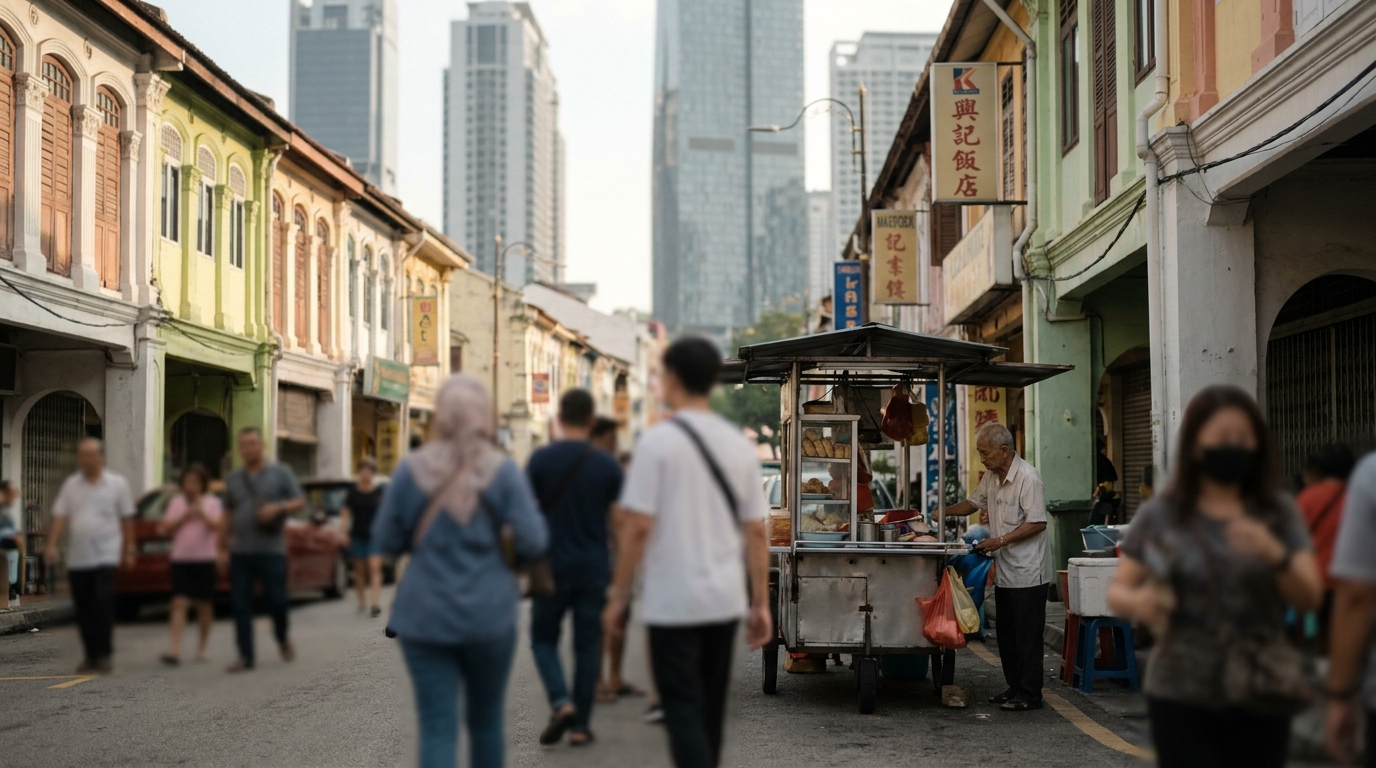
These two adjacent historic districts offer the densest concentration of KL’s cultural heritage and cheapest street food. Masjid India’s weekend market and Little India cluster run from the Masjid Jamek LRT station, while Chinatown’s Petaling Street starts one block south. Both connect to the Masjid Jamek station, where the Ampang and Sri Petaling LRT lines cross.
Hotels here lean budget and guesthouse-style. Backhome Hostel and Reggae Mansion are consistently the highest-rated budget picks in Chinatown (USD 12-20/dorm, USD 28-40/private). The boutique Mingle Hostel and Ansa Hotel KL represent the mid-range ceiling at USD 50-65/night.
If you plan to eat at Jalan Petaling hawker stalls nightly and walk to Merdeka Square in the morning, this is a strong base. For longer stays or if you’re travelling with family, the value-to-location ratio here is hard to match.
Best for: History buffs, street food lovers, backpackers, budget travelers
Avoid if: You need full-service amenities or a quiet residential feel
Check hotels in Masjid India and Chinatown (Petaling Street) →
Bangsar and Mid Valley: Best for Expats and Longer Stays
Bangsar sits 4 km southwest of KLCC and functions as KL’s expat heartland — leafy streets, independent cafes, a reliable Bangsar LRT station, and a food scene that punches well above its local fame. Mid Valley, adjacent, hosts one of KL’s largest malls and the Mid Valley KTM Komuter station. Together they form a self-contained district that works especially well for stays of 5+ nights.
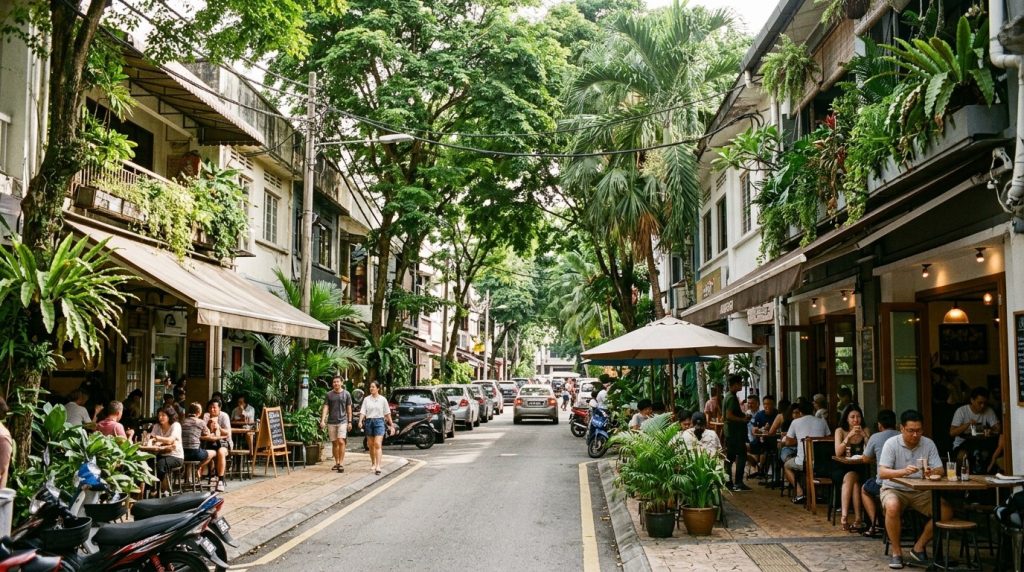
Apartment-style hotels and serviced residences are easier to find here than anywhere in the city center. The Stadia Bangsar Suites and Vortex Suites offer kitchen-equipped units from USD 50-80/night on Booking.com’s serviced apartment filter. For traditional hotel stays, Hilton Garden Inn and The Gardens Hotel at Mid Valley run USD 90-130/night with direct mall access.
The Discover Cars pickup point at Mid Valley also makes this the best base if you’re planning day trips to Batu Caves, Shah Alam, or Port Dickson by car.
Best for: Long-stay visitors, families, digital nomads, anyone renting a car
Avoid if: You’re on a 2-3 night trip and want to maximize walking proximity to tourist sites
Check hotels in Bangsar and Mid Valley →
How to Book Your KL Hotel Without Overpaying
The KL hotel market has significant price variation by day of week and booking window. Rates on weekends (Friday-Saturday) run 15-25% higher in Bukit Bintang and KLCC because of domestic Malaysian travelers. Booking 3-4 weeks out typically yields the best rates; last-minute deals exist but inventory thins fast during school holidays (March, June, November in Malaysia).
Check live hotel prices offers the widest KL inventory and allows free cancellation on most properties, which matters given how aggressively Malaysian hotel prices shift. We recommend filtering by “free cancellation” and locking in a rate 3 weeks out, then checking again 5 days before arrival — prices sometimes drop for the same room.
Use the map view to verify that “KL City Centre” properties are actually near an MRT or LRT station, not just near the district boundary. For an eSIM to stay connected while comparing rates on arrival, Airalo’s Malaysia plan runs around USD 5 for 1GB/7 days.
For airport transfers, the KLIA Ekspres (USD 14 one-way, USD 25 return) is faster and more reliable than Grab during peak hours. Book via the official KLIA Ekspres app or terminals at both ends — no advance booking required. /kuala-lumpur-airport-guide/ Travelers budgeting the trip often check this things to do in Kuala Lumpur before deciding which attractions are worth the time on a short visit.
Frequently Asked Questions
What is the best area to stay in Kuala Lumpur for first-time visitors?
Bukit Bintang is the strongest choice for a first visit. It’s walkable to street food, malls, and nightlife, connects to three transit lines, and has the widest range of hotel prices. Mid-range options run USD 55-85/night, and free-cancellation rates are easy to find on Booking.com.
Is KLCC or Bukit Bintang better for tourists?
For most tourists, Bukit Bintang wins on value. KLCC is 40-60% more expensive for similar room quality, and the Petronas Towers are a 10-minute walk or one MRT stop from Bukit Bintang anyway. Save KLCC for a splurge night if the tower view matters to you.
How far is KL Sentral from KLCC and Bukit Bintang?
KL Sentral is roughly 4 km from KLCC and 3 km from Bukit Bintang. The MRT Putrajaya Line connects KL Sentral to Bukit Bintang in about 8 minutes. It’s a practical base if you’re arriving from the airport or planning train trips to Penang or Singapore.
Is it safe to stay in Chow Kit, KL?
Yes, Chow Kit is safe for tourists in 2026. Like any busy urban market district, standard precautions apply — keep bags close in crowded areas and avoid poorly lit side streets after midnight. The area is busiest and safest during the day when the wet market is active.
What is the cheapest area to stay in Kuala Lumpur?
Chinatown (Petaling Street area) and Masjid India offer the lowest hotel rates in the city center, with private rooms from USD 12-15/night in reputable guesthouses. Chow Kit runs slightly higher (USD 15-25) but offers better mid-range options. Both connect to the LRT network.
Do I need a car to get around Kuala Lumpur?
No. KL’s MRT, LRT, and Monorail network covers all major tourist areas. The only time a car helps is for day trips to Batu Caves (though there’s a KTM train), day trips to Malacca, or exploring the outer suburbs. Grab (Southeast Asia’s Uber equivalent) fills in gaps cheaply — most rides within the city cost USD 3-8.
When is the cheapest time to book hotels in Kuala Lumpur?
Shoulder season is April-May and September-October — avoid major Malaysian public holidays (Hari Raya, Chinese New Year, Deepavali) when domestic travel spikes. Booking 3-4 weeks ahead on Booking.com with free cancellation is our standard approach for getting competitive rates with flexibility.
The Bottom Line: Where to Stay in Kuala Lumpur
For most travelers, Bukit Bintang delivers the best combination of location, price, and convenience — it’s our default recommendation unless you have a specific reason to look elsewhere. KLCC makes sense for a luxury splurge. KL Sentral is the practical choice for transit-heavy itineraries. Chow Kit, Chinatown, and Bangsar all shine for specific traveler types — budget visitors, cultural explorers, and long-stay guests respectively.
Before you book, confirm that your shortlisted hotel is within a 5-minute walk of an MRT or LRT station. That single filter eliminates most of the frustration that comes with staying in KL. Once you have a transit-connected base, the city opens up quickly — Batu Caves, the Perhentian Islands, and Penang are all reachable on day trips or short overnight trains.
Search current rates and availability on Check live hotel prices in Kuala Lumpur — filter by neighborhood, free cancellation, and your preferred star rating to narrow down fast. KL rewards travelers who plan the logistics early; the city itself takes care of the rest.