Things to Do in Bolivia in 2026: 8 Top Sights and Altitude Tips
Disclosure: Some links in this guide are affiliate links. If you book or buy through them, we may earn a small commission at no extra cost to you — it helps keep our guides free.
- Uyuni is the headliner: two-day jeep tours start around $208, and three- to five-day routes run from about $371 to $573 (operator pricing, 2026).
- Season changes the experience: the mirror effect shows up in the wet season, roughly January to March, while the dry season makes travel easier.
- Altitude is the real hazard: La Paz is about 3,640 m and Potosi about 4,000 m, so build in rest days and go slowly.
- Pick a reputable guide for Death Road: the route is about 64 to 69 km and has killed cyclists, so a local, well-reviewed operator matters more than price.
- Sucre is the recovery stop: it sits much lower than La Paz and Potosi, which makes it a gentler place to catch your breath.
At a glance
| Attraction | Entry | Hours | Time needed |
|---|---|---|---|
| Uyuni salt flats tour | $208 to $573 | 2 to 5 days | |
| La Paz cable cars and markets | Low; rides cost well under $1 | 1 to 2 days | |
| Lake Titicaca and Isla del Sol | Low to moderate | 1 to 3 days | |
| Sucre | Low | 2 to 3 days | |
| Potosi | Low | 1 to 2 days | |
| Madidi jungle | Moderate | 3 to 4 days |
The best things to do in Bolivia are a multi-day Uyuni salt flats tour, a ride on the La Paz cable cars, a downhill run on the Death Road, and a boat trip to Isla del Sol on Lake Titicaca. Add colonial Sucre, the mining city of Potosi, and a few days in the Madidi jungle, and you have a trip that is both varied and surprisingly cheap.
Bolivia rewards travelers who plan around two things: altitude and season. La Paz sits at about 3,640 m, Potosi at roughly 4,000 m, and Uyuni tours cross passes above 5,000 m. This guide gives rough prices, timing, and money-saving tips for each stop, so you can build a route that doesn’t leave you gasping on day one.
The first night in La Paz humbled me. I’d flown in from sea level, walked up one steep street to find dinner, and had to stop twice to catch my breath. A headache followed. Slow walking, lots of water, and a cup of coca tea each evening helped, and by day three I was strolling around the markets without trouble. I wouldn’t schedule anything physical before that third day.
What Are the Best Things to Do in Bolivia?
The best things to do in Bolivia cluster around seven areas: the Uyuni salt flats, La Paz, the Death Road, Lake Titicaca, Sucre, Potosi, and the Madidi rainforest. Most sources agree on the first four as the headline sights. Uyuni tours cross passes above 5,000 m, so plan your acclimatization before you commit.
Here is a quick comparison to help you sort priorities. Prices are approximate and change with season and operator.
| Activity | Typical time | Rough cost (approximate) | Best season | Suits |
|---|---|---|---|---|
| Uyuni salt flats tour | 2 to 5 days | $208 to $573 | Mirror: Jan to Mar; easier travel: dry season | Almost everyone |
| La Paz cable cars and markets | 1 to 2 days | Low; rides cost well under $1 | May to Oct (dry) | City lovers, first-timers |
| Death Road cycling | 1 day | Check operator rates | Dry season | Confident cyclists |
| Lake Titicaca and Isla del Sol | 1 to 3 days | Low to moderate | Dry season | Hikers, culture seekers |
| Sucre | 2 to 3 days | Low | Dry season | Slow travelers, history fans |
| Potosi | 1 to 2 days | Low | Dry season | History and mining buffs |
| Madidi jungle | 3 to 4 days | Moderate | Dry season | Wildlife lovers |
Source: operator pricing and national tourism board information, 2026
If you have only a week, pair La Paz with Uyuni and one of the lake or jungle options. With two weeks, add Sucre and Potosi. Weather matters a lot here, so read our guide to the best time to visit Bolivia before you lock in dates.
1. Uyuni Salt Flats Tour
Uyuni is the reason many people book a flight to Bolivia. Tours run by jeep, usually two to five days, and cross the vast white salt crust, cactus-dotted islands, colorful lagoons, and high desert passes above 5,000 m. Two-day trips from the La Paz side start at roughly $208 to $260, with three-day combinations from about $371 and five-day trips from about $573 (operator pricing, 2026).
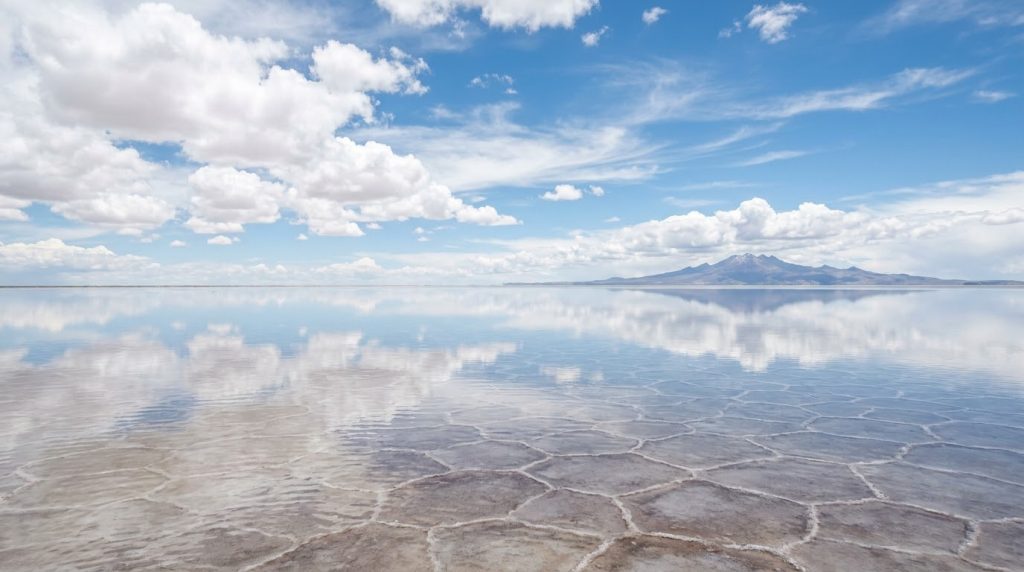
Season shapes the trip. In the wet season, roughly January to March, a thin sheet of water turns the flats into a giant mirror that reflects the sky. That’s the postcard shot. The catch is that travel is harder in the wet months. The dry season is easier on logistics, but you won’t see the mirror.
Nights get cold at altitude, so pack a warm layer even if the days feel mild. Shared group tours are the budget route. Private jeeps cost more but let you linger for sunrise photos. Ask what is included, including meals and lodging, before paying.
2. La Paz and Its Cable Cars
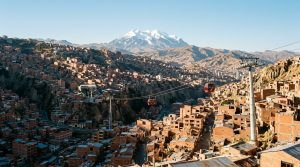
La Paz is a city in a canyon at about 3,640 m, and its cable car network is the easiest way to see how it’s laid out. Rides cost well under a dollar, which makes them one of the cheapest sightseeing options in South America. The views of red brick neighborhoods climbing the canyon walls are worth the fare alone.
Spend a day on foot in the center too. The witches market is a good place to browse traditional goods, and the streets around it are lively and steep. Go slowly. Altitude affects most visitors, so keep the first day light.
The dry season, roughly May to October, brings clearer skies and better views. For a budget tip, eat the set lunch menu at a local restaurant. It usually costs far less than a dinner order and fills you up for the afternoon.
3. Death Road Cycling (North Yungas)
The Death Road is a downhill ride of about 64 to 69 km out of La Paz into the Yungas valleys. The road drops steeply from cold high ground into warm, green terrain, and the temperature change is dramatic. Most visitors do it as a one-day trip with a guide, bikes, and a van back.
Safety is the key issue. Sources consistently advise using a reputable local guide, because the route has killed cyclists. Don’t pick on price alone. Ask about bike quality, brake maintenance, helmets, and guide-to-rider ratios before booking.
Go in the dry season, when the surface is more predictable. Bring layers for the cold start and light clothes for the warm finish. If cycling isn’t your thing, the surrounding scenery is dramatic enough that a guided drive or walk is worth considering.
4. Lake Titicaca and Isla del Sol
Lake Titicaca is the highest navigable lake in the world, at 3,812 m. From La Paz, you can reach the town of Copacabana by road, then take a boat to Isla del Sol. A full-day trip from La Paz is possible, but an overnight stay lets you walk the island’s trails in the quiet hours.
Isla del Sol suits hikers and anyone who likes simple, slow travel. Trails link villages and viewpoints, and there are no cars on the island, so it feels very different from the city. Expect basic lodging and cold evenings.
The dry season is the best time to visit, with clearer days. As a money saver, buying boat tickets and food locally instead of through a package keeps costs low. Carry small bills, because small vendors often can’t change large notes.
5. Sucre
Sucre is the gentle stop on most Bolivian routes. It sits lower than La Paz and Potosi, so the thin air is easier to handle, and its whitewashed colonial center is pleasant to walk. Many travelers use it as a recovery base after the high passes.
Plan two to three days. Wander the main plaza, browse the markets, and take your time in cafes. It is a good city for slow mornings and cheap meals. Costs are generally low compared with Western prices.
Dry season weather is the most comfortable for walking around. If you’re short on time, Sucre is the first stop to cut. If you’re tired and altitude-weary, it’s the one to add.
6. Potosi
Potosi is a mining city at roughly 4,000 m, one of the highest cities on earth. Its history is tied to the silver mines in the hill above it, and a guided visit is the main reason to come. Altitude is the first challenge, so don’t plan an intense day on arrival.
Mine tours are the headline activity, but they’re physically demanding and involve tight spaces and dust. Choose a guide with a good reputation, and think carefully if you have breathing problems or claustrophobia. Costs for a tour are modest compared with big-ticket activities elsewhere in Bolivia, though prices change.
Allow one to two days. Dry season weather is more comfortable, though nights are cold. Many travelers pair Potosi with Sucre or Uyuni in a single loop.
7. Madidi Jungle
Madidi is the lowland counterpoint to all that altitude. Travelers typically fly or travel overland from La Paz to the gateway town of Rurrenabaque, then head into rainforest or river-based trips for wildlife and lodges. After days above 3,500 m, the warm, humid air feels like a different country.
Plan three to four days to make the trip worthwhile. Moderate costs are typical, since lodging and transport are bundled. Compare what’s included, like guides, meals, and boat transfers, rather than just the headline price.
The dry season is generally the more comfortable period for jungle travel. Bring insect repellent, light long sleeves, and a rain layer. Flights can be delayed by weather, so don’t schedule a tight connection on the day you return.
How Do You Avoid Altitude Sickness in Bolivia?
Altitude sickness is the most common reason travelers lose a day or two in Bolivia. La Paz sits around 3,640 m, Potosi near 4,000 m, and Uyuni tours cross passes above 5,000 m. Slow ascent, hydration, and light first days are the most reliable defenses.
Here’s what has worked for us and for many travelers we’ve met:
- Start slow: keep your first day in La Paz or Potosi relaxed. No big hikes, no heavy meals.
- Drink water, skip heavy alcohol: both thin air and dryness make hangovers worse.
- Sleep lower if you can: Sucre is a gentler place to rest than La Paz or Potosi.
- Try local remedies: coca tea is a common local habit, and many travelers find it helpful.
- Talk to a doctor before you go: ask about prescription options, especially if you have heart, lung, or blood pressure conditions.
Serious symptoms, such as severe headache, confusion, or trouble breathing, mean you should descend and seek medical help. Don’t tough it out.
| Place | Altitude (approximate) | Acclimatization tip |
|---|---|---|
| Lake Titicaca | 3,812 m | Rest a day before hiking Isla del Sol |
| La Paz | 3,640 m | Keep day one light |
| Potosi | 4,000 m | Visit after a few days at altitude |
| Uyuni tour passes | Above 5,000 m | Acclimatize first, travel with a reputable operator |
| Madidi lowlands | Much lower | Good recovery stop |
Source: national tourism board and travel guide data, 2026
How Much Does a Trip to Bolivia Cost?
Bolivia is one of the cheaper countries in South America, but your Uyuni tour will likely be the biggest single cost. Two-day jeep tours start around $208 to $260, and longer routes climb toward $573 for five days (operator pricing, 2026). Everyday costs such as meals, local transport, and lodging are comparatively low.
Here are practical ways to keep your budget in check:
- Book Uyuni in person or compare quotes: prices and inclusions vary, so ask exactly what is covered.
- Use cable cars and local buses: they cost far less than taxis.
- Eat set lunches: local menus are filling and cheap.
- Group up for tours: shared jeeps cut the per-person cost.
- Avoid peak crowds when you can: shoulder periods can be easier on both prices and availability.
Prices change with season, exchange rates, and demand, so treat every number here as a starting point and confirm before paying.
When Is the Best Time to See Bolivia’s Top Sights?
The best time depends on your priority. The dry season, roughly May to October (some sources say April to November), gives the easiest travel, though nights at altitude are cold. The wet season, roughly January to March, turns Uyuni into a mirror but makes travel harder.
In other words, the two best Uyuni experiences happen in opposite seasons. If the mirror photo is your goal, accept some logistical hassle and extra flexibility. If you want a smoother trip, go in the dry months. Our full best time to visit Bolivia guide breaks this down month by month.
Remember that Bolivia is in the Southern Hemisphere, so seasons are reversed compared with the US and Europe. Summer here means December to February, and that’s also the wet season in the highlands.
Find your Bolivia hotel on the map
Live prices from Booking, Airbnb and more — move the map or change dates to compare stays across Bolivia.
Frequently Asked Questions
How many days do you need in Bolivia?
Ten to fourteen days works well for the main highlights. That covers La Paz, Uyuni, Lake Titicaca, and Sucre or Potosi at an unhurried pace. Add three or four days for Madidi. With only a week, focus on La Paz, Uyuni, and Titicaca.
Is the Death Road safe?
It can be, with the right operator, but it carries real risk. The route is about 64 to 69 km, and it has killed cyclists. Sources advise using a reputable local guide, and checking bike condition and safety gear before you book.
Is the Uyuni salt flats tour worth it?
Yes, for most travelers it’s the highlight of Bolivia. Tours run two to five days, with prices from about $208 for two days (operator pricing, 2026). Choose the wet season for the mirror effect or the dry season for easier travel.
What is the best way to handle altitude sickness?
Go slowly, drink water, and keep your first day light. La Paz is about 3,640 m and Potosi about 4,000 m. If you develop severe symptoms, descend and get medical help right away.
Can you visit Bolivia on a budget?
Yes. Everyday costs like meals and local transport are low, and cable cars in La Paz cost well under a dollar. Your tours will be the main expense, so compare inclusions and consider shared groups.
Bolivia isn’t a country you rush. Give yourself time to adjust, pick your season based on what you most want to see, and spend your money where it counts: a good Uyuni operator and a careful Death Road guide. Once you’ve settled on your dates, check the best time to visit Bolivia and start building your route.