Best Time to Visit Bolivia in 2026: Season-by-Season Guide
Disclosure: Some links in this guide are affiliate links. If you book or buy through them, we may earn a small commission at no extra cost to you — it helps keep our guides free.
- Dry season (May to October) is the safest pick: clear skies, easier roads, and the best conditions for La Paz, Lake Titicaca, Potosi, and Death Road.
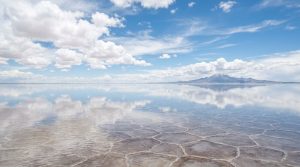
- Uyuni splits by season: the mirror effect shows up in the wet season (about January to March), while the dry season gives you a hard white crust and smoother travel.
- Altitude beats the calendar: La Paz is at 3,640 m and Uyuni tours cross passes above 5,000 m, so nights are cold in every month.
- The Amazon basin runs on its own clock: the lowlands are hot all year, and the drier months make jungle trips far more comfortable.
- Shoulder months save money: April, November, and early December often mean fewer crowds and easier bargaining on tours.
The best time to visit Bolivia is the dry season, roughly May to October, when skies are clear, roads are passable, and the highlands are easiest to cover. The one big exception is the Uyuni salt flats: the famous sky-mirror effect only appears in the wet season, around January to March, so the two best Uyuni experiences happen in opposite halves of the year.
Bolivia sits in the Southern Hemisphere, so the seasons run opposite to the US and Europe. The weather also depends more on altitude than on the calendar. La Paz sits at 3,640 m, Lake Titicaca at 3,812 m, and Potosi at about 4,000 m, while the Amazon basin sits near sea level. This guide breaks down each season, each region, and the trade-offs, with tips to keep your costs down. For ideas on what to do once you land, see our guide to things to do in Bolivia.
On my first trip I landed in La Paz in July and assumed “dry season” meant mild weather. It was sunny and bright at noon, then well below freezing at night, and I spent the first evening buying an alpaca-wool hat I should have packed. On a later trip I returned in February specifically to see the flooded salt flats, and the rain made some roads slow and muddy, but the reflections were worth it.
When is the best time to visit Bolivia overall?
The best overall window for Bolivia is May to October, the dry season, though some sources stretch it from April to November. Rainfall is low, days are sunny, and overland routes are more reliable. The trade-off is cold nights at altitude, where temperatures can drop below freezing in the highlands, especially in June and July.
If you can only choose one stretch, aim for May, June, September, or October. May and October sit at the edges of the dry season, so you get good weather with slightly thinner crowds than the mid-winter peak of July and August. September is a favorite among many travelers because days warm up and the lowlands are less intense.
Here’s how the year breaks down at a glance.
| Month | Season | What it’s like | Best for |
|---|---|---|---|
| January | Wet | Warm days, frequent rain, mirror effect begins | Uyuni mirror, Alasitas fair in La Paz |
| February | Wet | Peak rain, roads can be slow | Uyuni mirror, Oruro Carnival (February or March) |
| March | Wet | Rain easing late in the month | Uyuni mirror, fewer crowds |
| April | Shoulder | Drying out, green landscapes | Lower prices, Sucre and Cochabamba |
| May | Dry | Clear skies, cooler nights | La Paz, Titicaca, Death Road |
| June | Dry | Very cold nights at altitude | Trekking, Gran Poder festival season |
| July | Dry (peak) | Sunny days, freezing nights, most visitors | Uyuni tours, Amazon trips |
| August | Dry (peak) | Dry and bright, windy at times | Uyuni, Titicaca, Independence Day events |
| September | Dry | Warming up, good visibility | All-round travel |
| October | Dry | Warm days, rain starts to return late | Uyuni, Potosi, fewer crowds |
| November | Shoulder | First rains, quieter | Lower prices, Todos Santos traditions |
| December | Wet | Rain builds, holiday travel | La Paz Christmas markets, early mirror chances |
Source: national weather service seasonal patterns and operator experience, 2026
Rain is uneven, so treat the month boundaries as guidelines. A wet season can start late, and a dry spell can interrupt it. Check a forecast a week before you fly, and keep a flexible day or two in your Uyuni plan.
What is the best time to visit the Uyuni salt flats?
The best time for the Uyuni salt flats depends on what you want. The mirror effect, where a thin layer of water turns the flats into a giant sky reflection, happens in the wet season, around January to March. The dry season (May to October) offers easier travel and a hard white crust you can drive across freely.
Multi-day jeep tours cross high passes above 5,000 m, so altitude and cold are factors in every month. That said, the experience changes a lot between seasons.
Wet season: the mirror (January to March)
Reflections are best in the early morning and around sunset, when the water is still and the sky is clear. Expect cloud and rain on some days, and some roads and routes can be harder or closed. Tour operators sometimes adjust itineraries to avoid flooded sections. It’s a great season for photographers, but build in buffer days.
Dry season: the white crust (May to October)
In the dry months the flats are a vast white plain with hexagon patterns in the salt. You can drive out to the island sites, the salt hotels, and the high-altitude lagoons with fewer delays. Nights are very cold, so check that your tour includes warm bedding. This is the more reliable season for a first-time visitor who values smooth logistics over photos.
Operator pricing changes by season and tour length. As a rough guide, two-day tours from La Paz-area operators start around $208 to $260, three-day trips combining biking with Uyuni start around $371, and five-day trips start around $573 (approximate, check current rates). Book in the shoulder months and compare quotes in person in Uyuni town, where last-minute deals are sometimes possible outside peak weeks.
How cold does it get in La Paz and the highlands?
La Paz is cold at night in every month, because the city sits at 3,640 m in a canyon. Dry-season days are often sunny and pleasant in the sun, but nights can drop near or below freezing in June and July. In the wet season it’s milder but damp, with afternoon rain.
Altitude is the bigger concern than temperature for most visitors. Many travelers feel headaches, shortness of breath, or poor sleep in their first days. Lake Titicaca (3,812 m) and Potosi (about 4,000 m) are even higher, and Uyuni tours go above 5,000 m. Here are some practical habits that help:
- Arrive gradually: if you can, spend your first day or two in La Paz taking it easy before heading higher.
- Drink water and skip heavy alcohol: dehydration makes altitude symptoms worse.
- Pack layers: a warm hat, gloves, and a down jacket are useful even in the dry season.
- Ask your doctor: talk to a medical professional before your trip about altitude, especially if you have heart, lung, or blood pressure conditions.
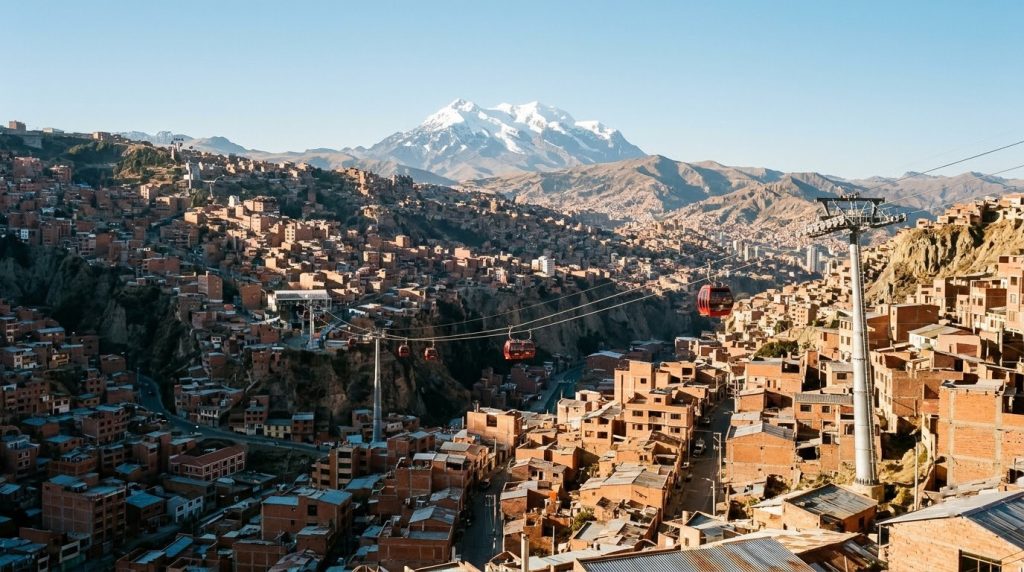
La Paz is also a good place to see the city’s cable car network, the witches market, and the viewpoints, all of which work best in clear dry-season weather. Plan one flexible day in the city before and after your highland trip.
What is the weather like in Bolivia’s different regions?
Bolivia’s weather varies sharply by region, from freezing highland nights to steamy lowland afternoons. The Altiplano, which includes La Paz, Titicaca, Potosi, and Uyuni, is high and dry with big temperature swings. The valleys around Sucre and Cochabamba are milder, and the Amazon basin and eastern lowlands are hot and humid year-round.
Use this table to match your route to the right months.
| Region | Altitude (approx.) | Best months | Weather notes |
|---|---|---|---|
| La Paz and Altiplano | 3,640 m | May to October | Sunny days, cold to freezing nights |
| Lake Titicaca and Copacabana | 3,812 m | May to October | Crisp and clear, strong sun, cold evenings |
| Uyuni salt flats | About 3,650 m, passes over 5,000 m | Jan to Mar (mirror), May to Oct (easy travel) | Extreme cold at night in dry season |
| Potosi | About 4,000 m | May to October | High, cold, thin air |
| Sucre and Cochabamba valleys | Lower, milder | April to November | Pleasant most of the year |
| Amazon basin (Rurrenabaque area) | Low elevation | May to October | Hot and humid, drier months are more comfortable |
Source: national weather service and regional tourism boards, 2026
Because of this variety, a single trip can swing from sub-freezing to tropical in a week. Pack for both and keep your heavier layers in a bag you can leave at a hotel while you visit the lowlands.
When should you go to the Amazon basin in Bolivia?
The Amazon basin is hot and humid all year, but the drier months, roughly May to October, are the most comfortable for jungle and river trips. Rain is heavier from about November to March, which can make trails muddy, increase insects, and disrupt flights or overland transfers into the lowlands.
If you’re combining the Altiplano with the Amazon, the dry season is the easiest to coordinate, since you’ll avoid weather delays on both sides. In the wet season, the forest is lush and wildlife can be active, but plan extra slack in your schedule and pack a good rain jacket. Short domestic flights are the usual way to reach the lowlands from La Paz, and cancellations can happen in bad weather.
A quick tip: lowland trips in the dry season often feel like a relief after the cold highlands. A few days of warmth can make the altitude easier to recover from.
Which festivals should you plan around?
Bolivia’s festivals are a major reason to time your trip carefully, since many are tied to specific dates and fill hotels fast. The best-known are the Oruro Carnival in February or March, the Alasitas miniature fair in La Paz on January 24, and the Gran Poder parade in La Paz around late May or June.
Others to note include Aymara New Year around June 21, Independence Day on August 6, the Urkupina festival in Cochabamba around August 15, and Todos Santos on November 1 and 2. Exact dates for movable events change each year, so check with the local tourism office before you book.
Festivals bring music, dance, and street food, but they also bring crowds and higher prices for rooms. Book early if your dates overlap, and avoid arriving the day before a major parade without a reservation. If crowds aren’t your thing, travel a week or two before or after the main event and you’ll still catch the atmosphere in the lead-up.
What are the high and low season prices in Bolivia?
High season in Bolivia is the dry months, especially July and August, when visitor numbers peak and tours and hotels cost more. Low season is the wet months, roughly January to March and sometimes November, when rooms and tours can be cheaper but weather is less predictable. Prices are approximate and change with demand.
Here’s how to save money in each season:
- Shoulder months: April, May, October, and November balance decent weather with lower prices.
- Compare tours in person: in Uyuni, operators often quote a range, and you can sometimes negotiate off-peak.
- Choose reputable operators: cheaper isn’t better on high passes or Death Road, where safety, vehicle condition, and guide quality matter most.
- Book festival-week rooms early: prices rise quickly around Carnival and Gran Poder.
- Travel overland when it’s dry: long bus rides are cheaper than flights and more reliable in dry months.
Operator pricing changes by tour length, group size, and season, so use the numbers above as a rough guide and ask for a written quote before you pay.
Find your Bolivia hotel on the map
Live prices from Booking, Airbnb and more — move the map or change dates to compare stays across Bolivia.
Frequently Asked Questions
What is the cheapest time to visit Bolivia?
The wet season, roughly January to March, and the shoulder months of April and November are usually the cheapest. Rooms and tours tend to cost less, though weather is less predictable. Prices change, so compare current quotes before you book.
Can you visit Bolivia in the rainy season?
Yes. The wet season is the only time to see the Uyuni mirror effect, and the landscapes are green. Travel is harder, though, with slower roads and occasional itinerary changes, so allow extra days and flexible plans.
Is it safe to do Death Road in the rainy season?
Death Road is best done in the dry season. The route is about 64 to 69 km downhill from La Paz, and sources advise using a reputable local guide because it has been dangerous for cyclists. Wet weather makes conditions worse, so postpone if it’s raining.
How cold does it get at night in Bolivia?
At altitude, nights can be very cold in every season, and near or below freezing in the dry season, especially June and July. Uyuni tours cross passes above 5,000 m, so pack a warm hat, gloves, and layers even if the days feel sunny.
What is the best month to visit Bolivia?
September is a strong all-round pick, with dry weather, warming days, and fewer crowds than July or August. If the Uyuni mirror is your top goal, choose February instead and plan extra buffer days.
Pick your priority first: easy logistics point to May through October, and a flooded sky-mirror points to January through March. Either way, pack for cold nights, take altitude seriously, and book tours with a reputable operator. When you’re ready to plan the trip itself, our things to do in Bolivia guide covers the sights, from the salt flats to Lake Titicaca.