
Disclosure: Some links in this guide are affiliate links. If you book or buy through them, we may earn a small commission at no extra cost to you — it helps keep our guides free.
Ultimate Mexico City Travel Guide 2026: What You Need to Know
Mexico City is one of the best-value major capitals you can fly to right now, blending world-class museums, a wild food scene, and walkable neighborhoods for a fraction of what you’d pay in Europe. We’ve pulled together prices, neighborhoods, day trips, and safety facts so you can plan a trip that actually works. Here’s everything you need before you book. You can compare flights on Aviasales to find the cheapest dates and routes.
Key Takeaways
– The Mexico City metro area is home to about 22.5 million people, making it the largest metropolis in North America (UN World Urbanization Prospects, 2024).
– A mid-range traveler spends roughly $70-110 per day here, well under the $200+ typical of Western European capitals (Numbeo Cost of Living Index, 2026).
– The dry season runs November through April, with March averaging highs near 79°F (26°C) and almost no rain (Mexico’s CONAGUA weather service, 2025).
– Tourist-heavy zones like Roma, Condesa, and Polanco report far lower violent-crime rates than the city average, per municipal SESNSP data (2025).
– The city sits at 7,350 feet (2,240 m), so altitude affects most first-time visitors for a day or two (INEGI geographic data, 2025).
Is Mexico City Worth Visiting in 2026?
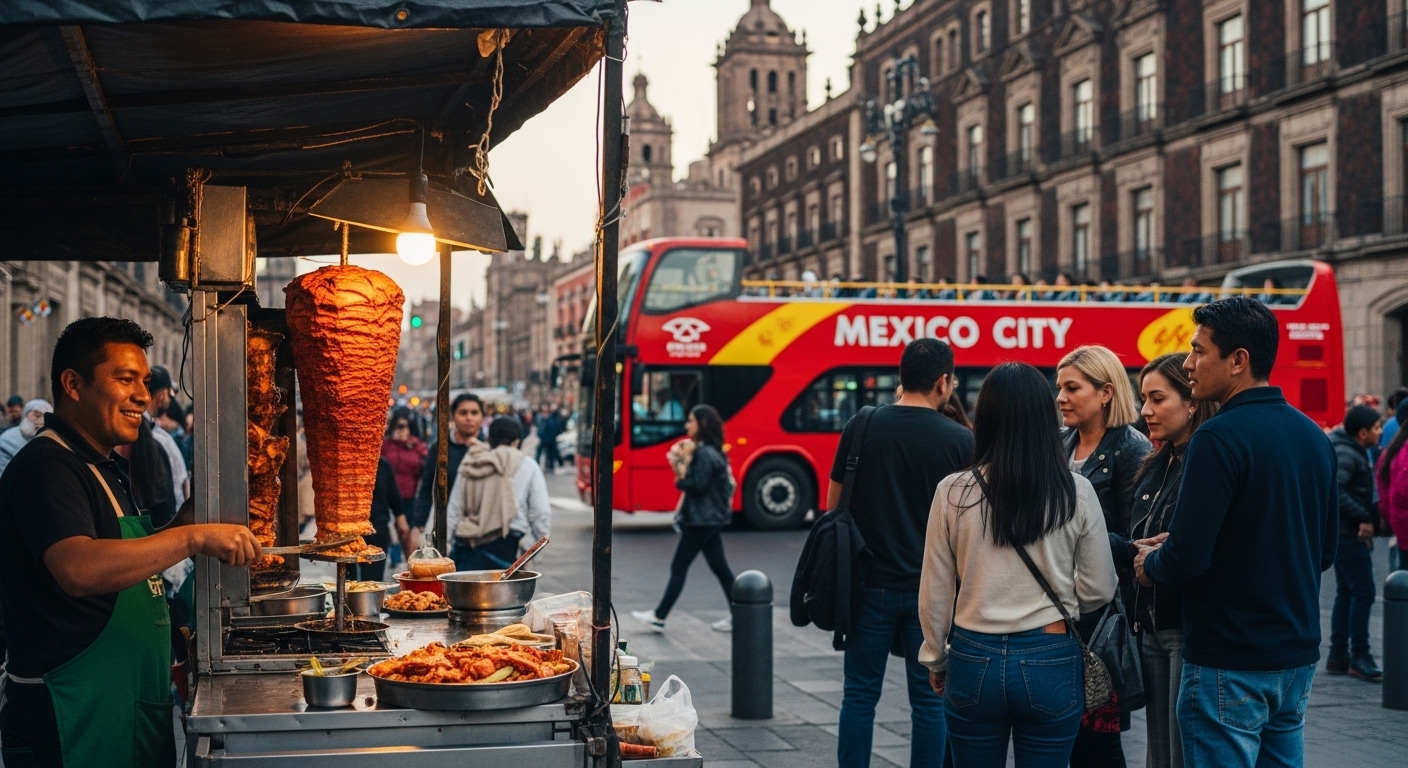
Yes, and it’s arguably the best time in years to go. The peso-to-dollar rate keeps your money stretching far, new direct flight routes from the US and UK have opened up, and the city’s restaurant scene now lands six spots on global “best of” lists. You get big-city culture without big-city prices.
What makes it click is the variety. In a single day you can tour Aztec ruins, eat tacos al pastor from a street cart for under $1, then sip natural wine in a tree-lined neighborhood that feels like Brooklyn. The Centro Histórico alone holds over 1,500 buildings classified as historic monuments, and it’s a UNESCO World Heritage Site. We think three to five days is the sweet spot for a first visit, with a day trip or two folded in. If you’re mapping a wider trip, our mexico-itinerary pairs the capital with coastal stops.
The trade-offs are real but manageable. Traffic’s heavy, the altitude takes adjusting to, and Spanish helps a lot outside tourist zones. None of that should stop you. It just means you plan a little.
How Many Days Do You Need in Mexico City?
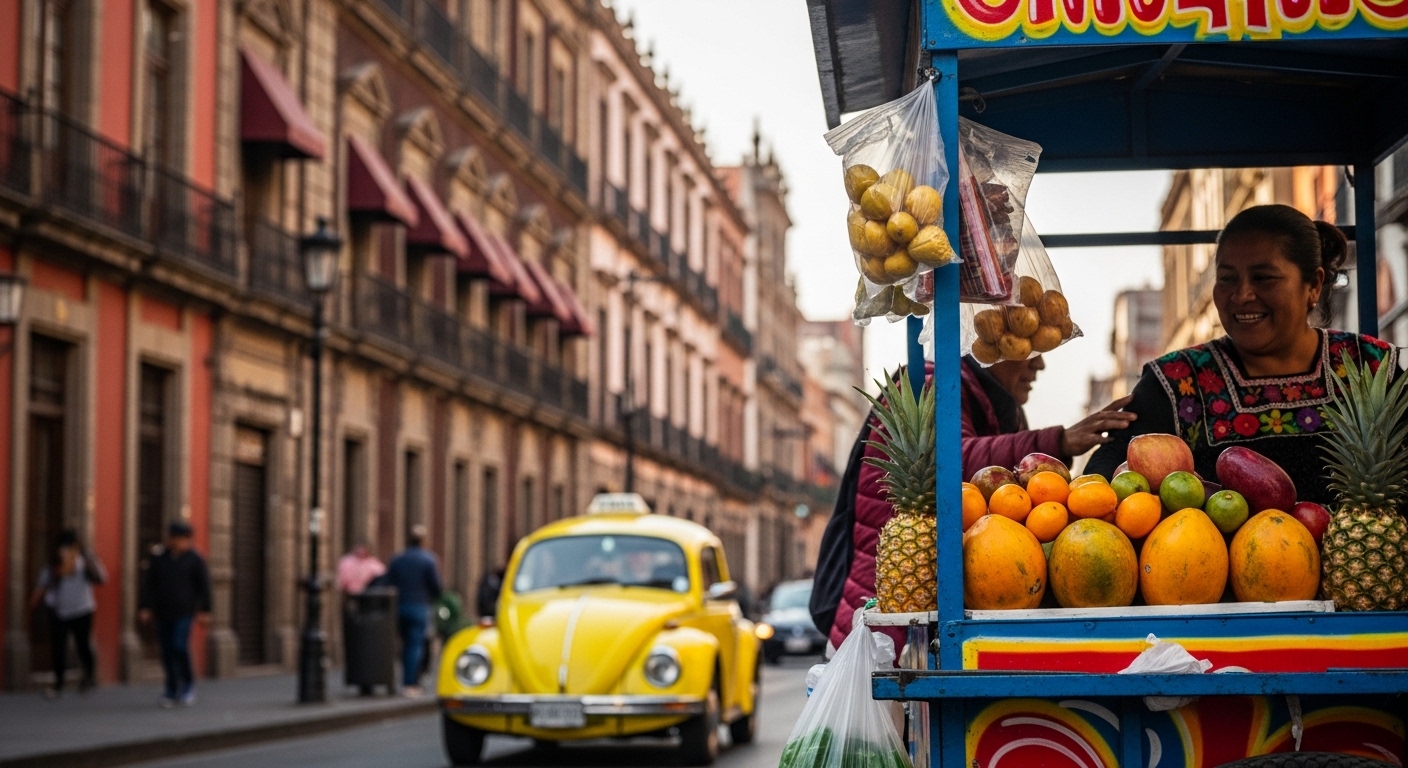
Plan for at least four full days to see the highlights without rushing, and five to six if you want day trips like Teotihuacan or Xochimilco. Three days works if you’re tight on time, but you’ll skip a lot. The city is huge, and traffic eats into transit time, so don’t over-pack each day.
Here’s a realistic breakdown we’d recommend for a first trip:
| Trip Length | What You Can Cover | Best For |
|---|---|---|
| 3 days | Centro Histórico, Roma/Condesa, one museum, Coyoacan | Weekend or layover trips |
| 4-5 days | All of the above plus Teotihuacan and Xochimilco | Most first-time visitors |
| 6-7 days | Adds Puebla day trip, lucha libre, slower pace, more food | Deep dives and repeat visitors |
We’d block out one day purely for the historic center and museums, one for the Roma-Condesa neighborhoods, one for Coyoacan and the Frida Kahlo Museum, and the rest for ruins and floating gardens. Booking lodging in one central area cuts your commute. Compare options on Check live hotel prices before you lock anything in, since rates swing a lot by neighborhood.
Find your Mexico City hotel on the map
Live prices from Booking & Airbnb — tap a pin to compare stays around Roma and Condesa and beyond.
What Are the Best Neighborhoods to Stay In?
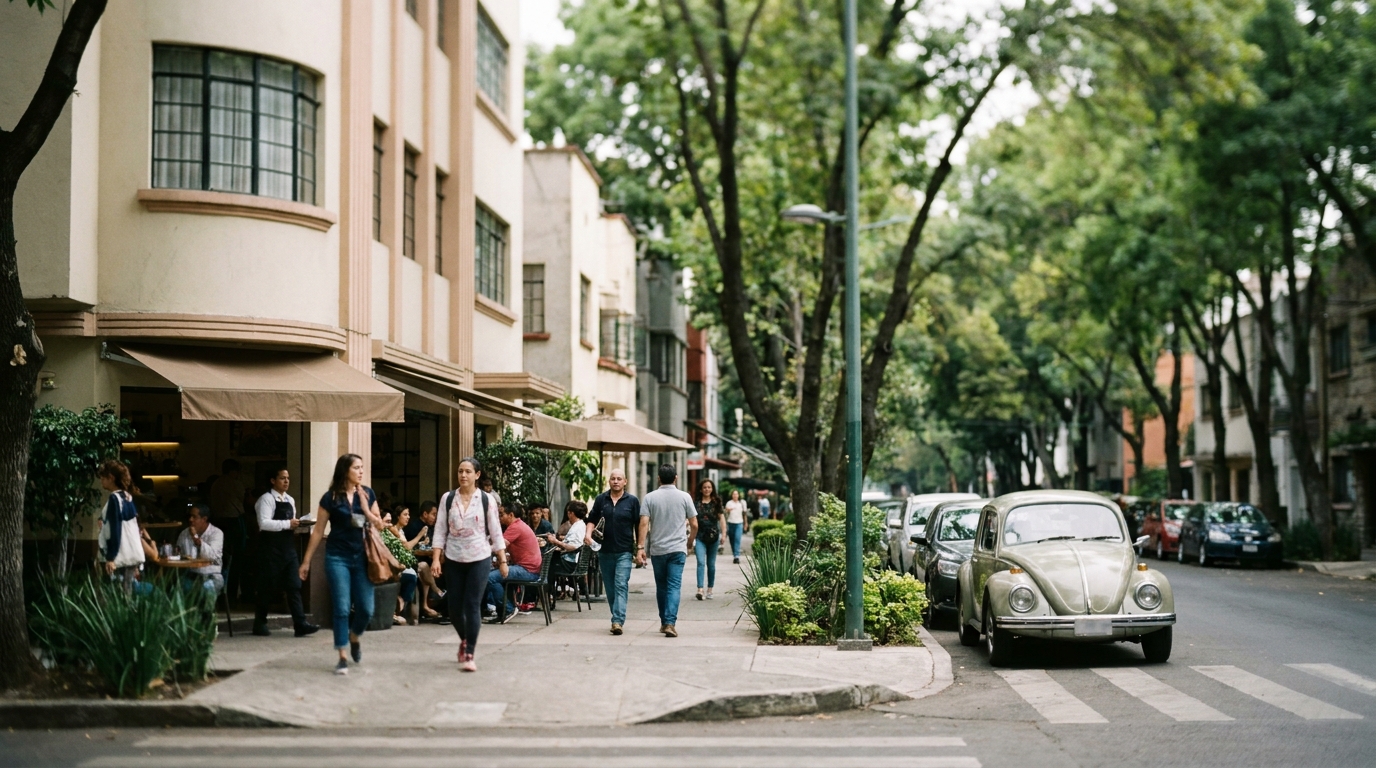
Roma Norte and Condesa are the top picks for most travelers, thanks to walkable streets, great restaurants, cafes, and easy access to the rest of the city. Polanco suits luxury travelers, the Centro Histórico fits sightseers on a budget, and Coyoacan works for a quieter, more local feel. Pick one and base yourself there.
Each zone has a clear personality, and your choice shapes the whole trip:
| Neighborhood | Vibe | Avg. Hotel (2026) | Best For |
|---|---|---|---|
| Roma Norte | Trendy, leafy, foodie | $80-150/night | First-timers, couples |
| Condesa | Art deco, parks, nightlife | $75-140/night | Long stays, walkers |
| Polanco | Upscale, designer shops | $160-320/night | Luxury, fine dining |
| Centro Histórico | Historic, central, busy | $45-100/night | Budget, sightseeing |
| Coyoacan | Colonial, calm, local | $55-110/night | Quiet, culture seekers |
We’d steer most first-timers to Roma Norte. You can walk to dozens of restaurants, the metro and Metrobus are close, and it feels safe day and night. Condesa’s the same energy with more green space around Parque Mexico. If you want to splurge, Polanco’s Masaryk Avenue is the city’s luxury strip. For more on picking a base, see our mexico-city-where-to-stay breakdown.
What Are the Top Things to Do in Mexico City?
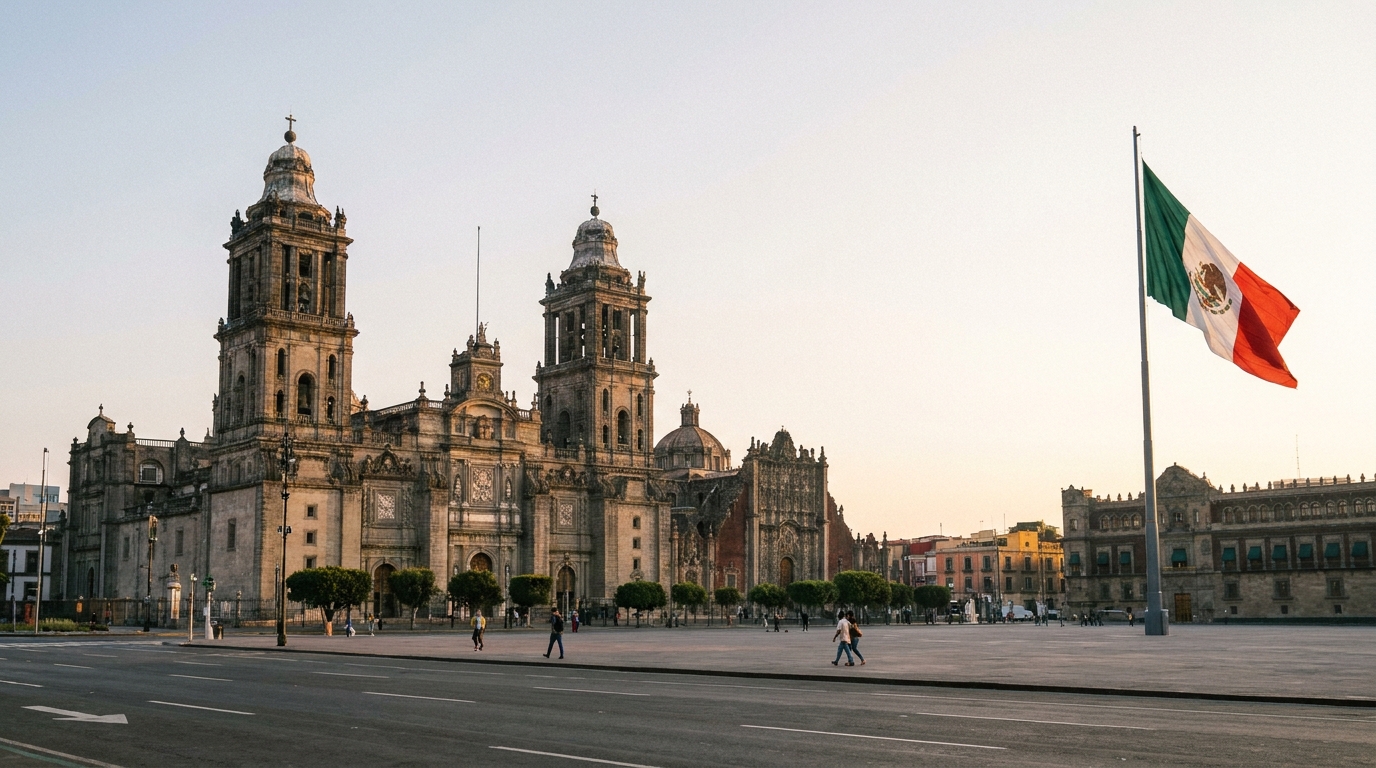
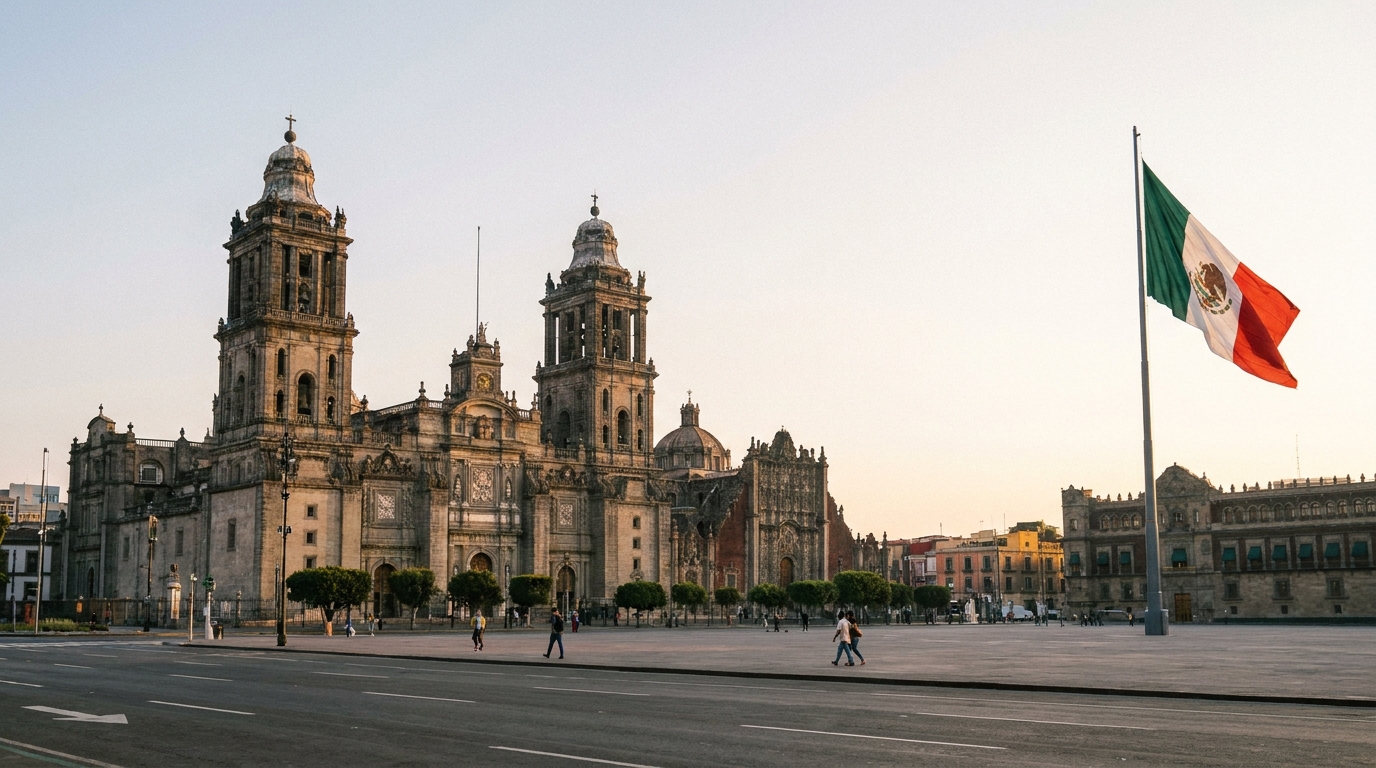
The unmissable trio is the National Museum of Anthropology, the Centro Histórico with its Zocalo and Templo Mayor, and a Teotihuacan pyramids day trip. Add the Frida Kahlo Museum, Xochimilco’s floating gardens, and a lucha libre match, and you’ve got a packed, varied few days. Book the popular sites ahead.
The Museo Nacional de Antropología is genuinely one of the world’s great museums, and at about $5 (90 pesos) entry, it’s a steal. Give it half a day. The Centro Histórico is free to wander, though Templo Mayor’s museum costs around $5. For Teotihuacan, going with a guide saves the hassle of public transit and adds context to the pyramids. Browse tours and skip-the-line tickets on GetYourGuide and our live travel map, where group day trips run roughly $35-70.
Here’s a quick price snapshot for the headline activities:
| Activity | 2026 Price | Time Needed |
|---|---|---|
| Anthropology Museum | ~$5 (90 MXN) | 3-4 hours |
| Teotihuacan guided day trip | $45-70 | Full day |
| Frida Kahlo Museum | ~$15 (270 MXN) | 1-2 hours |
| Xochimilco trajinera boat | ~$30/boat/hour | 2-3 hours |
| Lucha libre ticket | $10-25 | Evening |
Don’t skip the food experiences either. A guided taco or market tour through Mercado de San Juan or Mercado Roma teaches you what to order and where it’s safe to eat. We’ve covered the full lineup in our mexico-city-things-to-do guide.
How Much Does a Mexico City Trip Cost?
A mid-range traveler spends about $70-110 per day in Mexico City, covering a decent hotel, three meals, activities, and transport. Budget backpackers manage on $35-50 a day, while luxury travelers easily clear $250+. It’s one of the cheapest major world capitals you can visit in 2026.
Food is where the value really shows. Street tacos run under $1 each, a sit-down meal at a good local restaurant costs $8-15, and a coffee is around $2.50. A metro ride is just 5 pesos (about $0.27), one of the cheapest fares on earth. Even ride-hailing apps like Uber and Didi are affordable, with most cross-town trips landing between $4 and $8.
Here’s a sample daily budget by travel style:
| Category | Budget | Mid-Range | Luxury |
|---|---|---|---|
| Lodging | $15-30 | $70-130 | $200+ |
| Food | $10-15 | $25-40 | $80+ |
| Transport | $3-6 | $8-15 | $30+ |
| Activities | $5-10 | $20-40 | $60+ |
| Daily total | $35-50 | $70-110 | $250+ |
Flights are the main variable. Round-trip fares from US gateways like Houston, LA, or Dallas often dip under $250 in shoulder season, while UK and Australian travelers pay more and should book early. For a deeper cost breakdown, our mexico-city-budget guide runs the numbers by trip length.
Is Mexico City Safe for Tourists?
Mexico City is reasonably safe for tourists who stick to central neighborhoods and take normal big-city precautions. Roma, Condesa, Polanco, Coyoacan, and the daytime Centro Histórico see low rates of violent crime against visitors. Petty theft like pickpocketing is the real risk, especially on crowded metro lines and at busy markets.
The smart-traveler rules apply. We use registered Uber or Didi instead of hailing street taxis, keep phones out of sight in crowds, avoid flashing cash, and don’t wander unfamiliar areas alone late at night. Most trouble tourists hit is opportunistic, not violent. The US State Department keeps Mexico City at a moderate “exercise increased caution” level, the same tier as parts of Europe.
A few practical safety moves go a long way. Stay connected with a data plan so maps and ride apps always work; an Airalo eSIM gets you online the moment you land for around $5-9. Carry a photo of your passport rather than the original, and keep a little cash for tips and street food. For more, see our mexico-city-safety-tips rundown.
When Is the Best Time to Visit Mexico City?
The best time to visit is the dry season from November through April, when days are mild and sunny with little rain. March and April are the warmest, while December through February are cooler at night. The rainy season runs May to October, with short, heavy afternoon storms that rarely ruin a day.
Mexico City’s high-altitude climate stays mild year-round, never brutally hot or cold. Daytime highs hover around 72-79°F (22-26°C) most months. The rain in summer usually hits late afternoon, so you can still sightsee in the mornings. Crowds and prices peak around Christmas, Easter, and Day of the Dead in late October and early November.
| Season | Months | Weather | Crowds |
|---|---|---|---|
| Dry / peak | Dec-Apr | Sunny, mild, dry | High (holidays) |
| Shoulder | May, Nov | Warm, some rain | Moderate |
| Rainy | Jun-Oct | Afternoon storms | Lower (cheaper) |
If you want the famous Day of the Dead atmosphere, target late October, but book lodging months ahead. For mild weather and thinner crowds, we love March or November. Our best-time-to-visit-mexico-city guide breaks down each month in detail.
How Do You Get Around Mexico City?
Getting around is easy and cheap thanks to the metro, Metrobus, and ride-hailing apps. The metro costs just 5 pesos per ride, while Uber and Didi are safe, affordable, and what most tourists use for door-to-door trips. Walking works well within neighborhoods like Roma and Condesa. You rarely need a rental car in the city.
The metro is fast but gets packed at rush hour, so keep bags in front and avoid the most crowded cars. Uber and Didi are our default for safety and convenience, especially at night, and they’re cheap by Western standards. The Metrobus runs in dedicated lanes and uses a rechargeable card, handy for longer north-south trips.
A rental car only makes sense if you’re planning multiple out-of-town day trips on your own schedule. City traffic and parking are headaches, so most visitors skip it. If you do want wheels for exploring Puebla, Teotihuacan, or beyond at your own pace, compare rates on our live travel map, where compacts start around $25-35 a day. For airport logistics and transit passes, check our mexico-city-getting-around guide.
What Day Trips Are Worth Taking?
The best day trips are Teotihuacan’s ancient pyramids, the colonial city of Puebla, and the magical town of Tepoztlan. Each sits within two hours of the capital and shows a different side of central Mexico. Teotihuacan is the top pick for first-timers and pairs ruins with a hot-air balloon ride at sunrise if you want to splurge.
Teotihuacan, about an hour northeast, is home to the towering Pyramid of the Sun and Avenue of the Dead. Going early beats the heat and crowds. Puebla, roughly two hours southeast, dazzles with talavera tiles, baroque churches, and the country’s best mole. Tepoztlan offers a clifftop pyramid hike and a laid-back weekend market. All three run as organized tours.
| Destination | Distance | Highlight | Tour Price |
|---|---|---|---|
| Teotihuacan | ~1 hr | Pyramid of the Sun | $45-70 |
| Puebla & Cholula | ~2 hrs | Mole, talavera, churches | $50-90 |
| Tepoztlan | ~1.5 hrs | Clifftop pyramid hike | $40-65 |
We’d prioritize Teotihuacan on any trip longer than three days, and add Puebla if you’ve got time for a fuller week. Booking through GetYourGuide or our live travel map handles transport and entry in one package. See our mexico-city-day-trips guide for self-driving routes too.
Frequently Asked Questions
Do I need to speak Spanish to visit Mexico City?
No, but a little helps a lot. In tourist zones like Roma, Condesa, and Polanco, plenty of staff speak English, and translation apps cover the rest. Outside those areas, basic Spanish phrases for ordering food, asking directions, and prices make everything smoother and friendlier.
Is the tap water safe to drink in Mexico City?
No, don’t drink the tap water. Locals and travelers alike stick to bottled or filtered water, which hotels and restaurants provide. Ice at reputable restaurants is usually made from purified water and is fine. Use bottled water for brushing teeth too, especially in your first few days while you adjust.
How bad is the altitude in Mexico City?
The city sits at about 7,350 feet (2,240 m), high enough that many visitors feel mild effects like fatigue or shortness of breath on day one. Take it easy at first, drink plenty of water, and go light on alcohol. Most people adjust within a day or two with no real problems.
What’s the currency and should I tip?
The currency is the Mexican peso (MXN). Cards work widely, but carry cash for street food, markets, and tips. Tipping 10-15% at restaurants is standard, and a few pesos for baggers, attendants, and tour guides is appreciated. ATMs inside banks give the best exchange rates and are safer to use.
Can I use my phone in Mexico City?
Yes, easily. Most US and international carriers offer roaming, but a local or travel eSIM is cheaper and faster to set up. An Airalo eSIM costs around $5-9 for a week of data and works the moment you land, keeping maps and ride apps running without hunting for a SIM card shop.
Is Mexico City good for solo travelers?
Yes, it’s a popular and friendly solo destination, especially in central neighborhoods. Stay in walkable areas like Roma or Condesa, use ride apps at night, and join group tours or food walks to meet people. Standard precautions apply, but plenty of solo travelers, including women, report safe, rewarding trips.
When should I book flights to Mexico City?
Book six to ten weeks ahead for the best fares in shoulder season, and three to six months out for peak periods like Day of the Dead and Christmas. Prices from US hubs are often lowest, while UK and Australian travelers should book early since fewer direct routes exist.
Final Thoughts
Mexico City rewards travelers who plan a little and stay curious. Between the museums, the ruins, the food, and the leafy neighborhoods, you get an enormous amount of trip for a modest budget, which is rare among the world’s great capitals. Base yourself in Roma or Condesa, eat everything, and fold in a pyramid day trip.
Ready to go? Lock in your dates, compare central hotels on Check live hotel prices, book a Teotihuacan tour through GetYourGuide, and grab an Airalo eSIM so you’re connected from touchdown. Then check our mexico-itinerary for a day-by-day plan that ties it all together.