Is Los Angeles Safe to Visit? An Honest Answer (2026)
Disclosure: Some links in this guide are affiliate links. If you book or buy through them, we may earn a small commission at no extra cost to you — it helps keep our guides free.
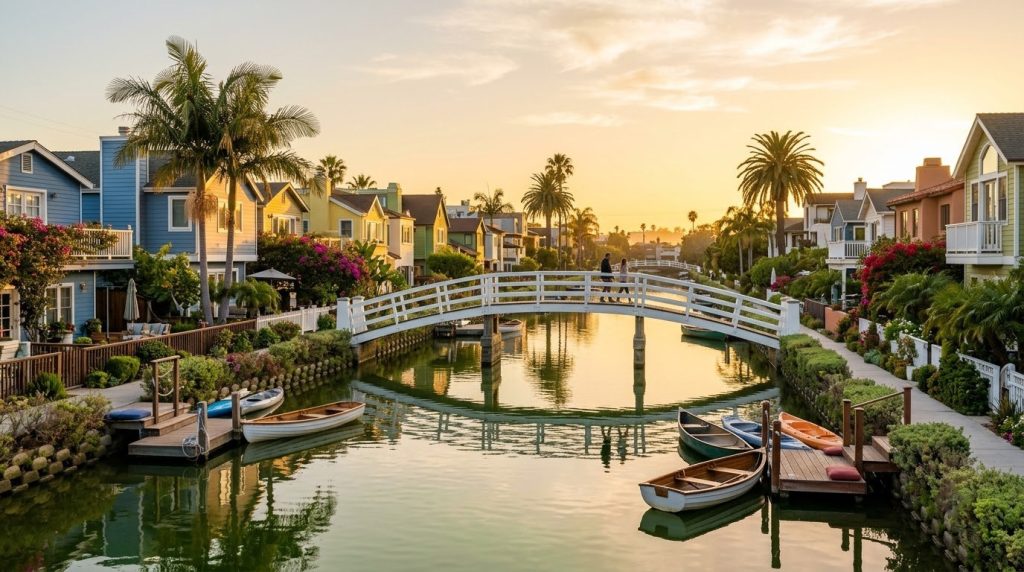
Yes, Los Angeles is safe for most visitors: the LAPD recorded 230 homicides in 2025, the city’s lowest total since 1966, and the real tourist risks are car break-ins, pickpockets and street hustlers, not violent crime. Safety depends on the neighborhood. Santa Monica, West Hollywood and Beverly Hills feel calm day and night, while Skid Row downtown is best avoided entirely. As a US city, LA has no State Department advisory.
| Risk | Reality | What to do |
|---|---|---|
| Violent crime | Homicides fell 19% in 2025, to 5.9 per 100,000 | Stay in tourist areas after dark; rideshare late |
| Car break-ins | Organized crews target rental cars at Griffith Park, Hollywood and Venice | Leave nothing visible in the car |
| Street hustles | CD sellers and costumed characters on Hollywood Boulevard demand cash | Say no; agree a price before any photo |
| Homelessness | Concentrated on Skid Row, east of Main Street downtown | Don’t walk through it |
| Wildfire | The January 2025 fires killed at least 31 people | Check red flag warnings October to March |
The honest answer: crime is falling, unevenly
LA has been getting safer. The LAPD’s 2025 year-end figures, reported by Patch, counted 230 homicides, down from 284 in 2024, the lowest rate per capita since 1959. Shooting victims fell 8% to 899, and gang-related killings fell too. Homeless-related homicides, however, rose 20%. Violence is concentrated in areas tourists rarely visit. What visitors actually run into is property crime and visible street homelessness downtown and in Hollywood.
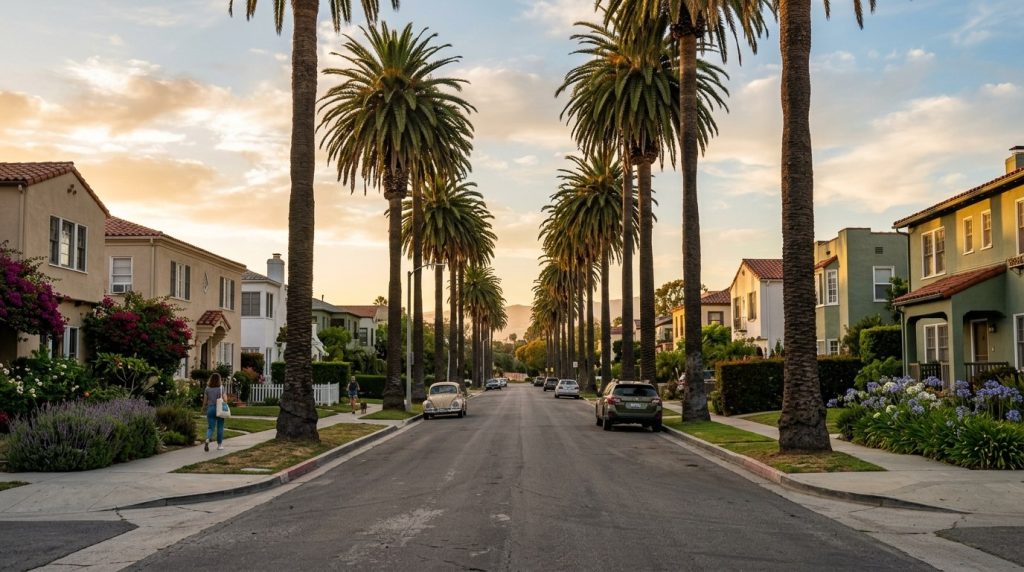
The bigger statistical danger is the road: the LAPD recorded 290 fatal collisions in 2025, more than the homicide count.
Neighborhoods to avoid after dark (and where you’re fine)
Avoid: Skid Row, the blocks east of Main Street downtown, has the city’s most concentrated homelessness, and RAND researchers found its population kept growing into 2025 even as official counts fell elsewhere. Don’t walk through it at any hour. Hollywood Boulevard is fine by day but gets rough late at night. Venice Beach’s boardwalk is fun in daylight and much emptier after sunset.
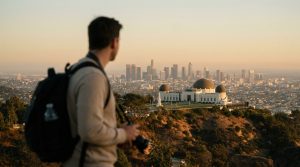
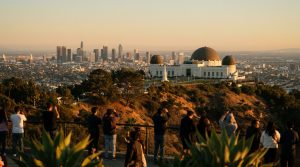
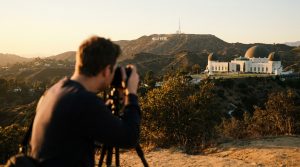
Fine at night: Santa Monica’s Third Street Promenade, West Hollywood, Silver Lake, Los Feliz, Pasadena’s Old Town and Beverly Hills. Griffith Observatory, the Getty and the beach cities are all in safe areas, so you can cover most of the best things to do in Los Angeles without entering a sketchy block.
Scams and car break-ins that actually happen
The CD hustle. On Hollywood Boulevard someone hands you a CD, signs your name on it, then demands money because “it’s already signed.” Don’t take anything put in your hand.
Costumed characters. Spider-Man and friends jump into your photo, then ask for a tip. Agree a price first or walk away.
Car break-ins. This is LA’s signature tourist crime. LAPD detectives have tracked organized crews from the Bay Area hitting rental cars at Griffith Park, near Hollywood and Highland, and at Venice Beach, because tourists leave luggage, laptops and even passports inside. Move bags to the trunk before you arrive, since crews watch parking lots.
Beach and canyon stops carry the same risk, so keep the habit on day trips from Los Angeles.
Getting around safely: Metro, rideshare and driving
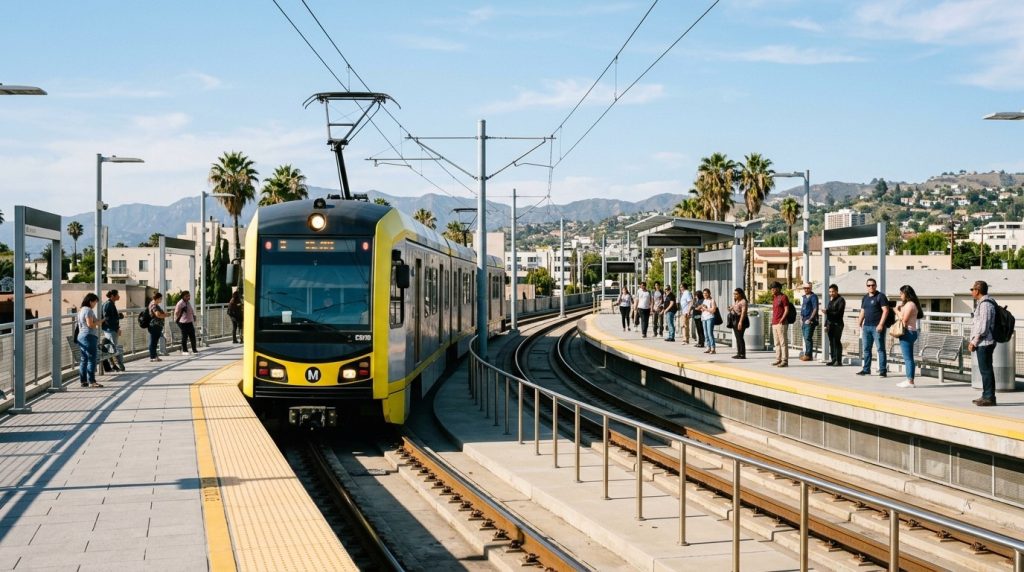
LA Metro reported that violent crime on the system fell 6.7% in 2025, to its lowest level since 2021, after it added officers and tap-to-exit gates. The fare is USD 1.75, capped at USD 5 a day and USD 18 a week when you tap a TAP card or contactless card.
Daytime rides on the B Line to Hollywood or the E Line to Santa Monica are generally fine. Late at night, take an Uber or Lyft and check that the plate matches before you get in.
If you drive, the real risks are traffic and break-ins. Use paid garages rather than street parking in Hollywood and downtown. A 5-day Los Angeles itinerary that groups nearby neighborhoods cuts both your driving time and how often you leave the car.
Solo and female travelers
Solo travelers do best with a base in Santa Monica, West Hollywood or Pasadena, where you can walk to dinner and back. Women traveling alone report what you’d expect in any big US city: catcalling around Hollywood Boulevard and downtown, and the occasional erratic person on the street or a train.
Ride in a busy Metro car, share your rideshare trip with a friend, and don’t hike Runyon Canyon or Griffith Park alone around sunset, when the trails empty fast.
Earthquake risk in Los Angeles
Los Angeles sits on and near several active faults, most notably the San Andreas to the east and the Puente Hills and Newport-Inglewood faults closer to downtown.
The USGS puts the odds of a magnitude 7 or larger earthquake hitting the broader LA region at around 46 percent over the standard 30-year forecast window used for California, with a smaller but real chance of something even larger. None of this comes with a predictable date attached.
For a short visit, the practical risk is manageable: modern hotels and major attractions are built to California’s strict seismic codes, among the toughest in the country. If shaking starts, drop and hold onto something solid rather than running outside, and stay away from windows and anything that could fall.
Keep your phone charged and know your hotel’s layout, since aftershocks can follow a larger quake for days. It is one more reason travel insurance with medical cover is worth having, on top of the car break-in and wildfire risks already covered above.
Most visitors never feel so much as a tremor during a short trip, but it is worth the five minutes it takes to read a hotel’s posted evacuation map on arrival.
Wildfire season: when to think twice
The January 2025 Palisades and Eaton fires killed at least 31 people and destroyed more than 16,000 structures. Risk peaks when Santa Ana winds blow, typically October through March. Central tourist areas are rarely threatened, but canyon hikes, Malibu drives and mountain trips can close at short notice.
During a red flag warning, skip the canyon trails. The guide to the best time to visit Los Angeles weighs each season’s weather, crowds and fire risk.
Beach and ocean safety
LA County’s beaches, from Malibu to Venice to Long Beach, are patrolled by lifeguards who fly colored flags to mark safe swimming zones and warn of conditions; the exact color code can vary slightly by beach, so when in doubt, ask the lifeguard on the tower directly rather than guessing from the flag alone.
Rip currents are the main hazard, and they have pulled swimmers out past the breakers at Venice and other beaches even on days that look calm from the sand.
Swim near a staffed lifeguard tower, inside the flagged area, and never alone if you are not a confident ocean swimmer. If you get caught in a rip current, the standard advice is to swim parallel to the shore rather than straight back toward it, then signal for help once you are clear of the pull.
Sun exposure is the other quietly common issue: the marine layer can keep the air feeling cool while UV levels stay high, so sunscreen matters even on a grey, overcast morning.
Jellyfish and stingrays show up occasionally in warmer months; shuffling your feet while wading, rather than taking normal steps, helps stingrays feel you coming and move off before you step on one.
What to do in an emergency
Dial 911 for police, fire or medical emergencies. For non-urgent problems like a car break-in with no suspect, call LAPD at 877-275-5273 (877-ASK-LAPD) or file a report online. Your rental company and insurer will want the report number. US health care is expensive, so overseas visitors should carry travel medical insurance.
Where to stay
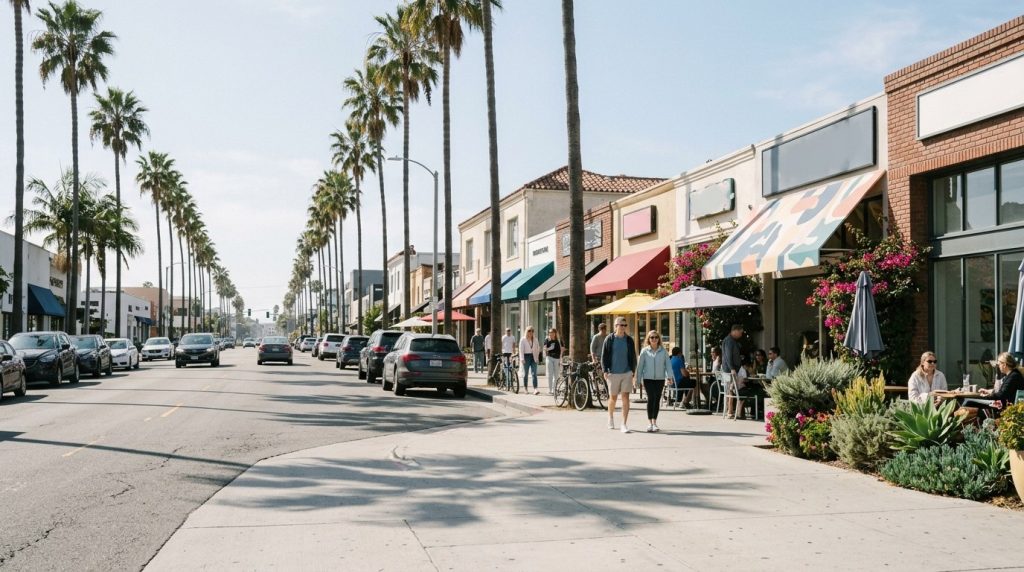
– Santa Monica: the safest, most walkable base for first-timers and families. – West Hollywood: best for couples and nightlife, walkable at night and central. – Pasadena: quieter and leafy, with Metro A Line access to downtown.
For picks by budget, see where to stay in Los Angeles.
Find your Los Angeles hotel on the map
Live prices from Booking, Airbnb and more — move the map or change dates to compare stays across Los Angeles.
Frequently Asked Questions
Is downtown Los Angeles safe at night?
Parts of it are. Little Tokyo, the Arts District and the area around the concert and sports venues stay busy with diners and event crowds in the evening. Skid Row, east of Main Street, is not somewhere to walk at any hour. Downtown also empties fast after offices close, so take a rideshare between venues instead of walking long distances after dark.
Is Hollywood safe for tourists?
Yes, in daytime. The Walk of Fame and TCL Chinese Theatre are full of visitors. The main problems are CD hustlers, costumed characters asking for tips, and break-ins at parked cars. Late at night the boulevard gets seedier, so many visitors prefer to stay in West Hollywood and visit Hollywood itself only by day.
Is the LA Metro safe to ride?
Mostly, during the day. Metro reported a 6.7% drop in violent crime in 2025 after adding officers and tap-to-exit gates. You may still see people sleeping or acting erratically on some trains. Ride in a busy car, keep your phone out of sight near the doors, and switch to rideshare late at night.
What is the safest area to stay in Los Angeles?
Santa Monica is the safest base for most visitors: walkable, close to the beach and well policed. West Hollywood and Beverly Hills are equally calm and more central for nightlife and shopping. Pasadena suits travelers who want a quieter area with good restaurants and a Metro link to downtown.
Is Los Angeles safe during wildfire season?
For most visitors, yes. Fires burn in the foothills and canyons rather than central tourist areas, but the 2025 fires showed how fast they can reach neighborhoods in Santa Ana winds. From October to March, check for red flag warnings, follow LA County alerts, and be ready to reroute canyon hikes or Malibu drives.