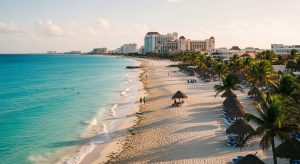
Is Cancun Worth Visiting? The Honest Answer for Americans (2026)
Disclosure: Some links in this guide are affiliate links. If you book or buy through them, we may earn a small commission at no extra cost to you — it helps keep our guides free.
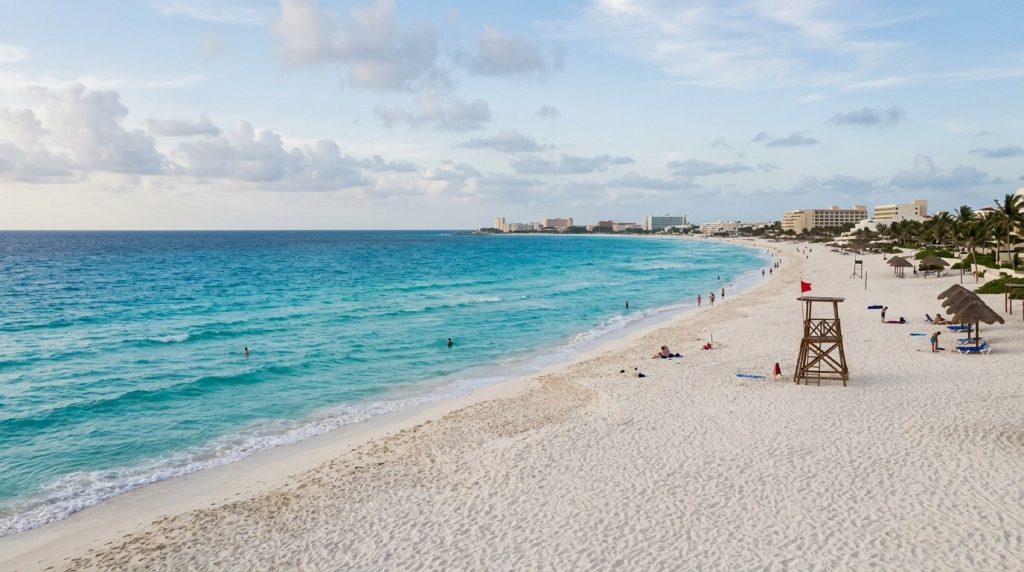
Yes, Cancun is worth visiting for most beach-focused Americans: a nonstop from Chicago takes about 3 hours 35 minutes, and the 14-mile Hotel Zone puts Caribbean sand outside nearly every resort door. It is not worth it if you want quiet, authentic Mexico or a cheap trip in December.
Think of Cancun as an easy, efficient beach base with real Maya ruins and islands within reach, not as a cultural destination in itself.
| What you get | The reality | Worth it? |
|---|---|---|
| Beaches | Caribbean-facing sand along a 22.5 km (14 mi) strip | Yes, the main reason to go |
| Access | Nonstops from most big US hubs, 3.5 to 5.5 hours in the air | Yes, few beach trips are easier |
| Price | All-inclusives average about USD 454/night on Kayak | Only if you shop the season |
| Culture | Resort strip first; Maya sites are 2+ hours away | Partly, with day trips |
| Safety | Mexico is US State Department Level 2 | Yes, with normal precautions |
| Crowds | 29.3 million airport passengers in 2025 | Expect them |
Why Cancun earns its reputation
The honest case for Cancun is logistics. Cancun International Airport handled about 29.3 million passengers in 2025, 19.4 million of them international, which makes it the busiest airport in Mexico and Latin America for international traffic (second-busiest in Mexico overall). That volume means plenty of nonstop routes and flight sales.
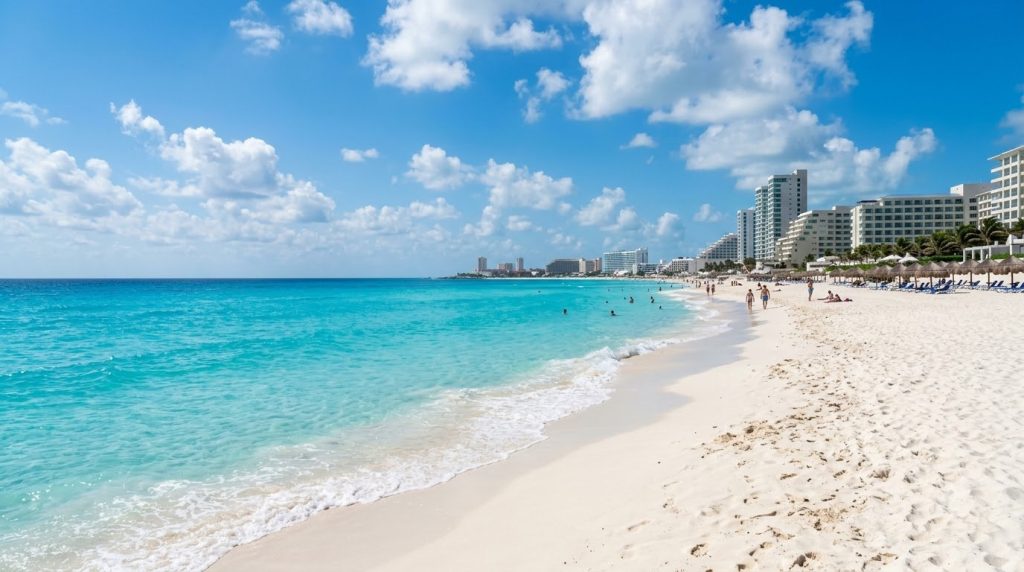
Flight times from the US are short. Direct flights from New York run around 4 hours 15 minutes, Chicago about 3 hours 35 minutes, and Los Angeles roughly 5 hours 40 minutes.
The Hotel Zone itself is a 22.5 km (14 mi) barrier strip shaped like the number 7, with the calm Nichupte Lagoon on one side and the Caribbean on the other.
What lifts Cancun above a generic resort strip is what sits nearby. The run of the best things to do in Cancun includes a 290-peso ferry to Isla Mujeres, cenote swimming, snorkeling, and Chichen Itza, one of the New Seven Wonders of the World.
What a Cancun trip actually costs in 2026
Prices below are converted at USD 1 = MXN 18.27 (early October 2026 rate).
– Mid-range daily spend: our Cancun travel budget breakdown puts a mid-range traveler at about USD 135 per day before flights. – All-inclusive resorts: Kayak lists an average of about USD 454 per night for all-inclusives versus USD 375 for standard resorts.
Meals and drinks are included, which is why the gap is smaller than it looks. – Seasonality: Kayak shows October as the cheapest month for Cancun resorts at about USD 304 a night, and December the most expensive at about USD 492. – Isla Mujeres ferry: Ultramar charges MXN 290 (USD 16) one way or MXN 580 (USD 32) round trip from Puerto Juarez. – Chichen Itza entry: MXN 697 (USD 38) for foreign adults, covering both the federal and Yucatan state fees. – Visitax: Quintana Roo charges a mandatory tourist tax to every foreign visitor, paid online at the official state portal before you leave.
When Cancun is worth it, and when to think twice
Timing decides whether Cancun feels like a deal or a letdown. The Atlantic hurricane season officially runs June 1 to November 30, and the National Hurricane Center says most activity falls between mid-August and mid-October, peaking around September 10. That is exactly when resort prices drop, so the cheap rates come with real weather risk.
December through April brings drier weather and the highest prices; spring break weeks in March fill the Hotel Zone with college crowds. For a month-by-month look at weather, prices and crowds, see when to visit Cancun for the best weather and prices. Late April, May and early November are the sweet spots for most people.
Who should skip Cancun
Skip Cancun, or base yourself elsewhere, if you:
– Want walkable, historic Mexico. The Hotel Zone is a highway lined with resorts. You will find more character in Merida, Oaxaca or Mexico City. – Hate crowds and upsells. Timeshare pitches at the airport and in hotel lobbies are routine.
A firm “no, thank you” works. – Are on a tight budget in peak season. December and spring break rates erase the value. – Want a small-town beach. Playa del Carmen, Tulum or Isla Mujeres suit you better. Our Cancun vs Playa del Carmen comparison breaks down which base fits which traveler.
Who should go: couples wanting a low-effort beach week, families, groups celebrating, and first-time visitors to Mexico.
Is Cancun safe enough to be worth it?
The US State Department rates Mexico at Level 2, “Exercise Increased Caution.” Most visitors to the Hotel Zone have no problems. The risks that do catch tourists are petty theft, inflated taxi fares and nightlife trouble after dark downtown.
Agree on taxi fares before you get in, use licensed airport transport, and do not buy anything from strangers on the beach or in clubs. For neighborhood-by-neighborhood detail, read whether Cancun is safe for tourists right now.
How to make a Cancun trip worth every dollar
Disappointed travelers usually never left the resort. Use Cancun as a base:
1. Spend one day on Isla Mujeres. Rent a golf cart, swim at Playa Norte, and take the ferry back at sunset. 2.
Do one early Chichen Itza trip. The site is about 200 km (120 mi) away, a 2 to 2.5 hour drive each way. Gates open at 8 AM; arriving at opening beats both the heat and the tour buses. 3.
Swim in at least one cenote. These freshwater sinkholes are a highlight for many visitors. 4. Eat downtown once. Parque de las Palapas has inexpensive local food that the Hotel Zone does not.
If you only have a long weekend, keep it to the beach plus Isla Mujeres. With five days, you can fit everything above without rushing; this 5-day Cancun itinerary lays out the order day by day.
Underwater and reef adventures off the Hotel Zone
Cancun sits on the edge of the wider Mesoamerican Reef system, which gives the coastline some genuinely clear snorkeling water once you get past the swimming beaches. The best-known attraction is the Museo Subacuatico de Arte (MUSA), a collection of several hundred submerged sculptures spread across sites off Cancun and Isla Mujeres.
There is no land entrance to MUSA; every visit goes out by boat, either as a guided snorkel trip or a two-tank scuba dive, so build an extra half day into your schedule rather than treating it as a quick stop.
Snorkel tours to MUSA generally run from about USD 45 to USD 90 per person depending on the operator and boat size, and scuba trips that include a full equipment set and a dive guide cost roughly USD 100 to USD 145. Morning departures give the clearest water, since afternoon wind stirs up the shallows later in the day.
Book a trip that names MUSA specifically, since some generic reef snorkel tours visit natural coral instead and skip the sculptures entirely.
If you would rather stay dry, glass-bottom boats and semi-submersible tours both run past sections of the reef from Hotel Zone marinas and cost less than a snorkel trip. For families or nervous swimmers, the calmer lagoon side near Punta Nizuc is a gentler introduction to the water than the open Caribbean beaches further north.
Compare that to a cenote swim, which costs far less and needs no boat: most cenotes charge an entrance fee in the USD 10 to USD 20 range and let you walk straight in from the car park. Pick a reef trip for coral and sculptures, and a cenote for a freshwater swim without the current, rather than treating them as interchangeable half-day options.
Mayan ruins beyond Chichen Itza
Chichen Itza is the big day trip, but it is not the only ruin within reach of Cancun, and two others take far less time out of a beach-focused week. El Rey, inside the Hotel Zone itself near kilometre 16 on Boulevard Kukulcan, is a small Postclassic Maya site with iguanas sunning on the stone platforms.
Entry costs about USD 4.50 (75 pesos) for adults, and most visitors are in and out within an hour, which makes it an easy stop between the beach and lunch rather than a full excursion.
Tulum and Coba sit further south, and as of a 2026 fee adjustment both now charge a combined 209-peso entrance fee per person, close to USD 12. Tulum’s ruins sit on a bluff directly above a beach, the only major Maya site built on the coast, and the walk around the compact site takes about an hour.
Coba is inland, far less crowded, and spreads taller pyramids across a longer walking route, so renting a bicycle at the entrance saves time and energy in the heat.
Guided day trips that pair Tulum and Coba with a cenote stop run from the Riviera Maya and typically bundle transport, a guide and sometimes lunch on top of the entrance fees. That is worth paying for if you would rather not arrange taxis or buses between two separate archaeological zones on your own.
Both sites open early, typically around 8 a.m., and the first hour is consistently the best time to visit: fewer tour buses, softer light for photos, and noticeably less heat radiating off the stone platforms by mid-morning. Arriving at opening also means you can see Tulum’s cliffside and Coba’s taller pyramids back to back in one long day without rushing either one.
Cancun for families with kids
Several Hotel Zone resorts build their all-inclusive package specifically around children, with supervised kids’ clubs that typically take ages three or four through twelve and run structured activities for most of the day, freeing up a few hours by the pool for parents.
Resorts such as Finest Playa Mujeres and NIZUC Resort and Spa run clubs in that age band, while Club Med’s Cancun property extends its program from ages zero to seventeen, which suits families with a wider spread of ages across siblings.
Look past the marketing and check three things before booking: whether the kids’ club is included in the resort fee or charged separately, what hours it actually runs, since some close for a long midday break, and whether the resort has a shallow, enclosed pool area for toddlers rather than one large adult-depth pool.
Several properties also add a water park or splash zone, which matters more to younger children than ocean swimming, since Hotel Zone waves and occasional seaweed are less predictable than a chlorinated pool.
For a family week, prioritise a beachfront room over a sea-view category. The walk matters more with small children and bags than the view does. Confirm highchairs, cribs and bottle warmers directly with the resort rather than assuming every room type has them stocked.
Teenagers are often the harder age group to plan for, since many kids’ clubs stop at twelve and teen-specific programs are less common. Resorts with a wider age range, a teen lounge or watersports counter, or an on-site water park give older children something to do that is not simply sitting at the adult pool.
If your group spans toddlers and teenagers, read the age bands on the resort’s kids’ club page closely before booking rather than assuming the general family-friendly label covers every age.
Dining and nightlife beyond the resort
Resort buffets cover most meals, but a few nights out are worth the taxi fare.
Downtown Cancun’s Mercado 28 and the surrounding streets serve Yucatecan dishes such as cochinita pibil and poc chuc at prices well below anything in the Hotel Zone, and a sit-down dinner for two with drinks typically costs far less than a single specialty-restaurant meal inside a resort.
La Isla and Luxury Avenue, both inside the Hotel Zone, offer a step up from buffet dining without leaving the strip, useful on a night you would rather not arrange transport.
Nightlife splits cleanly by location. Punta Cancun, around kilometre nine, holds the big clubs and is walkable from several hotels, with cover charges that often include a few drinks on busier nights. Downtown bars and cantinas charge far less per drink but close earlier and draw more of a local crowd than a tourist one.
Rooftop bars at the taller Hotel Zone towers sit in between: quieter and pricier than downtown, but far cheaper than a club cover charge, and a reasonable compromise for a sunset drink without committing to a full night out.
Tipping downtown follows the same rough guide as the rest of Mexico: round up at casual spots and leave about ten to fifteen percent at a sit-down restaurant. Dress codes are relaxed everywhere except the fancier Hotel Zone lounges, which sometimes turn away shorts and sandals after dark, so pack one slightly dressier outfit if a nicer dinner or rooftop bar is on the list.
Where to stay
– Hotel Zone, km 9 to 13: best for first-timers and nightlife lovers, close to Punta Cancun’s clubs, restaurants and malls. – Hotel Zone, km 14 to 22: best for couples and families who want wider beaches, bigger resorts and quieter evenings. – Downtown Cancun: best for budget travelers. Rooms cost a fraction of beachfront rates and buses run along the Hotel Zone.
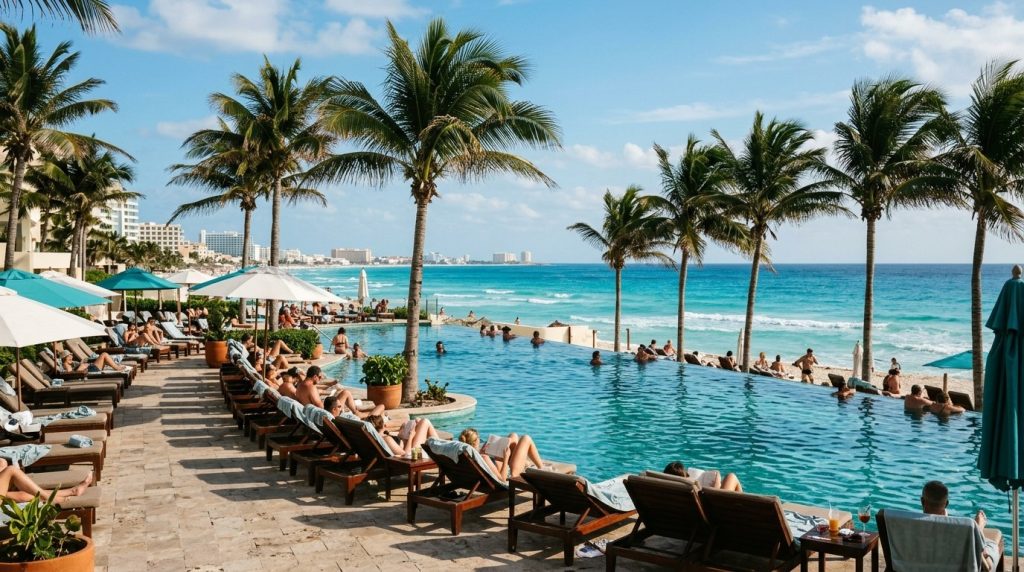
Find your Cancun hotel on the map
Live prices from Booking, Airbnb and more — move the map or change dates to compare stays across Cancun.
Frequently Asked Questions
What month should you not go to Cancun?
September is the riskiest month. The National Hurricane Center puts the Atlantic peak around September 10, with most storms forming between mid-August and mid-October. Prices are low for a reason. If you must go then, book refundable rates and buy travel insurance that covers hurricanes.
Is Cancun overrated?
Cancun is overrated only if you expect a charming colonial town. As a beach base it delivers: Caribbean water, short nonstop flights from the US and huge resort choice. Add Isla Mujeres, a cenote and Chichen Itza and the trip feels far more rounded than a week inside the resort.
Is an all-inclusive in Cancun worth the money?
Usually yes for couples and families who drink. Kayak shows all-inclusives averaging about USD 454 a night versus USD 375 for standard resorts, and that difference disappears quickly once you pay for three meals and drinks in the Hotel Zone. Light drinkers who eat downtown save more room-only.
How many days do you need in Cancun?
Five days is the sweet spot. That gives you two full beach days plus one day each for Isla Mujeres, Chichen Itza and a cenote or downtown evening. Three days works for a quick beach reset. A full week makes sense only if relaxing at your resort is the whole point of the trip.
Planning the whole trip? Start with our Cancun travel guide for the overview, then use this page for the details.